Diego Velázquez · PD
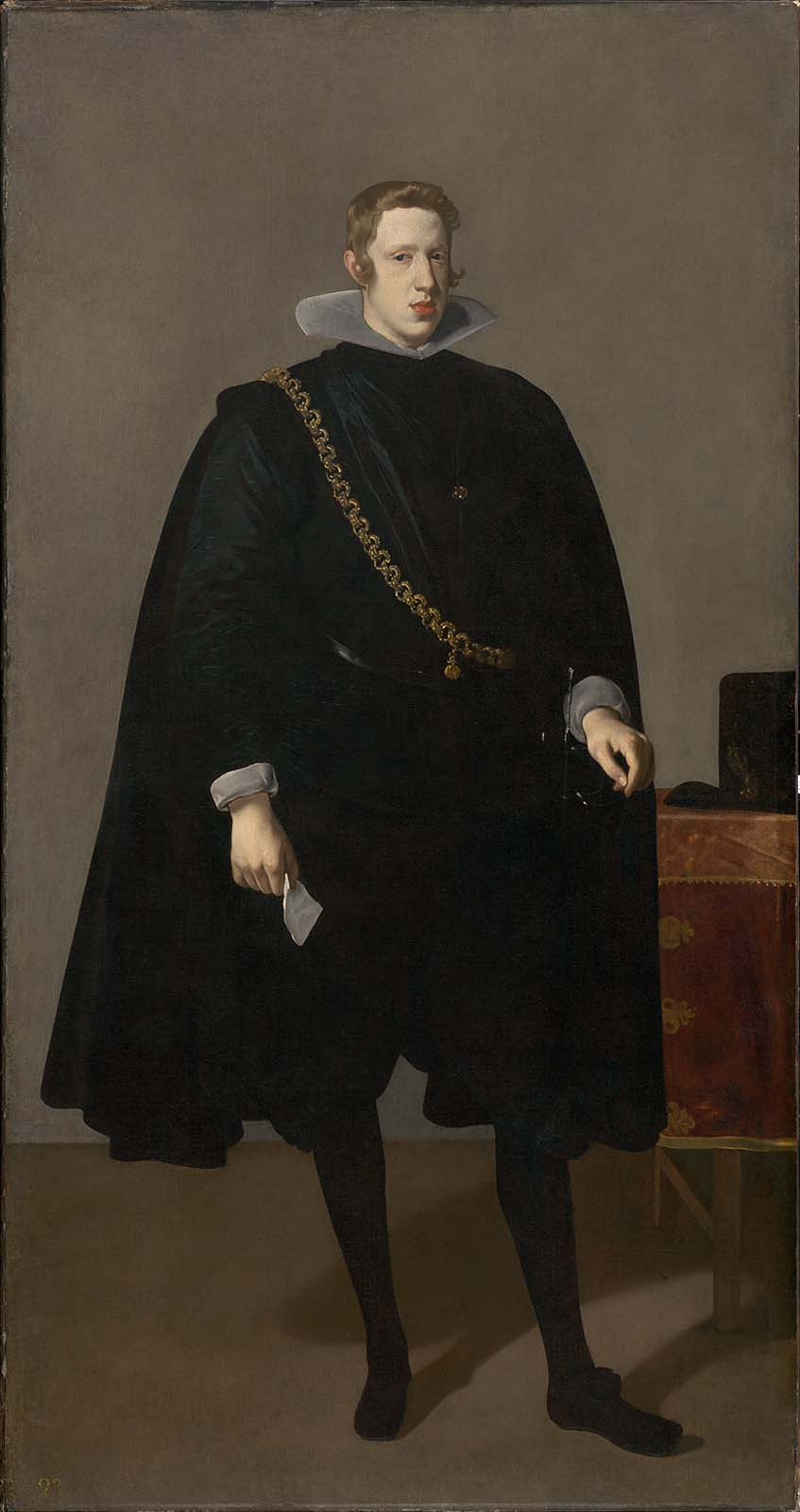
Philip IV, King of Spain
Details
The story
In September 1904 Denman Waldo Ross, a Boston collector and one of the museum's great benefactors, was in Madrid and was shown a photograph of this portrait at the home of a man named Luis de Navas. Navas took him to see the canvas itself at the house of its owner, who called himself the Prince of Bourbon and Duke of Anjou, titles he claimed without any right to them. On 1 October that man signed a statement that the picture had belonged to his family, and Ross bought it for the museum as a Velázquez.
Doubts arrived within weeks. In November the New York sugar magnate and collector H. O. Havemeyer received an anonymous letter from Paris saying that Navas had owned the picture all along and had invented its noble history to sell it more easily. In January 1905 the Madrid art critic Aureliano de Beruete wrote to the New York Sun that Navas had owned it since at least 1892, when he lent it under his own name to an exhibition in Madrid.
The museum now gives the portrait to Velázquez's workshop and notes that it closely resembles, and may follow, a full-length of the king in the Metropolitan Museum in New York. The only ornament on Philip's black clothes is a gold chain hung with the emblem of the Order of the Golden Fleece.