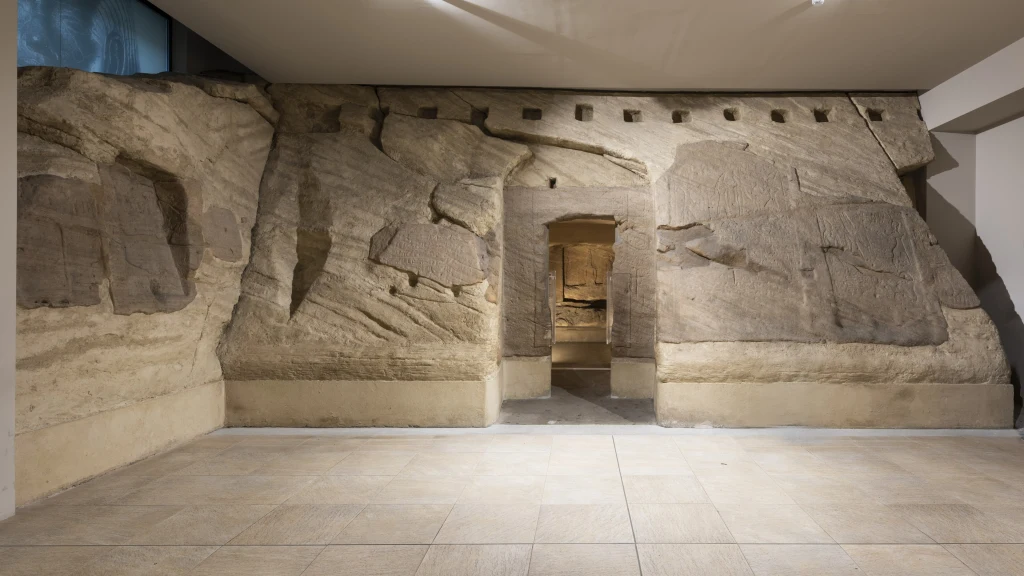
Rock-cut Chapel of Ellesiya
Details
The story
In the 1960s the lake rising behind Egypt's new High Dam at Aswan threatened to drown the ancient monuments of Nubia, and dozens of countries joined a UNESCO campaign to save them. Italy was among them, and Egypt thanked it with this chapel, just as Spain, the Netherlands and the United States each received a temple. Cut into blocks and shipped to Turin, it was rebuilt inside the museum and presented in the autumn of 1970.
It had been carved into a cliff at Ellesiya, in Nubia not far from Abu Simbel, for Thutmose III, and the museum dates it to 1454 BC. It was dedicated to Horus of Miam and to the goddess Satet, and could be reached only from the river. A corridor and two side rooms form an upside-down T, with scenes of the king offering to Egyptian and Nubian gods. Its later history is still on the walls. Under Akhenaten parts of the decoration were hammered out, Ramesses II had it restored and the statues in the rear niche recut as Amun, Horus and himself, and Christians later carved crosses and stars around the doorway. Since November 2024 the chapel has had its own free entrance on Via Duse.
More works by Unknown Egyptian artist (18th Dynasty)
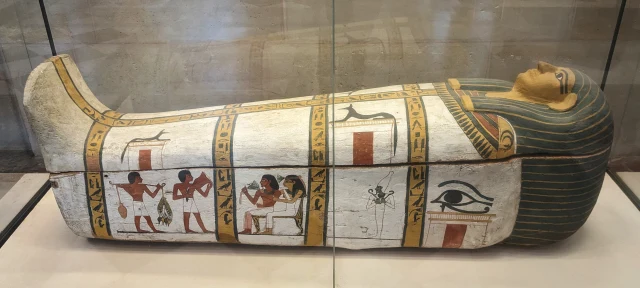 Anthropoid Coffin of MadjaUnknown Egyptian artist (18th Dynasty), -1452
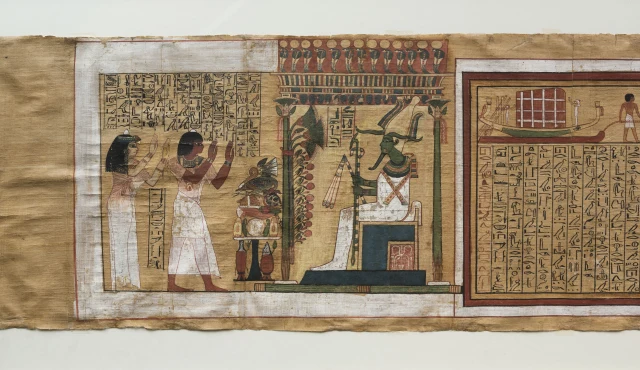 Book of the Dead of KhaUnknown Egyptian artist (18th Dynasty), -1389
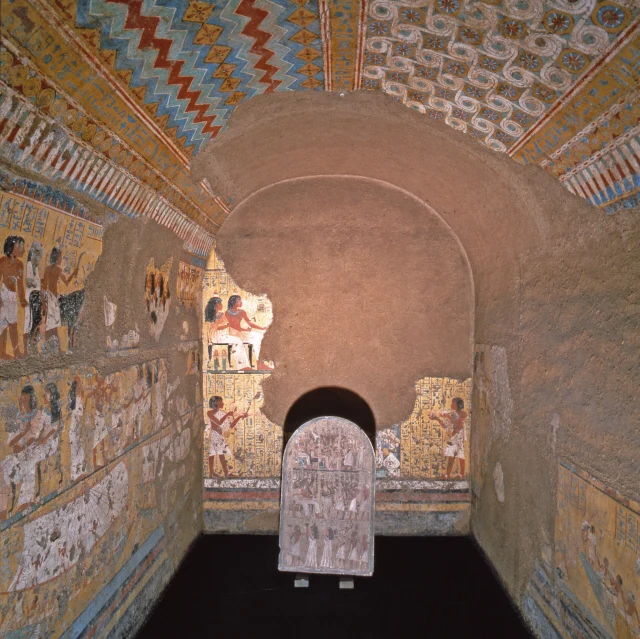 Chapel of MayaUnknown Egyptian artist (18th Dynasty), -1322
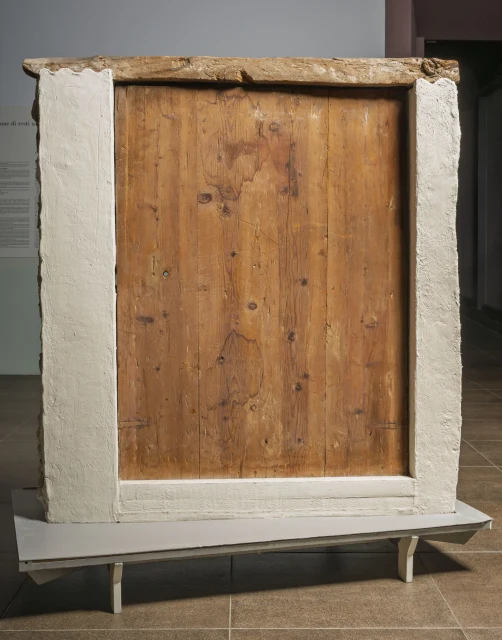 Door of the Burial Chamber of Kha and MeritUnknown Egyptian artist (18th Dynasty), -1389
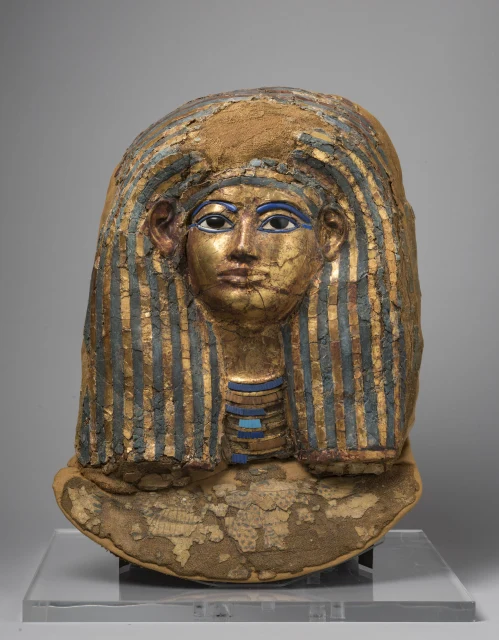 Funerary Mask of MeritUnknown Egyptian artist (18th Dynasty), -1389