PMRMaeyaert · CC-BY-SA-4.0
Seashells and Chinoiseries
Details
The story
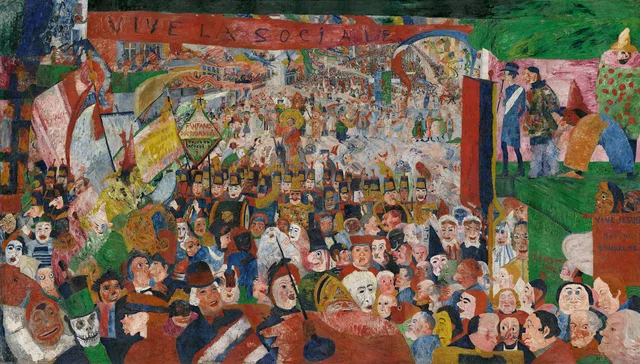
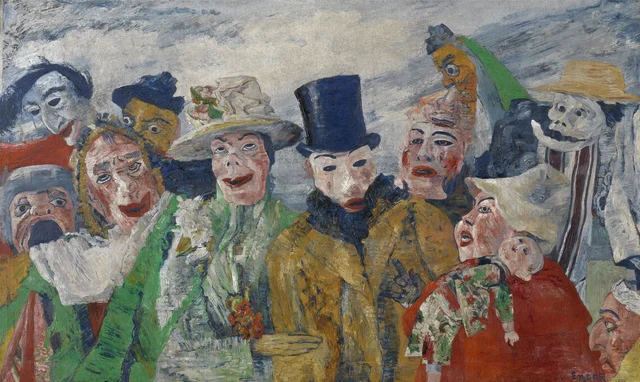
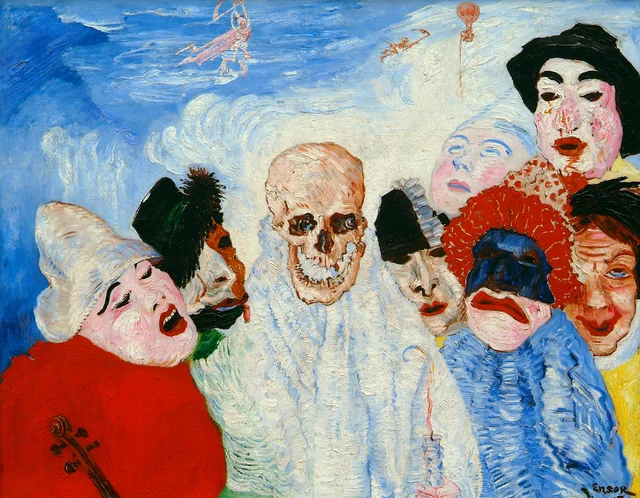
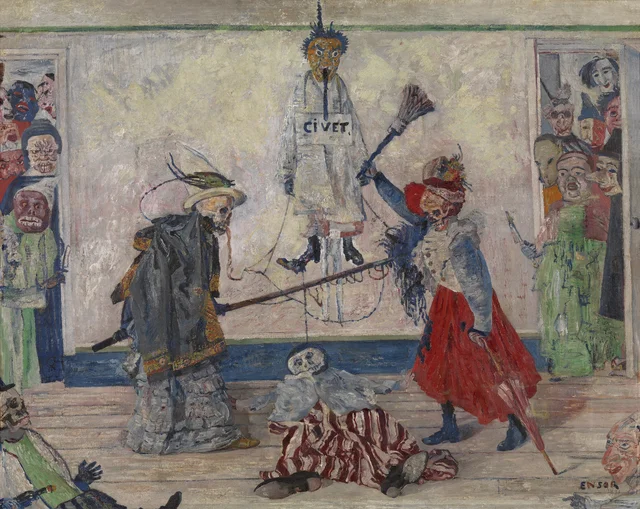
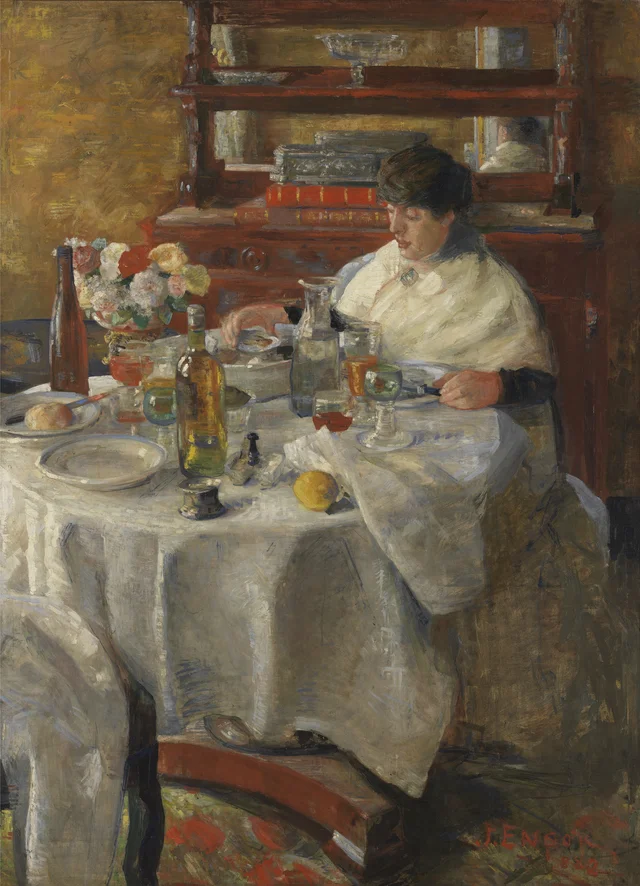
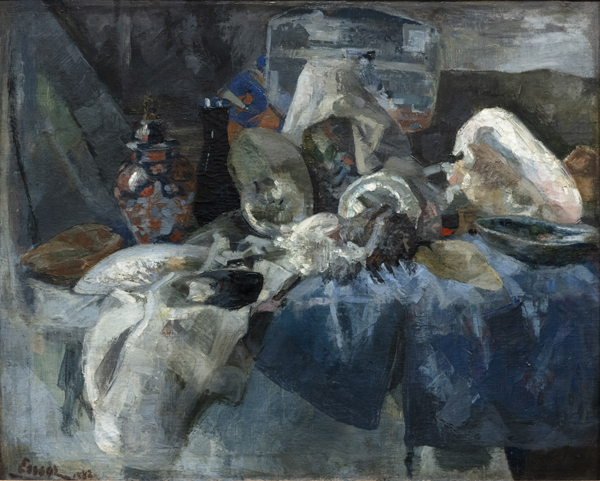
In 1882 Ensor's Oyster Eater was turned down twice, first by the Antwerp Salon and then by the Brussels artists' circle he had joined, and at 22 he was working mostly at home in Ostend. Home was useful. His family ran a curiosity and souvenir shop on the seafront, selling shells, fans, porcelain, Chinese trinkets and carnival masks to the summer bathers, and the still lifes of these years are built out of that stock, carried upstairs and arranged on a table. The shells here were trade goods before they were subjects, tropical species imported to be sold as holiday keepsakes on the Belgian coast. He kept coming back to the same shelves for decades, and the masks from that shop eventually became the crowds in his figure paintings.