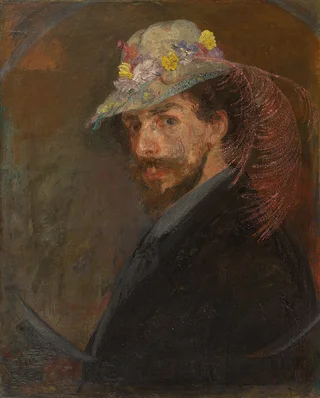
James Ensor
1860–1949 · Belgium · Expressionism
The story
James Ensor spent almost his whole life in the Belgian seaside town of Ostend, much of it above his family's souvenir shop, which sold seashells, chinoiserie and the carnival masks that would take over his art. Those grinning painted masks, and the skeletons he set among them, became his subject, a way of stripping the polite faces off the people around him.
His masterpiece was too much even for his allies. Christ's Entry into Brussels in 1889 is enormous, over four metres wide, and shows Christ almost lost in a jostling modern carnival of masked, leering faces under a red banner reading Long Live the Social Republic. Ensor painted it in 1888 for the avant-garde group Les XX, the Twenty, which he had helped to found, and they refused to hang it. He kept the huge canvas in his Ostend studio for decades, and it was barely shown in public until 1929.
His boldest work was done young, mostly in the 1880s. Recognition came slowly and then all at once. In 1929 King Albert made him a baron, and the once-scandalous painter of masks passed his last decades as a celebrated Belgian institution, improvising on the harmonium and receiving visitors in Ostend until his death in 1949.
Works
92 works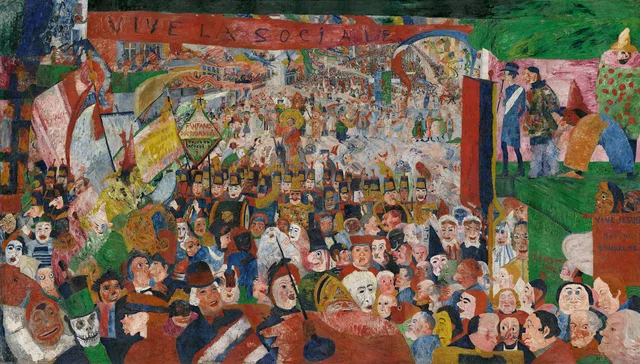 Christ's Entry Into Brussels in 1889James Ensor, 1888
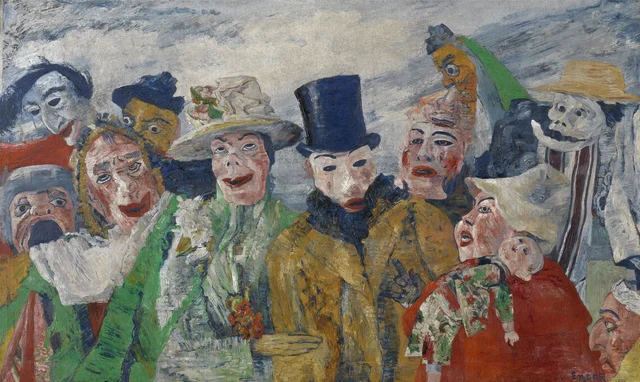 The Intrigue (Ensor)James Ensor, 1890
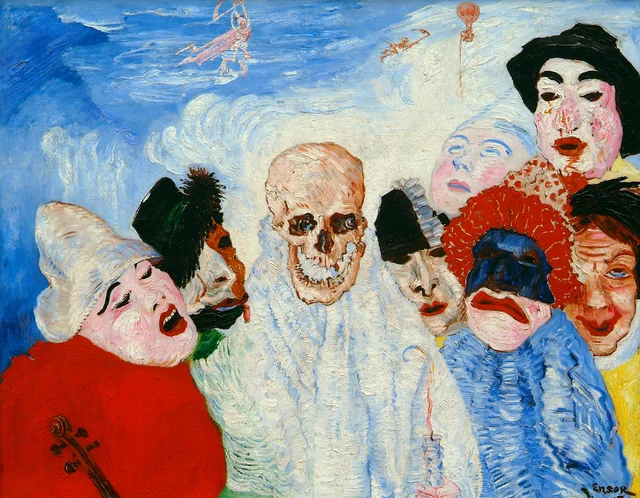 Death and the MasksJames Ensor, 1897
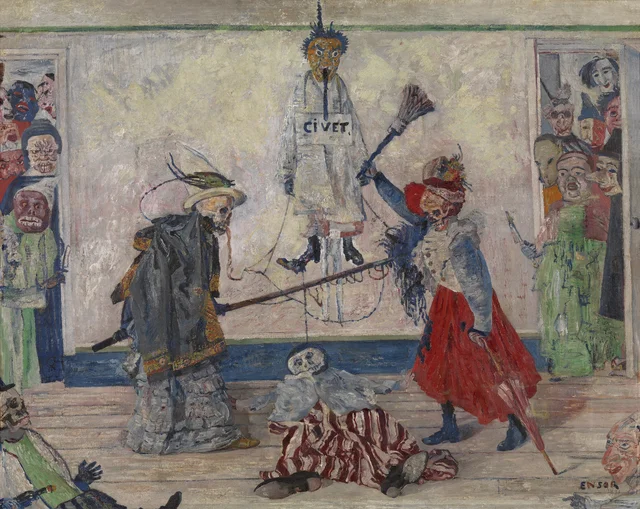 Skeletons fighting over a Hanged ManJames Ensor, 1891
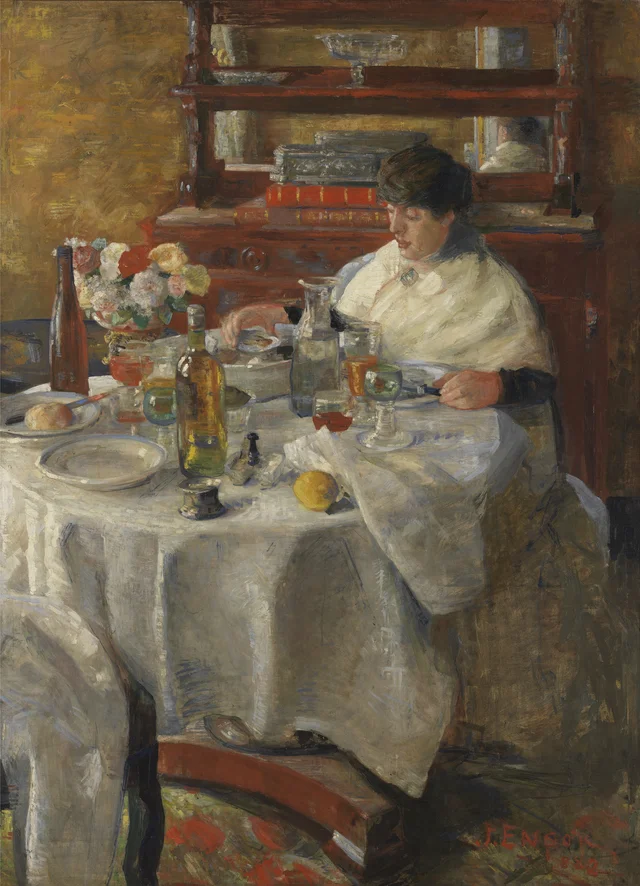 The Oyster EaterJames Ensor, 1882
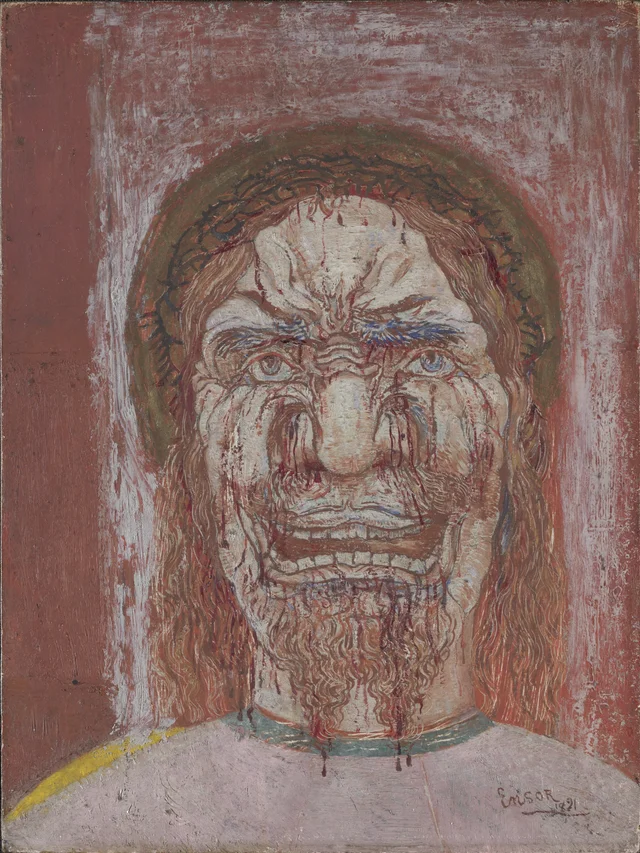 Man of SorrowsJames Ensor, 1891
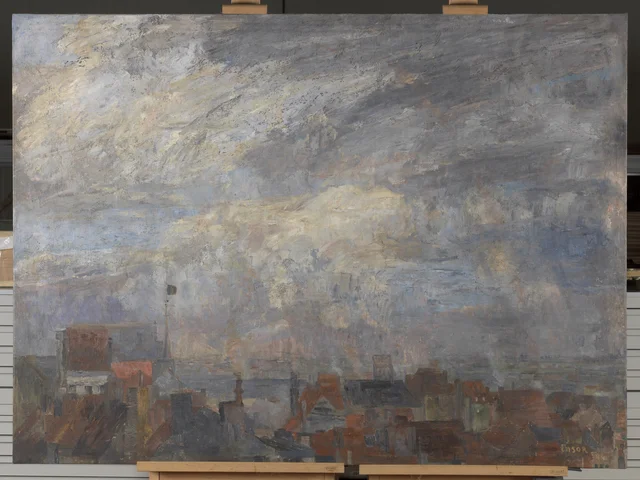 The Rooftops of OstendJames Ensor, 1884
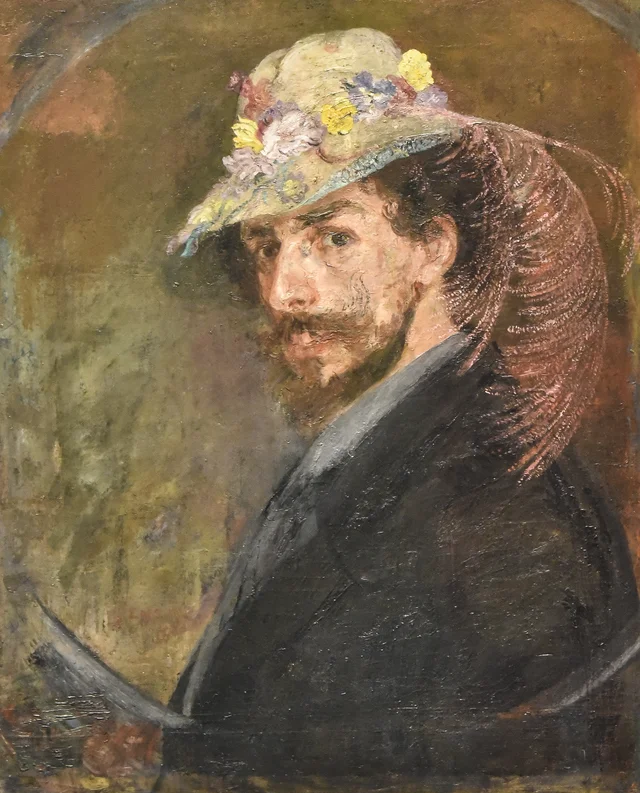 Self-portrait with flowered hatJames Ensor, 1885
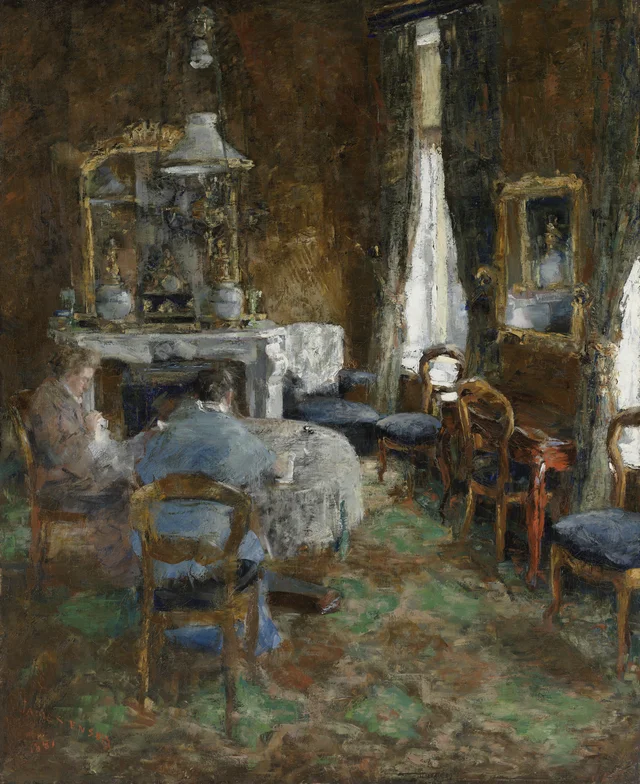 The Bourgeois SalonJames Ensor, 1881
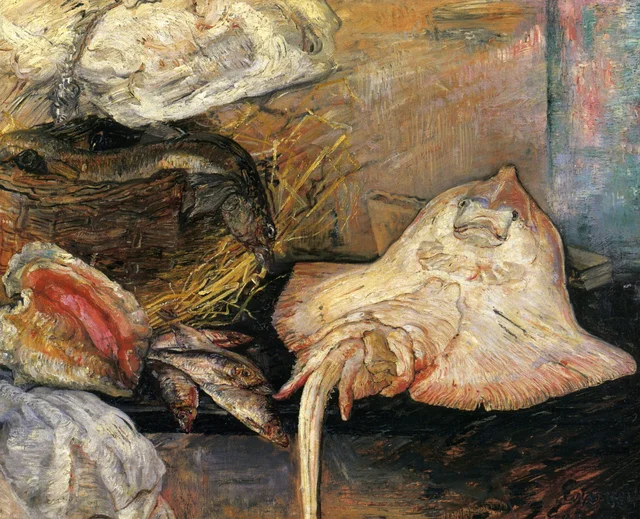 The RayJames Ensor, 1892
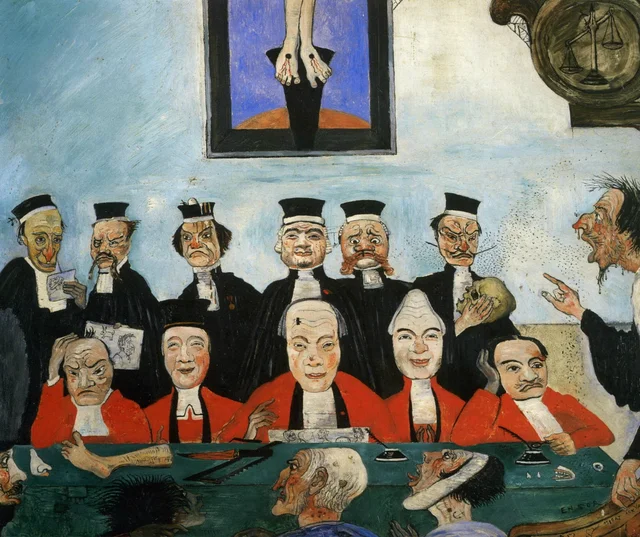 The wise judgesJames Ensor, 1891
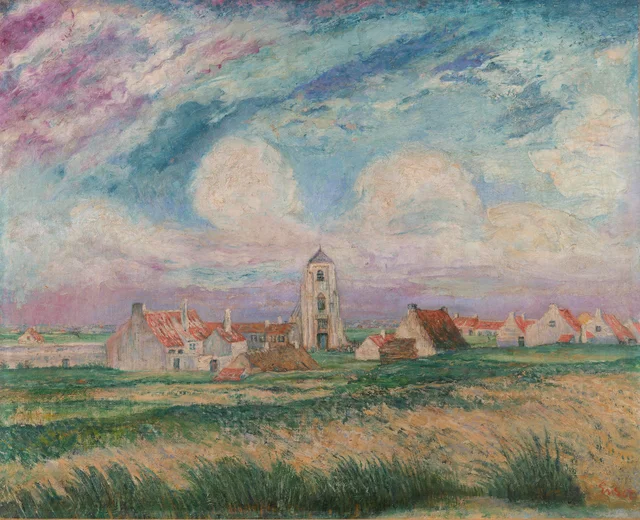 View of MariakerkeJames Ensor, 1901
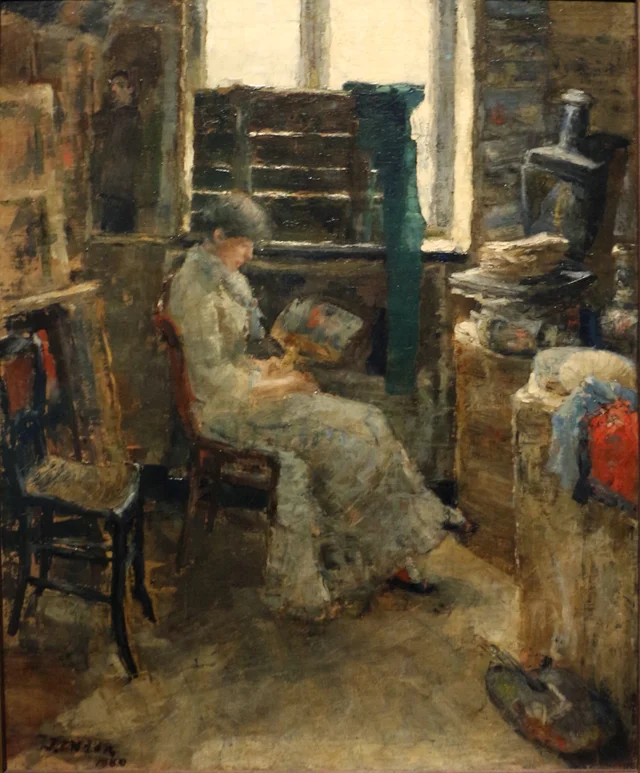 A ColouristJames Ensor, 1880
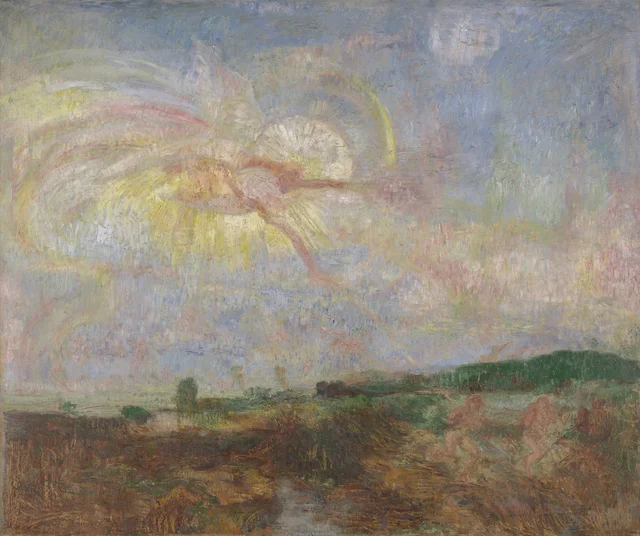 Adam and Eve expelled from ParadiseJames Ensor, 1887
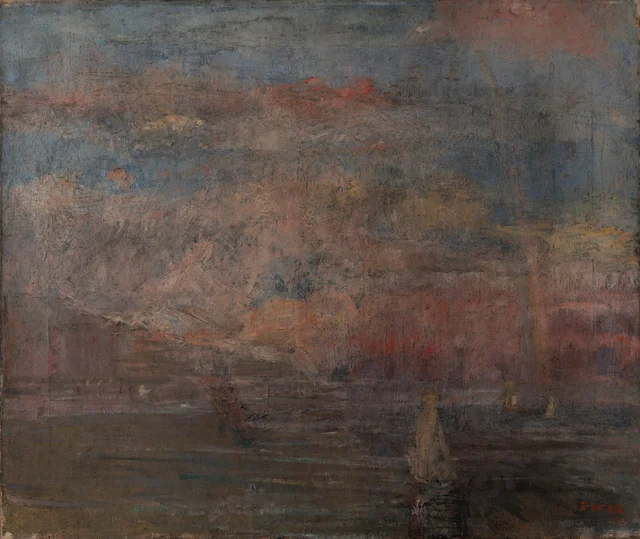 After the stormJames Ensor, 1880
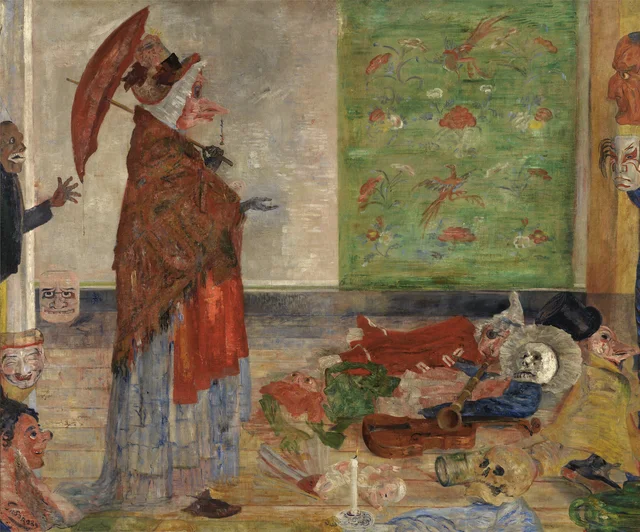 Astonishment of the Mask WouseJames Ensor, 1889
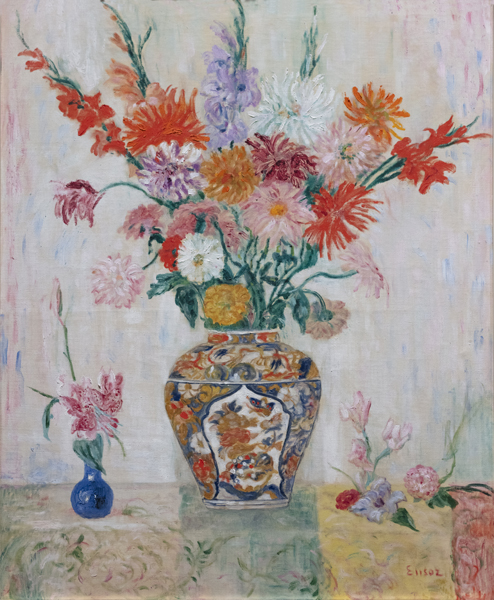 Autumn FlowersJames Ensor, 1938
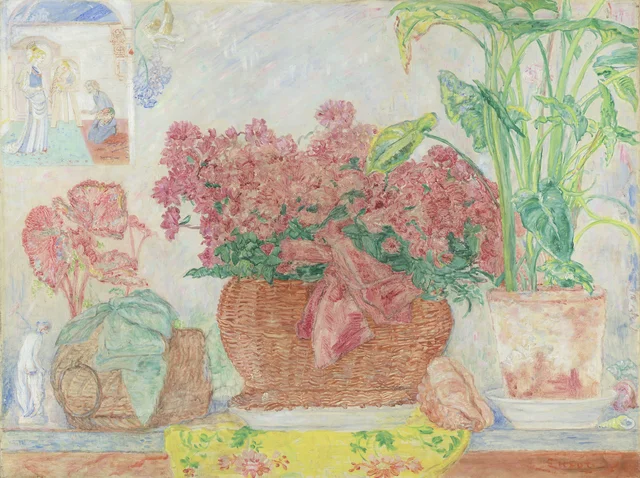 AzaleasJames Ensor, 1925
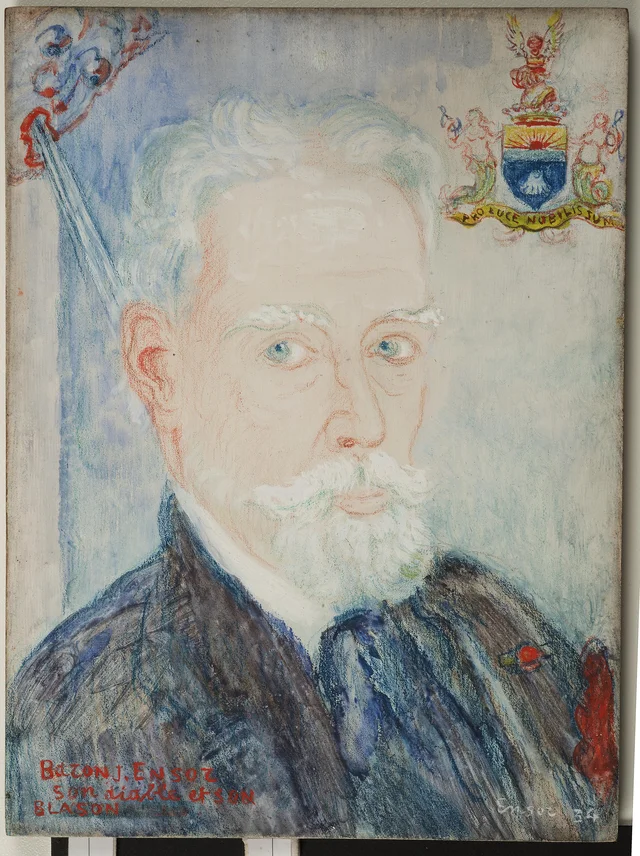 Baron James Ensor, his bad angel, his coat of armsJames Ensor, 1934
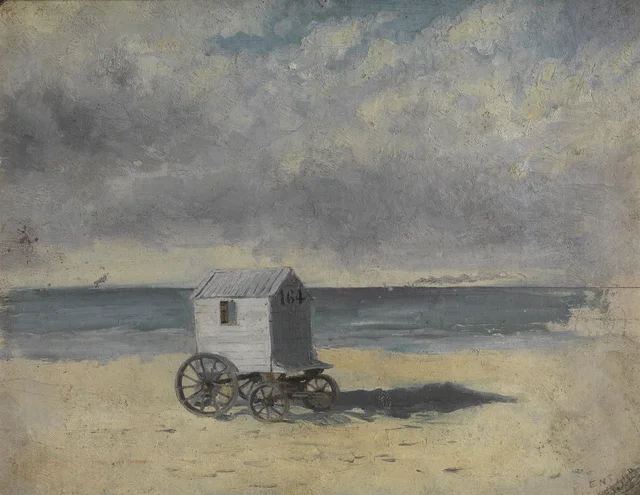 Bathing-hutJames Ensor, 1876
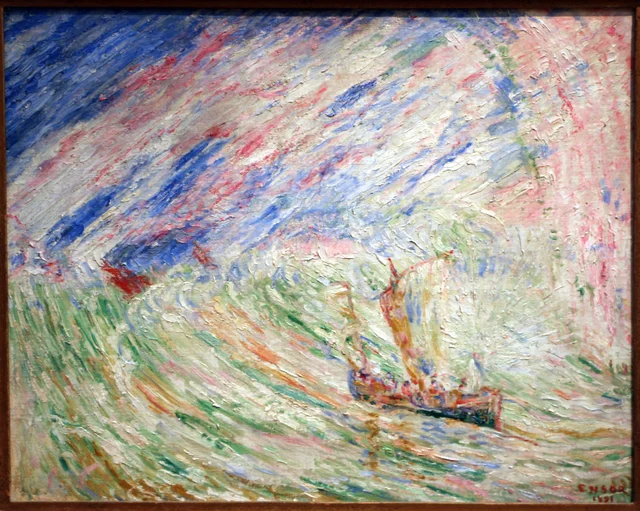 Christ calming the waterJames Ensor, 1906
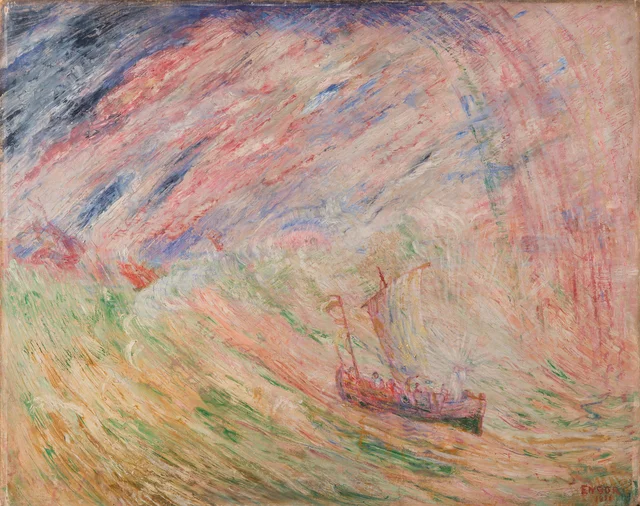 Christ calming the waterJames Ensor, 1891
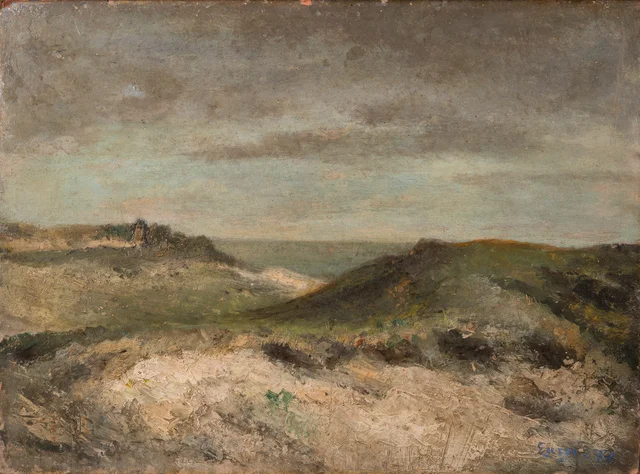 DunesJames Ensor, 1877
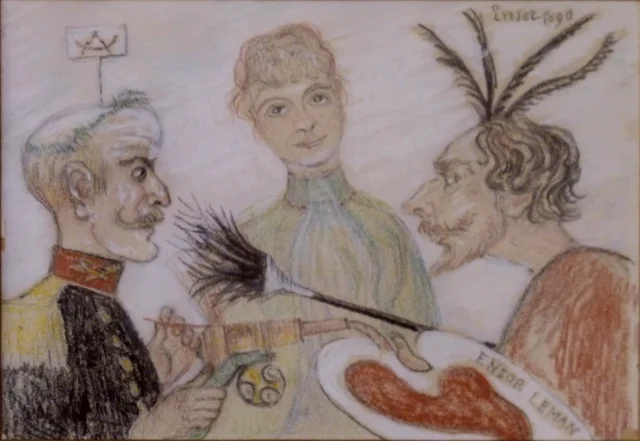 Ensor and Leman discussing paintingJames Ensor, 1890
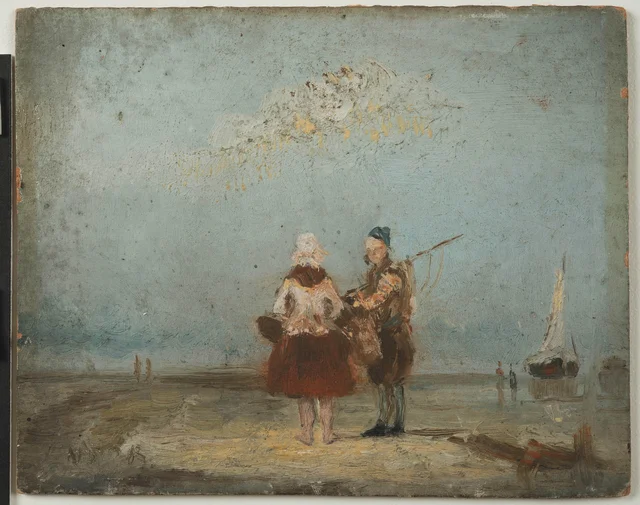 Fisher coupleJames Ensor, 1874