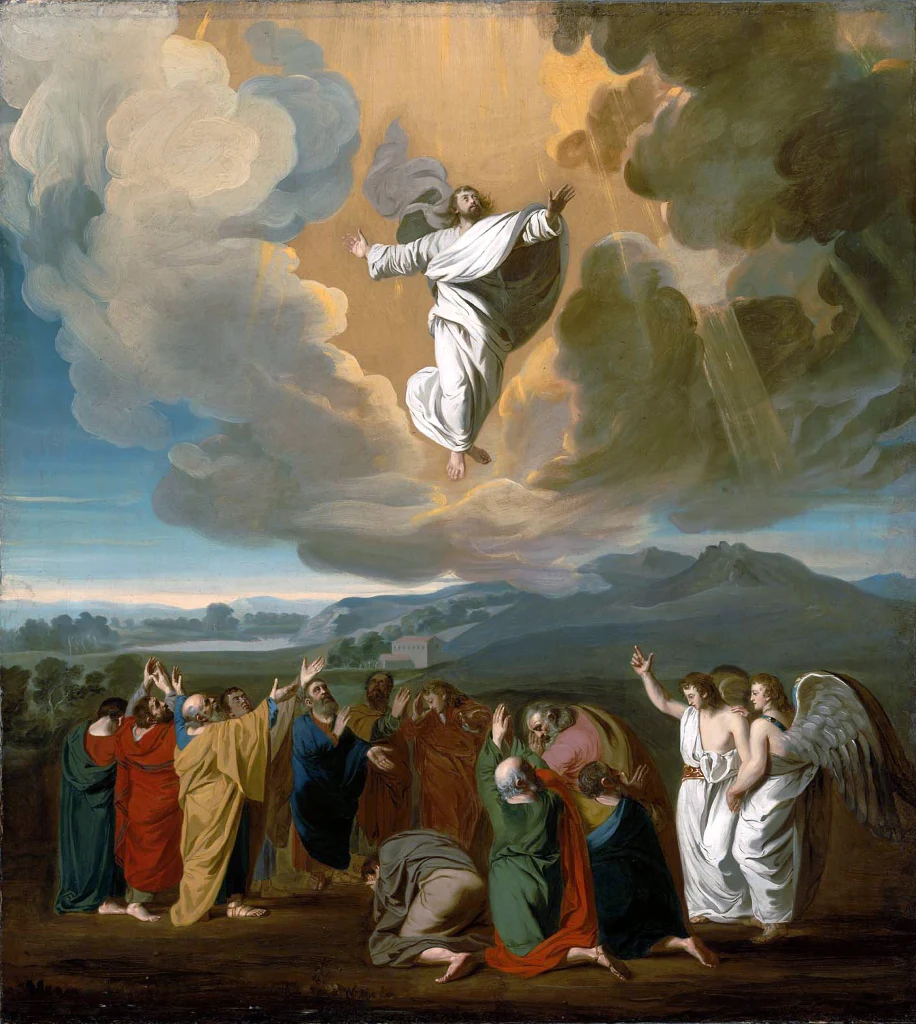
The Ascension
Details
The story
In March 1775, a few months after reaching Rome, Copley wrote his half-brother Henry Pelham in Boston a long letter on how a history painting is made. He was in the middle of this one. In Boston he had painted almost nothing but portraits, and it had been some 20 years since he had last tried a scene with many figures. Now he set out each step. First he settled where the figures would go and sketched the general idea, then worked out the action of every single figure. For the drapery he dressed a lay figure, a jointed wooden mannequin, in wet cloth so the folds would hold still. He had a live model sit for the heads of Christ and the apostles, traced his drawings and transferred them to paper and then to canvas, and kept studying Raphael, which, he said, kept the fire of the imagination alive. The debt shows in the arrangement, which leans on Raphael's Transfiguration in the Vatican. Copley half expected Pelham to read the whole minute account and ask whether it was good for anything. The finished canvas is modest in size, about 81 by 73 centimetres. It reached Boston through Copley's granddaughter, and her daughter left it to the museum in 1925.
More works by John Singleton Copley
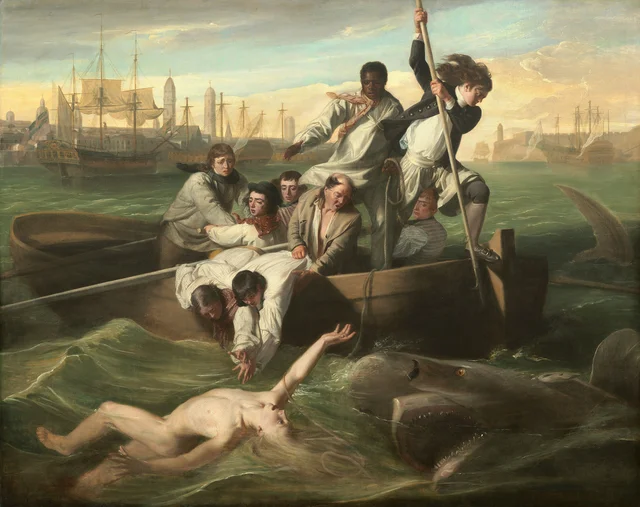 Watson and the SharkJohn Singleton Copley, 1778
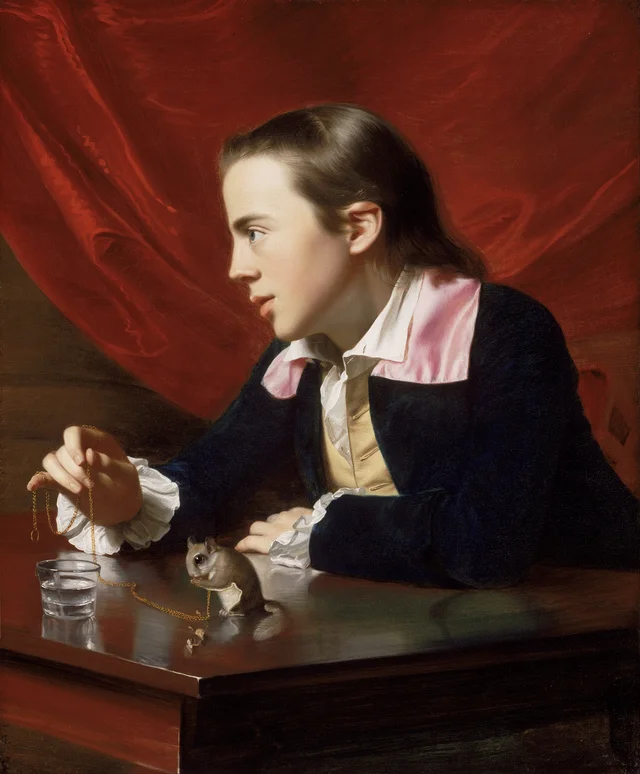 A Boy with a Flying Squirrel (Henry Pelham)John Singleton Copley, 1765
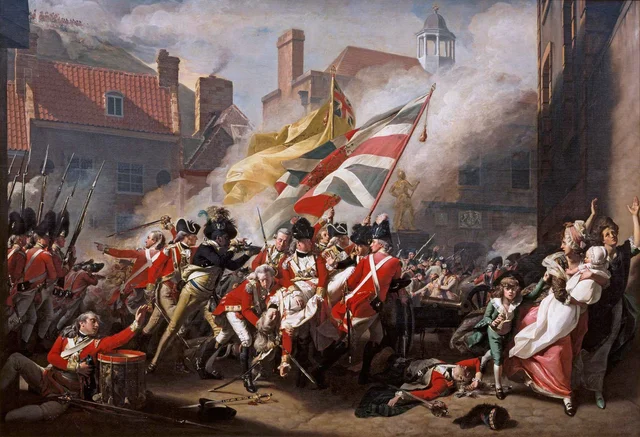 The Death of Major Peirson, 6 January 1781John Singleton Copley, 1783
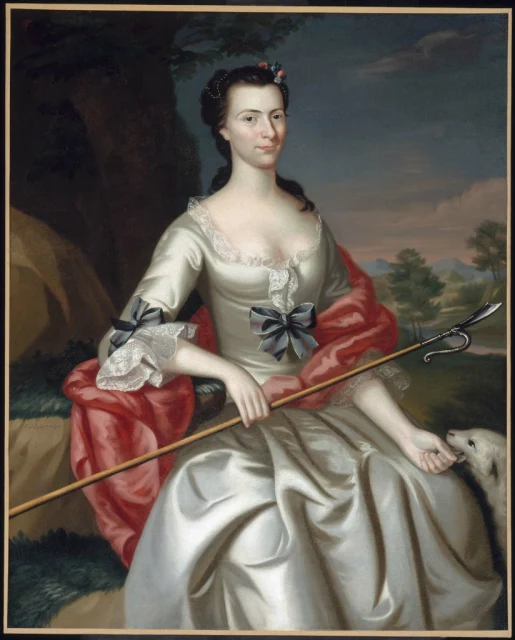 Ann Tyng (Mrs. Thomas Smelt)John Singleton Copley, 1756
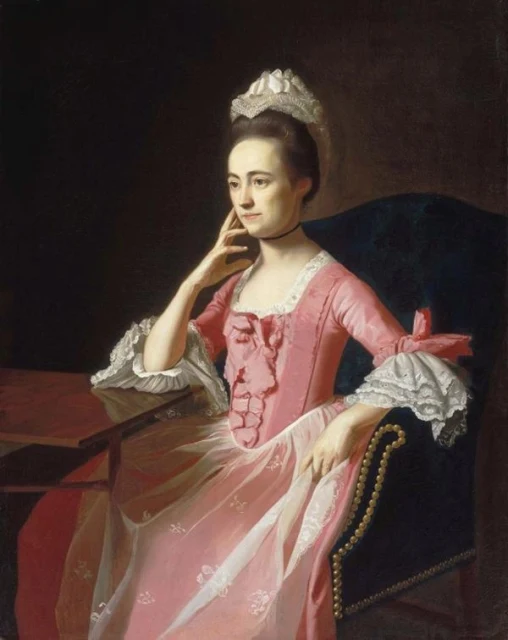 Dorothy Quincy (Mrs. John Hancock)John Singleton Copley, 1772