
John Singleton Copley
1738–1815 · British Empire · Realism
The story
John Singleton Copley grew up in Boston with almost no real painters to learn from, and taught himself into the finest portraitist in colonial America. His sitters, merchants and their wives in sharp everyday clothes, look you dead in the eye with a plain, unsparing directness that European portraits usually softened away.
As the Revolution approached, Copley, married into a Loyalist family, left for London in 1774 and never came back. There he reinvented himself as a painter of modern history. His breakthrough was Watson and the Shark of 1778, showing a real event, a boy attacked by a shark in Havana harbour, staged with the drama once reserved for saints and battles.
He went on to huge canvases like The Death of Major Pierson, crowded with portraits of actual people. His American work and his London work barely look like the same hand, and collectors have argued ever since over which Copley was the better painter.
More articles

Works
20 works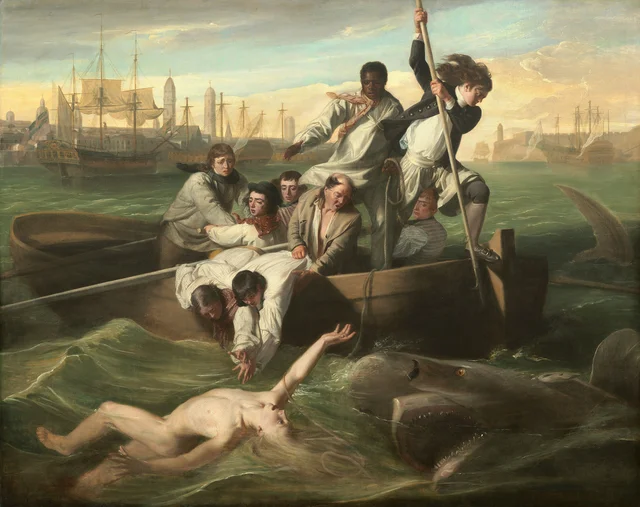 Watson and the SharkJohn Singleton Copley, 1778
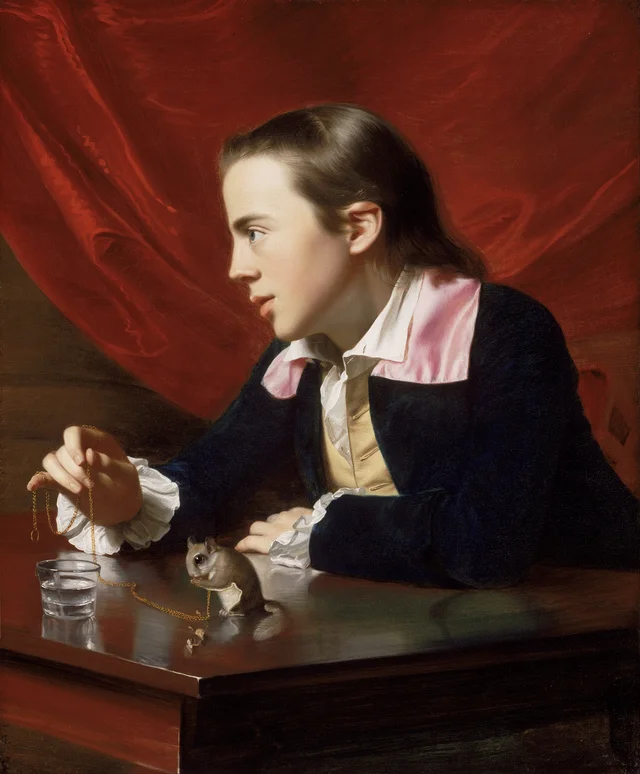 A Boy with a Flying Squirrel (Henry Pelham)John Singleton Copley, 1765
 The Death of Major Peirson, 6 January 1781John Singleton Copley, 1783
 Ann Tyng (Mrs. Thomas Smelt)John Singleton Copley, 1756
 Dorothy Quincy (Mrs. John Hancock)John Singleton Copley, 1772
 Ezekiel GoldthwaitJohn Singleton Copley, 1771
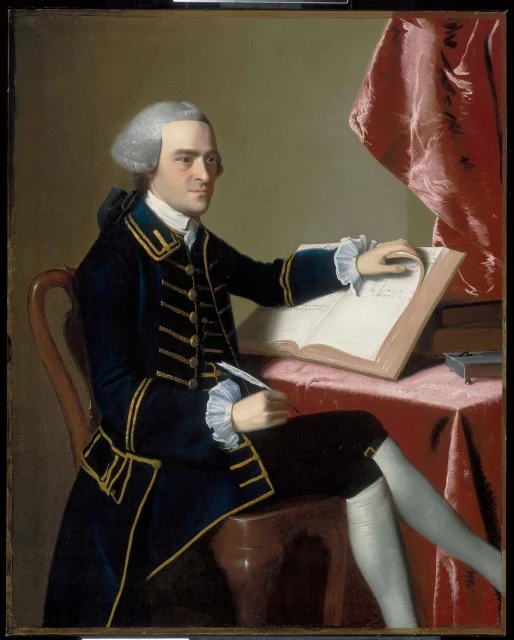 John HancockJohn Singleton Copley, 1765
 John Quincy AdamsJohn Singleton Copley, 1796
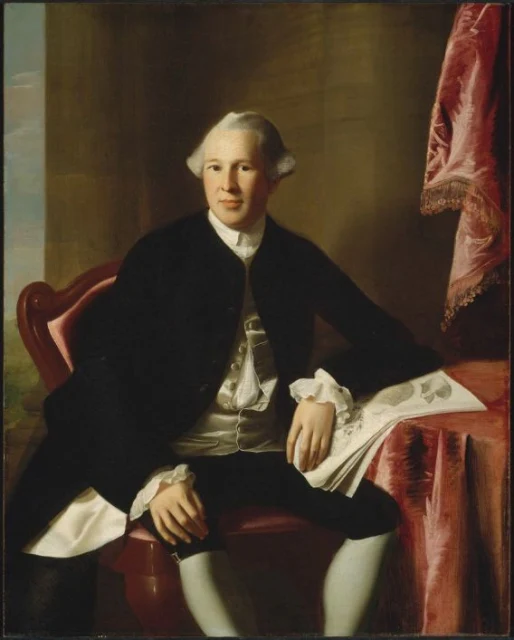 Joseph WarrenJohn Singleton Copley, 1765
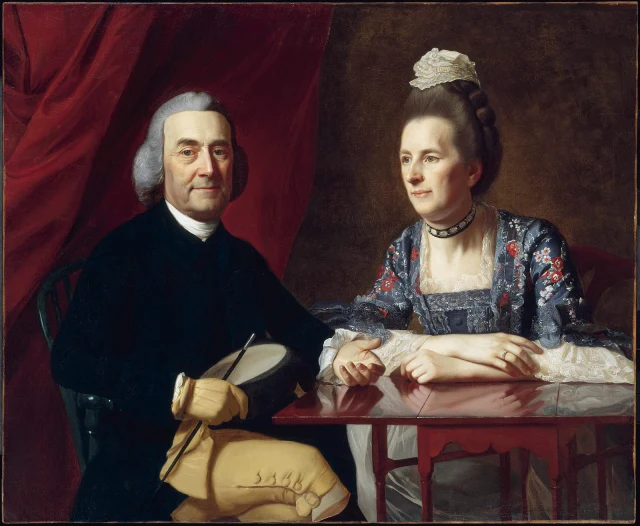 Mr. and Mrs. Isaac Winslow (Jemima Debuke)John Singleton Copley, 1773
 Mrs. James Warren (Mercy Otis)John Singleton Copley, 1763
 Mrs. Joseph Mann (Bethia Torrey)John Singleton Copley, 1753
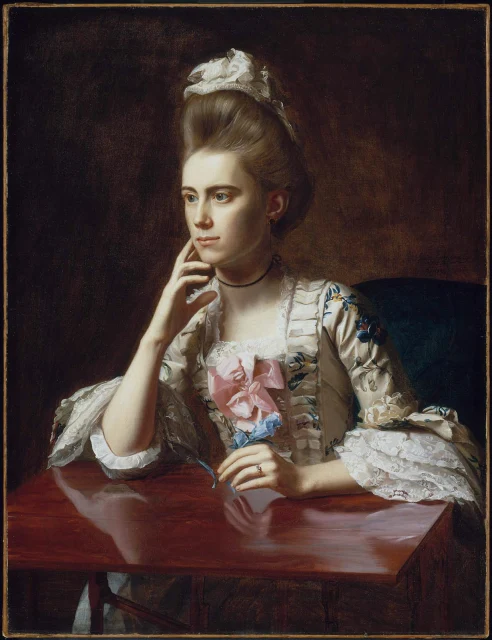 Mrs. Richard Skinner (Dorothy Wendell)John Singleton Copley, 1772
 Mrs. Samuel Quincy (Hannah Hill)John Singleton Copley, 1761
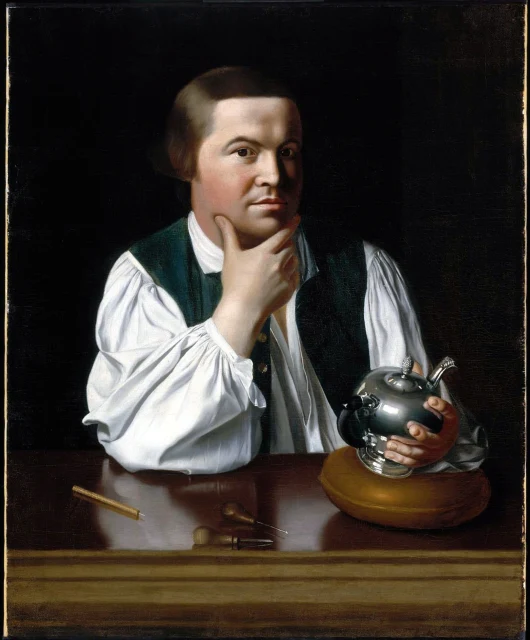 Paul RevereJohn Singleton Copley, 1768
 Rebecca BoylstonJohn Singleton Copley, 1767
 Samuel AdamsJohn Singleton Copley, 1772
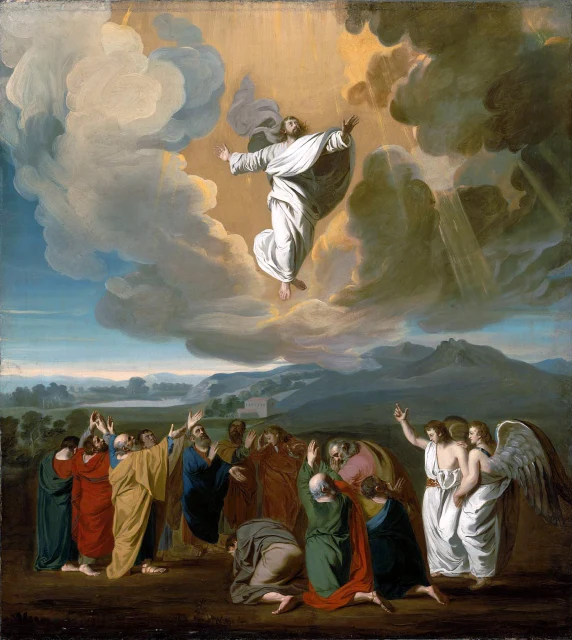 The AscensionJohn Singleton Copley, 1775
 The NativityJohn Singleton Copley, 1776
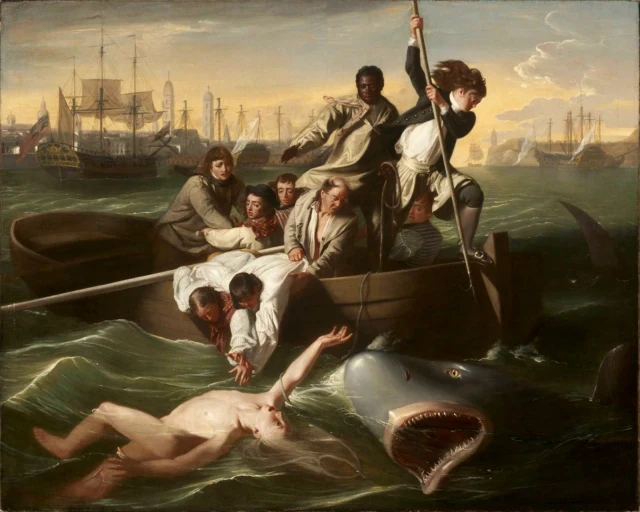 Watson and the SharkJohn Singleton Copley, 1778