The story
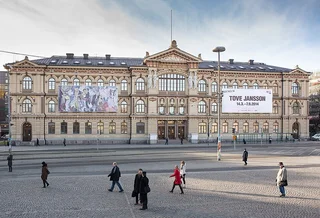
When the Ateneum opened in 1887, Finland was still a grand duchy under the Russian tsar, and an art of its own was only beginning to take shape. The palatial building on Helsinki's central square, designed by Theodor Höijer, gathered an art school and a growing collection under one roof, and over the next decades it filled with the painters now remembered as Finland's golden age.
The pictures people come for draw on the Kalevala, the Finnish national epic. Akseli Gallen-Kallela painted its heroes and its doomed maiden Aino in a stark, hard-edged style that helped a country picture itself. Nearby hang Helene Schjerfbeck's pared-down portraits and Hugo Simberg's strange "Wounded Angel," two boys carrying a bandaged figure on a stretcher. There is foreign art too, including a street scene in Auvers by van Gogh, bought in 1903, among the first works by him any museum acquired.
Collection
22 works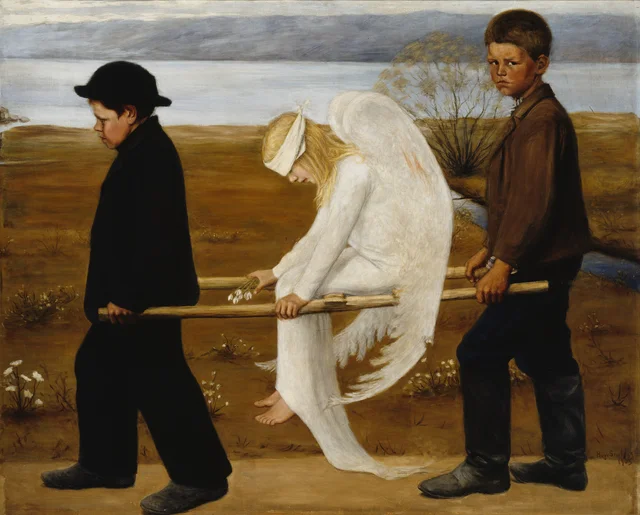 The Wounded AngelHugo Simberg, 1903
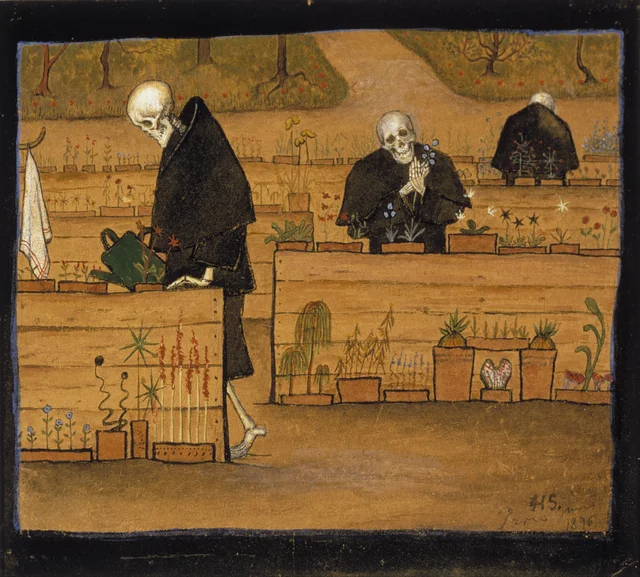 The Garden of DeathHugo Simberg, 1896
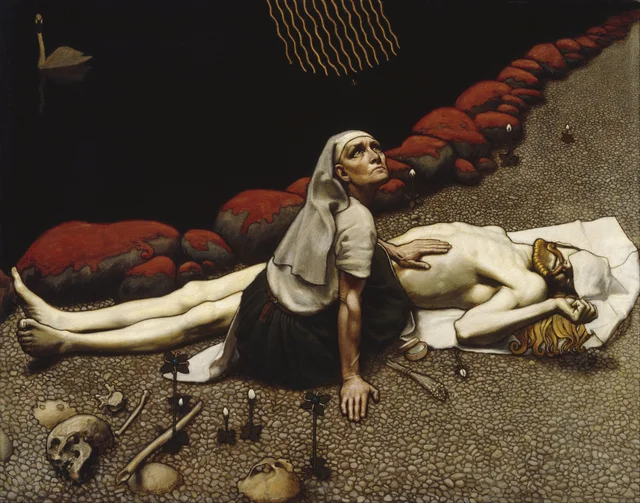 Lemminkäinen's MotherAkseli Gallen-Kallela, 1897
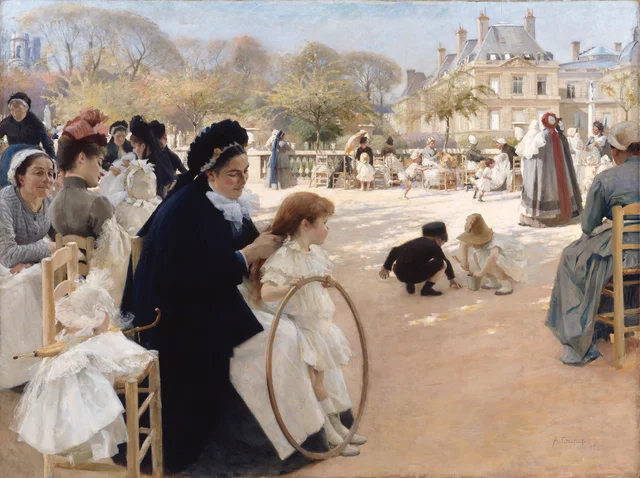 The Luxembourg Gardens, ParisAlbert Edelfelt, 1887
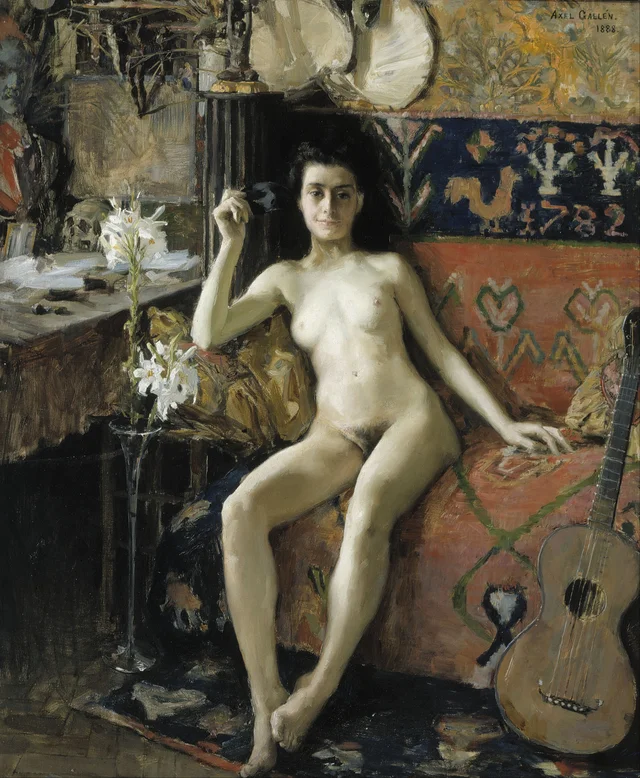 DémasquéeAkseli Gallen-Kallela, 1888
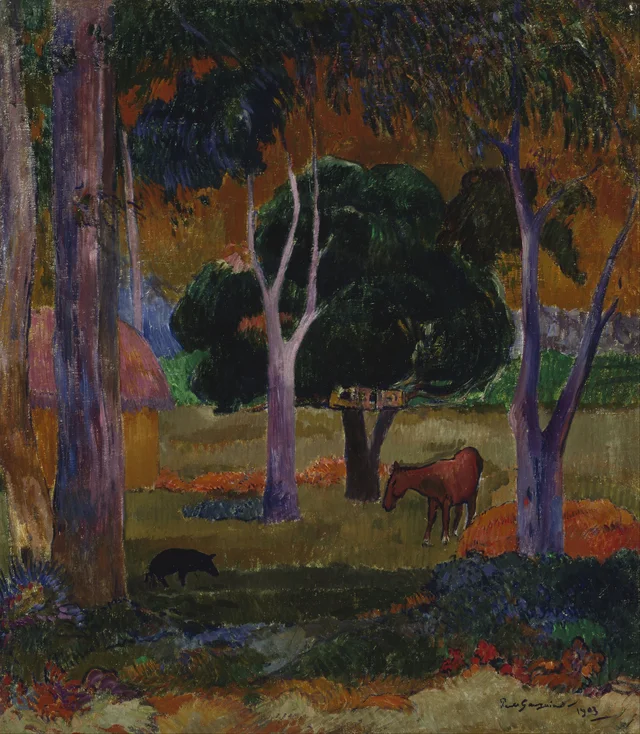 Hiva OaPaul Gauguin, 1903
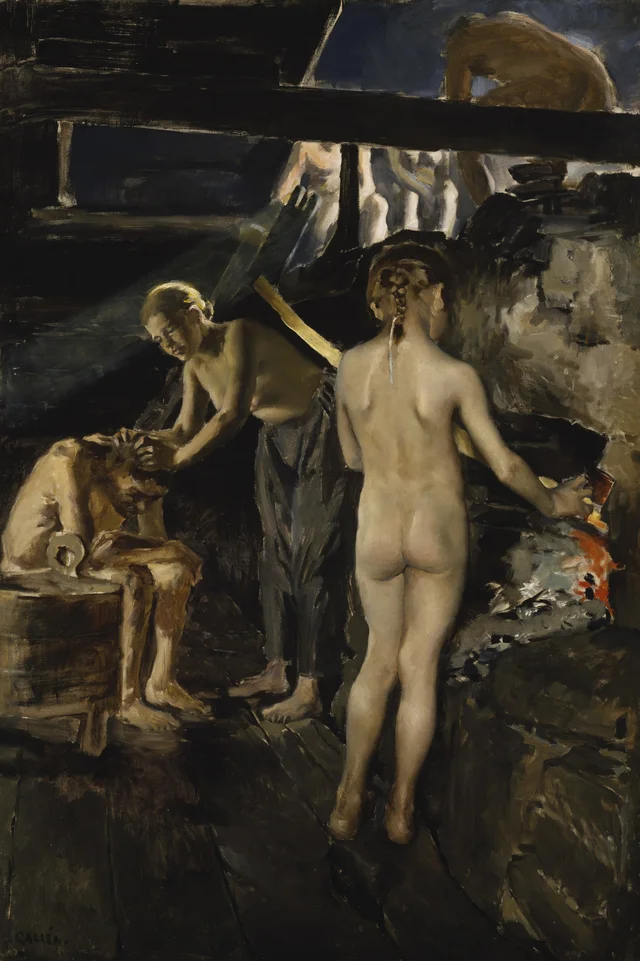 In the SaunaAkseli Gallen-Kallela, 1889
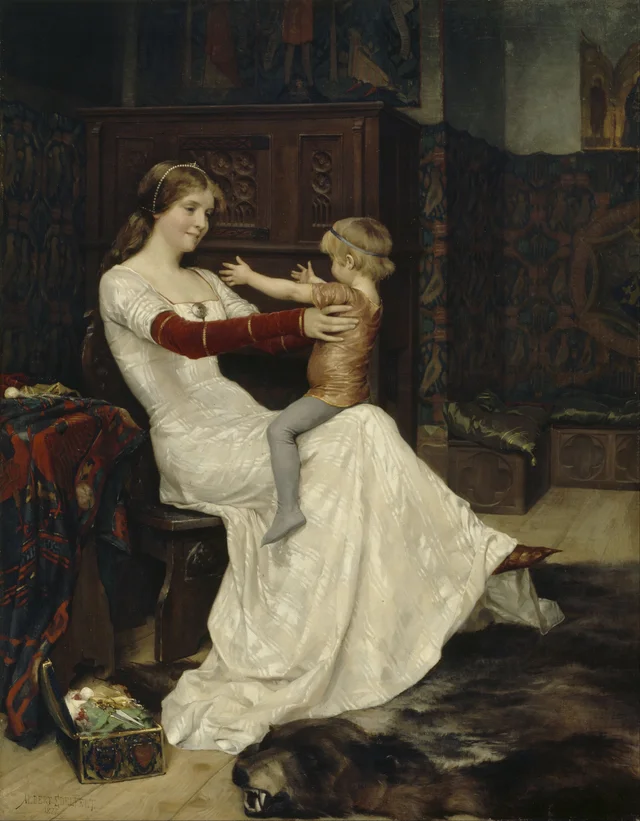 Queen Blanche de NamurAlbert Edelfelt, 1877
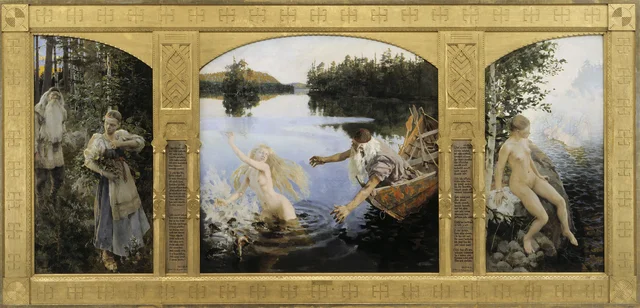 Aino MythAkseli Gallen-Kallela, 1891
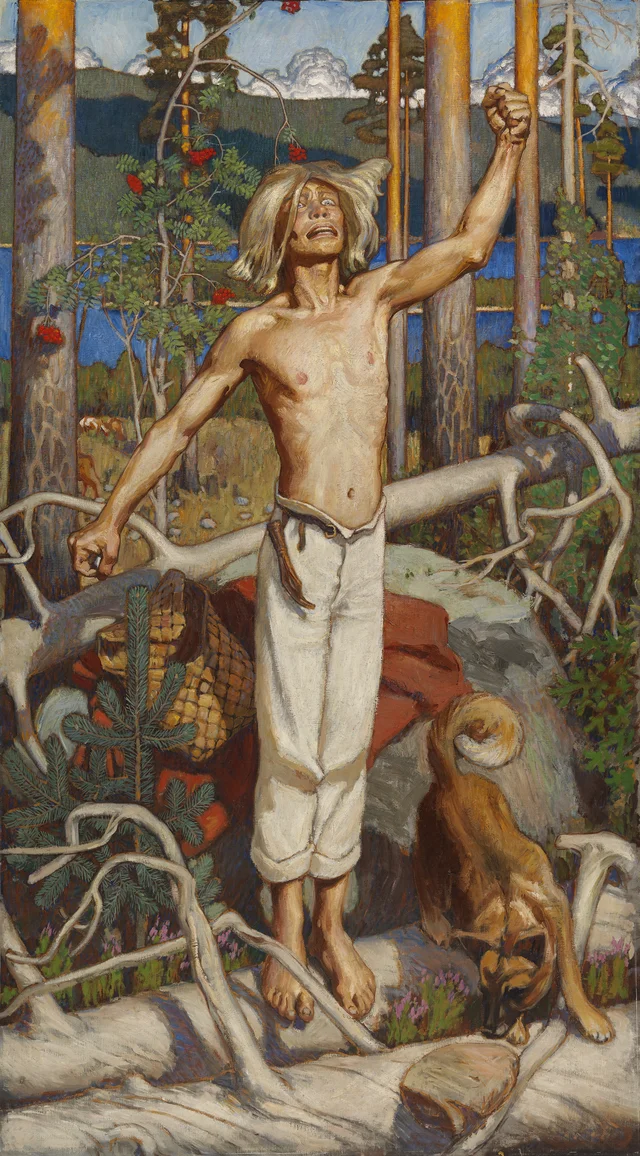 Kullervo CursingAkseli Gallen-Kallela, 1899
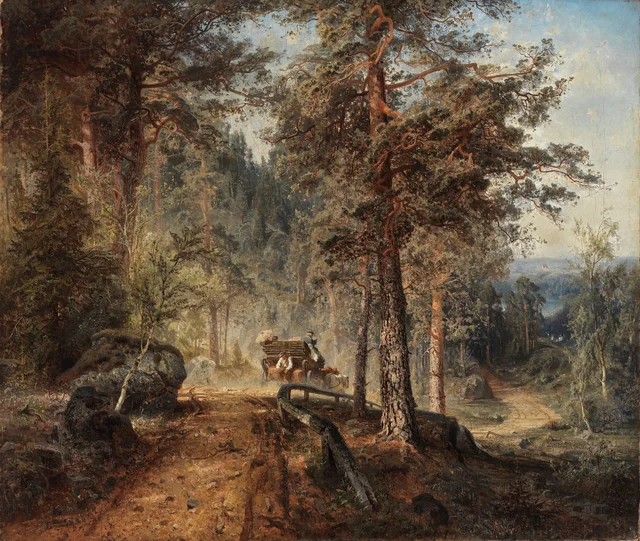 Road in HämeWerner Holmberg, 1860
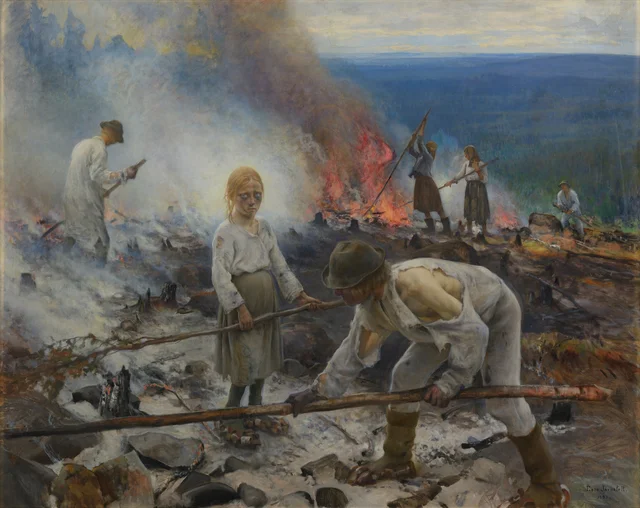 Burning the BrushwoodEero Järnefelt, 1893
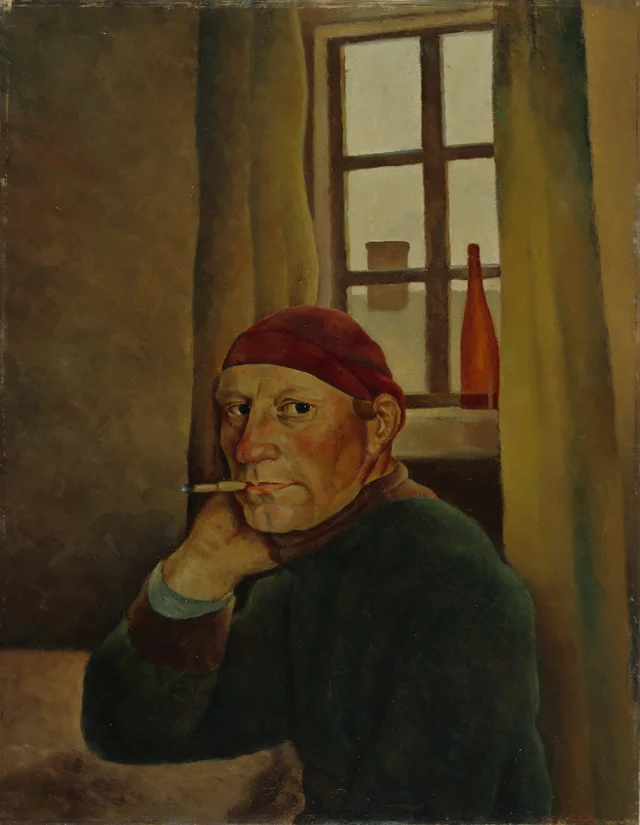 Self-PortraitVilho Lampi, 1933
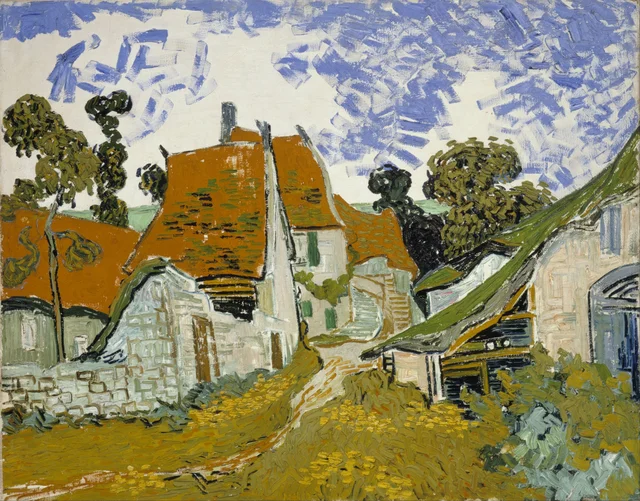 Street in Auvers-sur-OiseVincent van Gogh, 1890
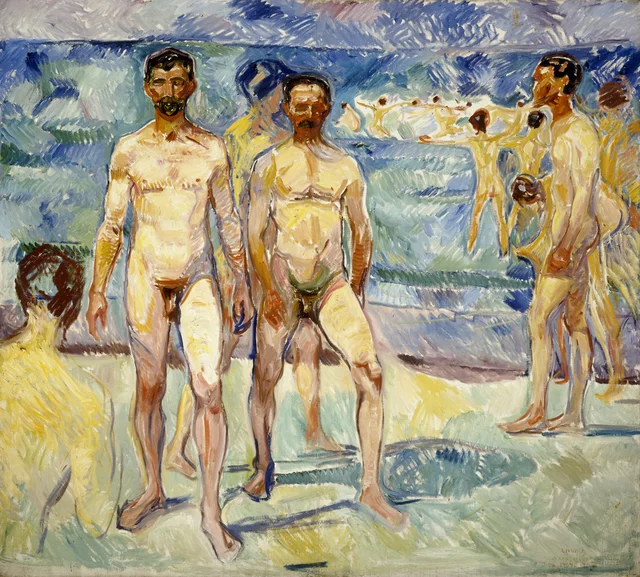 Bathing MenEdvard Munch, 1908
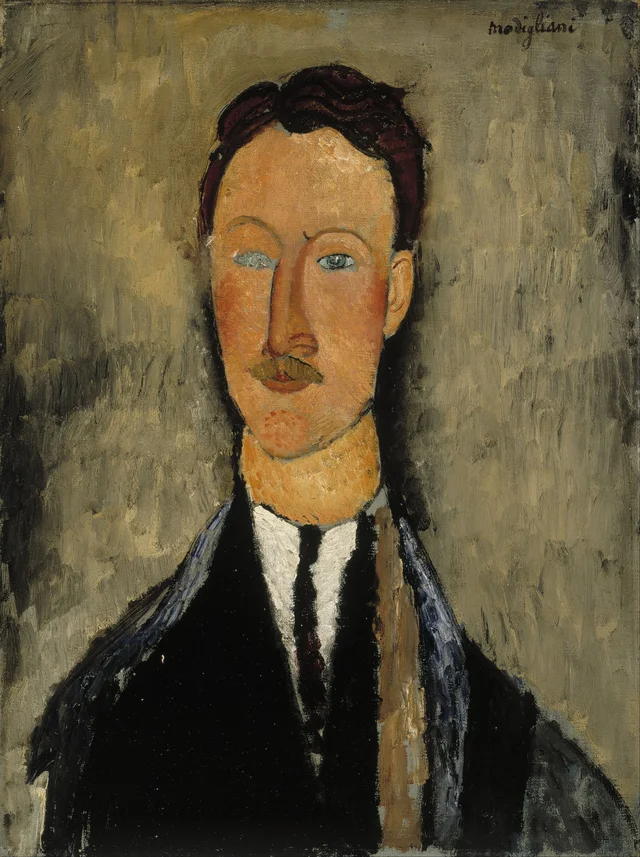 Portrait of the Artist Léopold SurvageAmedeo Modigliani, 1918
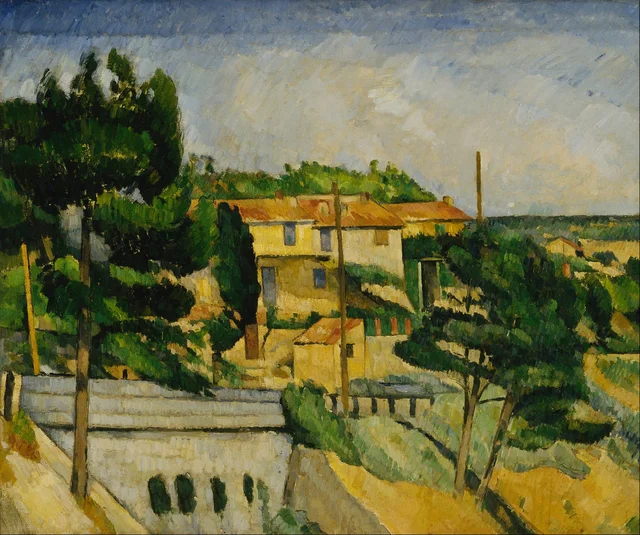 The Road Bridge at L'EstaquePaul Cézanne, 1882
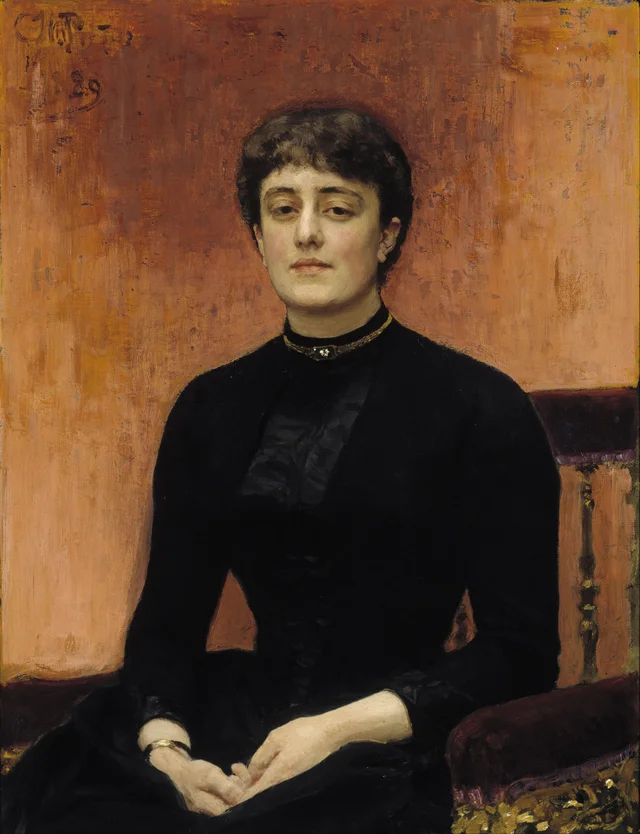 Portrait of Elizabeta ZvantsevaIlya Repin, 1889
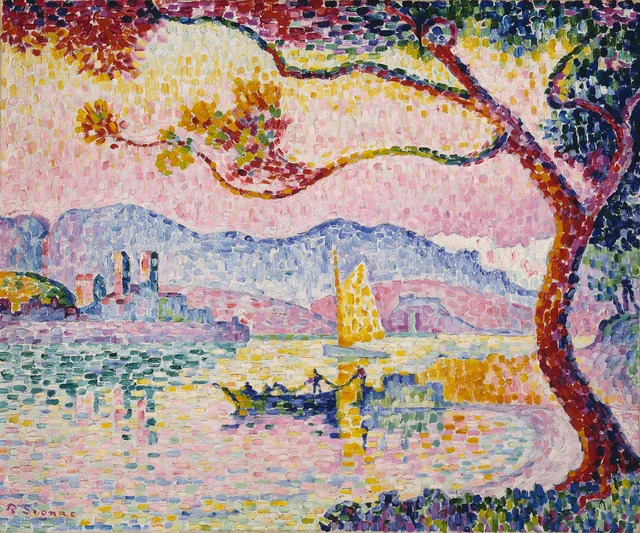 Antibes, Bacon's small harbourPaul Signac, 1917
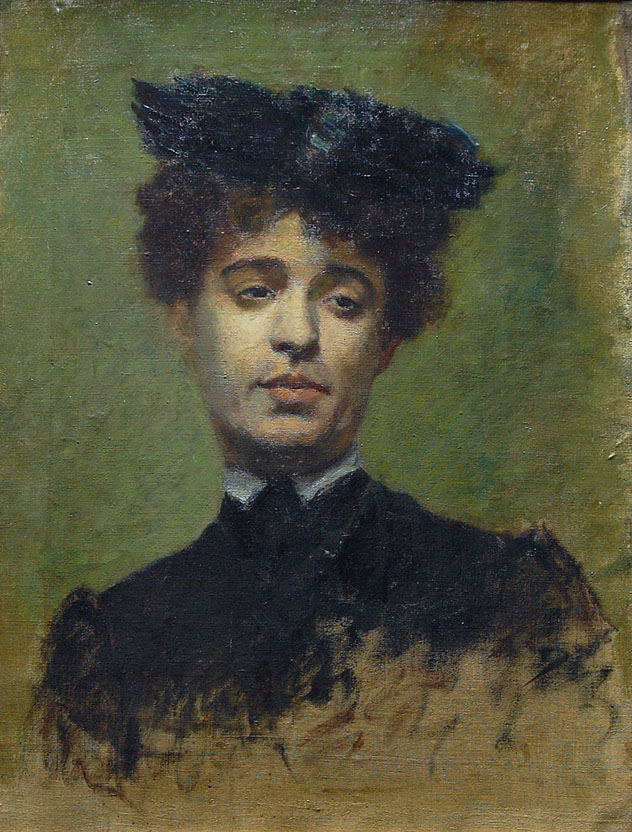 Portrait of E. N. ZvantsevaIlya Repin, 1889
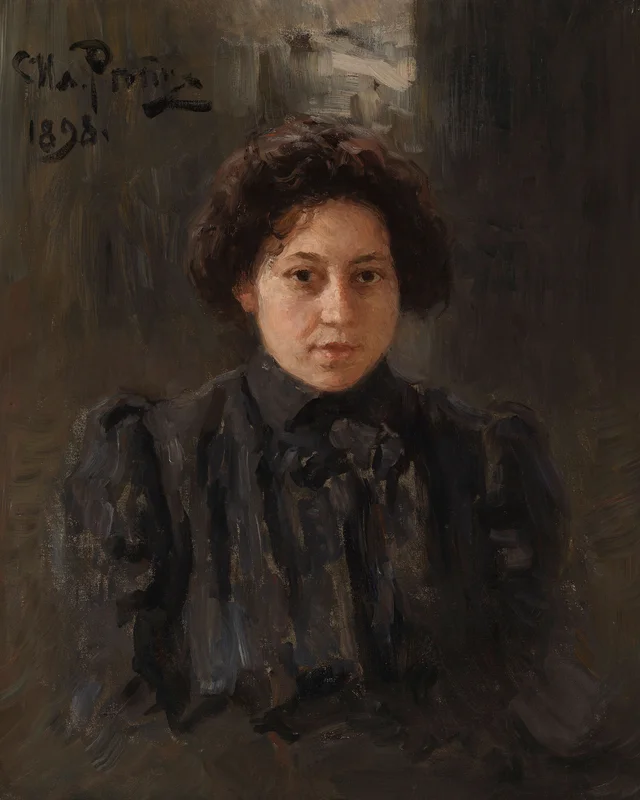 Portrait of the Artist's Daughter Nadezhda RepinaIlya Repin, 1898
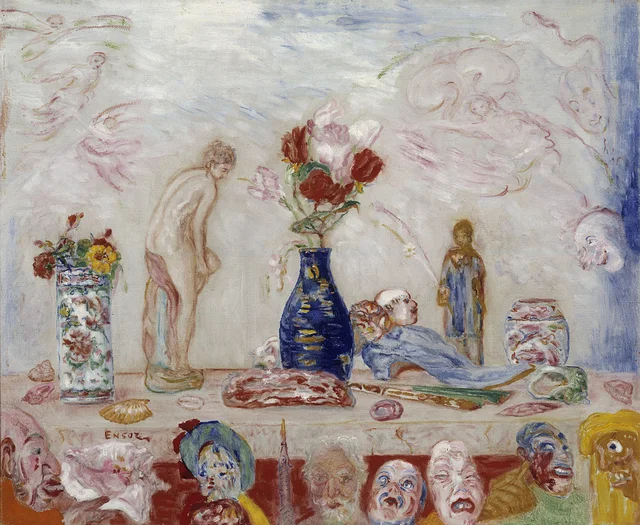 Under the Shadow of MasksJames Ensor, 1925