The story
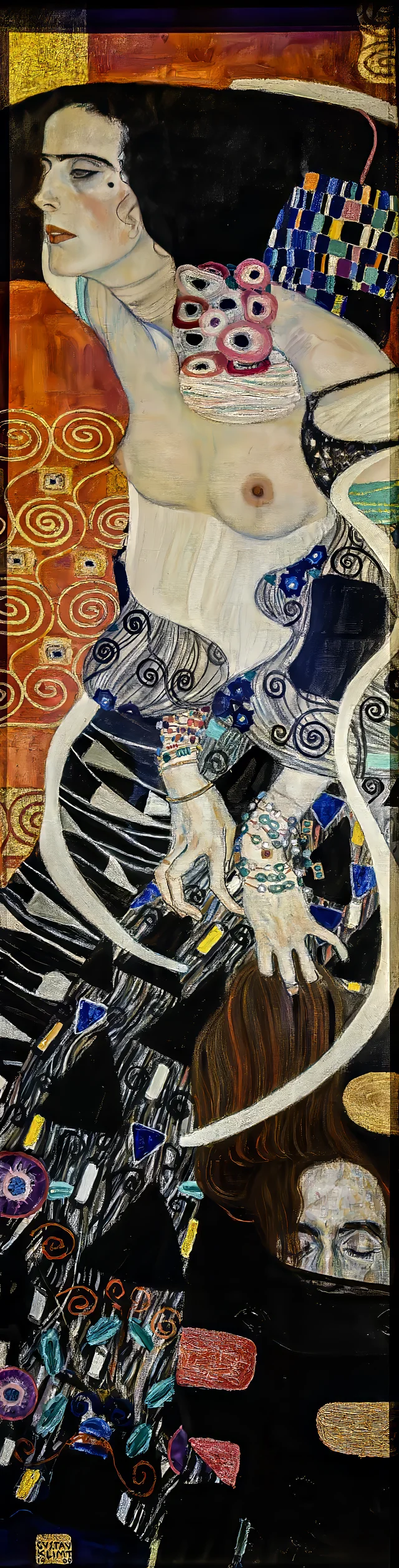
At the Venice Biennale of 1910, Gustav Klimt, the leading painter of the Vienna Secession, had a room of his own with 22 works. The committee buying for the city's modern art gallery chose one of them, Judith II, a tall, narrow canvas of the biblical heroine clutching the head of Holofernes, and paid 9,900 lire. It has stayed at Ca' Pesaro ever since and became the emblem of its collection.
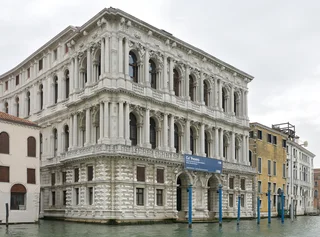
The palace on the Grand Canal is far older than the pictures. Baldassare Longhena, the architect of the church of Santa Maria della Salute, designed it for the Pesaro family in the mid-17th century, and Gian Antonio Gaspari finished it in 1710. In 1898 its owner, Felicita Bevilacqua La Masa, left it to the city on one condition, that it should serve young artists who could not get into established shows like the Biennale. From 1908 to 1924 the Bevilacqua La Masa exhibitions held here gave early showings to the painters Umberto Boccioni and Felice Casorati and the sculptor Arturo Martini.
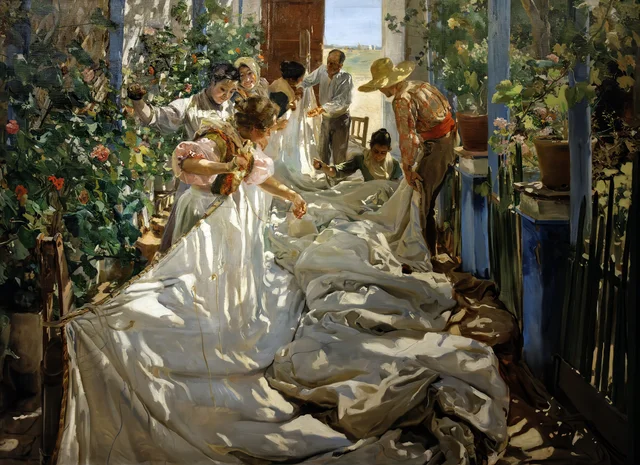
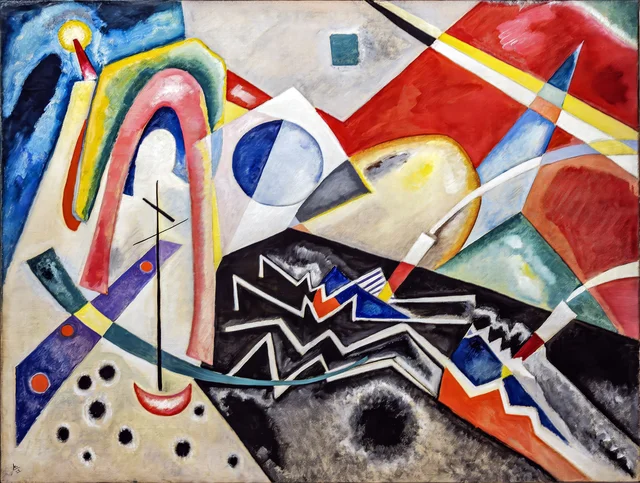
The collection itself began with purchases at the second Biennale in 1897 and opened to the public in 1902. Klimt now shares the rooms with Wassily Kandinsky's White Zig Zag of 1922 and with Sewing the Sail by the Spanish painter Joaquín Sorolla, an 1896 scene of a huge white sail being mended in a sunlit Valencian courtyard.