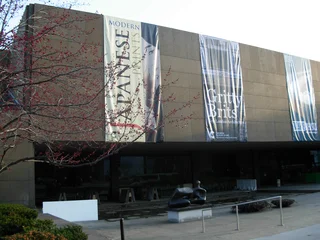
The story
Andrew Carnegie, the steel magnate who had left Scotland as a poor boy, wanted his adopted city of Pittsburgh to be as famous for art as it was for steel. In 1895 he founded the institute that carries his name, and the next year he began an experiment that still runs.
The Carnegie International is a survey of new art from around the world, and Carnegie's idea was to buy the best of each edition straight off the walls, so the museum would collect the art of its own moment rather than the safe classics of the past. It is the oldest exhibition of its kind in North America, and it brought the museum early works by Winslow Homer and James McNeill Whistler while those reputations were still forming.
The building also holds one of the great oddities of American museums: the Hall of Architecture, a vast room of full-size plaster casts of European doorways, columns and church facades, made when a trip to see the originals was beyond almost everyone in Pittsburgh.
Collection
9 works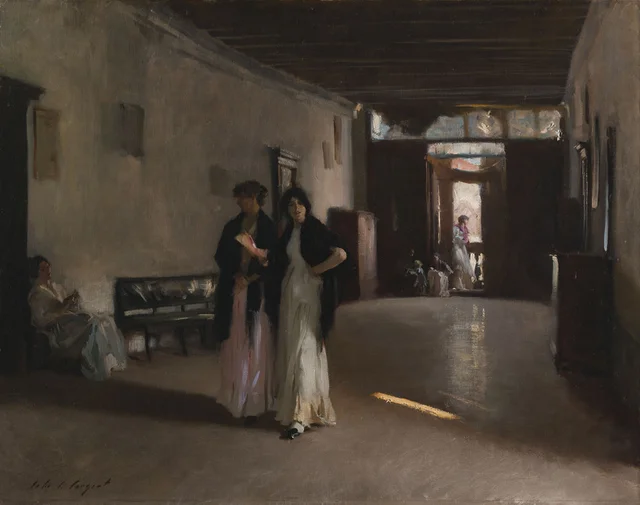 A Venetian InteriorJohn Singer Sargent, 1880
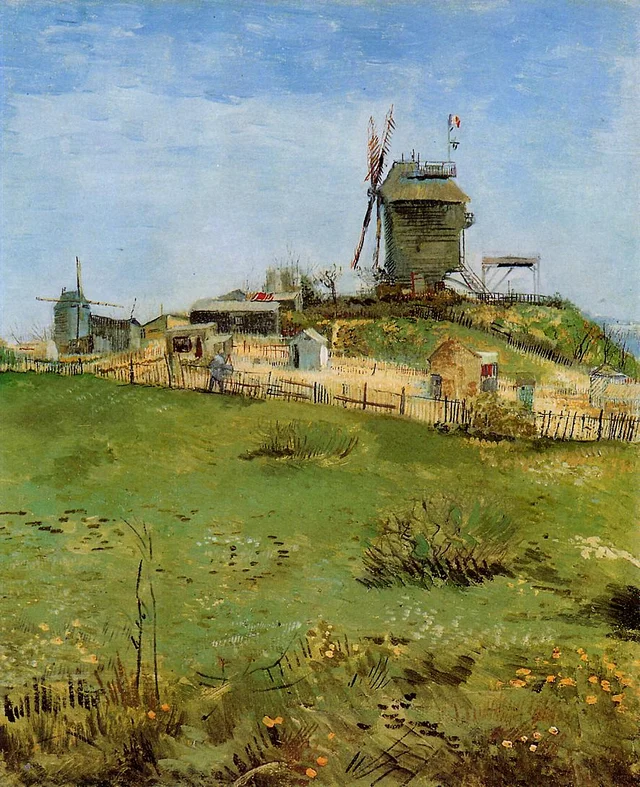 Le Moulin de la GaletteVincent van Gogh, 1887
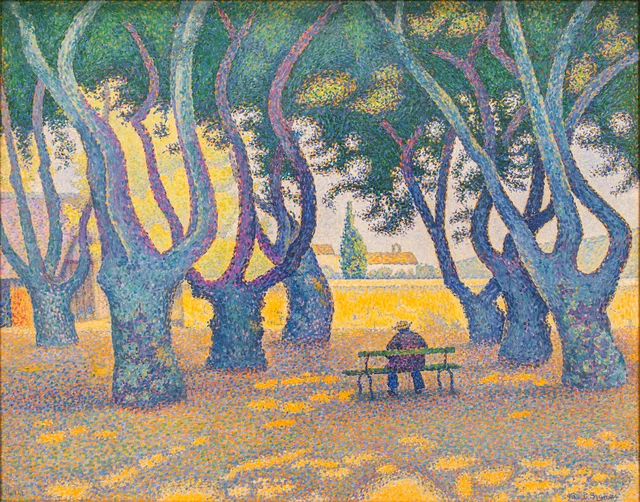 Place des Lices, St. TropezPaul Signac, 1893
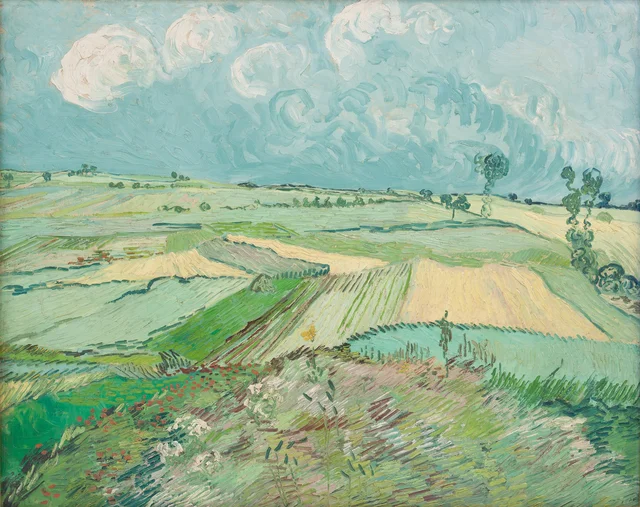 Wheat Fields after the RainVincent van Gogh, 1890
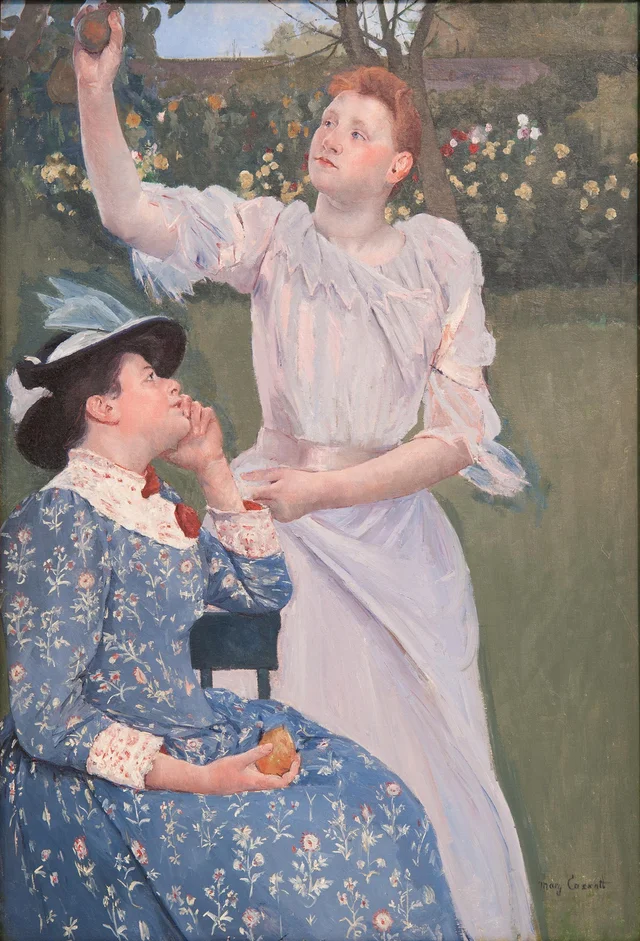 Young Women Picking FruitMary Cassatt, 1891
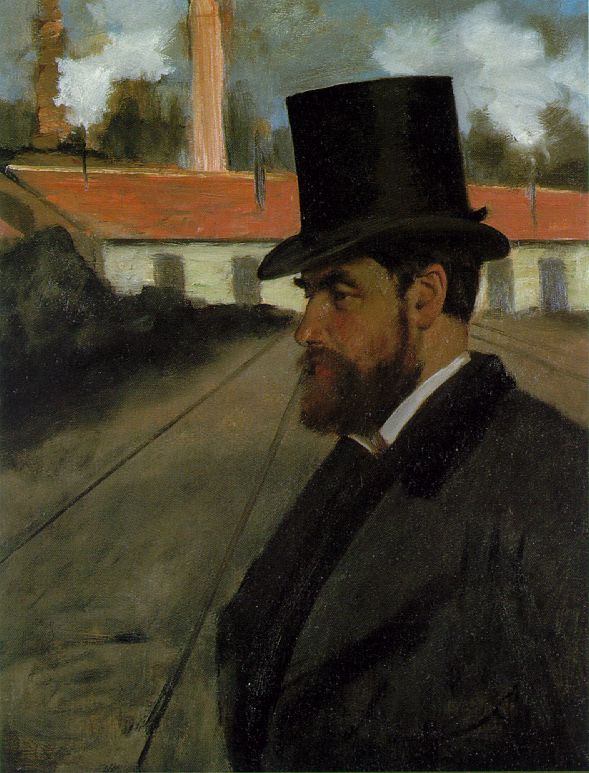 Henri Rouart in front of his FactoryEdgar Degas, 1875
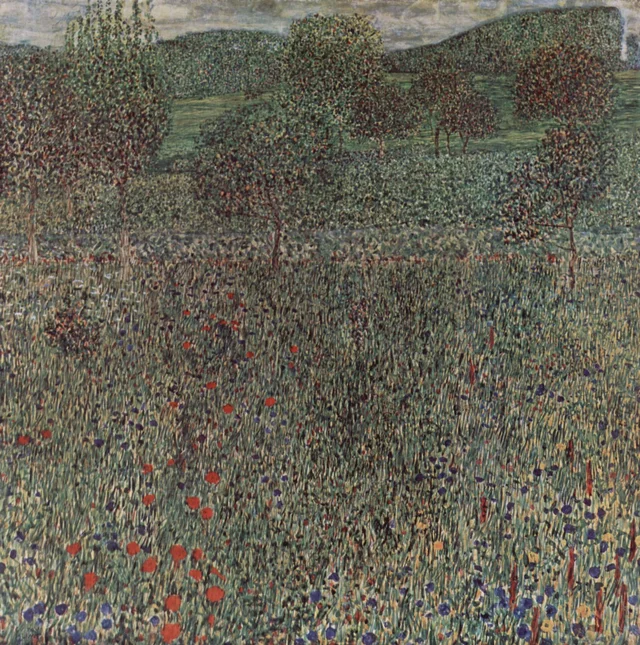 OrchardGustav Klimt, 1907
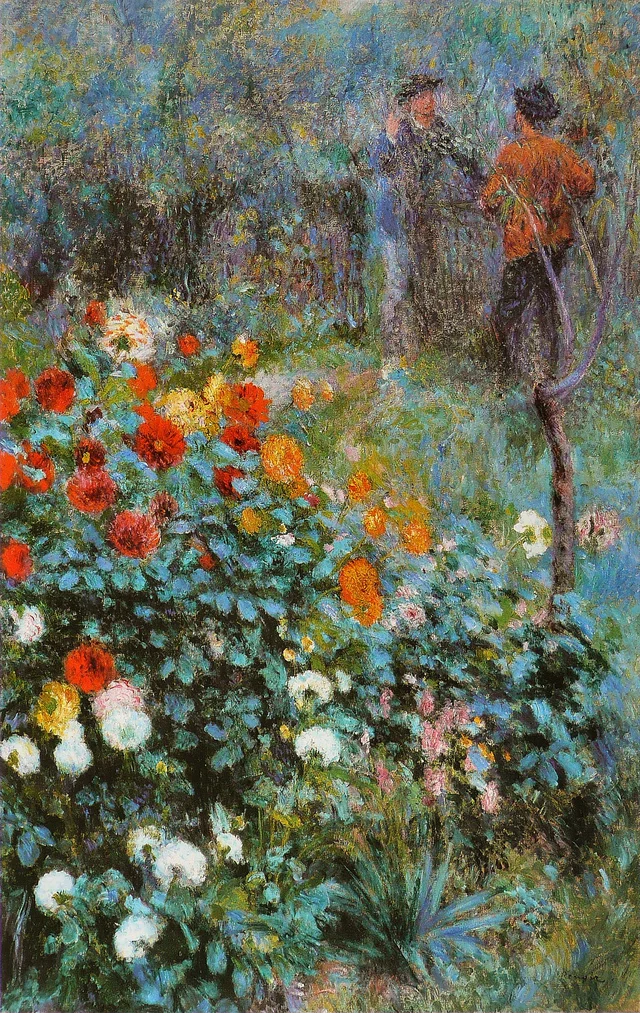 The Garden in the Rue Cortot, MontmartrePierre-Auguste Renoir, 1876
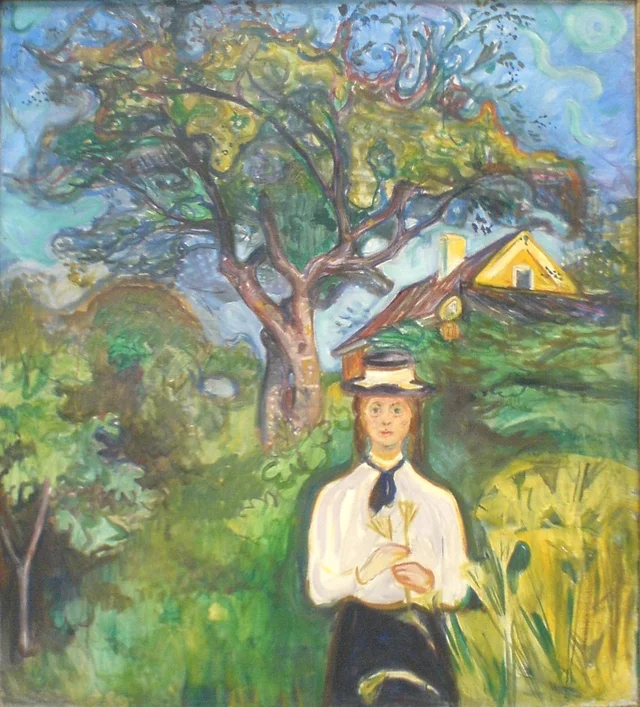 Young Woman under the Apple TreeEdvard Munch, 1904