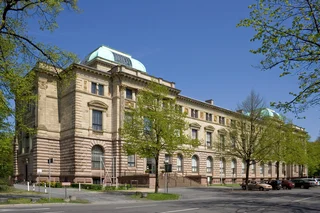
The story
When the Duke of Brunswick opened his art and curiosity cabinet to the public in 1754, on the advice of his Dutch physician, there was almost nothing to compare it to. The British Museum had opened only a year earlier. The Herzog Anton Ulrich Museum is one of the oldest public museums in Europe, and it still carries the name of the earlier duke whose taste built its core.
Its most-visited painting is Vermeer's Girl with a Wine Glass, from about 1660, a scene of a smiling young woman, a persistent suitor and a glass of wine, laid out in Vermeer's cool light. It has hung in Brunswick since the early 1700s. Around it are Rembrandt, Rubens, Cranach and Holbein, the kind of names a small German duchy accumulated when its rulers collected seriously for two centuries.
The building is a nineteenth-century palazzo-style pile, reopened after a long renovation, with the old master gallery on the upper floors.
Collection
9 works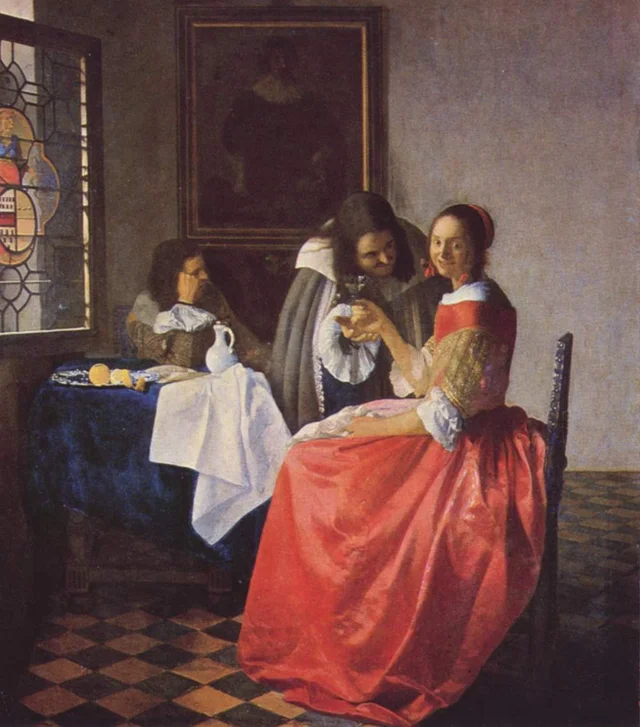 The Girl with the Wine GlassJohannes Vermeer, 1659
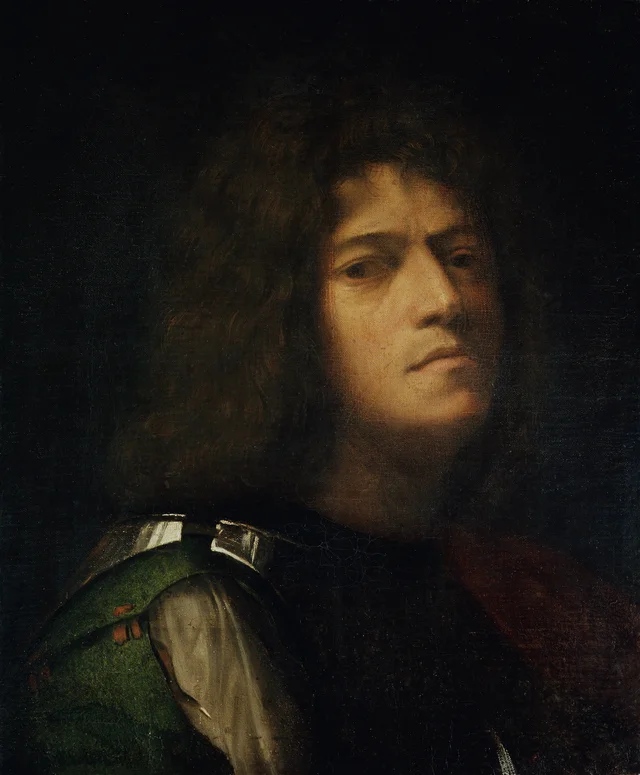 Self-portraitGiorgione, 1509
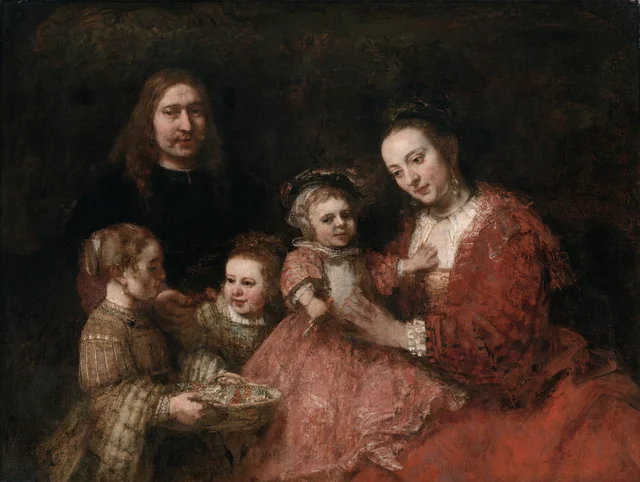 Portrait of a familyRembrandt, 1668
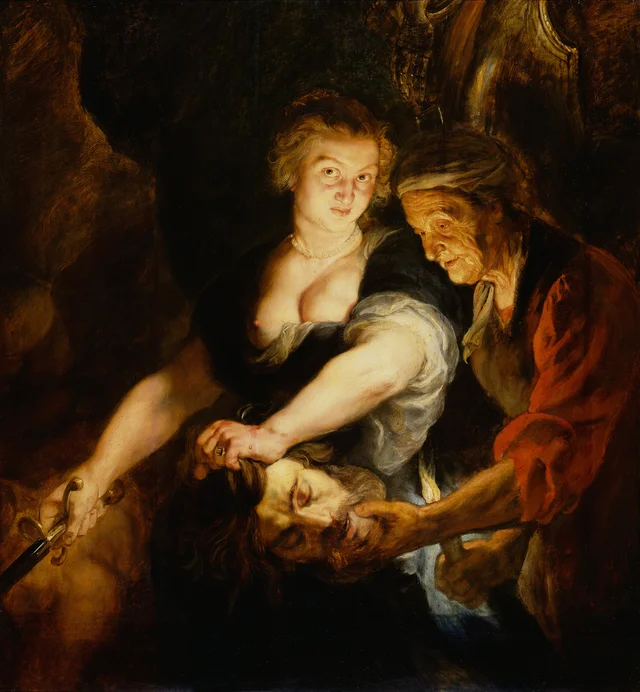 Judith with the Head of HolofernesPeter Paul Rubens, 1616
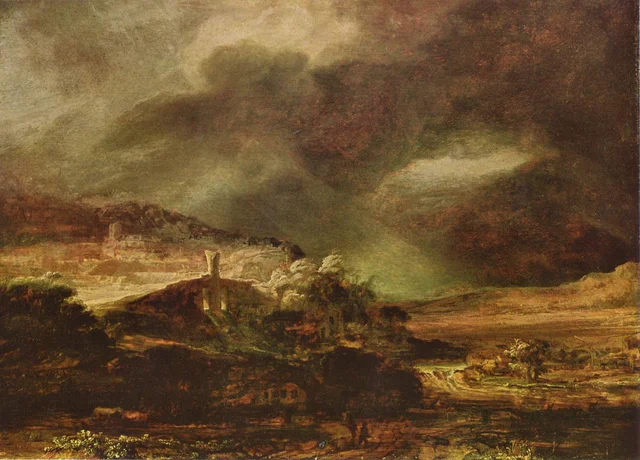 Stormy LandscapeRembrandt, 1638
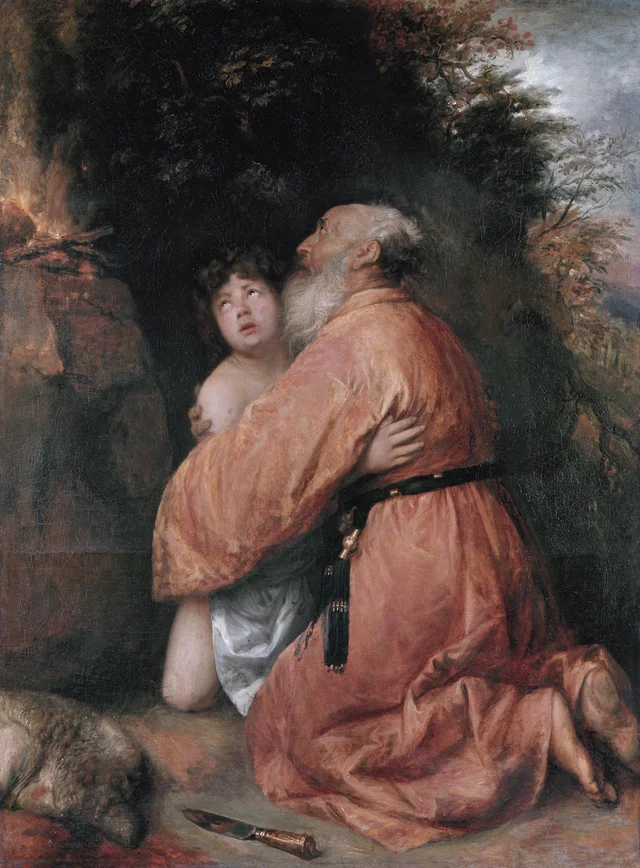 Abraham sacrifices the ram instead of Isaac, the Lord renews his promise to Abraham (Genesis 22:13-18)Jan Lievens, 1638
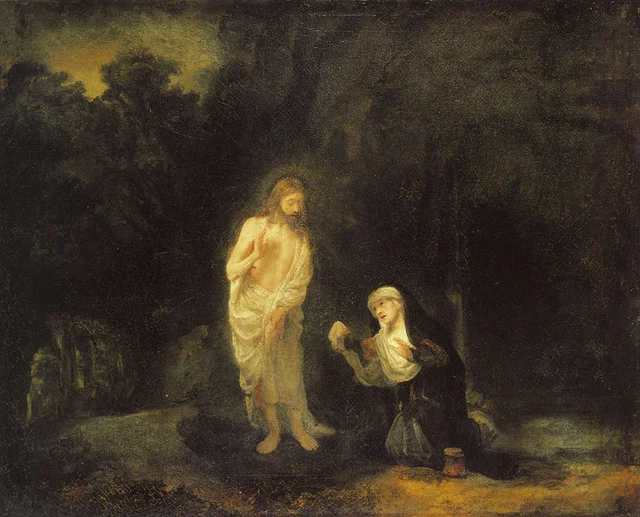 Christ Appearing to Mary Magdalene, ‘Noli me tangere’Rembrandt, 1651
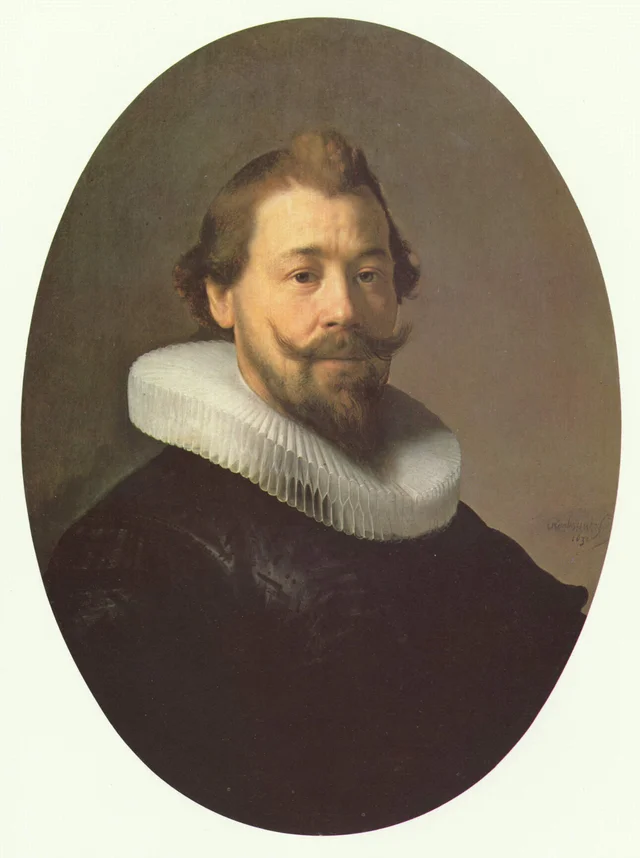 Portrait of a Man with Millstone CollarRembrandt, 1632
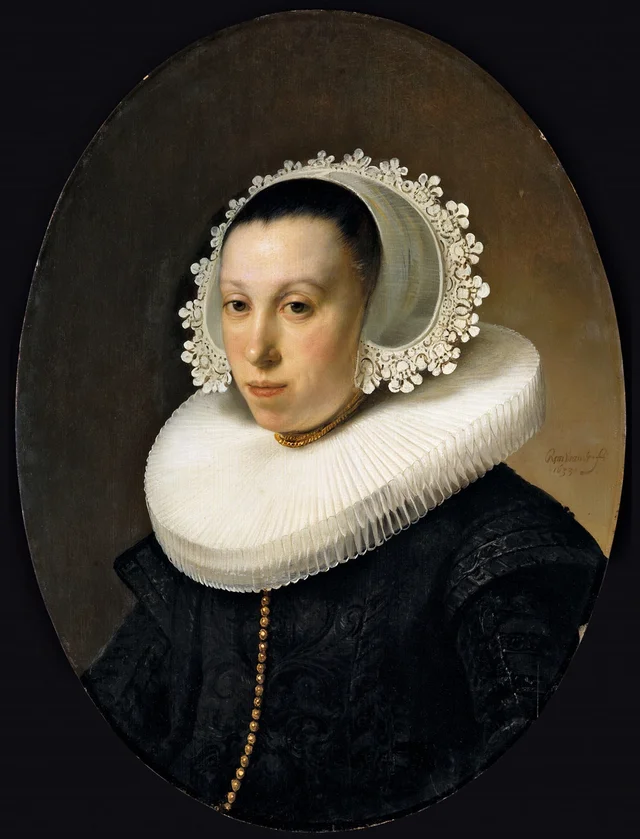 Portrait of a Woman with Millstone CollarRembrandt, 1633