The story
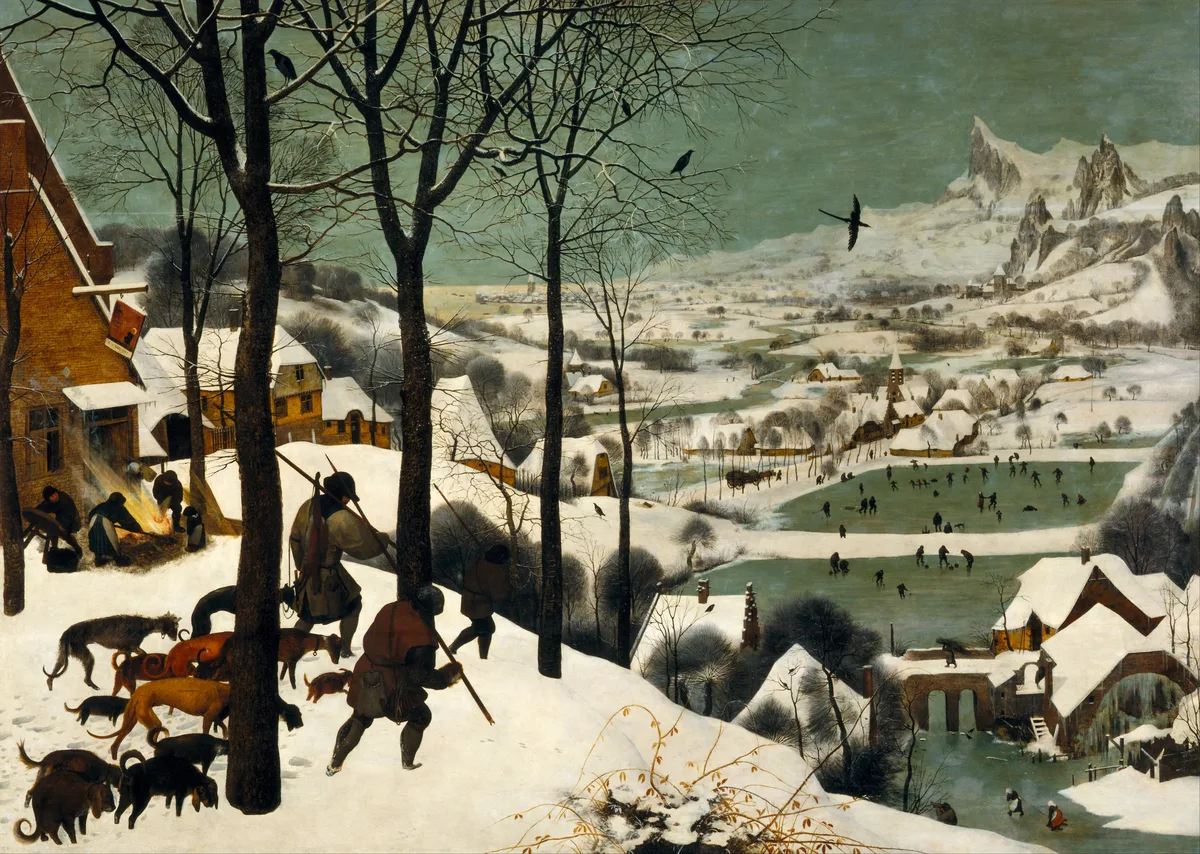
One room on the first floor holds more paintings by Pieter Bruegel the Elder than anywhere else on earth, around a dozen, including 'Hunters in the Snow', the line of tired hunters and their dogs trudging over a hill above a frozen valley, painted in 1565. That Vienna owns them at all comes down to the Habsburgs, the dynasty that ruled much of Europe for centuries and spent a good part of that power buying art.
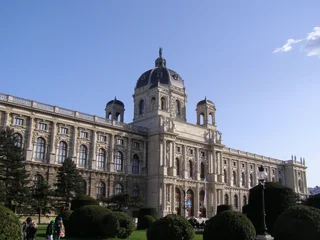
The museum was built to show exactly that off. Emperor Franz Joseph opened it in 1891 on the Ringstraße, the grand boulevard laid out where Vienna's old city walls had stood, in a palace of a building by Gottfried Semper and Karl von Hasenauer, its staircase decorated by the young Gustav Klimt before he became the Klimt of gold and scandal. The point was to gather the scattered imperial collections under one roof and let the public in.
So the walls read like an inventory of Habsburg reach. Vermeer's 'The Art of Painting', the artist seen from behind at his easel, which the family kept as one of its treasures. Rooms of Titian, Rubens and Velázquez, whose Spanish court portraits of small solemn princesses came to Vienna through the marriages that tied the two branches of the family together. And below the picture galleries sits the Kunstkammer, a warren of carved ivory, clockwork automata and gemstone cups assembled by emperors who wanted the strange and the ingenious as much as the beautiful. Its most famous object is a gold salt cellar made by Benvenuto Cellini for the king of France.
More articles
Collection
381 works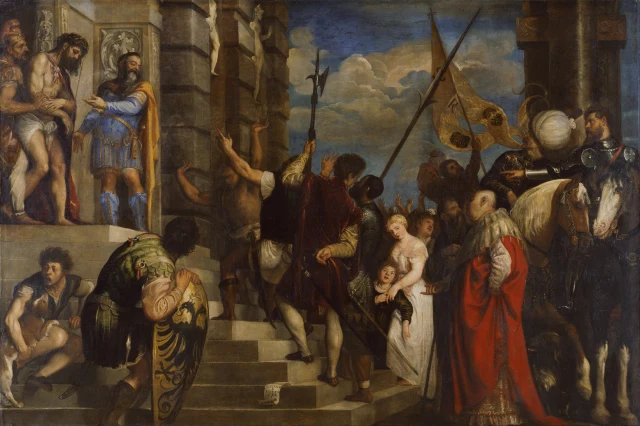 Ecce HomoTitian, 1543
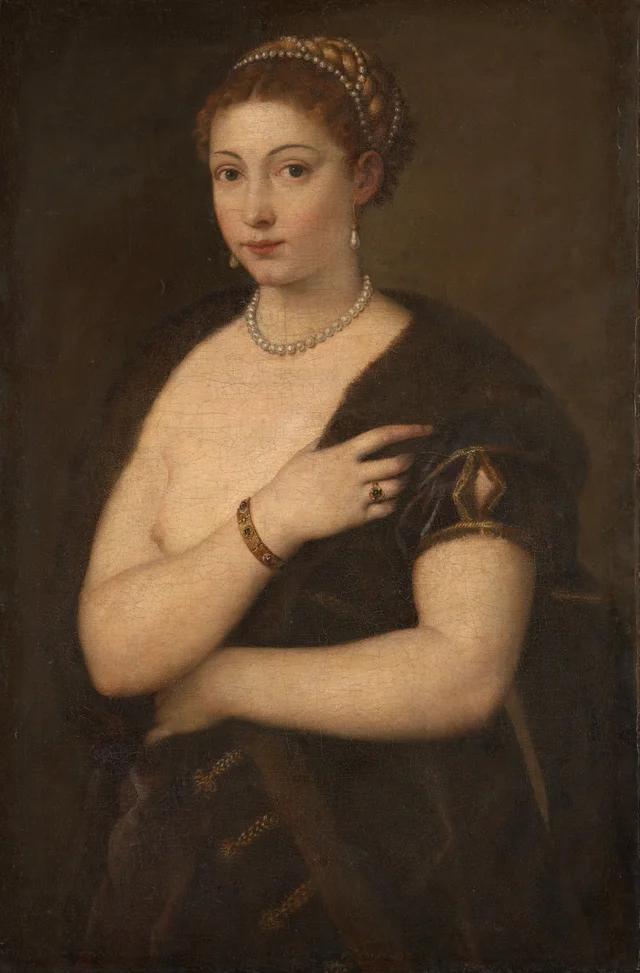 Girl in a FurTitian, 1535
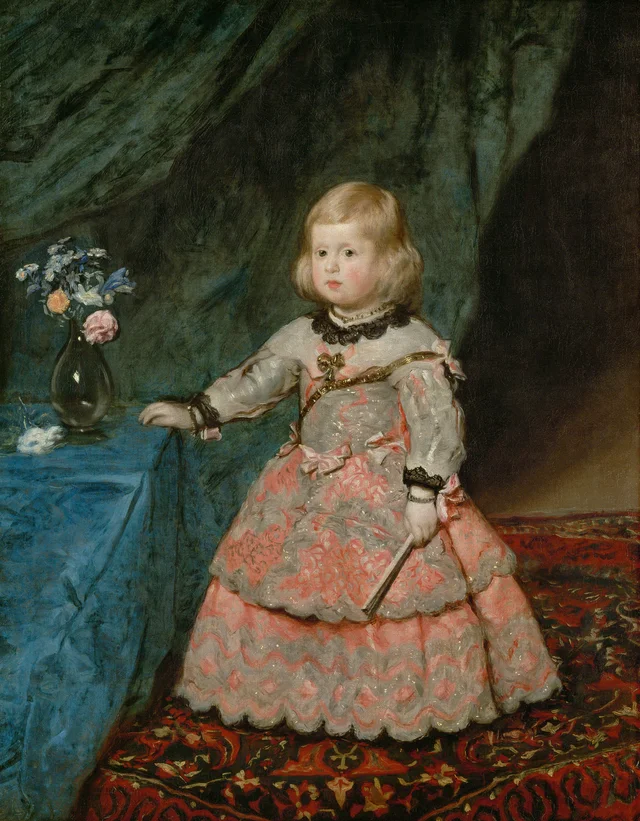 Infanta Margarita TeresaDiego Velázquez, 1653
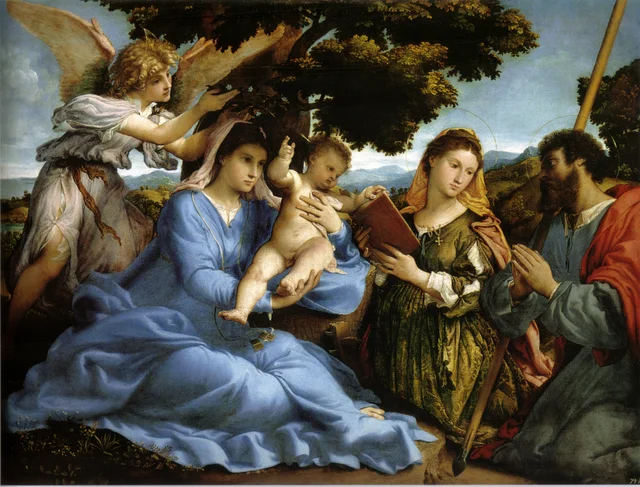 Madonna and child with Saint Catherine, Saint James the Greater, and an angelLorenzo Lotto, 1527
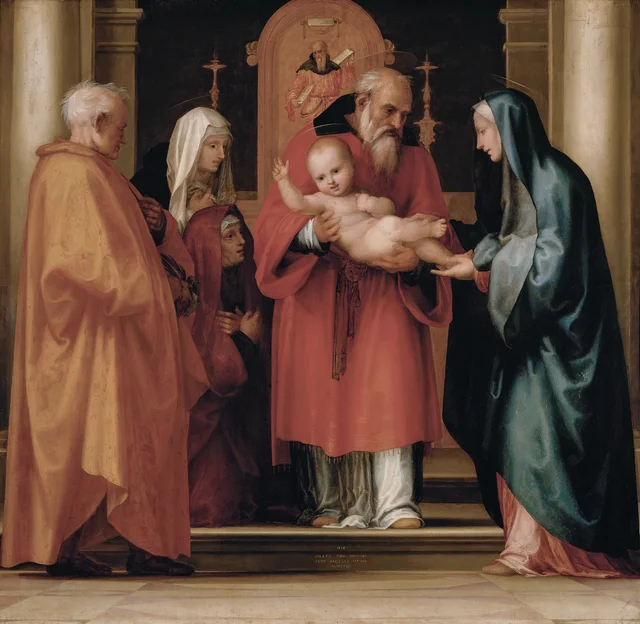 Presentation of Christ in the TempleFra Bartolomeo, 1516
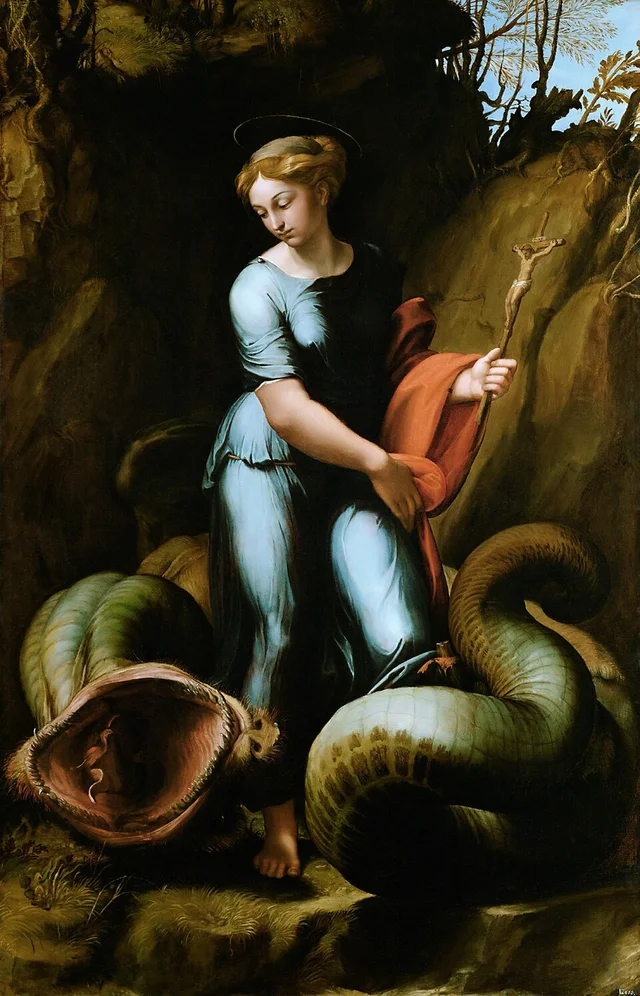 Saint Margaret and the DragonRaphael, 1518
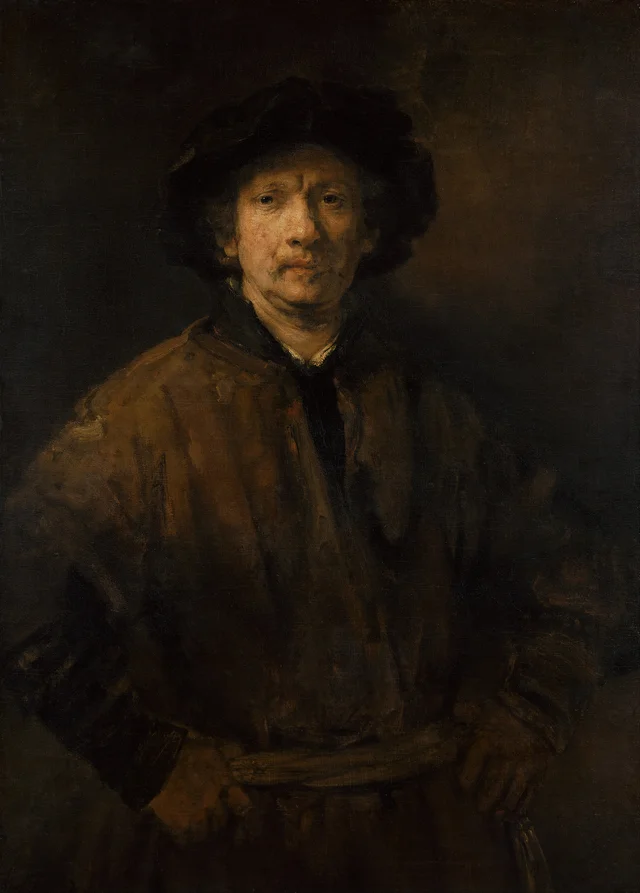 Self PortraitRembrandt, 1652
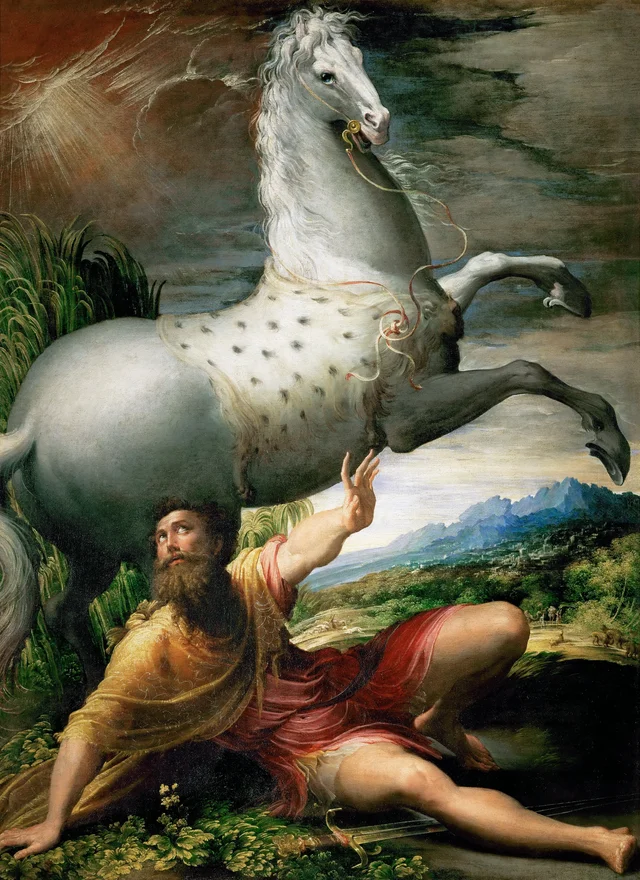 The Conversion of Saint PaulParmigianino, 1527
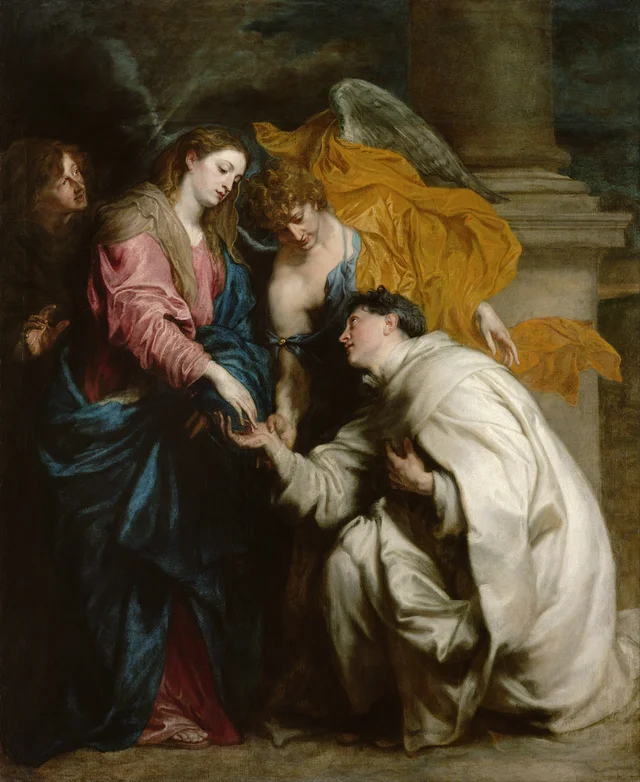 The Vision of the Blessed Hermann JosephAnthony van Dyck, 1629
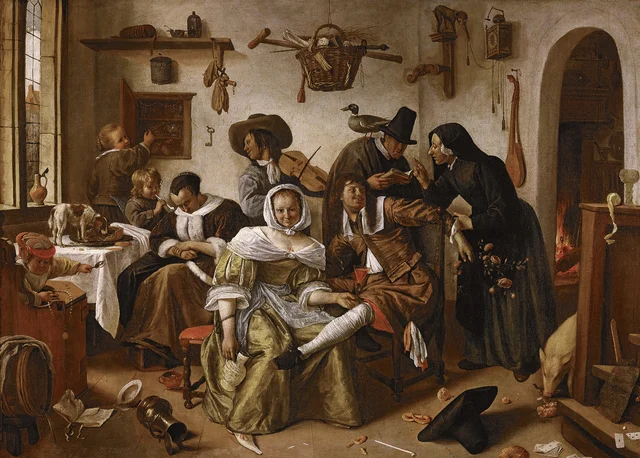 Beware of Luxury (“In Weelde Siet Toe”)Jan Steen, 1663
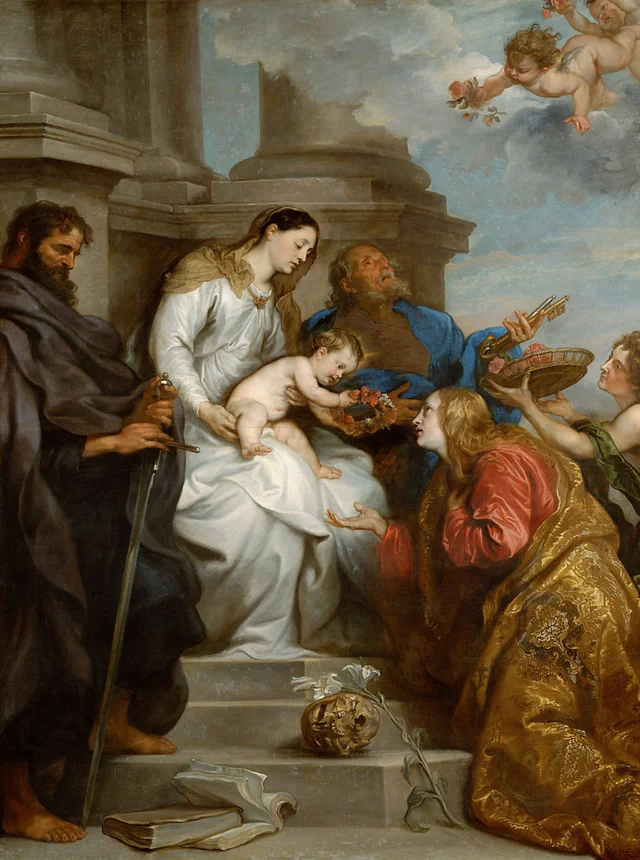 Coronation of Saint RosaliaAnthony van Dyck, 1629
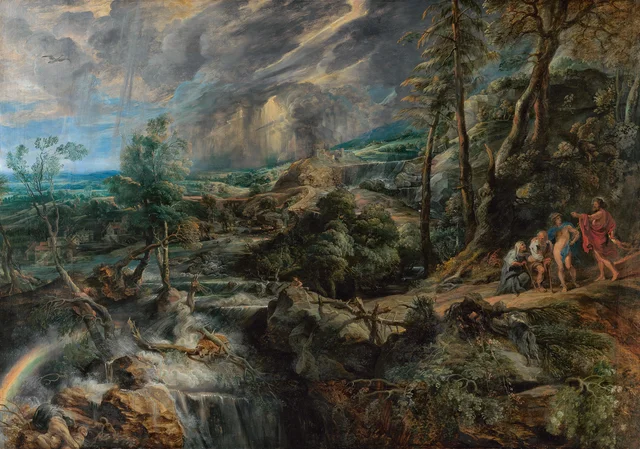 Landscape with Philemon and BaucisPeter Paul Rubens, 1620
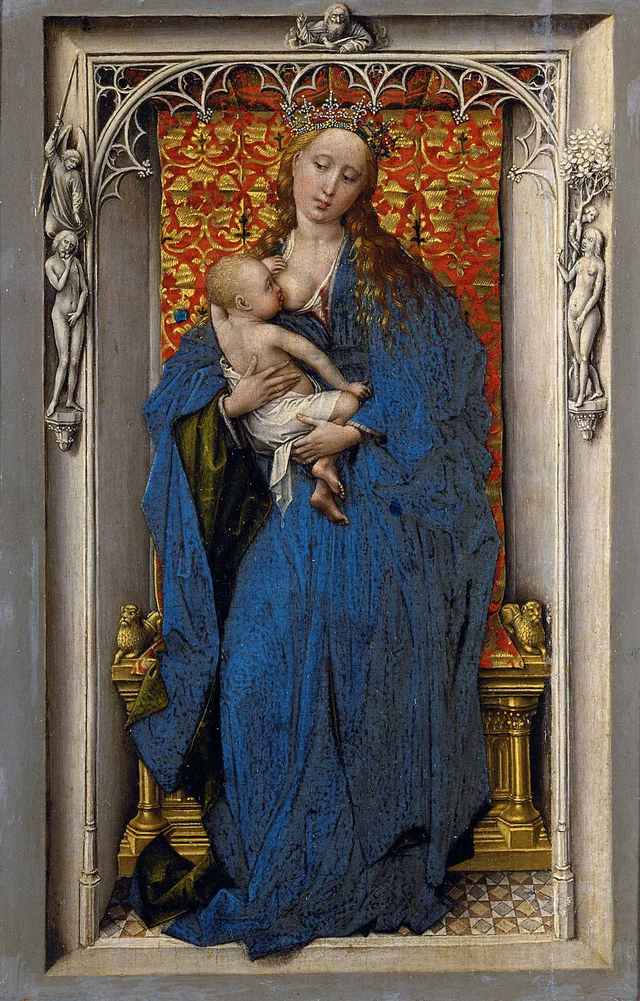 Madonna StandingRogier van der Weyden, 1451
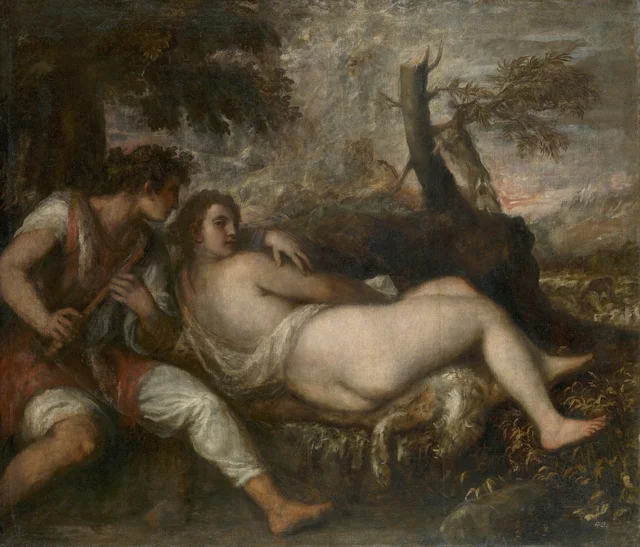 Nymph and ShepherdTitian, 1570
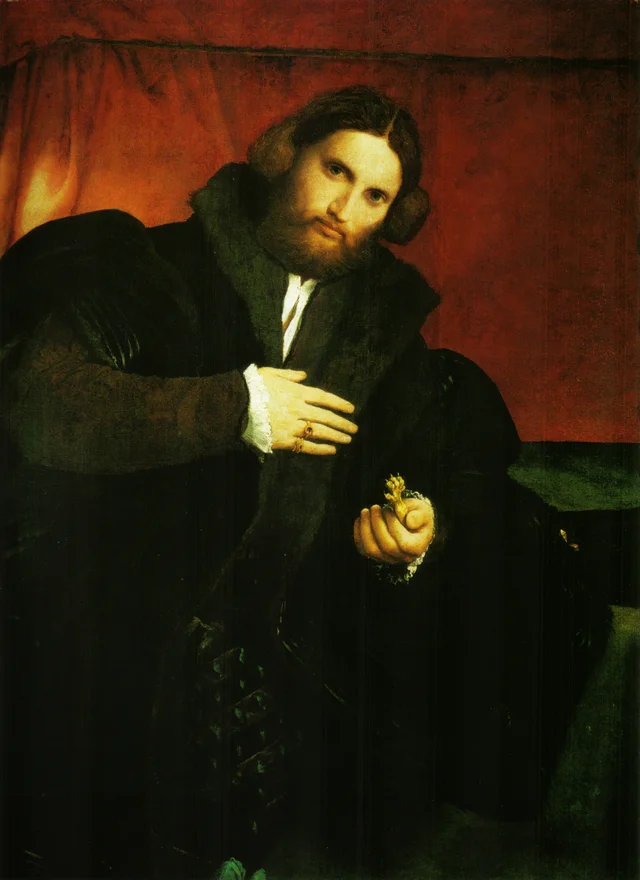 Portrait of a Gentleman with a Lion PawLorenzo Lotto, 1527
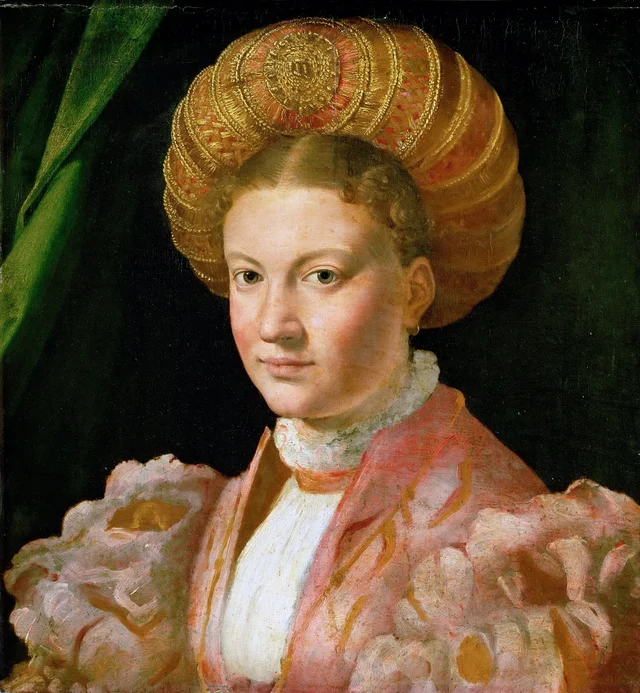 Portrait of a Young WomanParmigianino, 1530
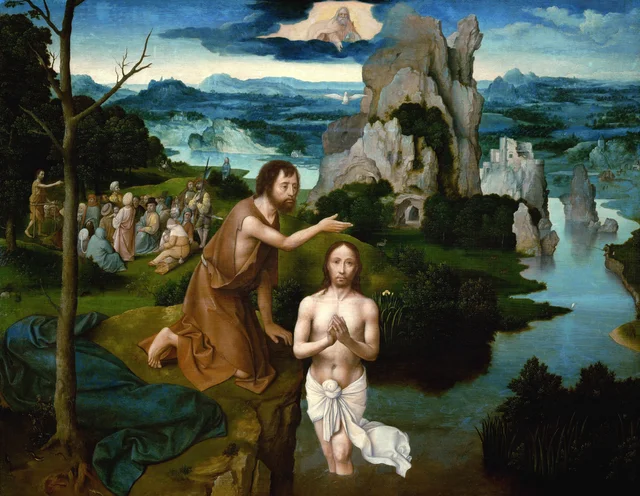 The Baptism of ChristJoachim Patinir, 1510
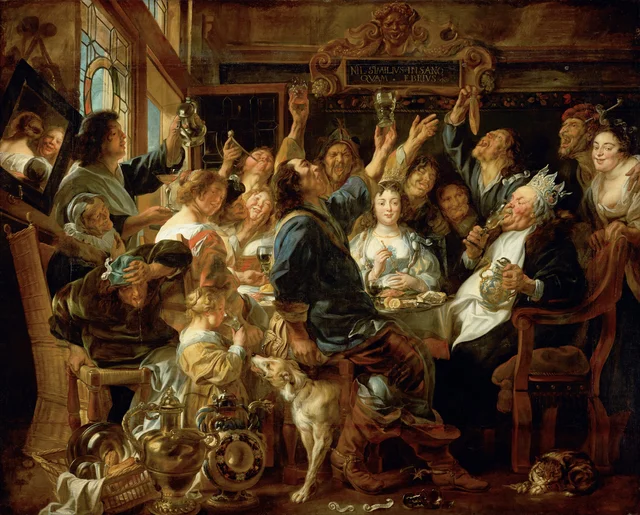 The Bean KingJacob Jordaens, 1640
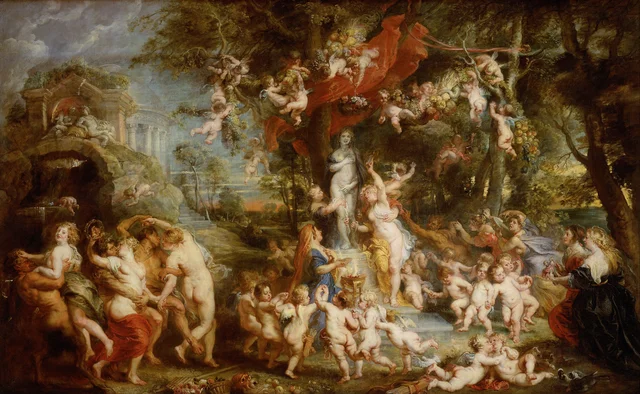 The Feast of VenusPeter Paul Rubens, 1636
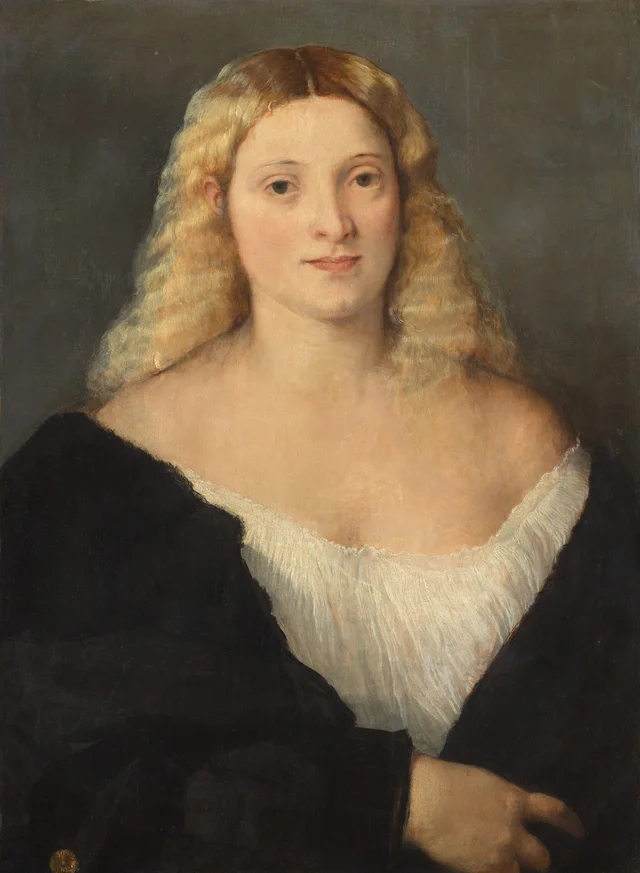 Young Woman in a Black DressTitian, 1520
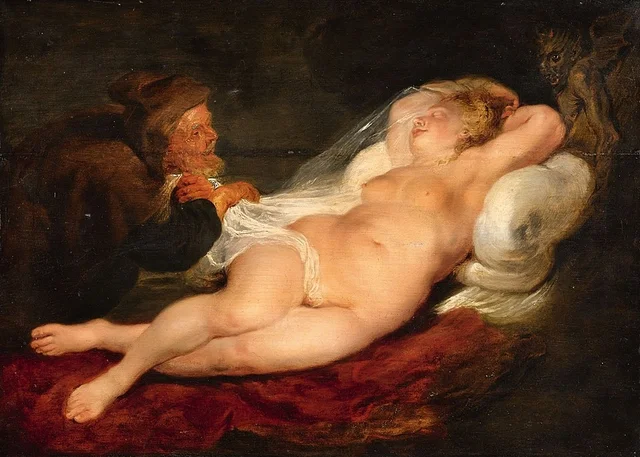 Angelica and the HermitPeter Paul Rubens, 1620
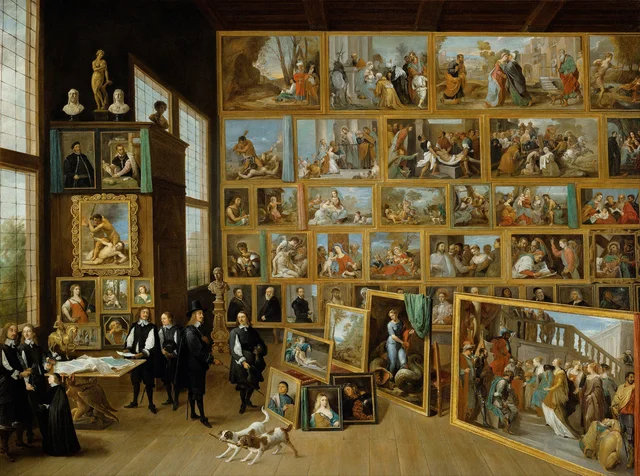 Archduke Leopold Wilhelm in his Gallery in BrusselsDavid Teniers the Younger, 1651
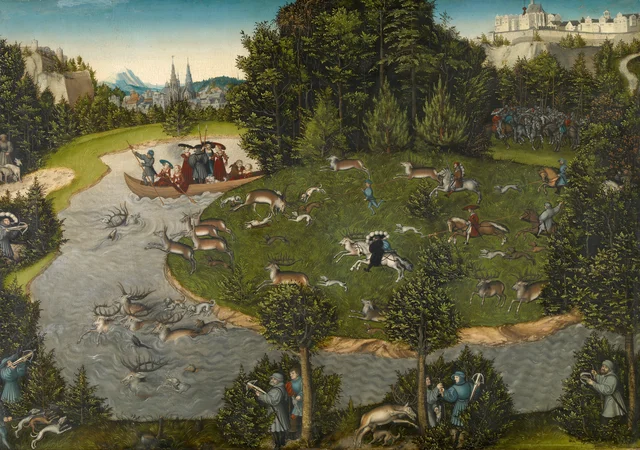 A Stag Hunt with the Elector Friedrich the Wise of SaxonyLucas Cranach the Elder, 1529
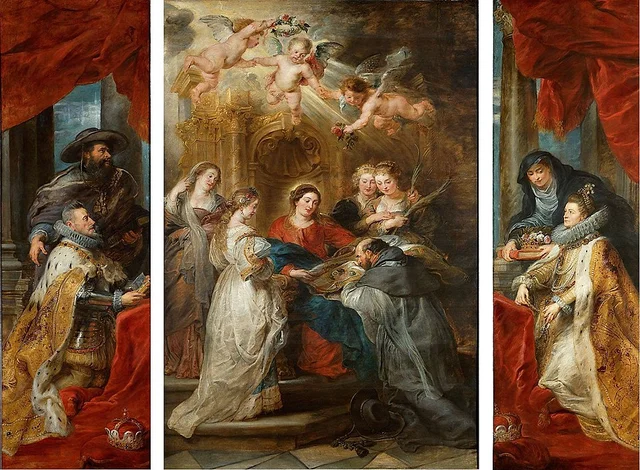 Ildefonso AltarpiecePeter Paul Rubens, 1630
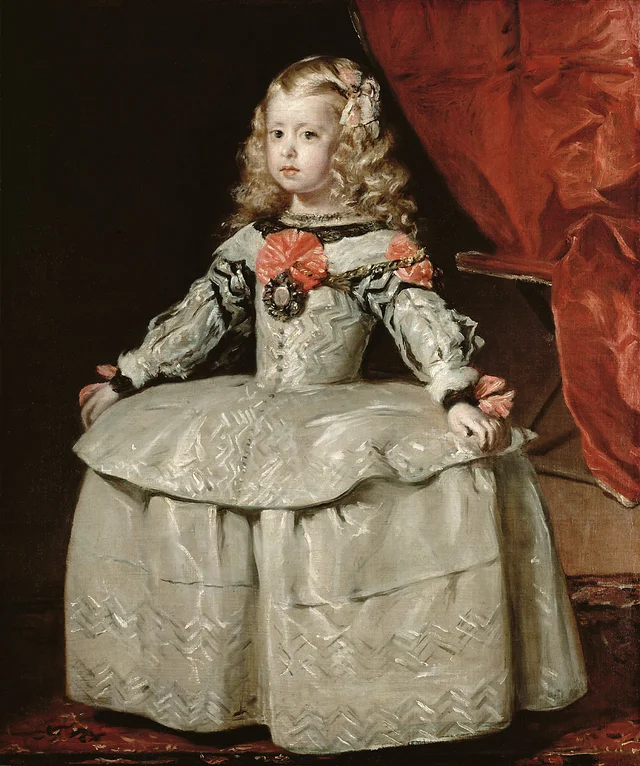 Infanta Margaret Theresa in a White and Silver DressDiego Velázquez, 1656