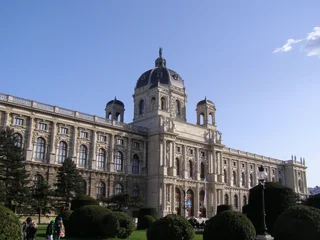
The story
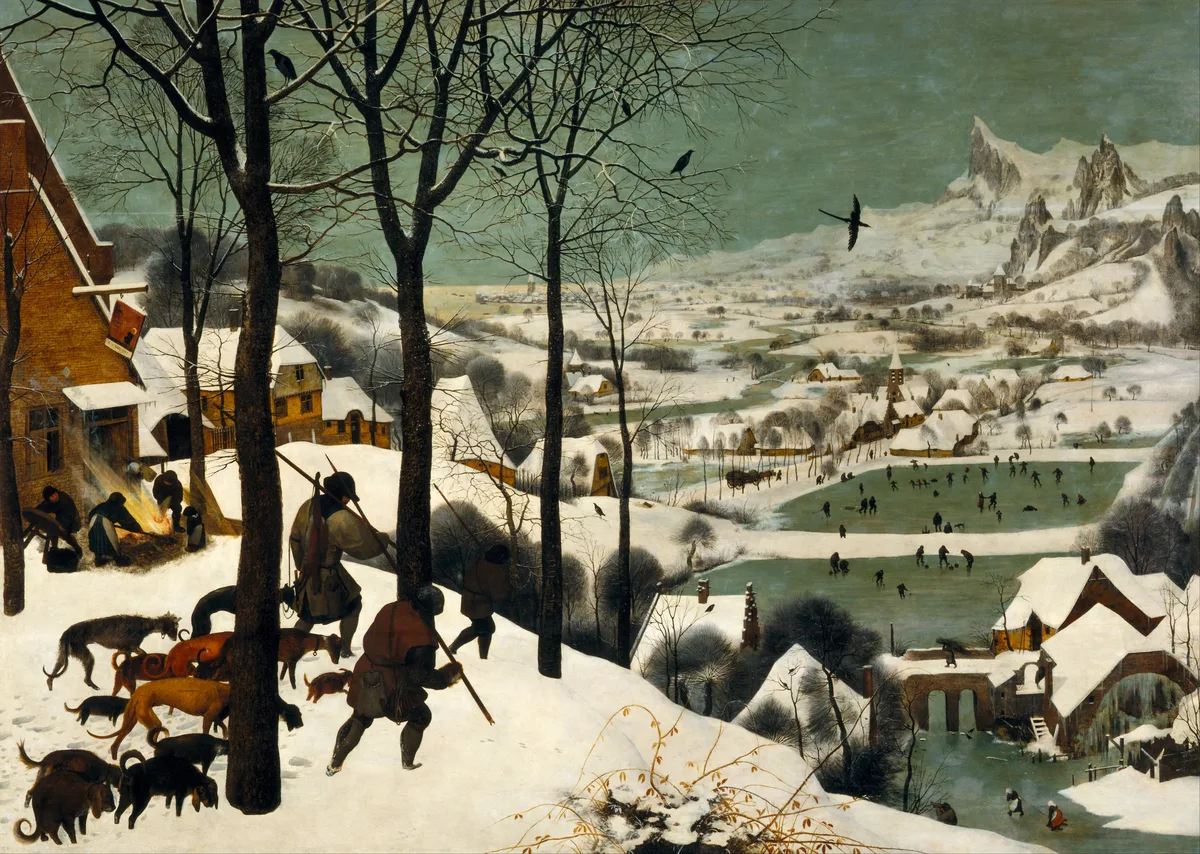
One room on the first floor holds more paintings by Pieter Bruegel the Elder than anywhere else on earth, around a dozen, including 'Hunters in the Snow', the line of tired hunters and their dogs trudging over a hill above a frozen valley, painted in 1565. That Vienna owns them at all comes down to the Habsburgs, the dynasty that ruled much of Europe for centuries and spent a good part of that power buying art.
The museum was built to show exactly that off. Emperor Franz Joseph opened it in 1891 on the Ringstraße, the grand boulevard laid out where Vienna's old city walls had stood, in a palace of a building by Gottfried Semper and Karl von Hasenauer, its staircase decorated by the young Gustav Klimt before he became the Klimt of gold and scandal. The point was to gather the scattered imperial collections under one roof and let the public in.
So the walls read like an inventory of Habsburg reach. Vermeer's 'The Art of Painting', the artist seen from behind at his easel, which the family kept as one of its treasures. Rooms of Titian, Rubens and Velázquez, whose Spanish court portraits of small solemn princesses came to Vienna through the marriages that tied the two branches of the family together. And below the picture galleries sits the Kunstkammer, a warren of carved ivory, clockwork automata and gemstone cups assembled by emperors who wanted the strange and the ingenious as much as the beautiful. Its most famous object is a gold salt cellar made by Benvenuto Cellini for the king of France.
More articles
Collection
381 works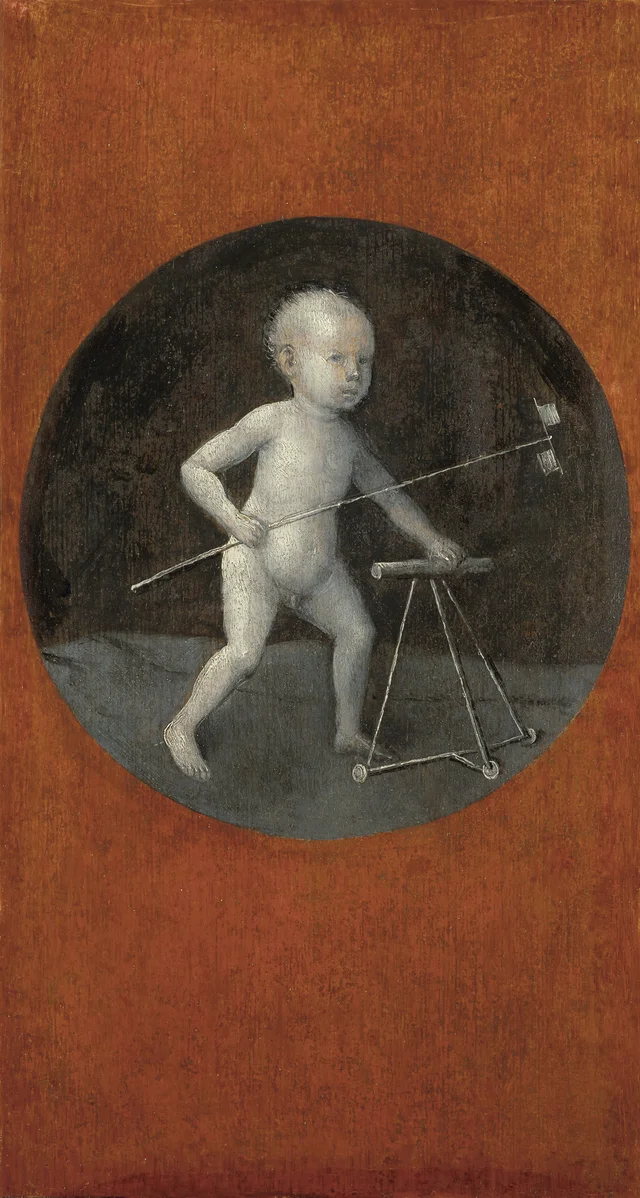 Christ Child with a Walking FrameHieronymus Bosch, 1500
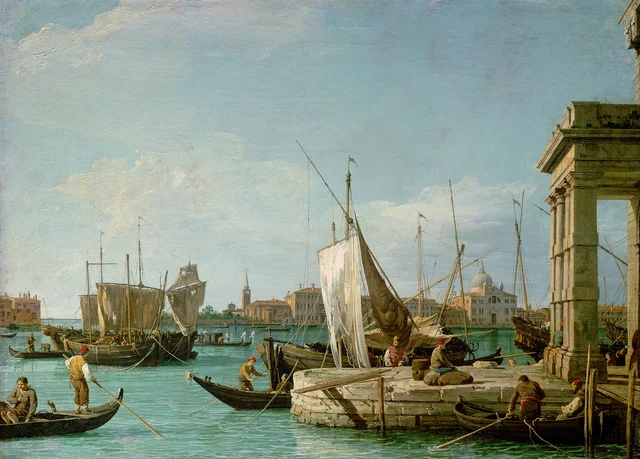 La Punta della DoganaCanaletto, 1726
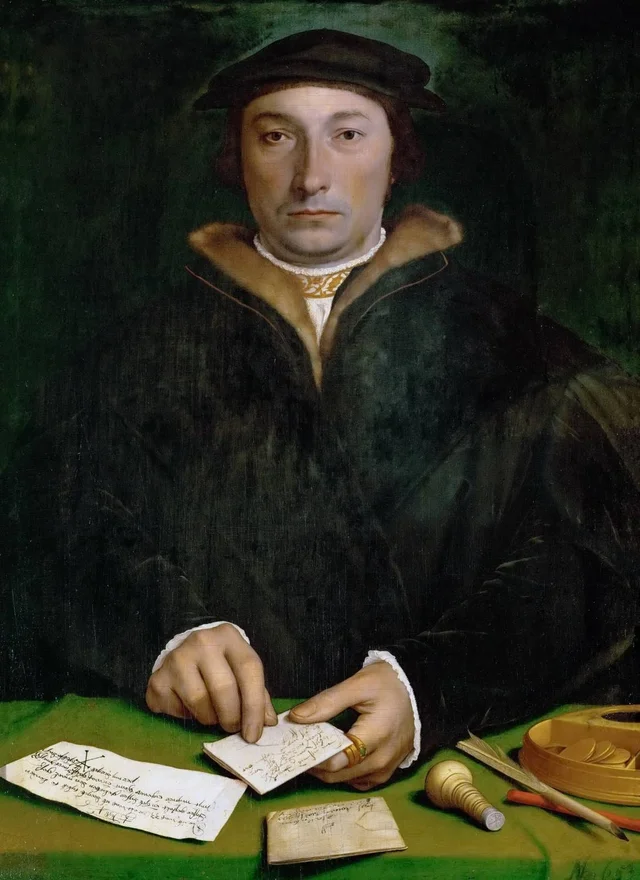 The Duisburg merchant Dirck TybisHans Holbein the Younger, 1533
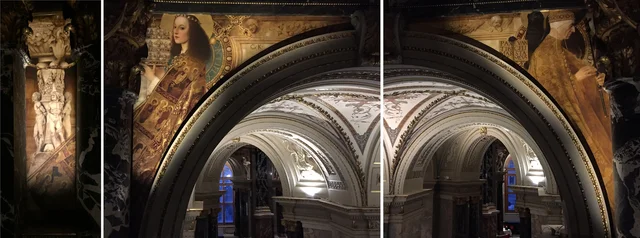 The Quattrocento in Rome and in VeniceGustav Klimt, 1891
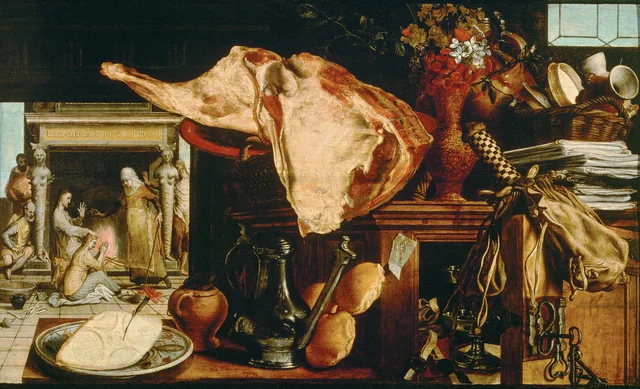 Vanitas Still Life with Christ in the House of Martha and MaryPieter Aertsen, 1552
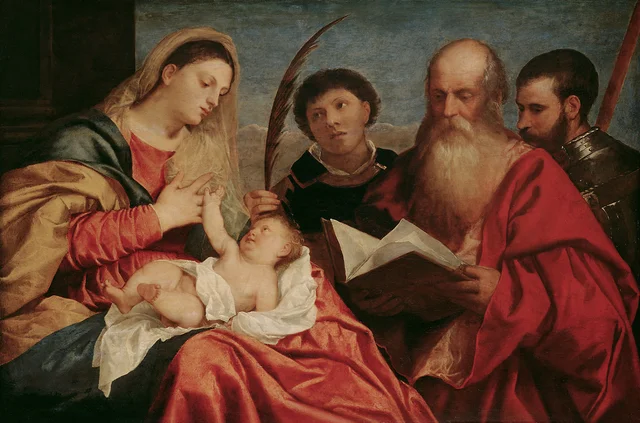 Virgin and Child with Saints Stephen, Jerome and MauriceTitian, 1520
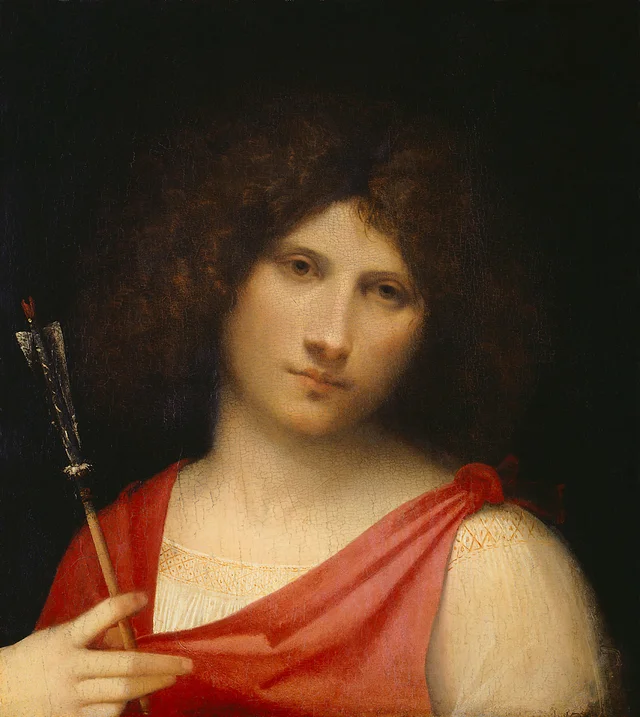 Young Man with ArrowGiorgione, 1505
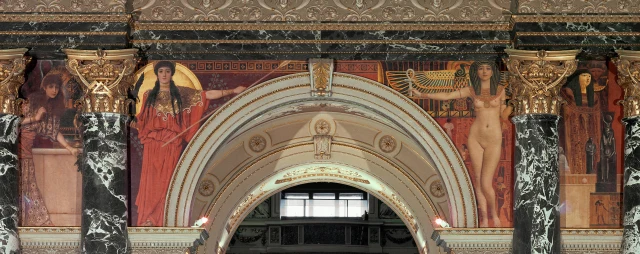 Ancient Greece and Ancient EgyptGustav Klimt, 1891
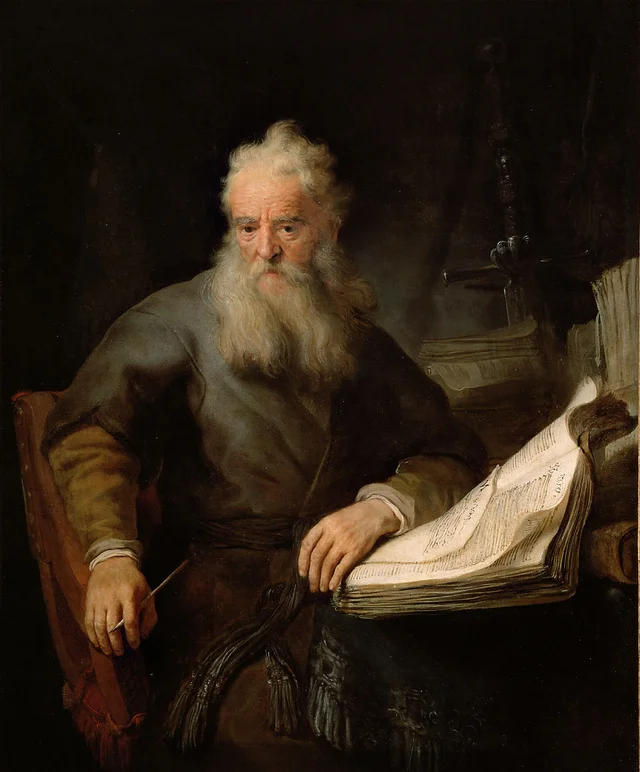 Apostle PaulAttributed to Rembrandt, 1633
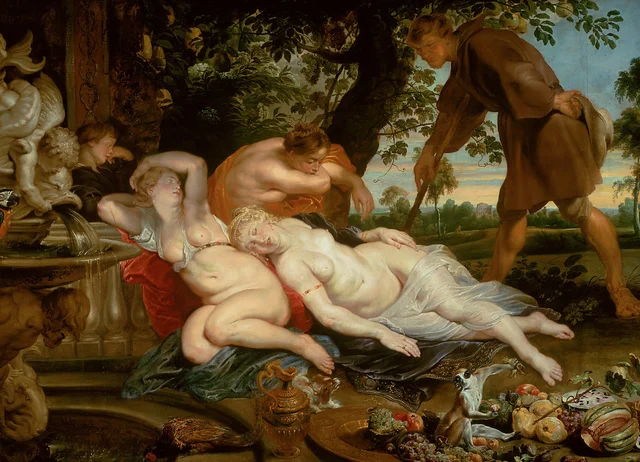 Cimon and IphigeniaPeter Paul Rubens, 1617
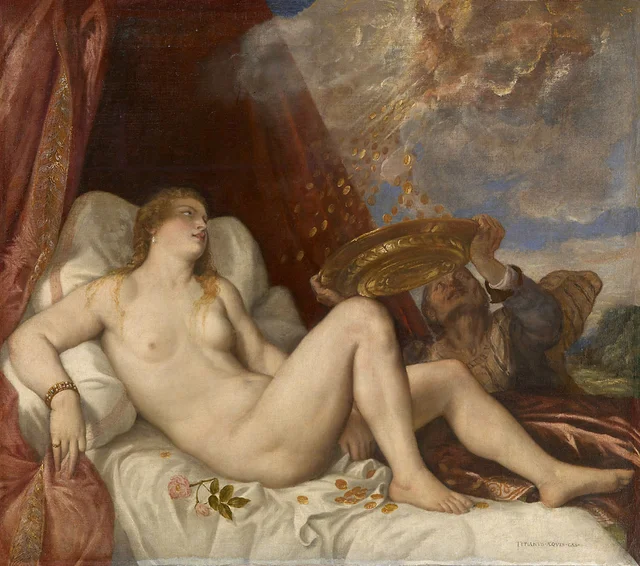 DanaëTitian, 1550
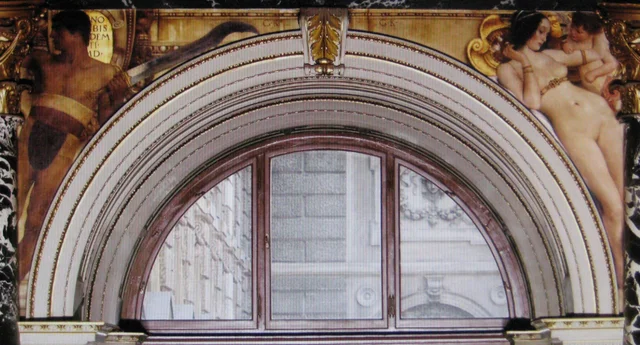 Florence of the Cinquecento and QuattrocentoGustav Klimt, 1891
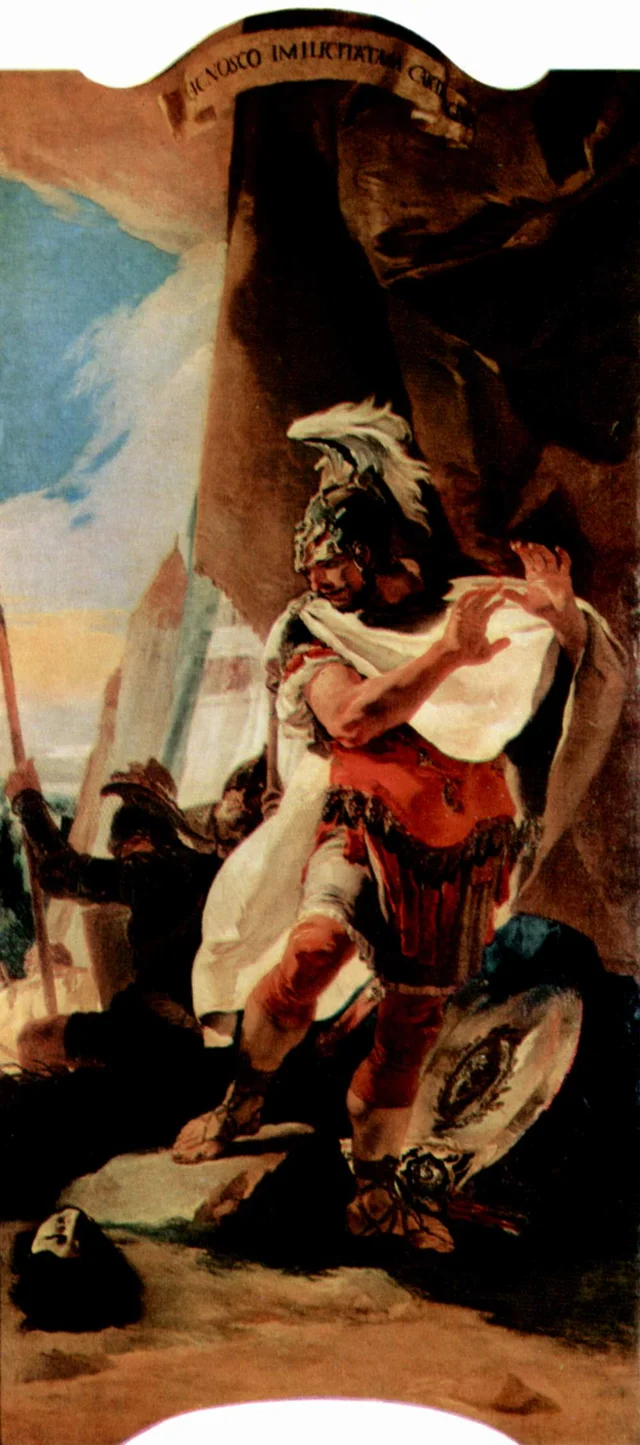 Hannibal recognises the head of his brother HasdrubalGiovanni Battista Tiepolo, 1729
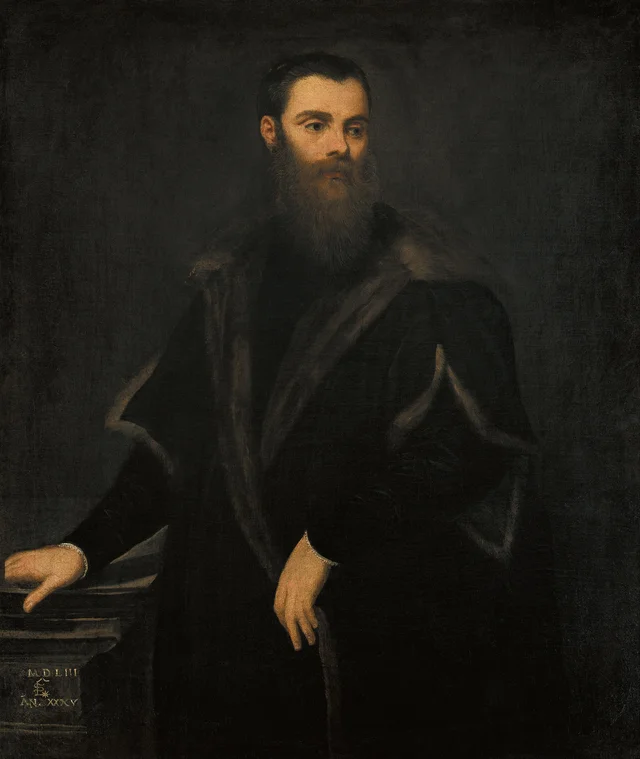 Lorenzo SoranzoJacopo Tintoretto, 1553
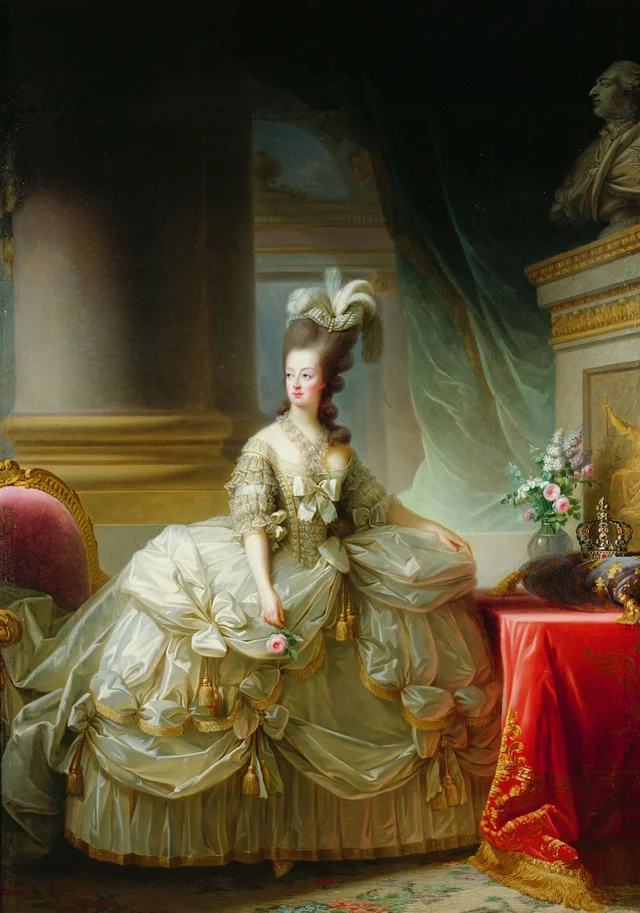 Marie Antoinette in Court DressÉlisabeth Louise Vigée Le Brun, 1778
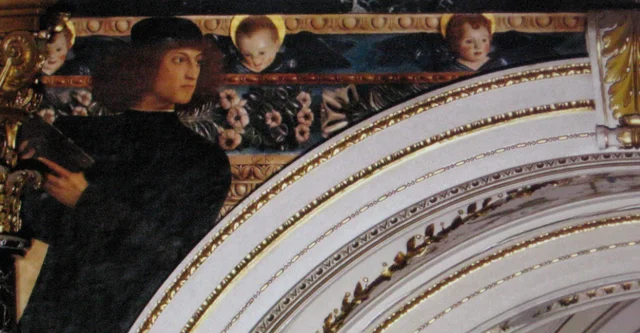 Old Italian ArtGustav Klimt, 1891
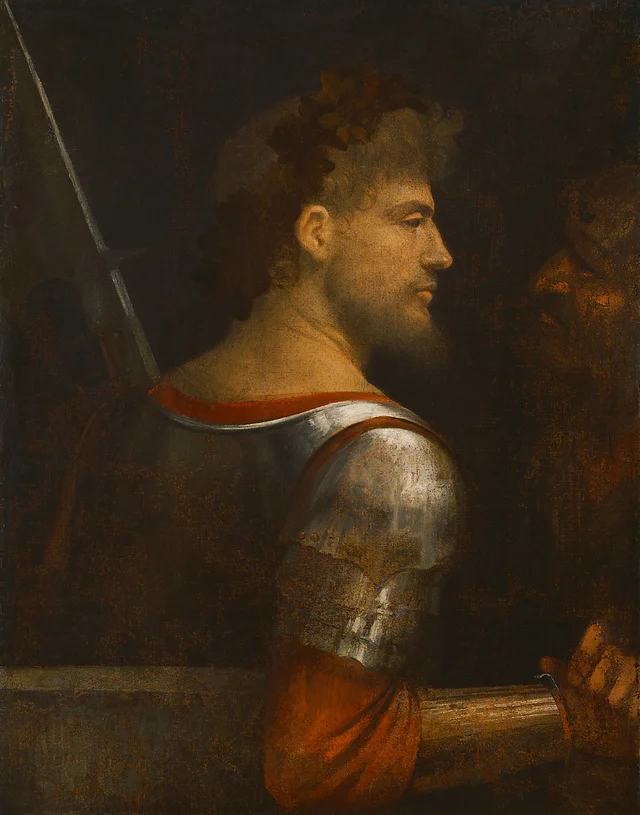 Portrait of a WarriorGiorgione, 1500
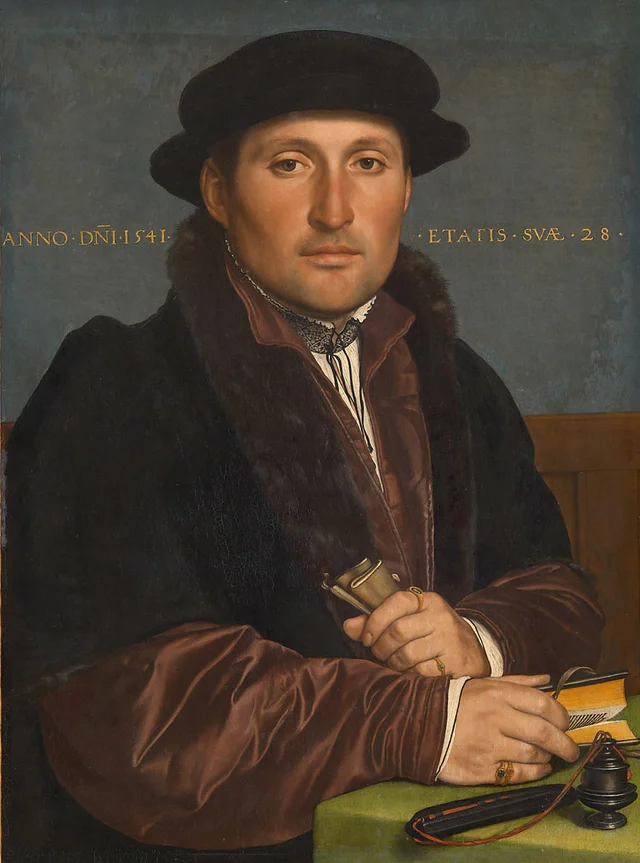 Portrait of a Young MerchantHans Holbein the Younger, 1541
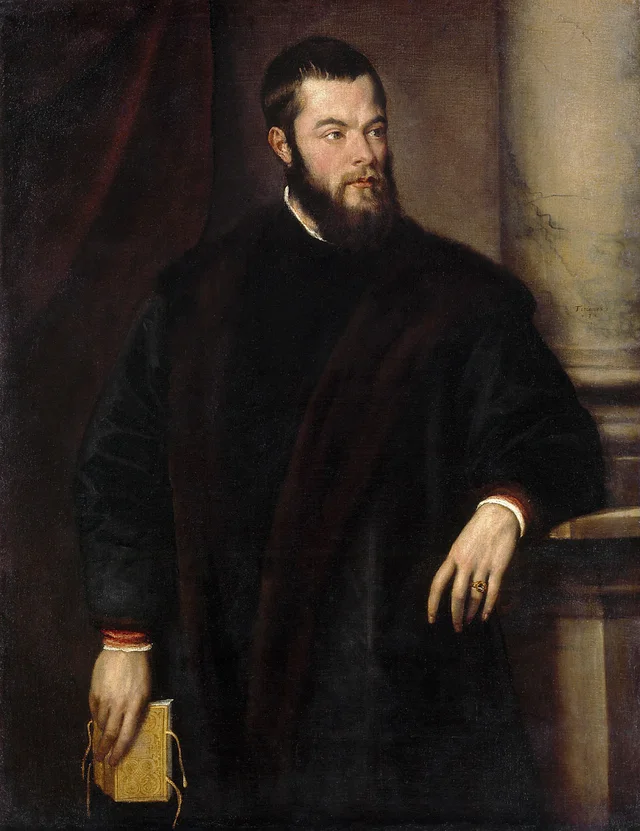 Portrait of Benedetto VarchiTitian, 1540
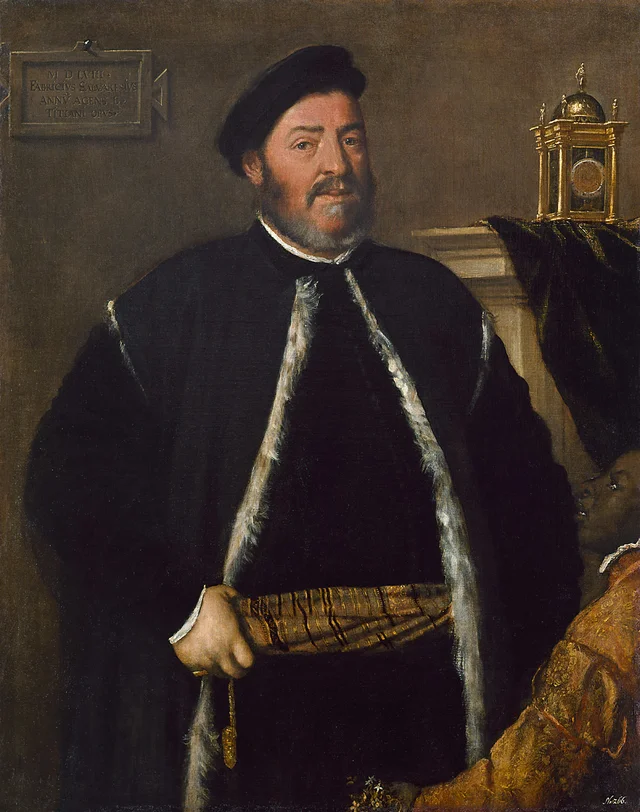 Portrait of Fabrizio SalvaresioTitian, 1558
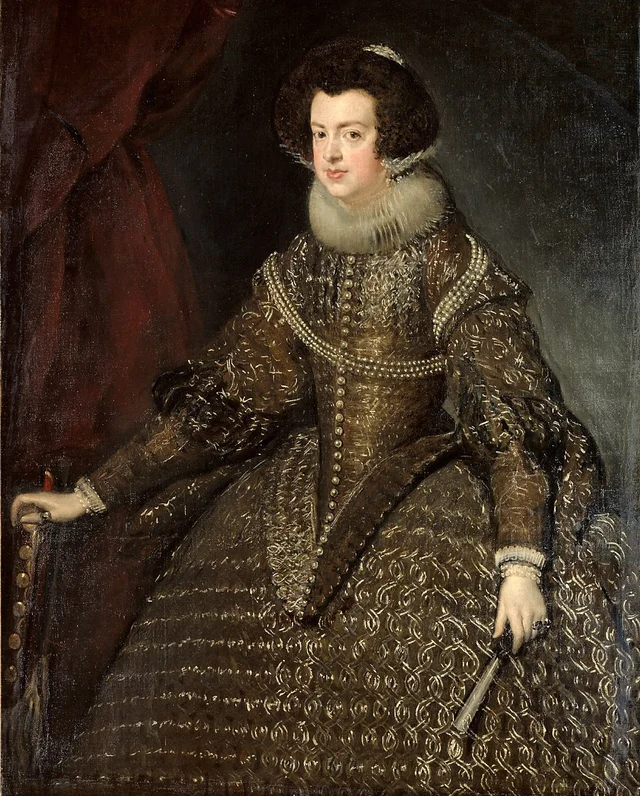 Queen Isabella of Spain (1602–1644)Diego Velázquez and workshop, 1632
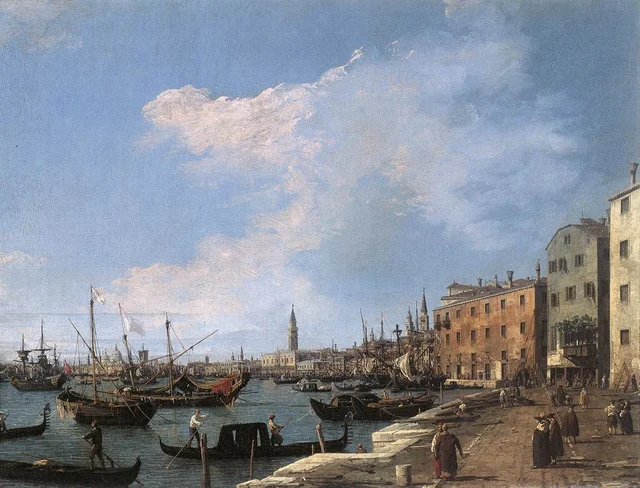 Riva degli SchiavoniCanaletto, 1730
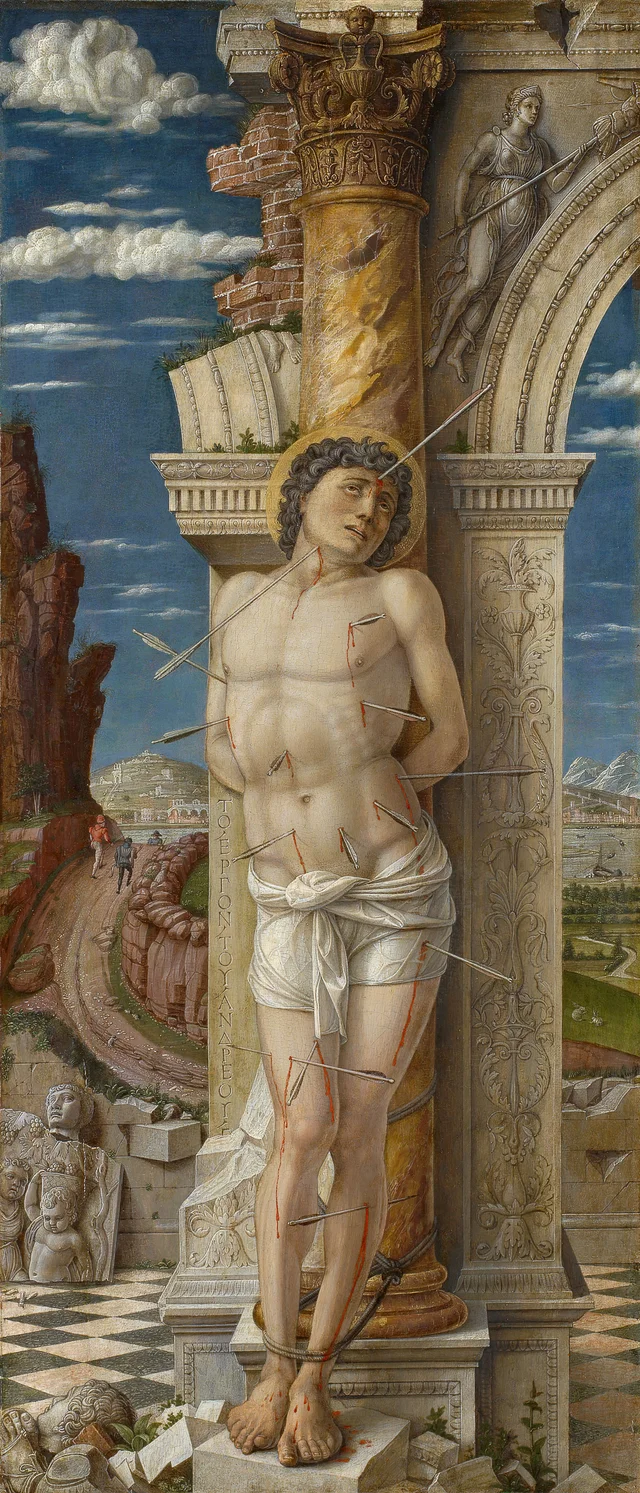 Saint SebastianAndrea Mantegna, 1458
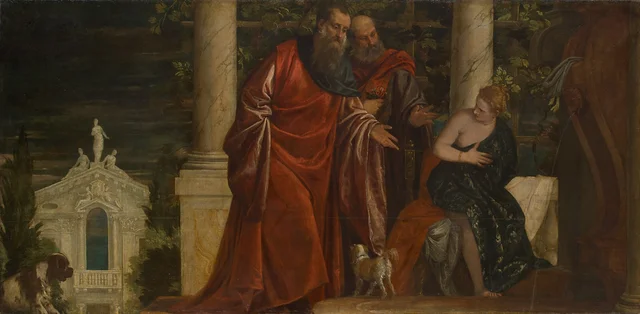 Susannah and the EldersPaolo Veronese and workshop, 1585
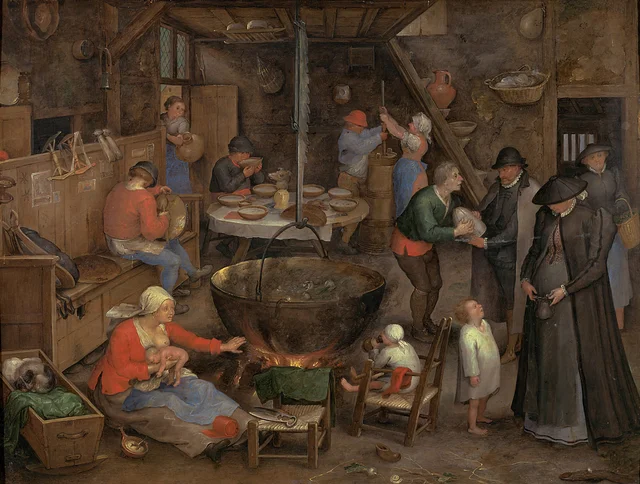 Visit to the FarmJan Brueghel the Elder, 1597