The story
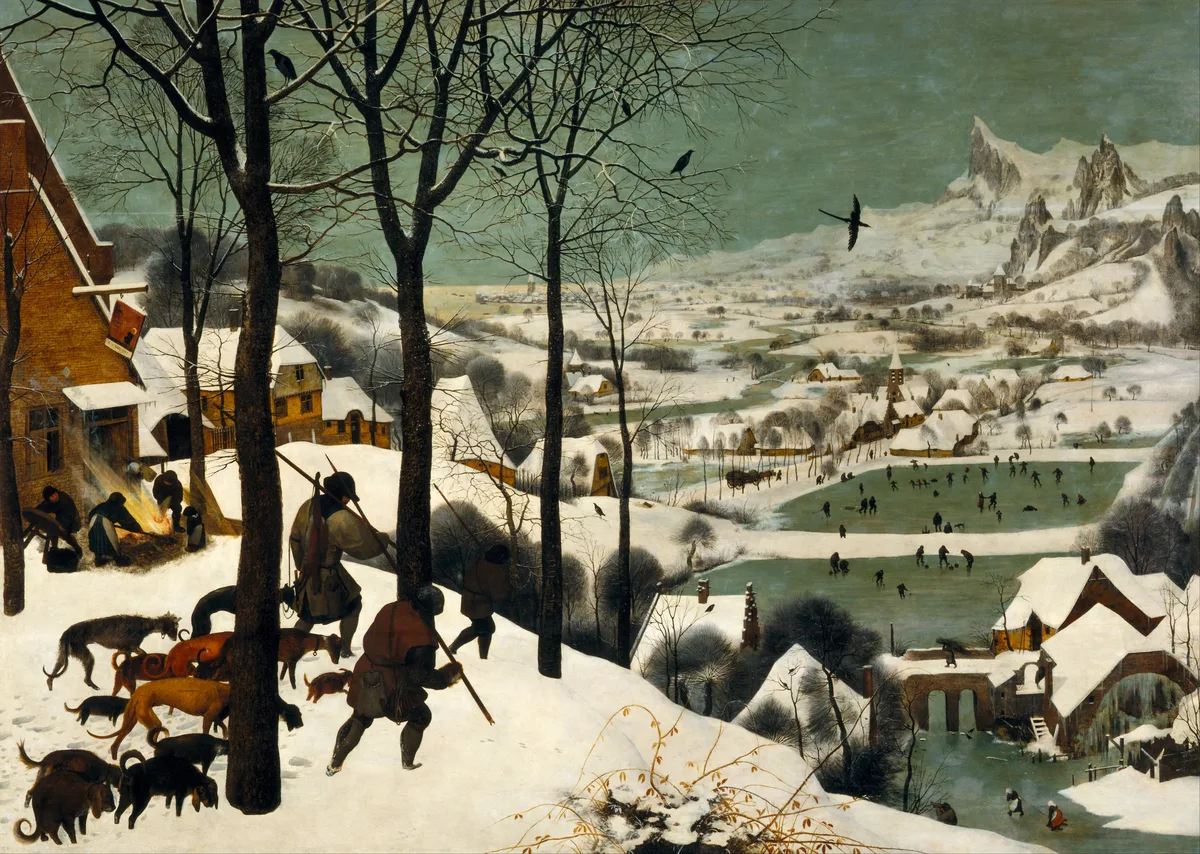
One room on the first floor holds more paintings by Pieter Bruegel the Elder than anywhere else on earth, around a dozen, including 'Hunters in the Snow', the line of tired hunters and their dogs trudging over a hill above a frozen valley, painted in 1565. That Vienna owns them at all comes down to the Habsburgs, the dynasty that ruled much of Europe for centuries and spent a good part of that power buying art.
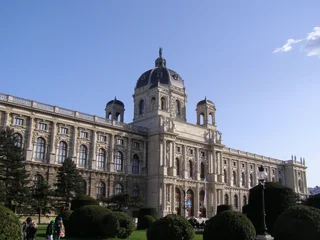
The museum was built to show exactly that off. Emperor Franz Joseph opened it in 1891 on the Ringstraße, the grand boulevard laid out where Vienna's old city walls had stood, in a palace of a building by Gottfried Semper and Karl von Hasenauer, its staircase decorated by the young Gustav Klimt before he became the Klimt of gold and scandal. The point was to gather the scattered imperial collections under one roof and let the public in.
So the walls read like an inventory of Habsburg reach. Vermeer's 'The Art of Painting', the artist seen from behind at his easel, which the family kept as one of its treasures. Rooms of Titian, Rubens and Velázquez, whose Spanish court portraits of small solemn princesses came to Vienna through the marriages that tied the two branches of the family together. And below the picture galleries sits the Kunstkammer, a warren of carved ivory, clockwork automata and gemstone cups assembled by emperors who wanted the strange and the ingenious as much as the beautiful. Its most famous object is a gold salt cellar made by Benvenuto Cellini for the king of France.
More articles
Collection
381 works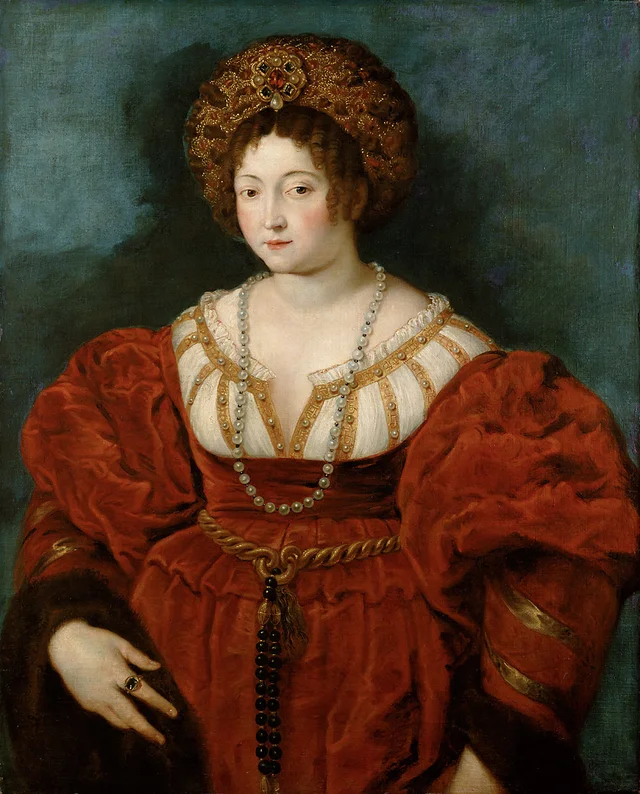 Isabella d'EstePeter Paul Rubens, 1605
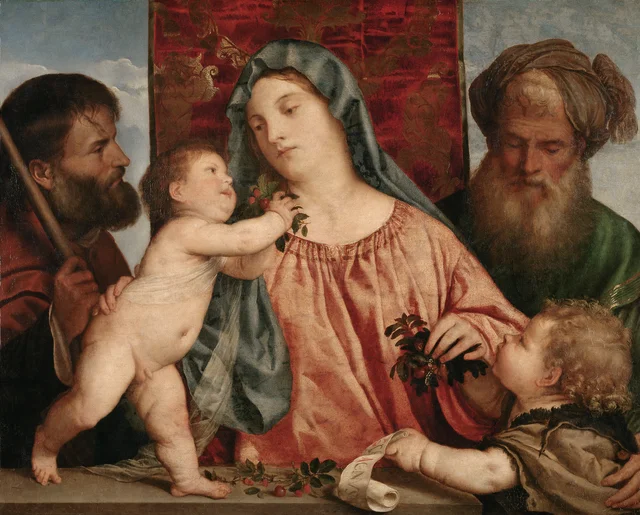 Madonna of the CherriesTitian, 1517
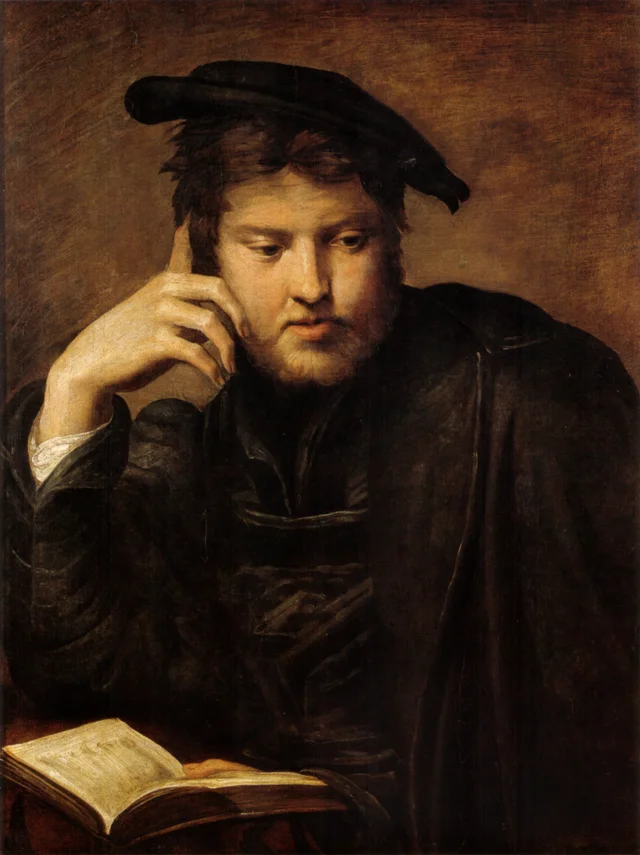 Man Holding a BookParmigianino, 1529
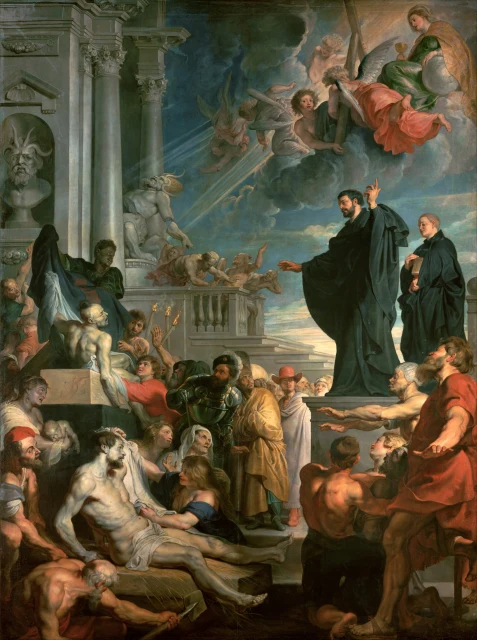 Miracles of St. Francis XavierPeter Paul Rubens, 1617
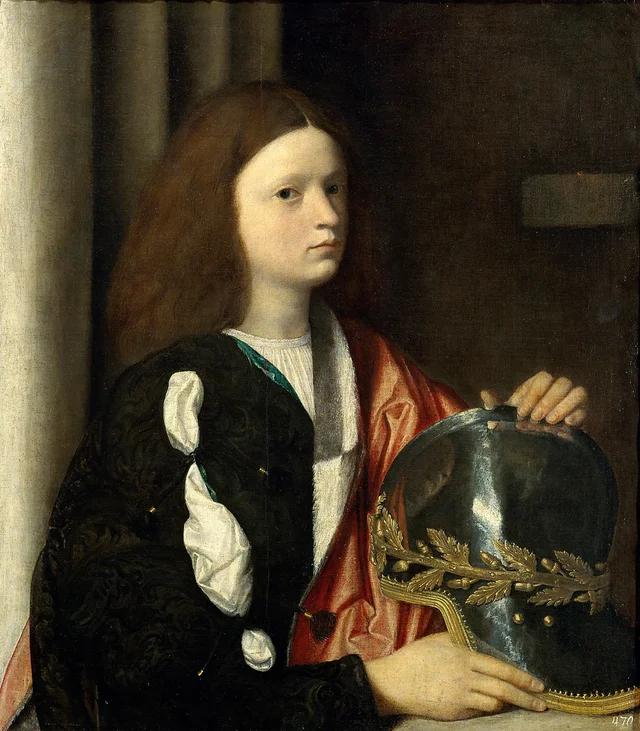 Portrait of Francesco Maria della RovereGiorgione, 1502
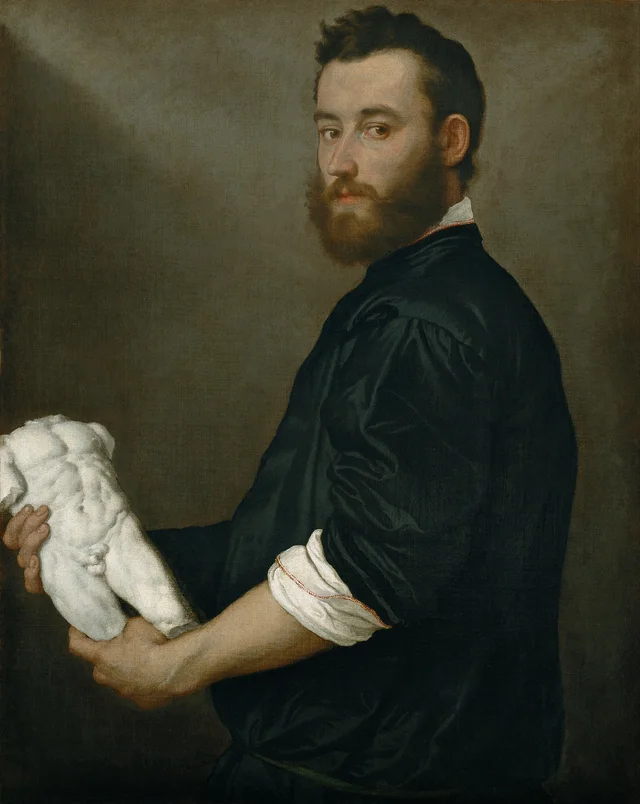 Portrait of the sculptor Alessandro VittoriaGiovanni Battista Moroni, 1552
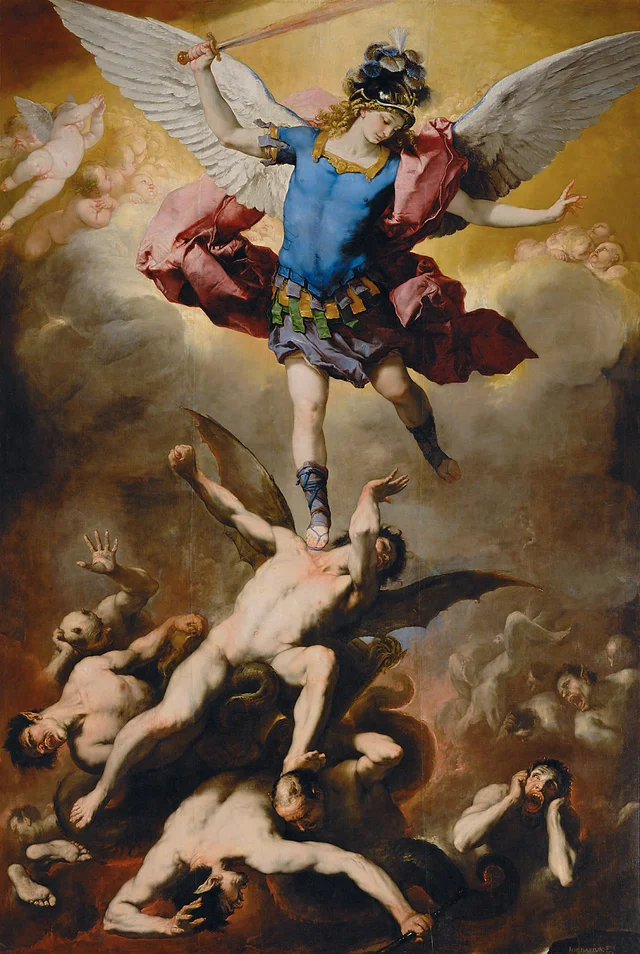 The Fall of the Rebel AngelsLuca Giordano, 1666
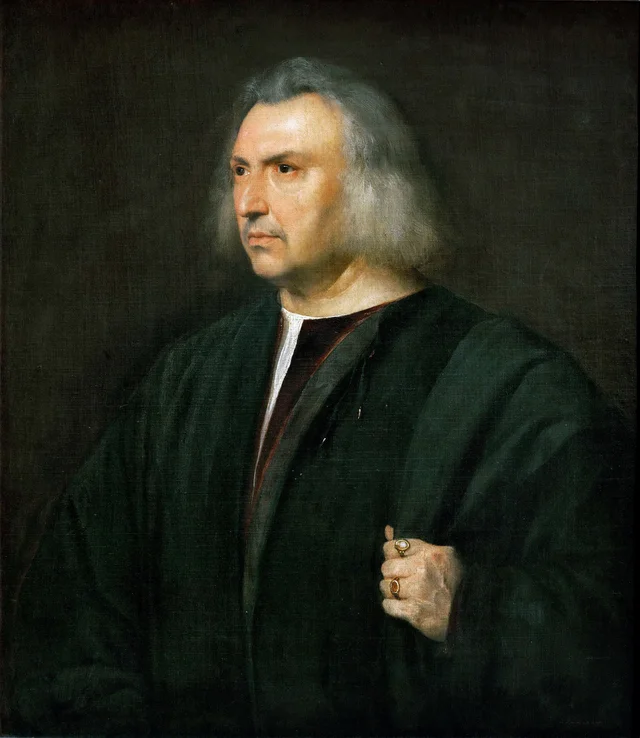 The physician Gian Giacomo Bartolotti da ParmaTitian, 1516
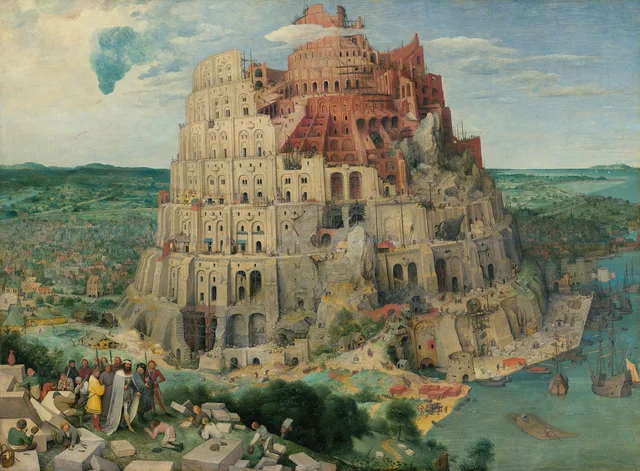 The Tower of BabelPieter Brueghel the Elder, 1563
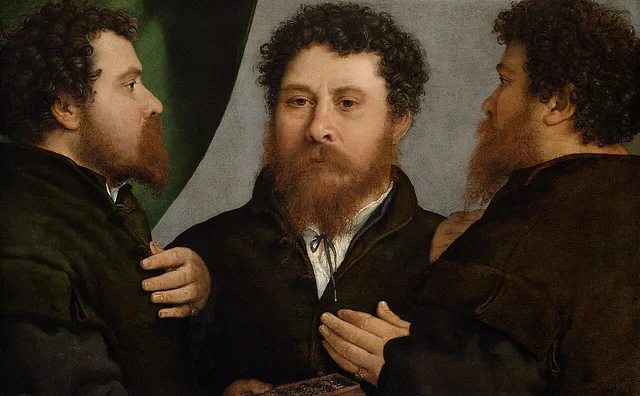 Triple Portrait of a Goldsmith (Bartolomeo Carpan?)Lorenzo Lotto, 1530
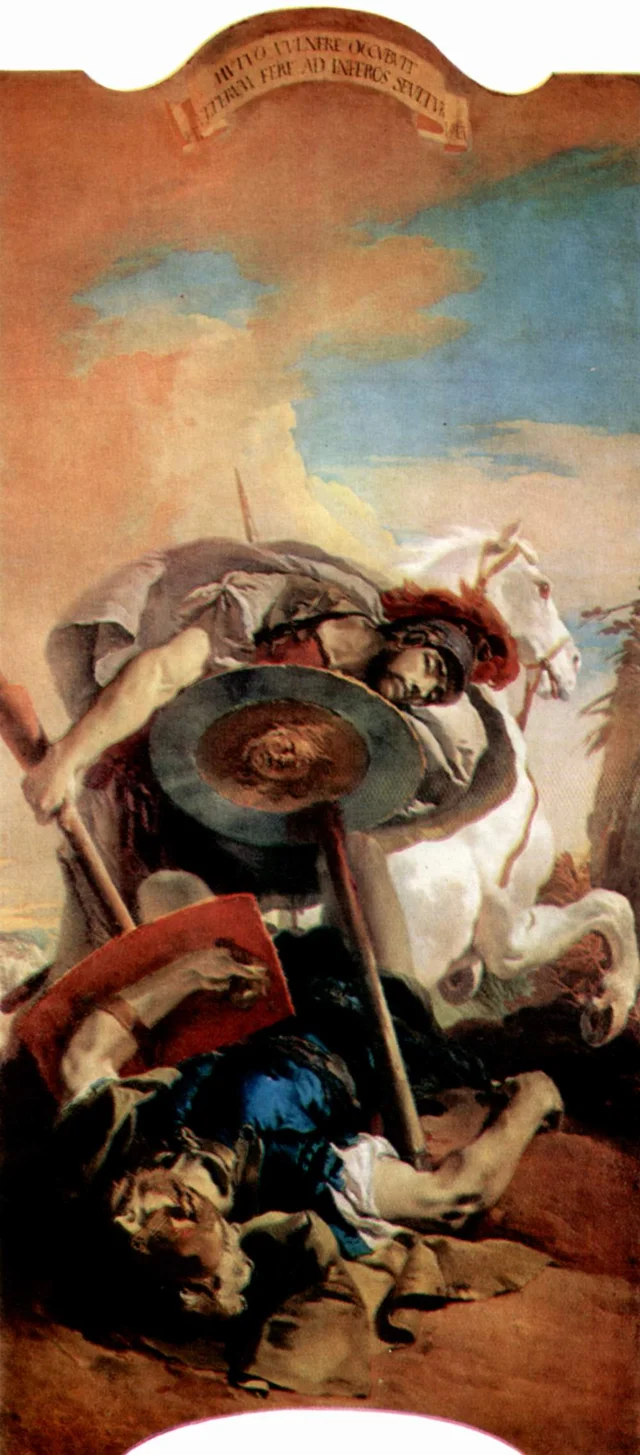 Death of Consul L. J. Brutus in a duel with ArunsGiovanni Battista Tiepolo, 1727
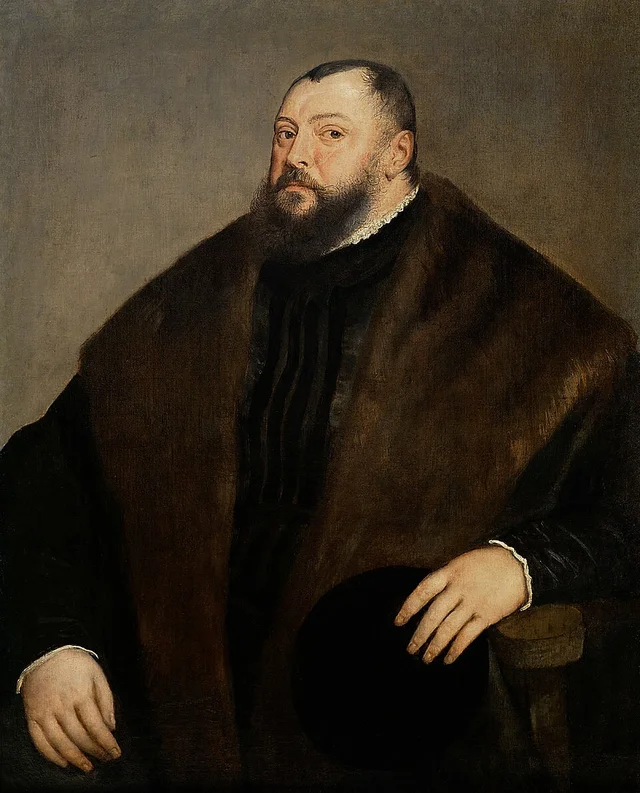 John Frederick, Elector of SaxonyTitian, 1550
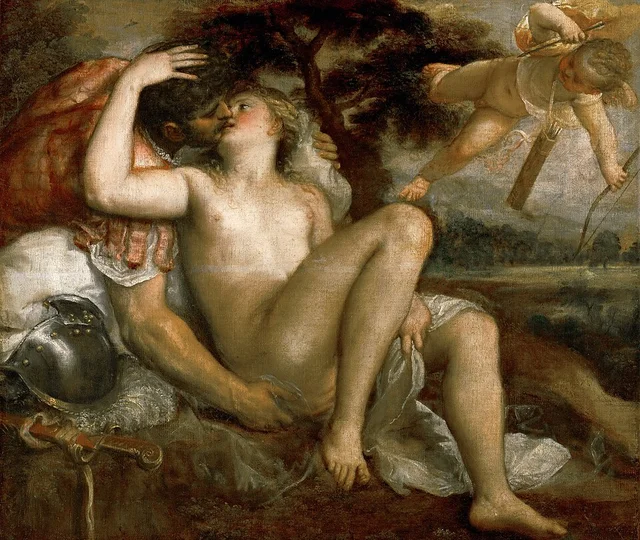 Mars, Venus and AmorTitian, 1550
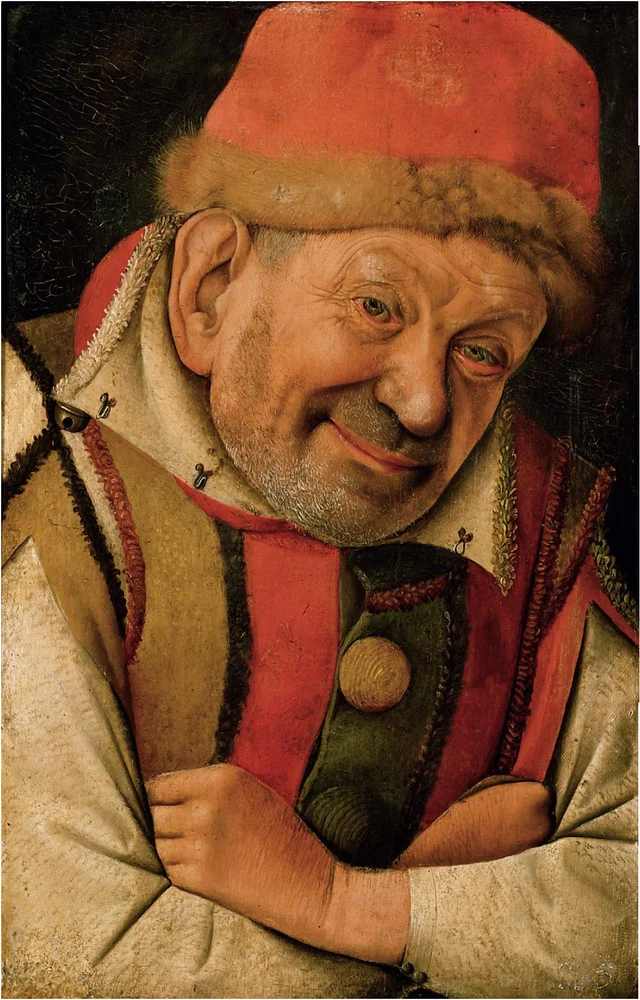 Portrait of the court jester GonellaJean Fouquet, 1447
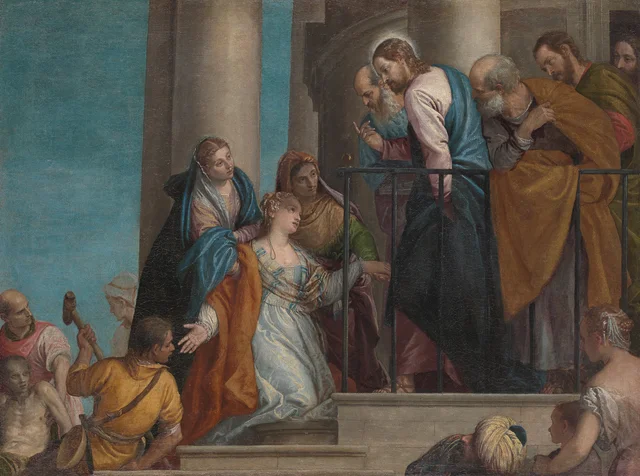 Raising the Young Man of NainPaolo Veronese, 1560
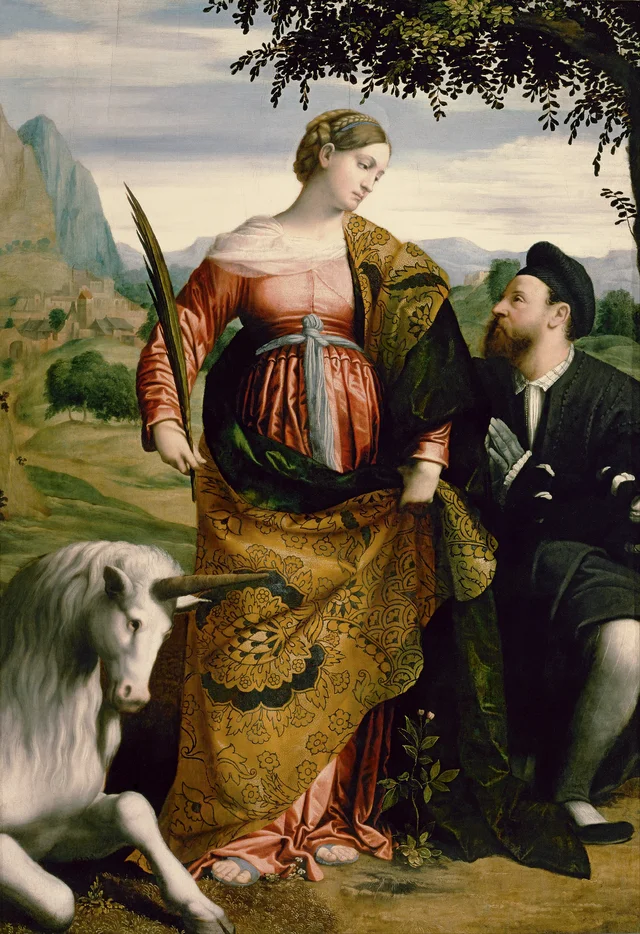 Saint Justina with the Unicorn, Venerated by a PatronMoretto da Brescia, 1530
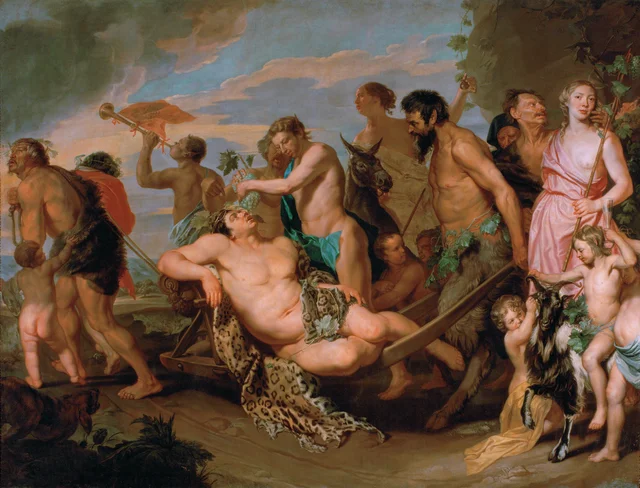 Triumph of BacchusMichaelina Wautier, 1655
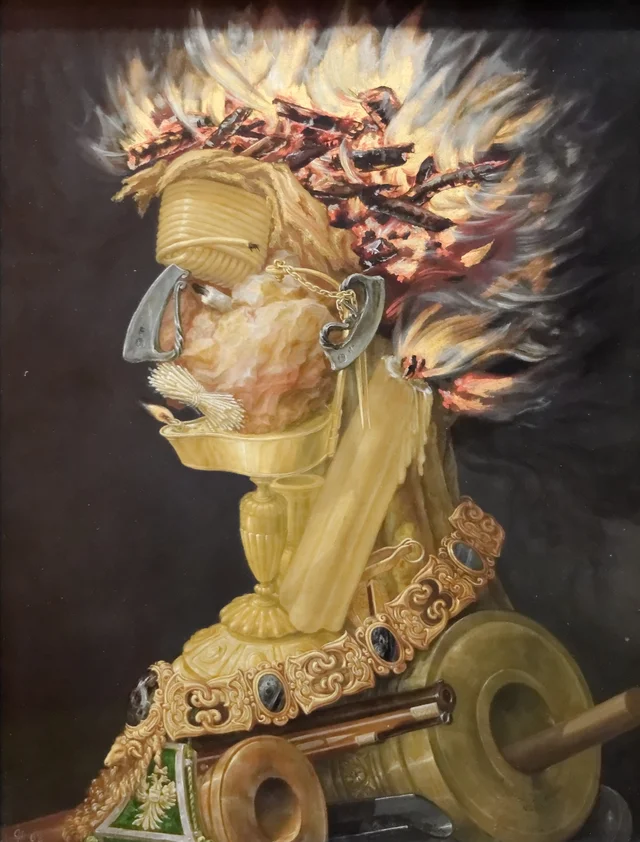 FireGiuseppe Arcimboldo, 1566
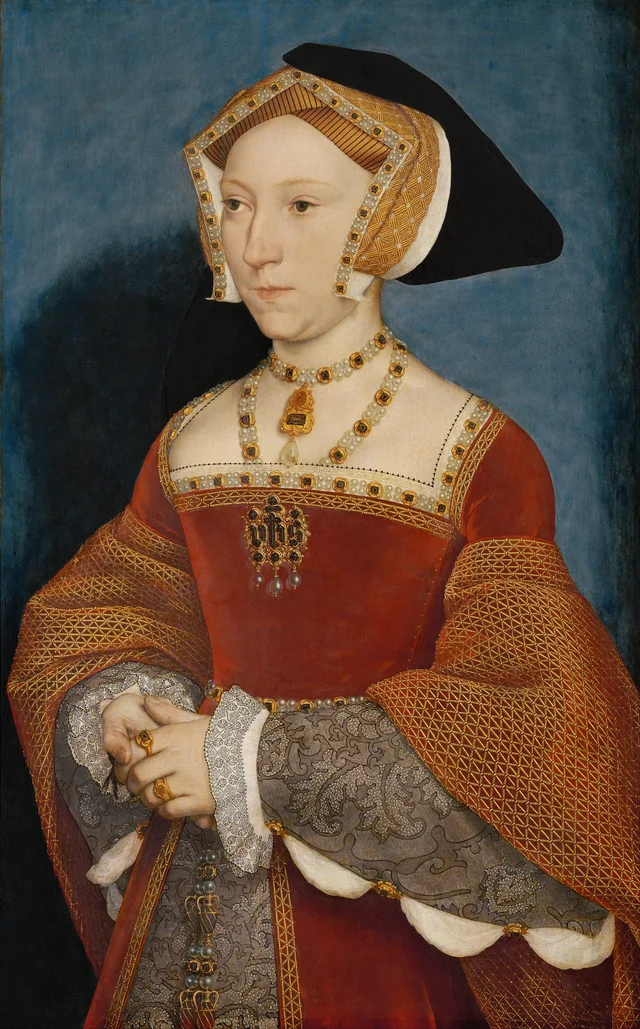 Jane SeymourHans Holbein the Younger, 1536
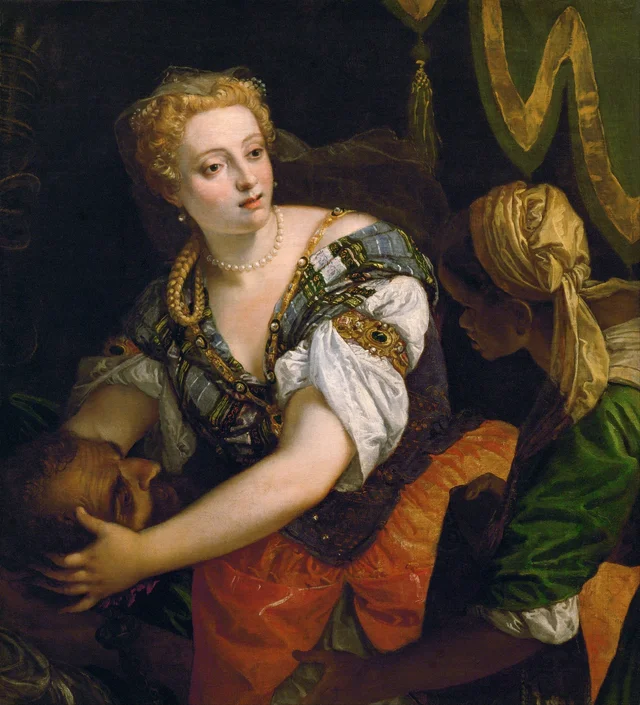 Judith with the Head of HolofernesPaolo Veronese, 1582
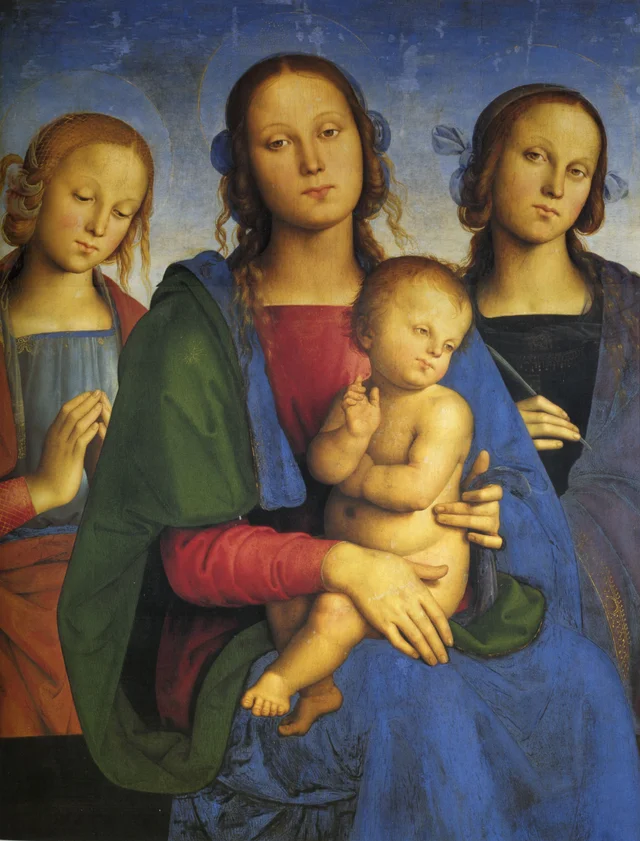 Madonna with child and two female saintsPietro Perugino, 1493
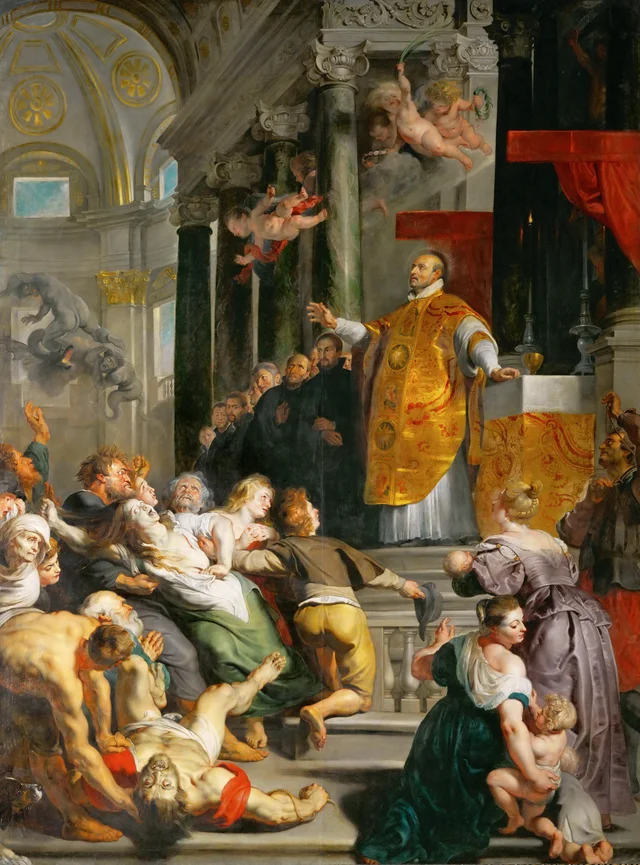 Miracle of Saint Ignatius of LoyolaPeter Paul Rubens, 1618
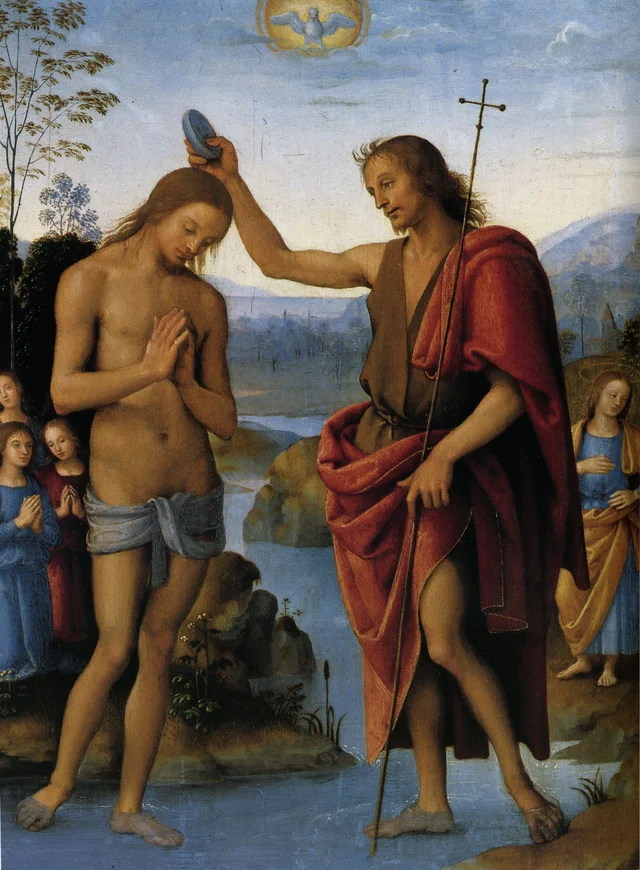 The Baptism of ChristPietro Perugino, 1499
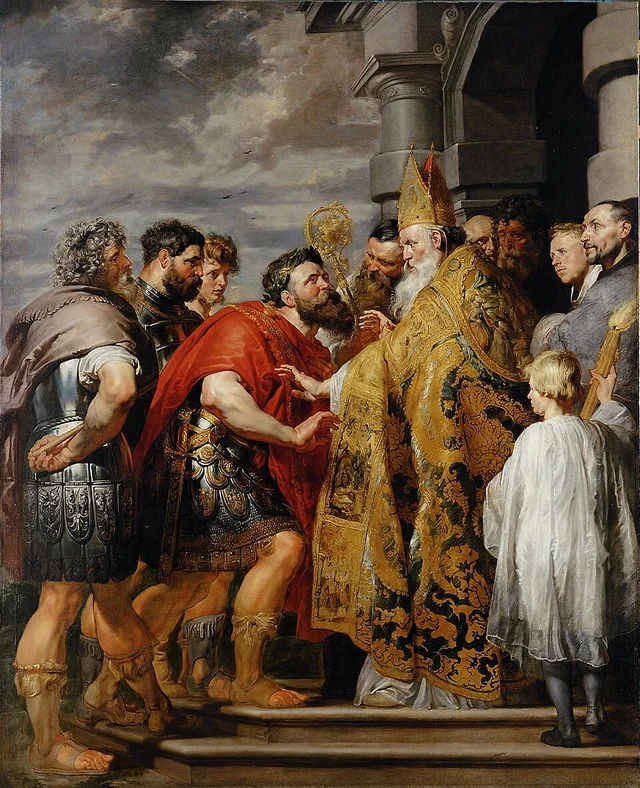 Theodosius and Saint AmbrosePeter Paul Rubens, 1617
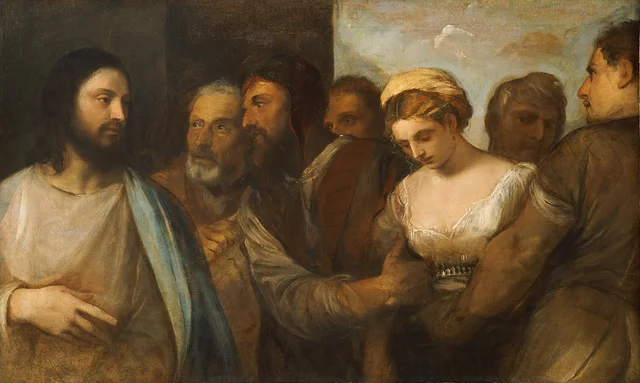 Christ and the AdulteressTitian, 1513