The story
The Louvre began as a fortress. Philip II raised it on the right bank of the Seine around 1190 to guard medieval Paris, and over the following centuries French kings rebuilt it into a royal palace, until Louis XIV moved his court to Versailles in 1682 and left the half-finished halls to the royal collection and the artists lodged inside.
The Revolution turned it into a public museum. On 10 August 1793 the Muséum central des arts opened its doors, showing the confiscated art of the crown and the church to any citizen who wished to walk in. Napoleon filled it with the spoils of his campaigns and briefly renamed it after himself. Much was returned after Waterloo, but the idea held, a national collection arranged for study and free to the public.
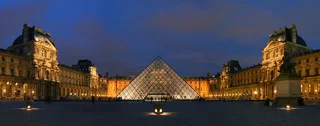
Today the Louvre holds more than 35,000 works, from the Venus de Milo to Géricault's Raft of the Medusa. The crowds, though, press toward one small portrait. In August 1911 it vanished: Vincenzo Peruggia, an Italian handyman who had worked in the museum, lifted Leonardo's Mona Lisa off the wall and carried it out under his coat. For two years the frame hung empty while visitors came to stare at the gap, and the painting returned only in 1913, after Peruggia tried to sell it to a dealer in Florence. I. M. Pei's glass pyramid, set in the courtyard in 1989, now marks the entrance.
More articles
Collection
1,174 works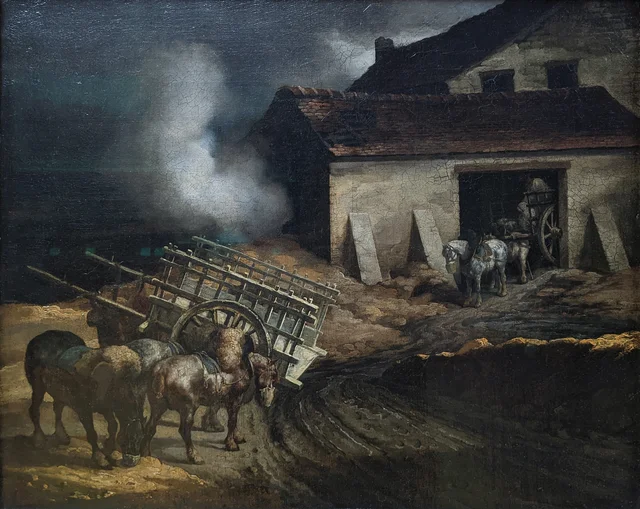 The Plaster KilnThéodore Géricault, 1821
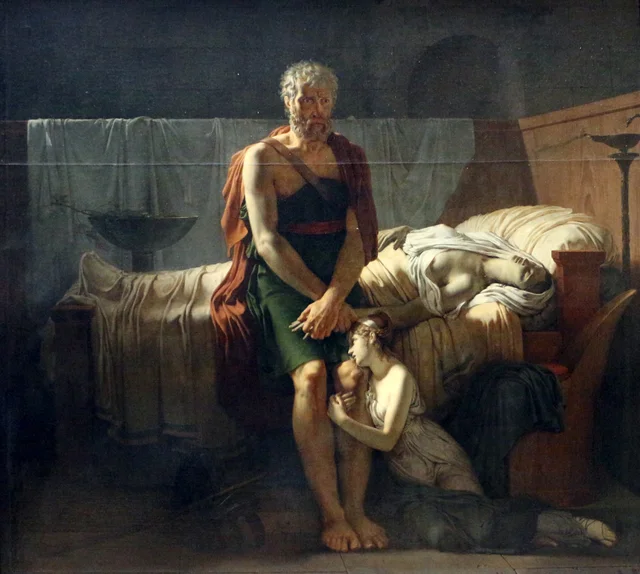 The Return of Marcus SextusPierre-Narcisse Guérin, 1799
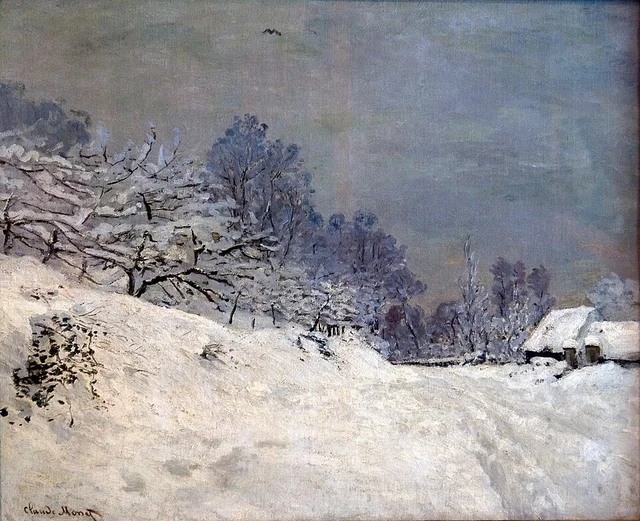 The Road in Front of Saint-Simeon Farm in WinterClaude Monet, 1867
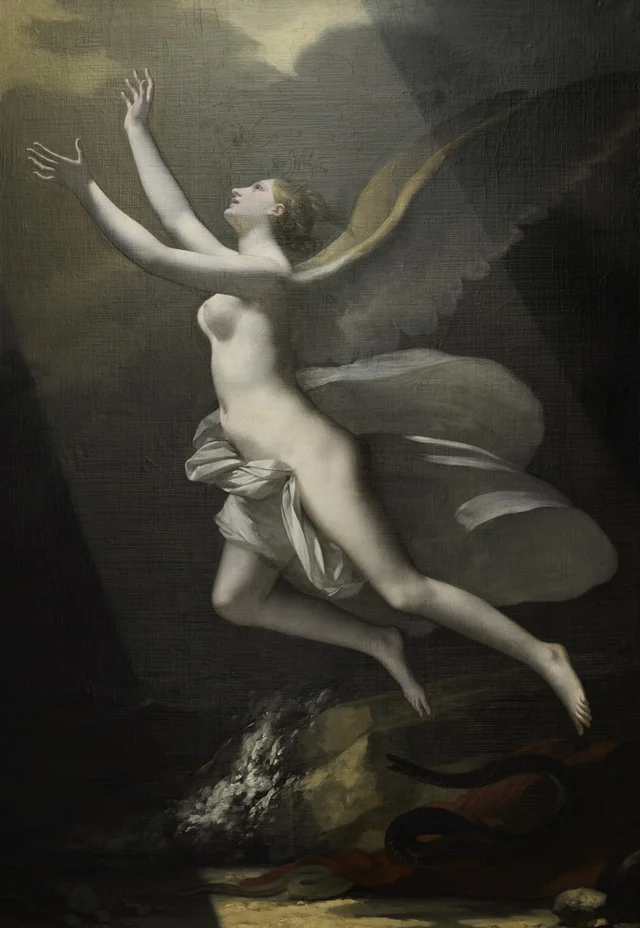 The Soul Breaking the Links Holding it to the EarthPierre-Paul Prud'hon, 1822
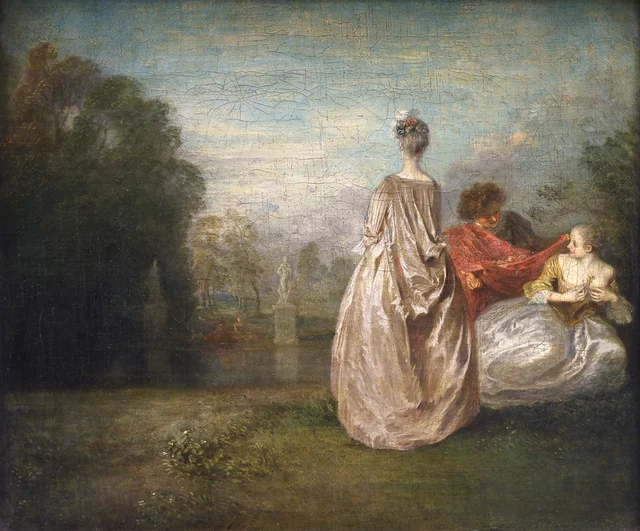 The two cousinsJean-Antoine Watteau, 1716
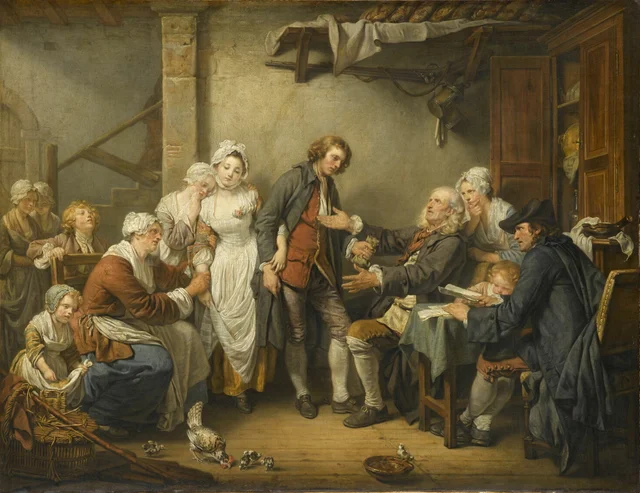 The Village BrideJean-Baptiste Greuze, 1761
 Apollo in Love with DaphneNicolas Poussin, 1664
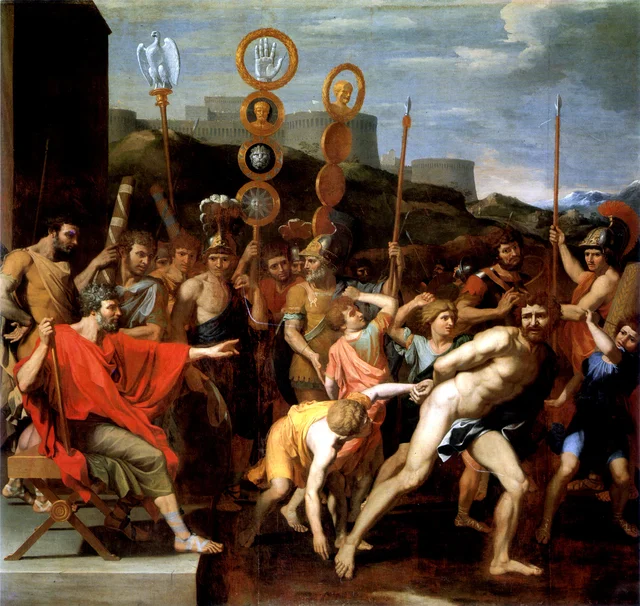 Camille Delivers the Schoolmaster of Falerii to His PupilsNicolas Poussin, 1637
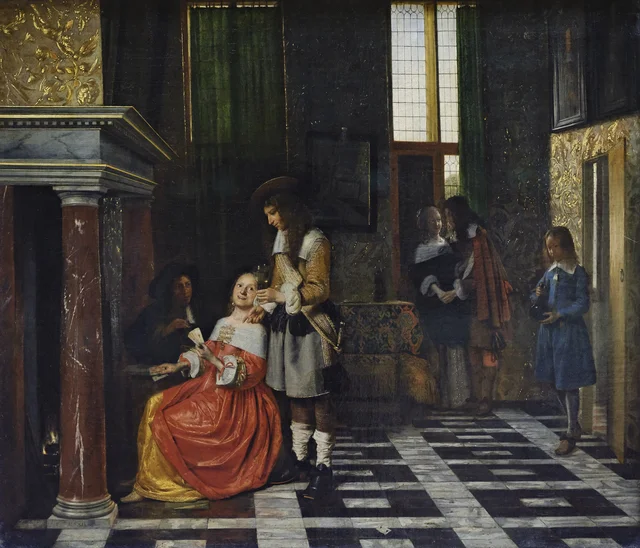 Card Players in an Opulent InteriorPieter de Hooch, 1663
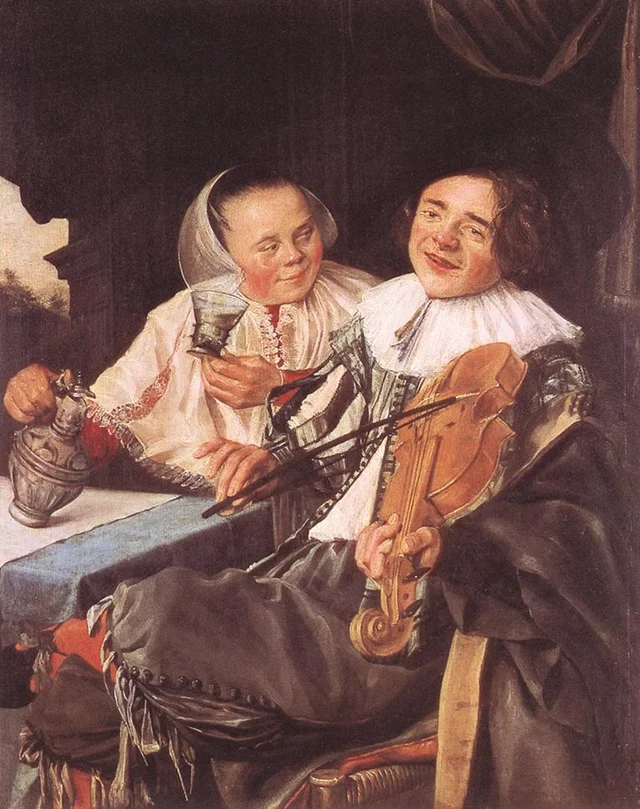 Carousing CoupleJudith Leyster, 1630
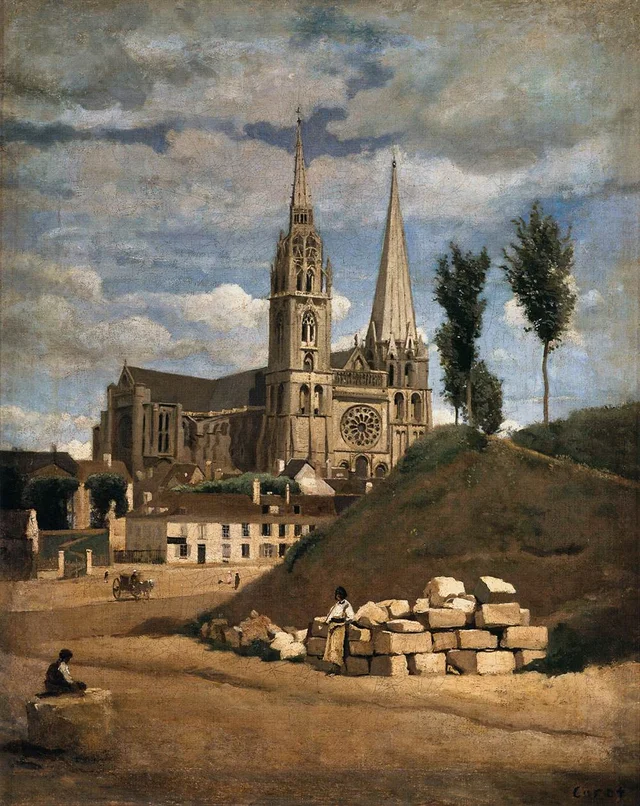 Chartres CathedralJean-Baptiste Camille Corot, 1830
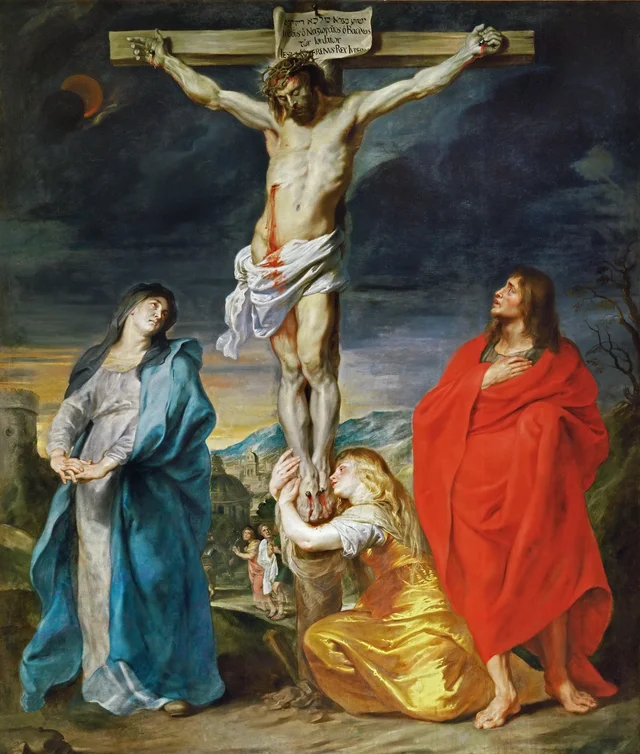 Crucifixion with the Virgin Mary, St John and St Mary MagdaleneAnthony van Dyck, 1618
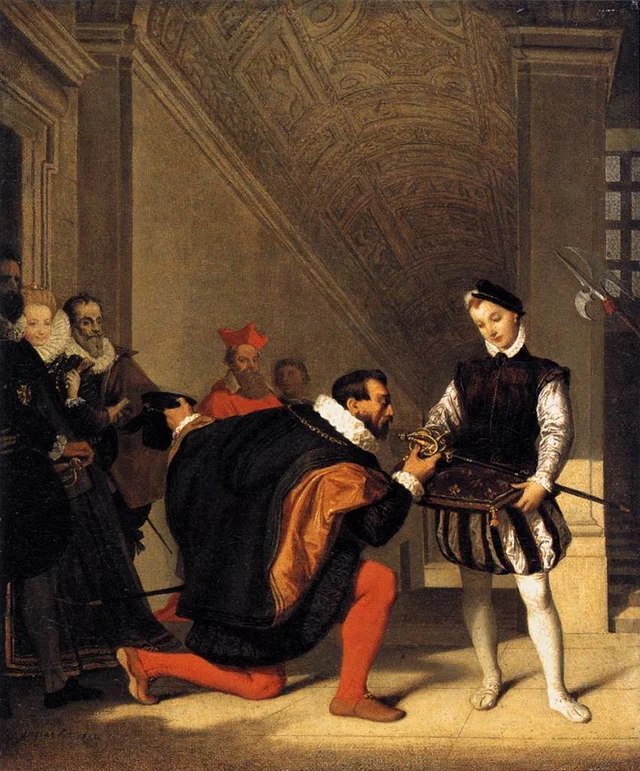 Don Pedro of Toledo Kissing Henry IV's SwordJean-Auguste-Dominique Ingres, 1831
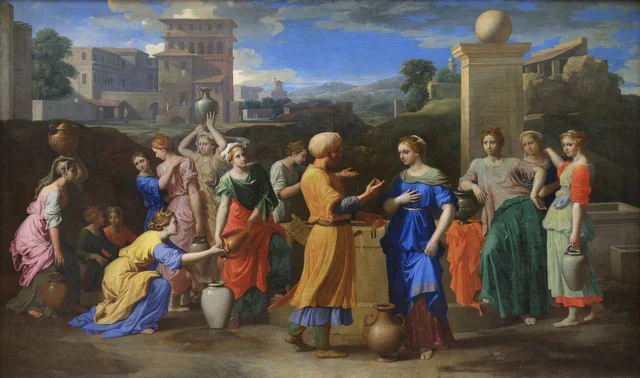 Eliezer and RebeccaNicolas Poussin, 1648
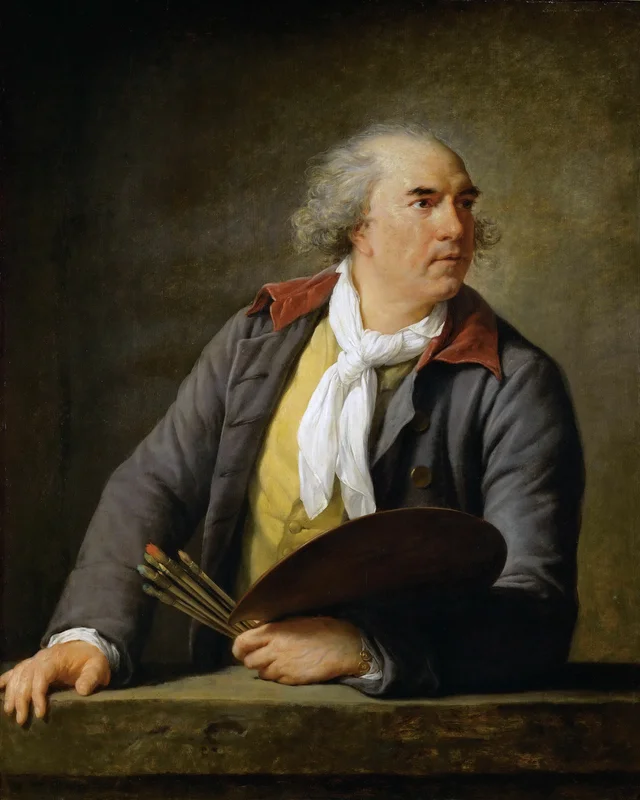 Hubert RobertÉlisabeth Louise Vigée Le Brun, 1788
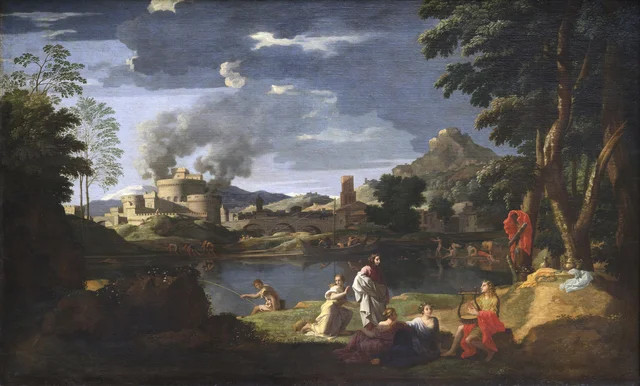 Landscape with Orpheus and EurydiceNicolas Poussin, 1650
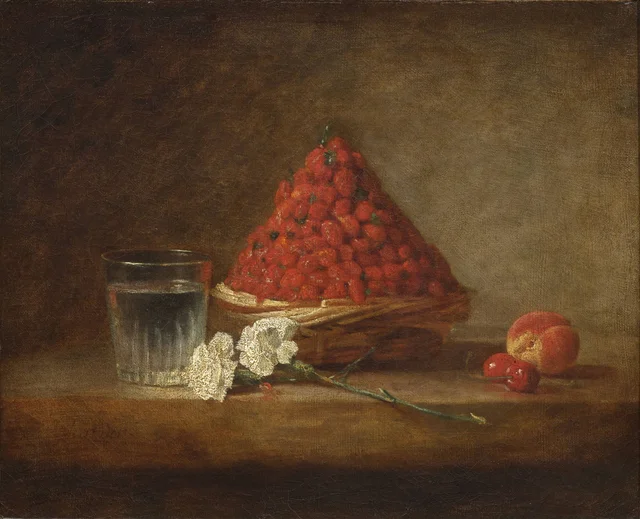 Le Panier de fraises des boisJean-Baptiste-Siméon Chardin, 1761
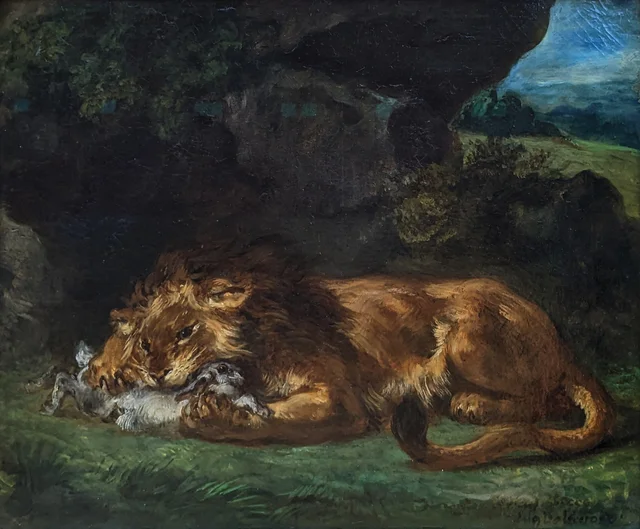 Lion Devouring a RabbitEugène Delacroix, 1853
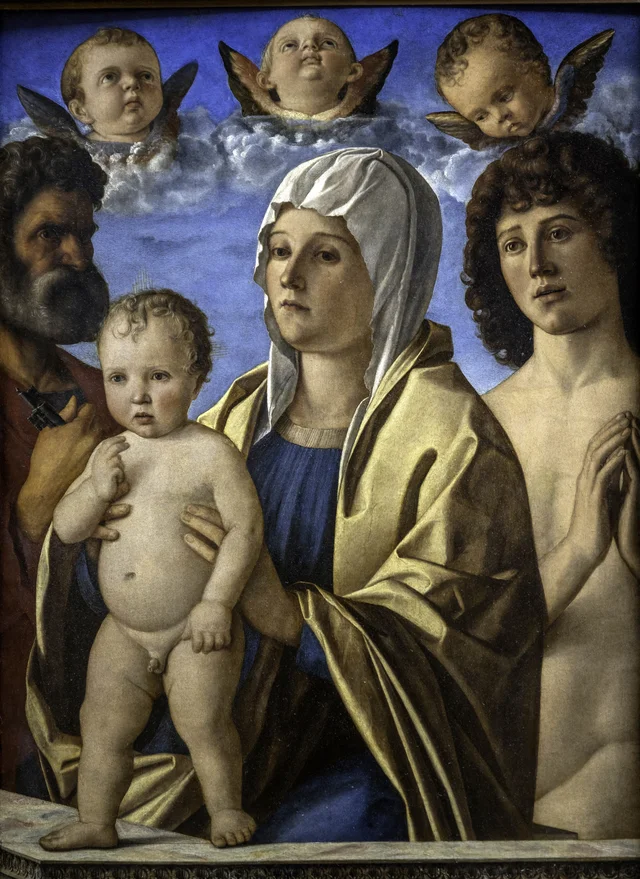 Madonna and Child with St. Peter and St. SebastianGiovanni Bellini, 1480
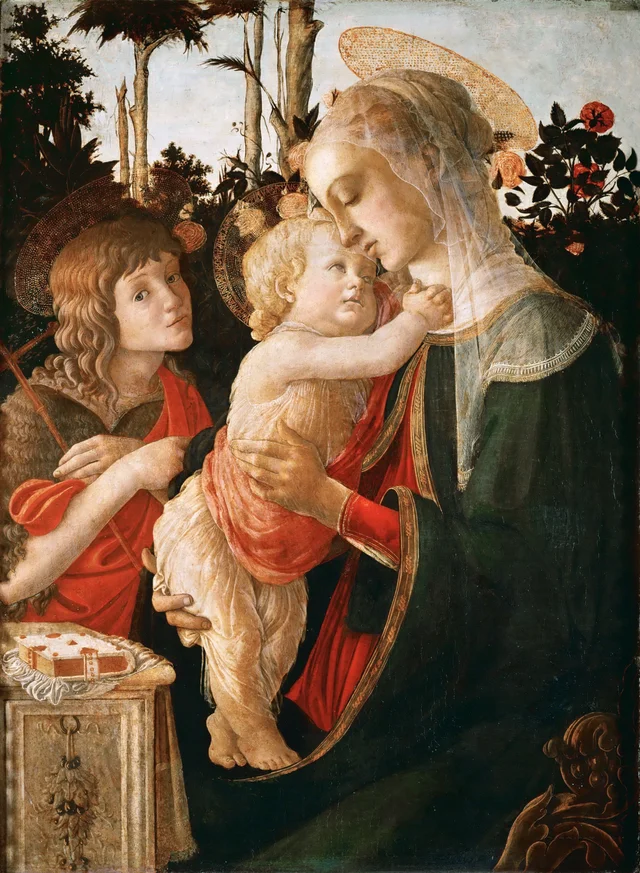 Madonna and Child with the Young St. John the BaptistSandro Botticelli, 1500
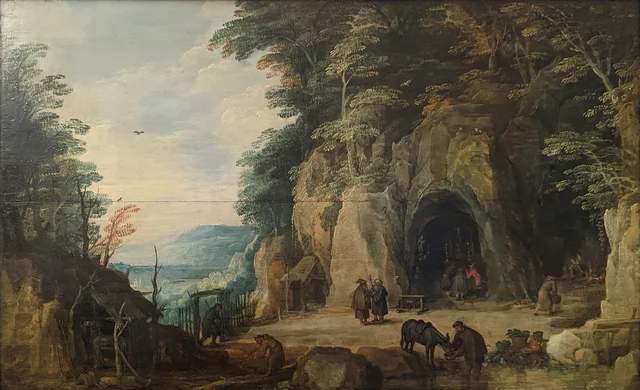 Monk's Hermitage in a CaveJoos de Momper the Younger, 1600
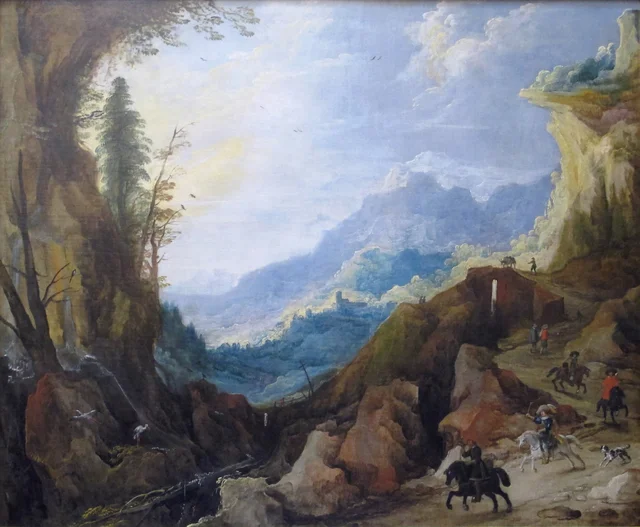 Mountainous Landscape with a Bridge and Four HorsemenJoos de Momper the Younger, 1600
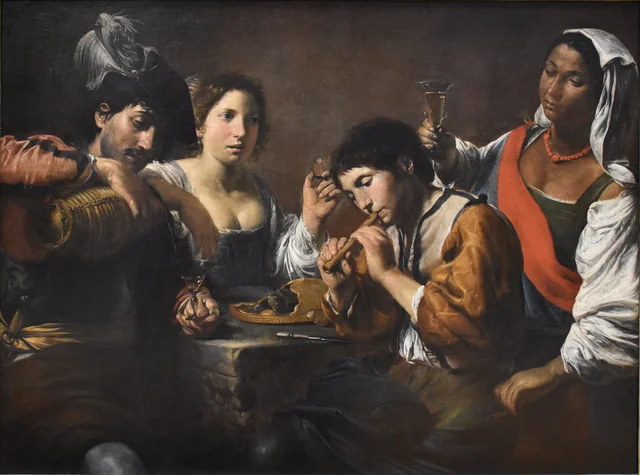 Musician and DrinkersValentin de Boulogne, 1623
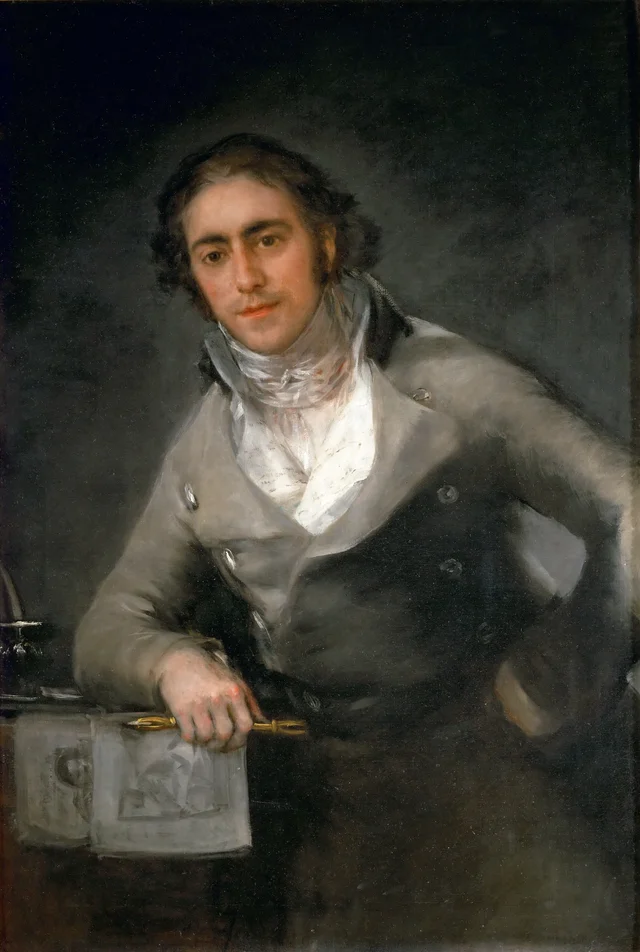 Portrait of a ManFrancisco Goya, 1806
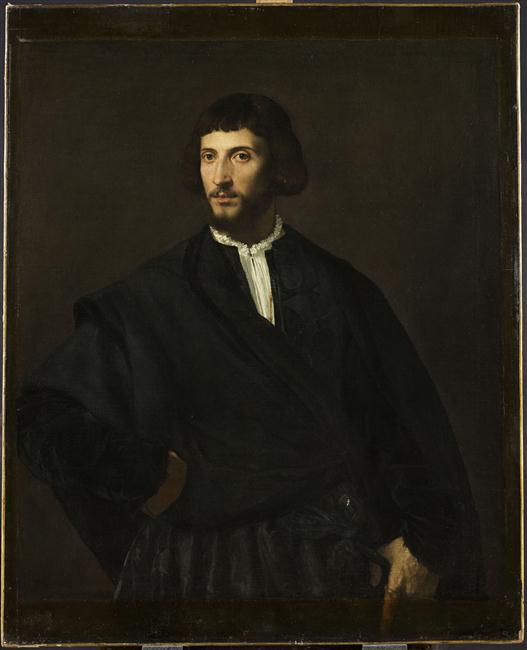 Portrait of a Man, Hand on His BeltTitian, 1520