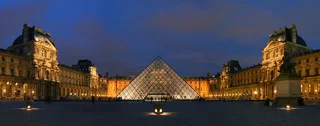
The story
The Louvre began as a fortress. Philip II raised it on the right bank of the Seine around 1190 to guard medieval Paris, and over the following centuries French kings rebuilt it into a royal palace, until Louis XIV moved his court to Versailles in 1682 and left the half-finished halls to the royal collection and the artists lodged inside.
The Revolution turned it into a public museum. On 10 August 1793 the Muséum central des arts opened its doors, showing the confiscated art of the crown and the church to any citizen who wished to walk in. Napoleon filled it with the spoils of his campaigns and briefly renamed it after himself. Much was returned after Waterloo, but the idea held, a national collection arranged for study and free to the public.
Today the Louvre holds more than 35,000 works, from the Venus de Milo to Géricault's Raft of the Medusa. The crowds, though, press toward one small portrait. In August 1911 it vanished: Vincenzo Peruggia, an Italian handyman who had worked in the museum, lifted Leonardo's Mona Lisa off the wall and carried it out under his coat. For two years the frame hung empty while visitors came to stare at the gap, and the painting returned only in 1913, after Peruggia tried to sell it to a dealer in Florence. I. M. Pei's glass pyramid, set in the courtyard in 1989, now marks the entrance.
More articles
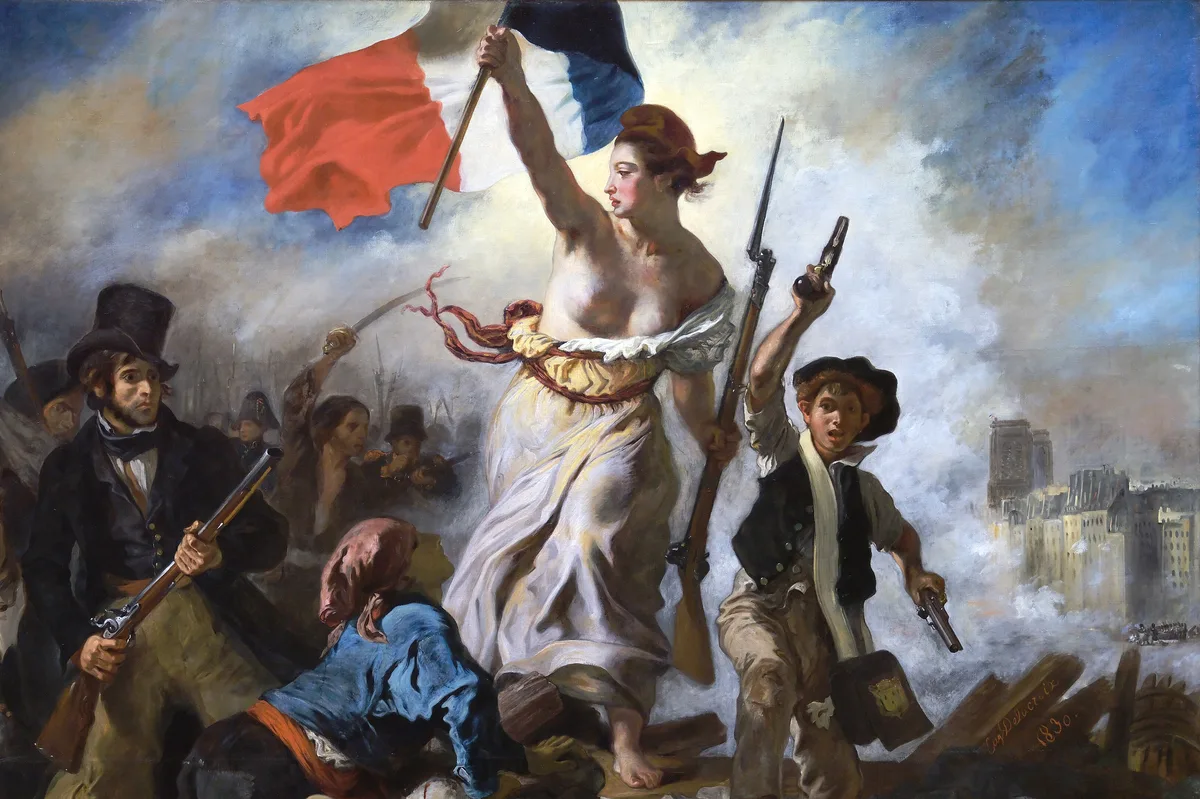
Collection
1,174 works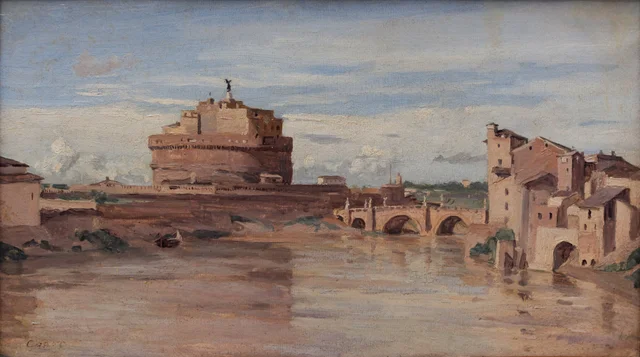 Castel Sant'Angelo and TiberJean-Baptiste Camille Corot, 1826
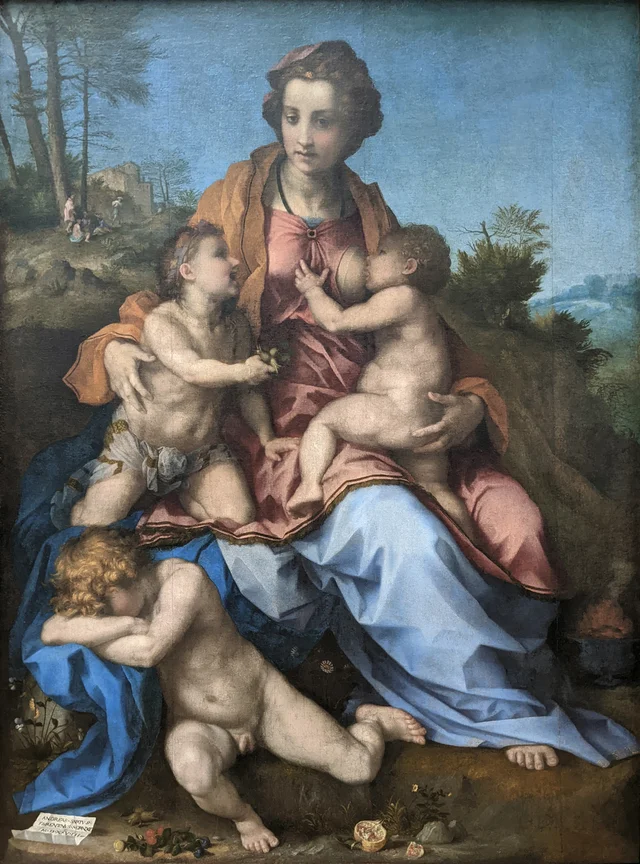 CharityAndrea del Sarto, 1518
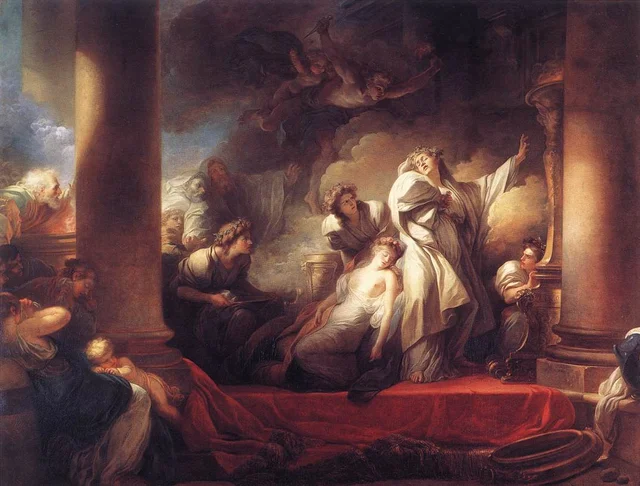 Coresus Sacrificing Himself to Save CallirhoeJean-Honoré Fragonard, 1765
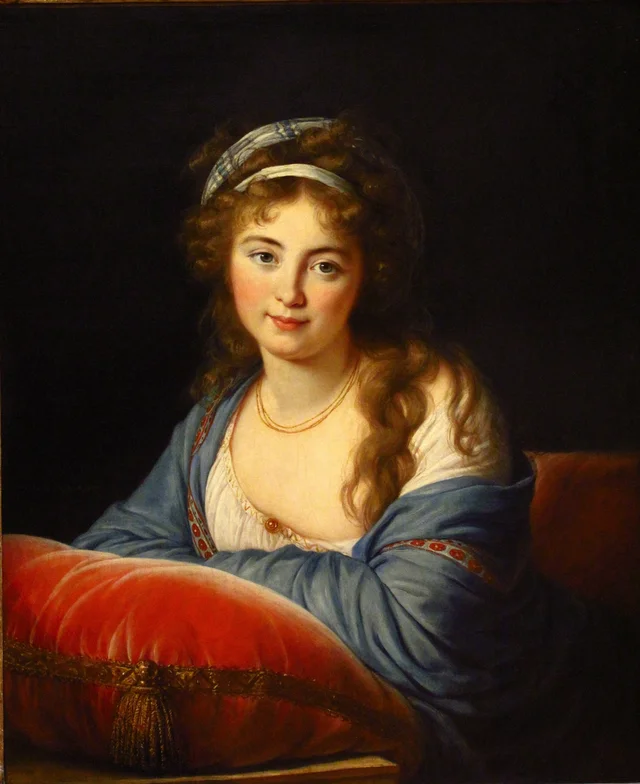 Countess Ekaterina Vassilievna SkavronskaiaÉlisabeth Louise Vigée Le Brun, 1796
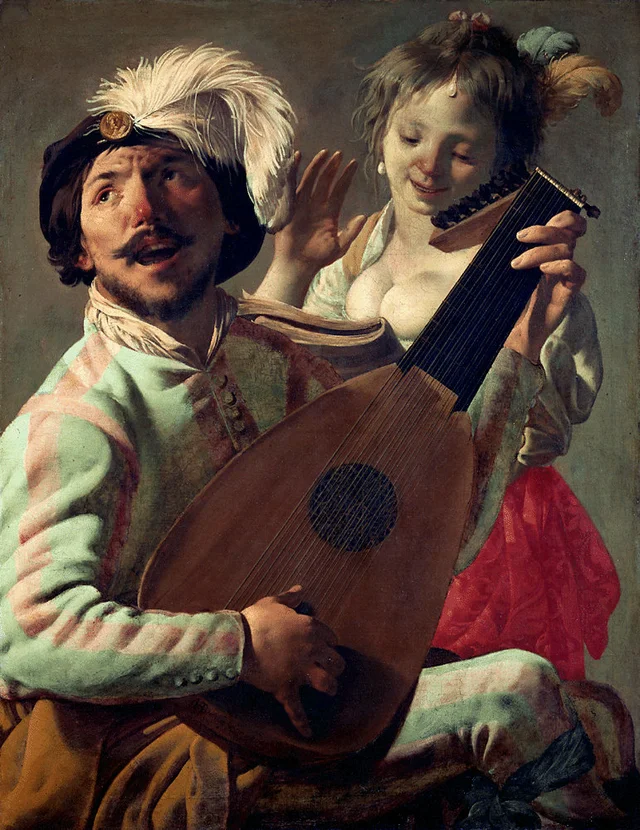 DuetHendrick ter Brugghen, 1628
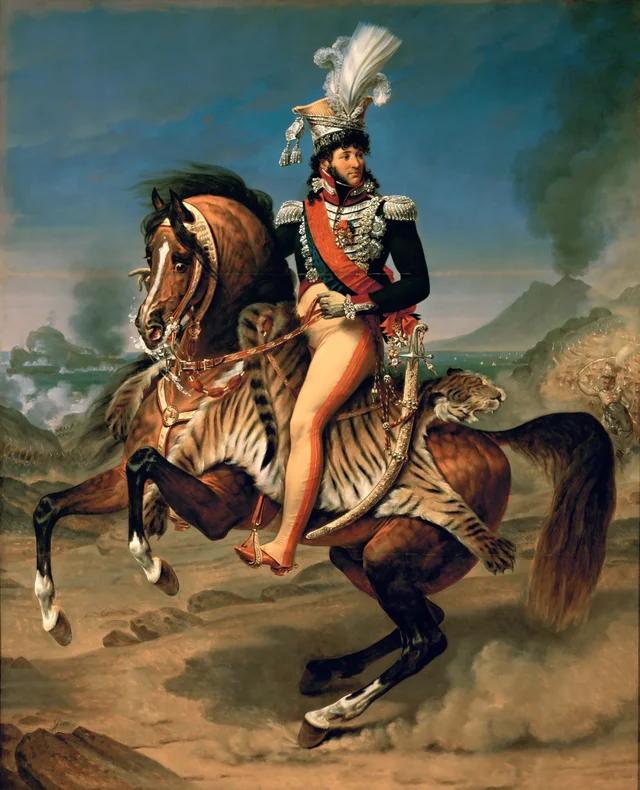 Equestrian portrait of Joachim MuratAntoine-Jean Gros, 1812
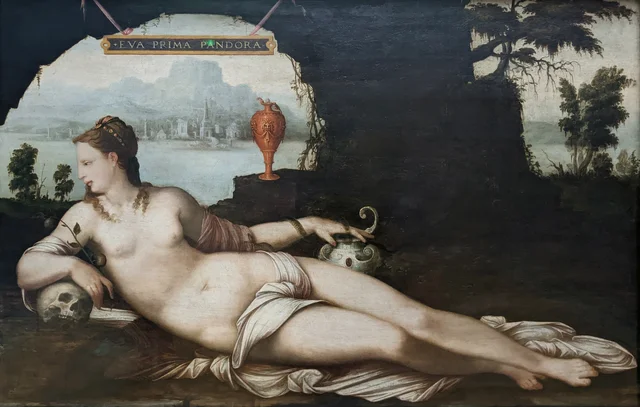 Eva Prima PandoraJean Cousin, 1550
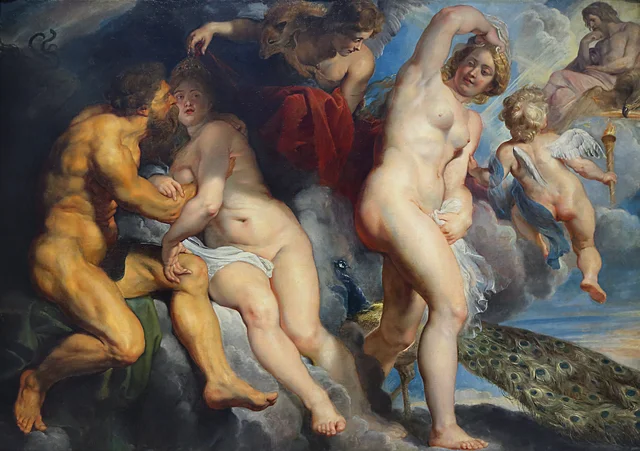 Ixion, king of the Lapiths, deceived by Juno, who he wished to seducePeter Paul Rubens, 1615
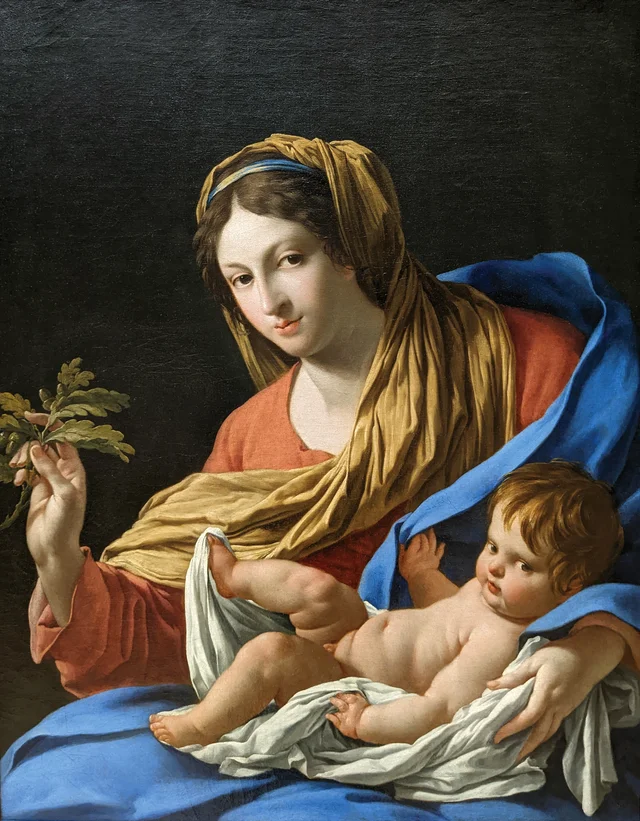 Madonna and childSimon Vouet, 1640
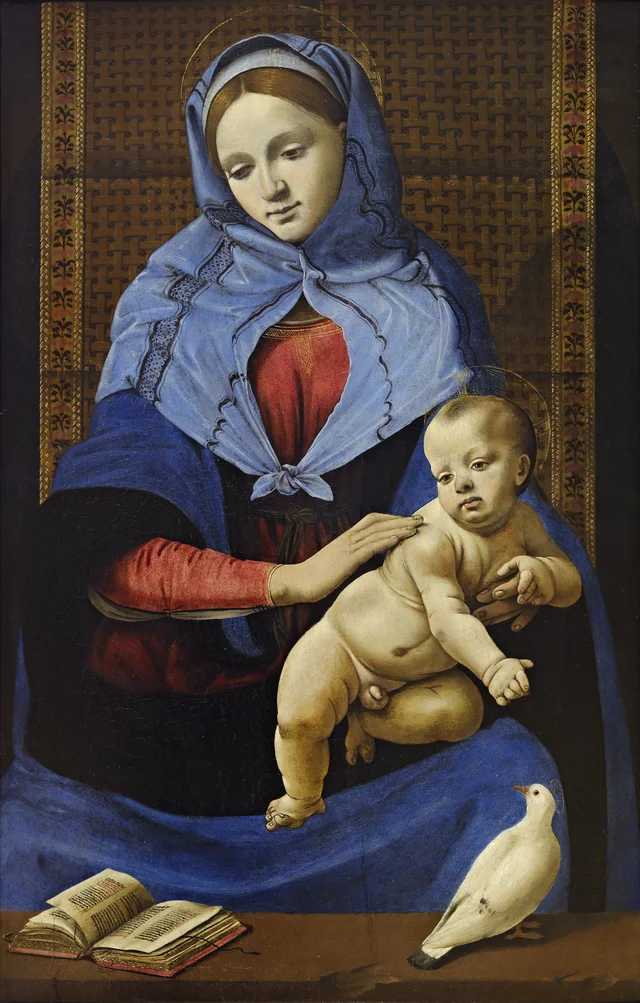 Madonna and Child with a DovePiero di Cosimo, 1490
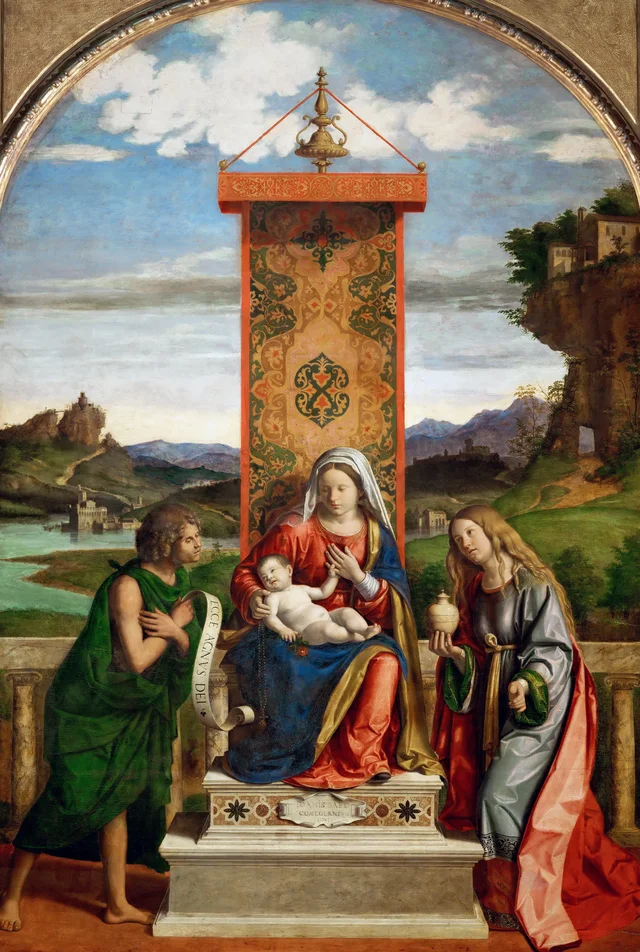 Madonna and Child with John the Baptist and Mary MagdaleneGiovanni Battista Cima da Conegliano, 1511
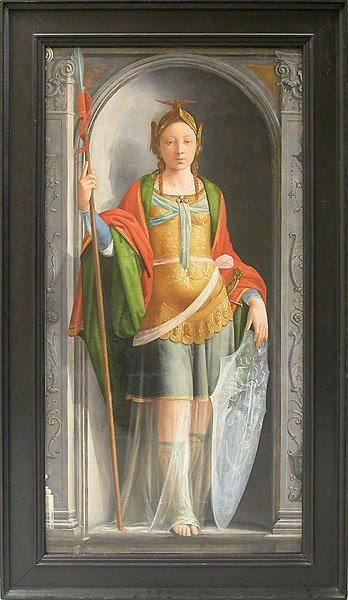 MinervaFra Bartolomeo, 1490
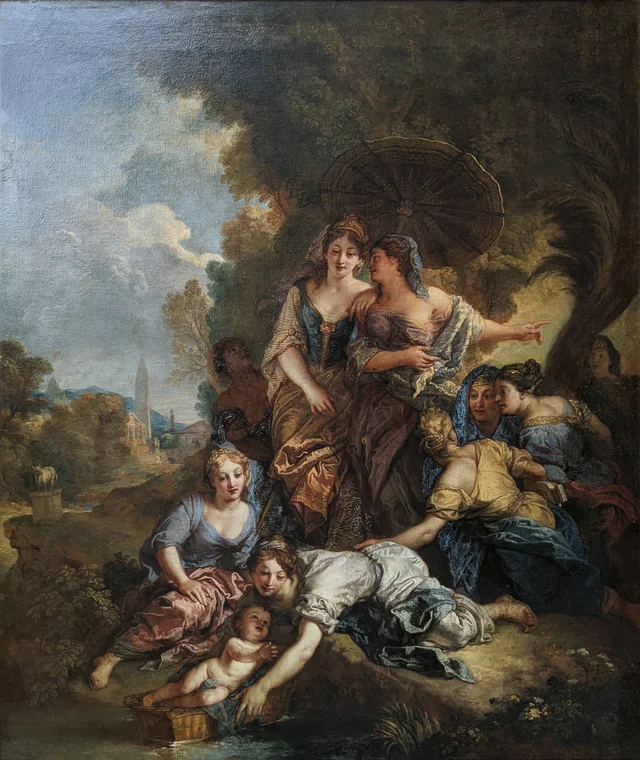 Moses saved from the watersCharles de La Fosse, 1701
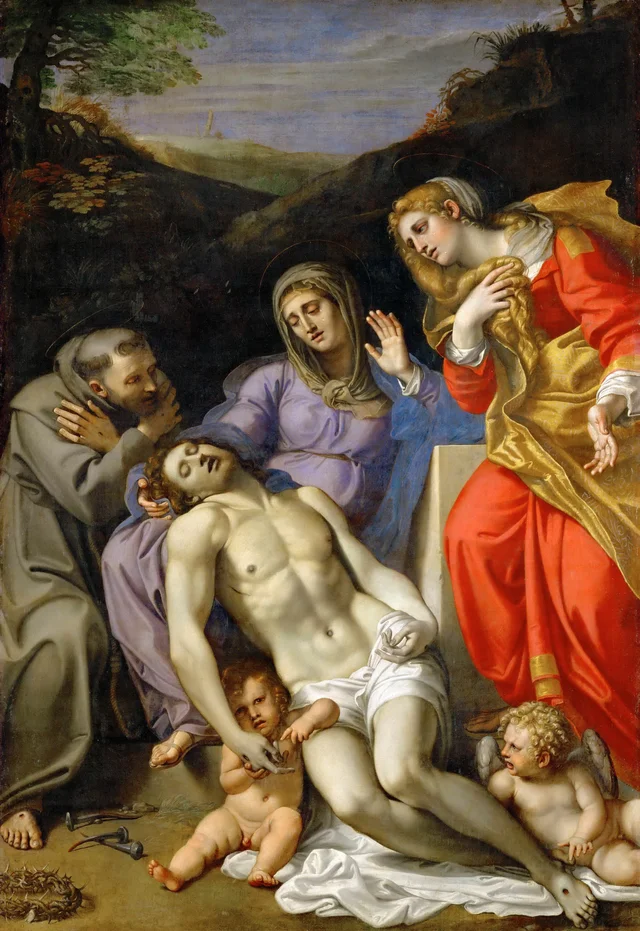 Pietà with Sts. Francis and Mary MagdalenAnnibale Carracci, 1602
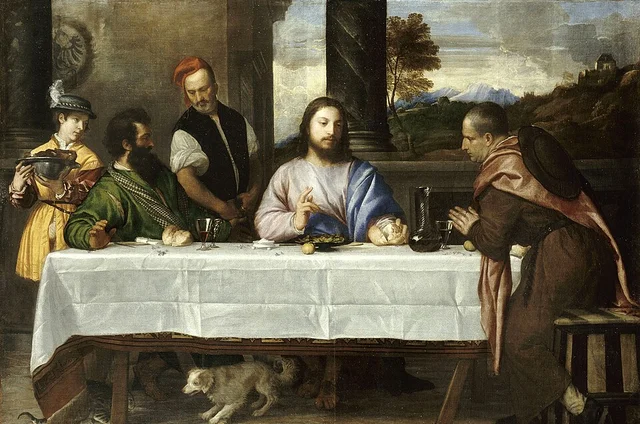 Pilgrims at EmmausTitian, 1533
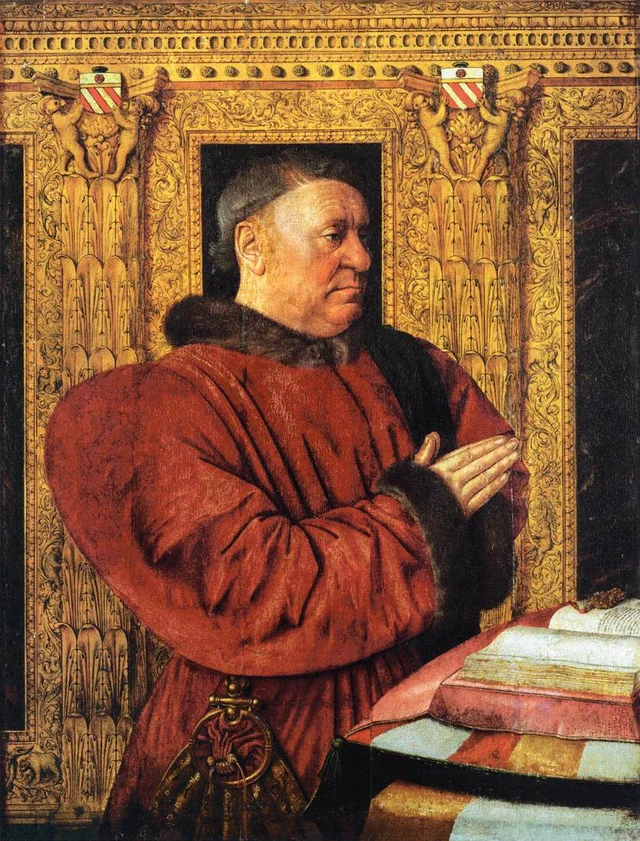 Portrait of Guillaume Jouvenel des UrsinsJean Fouquet, 1460
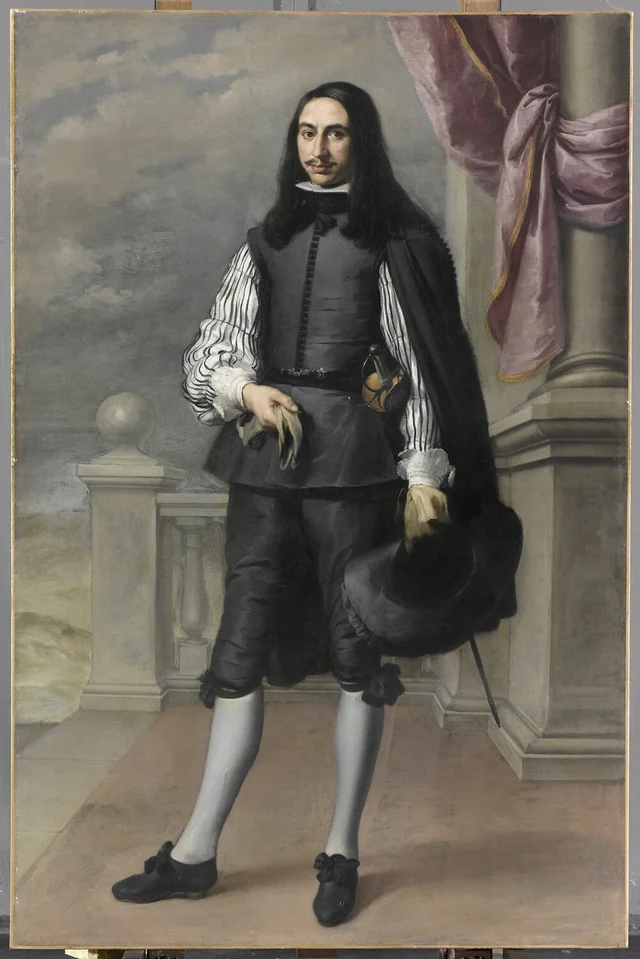 Portrait of Íñigo Fernández de VelascoBartolomé Esteban Murillo, 1659
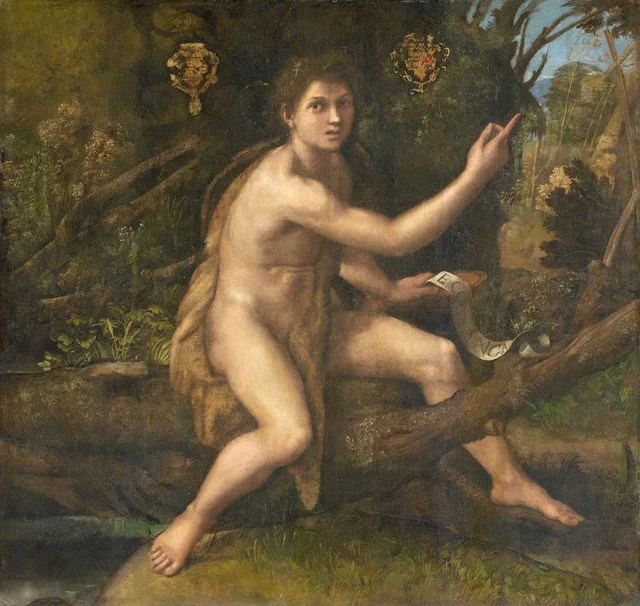 Saint John the Baptist in the WildernessRaphael, 1516
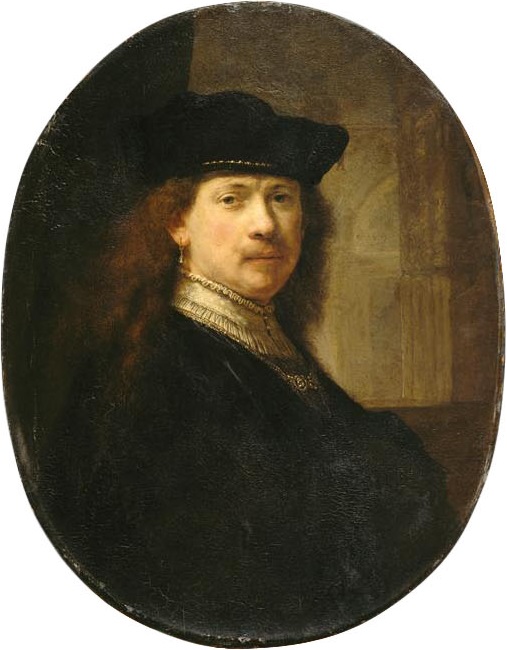 Self-portrait with architectural elements in the backgroundRembrandt, 1639
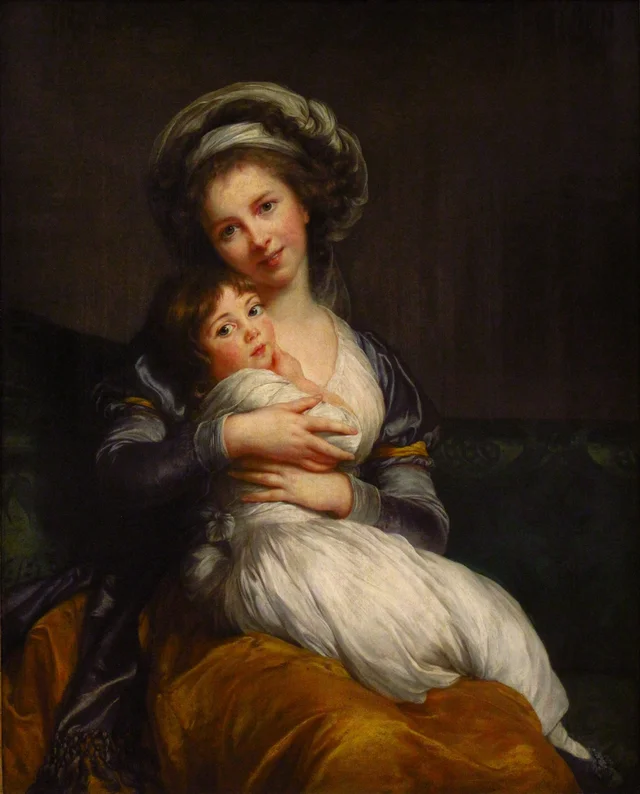 Self-portrait with Her Daughter, JulieÉlisabeth Louise Vigée Le Brun, 1786
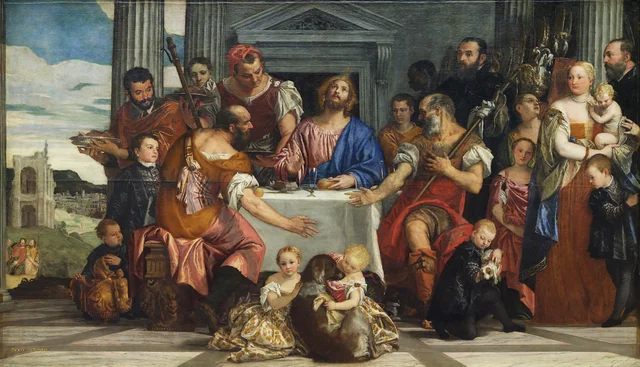 Supper at EmmausPaolo Veronese, 1559
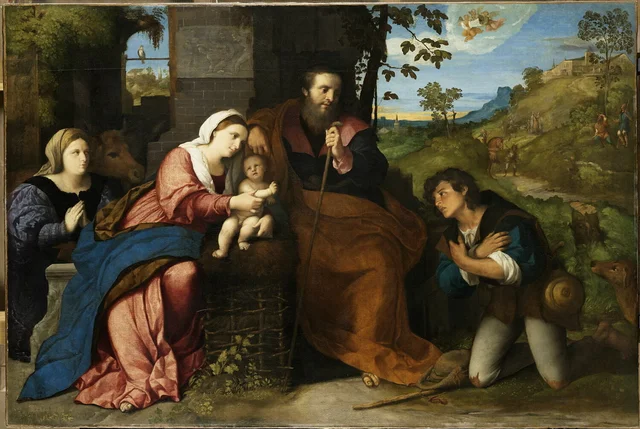 The Adoration of the Shepherds with a DonorPalma Vecchio, 1520
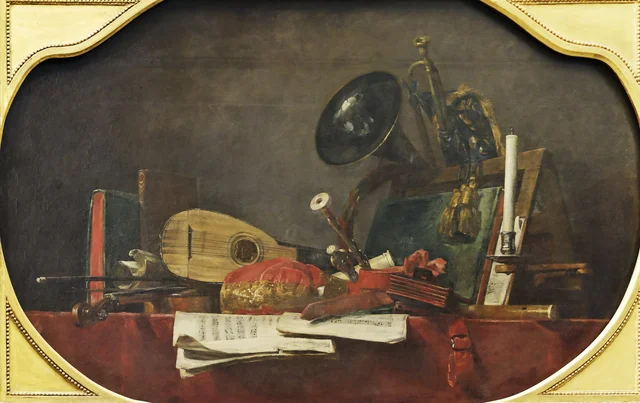 The Attributes of MusicJean-Baptiste-Siméon Chardin, 1765
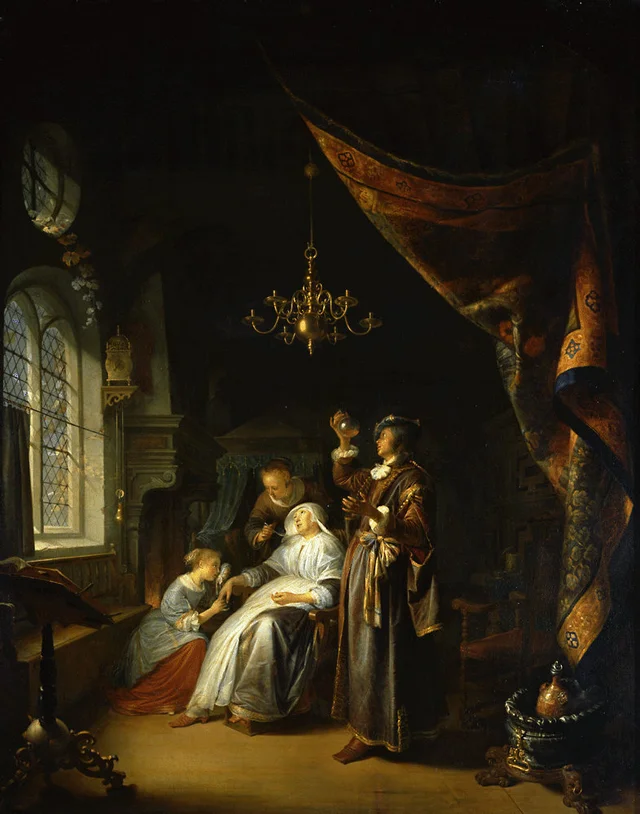 The Dropsical WomanGerrit Dou, 1663
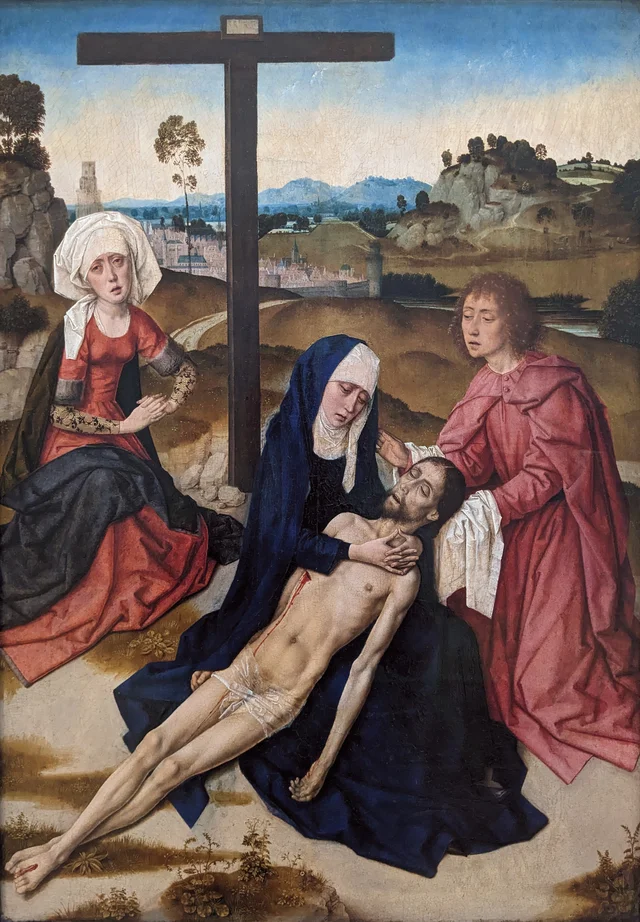 The Lamentation over the dead ChristDieric Bouts, 1460