The story
The Louvre began as a fortress. Philip II raised it on the right bank of the Seine around 1190 to guard medieval Paris, and over the following centuries French kings rebuilt it into a royal palace, until Louis XIV moved his court to Versailles in 1682 and left the half-finished halls to the royal collection and the artists lodged inside.
The Revolution turned it into a public museum. On 10 August 1793 the Muséum central des arts opened its doors, showing the confiscated art of the crown and the church to any citizen who wished to walk in. Napoleon filled it with the spoils of his campaigns and briefly renamed it after himself. Much was returned after Waterloo, but the idea held, a national collection arranged for study and free to the public.
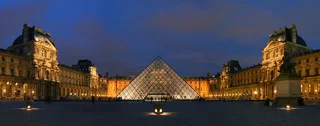
Today the Louvre holds more than 35,000 works, from the Venus de Milo to Géricault's Raft of the Medusa. The crowds, though, press toward one small portrait. In August 1911 it vanished: Vincenzo Peruggia, an Italian handyman who had worked in the museum, lifted Leonardo's Mona Lisa off the wall and carried it out under his coat. For two years the frame hung empty while visitors came to stare at the gap, and the painting returned only in 1913, after Peruggia tried to sell it to a dealer in Florence. I. M. Pei's glass pyramid, set in the courtyard in 1989, now marks the entrance.
More articles
Collection
1,174 works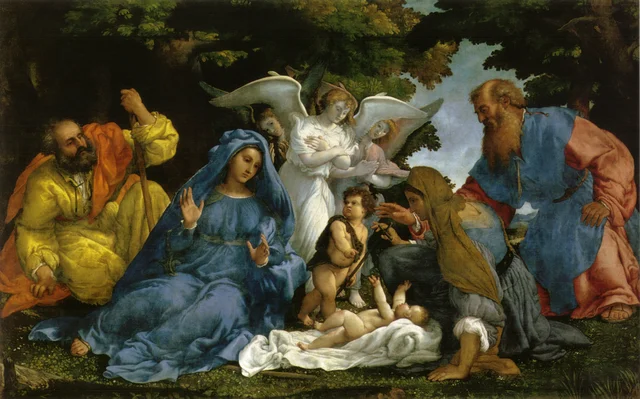 Holy Family with St. John the BaptistLorenzo Lotto, 1536
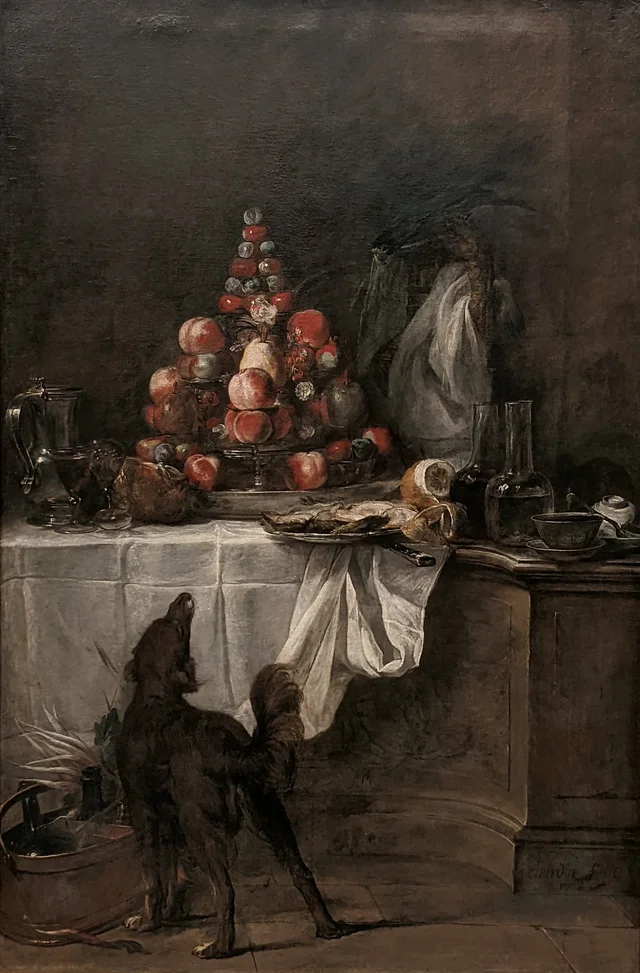 Le BuffetJean-Baptiste-Siméon Chardin, 1728
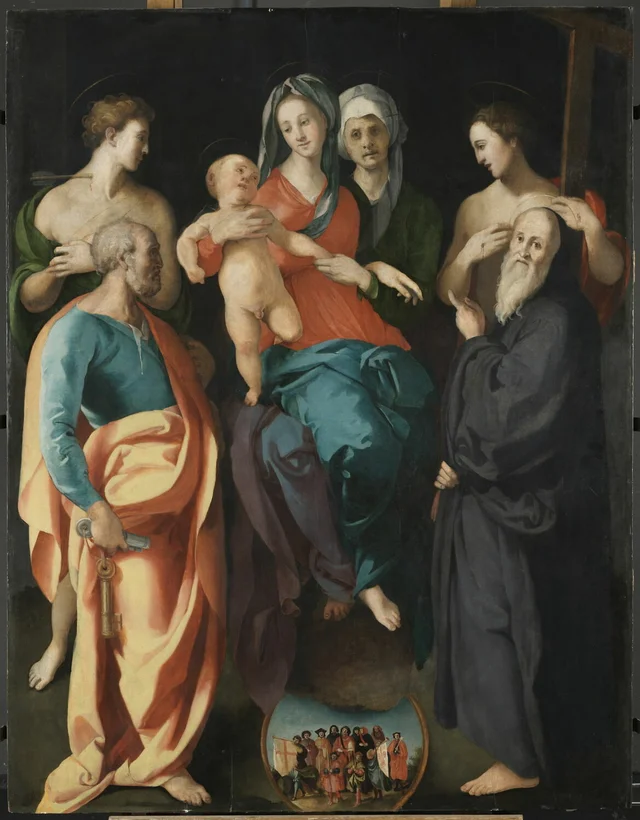 Madonna and Child with Saint Anne and Four SaintsPontormo, 1528
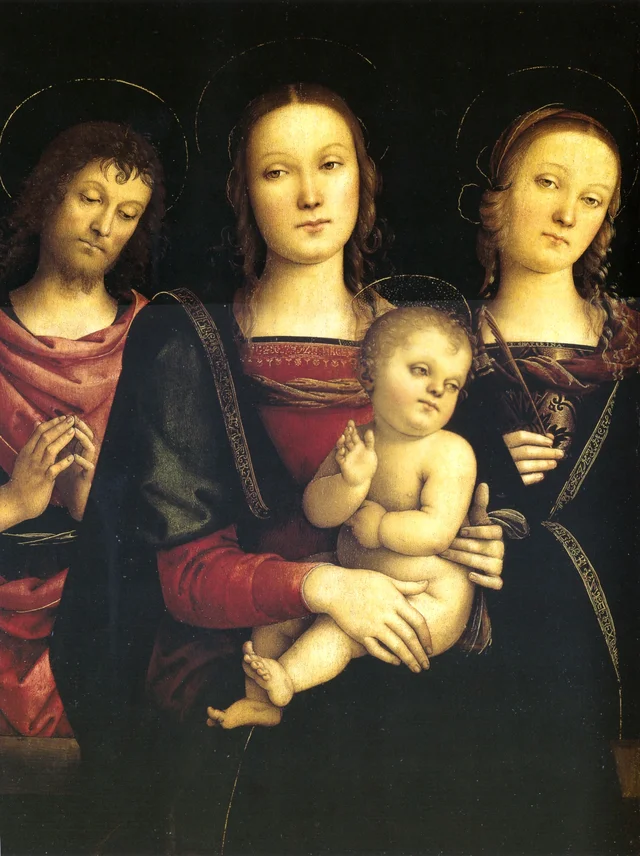 Madonna and Child with Saints John the Baptist and Catherine of AlexandriaPietro Perugino, 1495
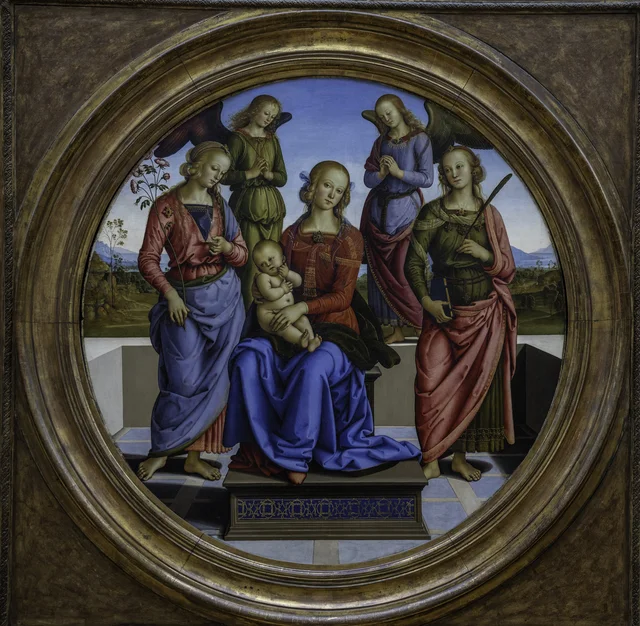 Madonna and Child with Two Angels, Saint Rose and Saint CatherinePietro Perugino, 1490
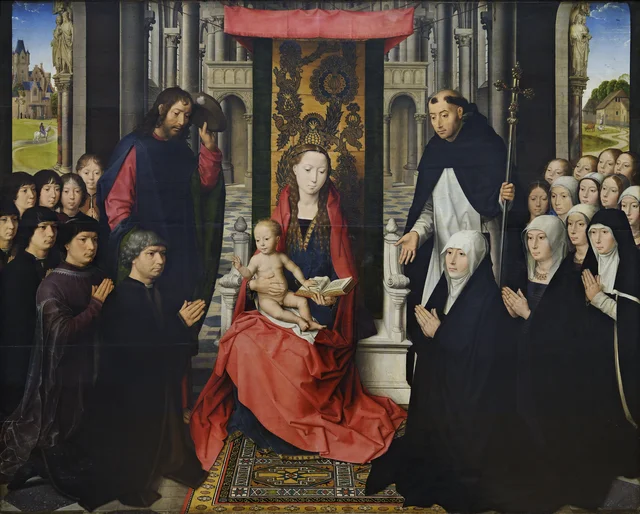 Madonna of Jacob FloreinsHans Memling, 1485
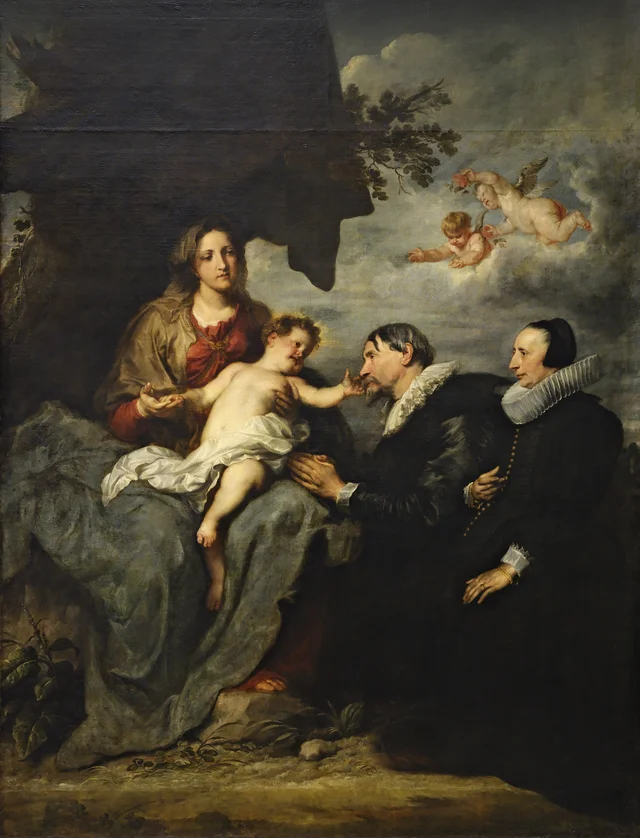 Madonna with Two DonorsAnthony van Dyck, 1630
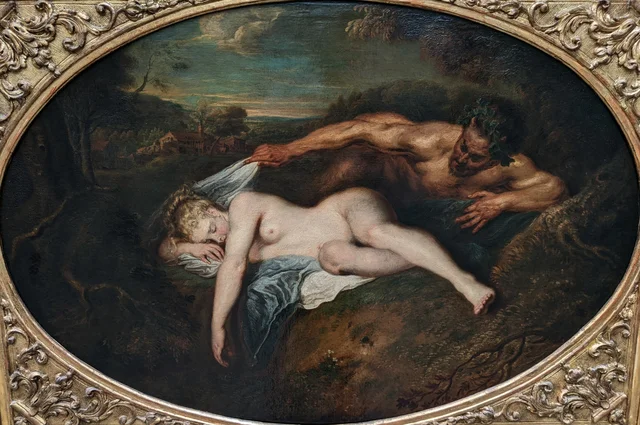 Nymph and SatyrJean-Antoine Watteau, 1716
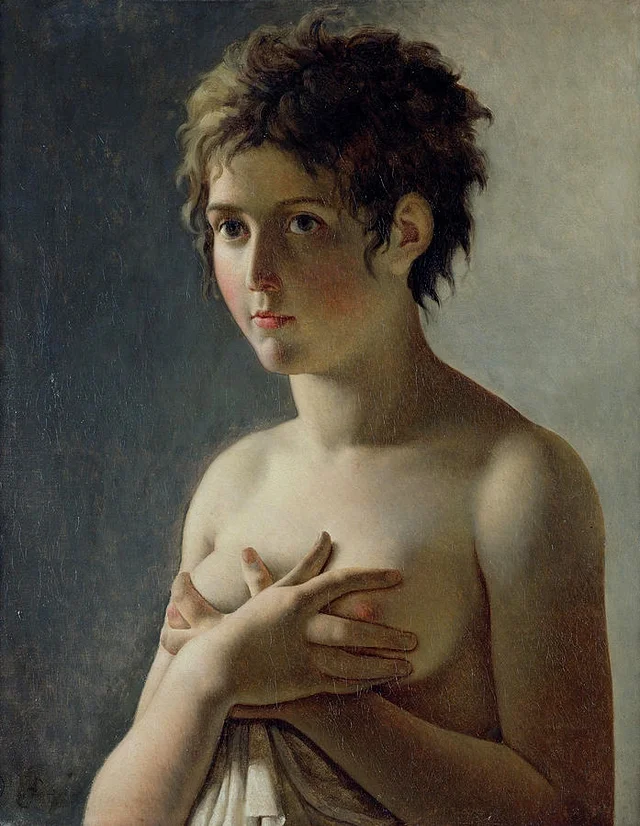 Portrait of a young girlPierre-Narcisse Guérin, 1795
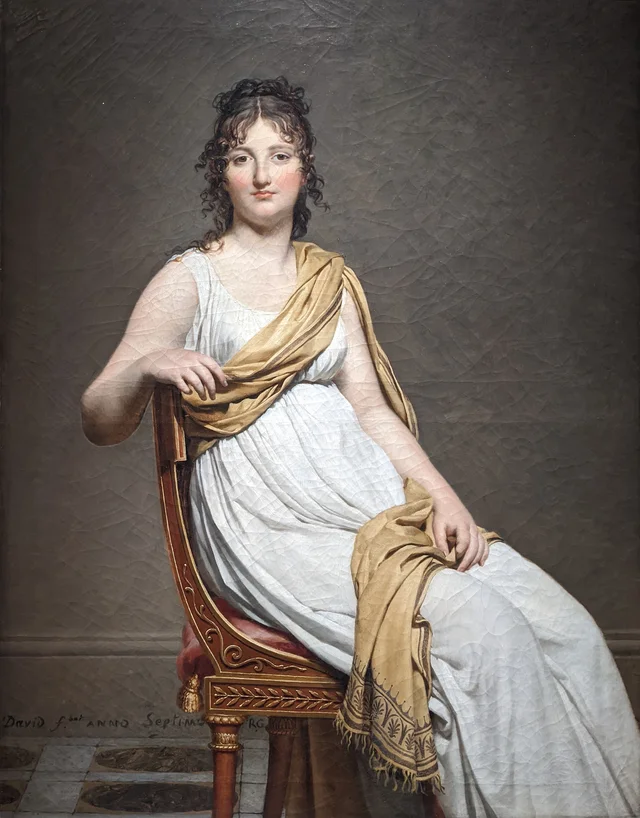 Portrait of Madame de VerninacJacques-Louis David, 1799
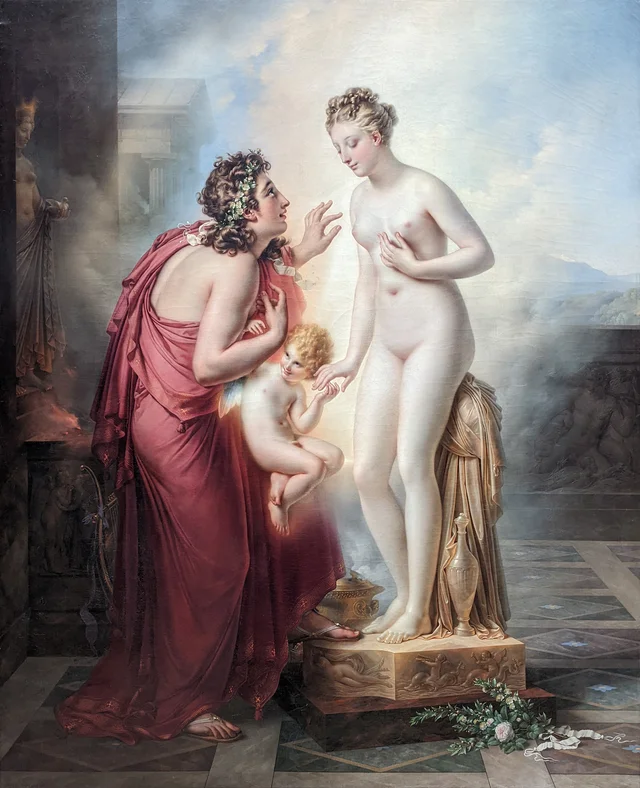 Pygmalion & GalatéeAnne-Louis Girodet, 1819
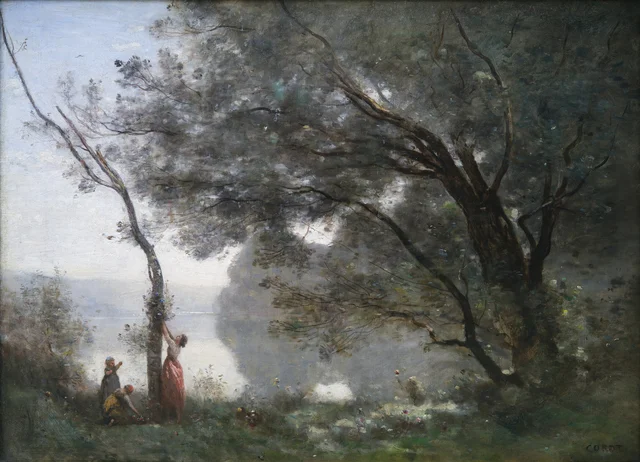 Recollection of MortefontaineJean-Baptiste Camille Corot, 1864
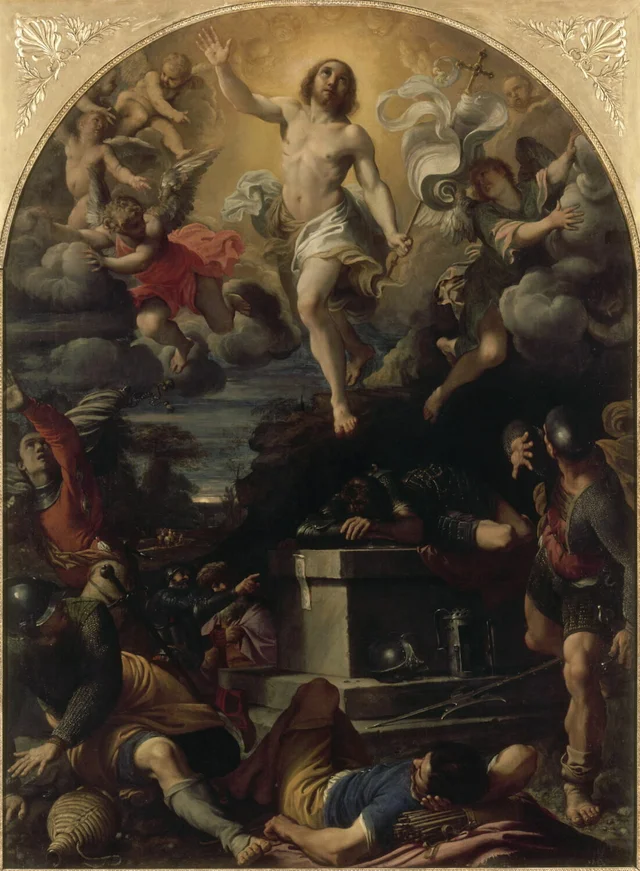 Resurrection of ChristAnnibale Carracci, 1593
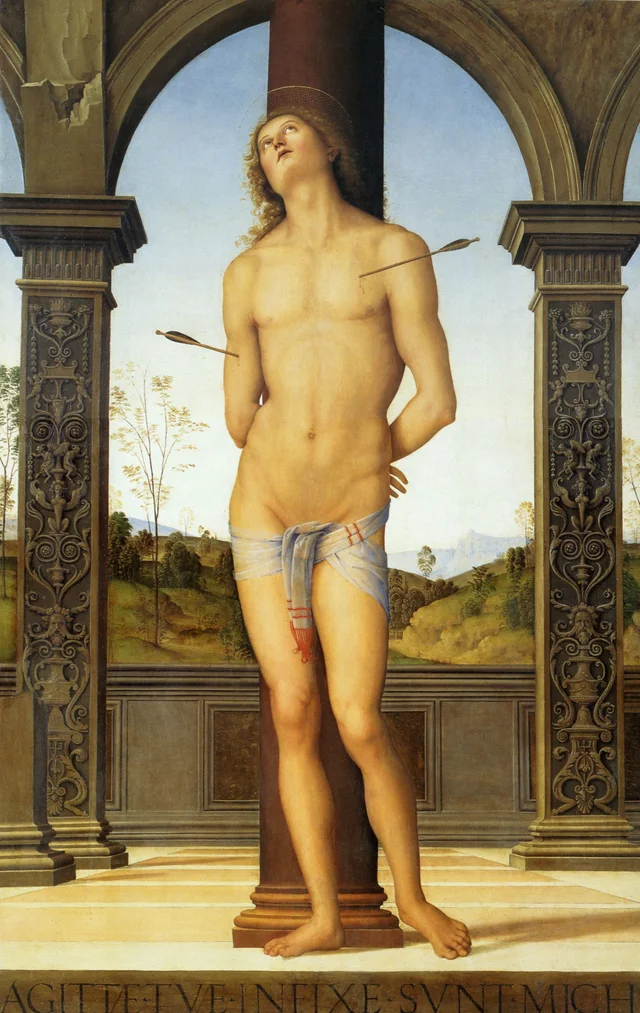 Saint SebastianPietro Perugino, 1490
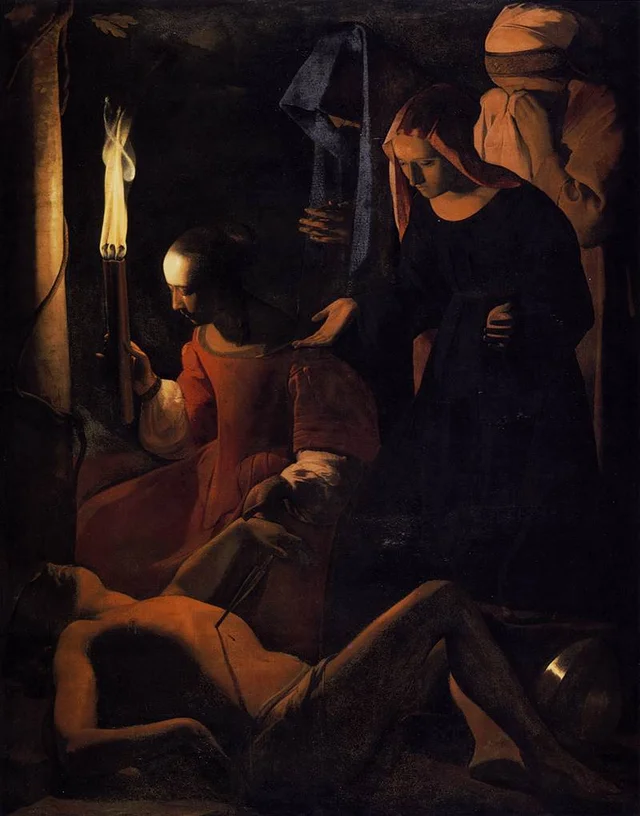 Saint Sebastian Attended by Saint IreneGeorges de La Tour, 1649
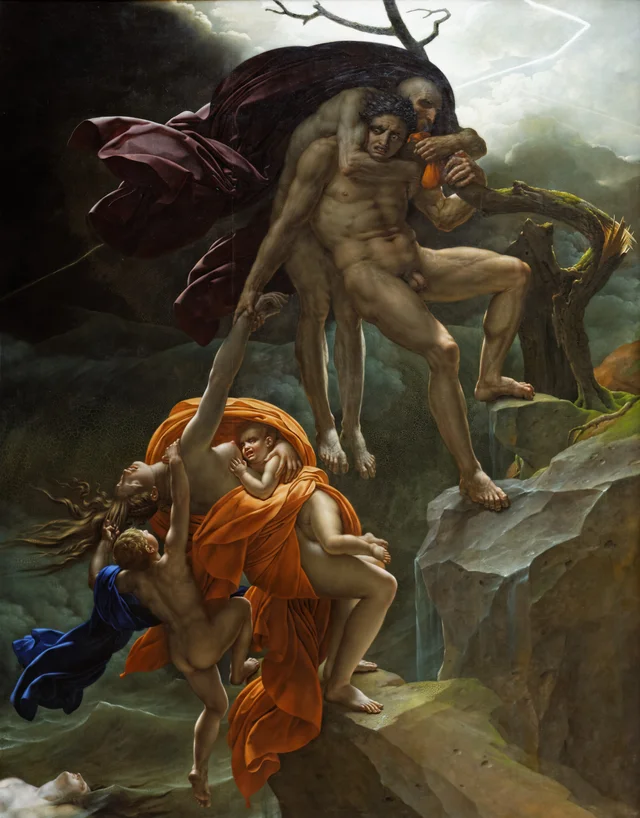 Scene of the FloodAnne-Louis Girodet, 1806
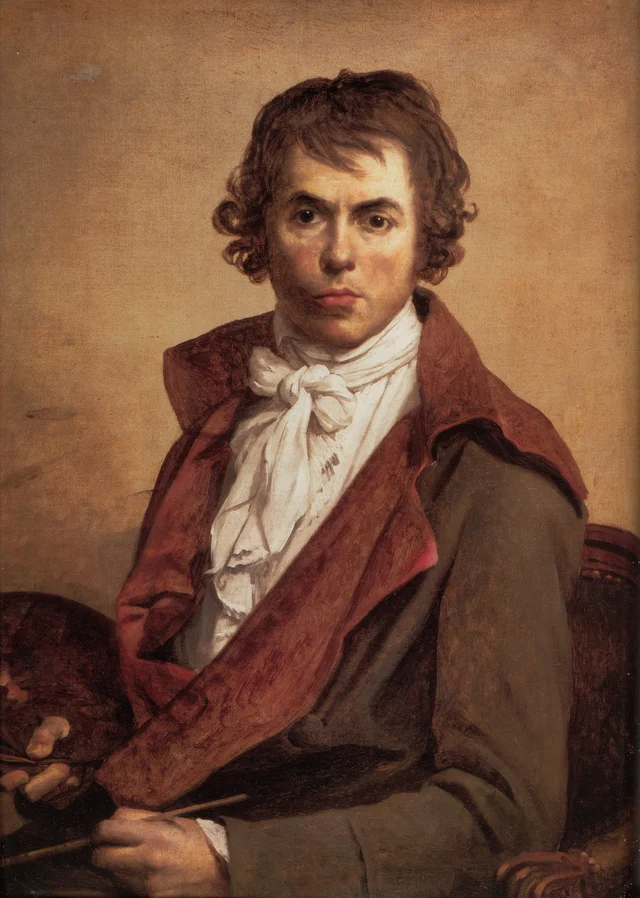 Self-portraitJacques-Louis David, 1794
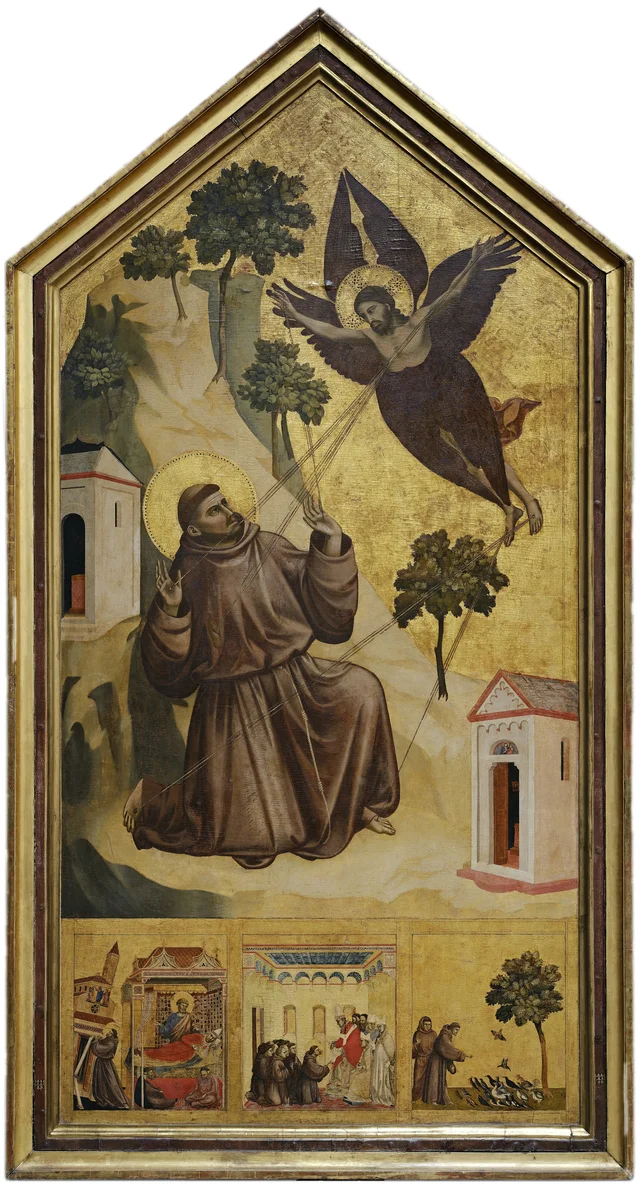 St. Francis of Assisi Receiving the StigmataGiotto, 1297
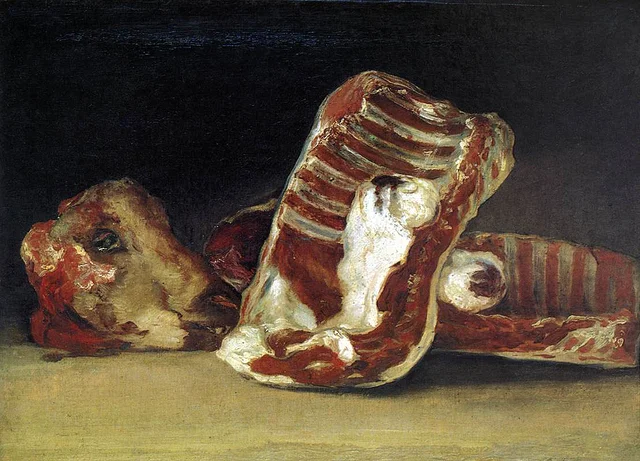 Still-Life: A Butcher's CounterFrancisco Goya, 1808
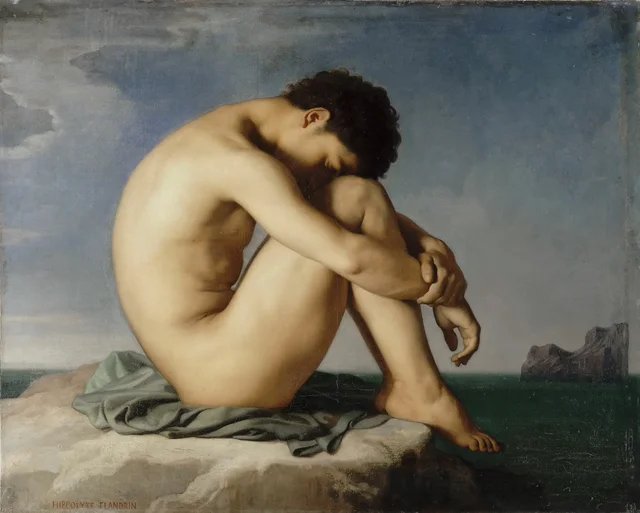 Study (Young Male Nude Seated Beside the Sea)Hippolyte Flandrin, 1837
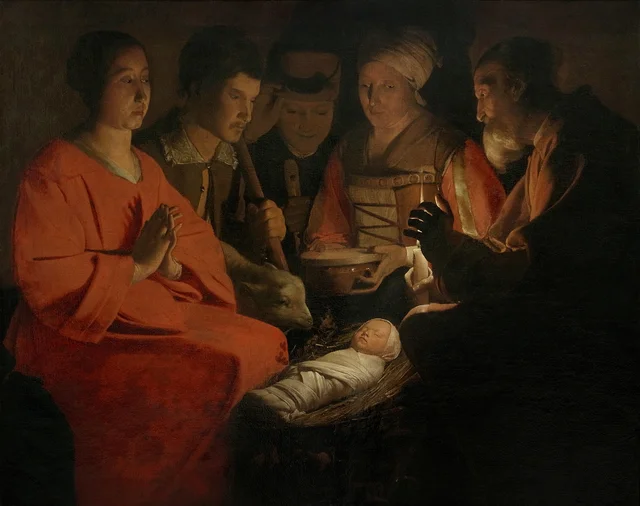 The Adoration of the ShepherdsGeorges de La Tour, 1645
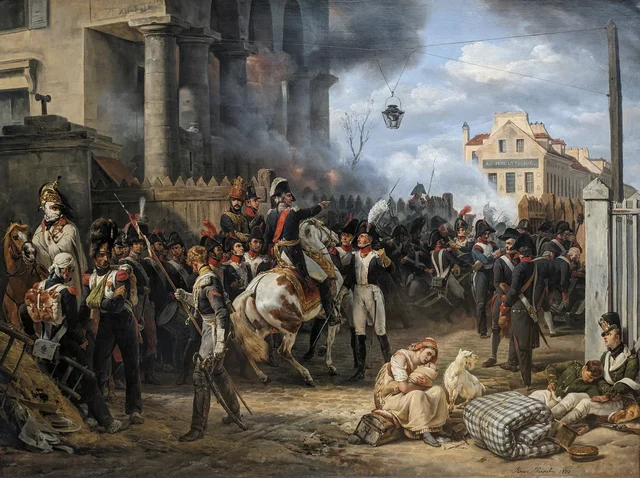 The barrier of ClichyHorace Vernet, 1820
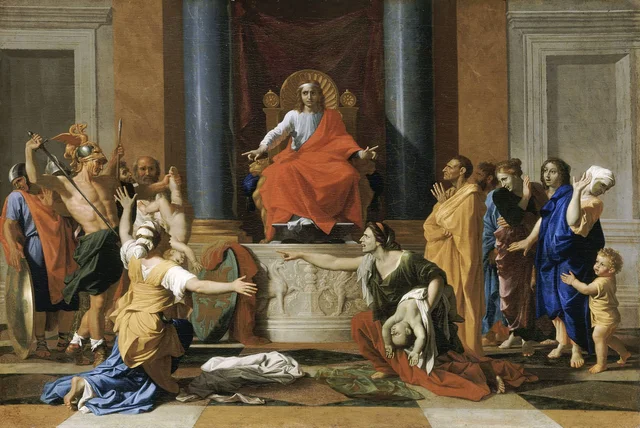 The Judgment of SolomonNicolas Poussin, 1649
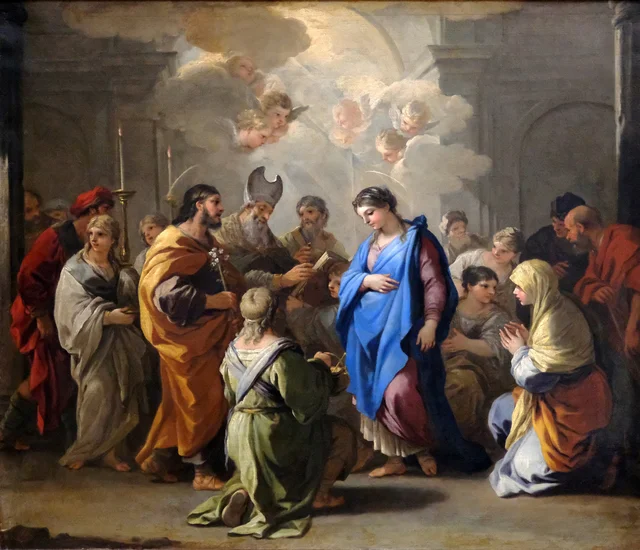 The Marriage of the VirginLuca Giordano, 1688
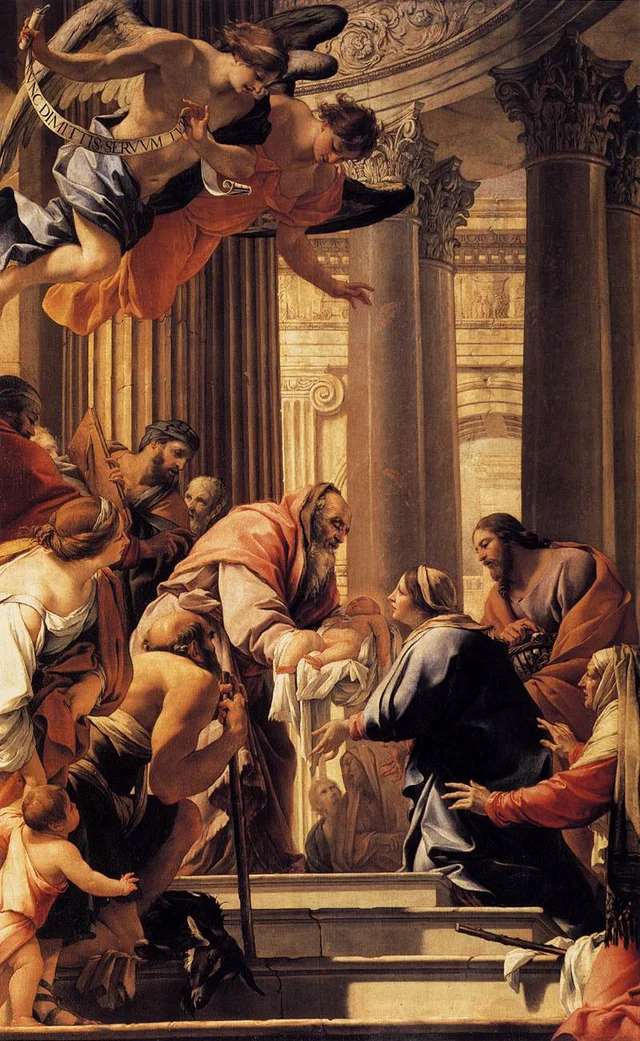 The Presentation in the TempleSimon Vouet, 1640