The story
The Louvre began as a fortress. Philip II raised it on the right bank of the Seine around 1190 to guard medieval Paris, and over the following centuries French kings rebuilt it into a royal palace, until Louis XIV moved his court to Versailles in 1682 and left the half-finished halls to the royal collection and the artists lodged inside.
The Revolution turned it into a public museum. On 10 August 1793 the Muséum central des arts opened its doors, showing the confiscated art of the crown and the church to any citizen who wished to walk in. Napoleon filled it with the spoils of his campaigns and briefly renamed it after himself. Much was returned after Waterloo, but the idea held, a national collection arranged for study and free to the public.
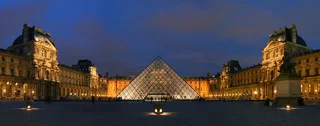
Today the Louvre holds more than 35,000 works, from the Venus de Milo to Géricault's Raft of the Medusa. The crowds, though, press toward one small portrait. In August 1911 it vanished: Vincenzo Peruggia, an Italian handyman who had worked in the museum, lifted Leonardo's Mona Lisa off the wall and carried it out under his coat. For two years the frame hung empty while visitors came to stare at the gap, and the painting returned only in 1913, after Peruggia tried to sell it to a dealer in Florence. I. M. Pei's glass pyramid, set in the courtyard in 1989, now marks the entrance.
More articles
Collection
1,174 works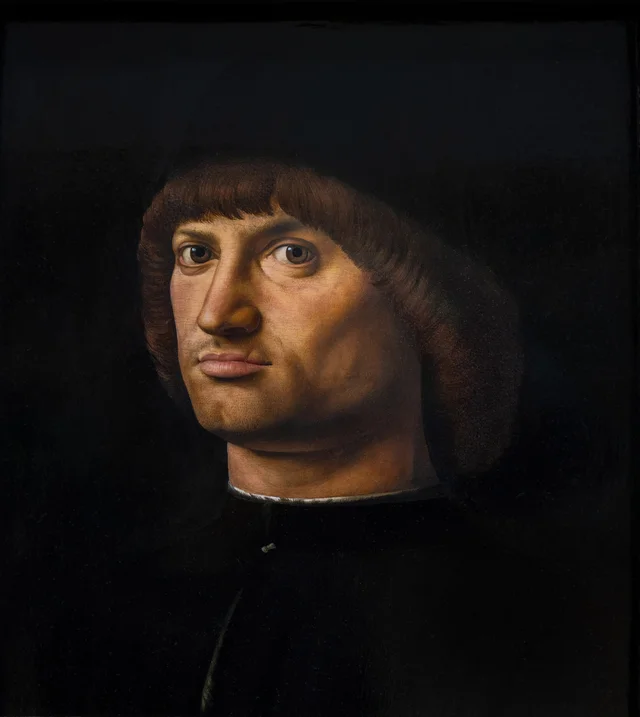 Portrait of a Man, called condottiereAntonello da Messina, 1475
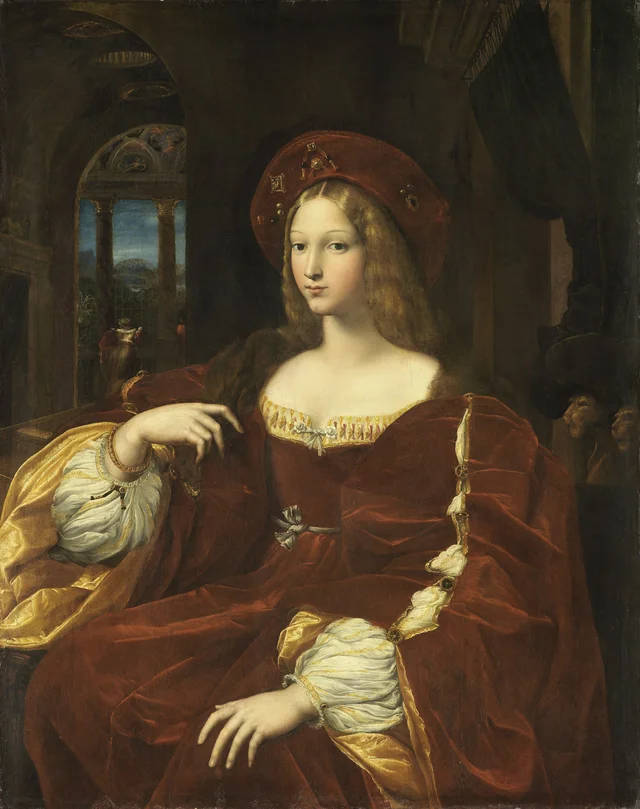 Portrait of Doña Isabel de Requesens y Enríquez de Cardona-AnglesolaRaphael, 1518
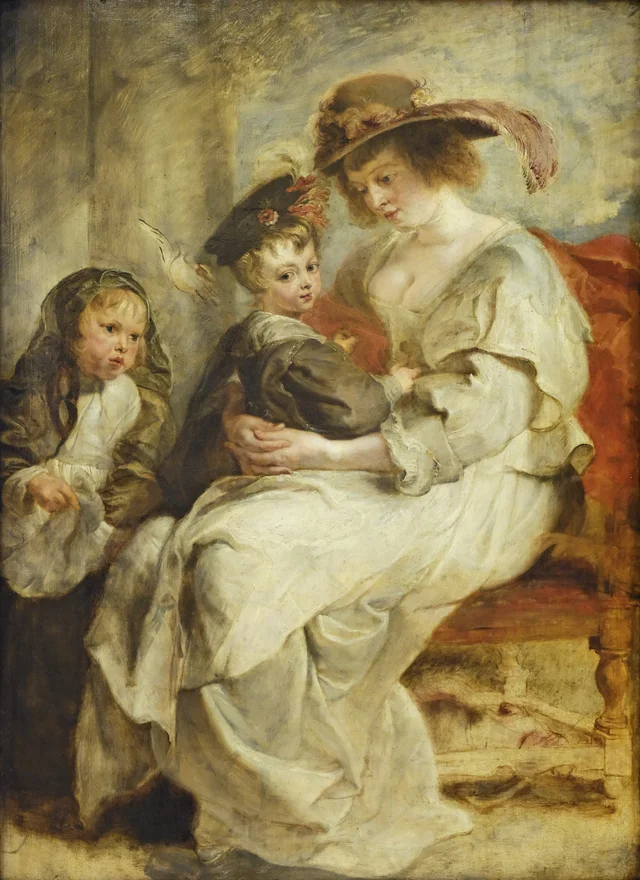 Portrait of Helena Fourment with Two of Her ChildrenPeter Paul Rubens, 1636
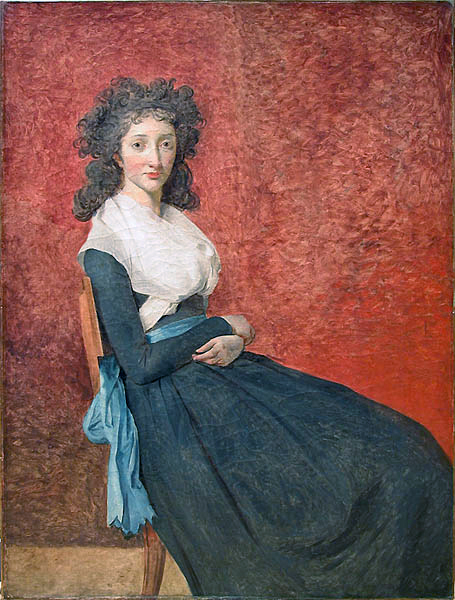 Portrait of Madame Marie-Louise TrudaineJacques-Louis David, 1794
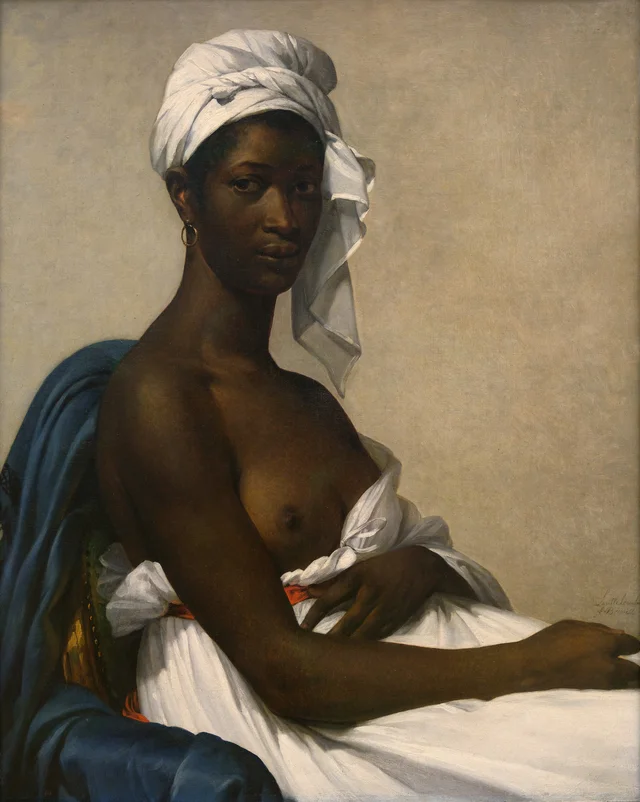 Portrait of MadeleineMarie-Guillemine Benoist, 1800
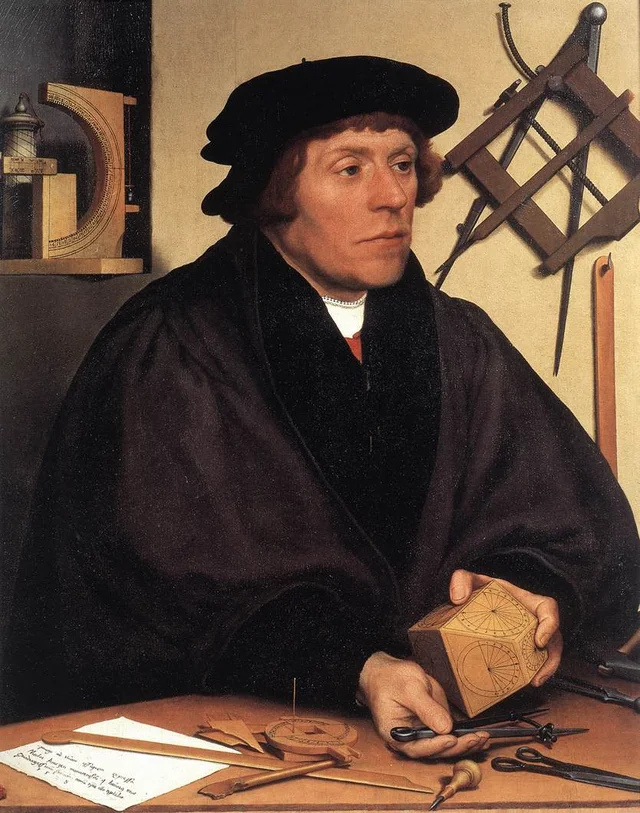 Portrait of Nicholas KratzerHans Holbein the Younger, 1528
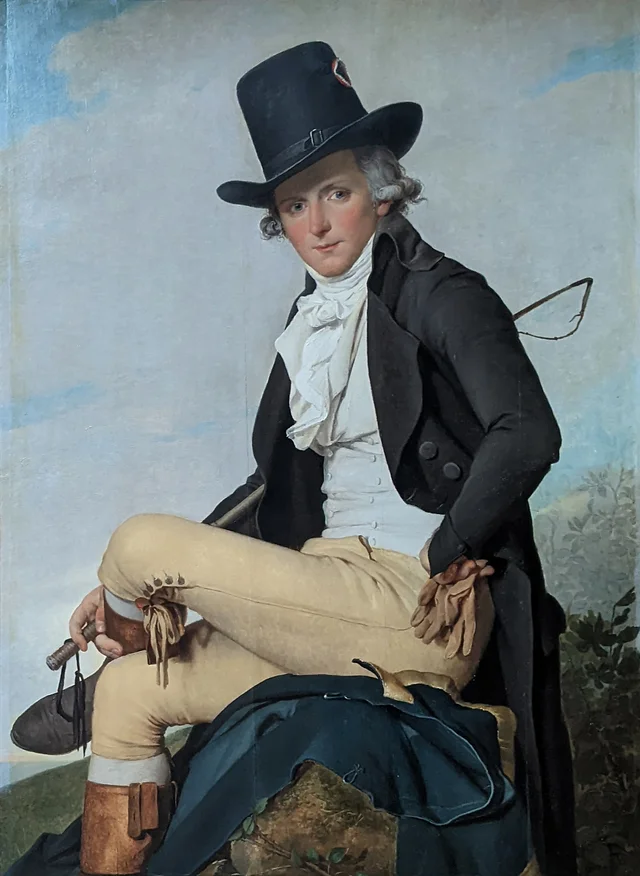 Portrait of Pierre SériziatJacques-Louis David, 1795
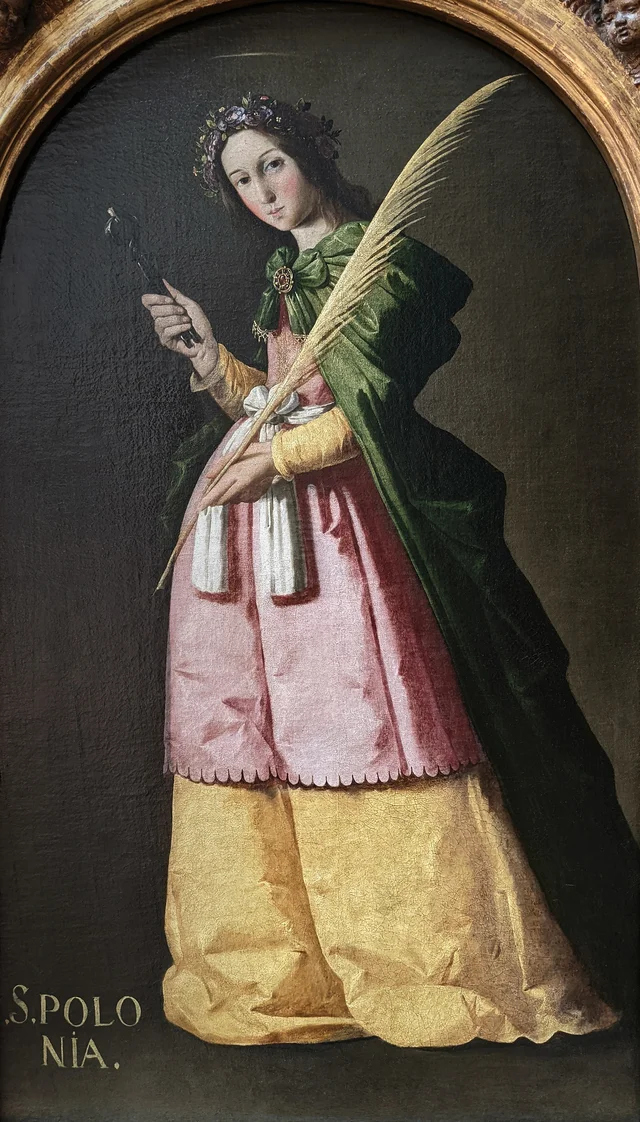 Saint ApolloniaFrancisco de Zurbarán, 1637
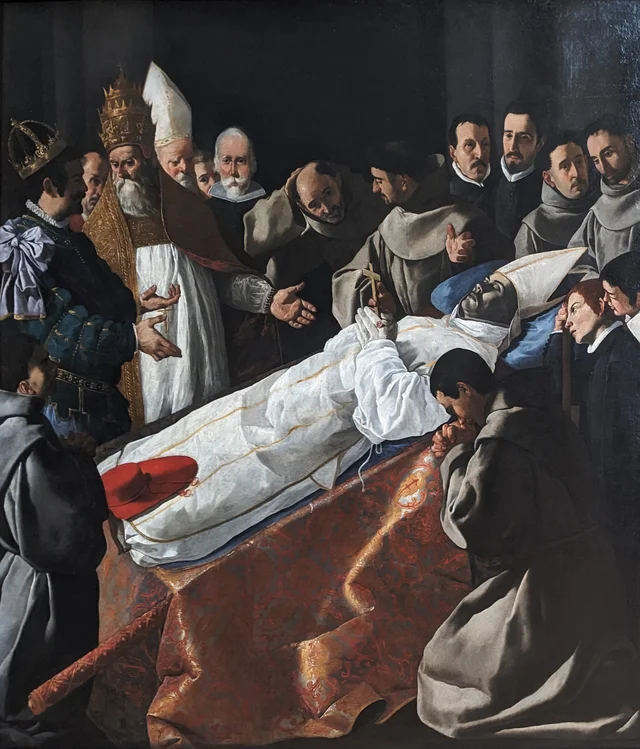 Saint Bonaventure's Body Lying in StateFrancisco de Zurbarán, 1629
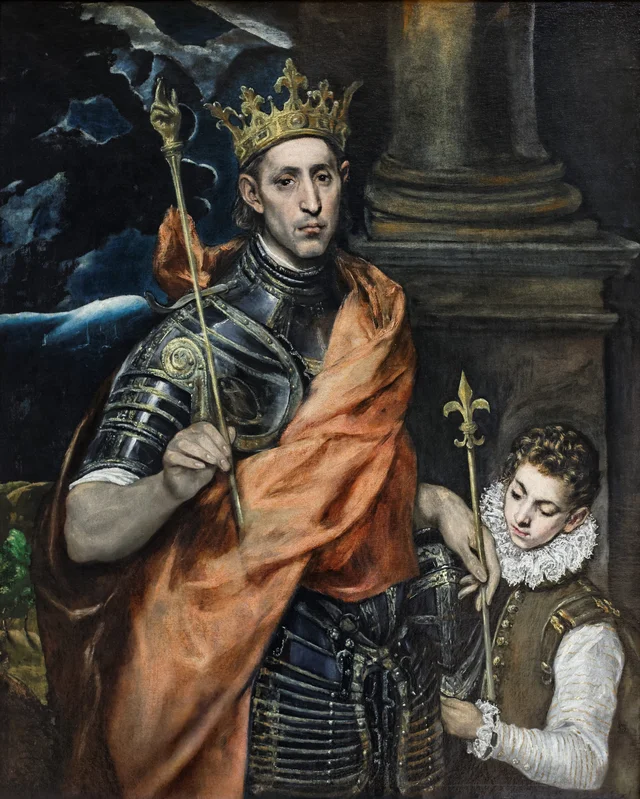 Saint Louis, King of FranceEl Greco, 1592
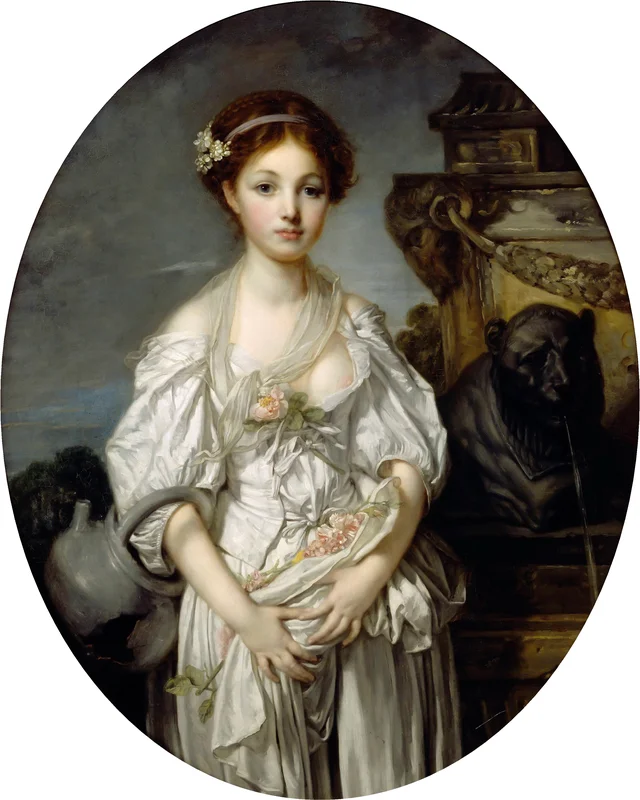 The broken pitcherJean-Baptiste Greuze, 1771
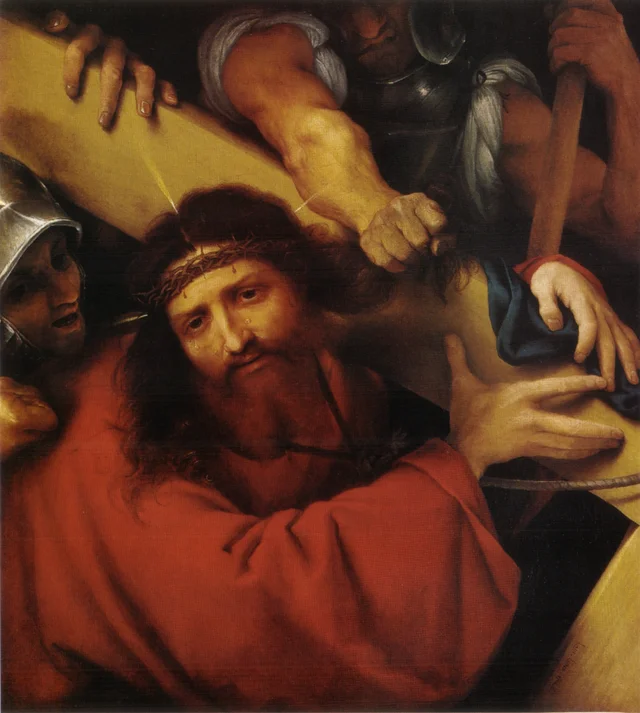 The Carrying of the CrossLorenzo Lotto, 1526
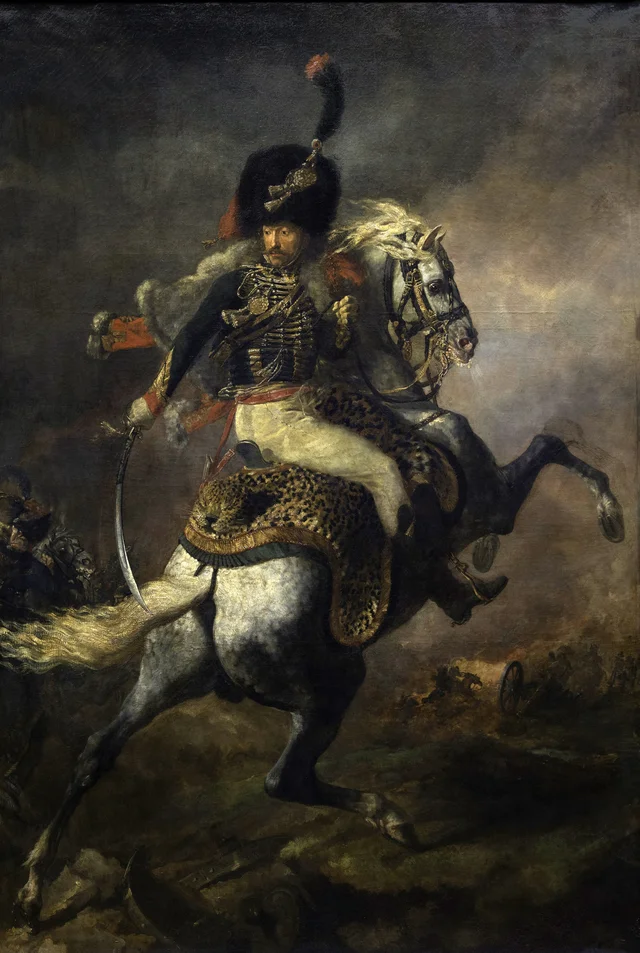 The Charging ChasseurThéodore Géricault, 1812
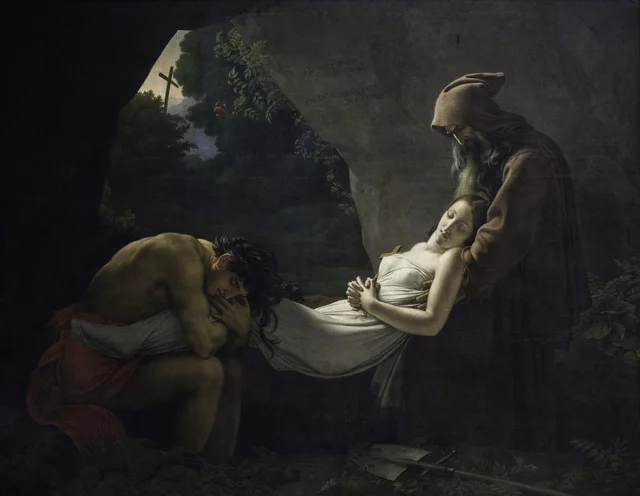 The Entombment of AtalaAnne-Louis Girodet, 1808
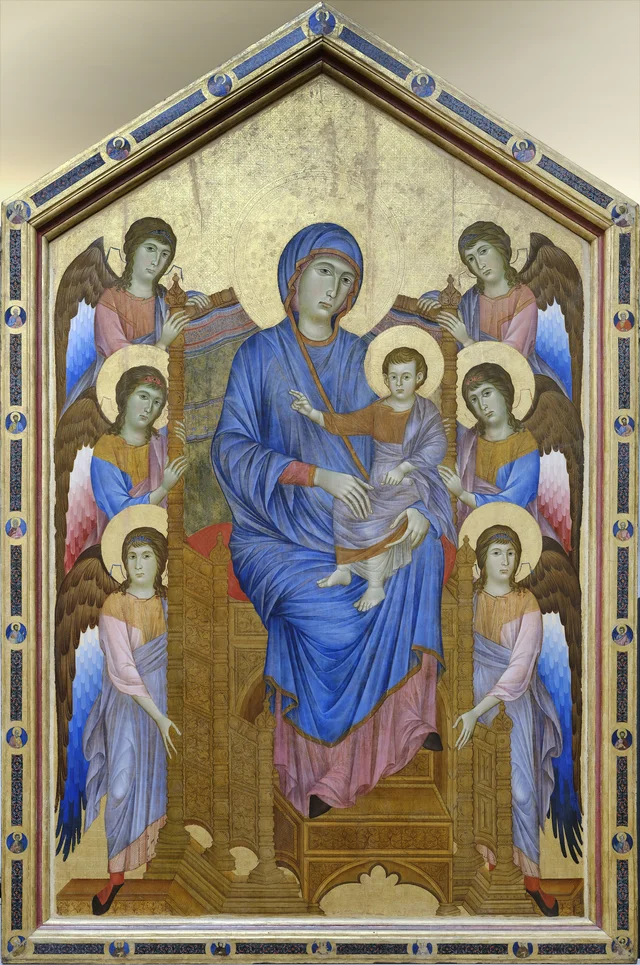 The Madonna and Child in Majesty Surrounded by AngelsCimabue, 1300
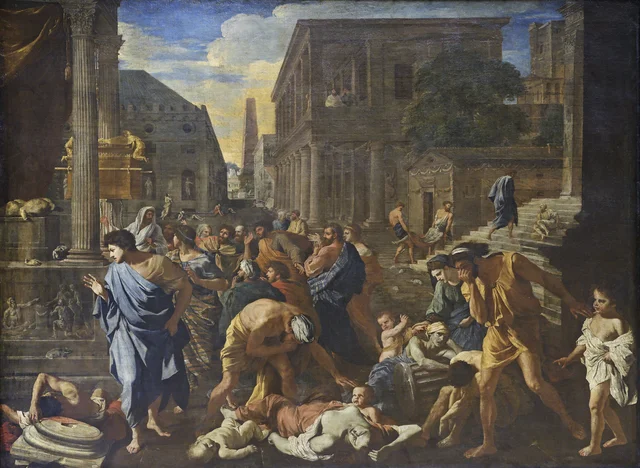 The Plague at AshdodNicolas Poussin, 1630
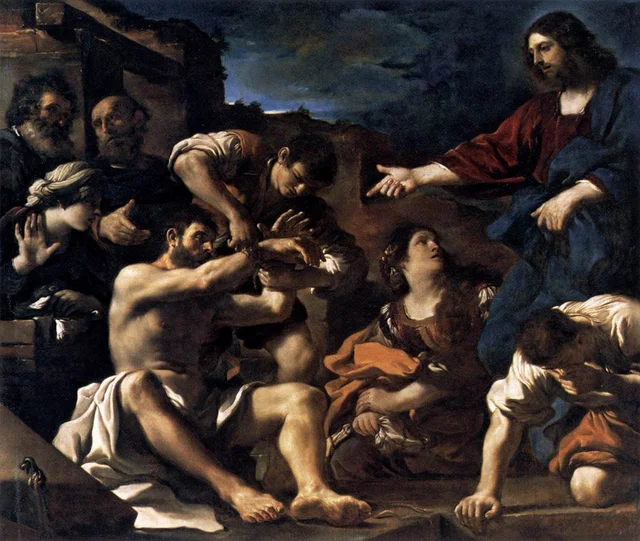 The Raising of LazarusGuercino, 1619
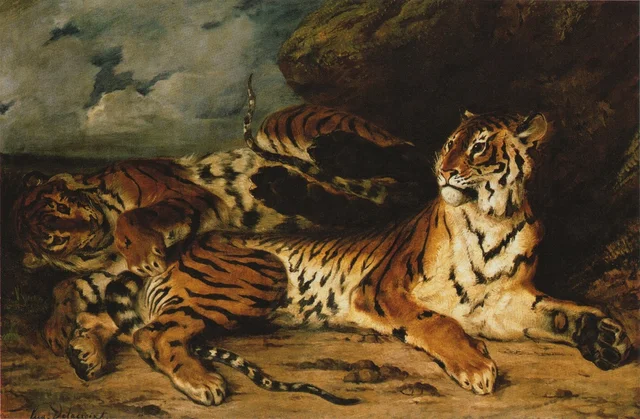 A Young Tiger Playing with its MotherEugène Delacroix, 1830
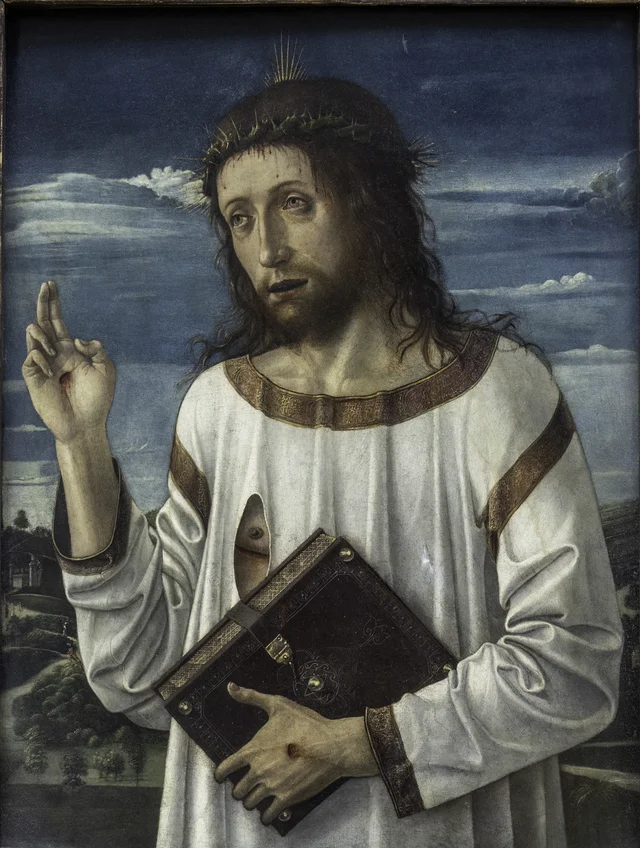 Blessing ChristGiovanni Bellini, 1464
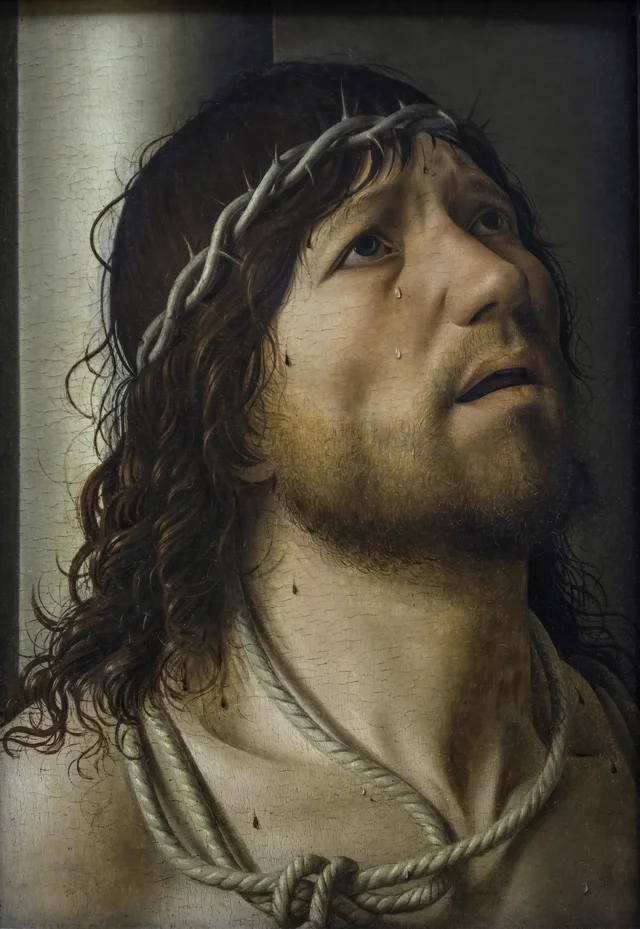 Christ at the ColumnAntonello da Messina, 1477
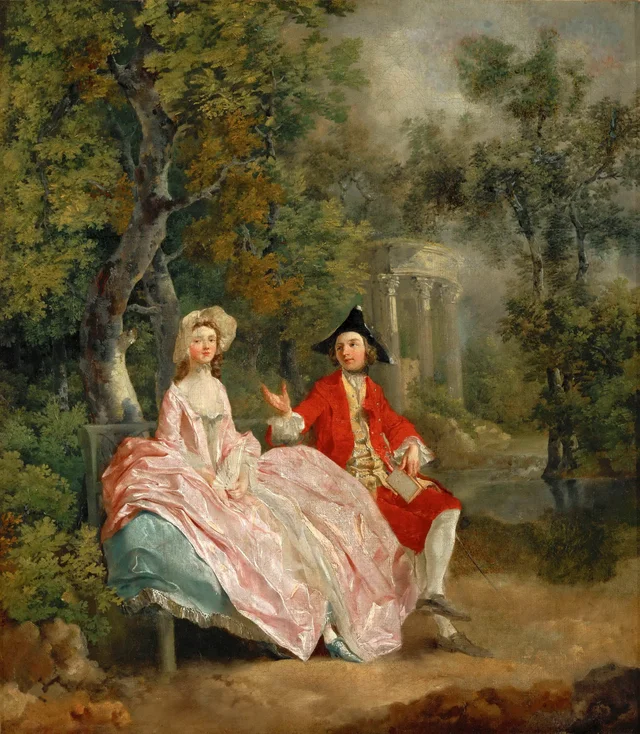 Conversation in a ParkThomas Gainsborough, 1746
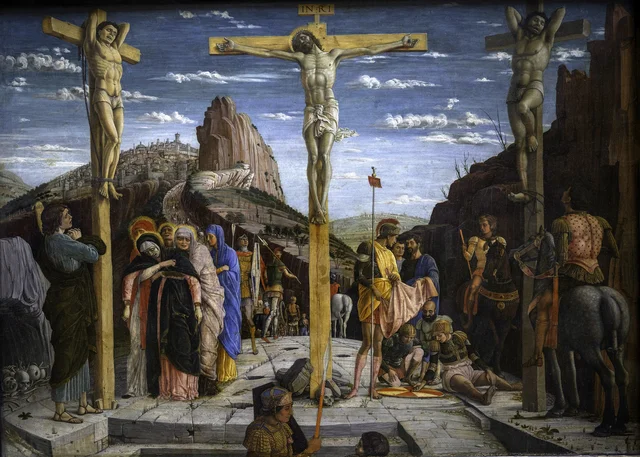 CrucifixionAndrea Mantegna, 1457
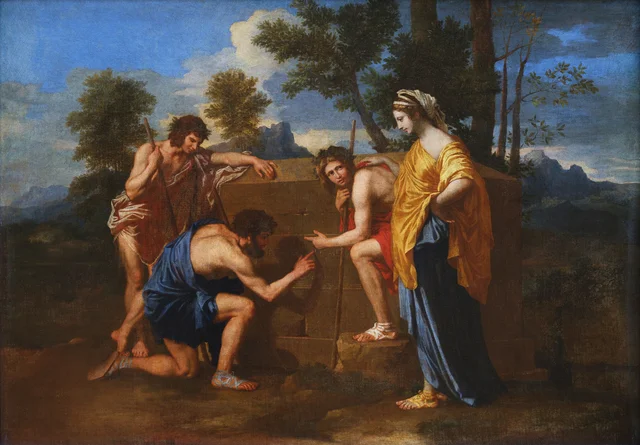 Et in Arcadia egoNicolas Poussin, 1638
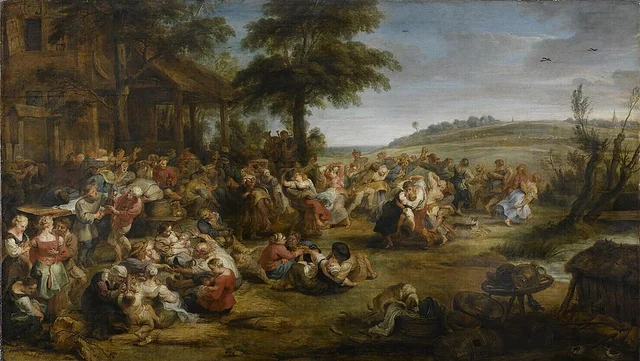 Feasting and dancing peasantsPeter Paul Rubens, 1635
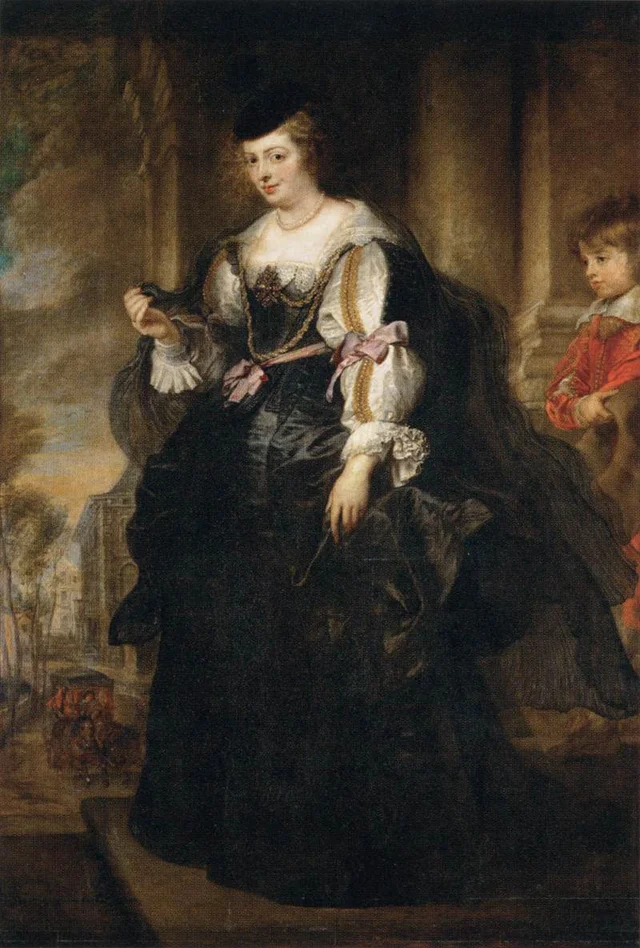 Helena Fourment with a CarriagePeter Paul Rubens, 1639