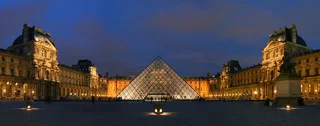
The story
The Louvre began as a fortress. Philip II raised it on the right bank of the Seine around 1190 to guard medieval Paris, and over the following centuries French kings rebuilt it into a royal palace, until Louis XIV moved his court to Versailles in 1682 and left the half-finished halls to the royal collection and the artists lodged inside.
The Revolution turned it into a public museum. On 10 August 1793 the Muséum central des arts opened its doors, showing the confiscated art of the crown and the church to any citizen who wished to walk in. Napoleon filled it with the spoils of his campaigns and briefly renamed it after himself. Much was returned after Waterloo, but the idea held, a national collection arranged for study and free to the public.
Today the Louvre holds more than 35,000 works, from the Venus de Milo to Géricault's Raft of the Medusa. The crowds, though, press toward one small portrait. In August 1911 it vanished: Vincenzo Peruggia, an Italian handyman who had worked in the museum, lifted Leonardo's Mona Lisa off the wall and carried it out under his coat. For two years the frame hung empty while visitors came to stare at the gap, and the painting returned only in 1913, after Peruggia tried to sell it to a dealer in Florence. I. M. Pei's glass pyramid, set in the courtyard in 1989, now marks the entrance.
More articles
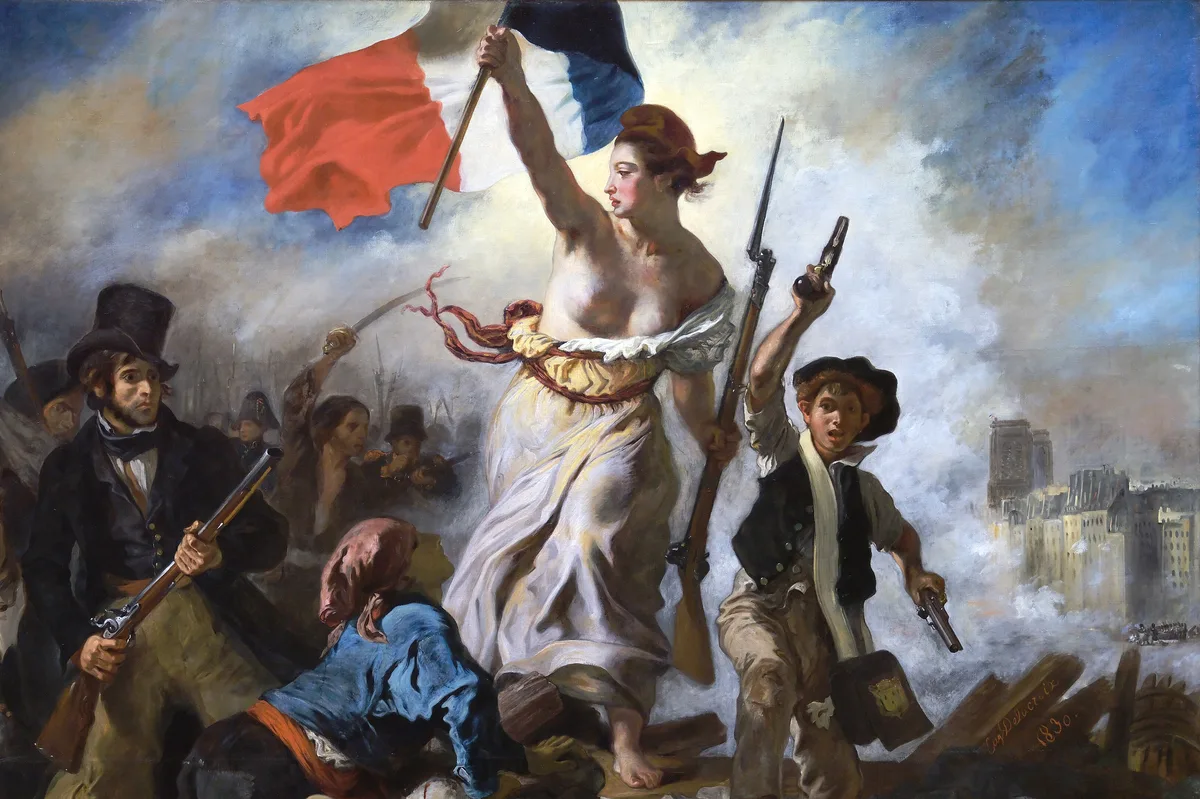
Collection
1,174 works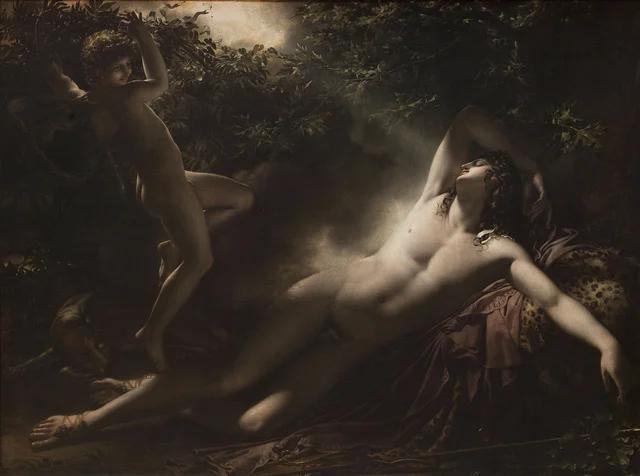 The Sleep of EndymionAnne-Louis Girodet, 1791
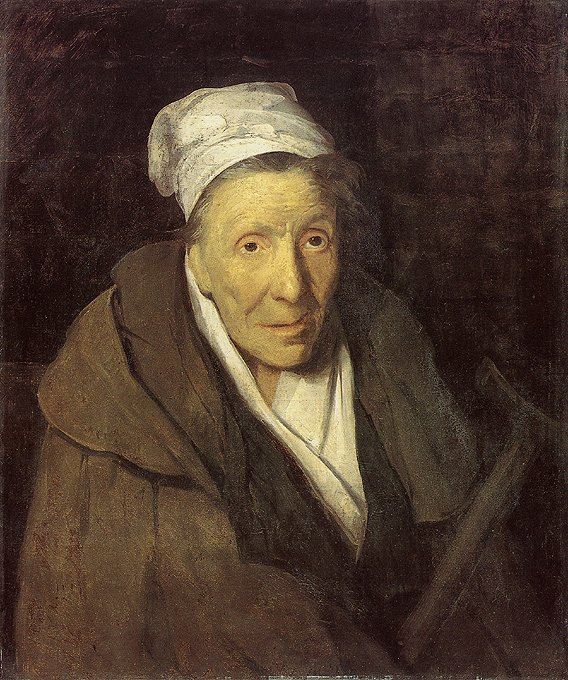 The Woman with a Gambling ManiaThéodore Géricault, 1820
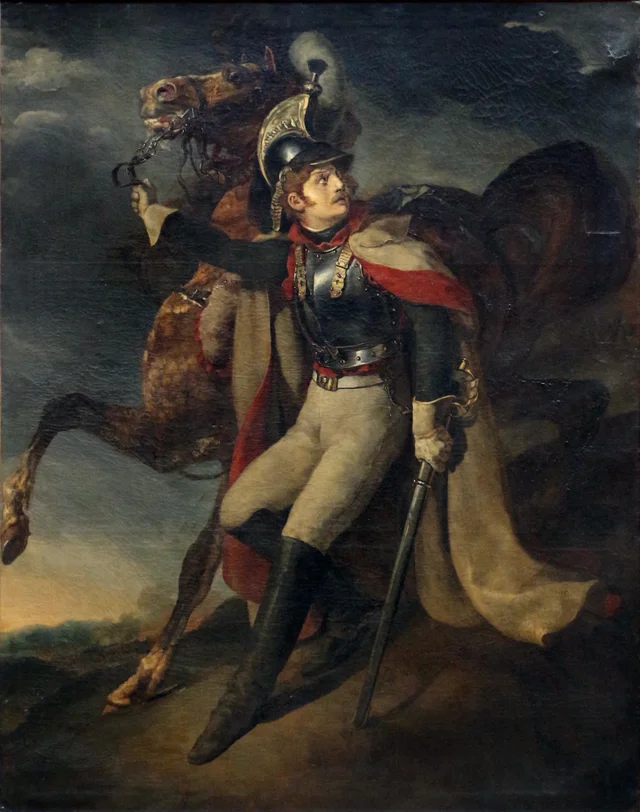 The Wounded CuirassierThéodore Géricault, 1814
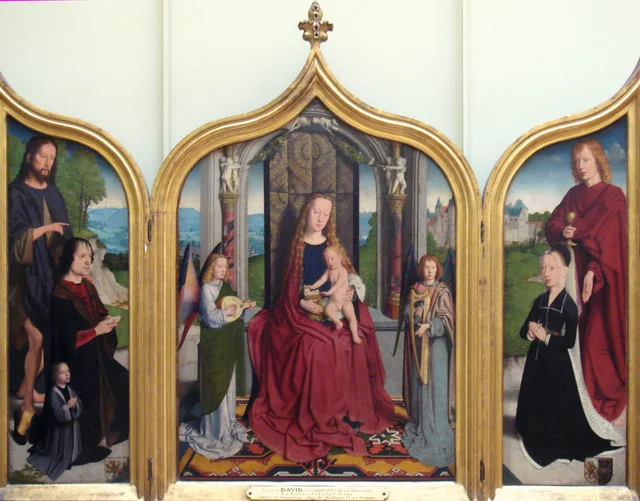 Triptych of the Sedano familyGerard David, 1492
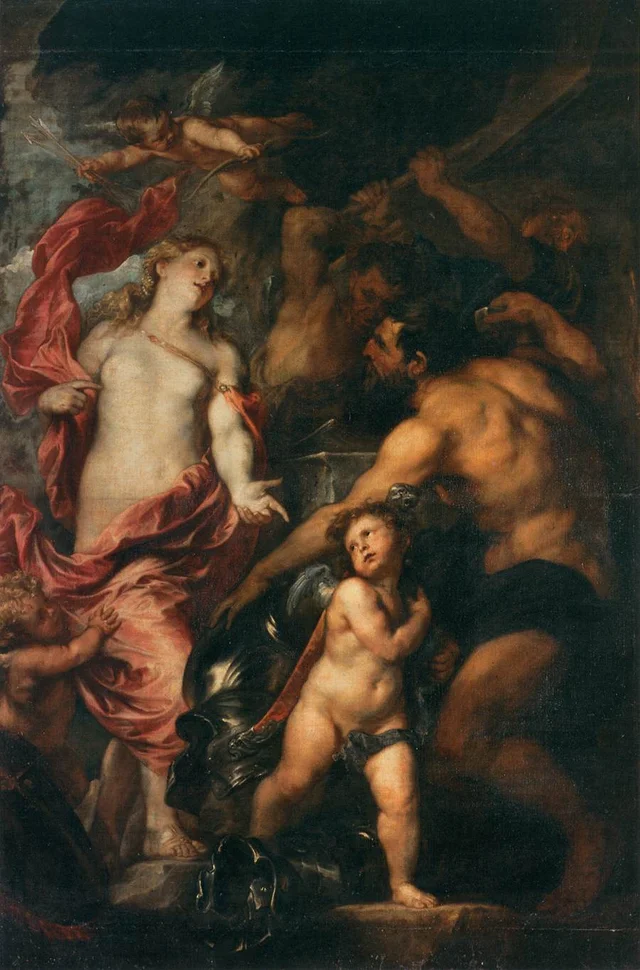 Venus Asks Vulcan to Cast Arms for her Son AeneasAnthony van Dyck, 1630
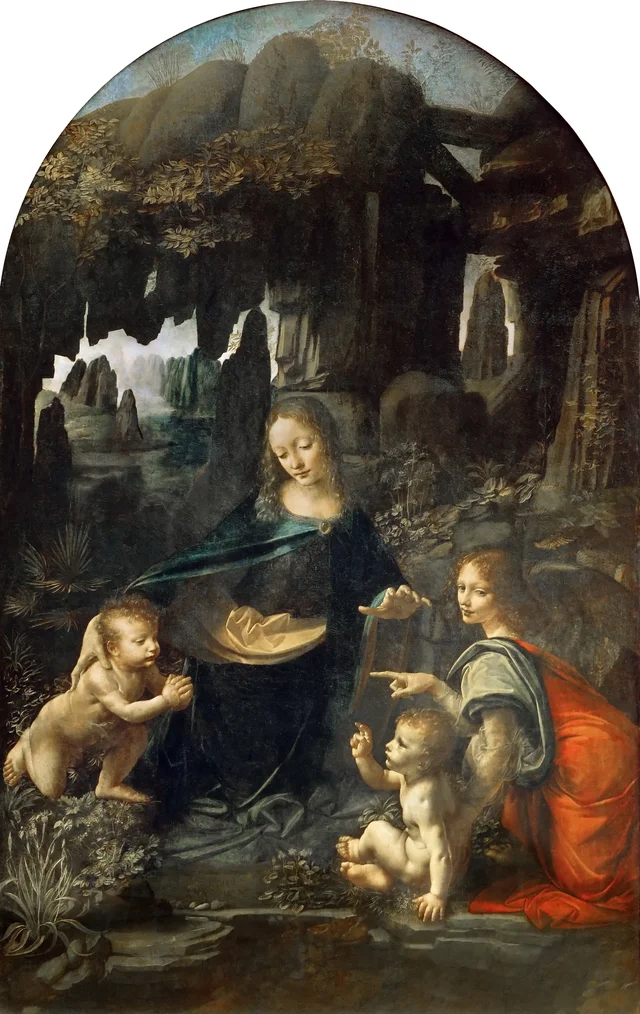 Virgin of the RocksLeonardo da Vinci, 1484
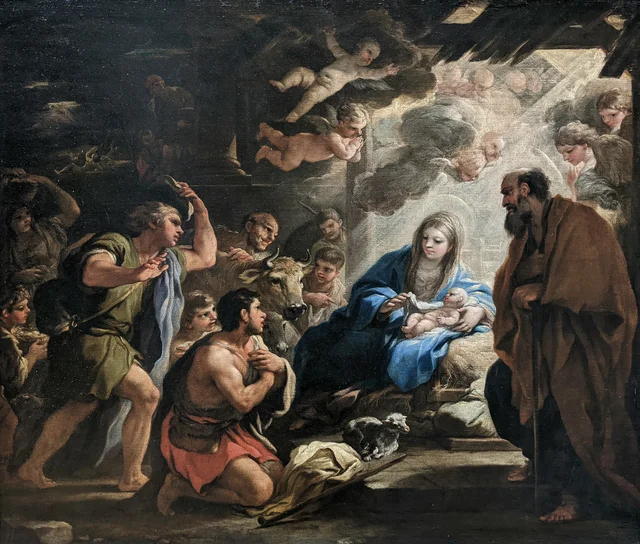 Adoration of the Shepherds (1688)Luca Giordano, 1688
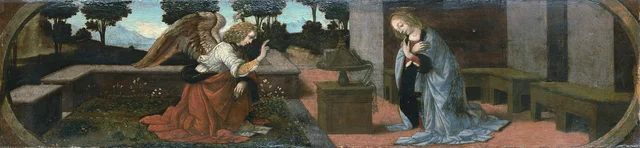 AnnunciationLorenzo di Credi, 1475
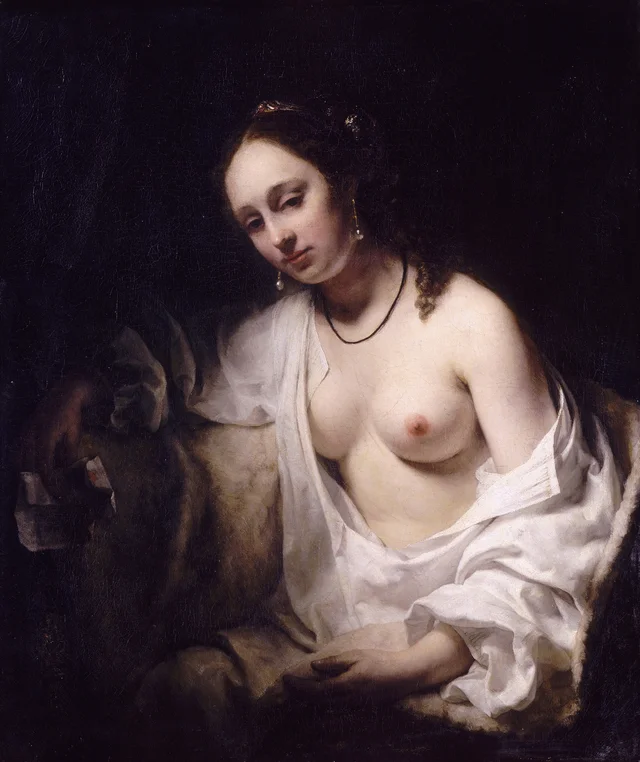 Bathsheba with King David's LetterWillem Drost, 1654
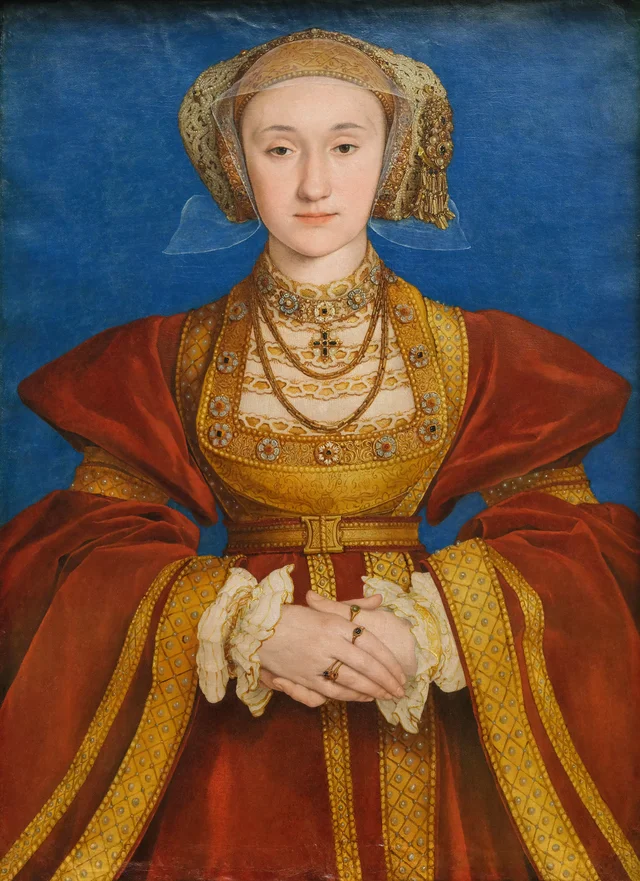 Betrothal portrait of Anne of ClevesHans Holbein the Younger, 1539
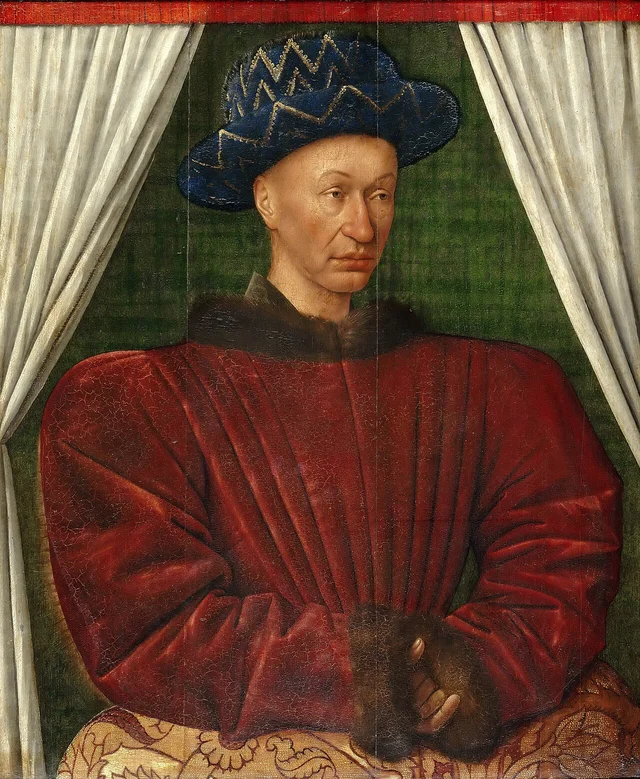 Charles VII, King of FranceJean Fouquet, 1444
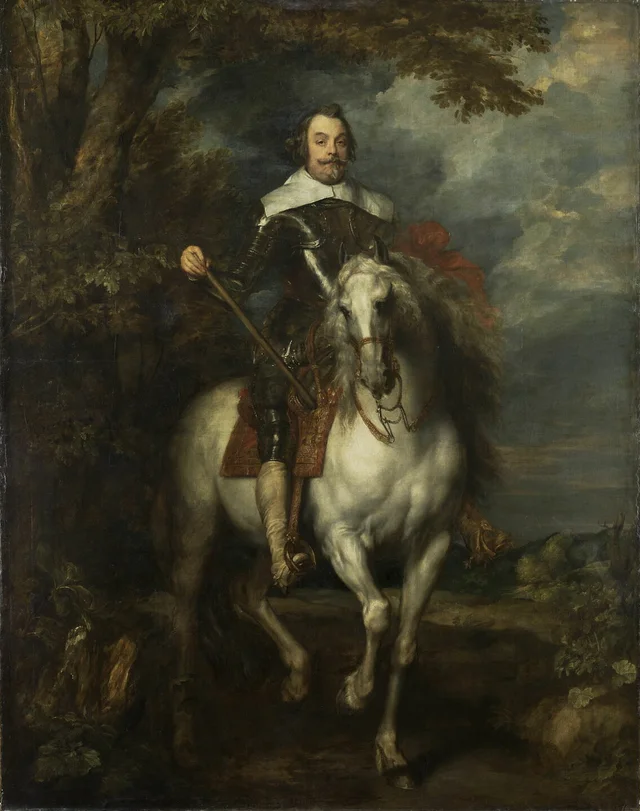 Equestrian portrait of Francisco de MoncadaAnthony van Dyck, 1634
 La Justice et la Vengeance Divine poursuivant le CrimePierre-Paul Prud'hon, 1808
 Landscape with CastleRembrandt, 1641
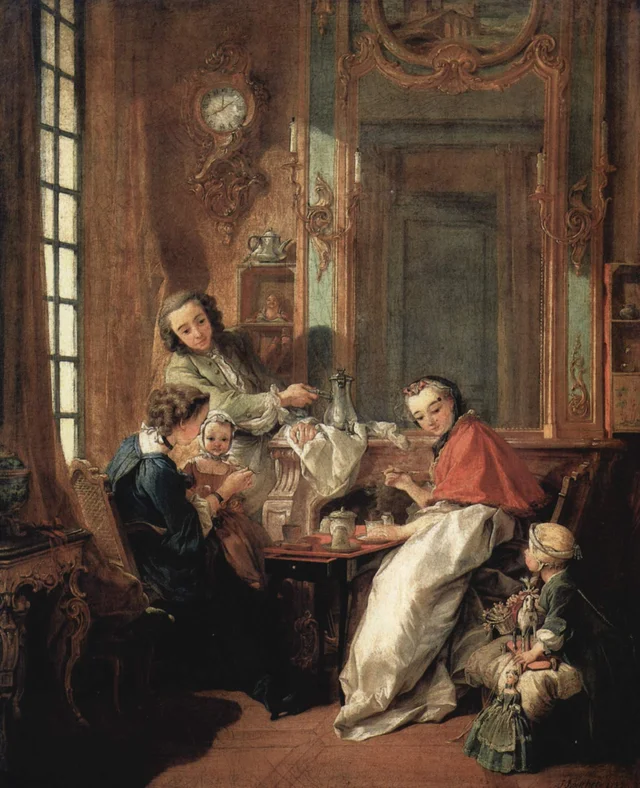 Morning CoffeeFrançois Boucher, 1739
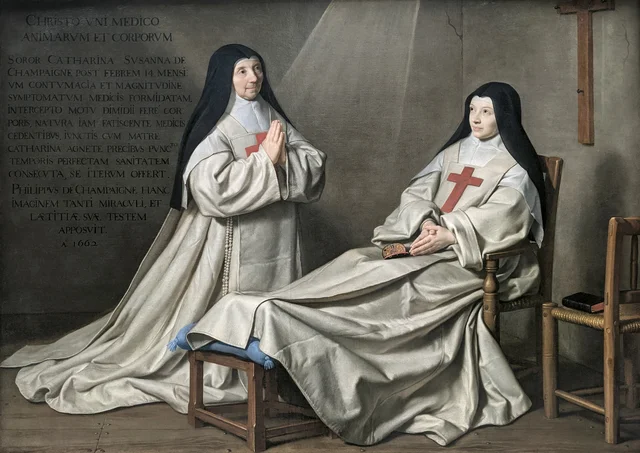 Mother Catherine-Agnès Arnault and Sister Catherine de Sainte Suzanne de ChampaignePhilippe de Champaigne, 1662
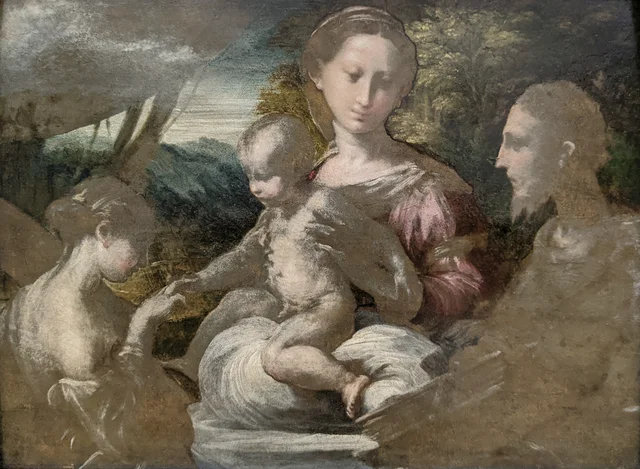 Mystic Marriage of St. CatherineParmigianino, 1528
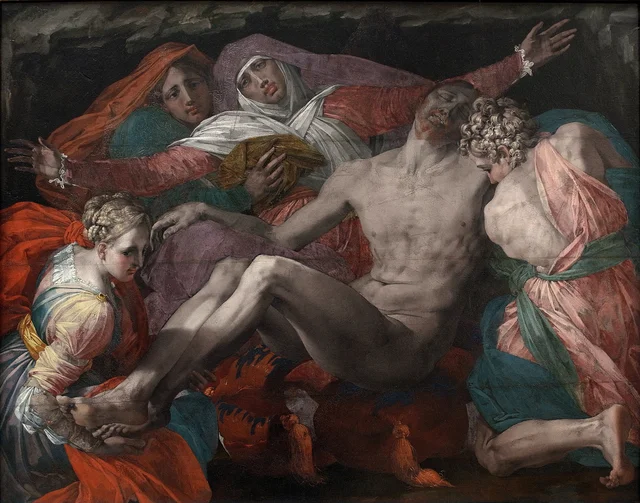 PietàRosso Fiorentino, 1536
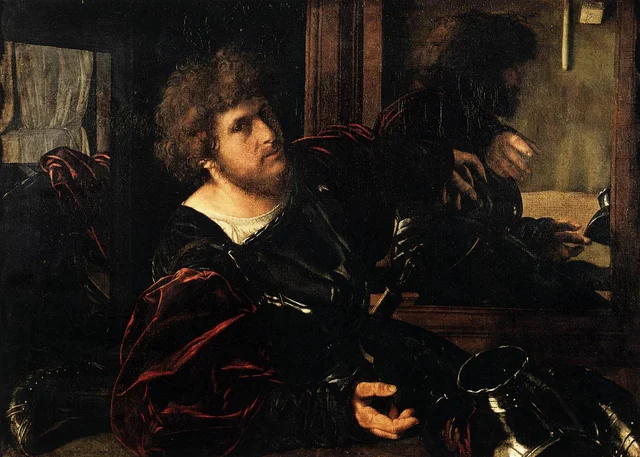 Portrait of a Clad WarriorGiovanni Girolamo Savoldo, 1529
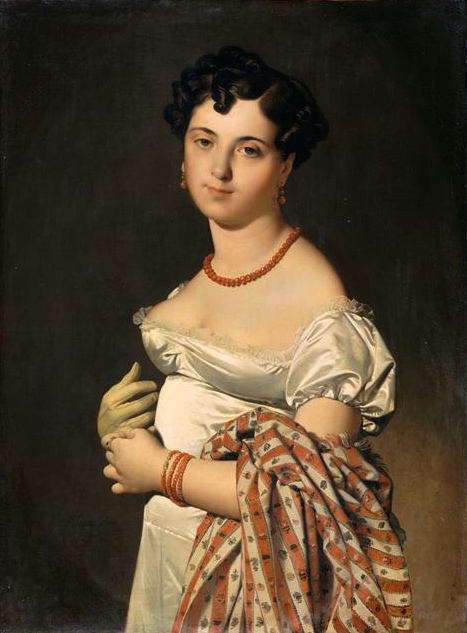 Portrait of Madame PanckouckeJean-Auguste-Dominique Ingres, 1811
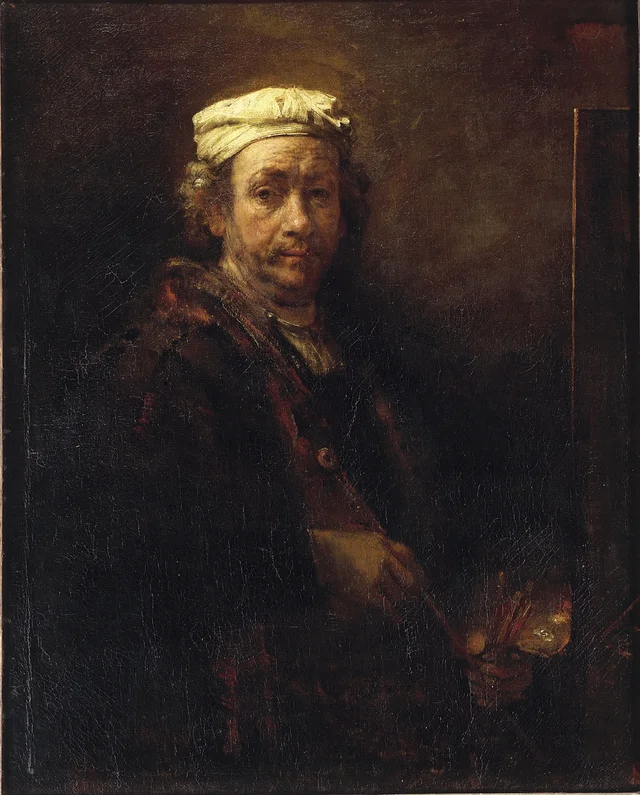 Self-portrait with easelRembrandt, 1660
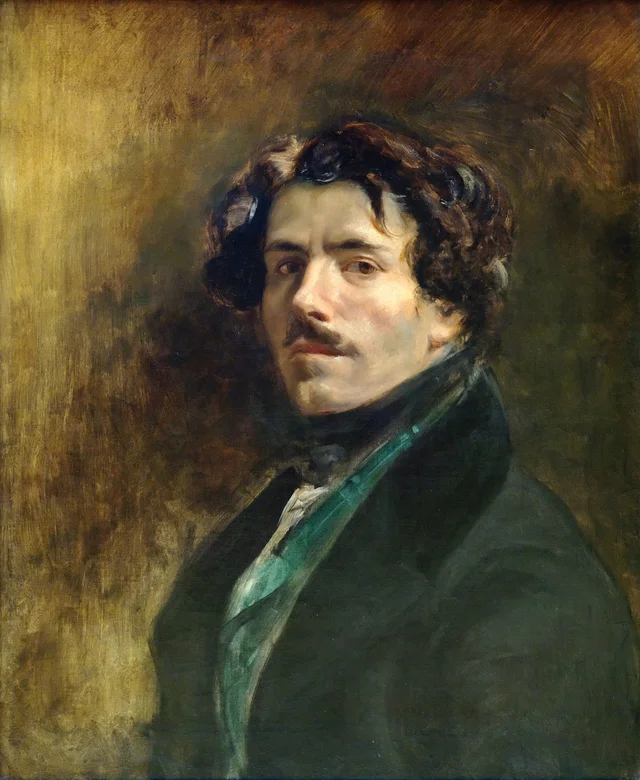 Self-portrait with Green VestEugène Delacroix, 1837
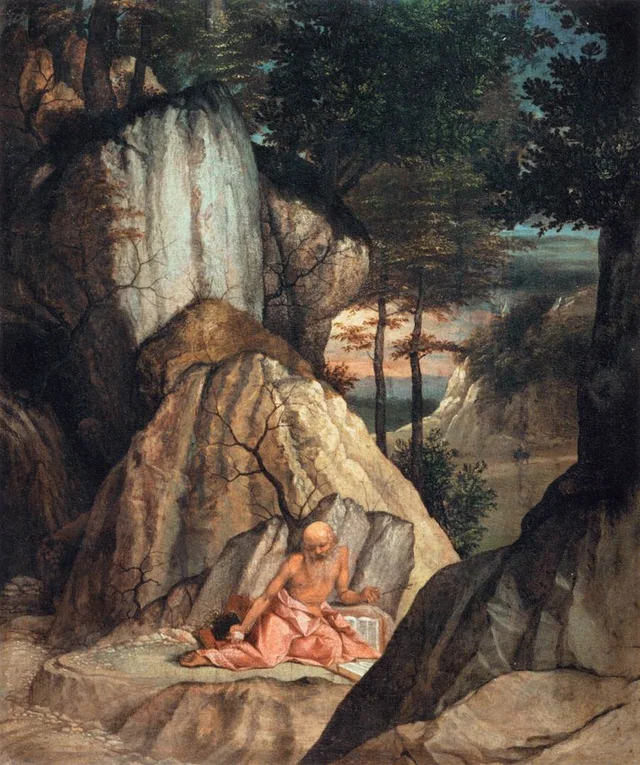 St. Jerome in the WildernessLorenzo Lotto, 1506
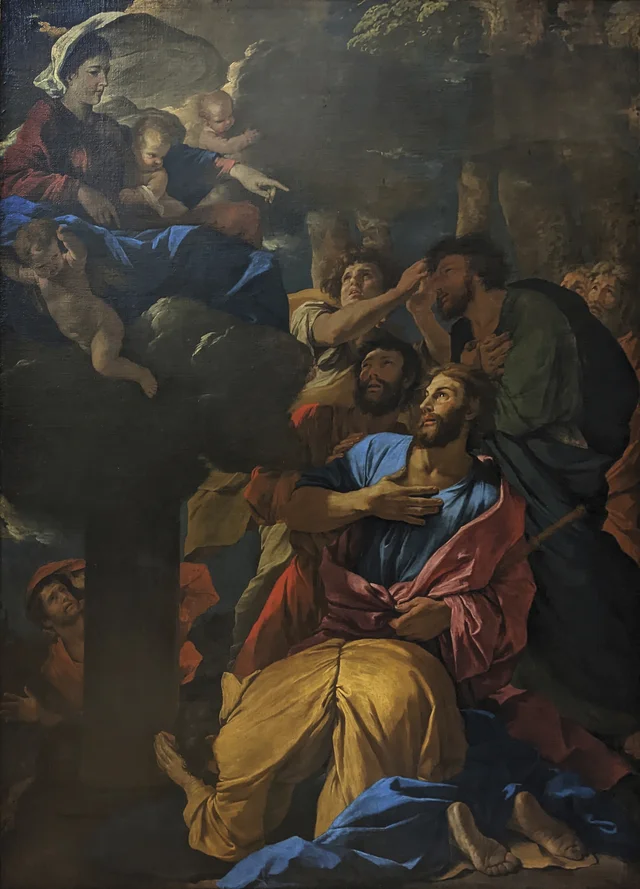 The Apparition of the Virgin to Saint James the GreatNicolas Poussin, 1629
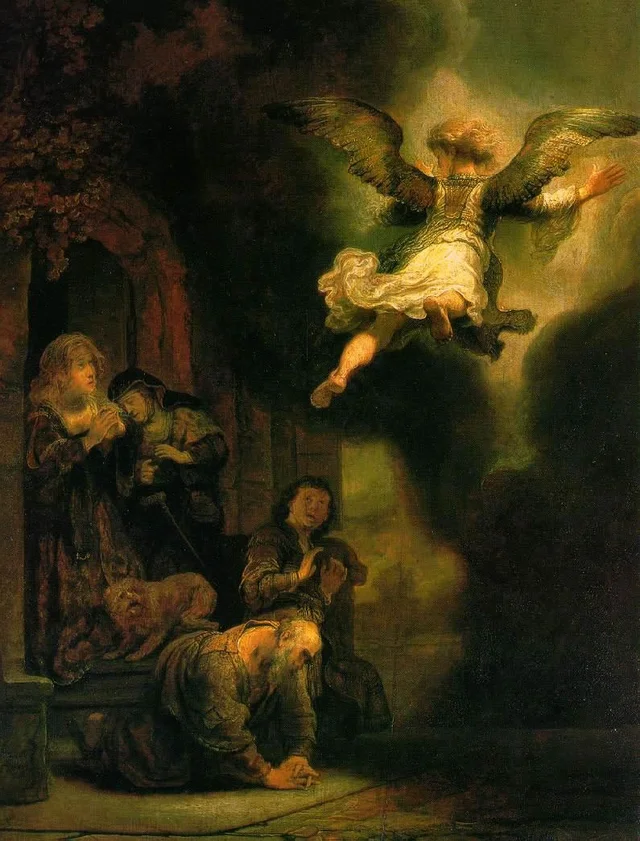 The Archangel Leaves Tobias and his FamilyRembrandt, 1637