The story
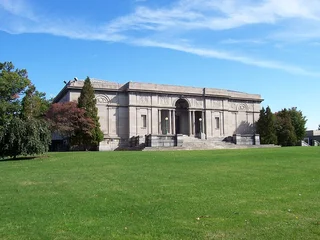
In 1913 a Rochester woman named Emily Sibley Watson opened this gallery in memory of her son, James Averell, an architect who had died young. She gave it to the University of Rochester, and it has been an unusual hybrid ever since, a teaching museum for the university that also serves as the city's public art museum.
The Italian Renaissance building she paid for opened that October with almost nothing to hang in it. The gallery had no money set aside to buy art, so for its first decades it grew by an odd mechanism, collectors lending work to an exhibition and then donating what they had bought so it would stay. The very first object into the permanent collection was a piece of lace.
A century of that patient accumulation left a collection running from ancient antiquities through Rembrandt, Monet, Cézanne and the American painter Winslow Homer, more than 12,000 objects across some 5,000 years. Among them is a rare 17th-century Italian Baroque organ, still played in a gallery hung with old master paintings.
Collection
7 works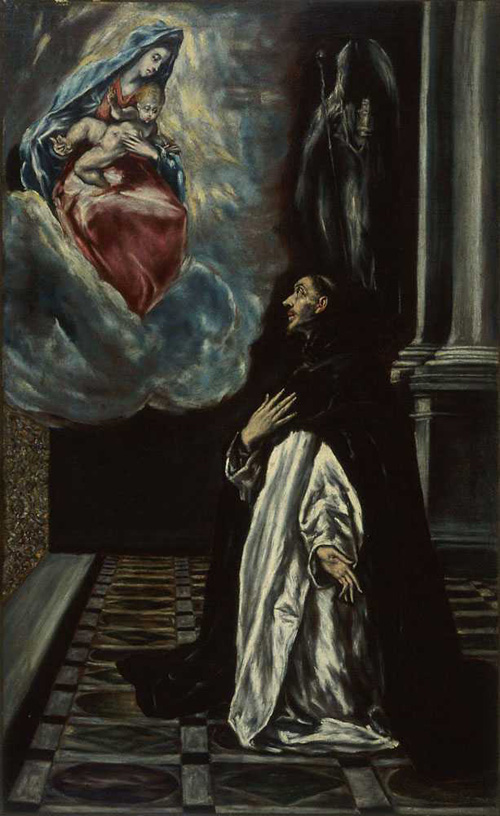 The Apparition of the Virgin to Saint HyacinthEl Greco, 1605
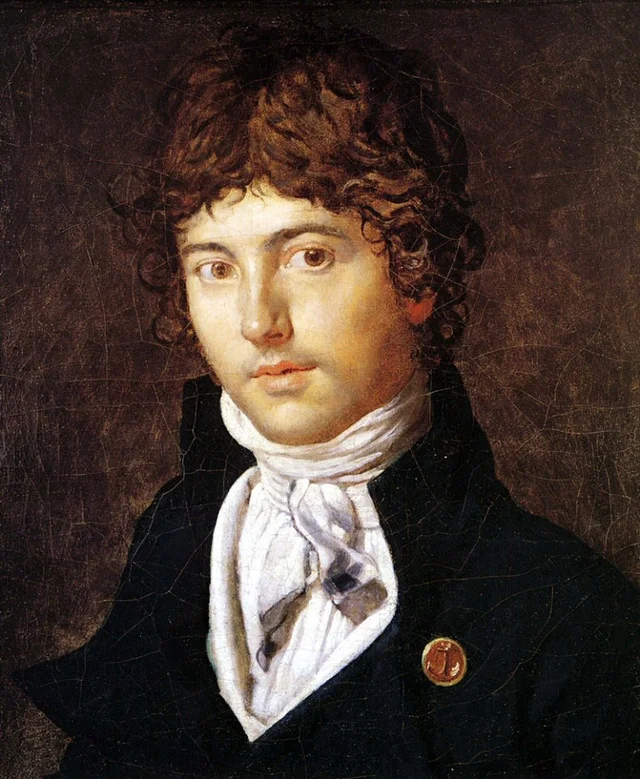 Pierre-François BernierJean-Auguste-Dominique Ingres, 1800
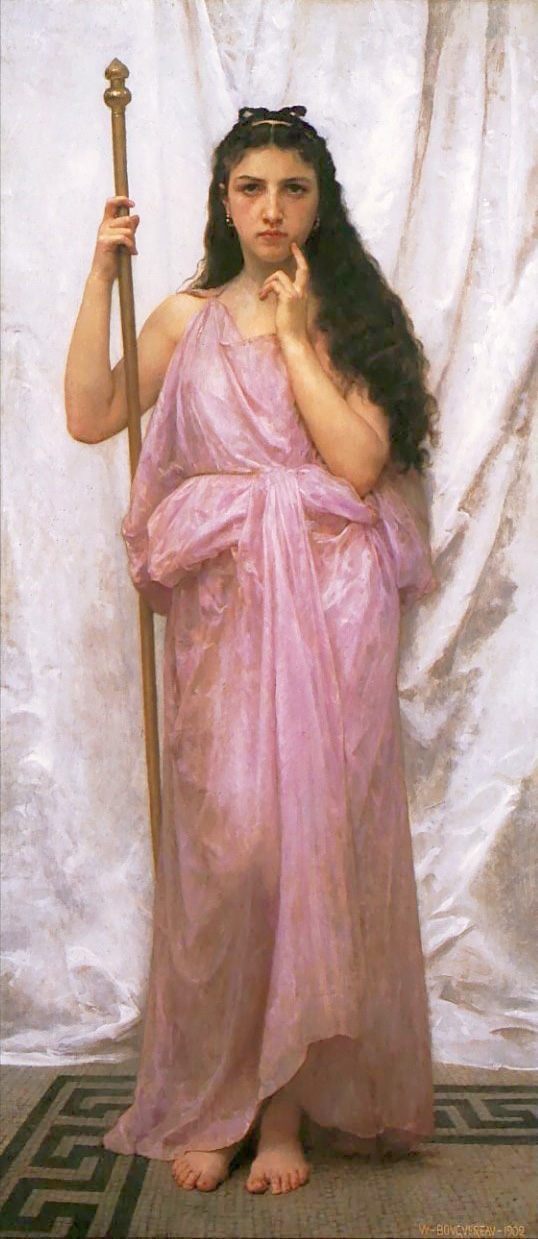 Young PriestessWilliam-Adolphe Bouguereau, 1902
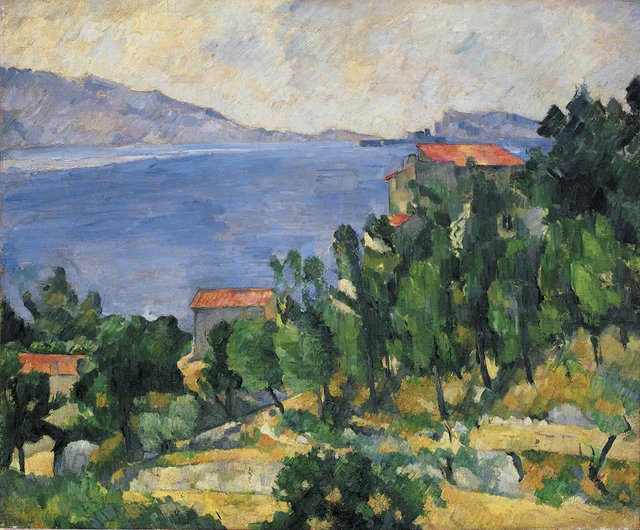 View of Mt. Marseilleveyre and the Isle of Maire (L'Estaque)Paul Cézanne, 1880
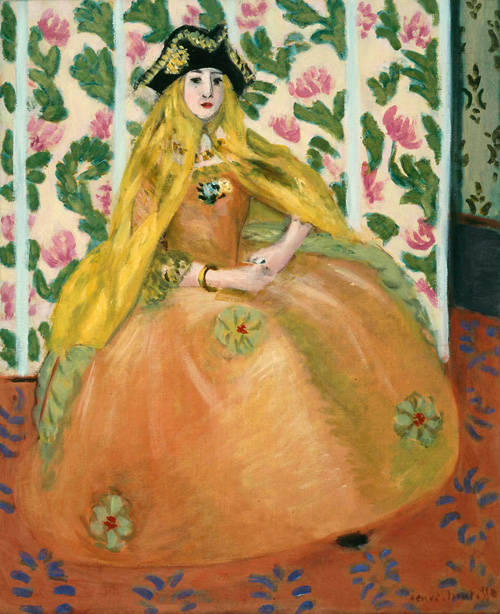 Girl with a TricorneHenri Matisse, 1923
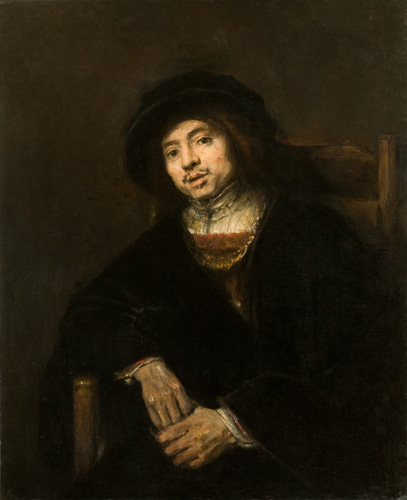 Portrait of a Young Man in an ArmchairRembrandt, 1660
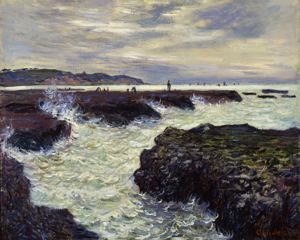 The Rocks at Pourville, Low TideClaude Monet, 1882