The story
In 1888 a skeleton was found in a rock shelter at Chancelade, just outside Périgueux, buried by Ice Age hunters more than 12,000 years ago. The Chancelade man is one of the first things many visitors look for here, together with the bones of a Neanderthal found at Le Regourdou, near the cave of Lascaux. The museum's prehistory collection counts among the most important in France.
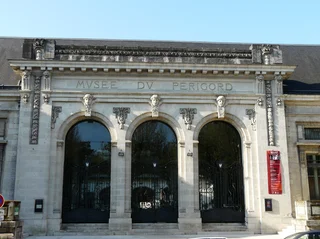
The museum is older than either find. It grew from a collection started in 1804 by Count Wlgrin de Taillefer, a local antiquarian, and became the department's archaeological museum in the 1830s. The present building went up between 1895 and 1898 on the site of an Augustinian convent that had served as a prison, and Gallo-Roman and medieval carved stones now line its cloister.
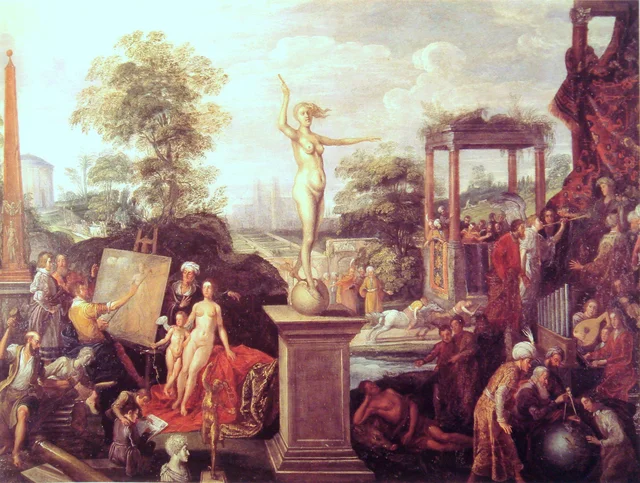
From there the range widens to the Rabastens diptych, painted around 1280, Limoges enamels, art from Africa and Oceania, and paintings from the Neapolitan Luca Giordano to the academic painter Bouguereau. Among the Flemish pictures is a small allegory on copper from the Antwerp workshop of Frans Francken, dated 1628. Its figure of Opportunity has a full forelock and a bald head behind, and the inscription on her pedestal tells the viewer not to let a good chance slip away.