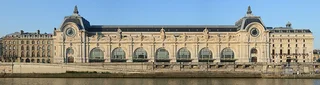
The story
The Musee d'Orsay was a railway station first. It opened beside the Seine in May 1900, rushed to completion for the World's Fair that filled Paris that summer. The architect Victor Laloux hid its iron train shed behind a dressed-stone front and set a hotel above the platforms, and it ran as the world's first electrified urban terminus, trains sliding in and out under the glass roof without smoke or steam.
The elegance was also its undoing. The platforms were too short for the longer trains that came into service, and by 1939 the main lines had left for other stations. For decades the Gare d'Orsay stood half-empty under threat of demolition, and Orson Welles shot much of his 1962 film of Kafka's The Trial in its abandoned halls. In 1978 the French state listed the building and chose to make it a museum.
It reopened in 1986, given over to French art made between 1848 and 1914, the span that holds Impressionism. Under the great glass vault you now find Manet's Olympia, Van Gogh's self-portraits, Degas's dancers and Monet's cathedrals, one of the world's greatest collections of Impressionist and Post-Impressionist art. High on the end wall, the station's original clock still faces the hall and tells visitors the time.
More articles
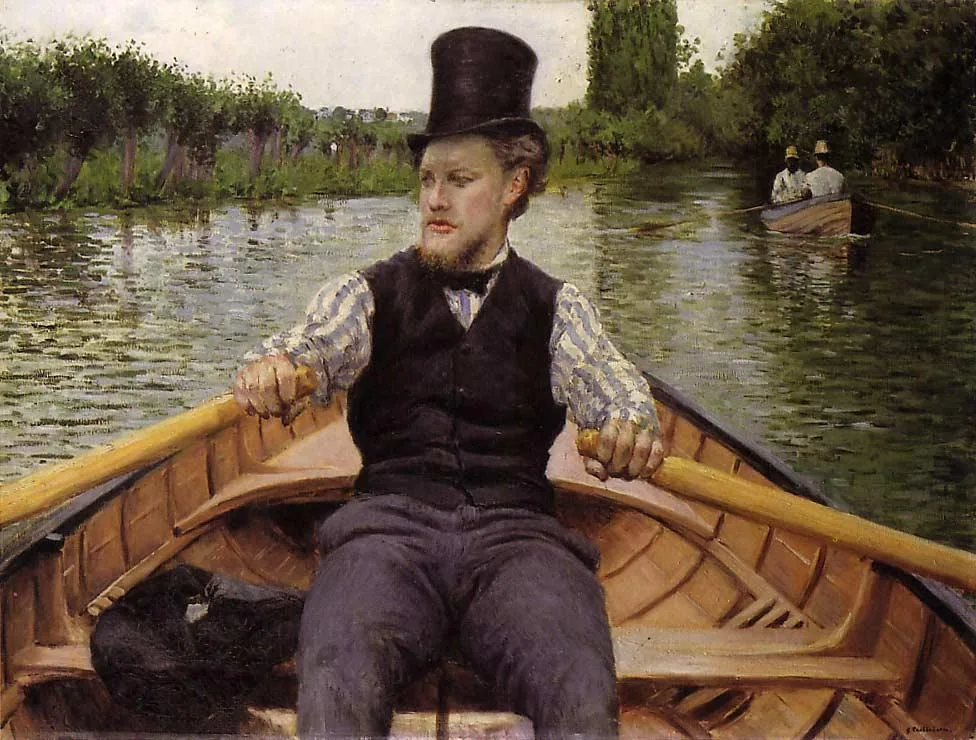
Collection
617 works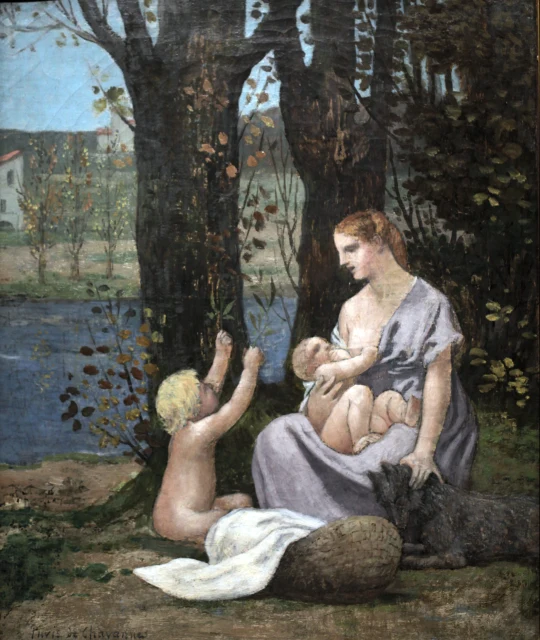 The Young Mother (Charity)Pierre Puvis de Chavannes, 1887
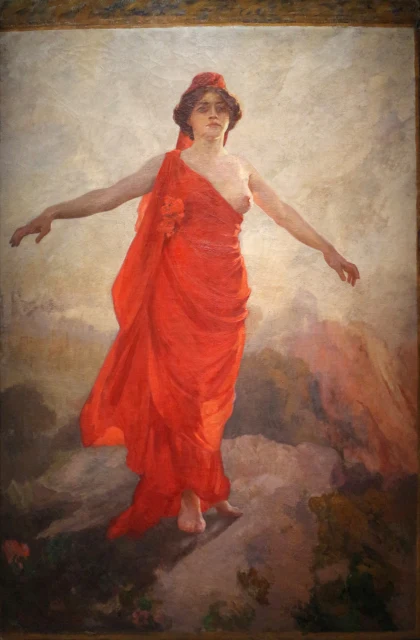 The Young RepublicAlfred Philippe Roll, 1908
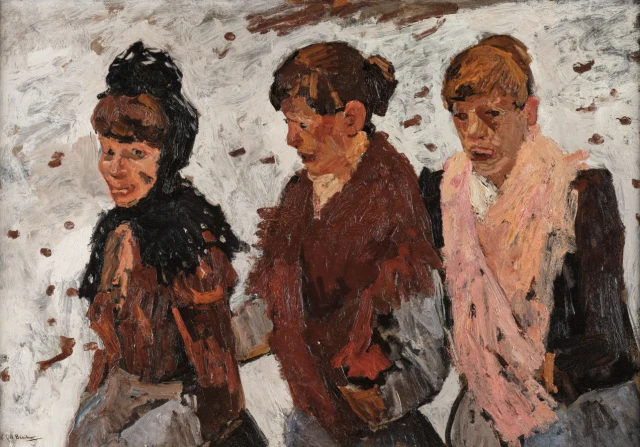 Three Women in the SnowGeorge Hendrik Breitner, 1893
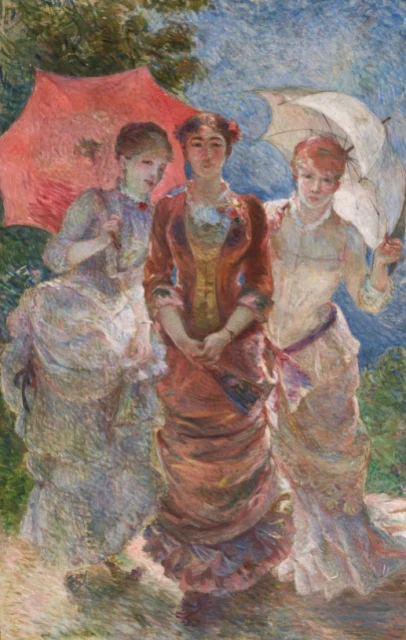 Three Women with ParasolsMarie Bracquemond, 1880
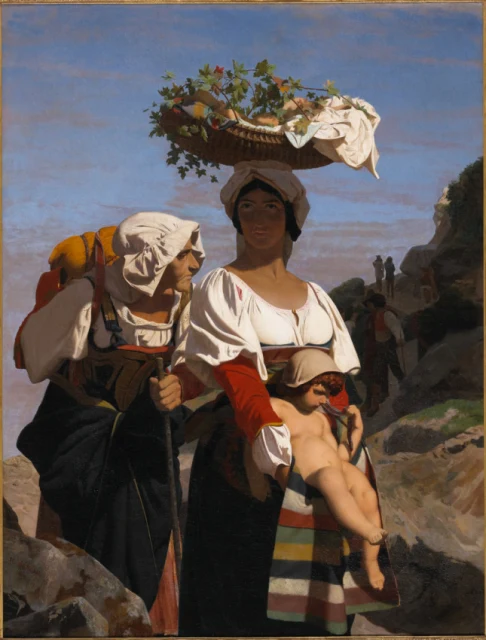 Two Italian Peasant Women and a ChildJean-Léon Gérôme, 1849
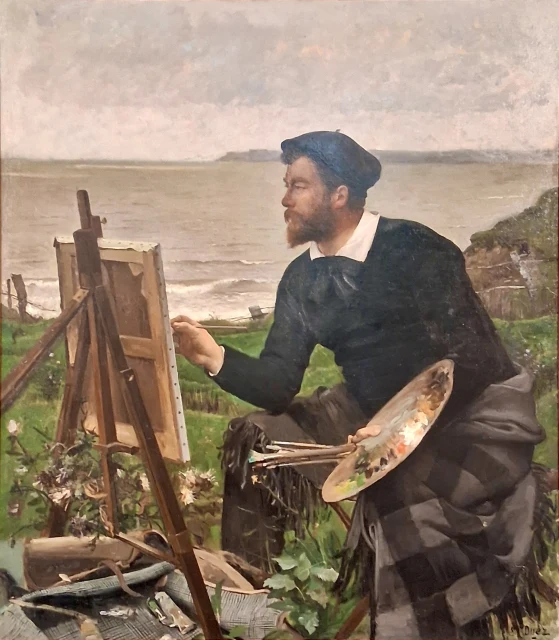 Ulysse ButinErnest Ange Duez, 1880
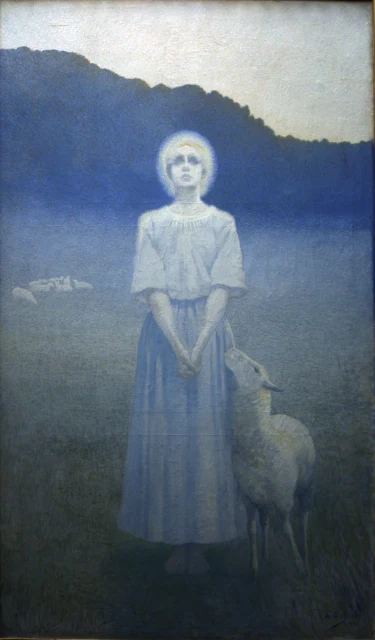 VisionAlphonse Osbert, 1892
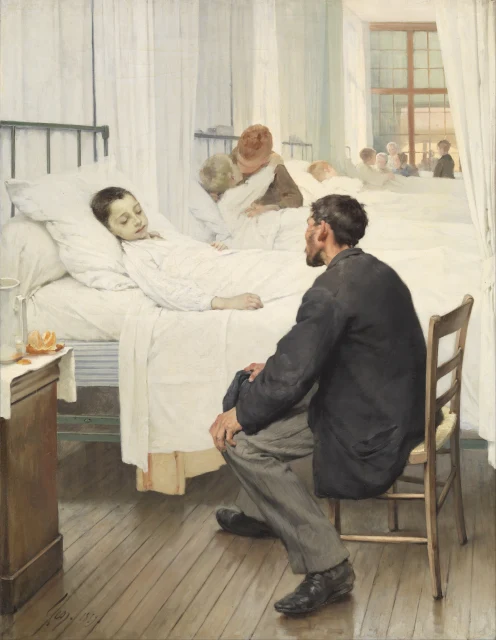 Visiting Day at the HospitalHenri Jules Jean Geoffroy, 1889
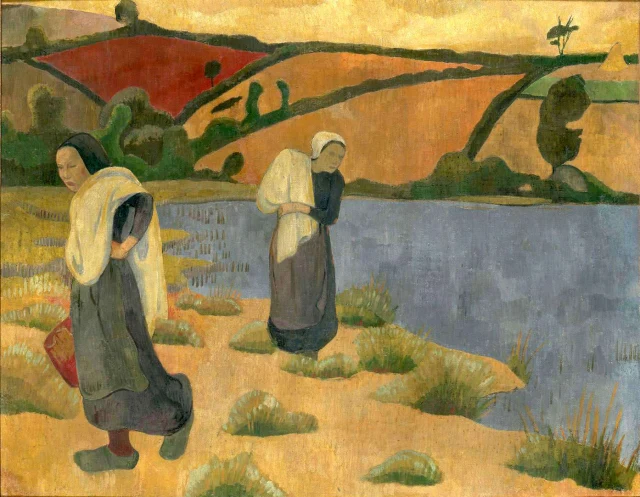 Washerwomen at the LaïtaPaul Sérusier, 1892
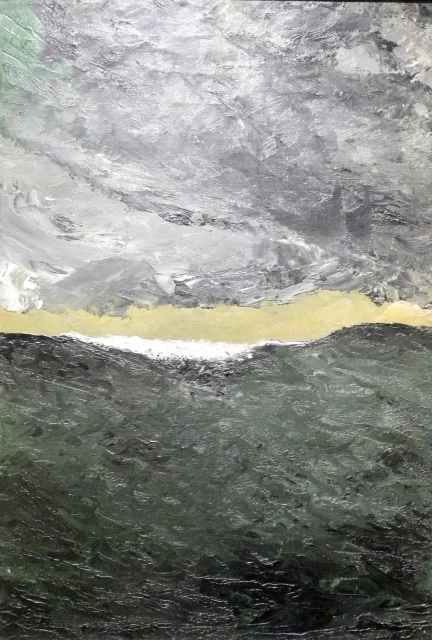 Wave VIIAugust Strindberg, 1900
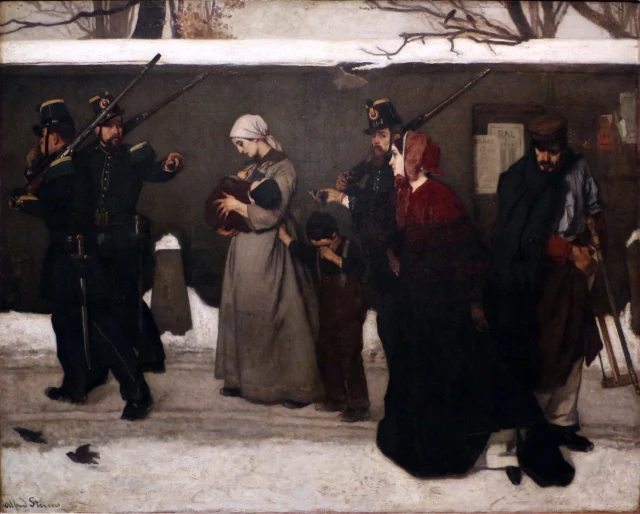 What Is Called VagrancyAlfred Stevens, 1854
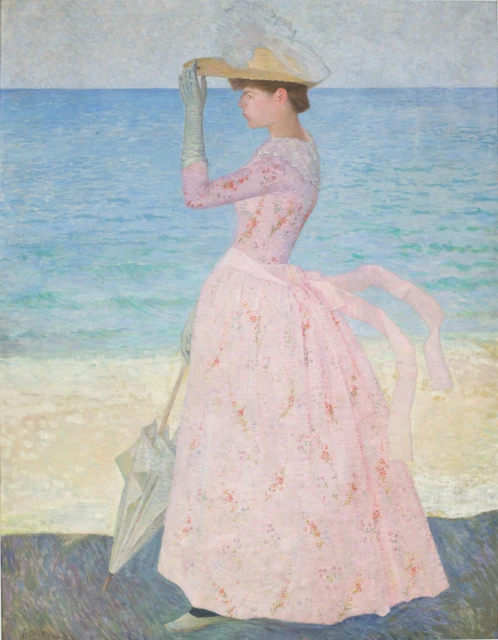 Woman with a ParasolAristide Maillol, 1892
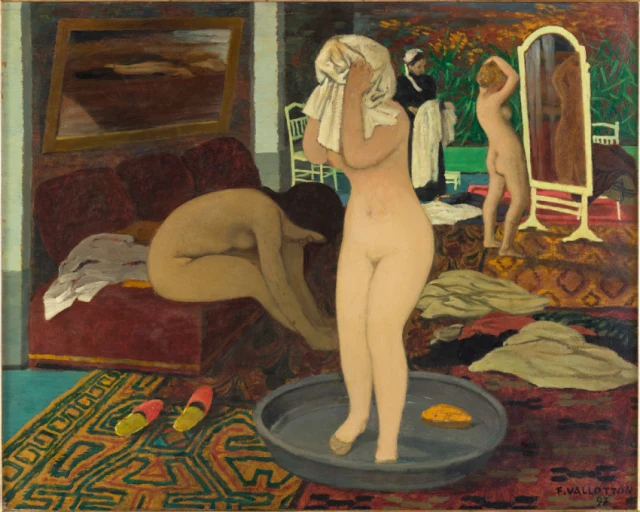 Women at Their ToiletteFélix Vallotton, 1897
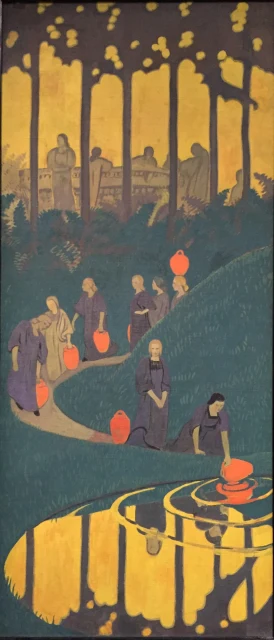 Women at the Spring (The Danaids)Paul Sérusier, 1899
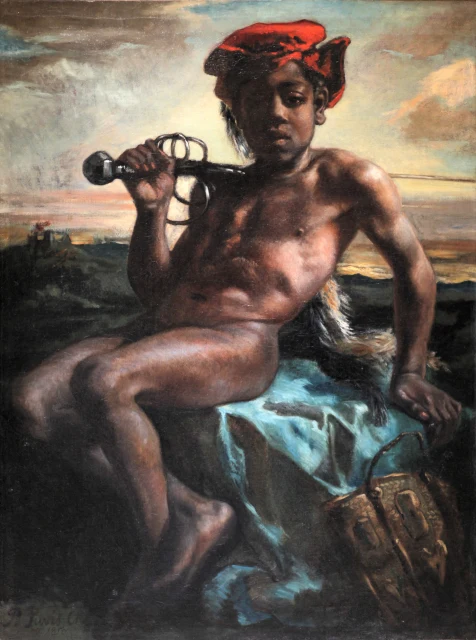 Young Black Man with a SwordPierre Puvis de Chavannes, 1850
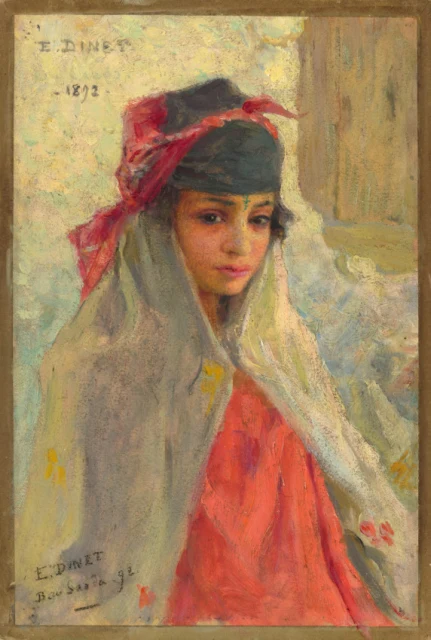 Young Girl from Bou SaâdaNasreddine Dinet, 1892
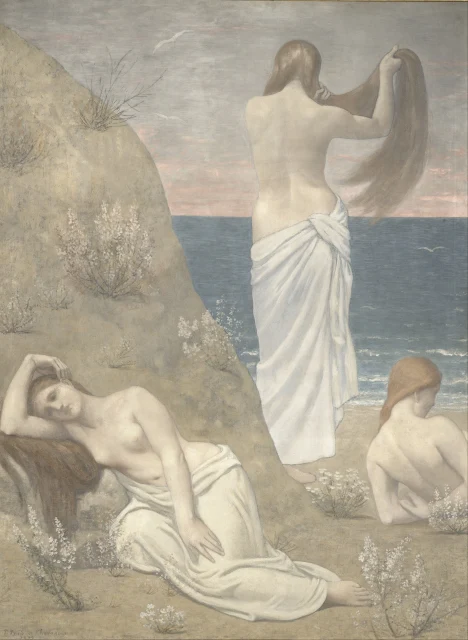 Young Girls by the SeasidePierre Puvis de Chavannes, 1879