The story
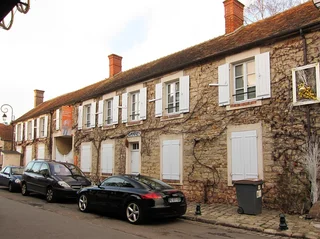
Upstairs at the Auberge Ganne in Barbizon, the walls carry paintings that were never meant to last. When the old inn was restored in the early 1990s, workers lifting layers of wallpaper and plaster found sketches and graffiti left by the artists who had lodged there in the 19th century. Downstairs, cupboard doors and pieces of furniture are painted too, decorated by guests during their stays.
The inn belonged to Edmée and François Ganne, who opened a modest grocery in the village in the 1820s and began taking in painters who came to work in the nearby forest of Fontainebleau. Over the following decades the house filled with landscape painters, among them Camille Corot and Narcisse Diaz de la Peña, and the circle later became known as the Barbizon school. The town bought the building in 1987 and opened it as a museum in 1995. Since 2004 it has been run by the Seine-et-Marne department.
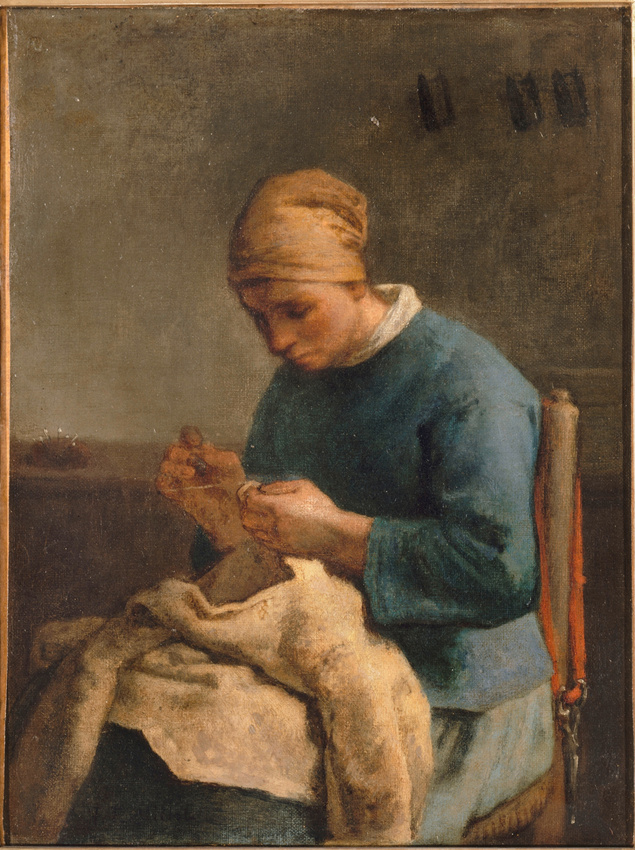
Alongside those painted traces hang canvases, drawings and prints by Corot, by the landscape painter Théodore Rousseau, by the animal painter Rosa Bonheur and by lesser-known members of the colony. Among them is a Seamstress by Jean-François Millet, the painter of peasant life who settled in Barbizon. The museum's second site, on the same street, is the house and studio where Rousseau spent the last 20 years of his life.