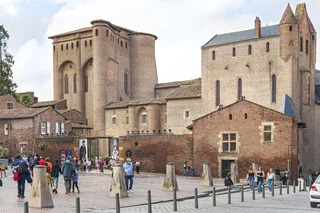
The story
When Henri de Toulouse-Lautrec died in 1901, worn out at 36, the Paris art world was unsure what to do with the hundreds of works left in his studio. His mother, Countess Adèle, offered them to his birthplace, the cathedral town of Albi in southern France, and the town housed them in the Palais de la Berbie, a fortress-like former bishops' palace with metre-thick walls beside the river.
The result is the largest collection of his work anywhere, more than a thousand pieces. You can follow him from early horse studies to the posters and paintings of Montmartre that made his name, the dancers, the singer Aristide Bruant in his red scarf, and the women of the Paris cabarets and brothels drawn without flattery or judgement.
The old palace keeps its formal terraced gardens above the Tarn, laid out long before the paintings arrived.
Collection
31 works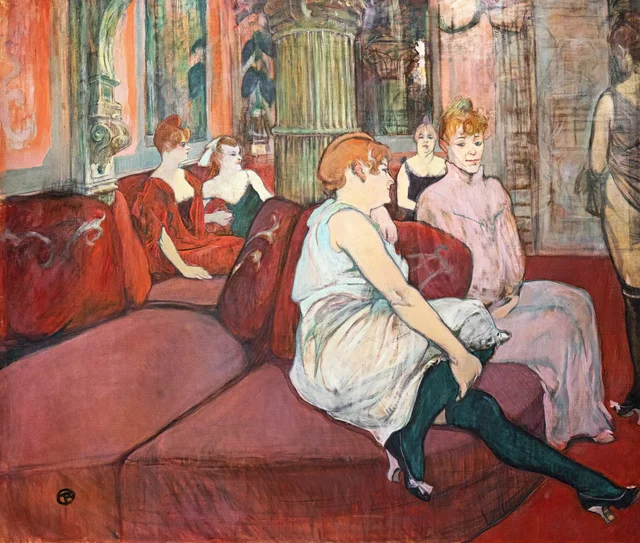 In the Salon at the Rue des MoulinsHenri de Toulouse-Lautrec, 1894
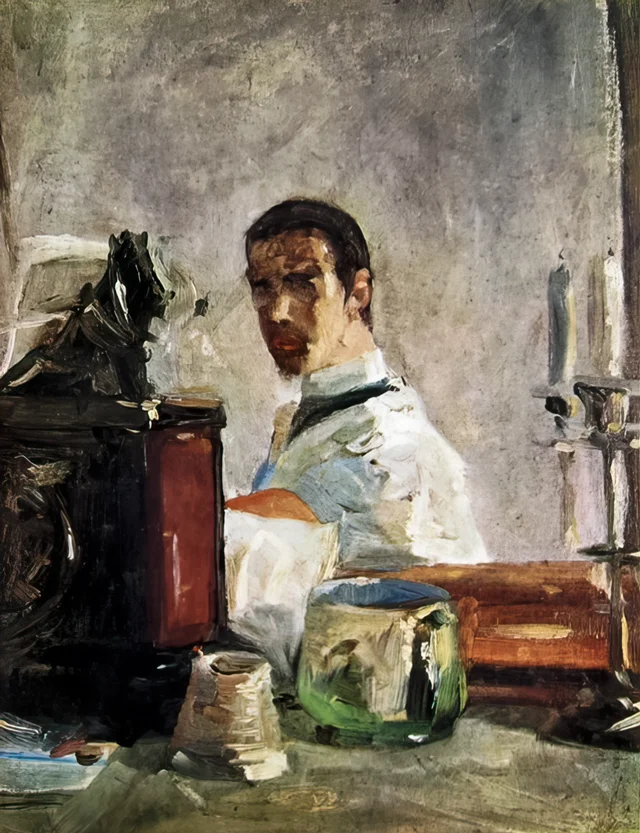 Self-portrait in front of a mirrorHenri de Toulouse-Lautrec, 1882
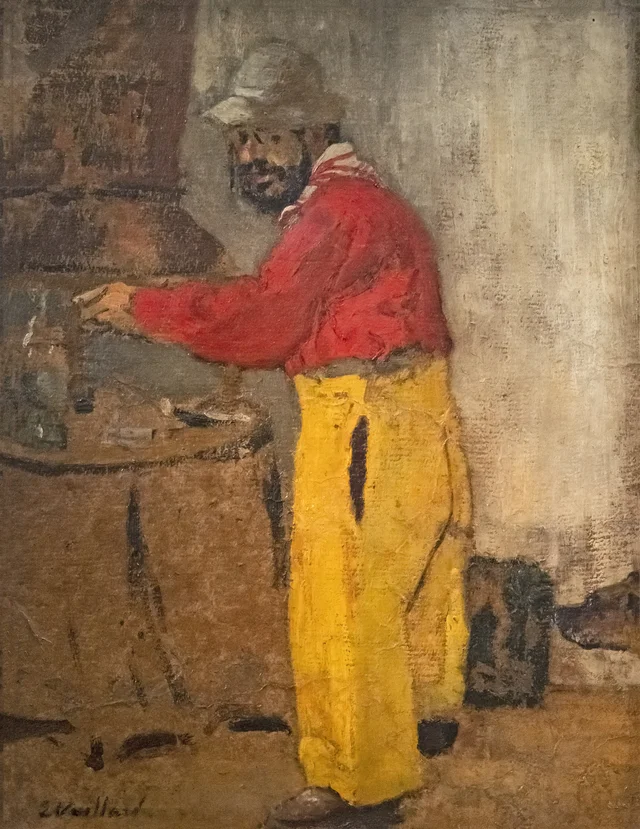 Portrait of Toulouse Lautrec, in Villeneuve-sur-Yonne, with the NatansonsÉdouard Vuillard, 1898
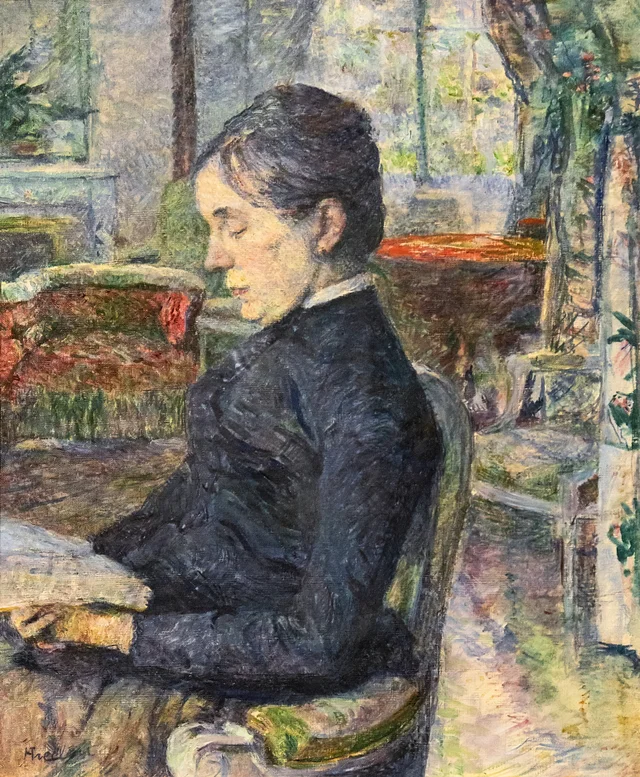 Adèle de Toulouse-Lautrec in the salon at MalroméHenri de Toulouse-Lautrec, 1886
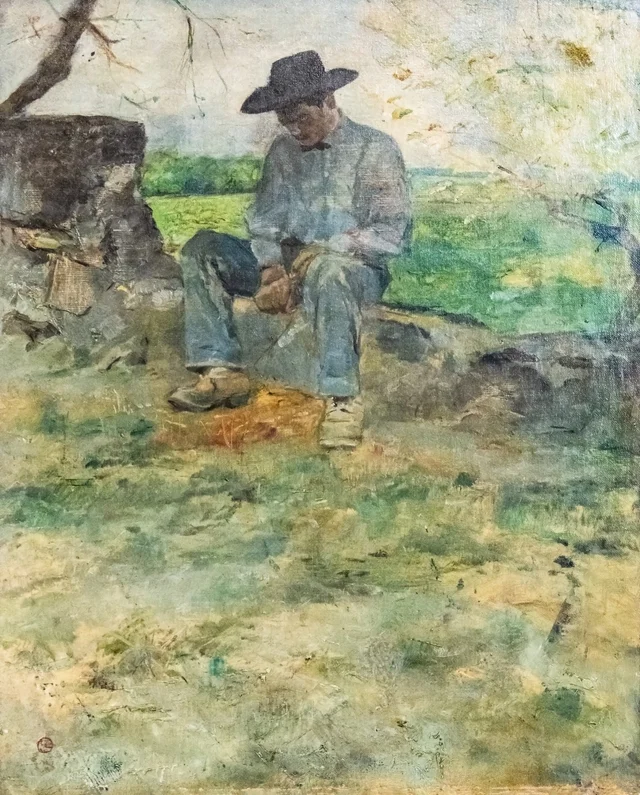 Young Routy at CéleyranHenri de Toulouse-Lautrec, 1882
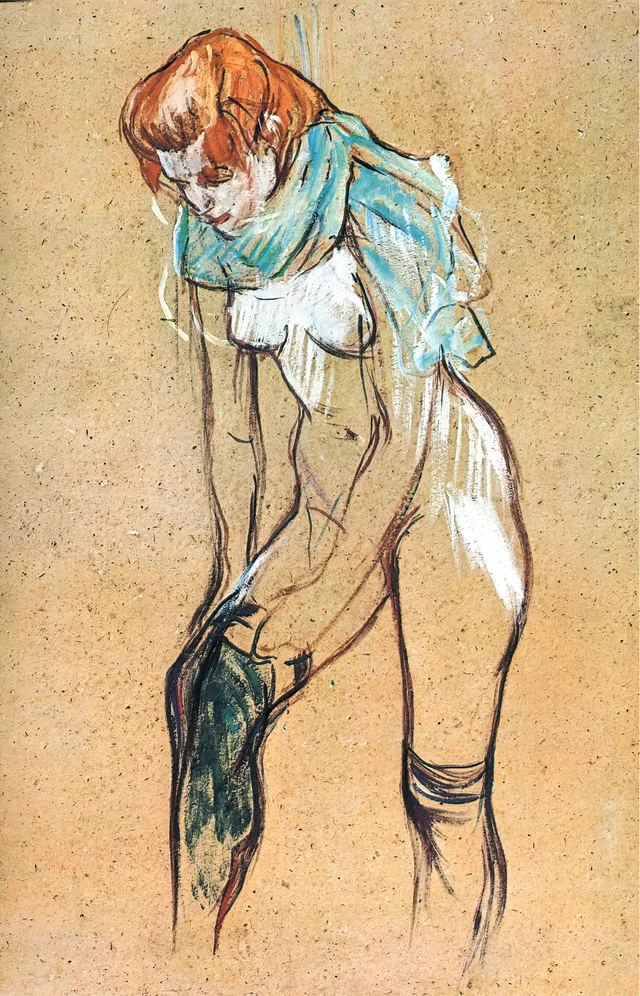 Femme qui tire son basHenri de Toulouse-Lautrec, 1894
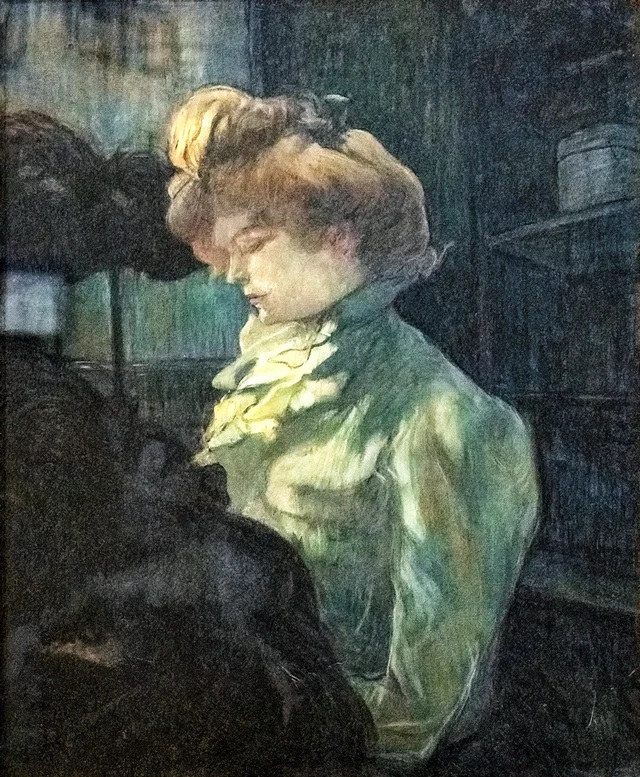 The modisteHenri de Toulouse-Lautrec, 1900
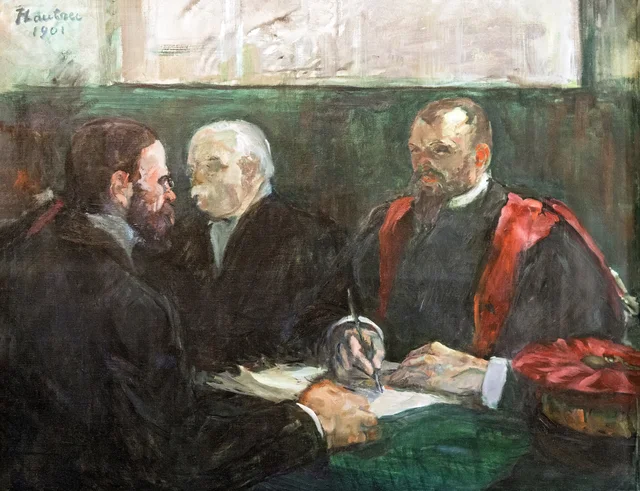 Examination at faculty of medicine of ParisHenri de Toulouse-Lautrec, 1901
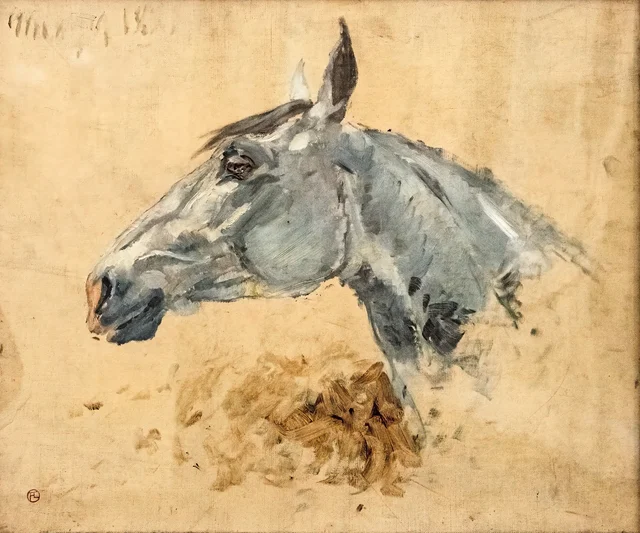 White Horse 'Gazelle'Henri de Toulouse-Lautrec, 1881
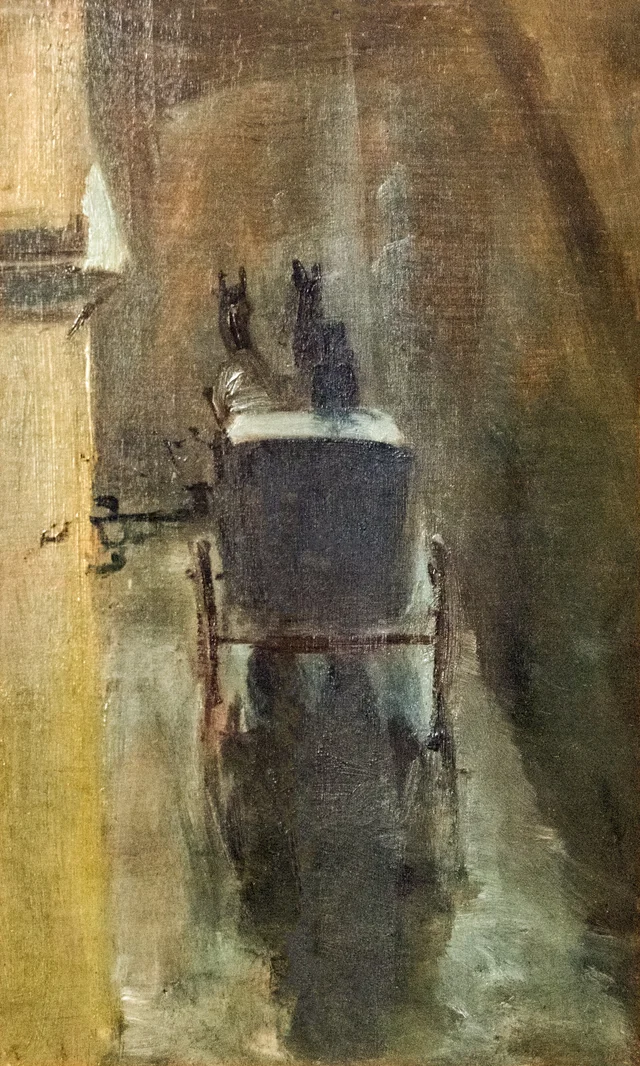 A harnessed coupe, seen from the rearHenri de Toulouse-Lautrec, 1879
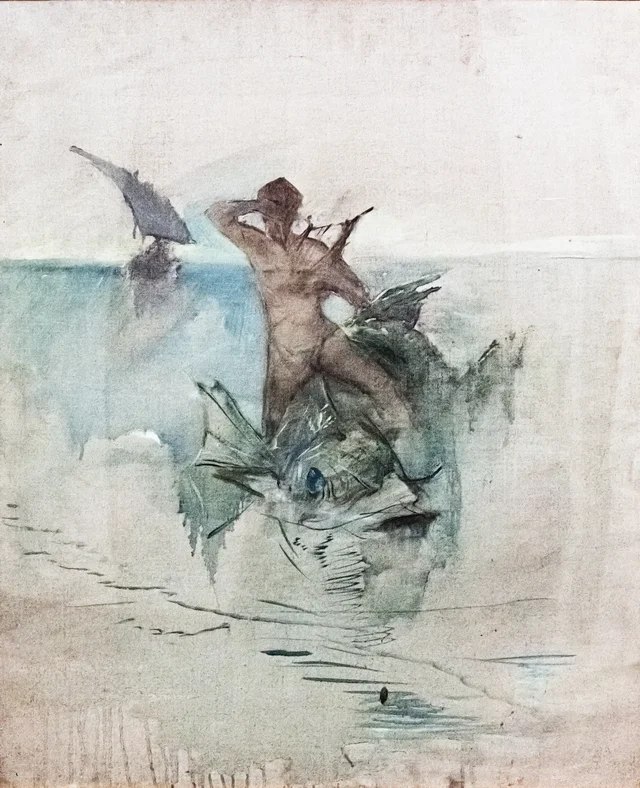 Allegorical sketch - DolphinHenri de Toulouse-Lautrec, 1883
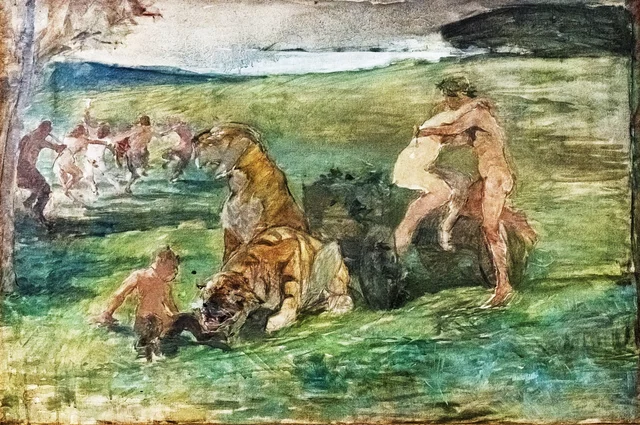 Allegory - The spring of lifeHenri de Toulouse-Lautrec, 1883
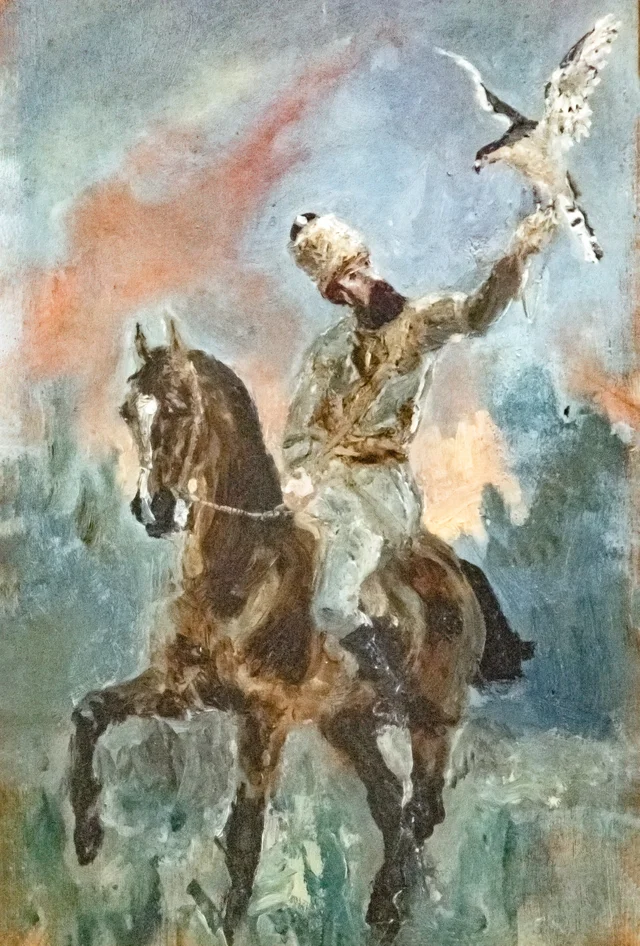 Alphonse de Toulouse-Lautrec as a falconerHenri de Toulouse-Lautrec, 1882
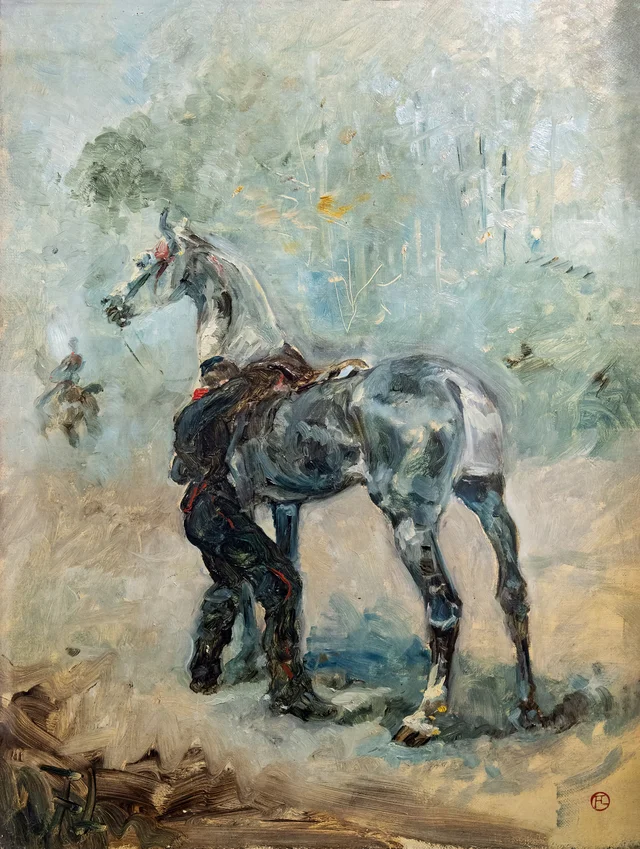 Artilleryman saddling his horseHenri de Toulouse-Lautrec, 1879
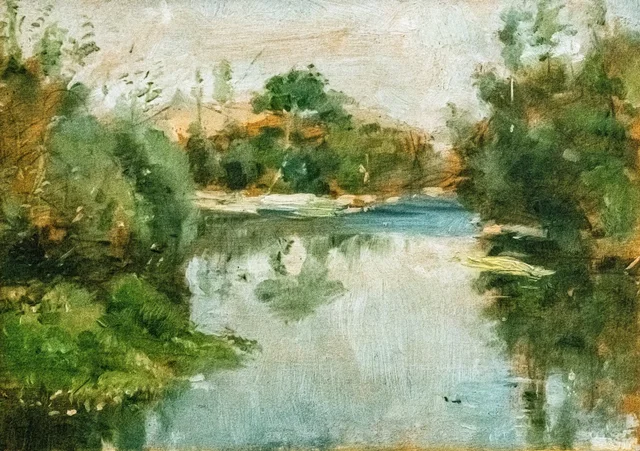 Céleyran, along the riverHenri de Toulouse-Lautrec, 1880
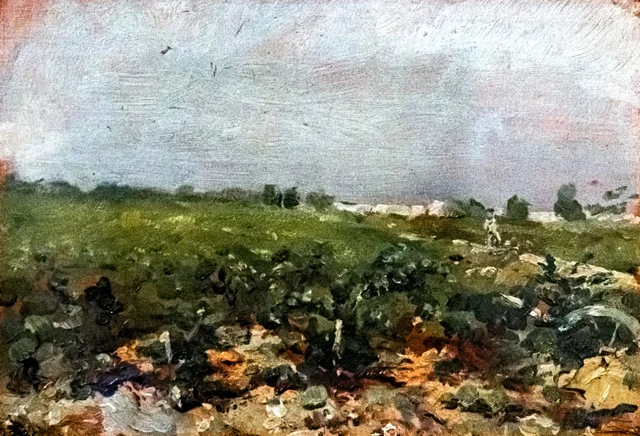 Céleyran, View of the vineyardsHenri de Toulouse-Lautrec, 1880
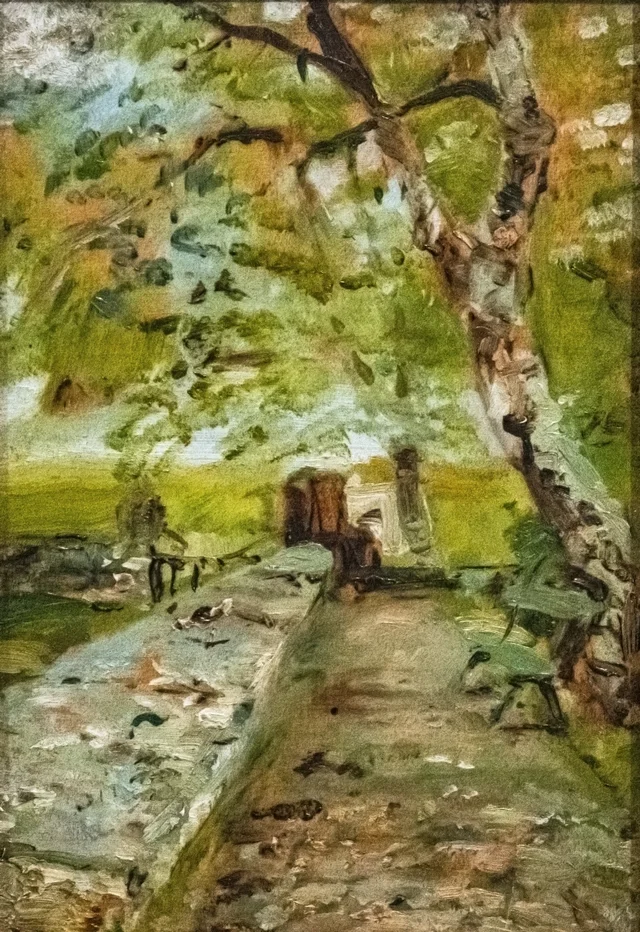 Château du Bosc, the terraceHenri de Toulouse-Lautrec, 1880
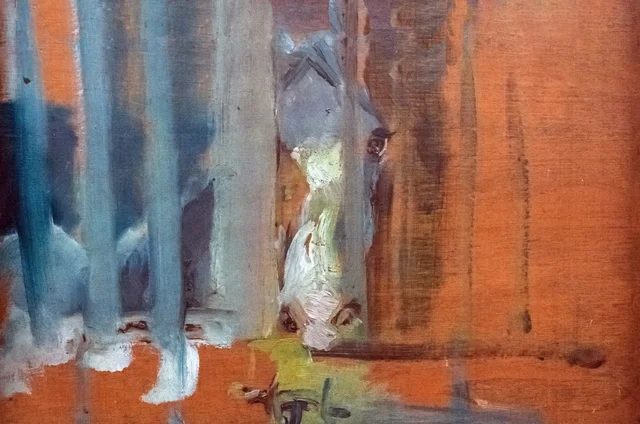 Horse behind a slatted doorHenri de Toulouse-Lautrec, 1882
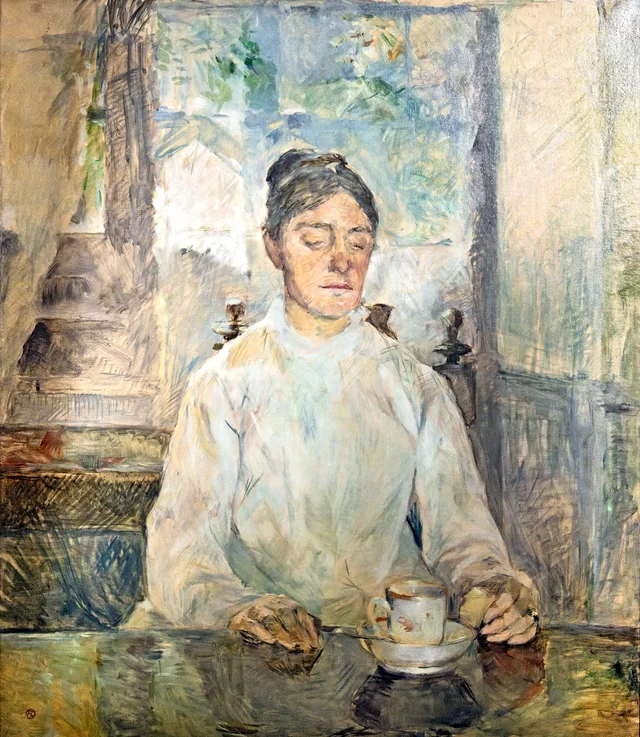 La Comtesse Adèle de Toulouse-Lautrec - breakfast at the Château de MalroméHenri de Toulouse-Lautrec, 1883
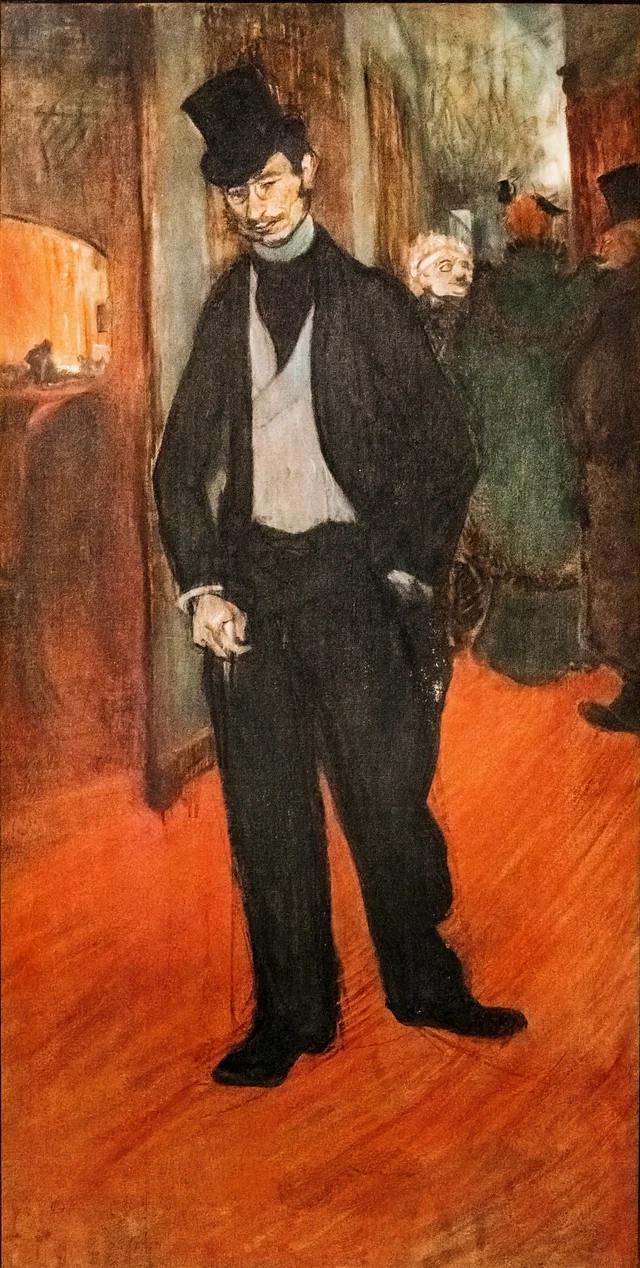 Le Docteur Tapié de CéleyranHenri de Toulouse-Lautrec, 1894
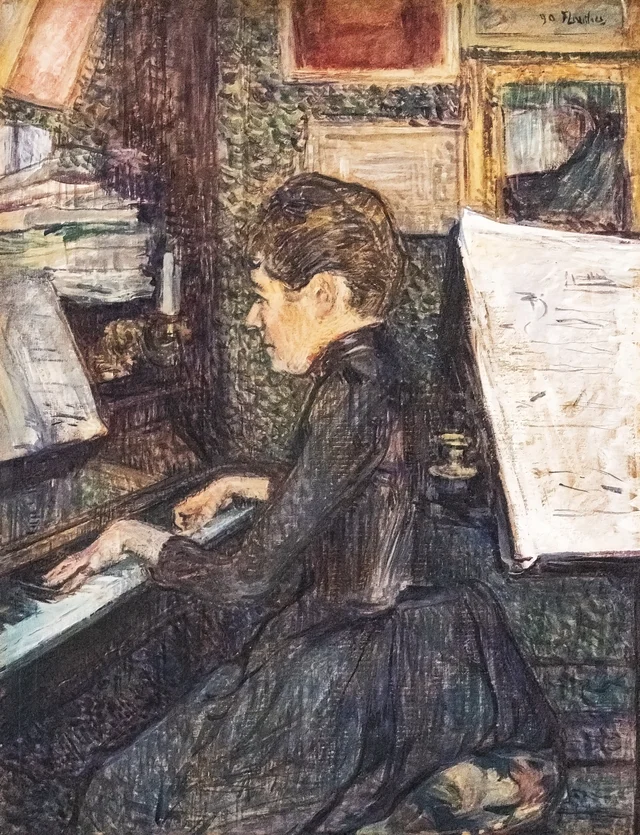 Mademoiselle Dihau au pianoHenri de Toulouse-Lautrec, 1890
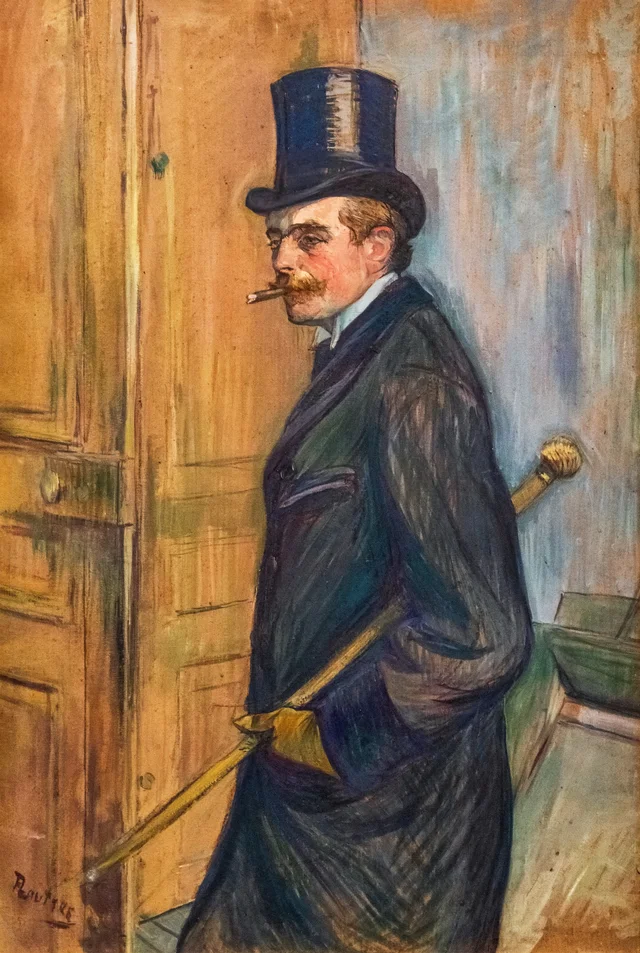 Monsieur Louis PascalHenri de Toulouse-Lautrec, 1893
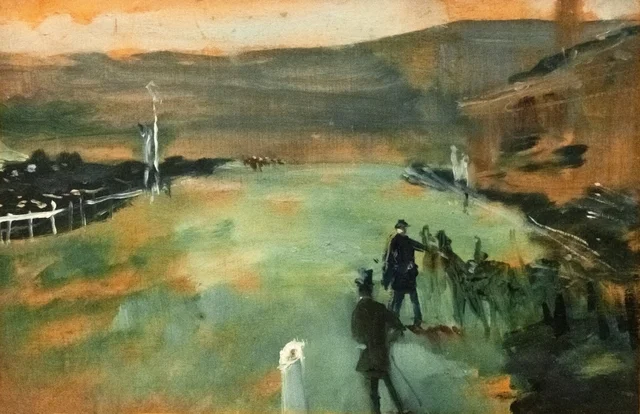 RacecourseHenri de Toulouse-Lautrec, 1881
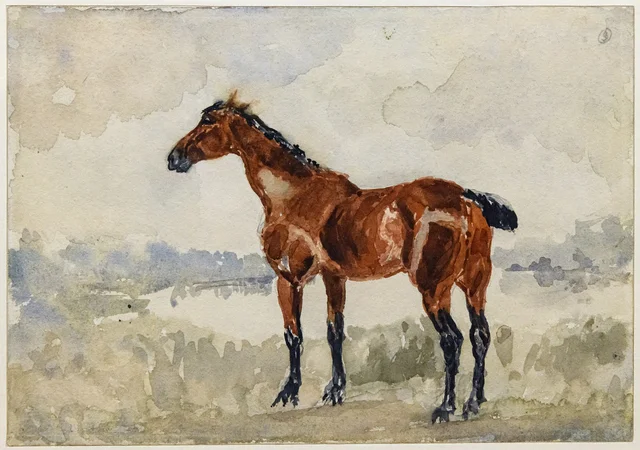 Red horseHenri de Toulouse-Lautrec, 1873
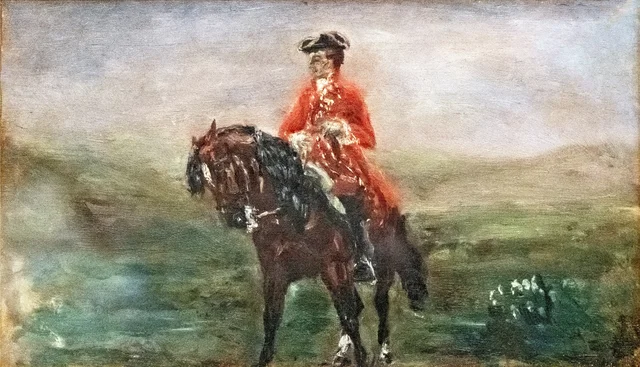 Rider in 18th century costumeHenri de Toulouse-Lautrec, 1880