The story
In January 1920 the province of Badajoz opened a fine arts museum in three rooms on the ground floor of its provincial council palace, with 58 works on the walls. The first director was Adelardo Covarsí, a Badajoz painter best known for hunting scenes, and over three decades he built the collection up through purchases, loans and gifts.
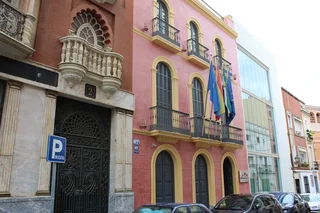
Today the museum fills two neighbouring 19th-century mansions in the old quarter, joined into one. The first opened on Meléndez Valdés street in 1981, and the second, entered from Duque de San Germán street, followed in 1997 with a grand imperial staircase. Some 1,400 paintings, sculptures, drawings and prints are held here, and the province calls it the most complete art collection in Extremadura.
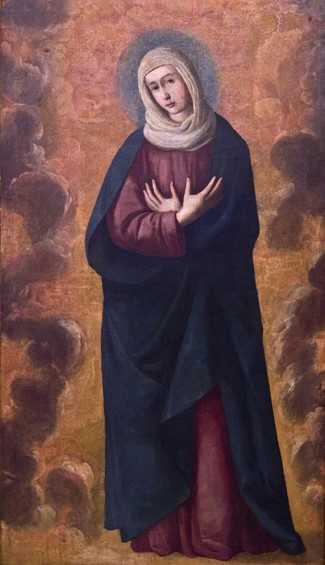
The older rooms hold Luis de Morales, the 16th-century painter of devout Madonnas who lived and worked in Badajoz, and Francisco de Zurbarán, born in the province, represented by an early Virgin standing among clouds. Further on the story turns local and modern, with the village girls of Eugenio Hermoso, the quiet landscapes of Godofredo Ortega Muñoz and the hard, distorted figures of Juan Barjola, all three from the province of Badajoz.