The story
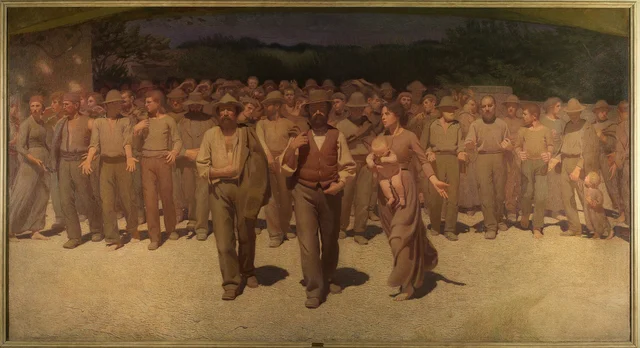
At the start of the spiral ramp inside Milan's Museo del Novecento, the first painting visitors meet is a crowd of country labourers walking straight toward them. The Fourth Estate, Giuseppe Pellizza da Volpedo's huge canvas of striking workers, was finished in 1901 after about ten years of work, and in 1920 the city of Milan bought it through a public subscription. It has a room of its own at the beginning of the route.
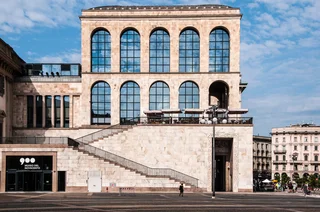
The building has a past of its own. The Arengario, the pair of pale stone pavilions on the edge of Piazza del Duomo, was designed in the late 1930s under the Fascist regime, its name taken from the arengo, the old word for a place of public assembly. War left it unfinished. The architects Italo Rota and Fabio Fornasari turned it into a museum of 20th-century Italian art, which opened in December 2010.
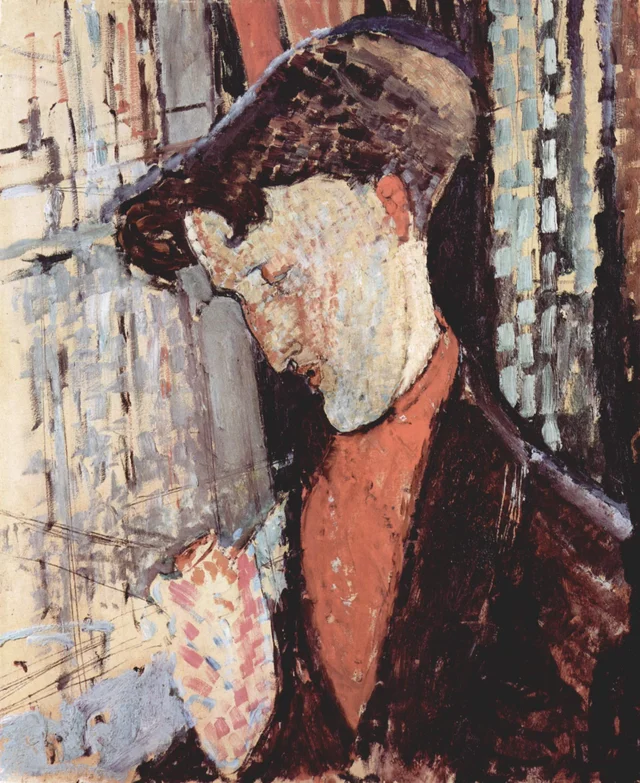
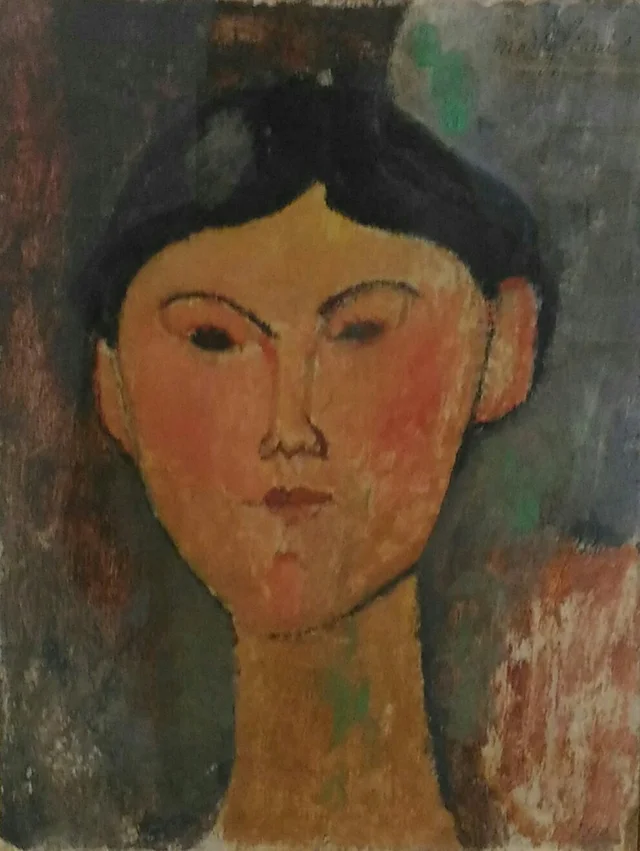
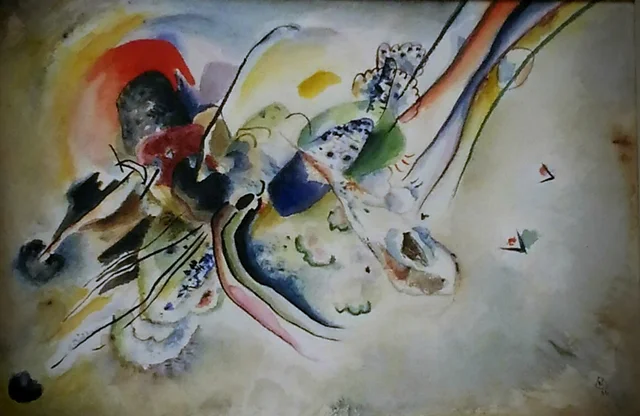
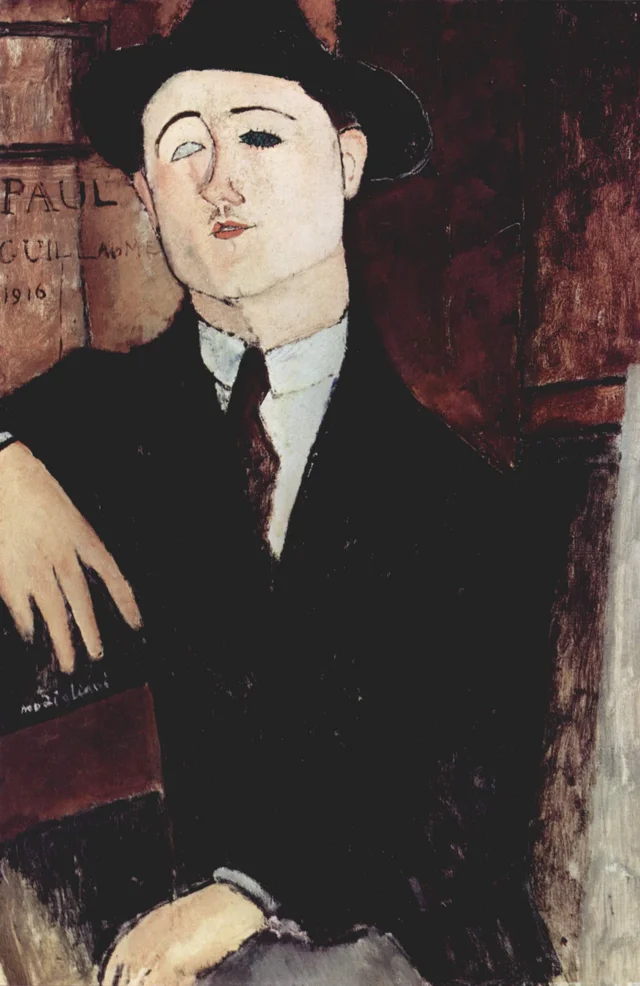
From the ramp the route climbs through the century. Rooms of Futurism hold paintings and sculpture by Umberto Boccioni, and later rooms bring Giorgio de Chirico and Giorgio Morandi. The collection also reaches beyond Italy, much of it from the collection of the Milanese industrialist Riccardo Jucker, which passed to the city, with Amedeo Modigliani's seated portrait of the art dealer Paul Guillaume from 1916 and works by Paul Klee and Wassily Kandinsky.
Near the top, a version of the looping white neon that Lucio Fontana first hung above a staircase at the Milan Triennale in 1951 glows behind a tall window facing the cathedral, and after dark it can be seen from the square below.