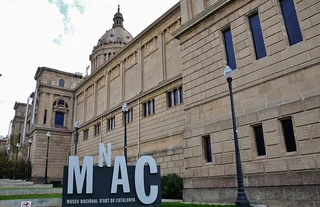
The story
In the 1920s a team of restorers climbed into remote churches high in the Catalan Pyrenees and peeled the medieval frescoes off their walls. The paintings were being sold abroad piece by piece, and lifting them whole and bringing them to Barcelona was how Catalonia chose to keep them. Reassembled on curved mounts shaped like the original apses, they form the finest collection of Romanesque wall painting anywhere.
The one everyone comes to see is the Christ in Majesty from Sant Climent de Taüll, painted around 1123, a stern wide-eyed figure inside an almond of light that later Catalan artists, Miró among them, treated almost as a national emblem.
All of it fills the Palau Nacional, the vast domed palace thrown up on the hill of Montjuïc for the 1929 International Exposition, on a scale better suited to a coronation than a gallery. Past the Romanesque halls the collection carries on through Gothic altarpieces, a Velázquez and a Zurbarán, and a whole floor of Catalan Modernisme by the contemporaries of Gaudí.
Collection
33 works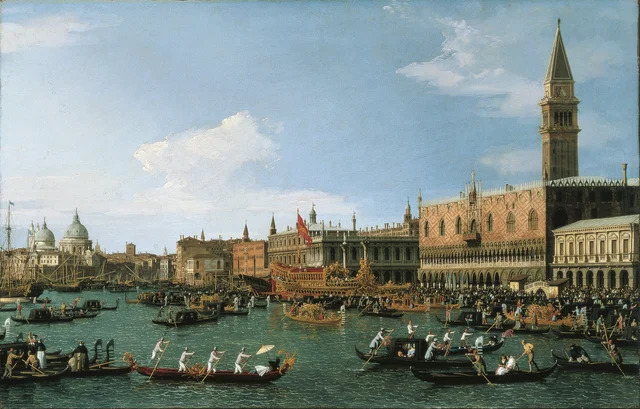 The BucintoroCanaletto, 1745
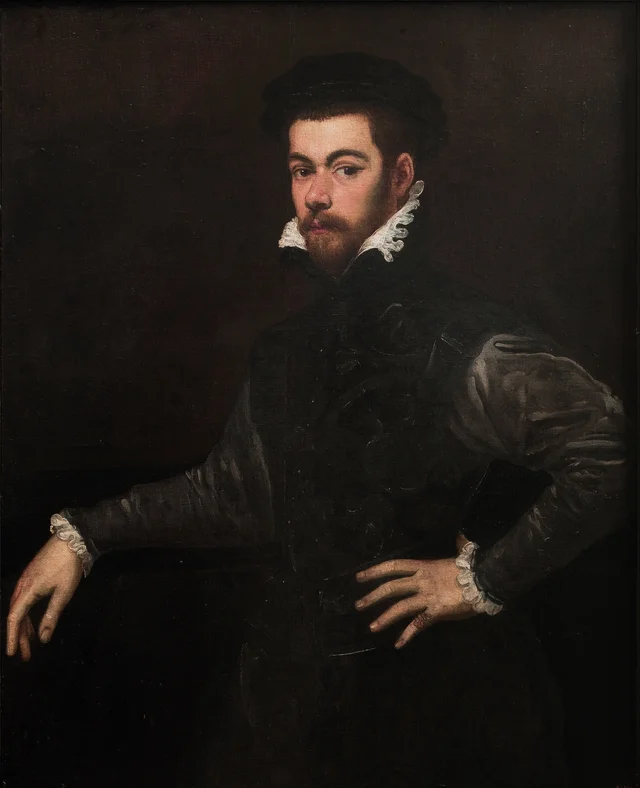 Portrait of a GentlemanJacopo Tintoretto, 1554
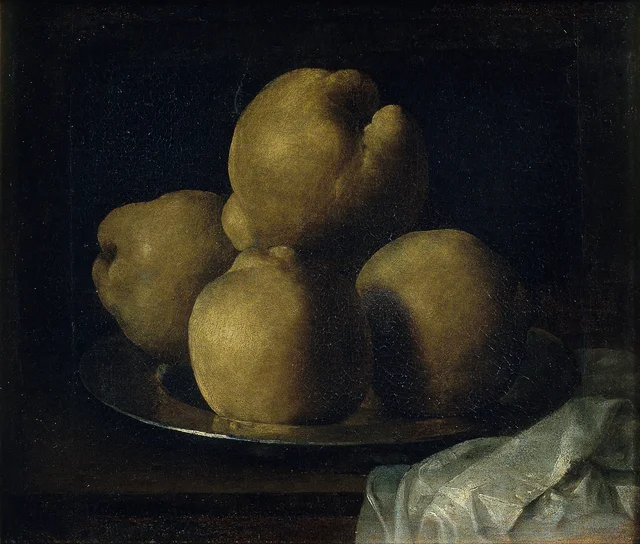 Still Life with Dish of QuinceFrancisco de Zurbarán, 1633
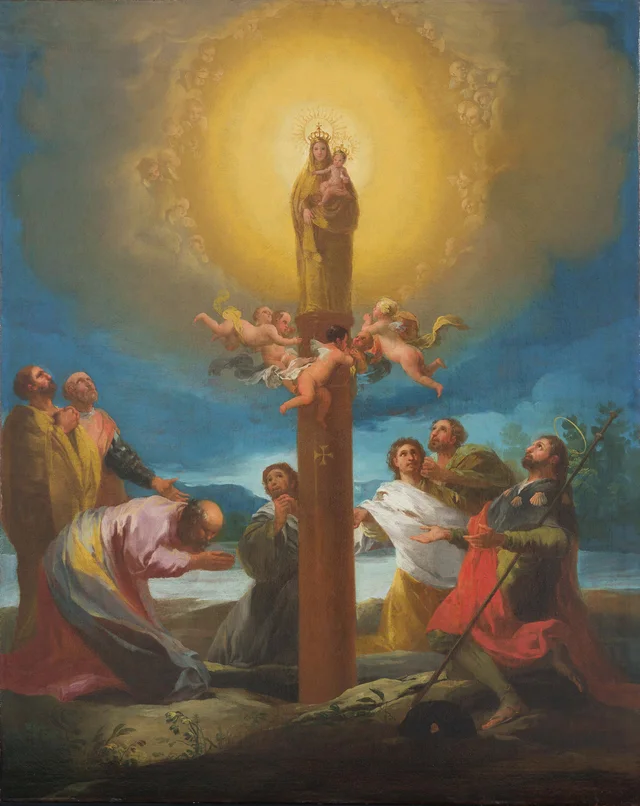 Apparition of the Virgin of the PilarFrancisco Goya, 1775
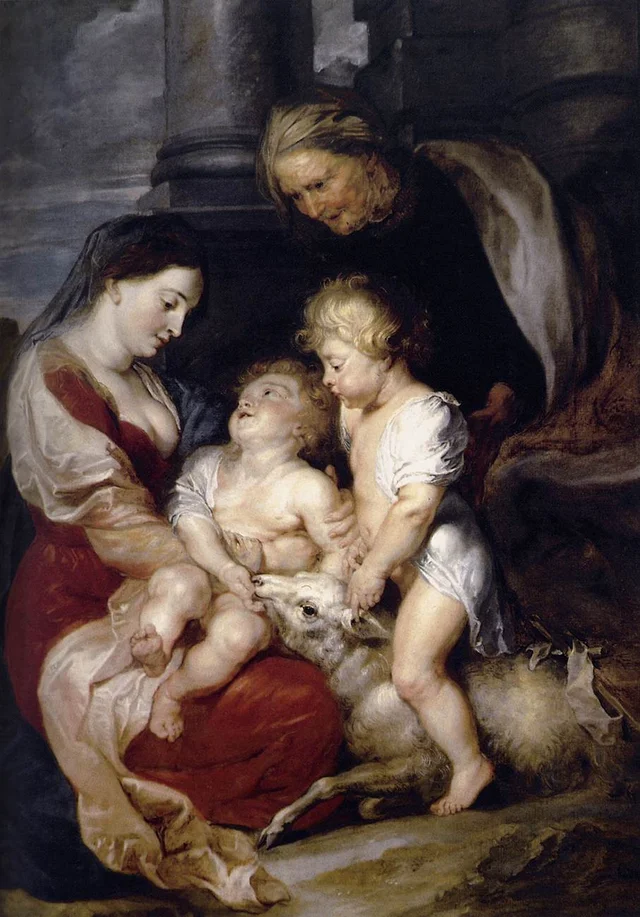 Madonna and Child with Saint Elizabeth and the Young Saint JohnPeter Paul Rubens, 1618
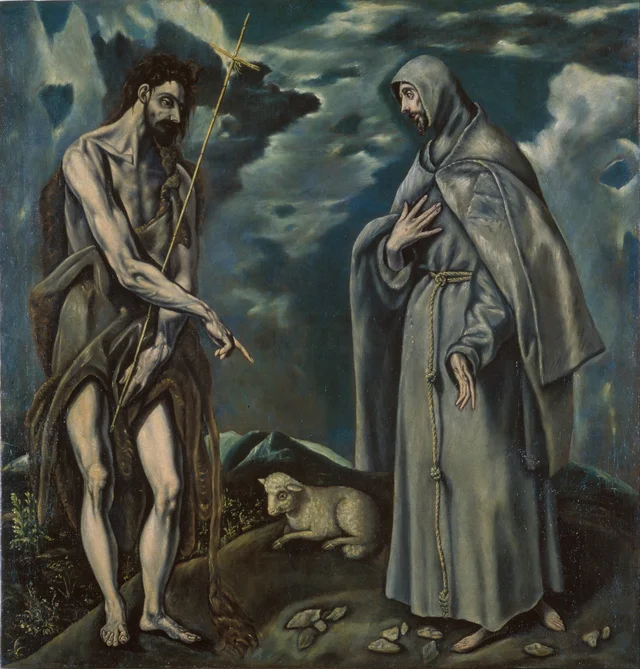 Saint John the Baptist and Saint Francis of AssisiEl Greco, 1600
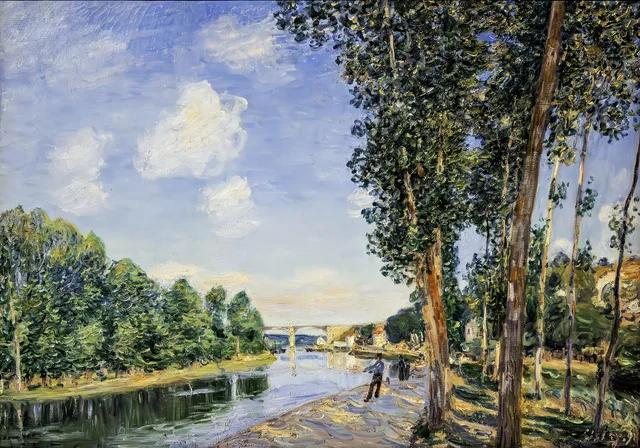 Saint-Mammès. June SunshineAlfred Sisley, 1892
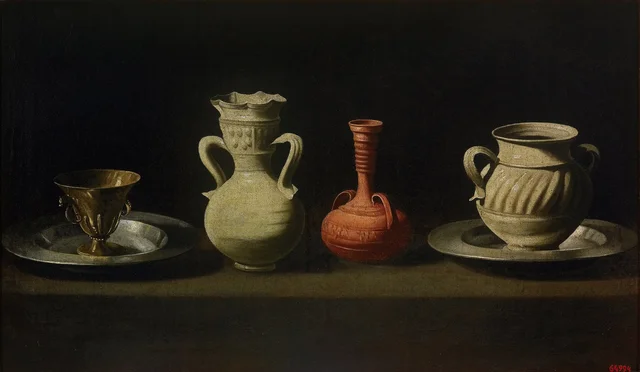 Still Life with Four VesselsFrancisco de Zurbarán, 1635