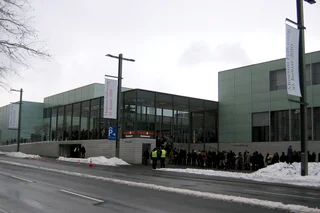
The story
Museum Folkwang started as one man's bet that a grimy industrial city deserved the newest art in Europe. Karl Ernst Osthaus, a banker's heir, opened it in Hagen in 1902 and made it the first public collection in Germany to buy Cézanne, Gauguin, van Gogh and Matisse while they were still current and comparatively cheap. After Osthaus died the collection was bought by the city of Essen in 1922 and given the Folkwang name.
For a few decades it was among the great museums of modern art anywhere. Then in 1937 the Nazis stripped it, taking more than 1,400 works away as so-called degenerate art and selling them abroad, which made Folkwang one of the most heavily plundered museums in the country.
Much was rebought or replaced after the war, and today the collection sits in a cool glass building by David Chipperfield from 2010, still strongest in French and German painting from Caspar David Friedrich to the Expressionists.
Collection
19 works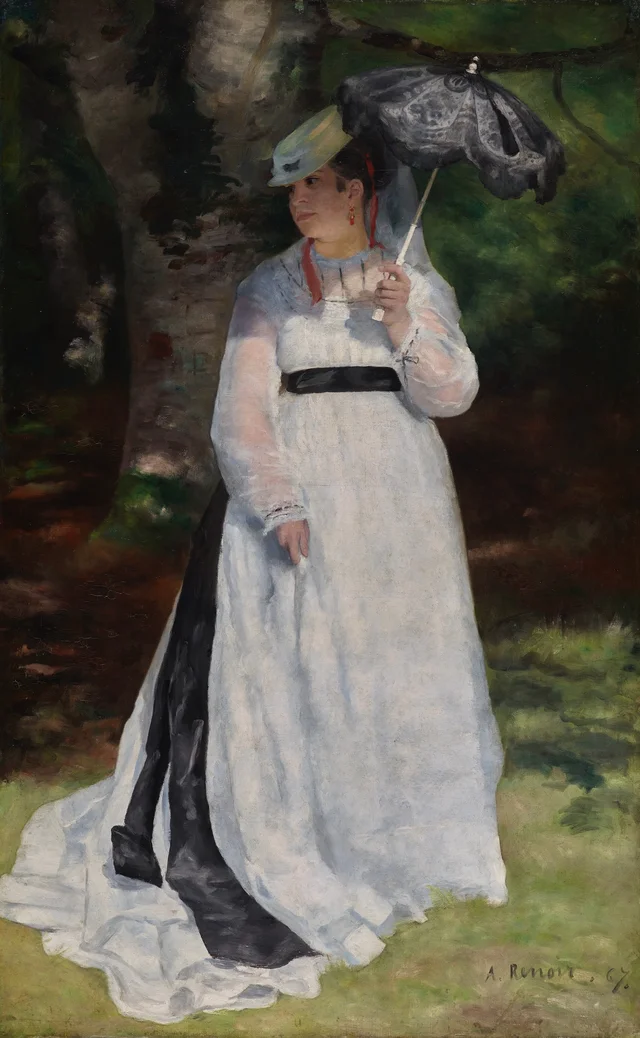 Lise with a ParasolPierre-Auguste Renoir, 1867
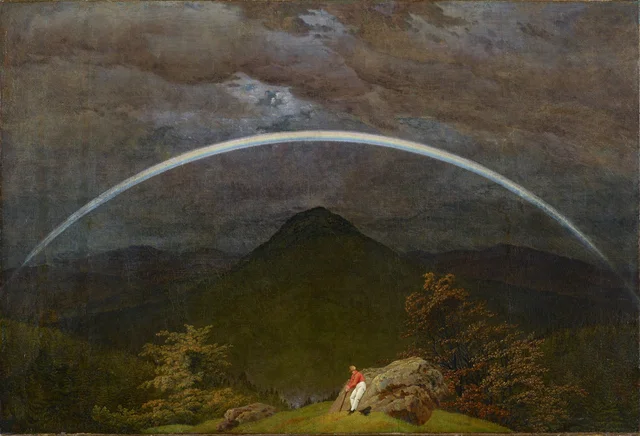 Mountain Landscape with RainbowCaspar David Friedrich, 1809
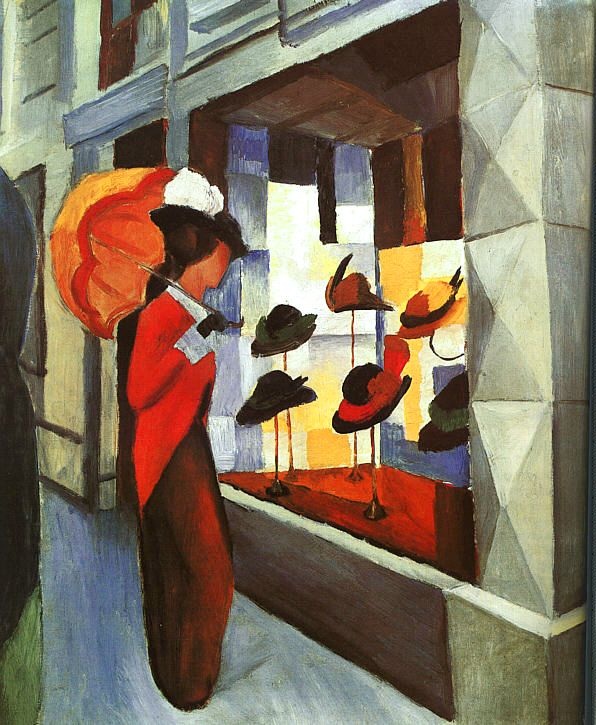 Mode: Woman with Parasol in front of Milliner's ShopAugust Macke, 1914
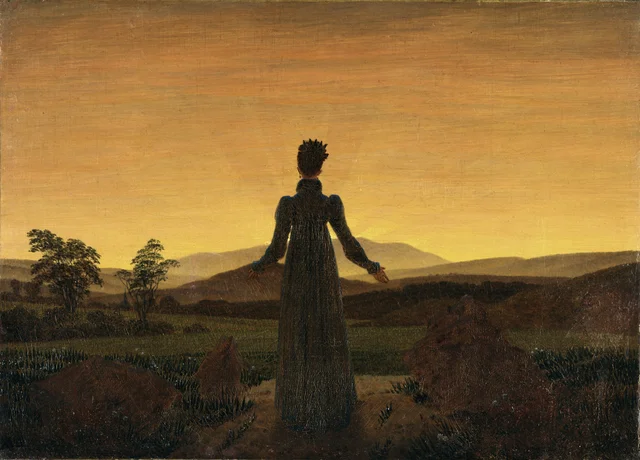 Woman in Front of the Setting SunCaspar David Friedrich, 1818
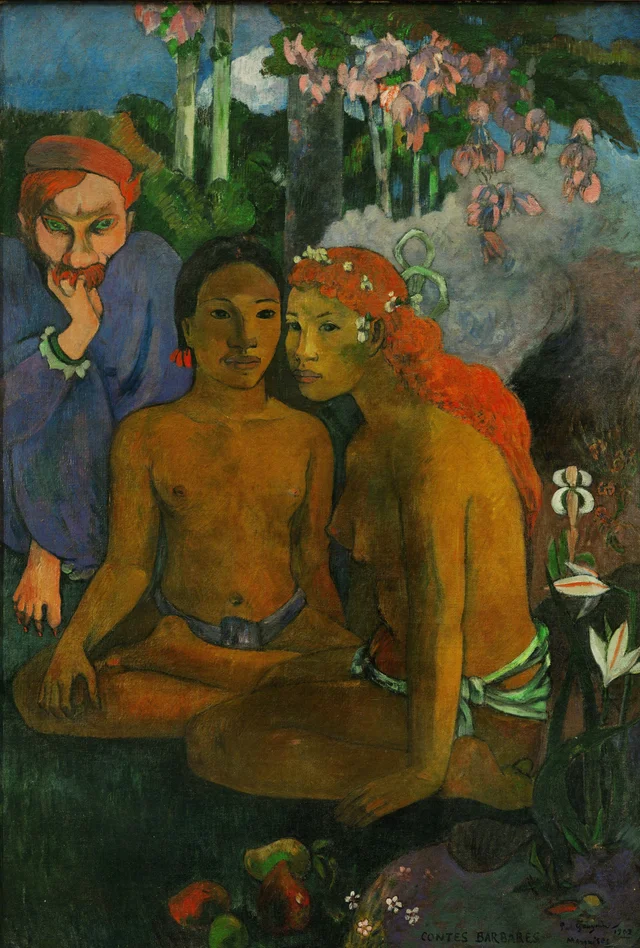 Barbarian TalesPaul Gauguin, 1902
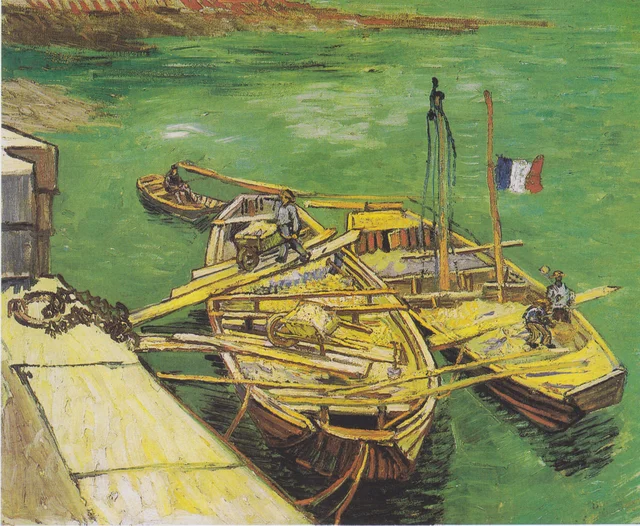 Quay with men unloading sand bargesVincent van Gogh, 1888
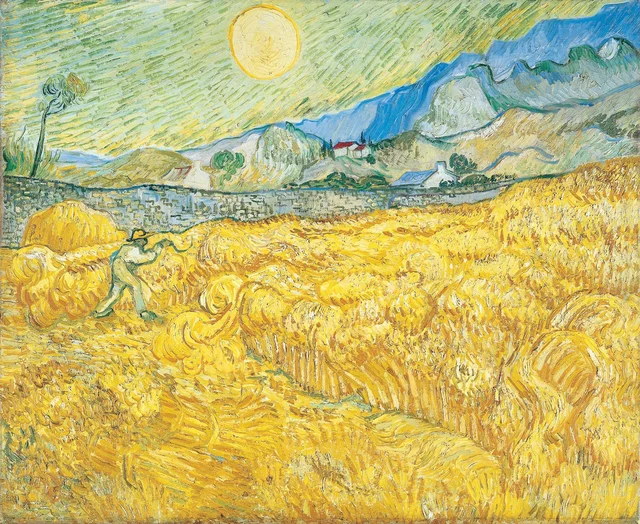 The Wheatfield behind Saint Paul's Hospital with a ReaperVincent van Gogh, 1889
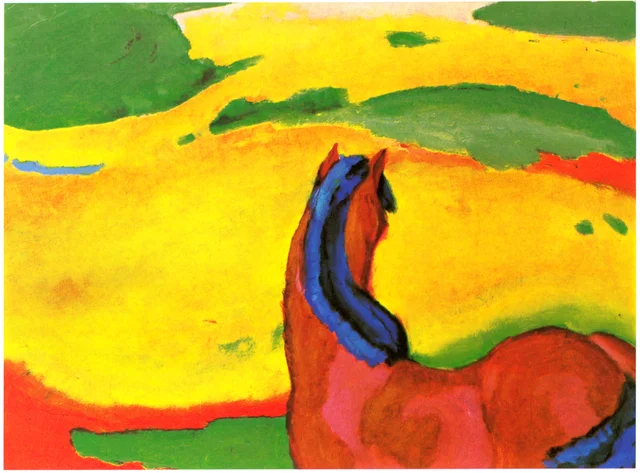 Horse in a LandscapeFranz Marc, 1910
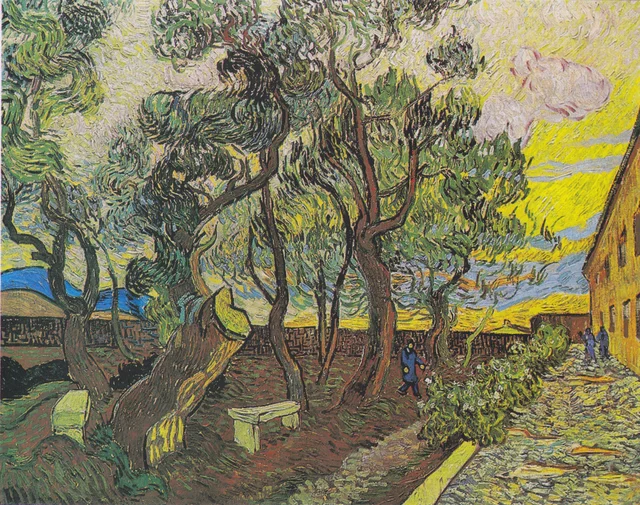 The garden of St. Paul's HospitalVincent van Gogh, 1889
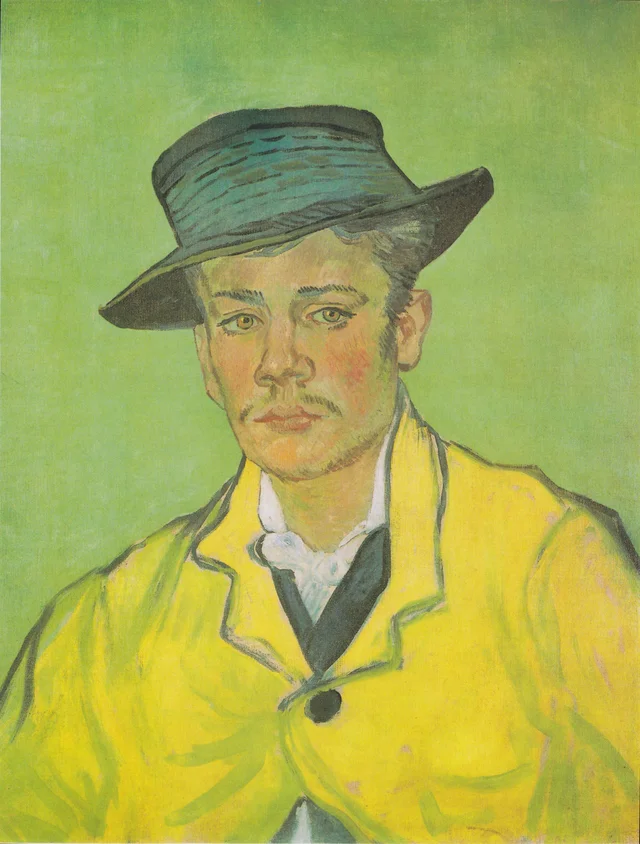 Portrait of Armand RoulinVincent van Gogh, 1888
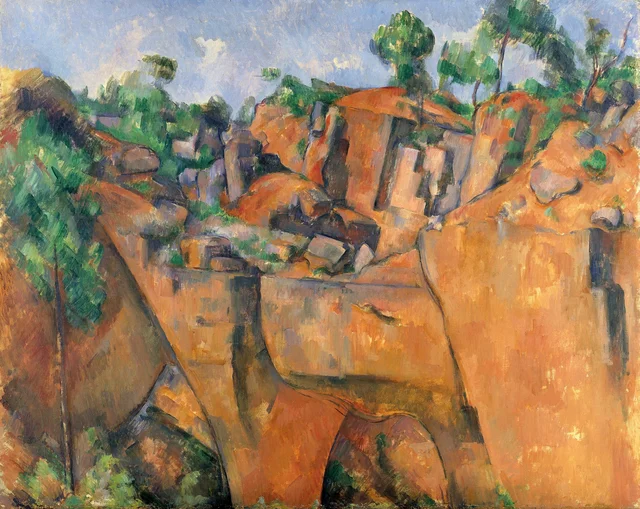 La Carrière de BibémusPaul Cézanne, 1895
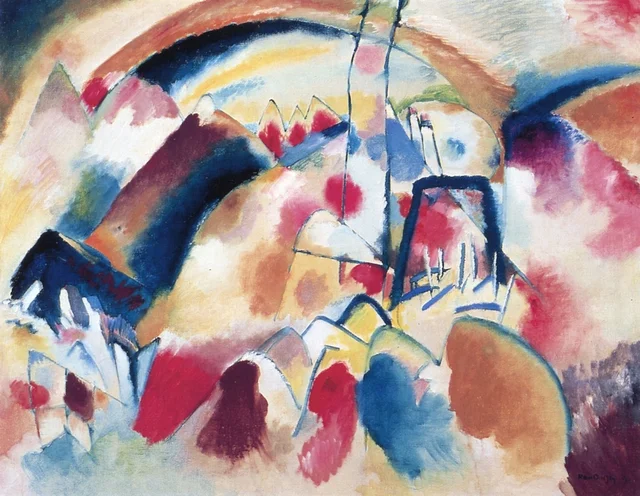 Landscape with Red SpotsWassily Kandinsky, 1913
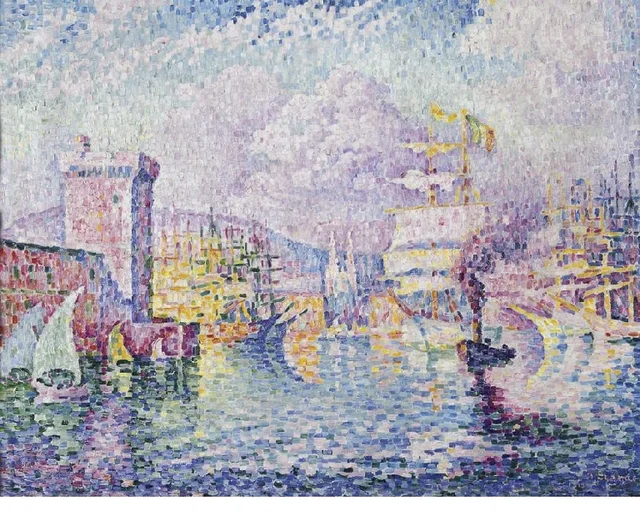 Marseille, The pink towerPaul Signac, 1913
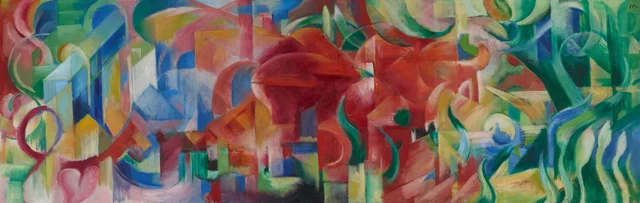 Playing FormsFranz Marc, 1914
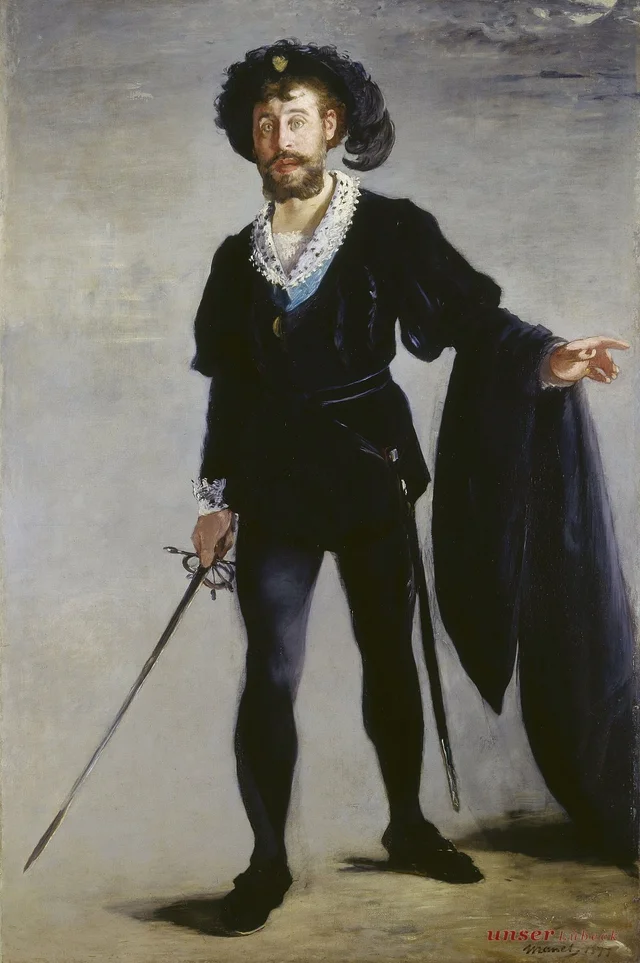 Portrait of Faure as HamletÉdouard Manet, 1877
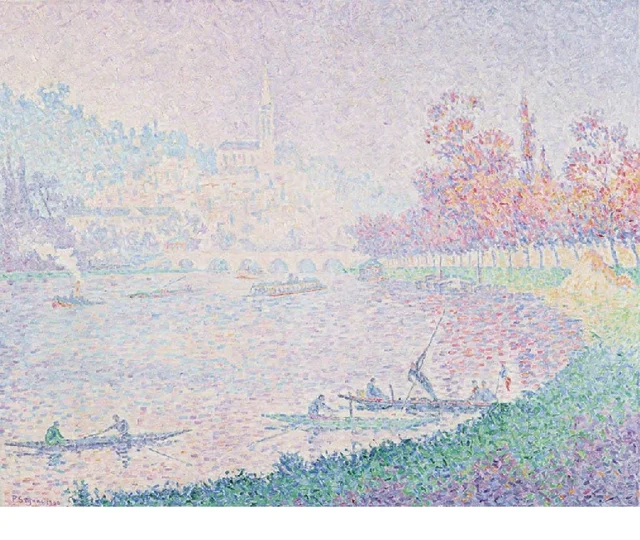 Seine near Saint-CloudPaul Signac, 1900
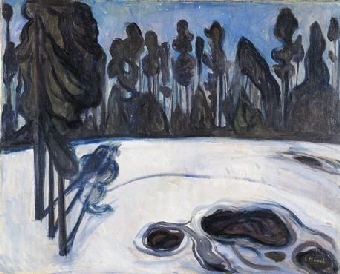 Starry NightEdvard Munch, 1900
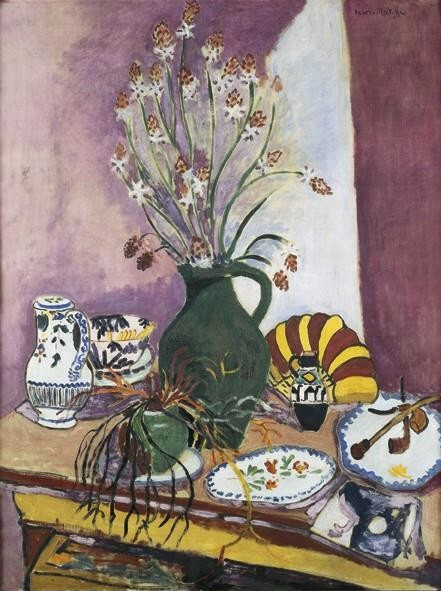 Still Life with AsphodelsHenri Matisse, 1907
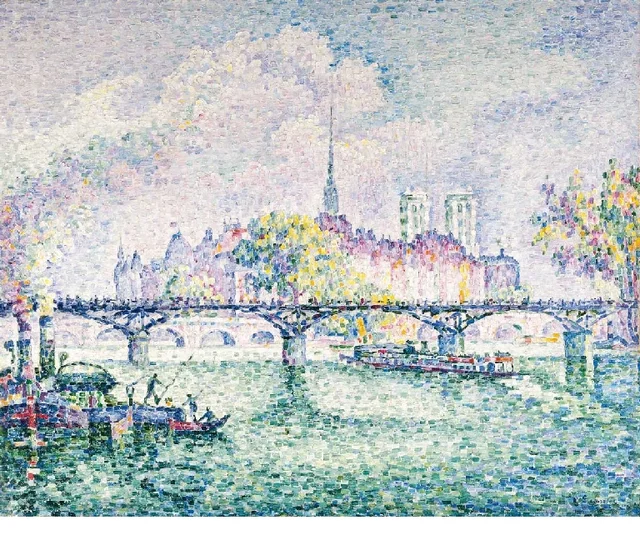 The Bridge of ArtsPaul Signac, 1912