The story
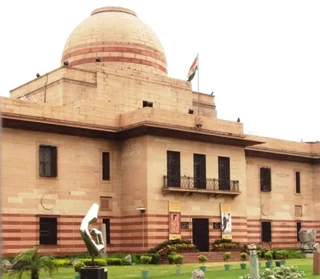
The gallery of India's modern art lives inside a palace. Jaipur House was built in 1938 as the New Delhi residence of the Maharaja of Jaipur, a butterfly-shaped building in red and buff sandstone with a shallow dome, one of a ring of princely houses set around the India Gate lawns.
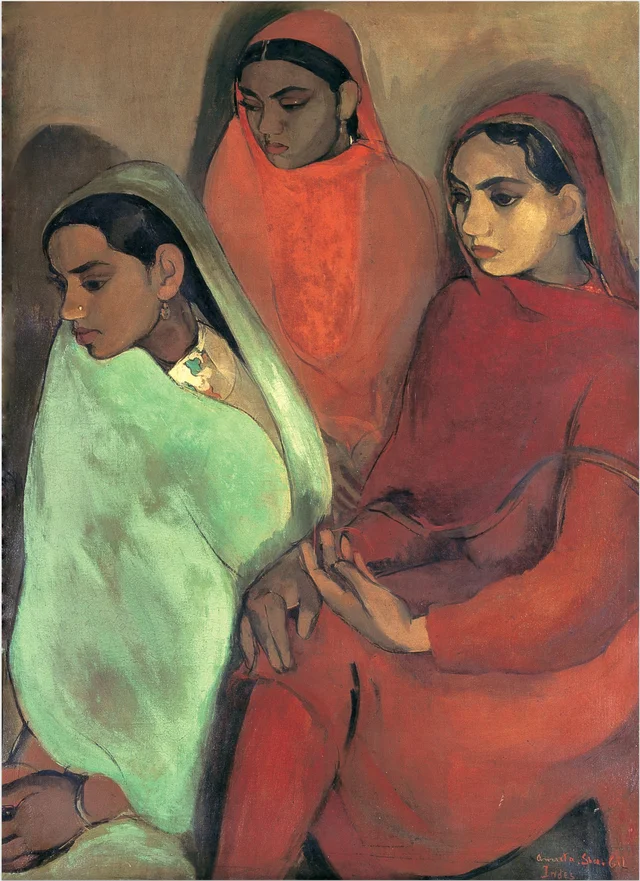
When it opened as the National Gallery of Modern Art in 1954, it became the main home of Indian art from the past two centuries. Its greatest treasure is its holding of Amrita Sher-Gil, the Hungarian-Indian painter who fused European training with the villages of India before her death at 28. The museum holds the largest single group of her work, classed as national art treasures that cannot leave the country.
Alongside her hang the luminous mythological scenes of Raja Ravi Varma, the paintings of the poet Rabindranath Tagore, and the sculpture and photography of a collection that has grown past 17,000 works, still shown in the curved wings of a maharaja's former home.