The story
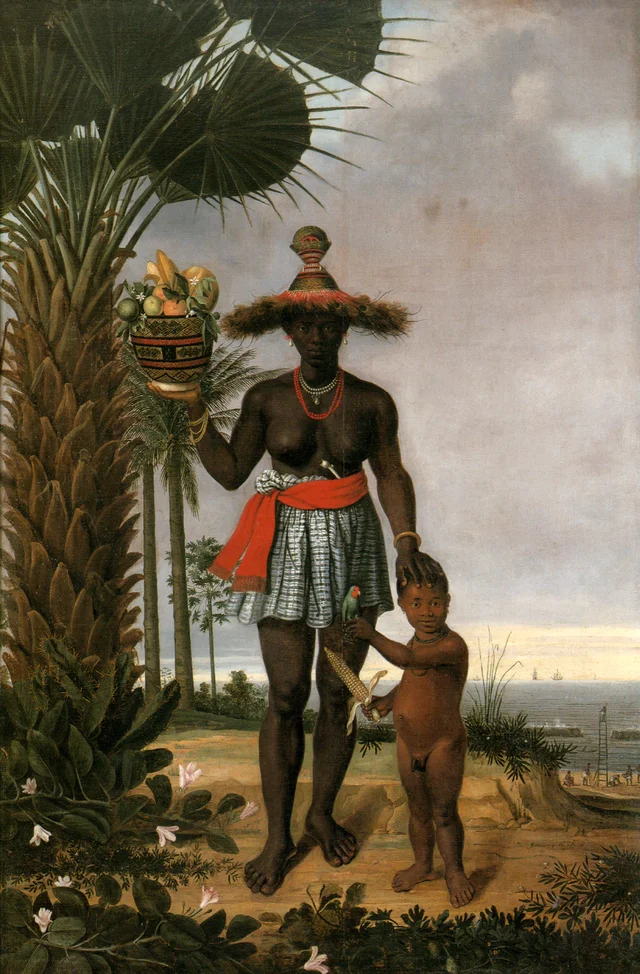
Eight life-size figures painted in Dutch Brazil in the early 1640s are among the most unexpected things in the National Museum of Denmark. Albert Eckhout, a Dutch painter, made them for Johan Maurits of Nassau-Siegen, governor of the Dutch colony in north-eastern Brazil, who wanted its people, plants and animals recorded. In 1654, the year the Dutch lost Brazil, Johan Maurits gave the paintings to King Frederik the Third of Denmark, and they entered the royal Kunstkammer, the king's cabinet of curiosities.
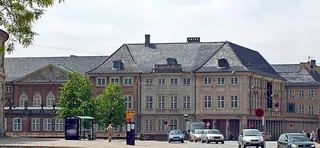
That cabinet, begun around 1650, is one root of the museum. The other is a royal commission set up in 1807 to protect Denmark's antiquities. Its finds were arranged into ages of stone, bronze and iron by Christian Jürgensen Thomsen, who led the museum for decades in the 19th century. Today the collections fill the Prince's Mansion, a former royal residence in central Copenhagen.
Eckhout's figures, among them a Tupi woman carrying a child, now belong to the museum's ethnographic collections. Denmark's own prehistory is in the same building. There is the Trundholm Sun Chariot, a bronze horse drawing a disc gilded on one side, the silver Gundestrup Cauldron from around the 1st century BC, and the oak coffin of the Egtved Girl, a young woman buried in the Bronze Age whose clothes survived with her.