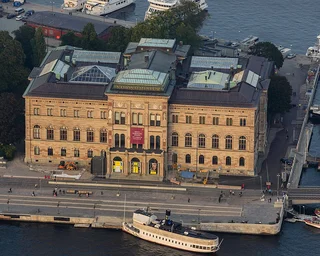
The story
Climb the main staircase and two vast murals face each other across the hall. On one wall the Swedish painter Carl Larsson shows King Gustav Vasa riding into Stockholm in 1523, at the founding of an independent Sweden. On the wall opposite hangs Midvinterblot, Larsson's dark scene of a legendary Norse king given up in sacrifice to end a famine. He finished it in 1915, the museum rejected it as too grim, and for more than 80 years it hung elsewhere. Only in 1997 did the Nationalmuseum buy it and place it where Larsson had always meant it to go.
The building was raised for the nation's art by the German architect Friedrich August Stüler and opened in 1866, a Renaissance-style palace on the Blasieholmen waterfront facing the royal residence across the water. After years of restoration it reopened in 2018 with its original colours and daylight brought back.
Inside runs the sweep of Swedish art, from Larsson's sunlit family interiors to Anders Zorn's portraits and open-air bathers, hung beside older European masters including Rembrandt. The Nationalmuseum also keeps one of Sweden's great design collections, running from 18th-century silver and Gustavian furniture to modern glass and ceramics.
Collection
66 works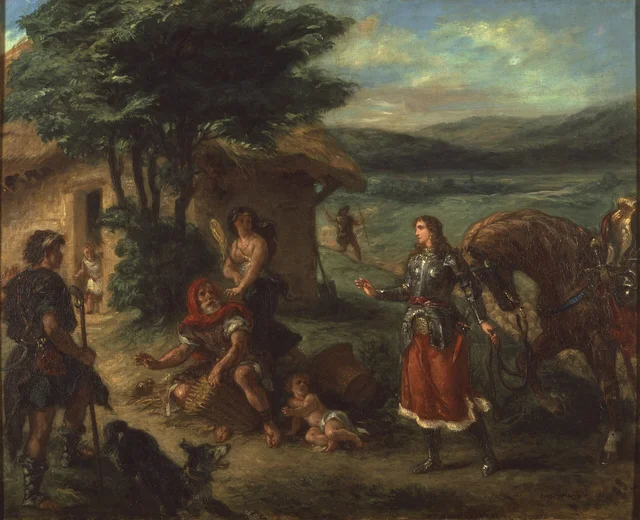 Erminia and the ShepherdsEugène Delacroix, 1859
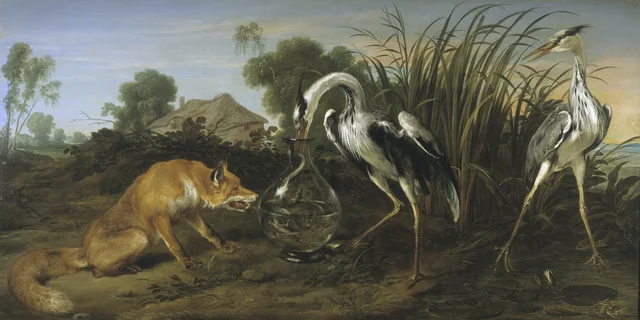 Fable of the Fox and the HeronFrans Snyders, 1657
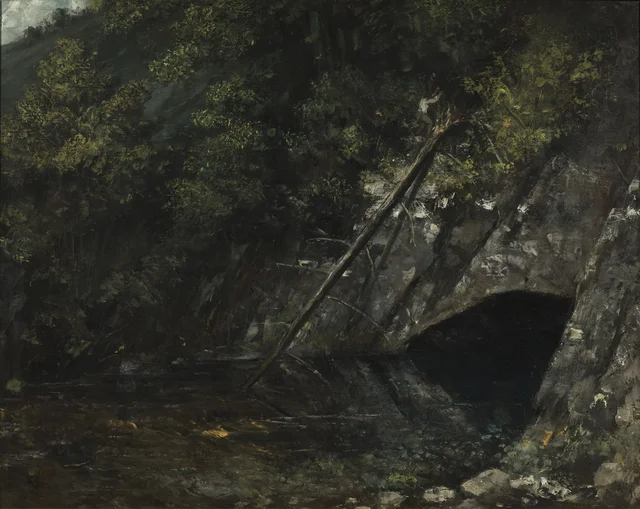 Landscape from La Source BleueGustave Courbet, 1872
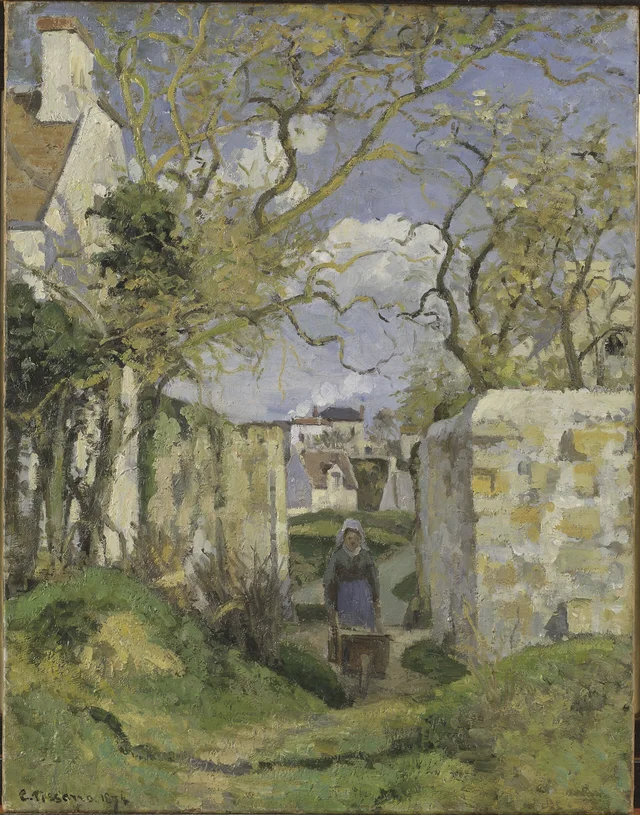 Landscape from PontoiseCamille Pissarro, 1874
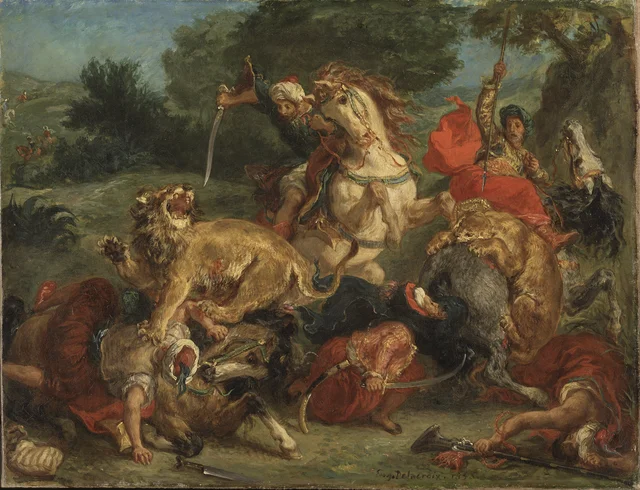 Lion HuntEugène Delacroix, 1855
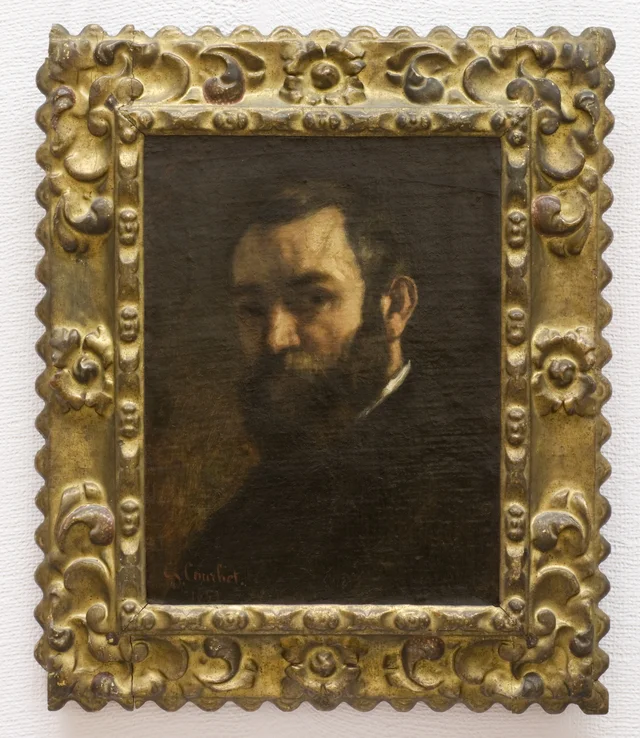 Portrait of a ManGustave Courbet, 1851
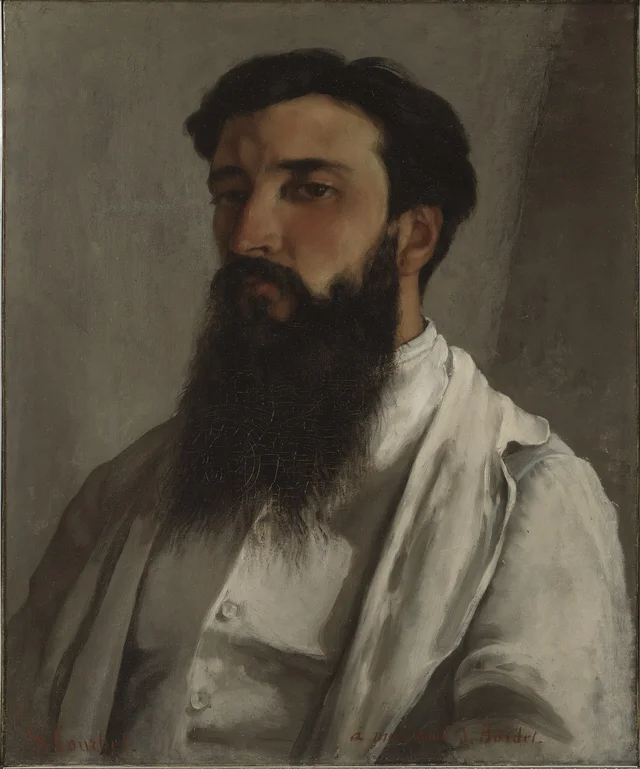 Portrait of Jules BordetGustave Courbet, 1870
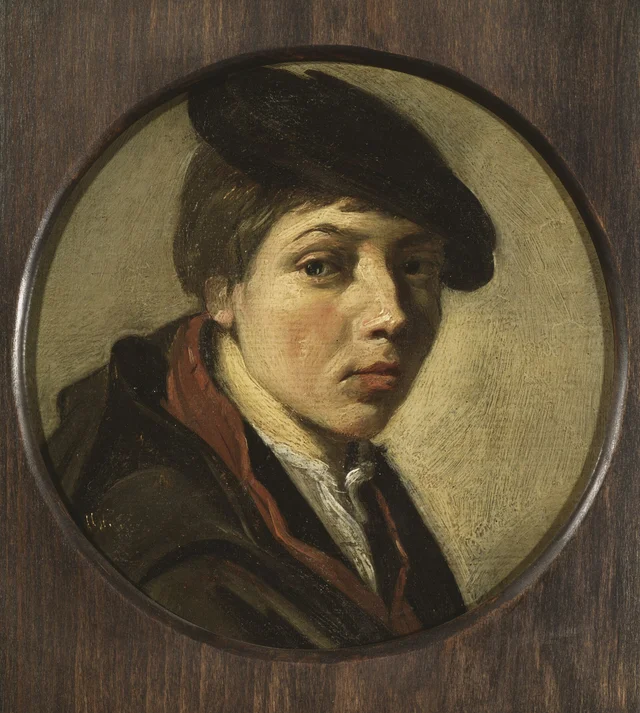 Round portrait of a boy with beretJudith Leyster, 1632
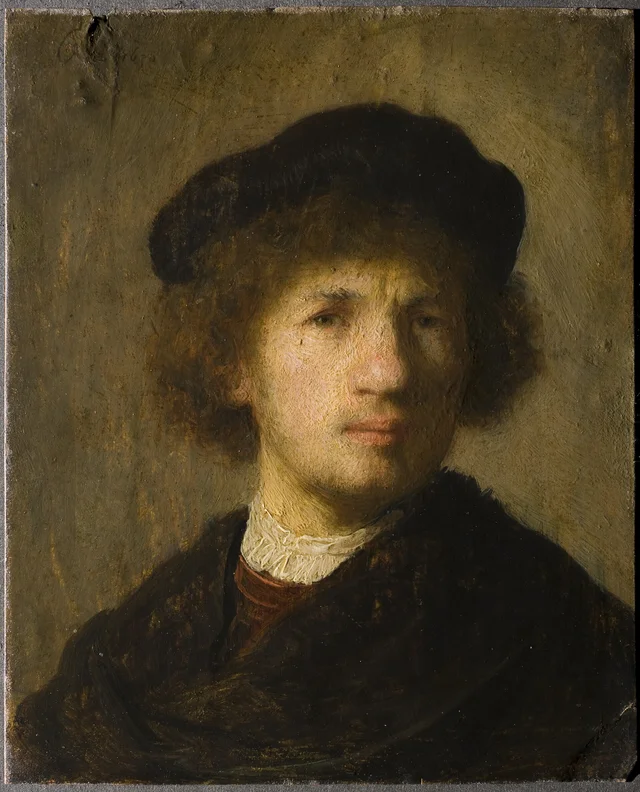 Self-portraitRembrandt, 1630
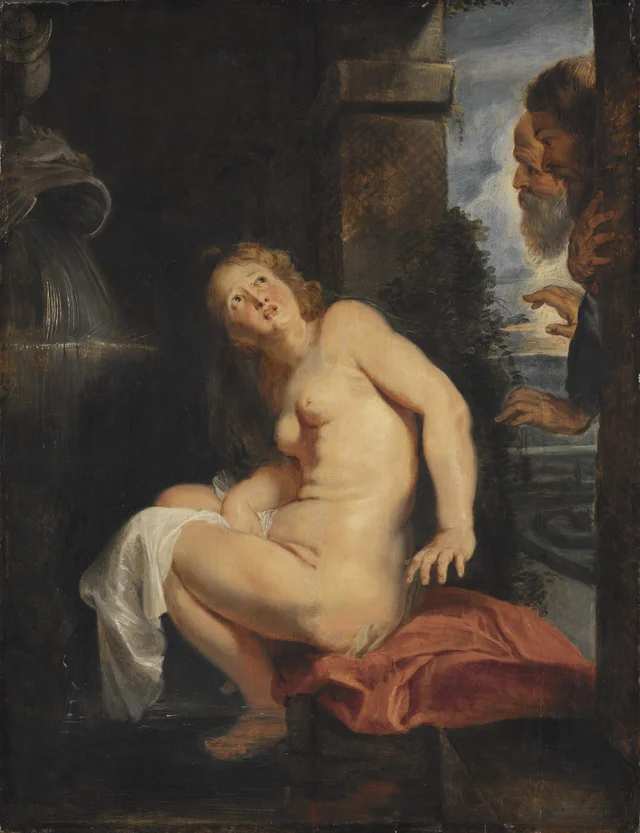 Susanna and the EldersPeter Paul Rubens, 1614
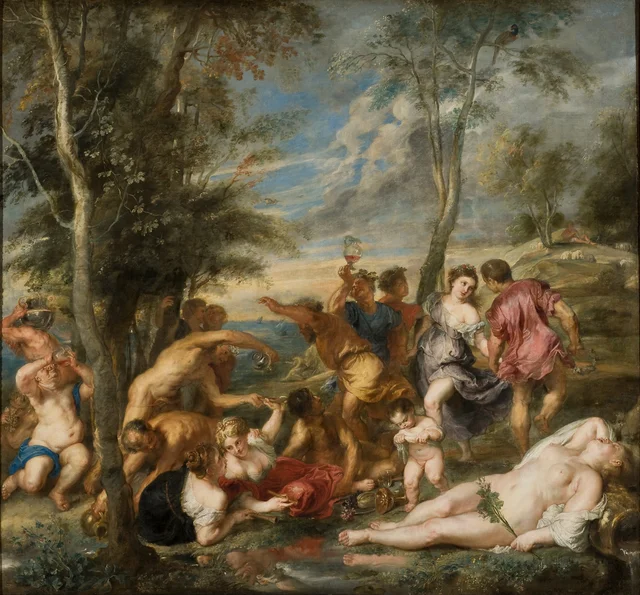 The AndriansPeter Paul Rubens, 1635
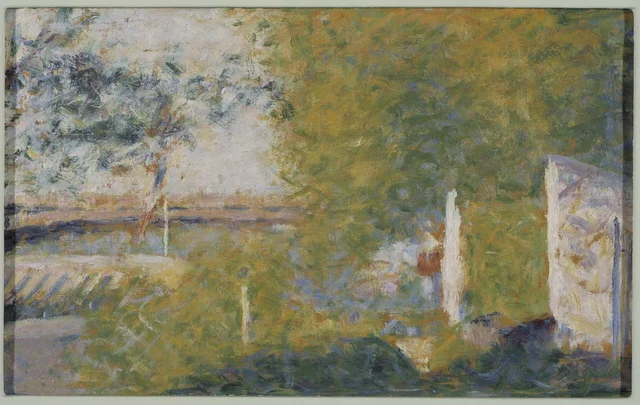 The Bridge at BineauGeorges Seurat, 1884
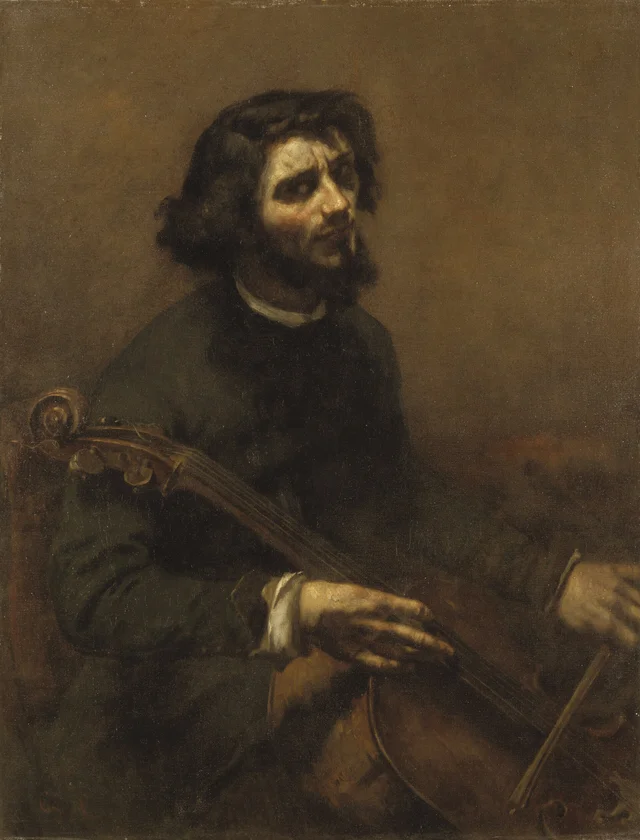 The Cellist (Self-portrait)Gustave Courbet, 1847
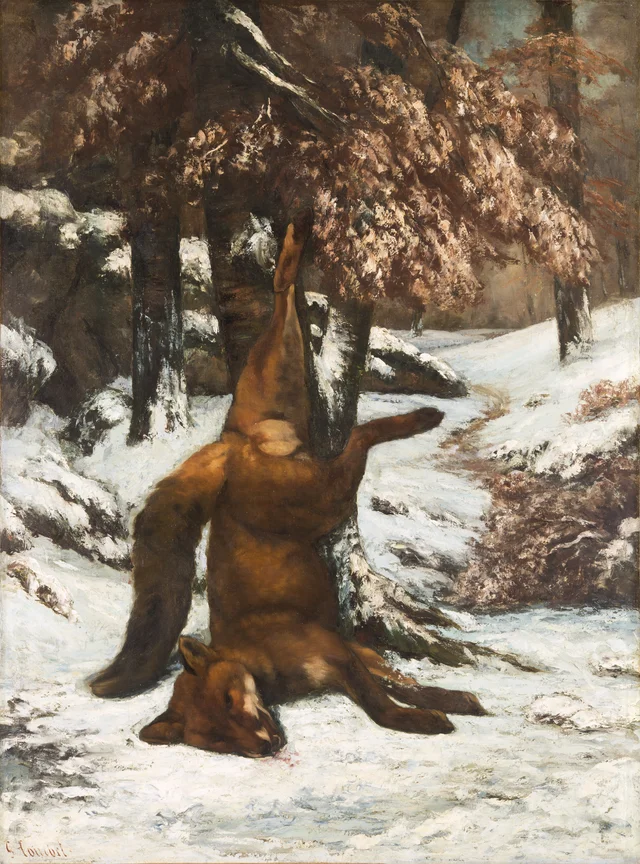 The Dead FoxGustave Courbet, 1864
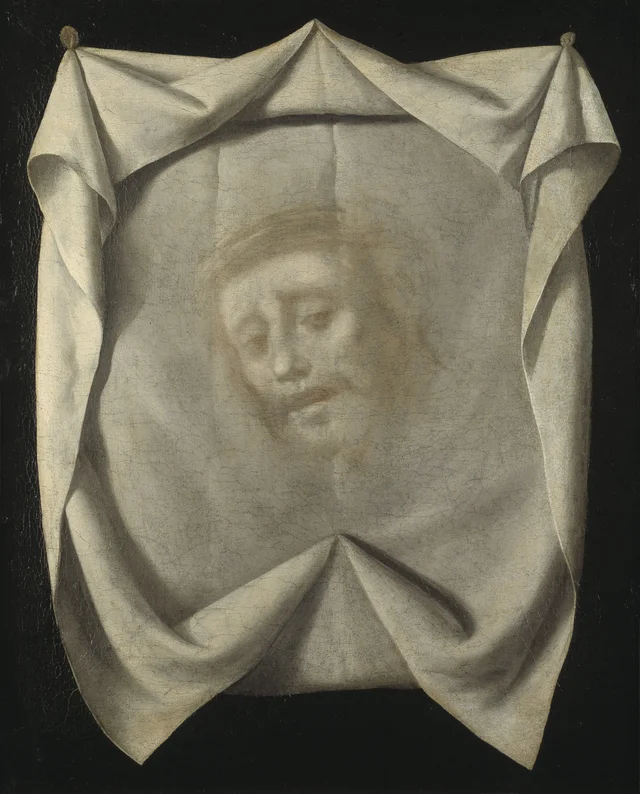 The Veil of Saint Veronica, The Holy FaceFrancisco de Zurbarán, 1635
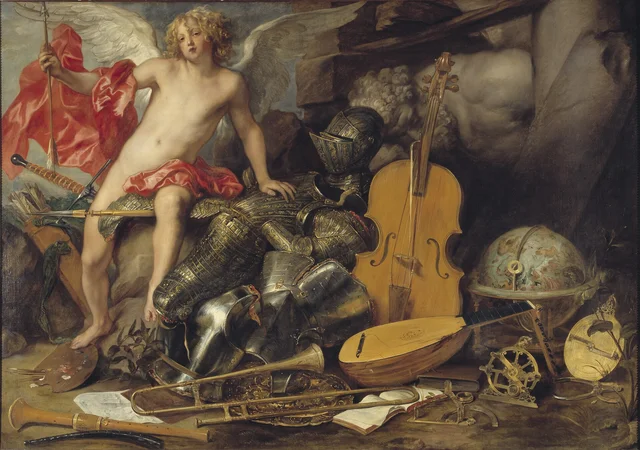 Triumphant Cupid among Emblems of Art and WarThomas Willeboirts Bosschaert, 1645