The story
Above the main door of Bologna's town hall, on Piazza Maggiore, sits a bronze pope. He is Gregory XIII, a Bolognese by birth, cast by the sculptor Alessandro Menganti in 1580. When Napoleon's troops arrived in 1796, the statue was marked for melting as a symbol of papal rule. The Bolognese gave him a bishop's mitre and crosier, changed the inscription, and presented him as Saint Petronius, the city's patron.
Palazzo d'Accursio is still, first of all, the seat of the city government. Its core was the house of Accursius, a 13th-century jurist of the university, and over the centuries it absorbed the neighbouring buildings, becoming the palace of the commune and later of the cardinal legates who governed Bologna for the popes.
Upstairs, the legates' former winter apartment has held the city's art collections since 1936. It works as a furnished museum, with paintings from the Middle Ages to the 20th century hung among period furniture, porcelain and textiles. The Sala Urbana, painted in 1630, is covered with 188 coats of arms.
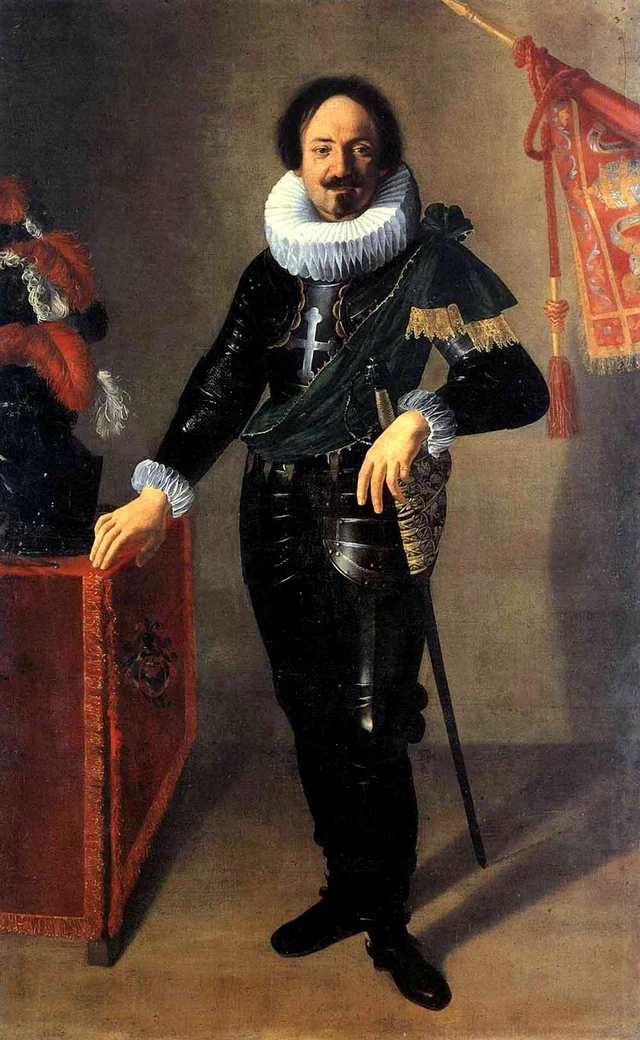
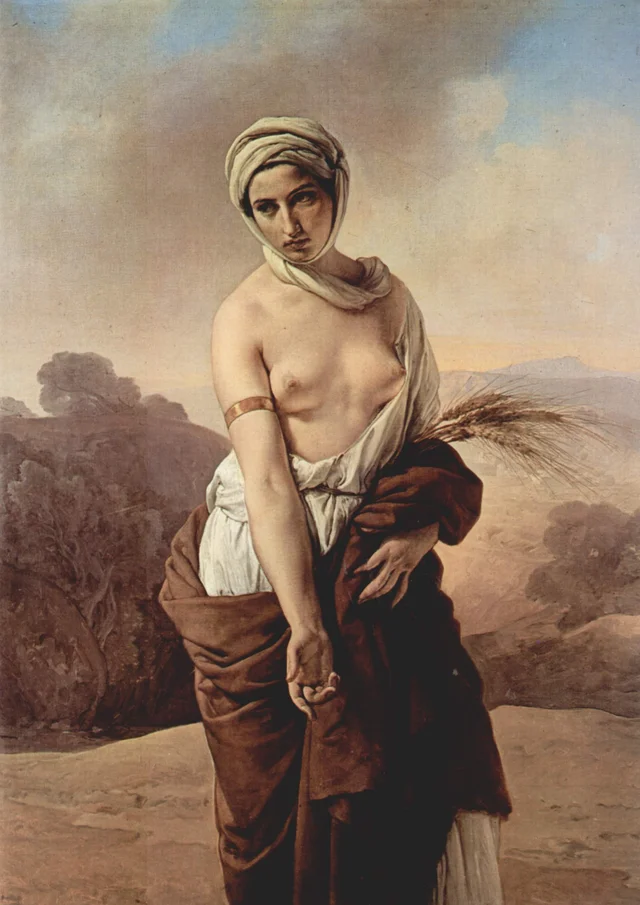
Two pictures draw most visitors. Artemisia Gentileschi's portrait of a gonfaloniere, one of Bologna's civic magistrates, is dated 1622 and is one of her few surviving portraits. Francesco Hayez, the Milanese Romantic painter, made his Ruth in 1835, giving the biblical gleaner a sensual beauty edged with melancholy.