Palazzo Pallavicini-Rospigliosi
Rome, Italy
The story
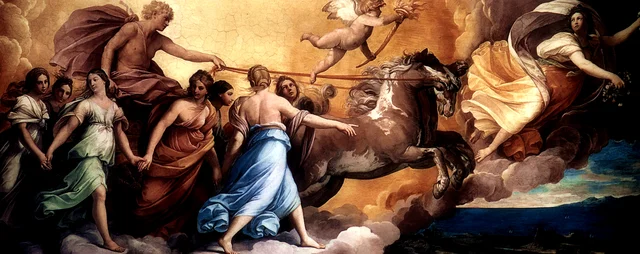
On the first day of most months, a garden pavilion on Rome's Quirinal hill opens its doors for a few hours, and visitors tip their heads back to see Aurora. Guido Reni, the Bolognese painter, frescoed it on the ceiling in 1614. Apollo drives the chariot of the sun across the sky, circled by the dancing Hours, while Aurora, goddess of the dawn, flies ahead scattering flowers.
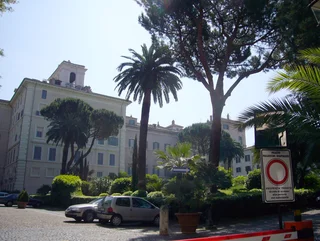
The pavilion and the palace behind it were built in the early 1600s for Cardinal Scipione Borghese, the powerful nephew of Pope Paul V, on ground once covered by the Baths of Constantine. The property later passed through several hands to the Rospigliosi family, and through marriage to the Pallavicini, who still use the palace as their residence.
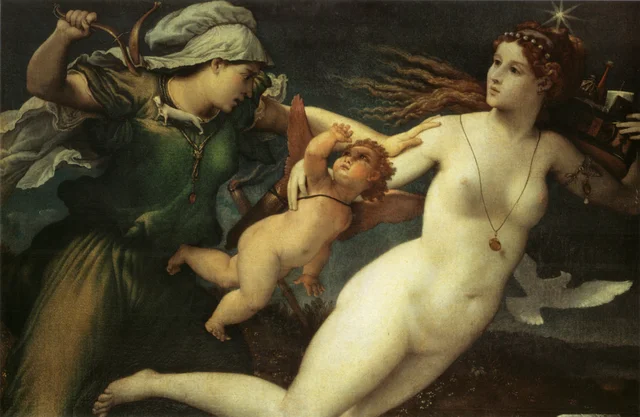
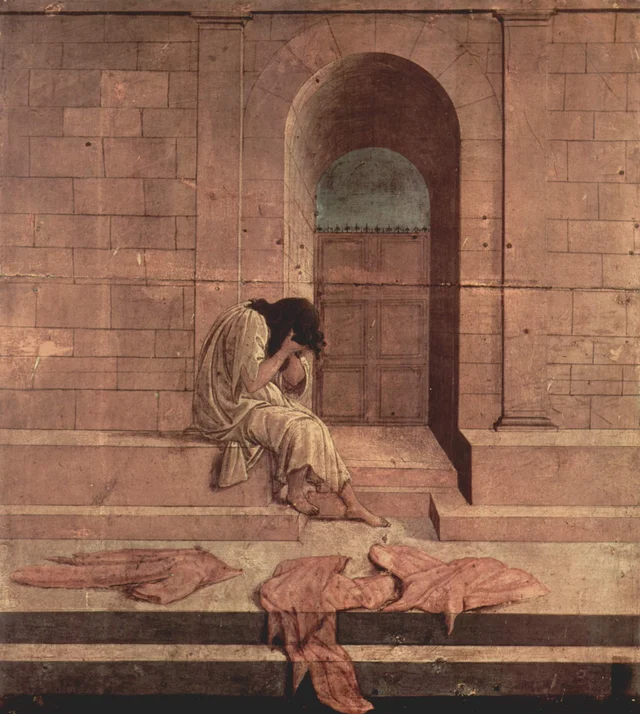
Their private picture collection, the Galleria Pallavicini, opens to visitors only on special occasions. It holds La Derelitta, attributed to Botticelli, a weeping figure seated on stone steps before a closed gate, whose subject is still debated, and a Triumph of Chastity by the Venetian painter Lorenzo Lotto. There is also a crowded street fight outside the Spanish embassy in Rome, long given to Velázquez, an attribution that scholars continue to discuss.