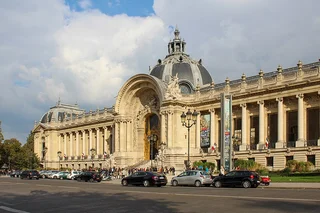
The story
The Petit Palais was built to last only as long as a party. It went up for the Paris World's Fair of 1900, one of a pair of grand exhibition halls thrown up along a new avenue, designed by the architect Charles Girault with a domed entrance and a curved colonnade around a hidden garden.
When the fair ended, the city kept it and turned it into its own fine-arts museum, which it remains. The permanent collection is free to enter. It ranges widely, from ancient and medieval objects to Dutch and Flemish painting, and on to Courbet, the Impressionists and a great sweep of 19th-century French art.
Much of the strength came from private gifts, above all the collection of the brothers Auguste and Eugene Dutuit, rich collectors who left the city their Rembrandt etchings, old master drawings and antiquities. The building is worth circling for its own sake, out to the semicircular garden at its centre, where a cafe sits under palms and mosaics beneath the great glass roof.
Collection
46 works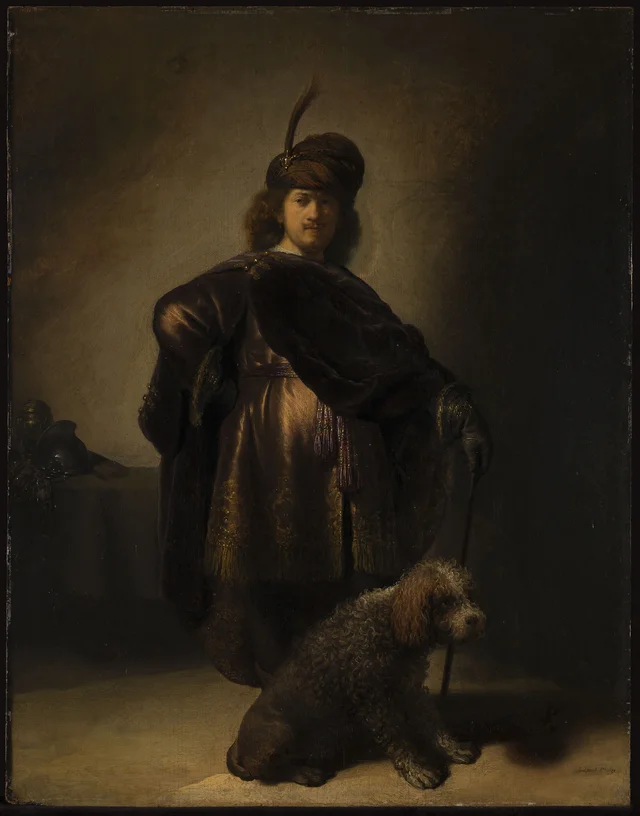 Self-portrait in Oriental DressRembrandt, 1631
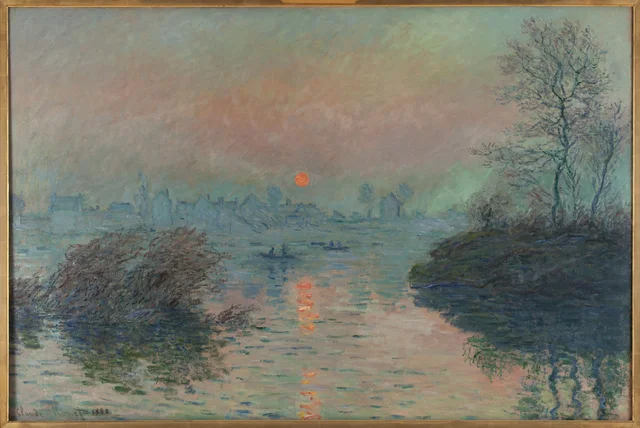 Sunset on the Seine at Lavacourt, in winterClaude Monet, 1880
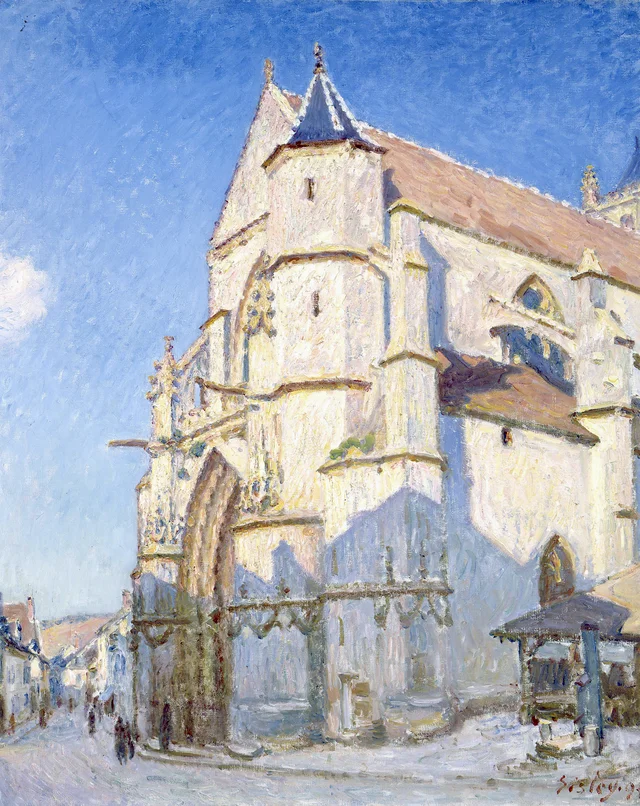 The Church in MoretAlfred Sisley, 1894
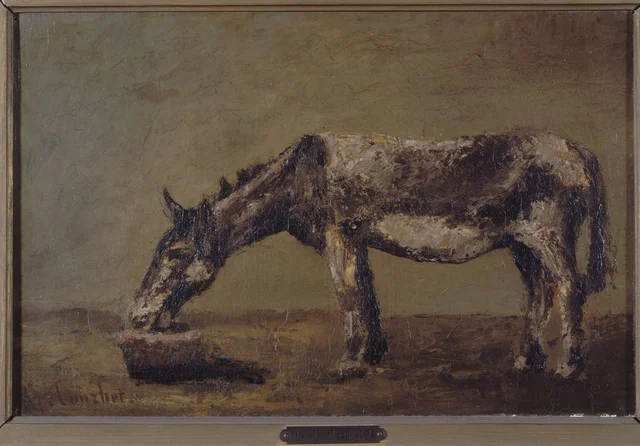 The DonkeyGustave Courbet, 1862
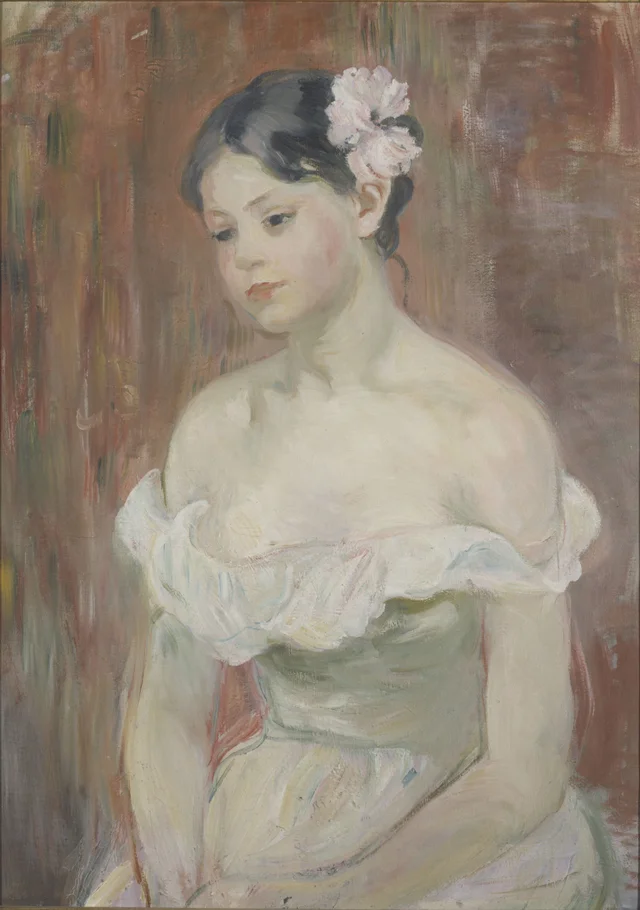 Young Girl in a Low-cut Dress, a Flower in her HairBerthe Morisot, 1893
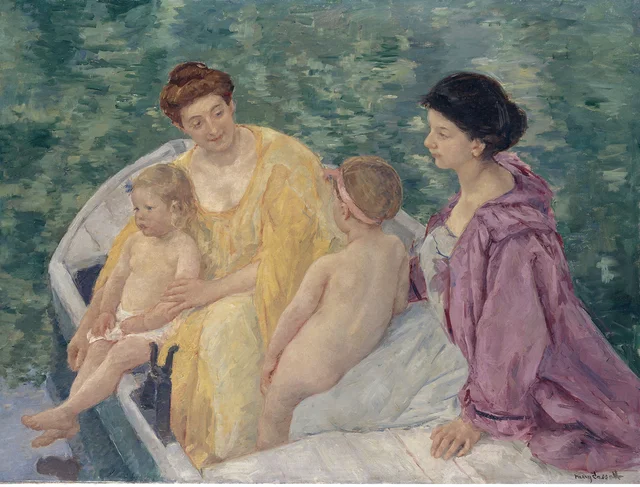 BathingMary Cassatt, 1910
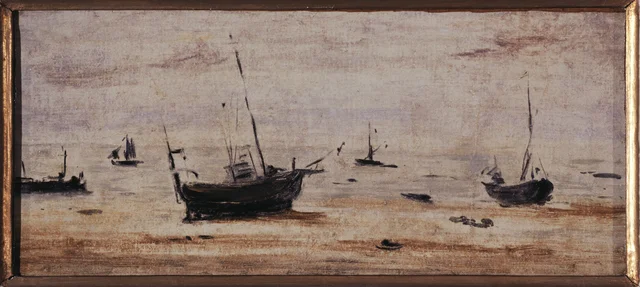 Boats Aground at Low TideEugène Louis Boudin, 1895
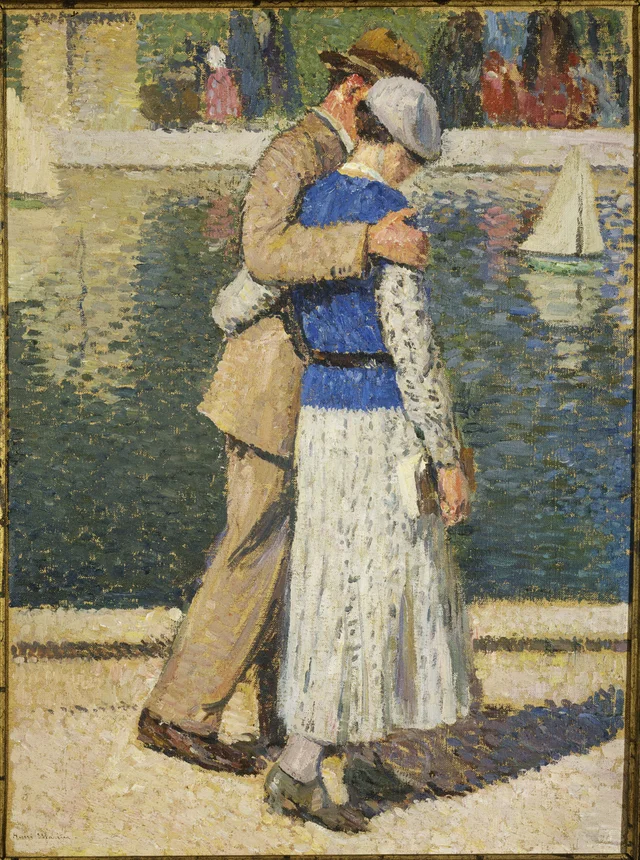 Groupe des amoureuxHenri-Jean Guillaume Martin, 1933
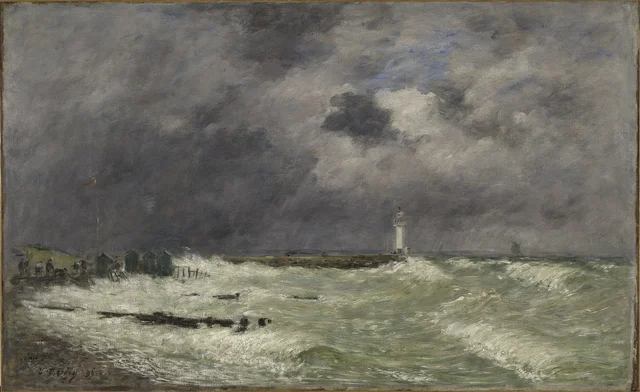 Gust of Wind off Frascati, Le HavreEugène Louis Boudin, 1896
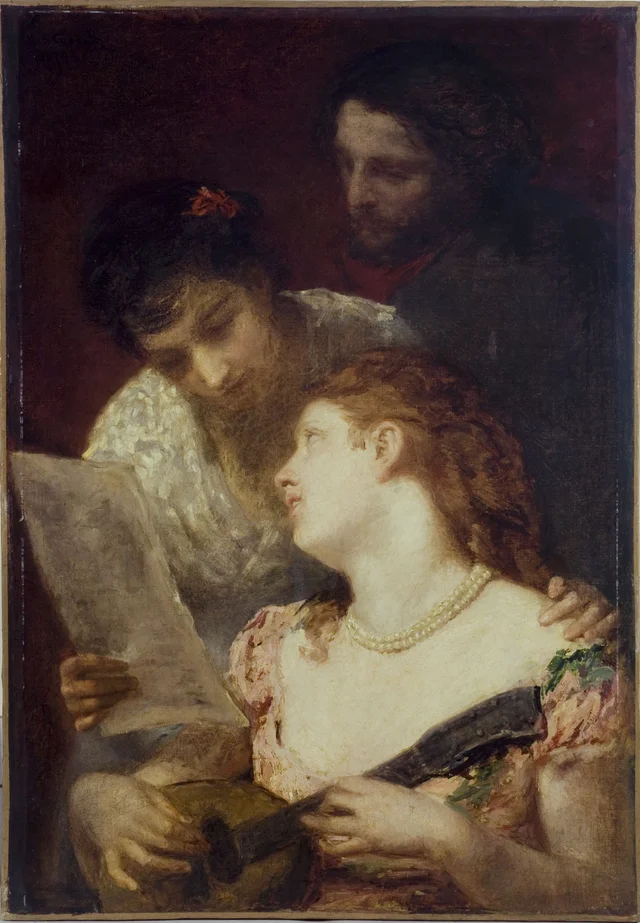 La MusiqueMary Cassatt, 1874
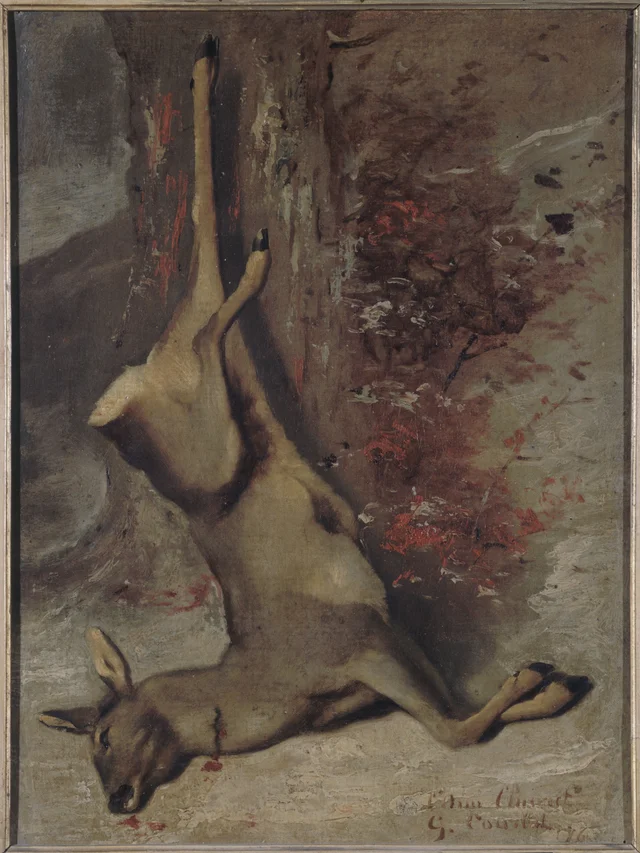 Le chevreuilGustave Courbet, 1876
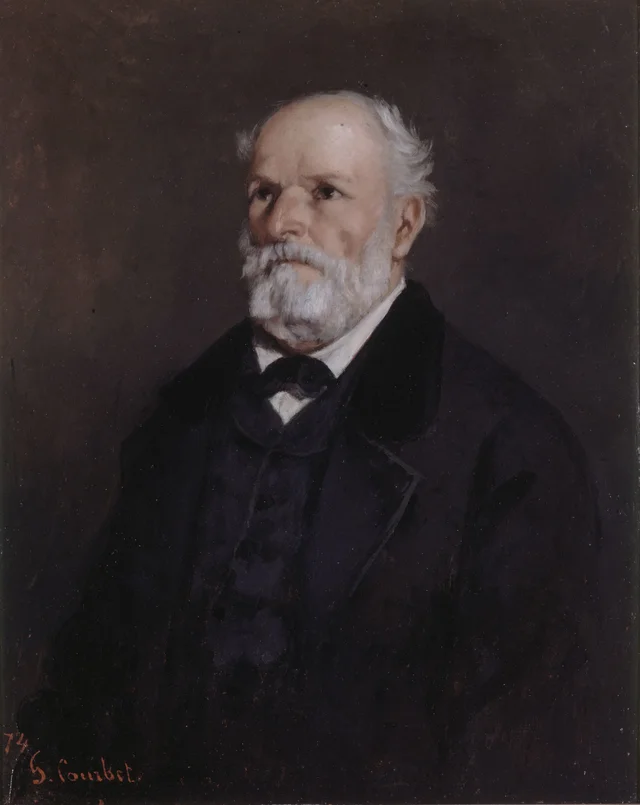 Portrait of Régis Courbet, the Artist s FatherGustave Courbet, 1874
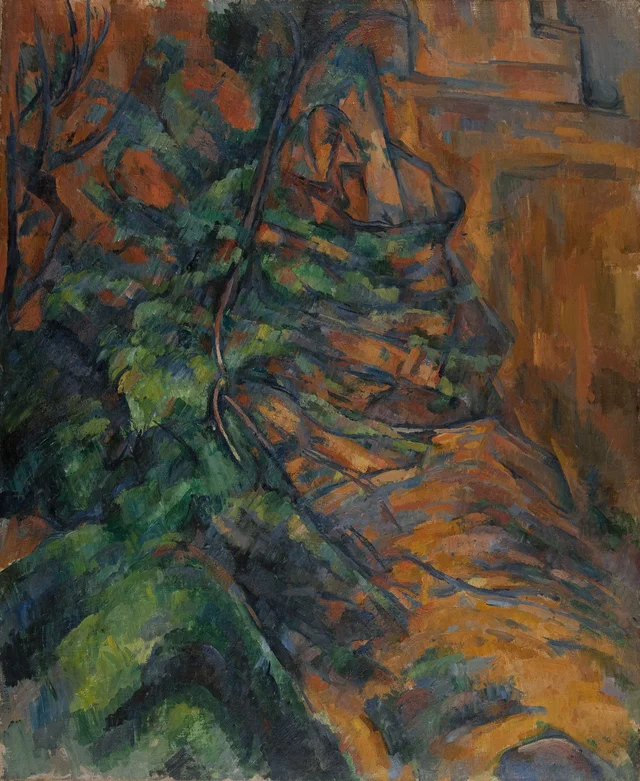 Rochers et branches à BibémusPaul Cézanne, 1900
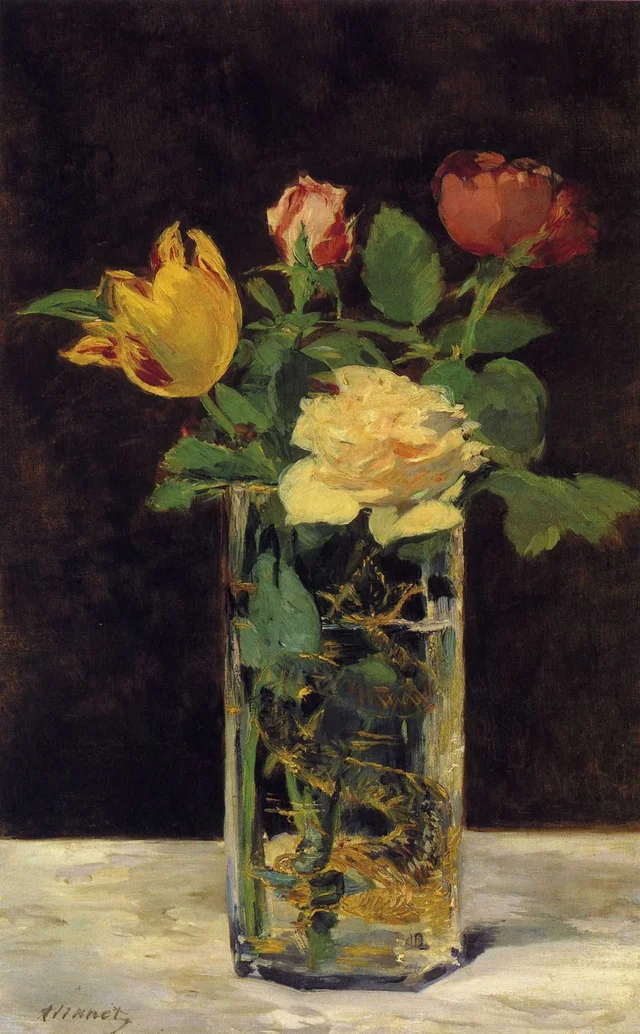 Roses and Tulips in a VaseÉdouard Manet, 1883
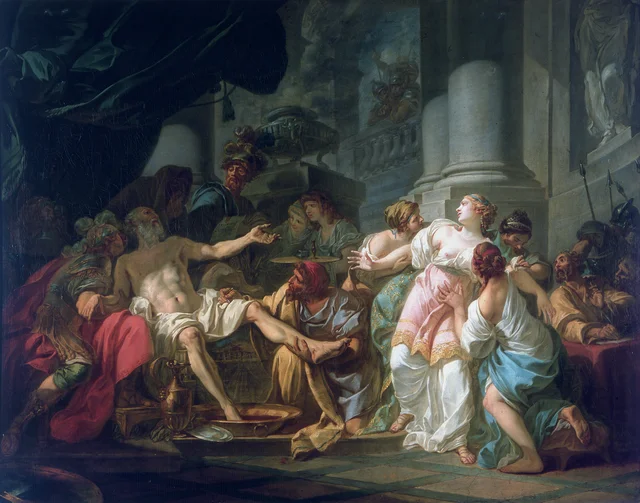 The Death of SenecaJacques-Louis David, 1773
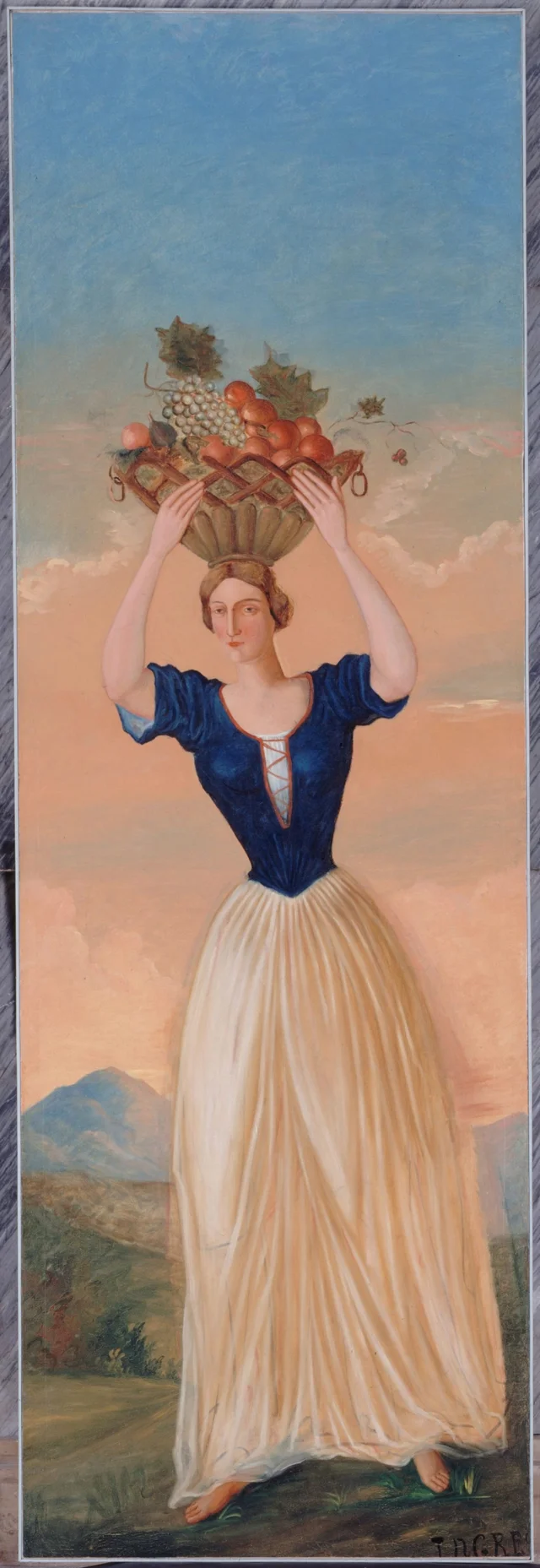 The Four Seasons: AutumnPaul Cézanne, 1860
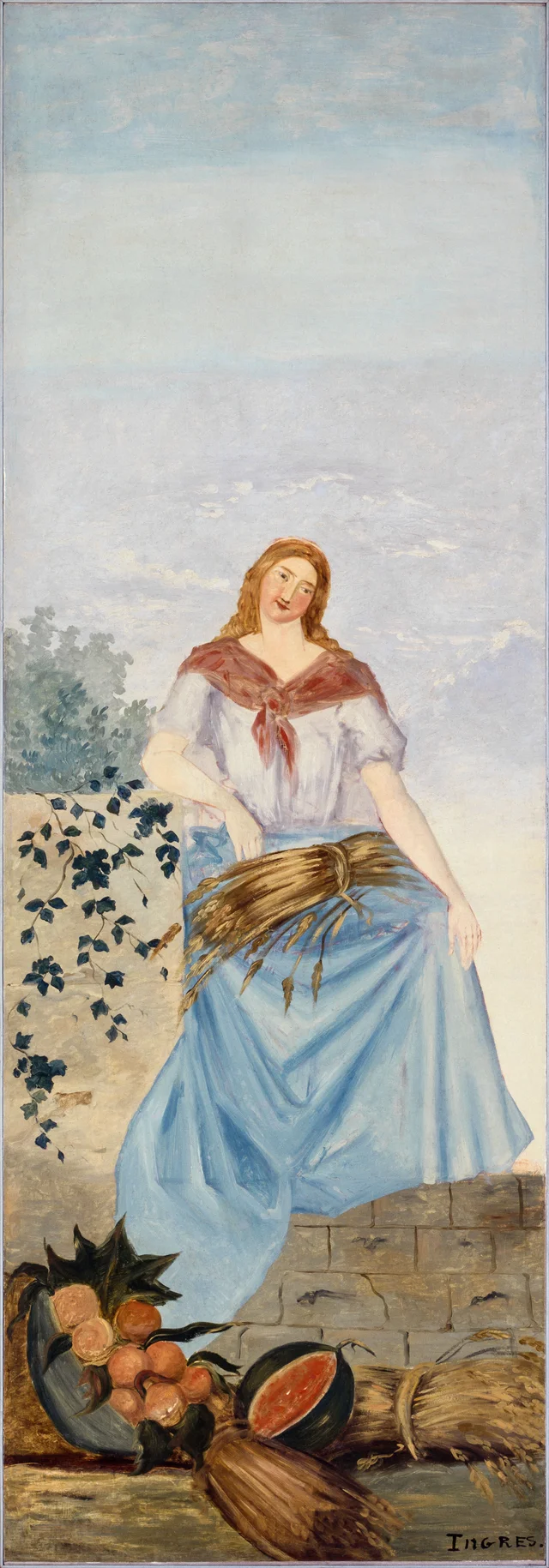 The Four Seasons:SummerPaul Cézanne, 1860
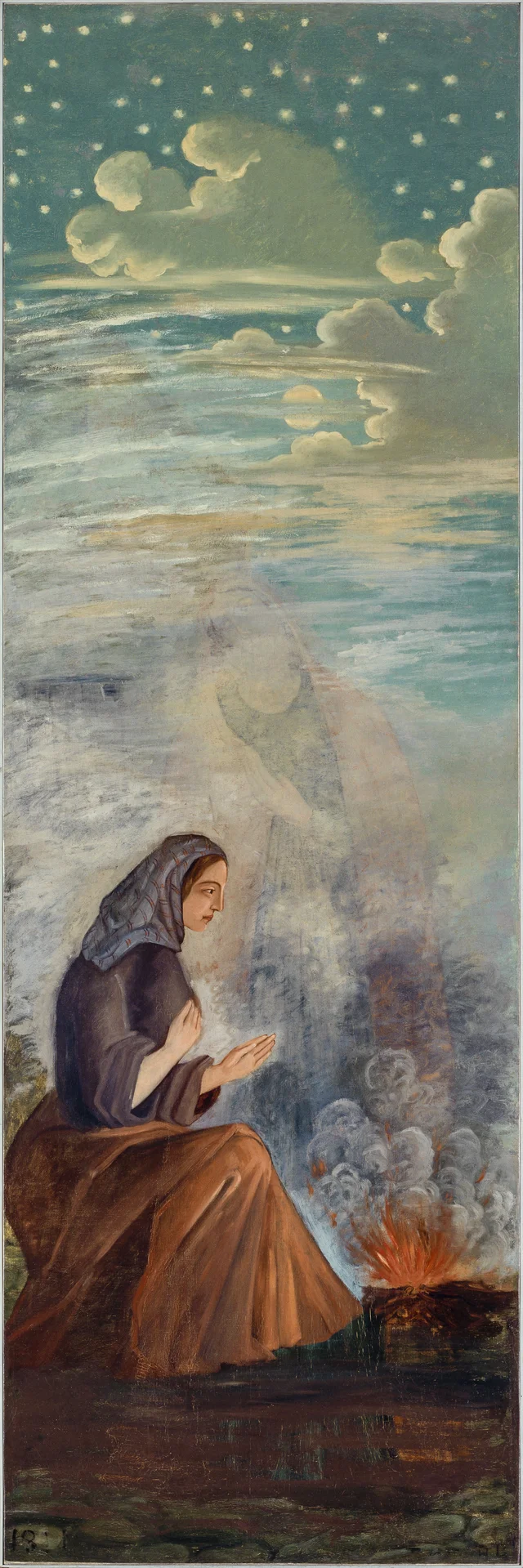 The Four Seasons:WinterPaul Cézanne, 1860
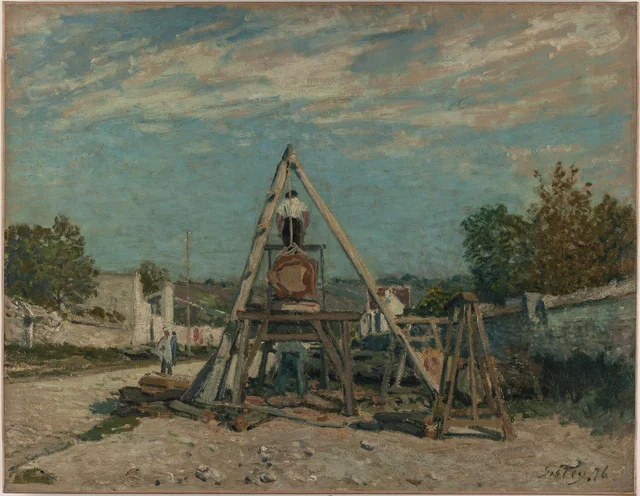 The Pit SawyersAlfred Sisley, 1876
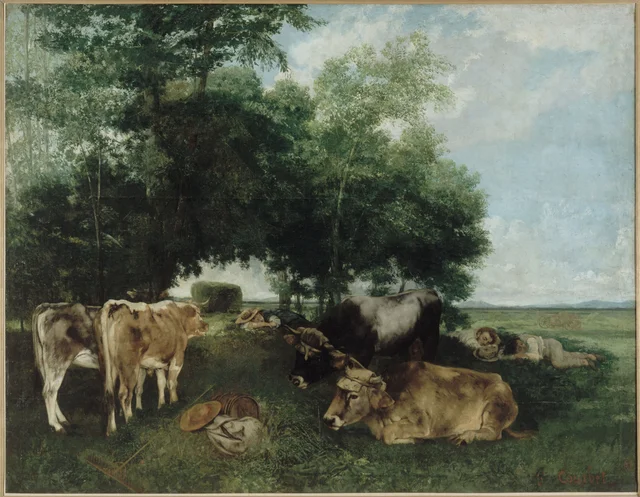 The Siesta during the Haymaking SeasonGustave Courbet, 1867
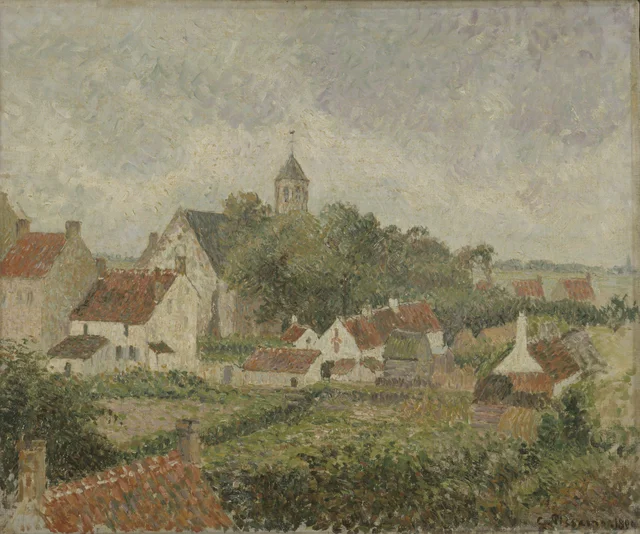 The Village of KnokkeCamille Pissarro, 1894