The story
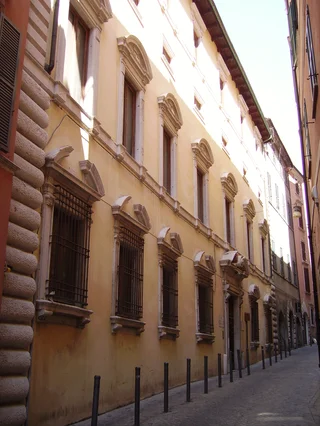
In 1940, as Italy entered the war, Pasquale Rotondi, the superintendent of art for the Marche region, sent Ancona's finest paintings inland to the castle of Sassocorvaro in the hills near Urbino. In 1943 bombs destroyed the building that housed the city gallery. The pictures came through, returned to Ancona in 1950, and after several moves settled in 1973 in Palazzo Bosdari, a 16th-century palace in the old town.
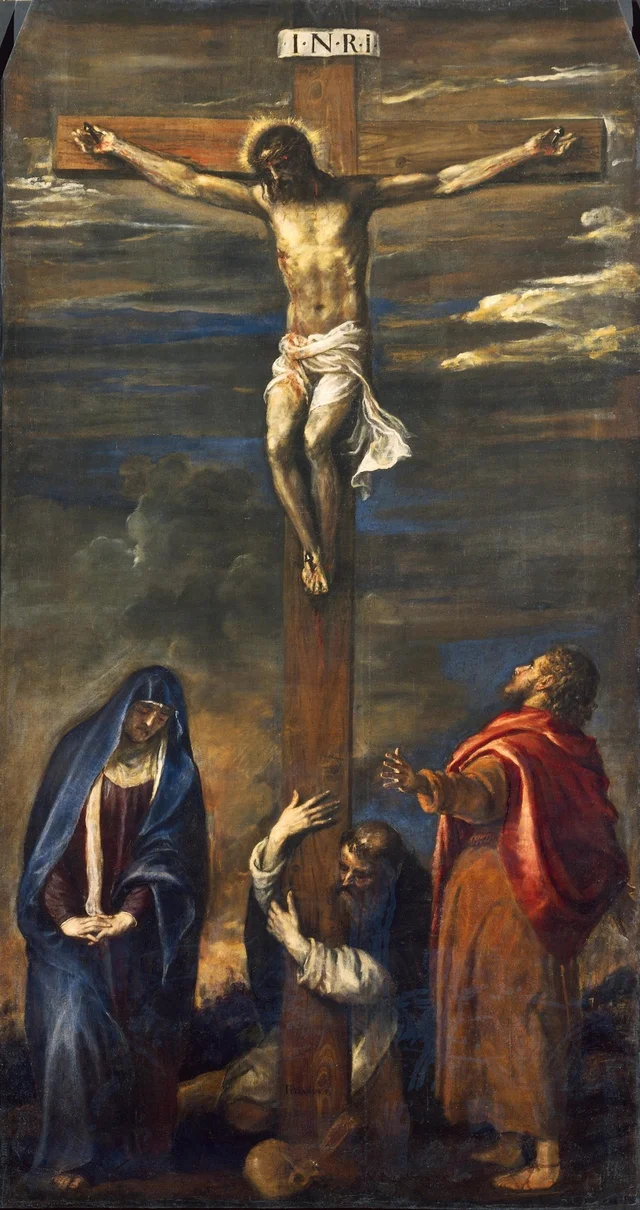
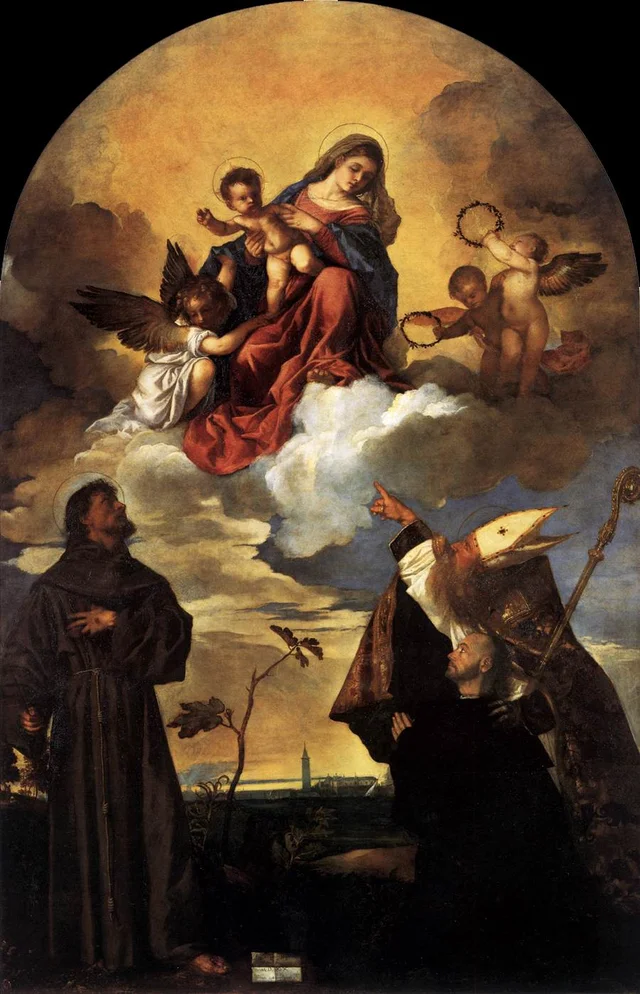
At the heart of the collection is the altarpiece Titian signed and dated in 1520, his first dated work. It was paid for by Alvise Gozzi, a merchant from Ragusa, today's Dubrovnik, which is why Saint Blaise, the patron of Ragusa, appears with Saint Francis beneath the Virgin. Behind them, under a glowing sunset, lies a view of Venice. Titian in old age is shown here too, with a dark Crucifixion painted for the nearby church of San Domenico.
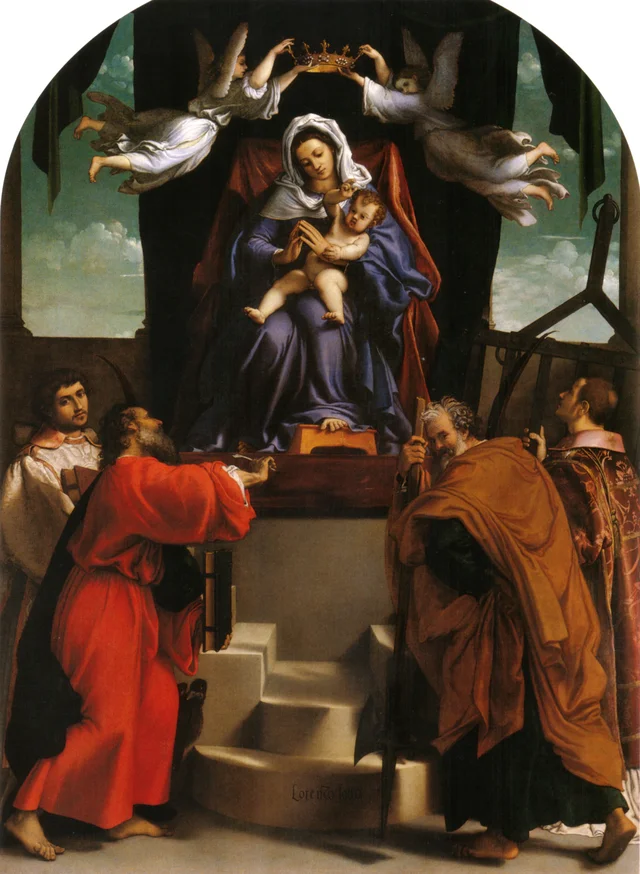
Around them hang Carlo Crivelli's Madonna and Child, Lorenzo Lotto's altarpiece of 1539 known as the Pala dell'Alabarda, and an Immaculate Conception by Guercino. The museum carries the name of Francesco Podesti, the Ancona-born 19th-century painter who campaigned for it and gave it works of his own. After a full reopening in December 2025 its galleries cover about 3,800 square metres.