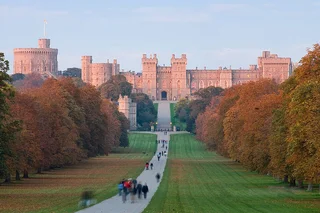
The story
The Royal Collection is not kept in one museum. It is spread through the palaces and castles the British monarch uses or once used, from Windsor to Holyroodhouse, and it is one of the largest art collections in the world, held in trust by the sovereign rather than owned outright.
Much of its character comes from a disaster. King Charles I was one of the great collectors of 17th-century Europe, and after he was executed in 1649 the new republic sold off his pictures to raise cash, scattering Titians and Raphaels across the continent. When the monarchy returned in 1660 his son Charles II clawed back what he could, and later kings kept buying.
What survives is astonishing in depth. There are more than 500 drawings by Leonardo da Vinci, bought as a single album in the 17th century, along with Vermeer's quiet Music Lesson, dozens of views of Venice by Canaletto, and a wall of Holbein portraits of Henry VIII's court. Because the works are still working royal property, they rotate through public shows at the King's Gallery in London and at Windsor, so what you see depends on the year you come.
Collection
40 works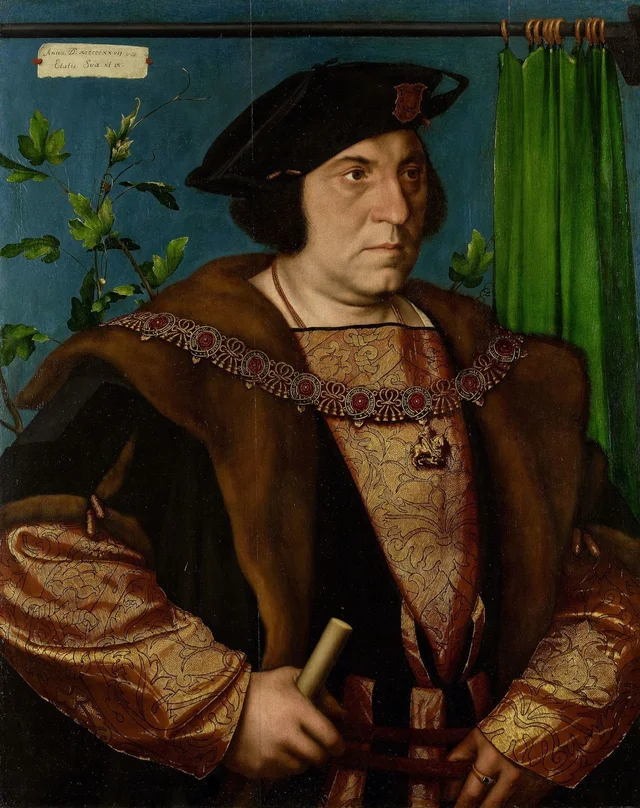 Sir Henry Guildford (1489-1532)Hans Holbein the Younger, 1527
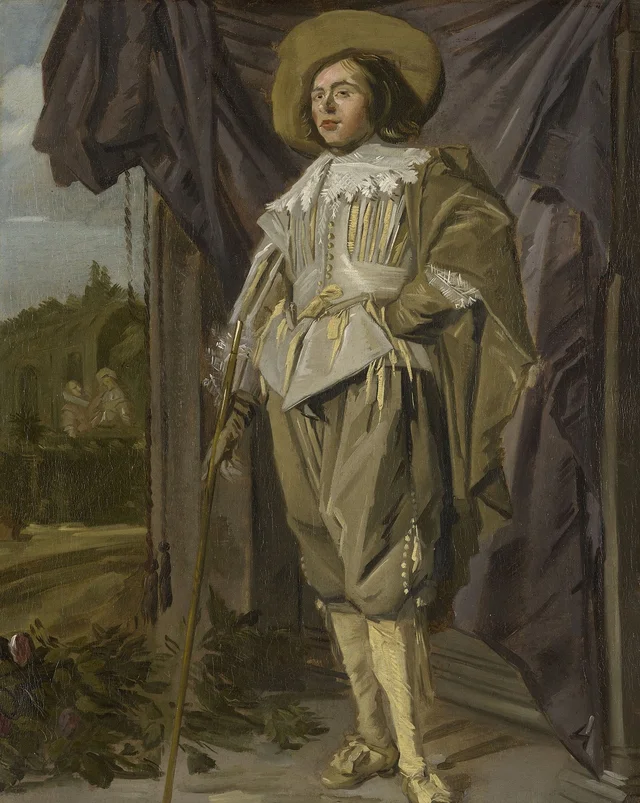 Standing CavalierJudith Leyster, 1630
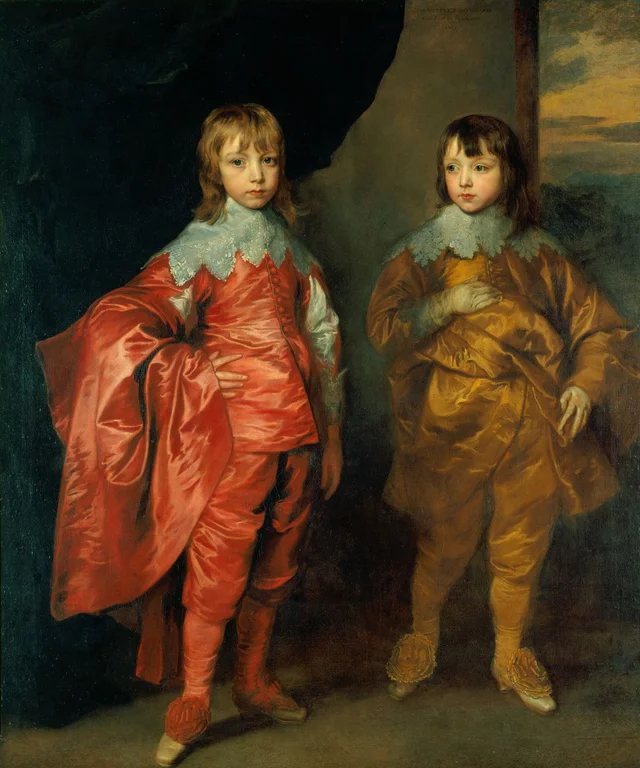 George Villiers, 2nd Duke of Buckingham, and Lord Francis VilliersAnthony van Dyck, 1635
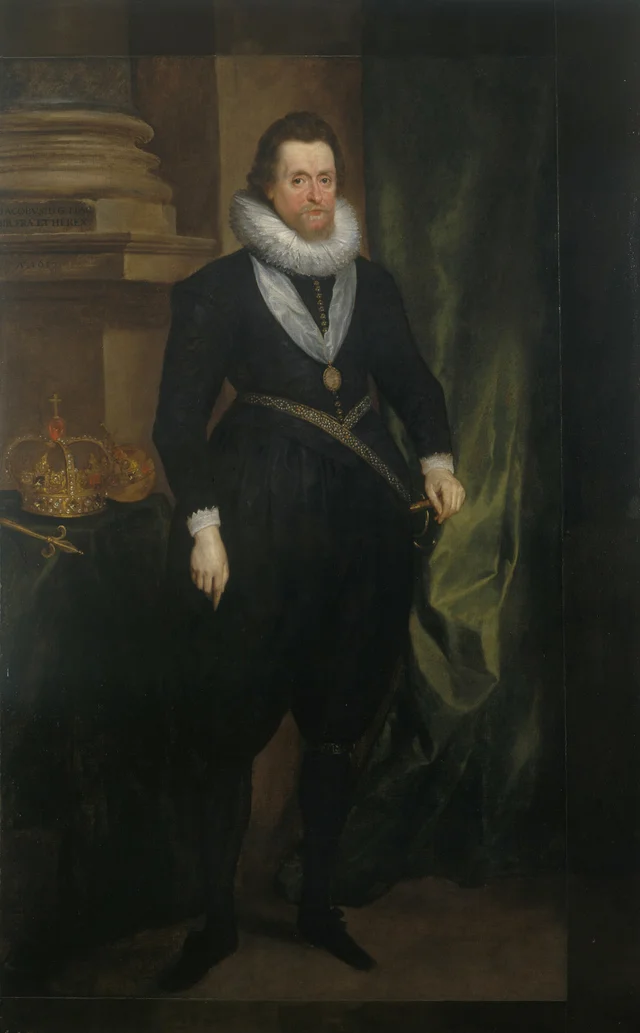 James I & VI (1566-1625)Anthony van Dyck, 1632
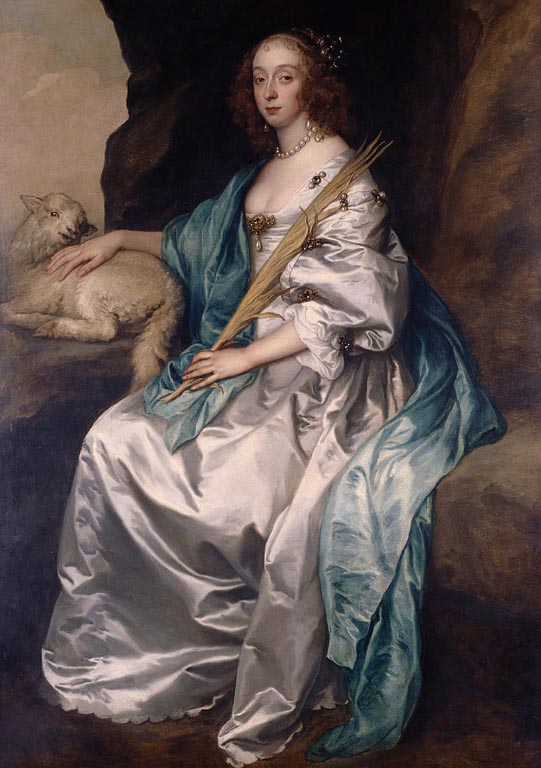 Lady Mary Villiers, Duchess of Richmond and Lennox (1622-85)Anthony van Dyck, 1637
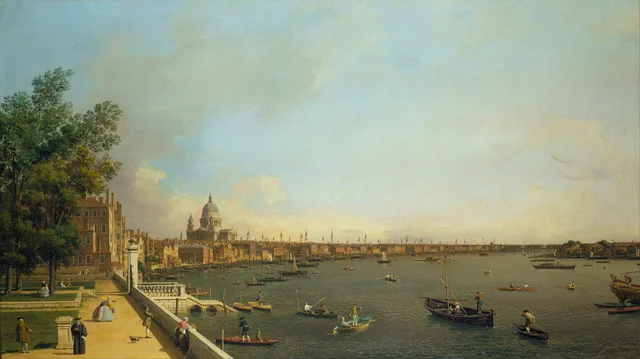 London: The Thames from Somerset House Terrace towards the CityCanaletto, 1750
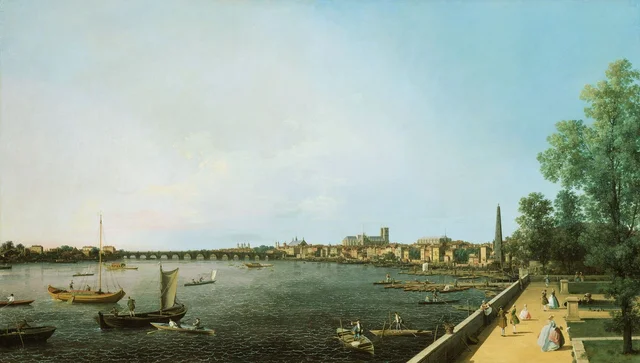 London: The Thames from Somerset House Terrace towards WestminsterCanaletto, 1750
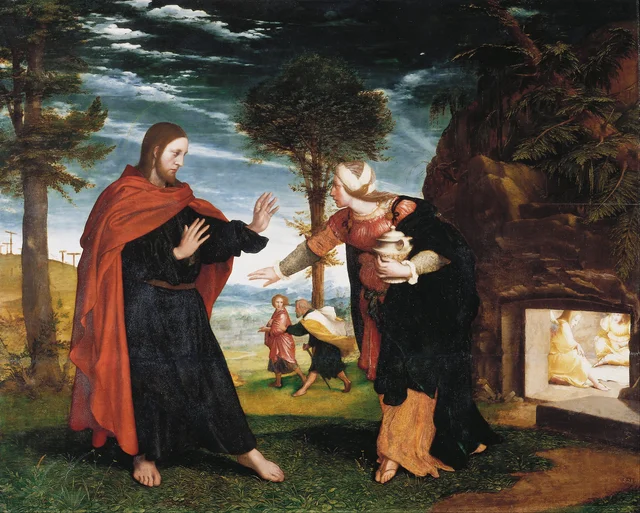 Noli me tangereHans Holbein the Younger, 1526
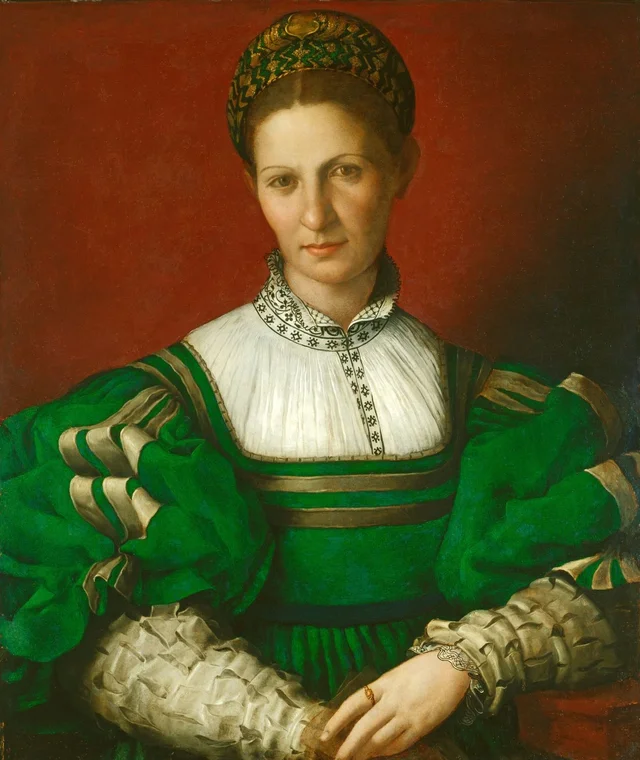 Portrait of a Lady in GreenBronzino, 1530
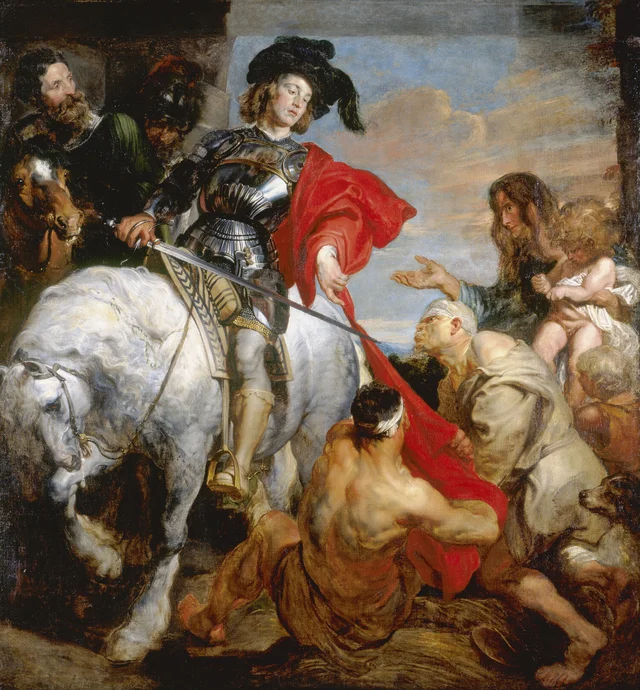 St Martin Dividing his CloakAnthony van Dyck, 1620
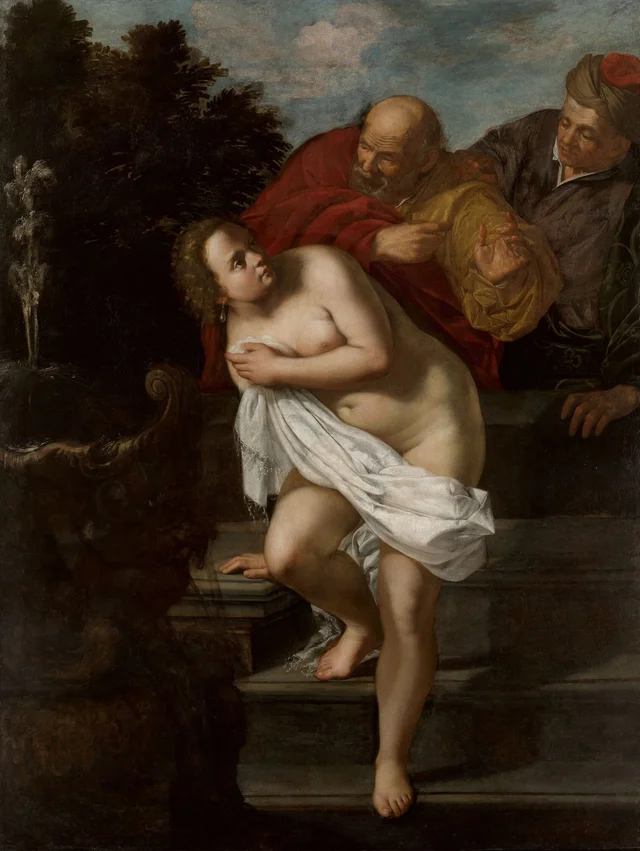 Susanna and the EldersArtemisia Gentileschi, 1639
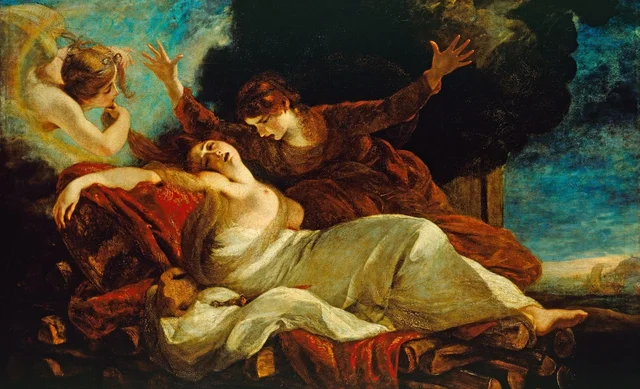 The Death of DidoJoshua Reynolds, 1778
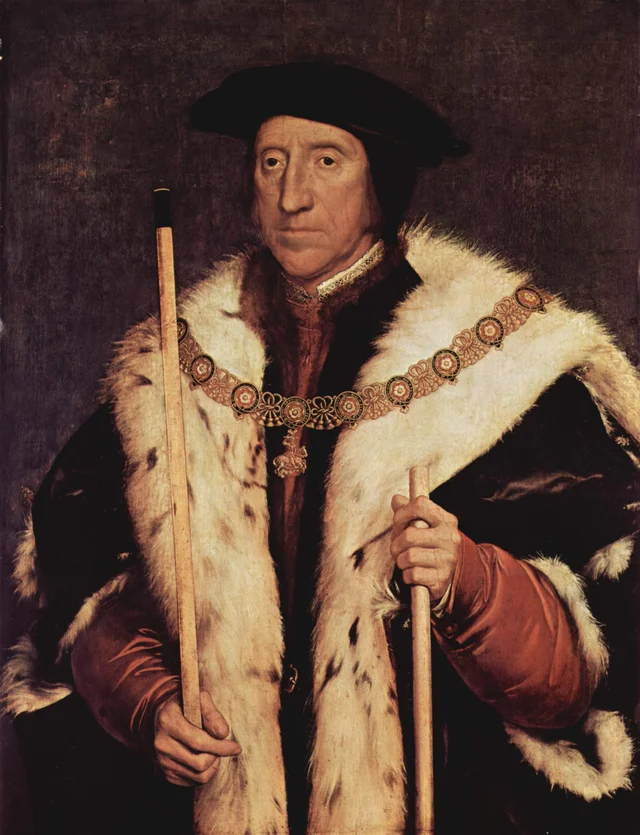 Thomas Howard, Third Duke of Norfolk (1473-1554)Hans Holbein the Younger, 1539
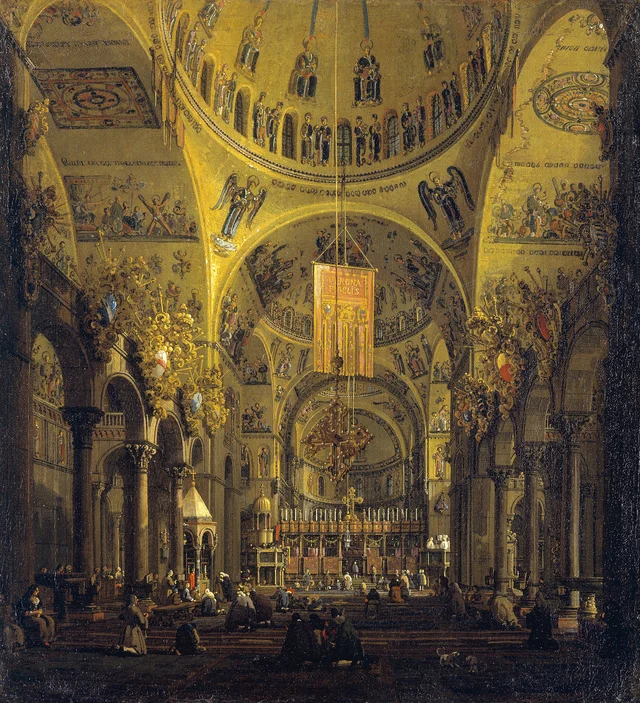 Venice: The Interior of San Marco by DayCanaletto, 1755
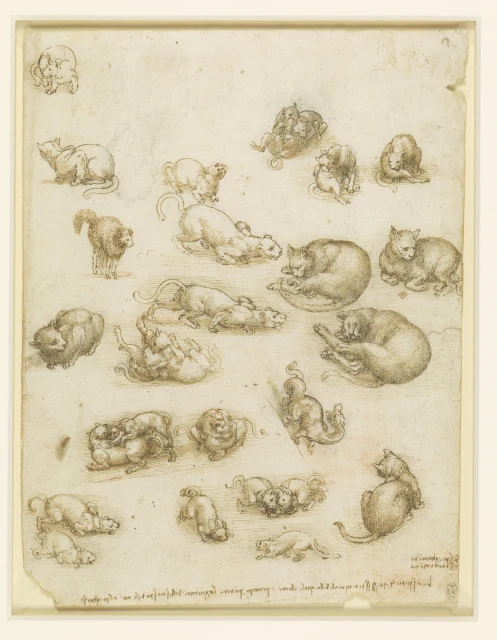 Cats, lions, and a dragonLeonardo da Vinci, 1517