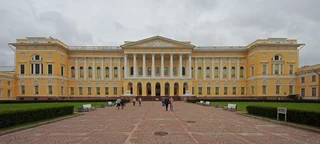
The story
When Tsar Nicholas II founded this museum in 1895, he did it in memory of his father, Alexander III, and he housed it in one of the finest buildings in Saint Petersburg. The Mikhailovsky Palace was built in the 1820s by Carlo Rossi, the architect who gave the imperial capital many of its yellow-and-white classical facades, and its grand staircase and white hall are part of the visit before you reach a single painting.
Inside is the largest collection of Russian art in the world, told almost as a national story in paint. Karl Bryullov's enormous Last Day of Pompeii, finished in 1833, shows the city dying under ash and made its painter famous across Europe. Ilya Repin's Barge Haulers on the Volga lines up eleven exhausted men dragging a boat upstream, a picture that turned ordinary labourers into a subject worth a huge canvas.
The rooms keep going, from medieval icons through Aivazovsky's storm-lit seas to the early 20th century, where Kazimir Malevich's Black Square hangs as a plain black shape that tried to wipe painting clean and start over. Across the river the Hermitage gathers the art of the wider world, while this museum was built to hold Russia's own, and it grew from under 2,000 works at its opening to a collection now numbered in the hundreds of thousands.
Collection
76 works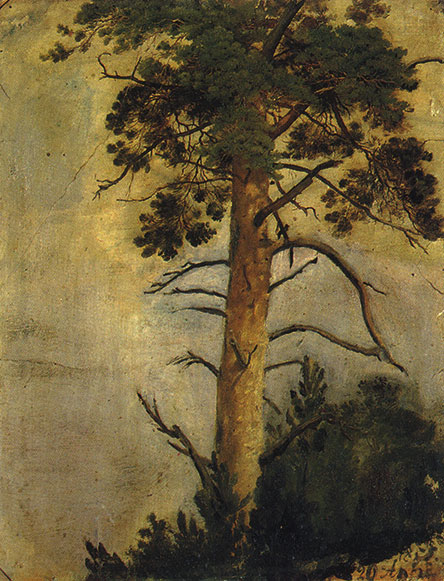 A Pine on the RockIvan Shishkin, 1855
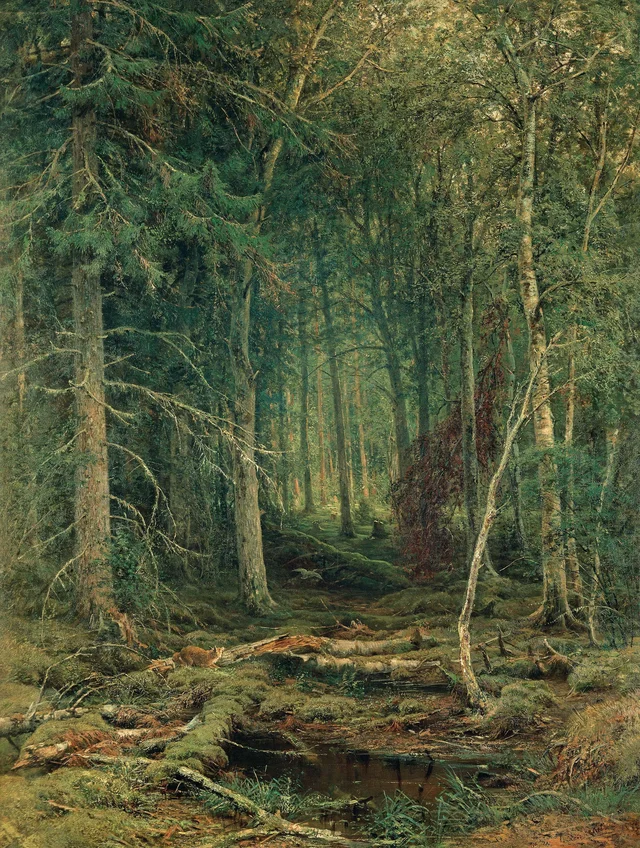 BackwoodsIvan Shishkin, 1872
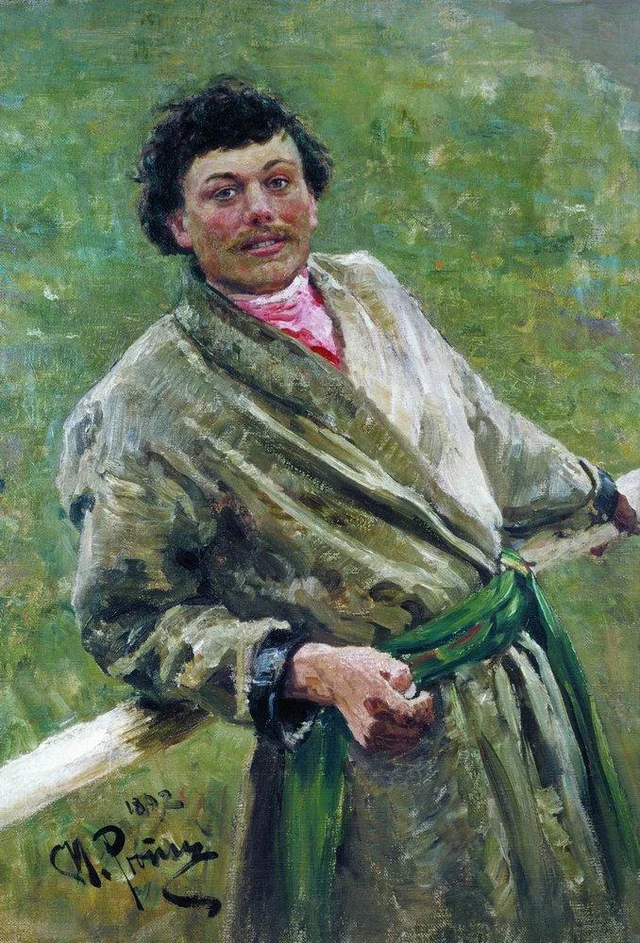 BelorussianIlya Repin, 1892
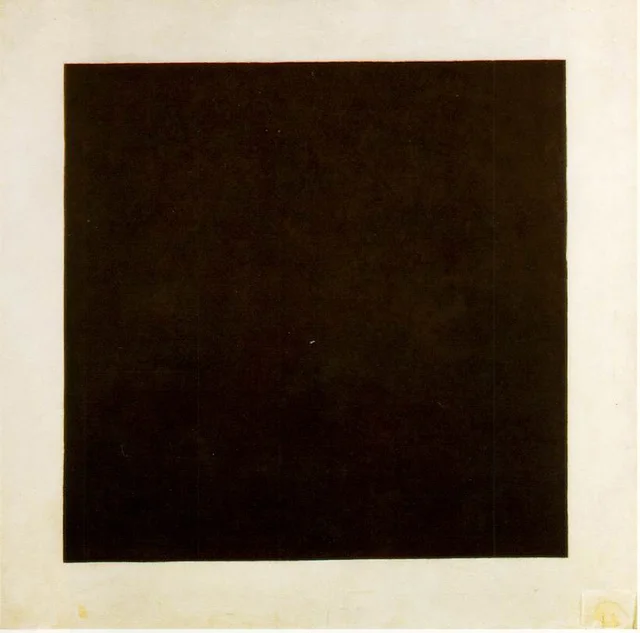 Black Square (1924)Kazimir Malevich, 1924
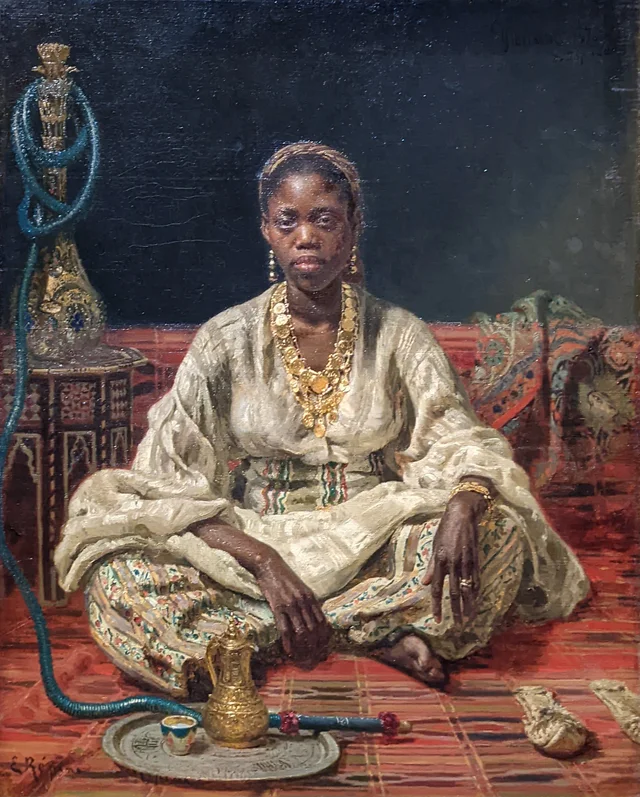 Black WomanIlya Repin, 1876
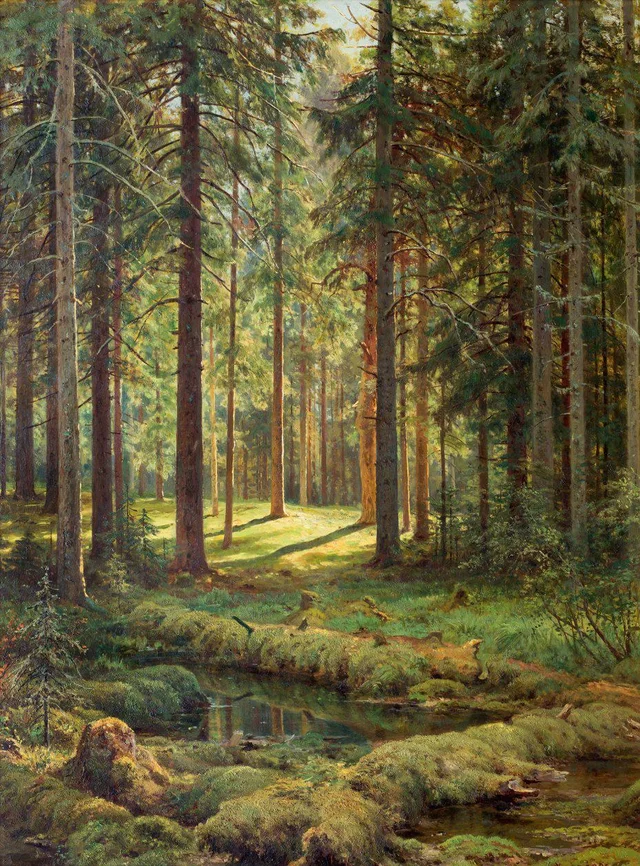 Coniferous Forest. Sunny DayIvan Shishkin, 1895
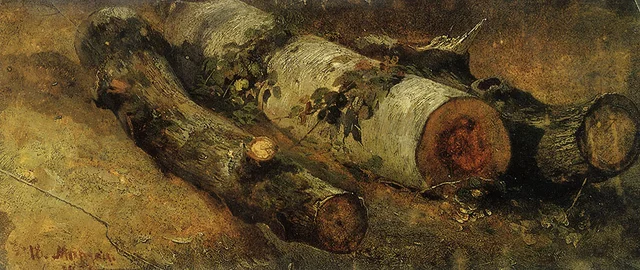 Cut-down Birch-treesIvan Shishkin, 1864
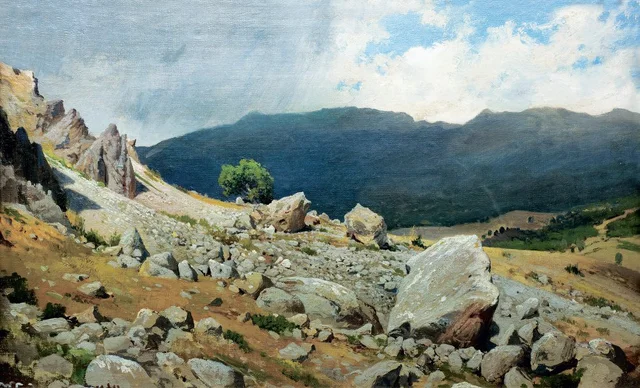 From the Surroundings of Gurzuf. StudyIvan Shishkin, 1879
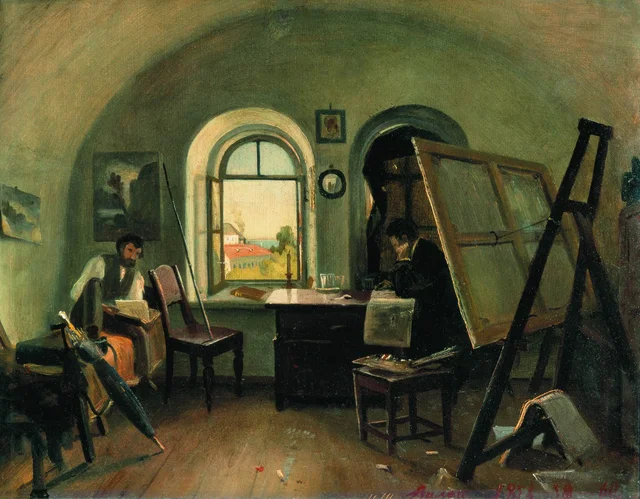 I. I. Shishkin and A. V. Gine in the Studio on the Valaam IslandIvan Shishkin, 1860
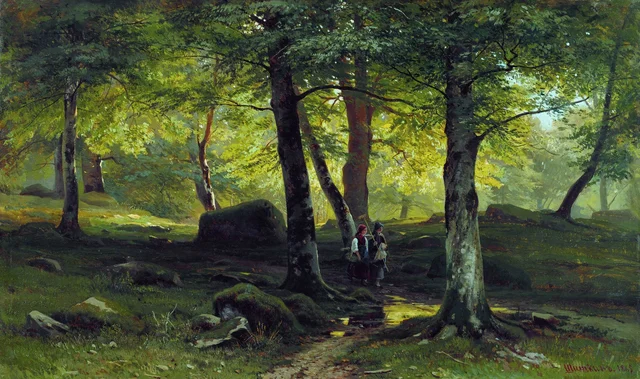 In the GroveIvan Shishkin, 1865
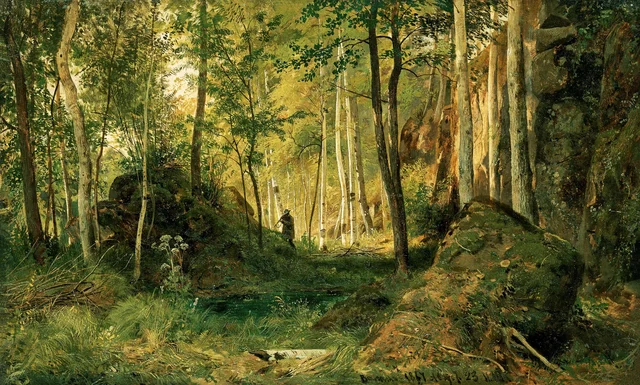 Landscape with a hunter. Valaam IslandIvan Shishkin, 1867
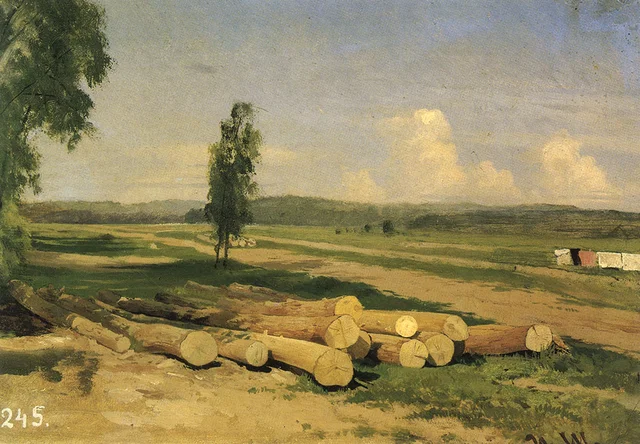 Logs. The Village of Konstantinovka near Krasnoye Selo. StudyIvan Shishkin, 1868
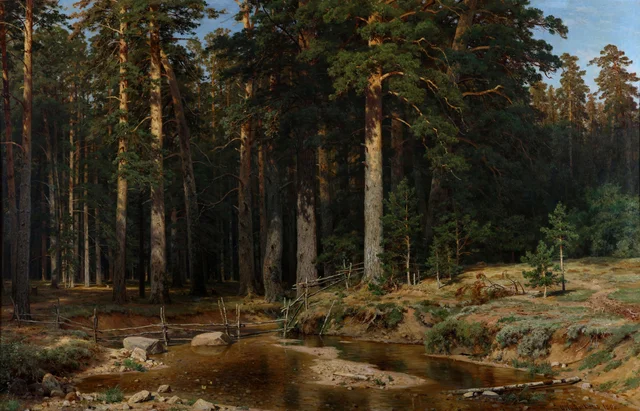 Mast-Tree groveIvan Shishkin, 1898
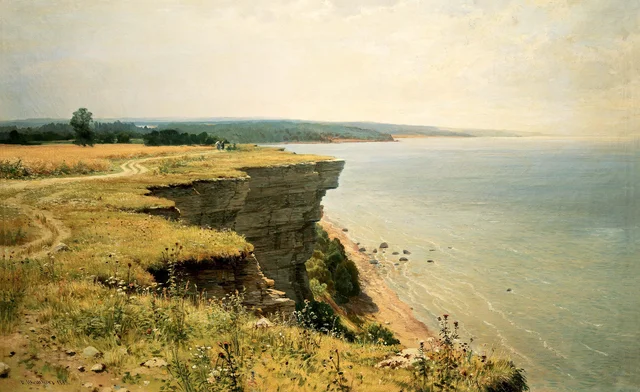 Off the coast of the Gulf of Finland (Udrias near Narva)Ivan Shishkin, 1889
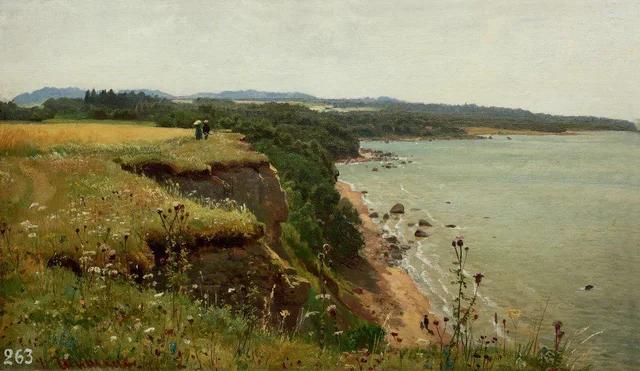 Off the coast of the Gulf of Finland (Udrias near Narva). StudyIvan Shishkin, 1888
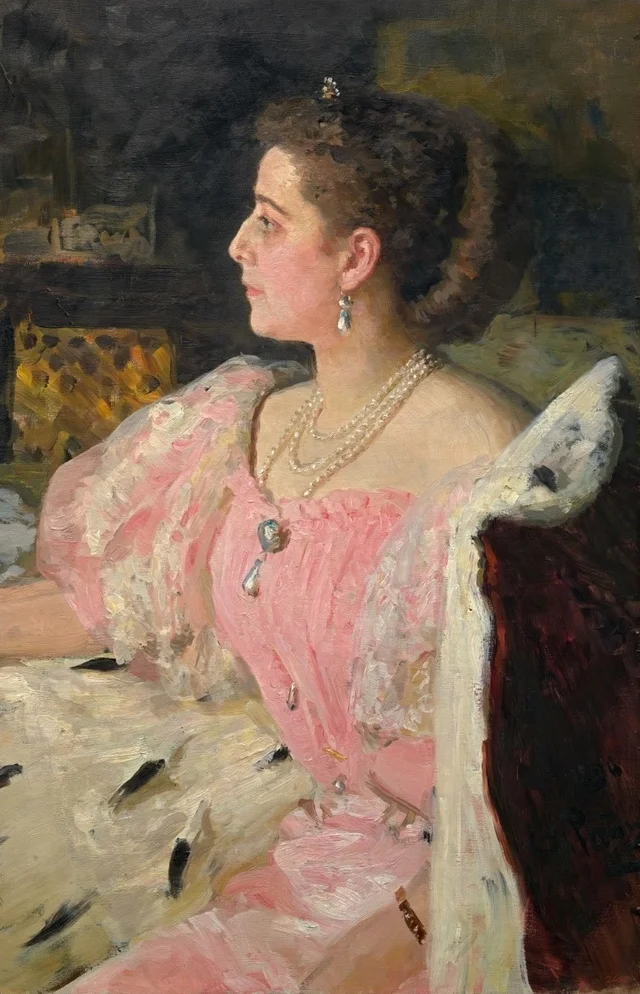 Portrait of Countess Natalia Petrowna GolovinaIlya Repin, 1896
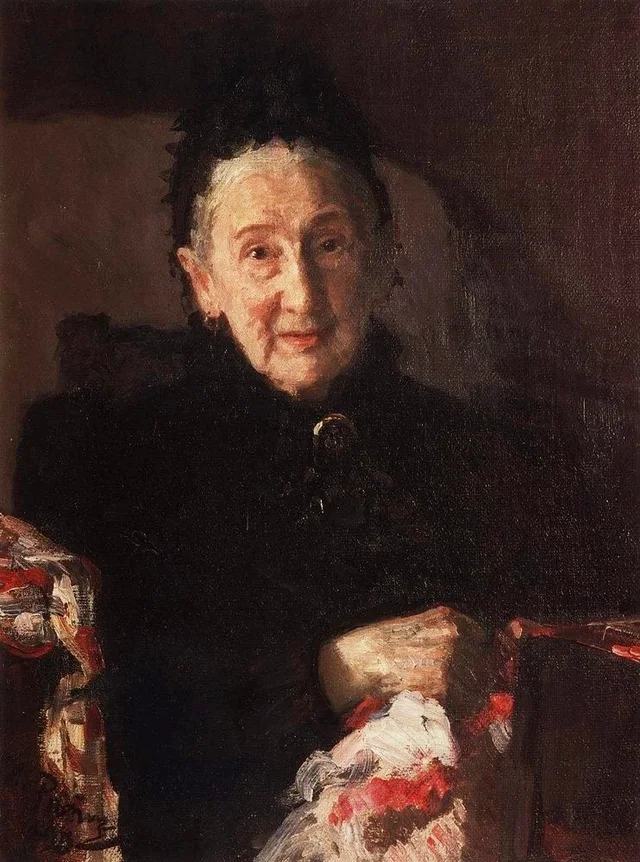 Portrait of Lyudmila ShestakovaIlya Repin, 1899
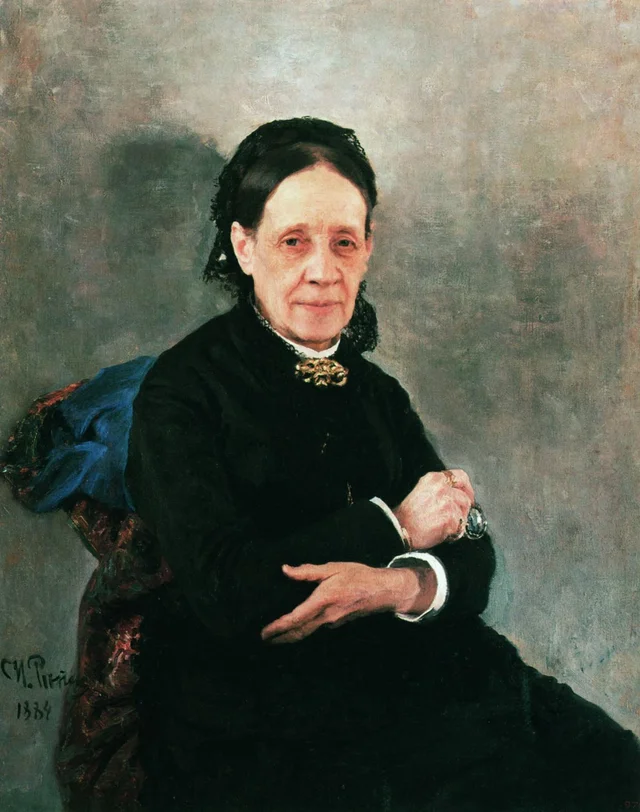 Portrait of N. V. StasovaIlya Repin, 1884
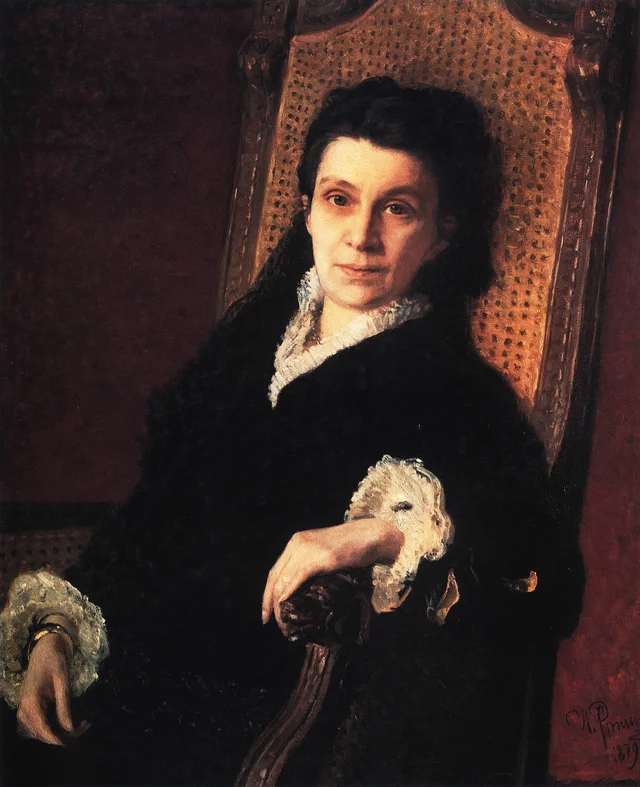 Portrait of Poliksena Stepanovna StasovaIlya Repin, 1879
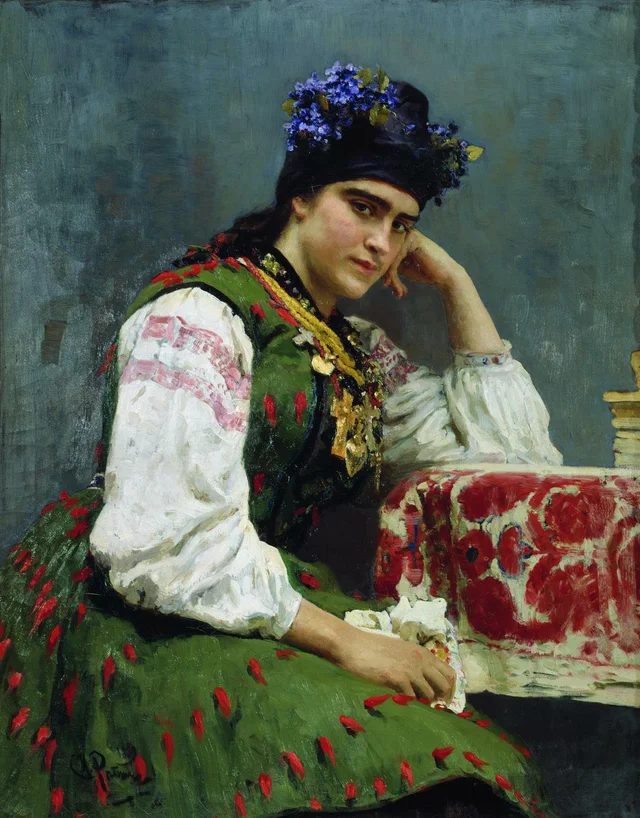 Portrait of Sofya DragomirovaIlya Repin, 1889
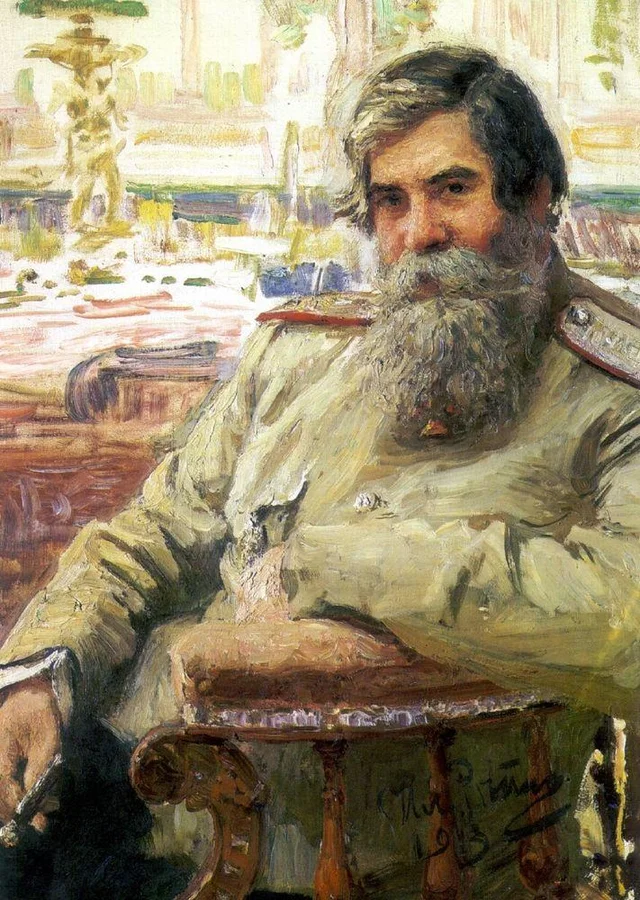 Portrait of the neurophysiologist and psychiatrist Vladimir Mikhailovich BekhterevIlya Repin, 1913
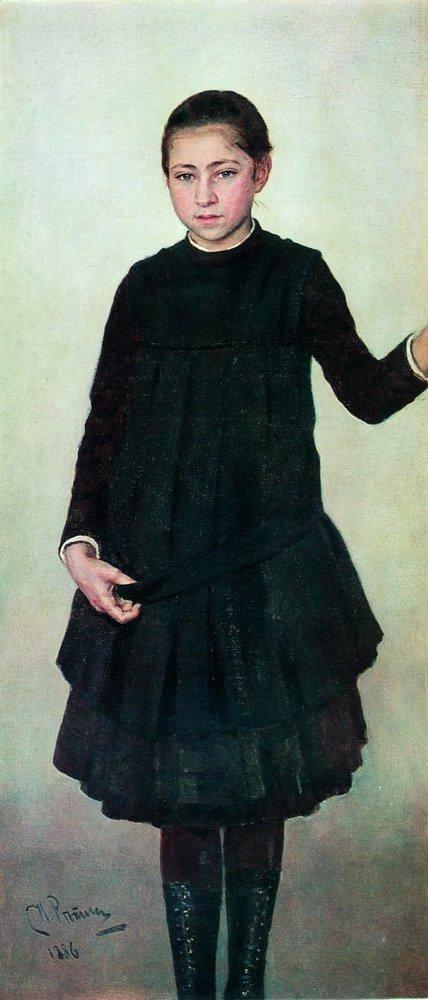 Portrait of V. I. RepinaIlya Repin, 1886
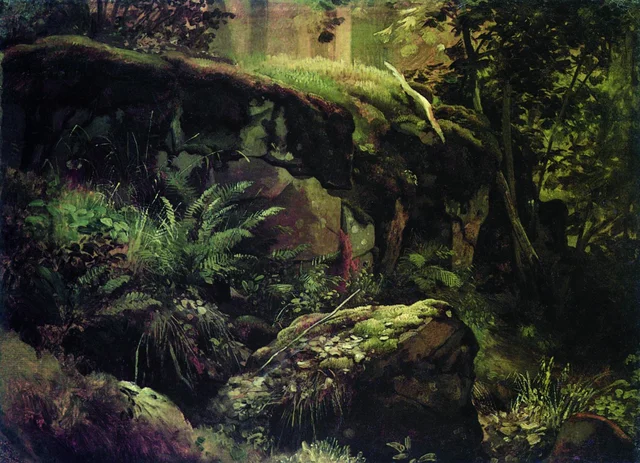 Stones in the Forest. ValaamIvan Shishkin, 1859
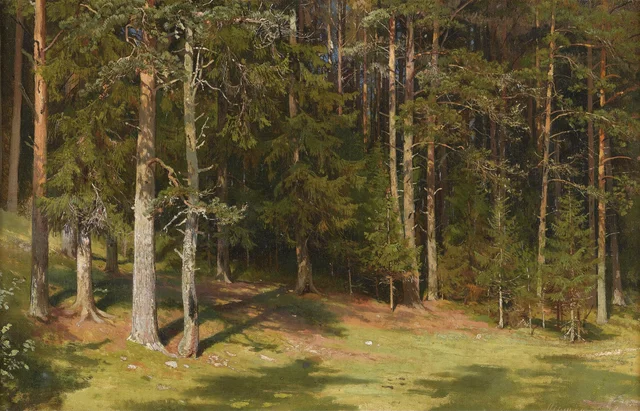 The ClearingIvan Shishkin, 1878
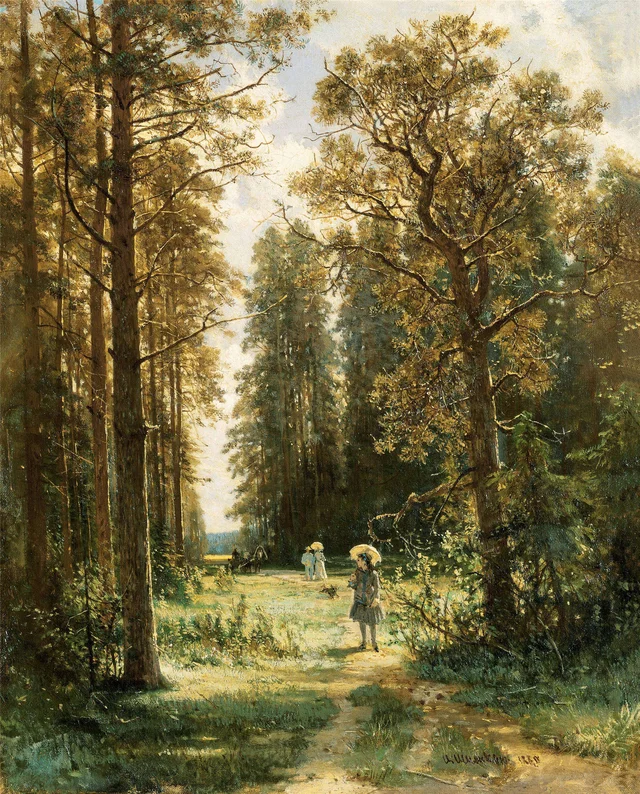 The Path in the ForestIvan Shishkin, 1880