The story
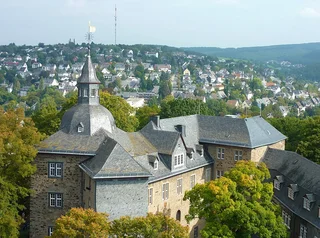
The Upper Castle in Siegen was a residence of the counts of Nassau, the family of William of Orange, known as William the Silent, and that family has an awkward tie to the painter whose works now fill its main hall. Around 1570 Jan Rubens, an Antwerp lawyer living in exile, had an affair with William's wife, Anna of Saxony. He was imprisoned, and after his release the family had to live in Siegen, where Peter Paul Rubens was born in 1577.
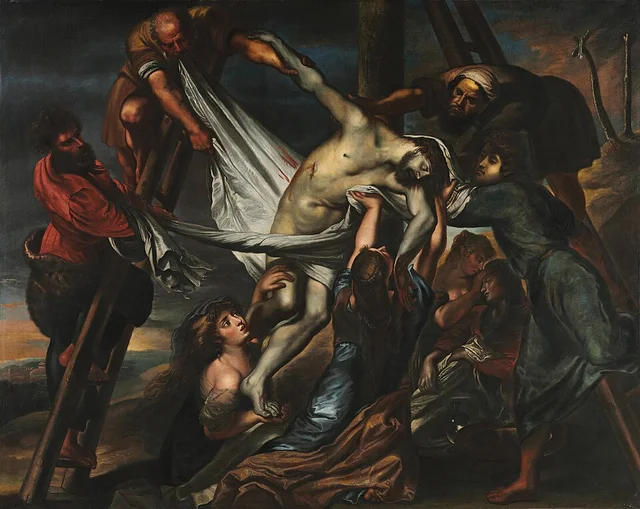
The town museum has occupied the castle since 1905, and its Rubens Hall shows a group of his original paintings. The largest is a Descent from the Cross of around 1601, painted in Italy for the private chapel of Eleonora Gonzaga, Duchess of Mantua, and one of his first major commissions. Long obscured, it was identified as his work in 2001 by the Rubens scholar Justus Müller-Hofstede. The collection also holds a portrait of Jan Wildens, the landscape painter in Rubens's studio, by his younger colleague Anthony van Dyck.
Other rooms turn to the Nassau-Orange family, with a portrait gallery that runs from William the Silent to William III, stadtholder and King of England, and to the region's long history of iron ore. Beneath the castle courtyard, a show mine laid out in 1938 lets visitors walk through reconstructed workings.