The story
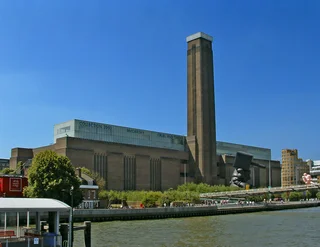
For most of the 20th century this building on the south bank of the Thames was Bankside Power Station, burning oil to make electricity for the City of London across the river. Giles Gilbert Scott, the architect who also gave Britain the red telephone box, designed it with a single tall chimney set deliberately lower than the dome of St Paul's Cathedral opposite. It stopped generating in 1981 and sat empty.
The Swiss architects Herzog and de Meuron kept the brick shell and turned the vast space that once held the generators into the museum's entrance. That space, the Turbine Hall, is five storeys high, and since Tate Modern opened in 2000 artists have been invited to fill it, with a giant sun of mist, a crack running the length of the floor, a field of millions of porcelain sunflower seeds.
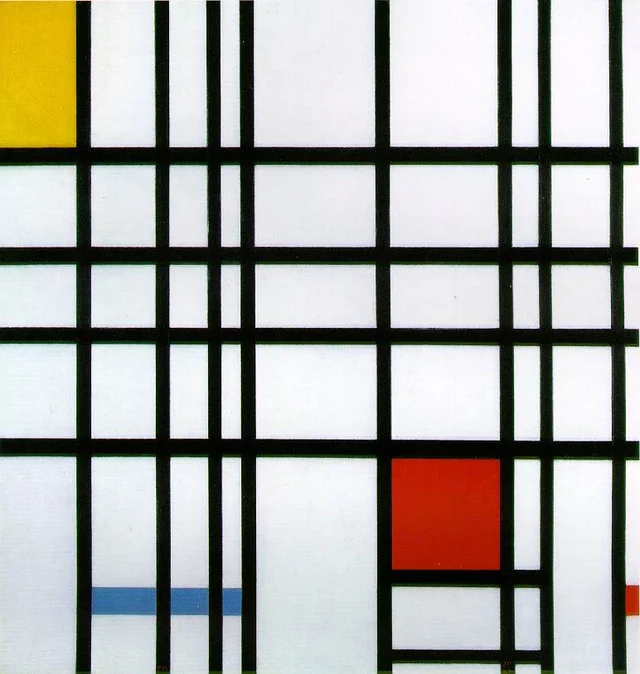
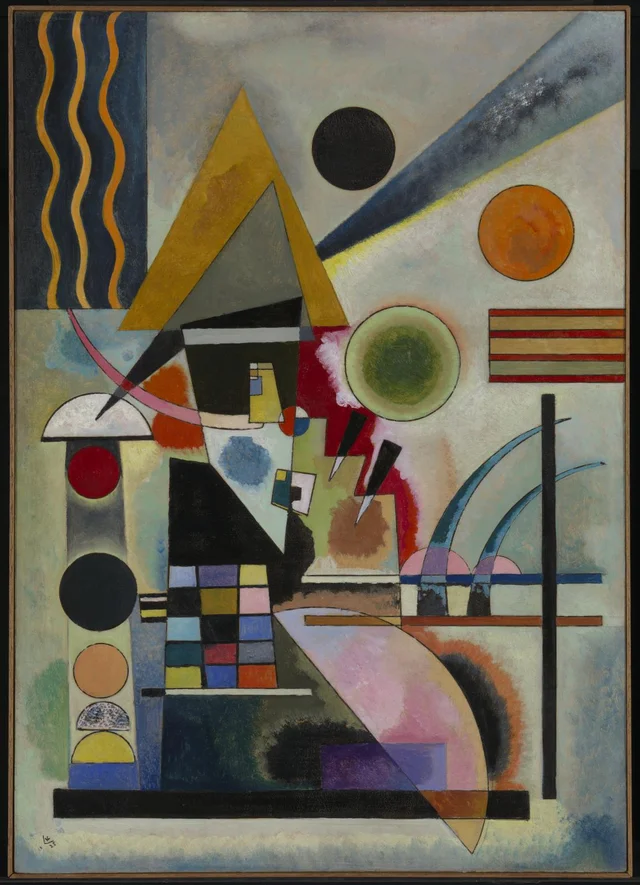
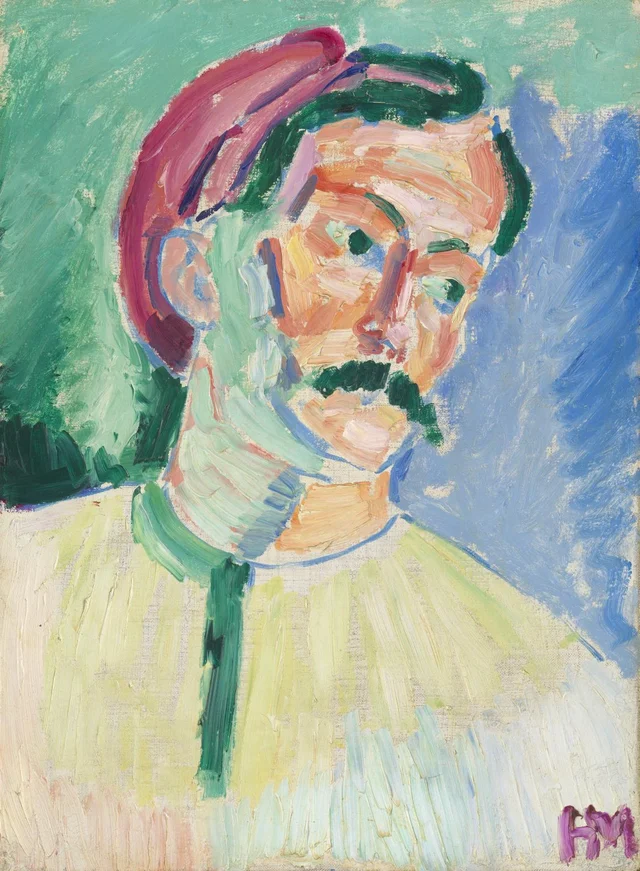
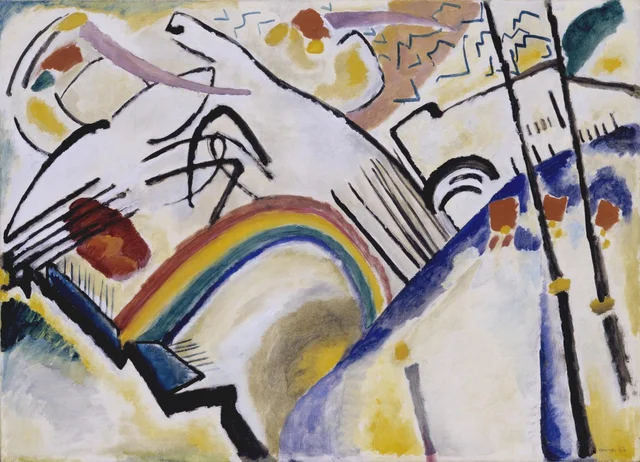
Inside is Britain's national collection of modern and contemporary art, from Matisse and Picasso through Rothko and Warhol to living artists. In 2016 a folded brick tower by the same architects was added at the back, so the old power station now runs deep as well as tall.