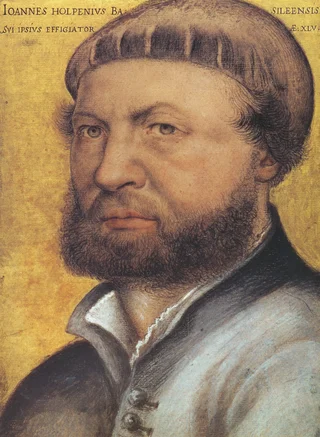
Hans Holbein el Joven
1497–1543 · Sacro Imperio Romano Germánico · Renacimiento alemán
La historia
En 1539 Enrique VIII envió a su pintor de corte a Duren, en el ducado alemán de Cléveris, con un solo encargo: pintar un retrato fiel de Ana, hermana del duque y candidata a convertirse en la cuarta esposa del rey. Hans Holbein el Joven era pintor real desde alrededor de 1535, y producía retratos, diseños de joyas y decoraciones festivas para la corte Tudor; su palabra sobre el aspecto de Ana estaba a punto de pesar más que cualquier informe de un embajador.
A Enrique le gustó lo que vio y aceptó el matrimonio. Cuando Ana llegó a Inglaterra en enero de 1540 y el rey la conoció en persona por primera vez, según se cuenta se quedó sorprendido al encontrarla más alta y de rasgos más toscos de lo que sugería el retrato, y el matrimonio fue anulado antes de seis meses. Si Holbein la favoreció o simplemente pintó lo que exigía la convención, los historiadores todavía lo discuten, pero el retrato ya había cumplido su función diplomática.
Holbein había construido su carrera inglesa dos décadas antes gracias a una carta de recomendación de Erasmo, el erudito de Róterdam, que lo introdujo en la casa del estadista Tomás Moro. Murió en Londres en 1543, muy probablemente de peste, tras pasar sus últimos años produciendo alrededor de 150 retratos de la realeza y la nobleza Tudor.
Más artículos
 Artículo · 45 min de lecturaEl Mauritshuis de La Haya: 20 cuadros y cómo llegaron aquí
 Artículo · 43 min de lecturaMuseo Nacional Thyssen-Bornemisza: veinte cuadros que compraron un padre y su hijo
 Artículo · 45 min de lecturaGemäldegalerie de Berlín: 20 cuadros que Berlín compró, perdió y dividió
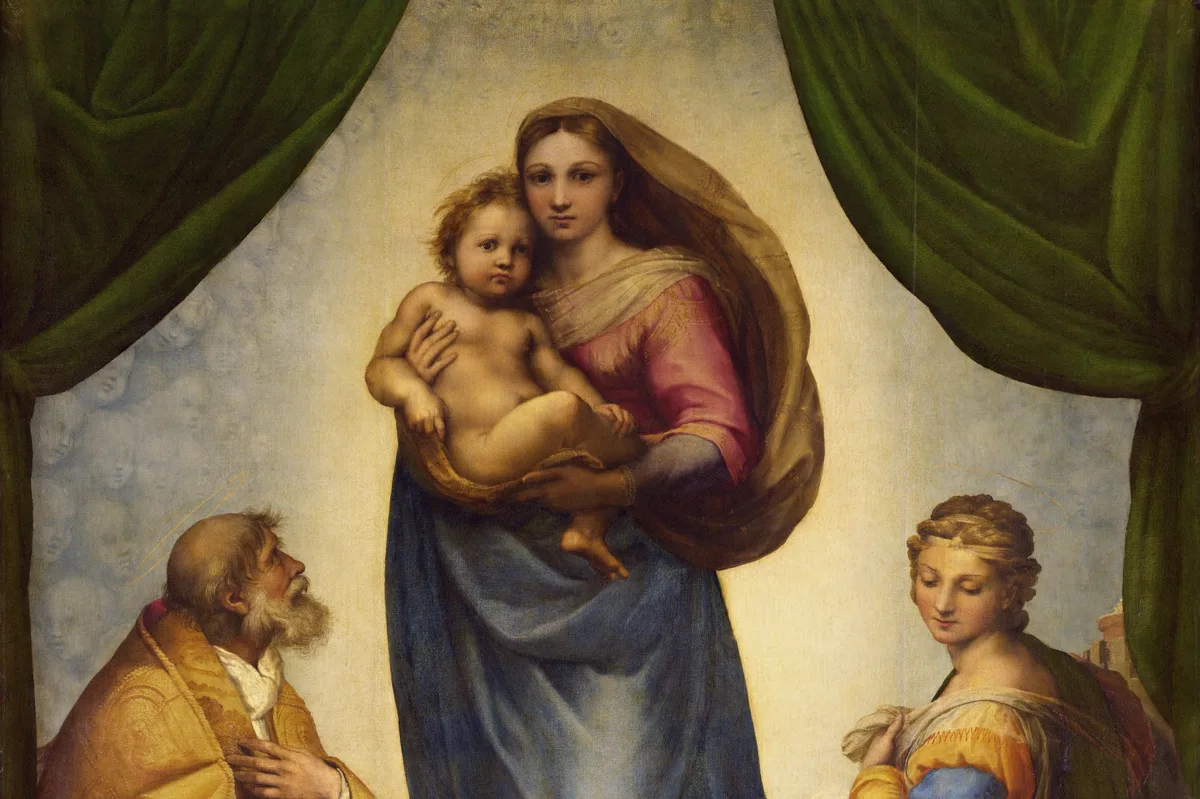 Artículo · 38 min de lecturaGalería de Maestros Antiguos de Dresde: 15 cuadros comprados, rebautizados y recuperados
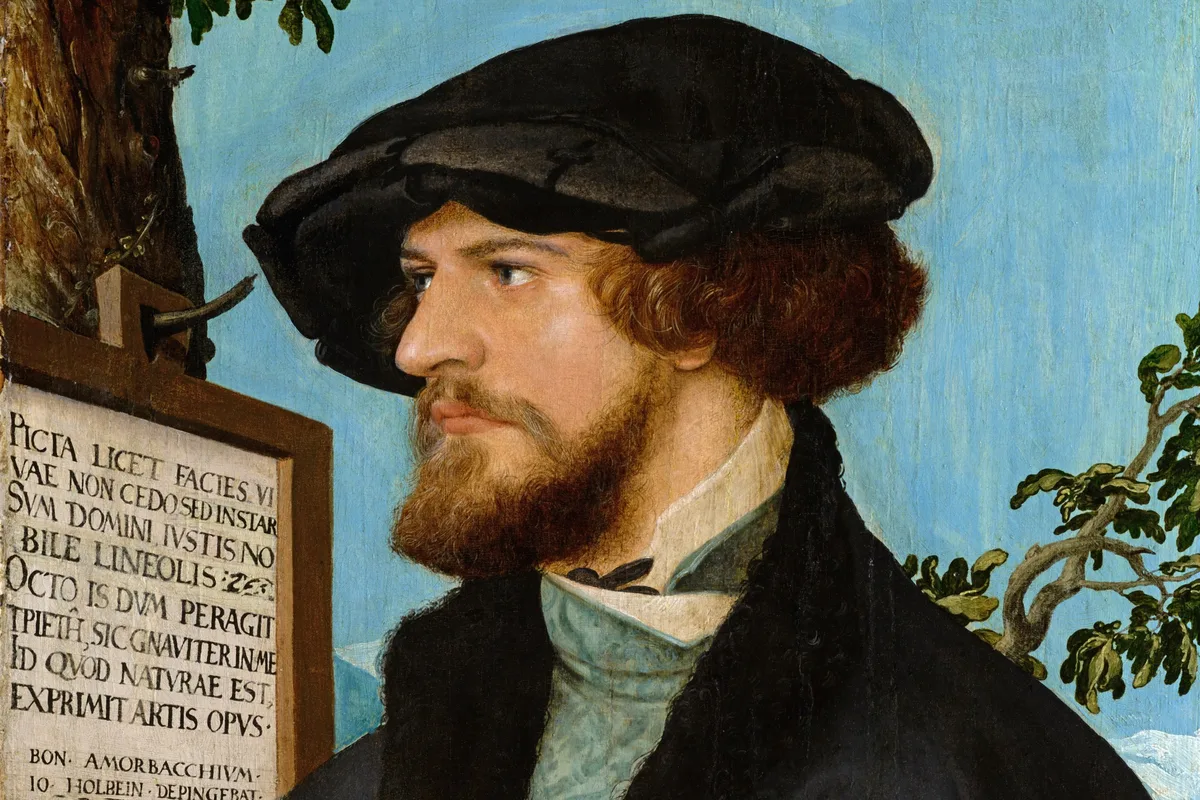 Artículo · 43 min de lecturaEl Kunstmuseum de Basilea: de la compra de los Amerbach al caso de «La musa», 1661–2023
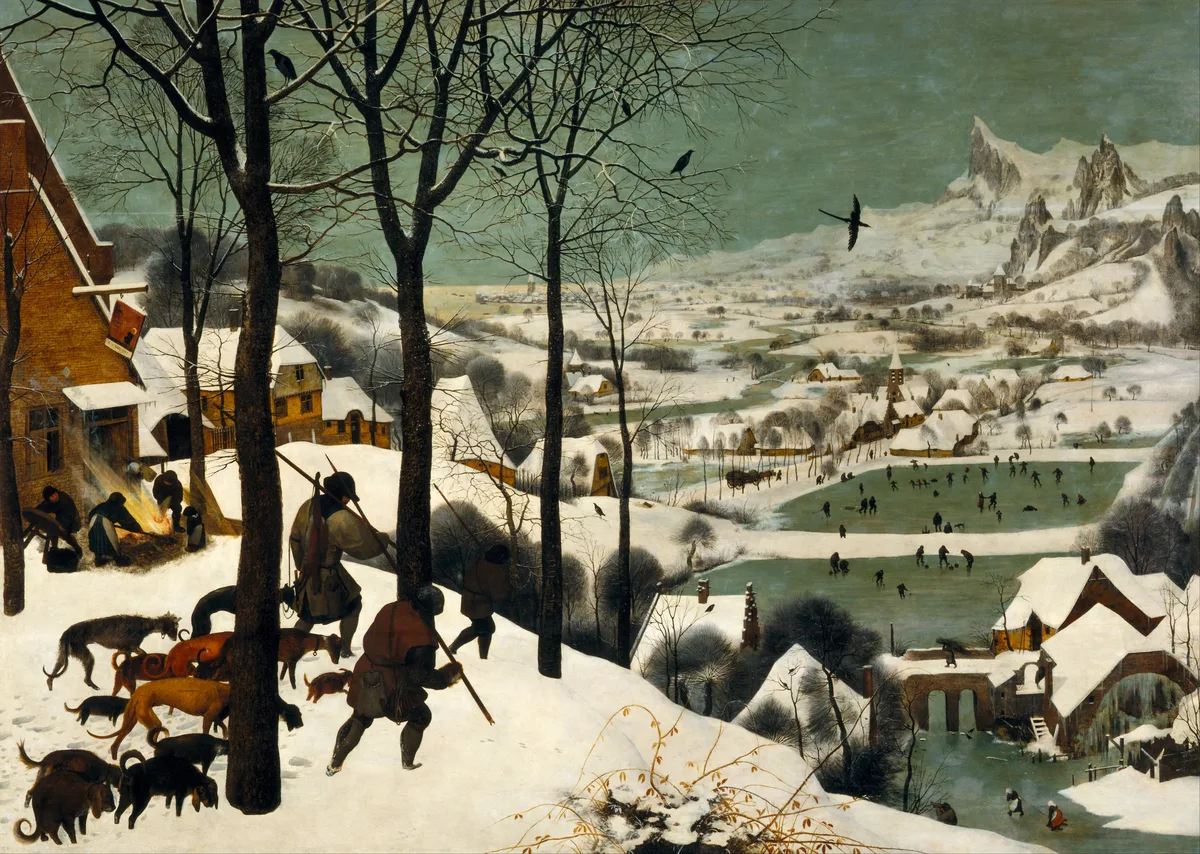 Artículo · 49 min de lecturaMuseo de Historia del Arte de Viena: 25 obras y cómo llegaron a los Habsburgo
Obras
69 obras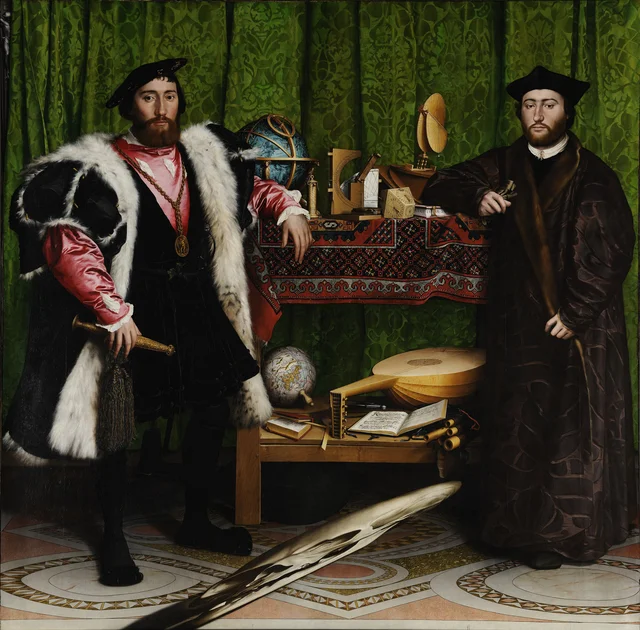 Los embajadoresHans Holbein el Joven, 1533
 El cuerpo de Cristo muerto en la tumbaHans Holbein el Joven, 1520
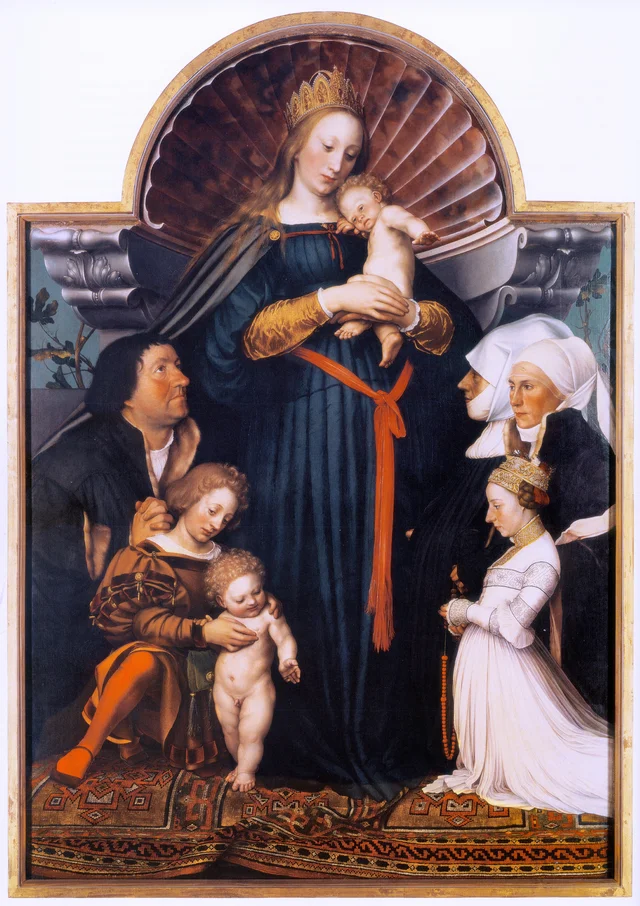 Madonna de DarmstadtHans Holbein el Joven, 1526
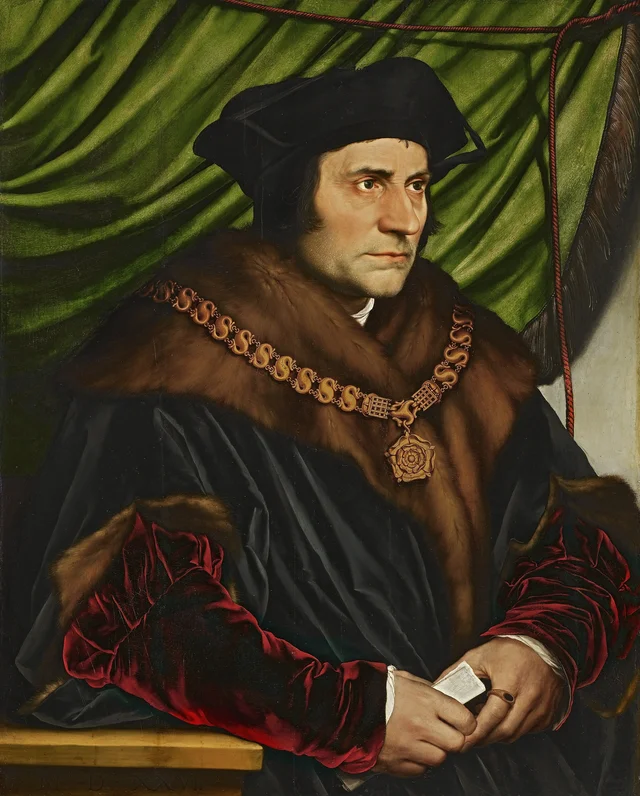 Retrato de sir Tomás MoroHans Holbein el Joven, 1527
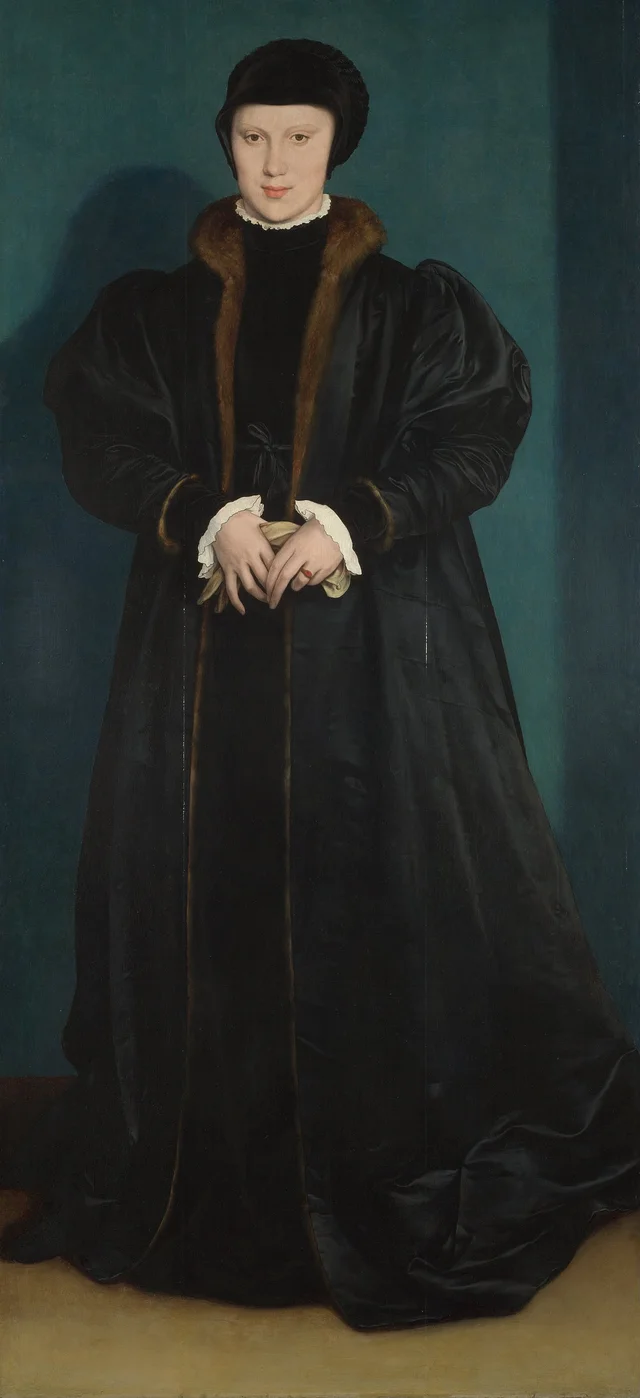 Cristina de Dinamarca, duquesa de MilánHans Holbein el Joven, 1538
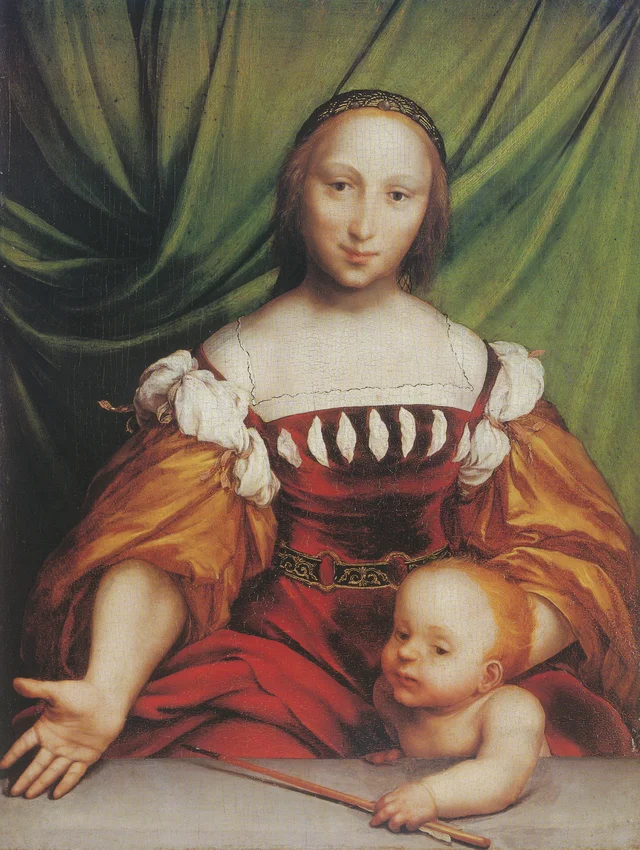 Venus y CupidoHans Holbein el Joven, 1526
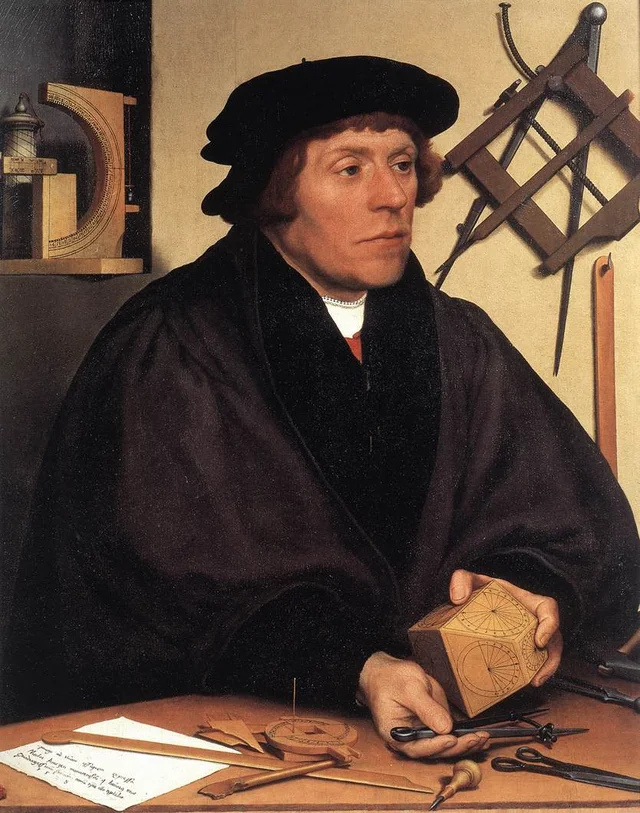 Retrato de Nikolaus KratzerHans Holbein el Joven, 1528
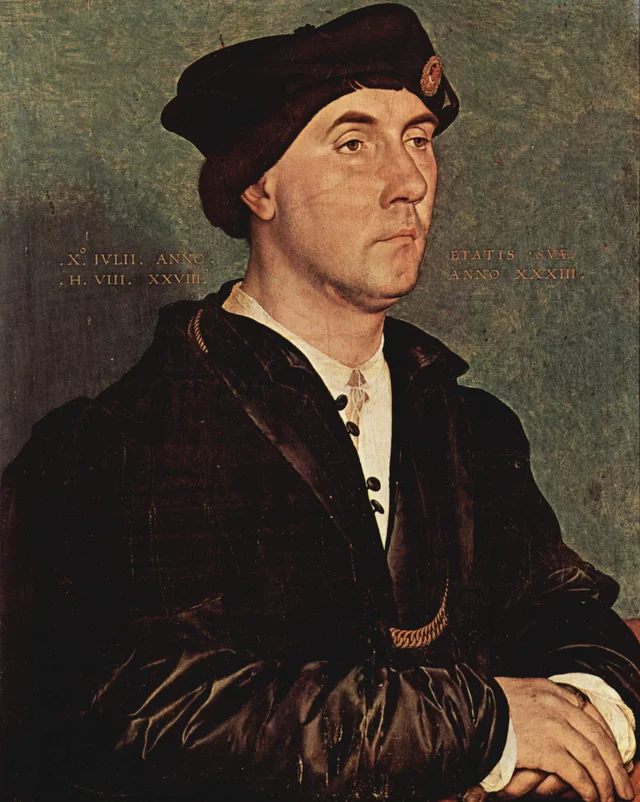 Retrato de sir Richard SouthwellHans Holbein el Joven, 1536
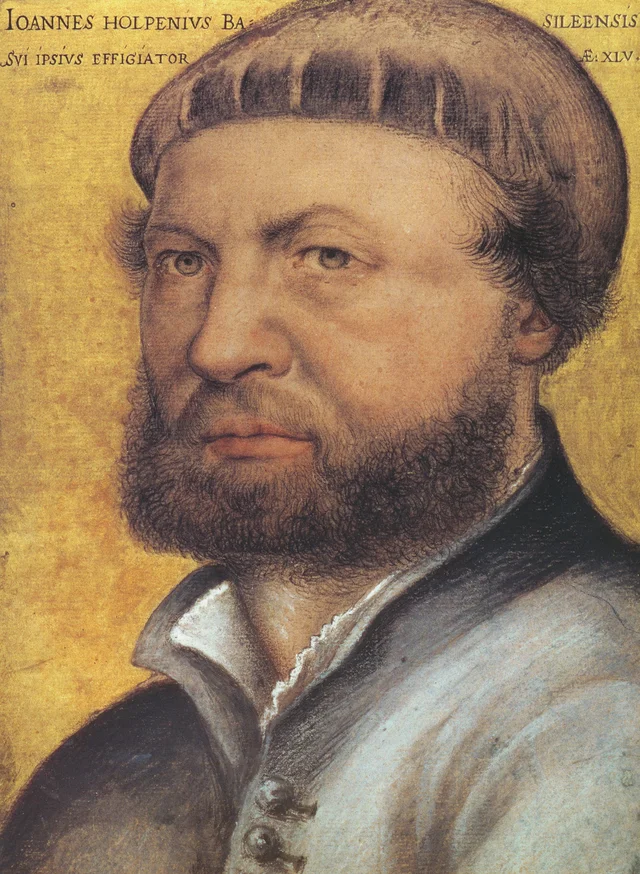 AutorretratoHans Holbein el Joven, 1542
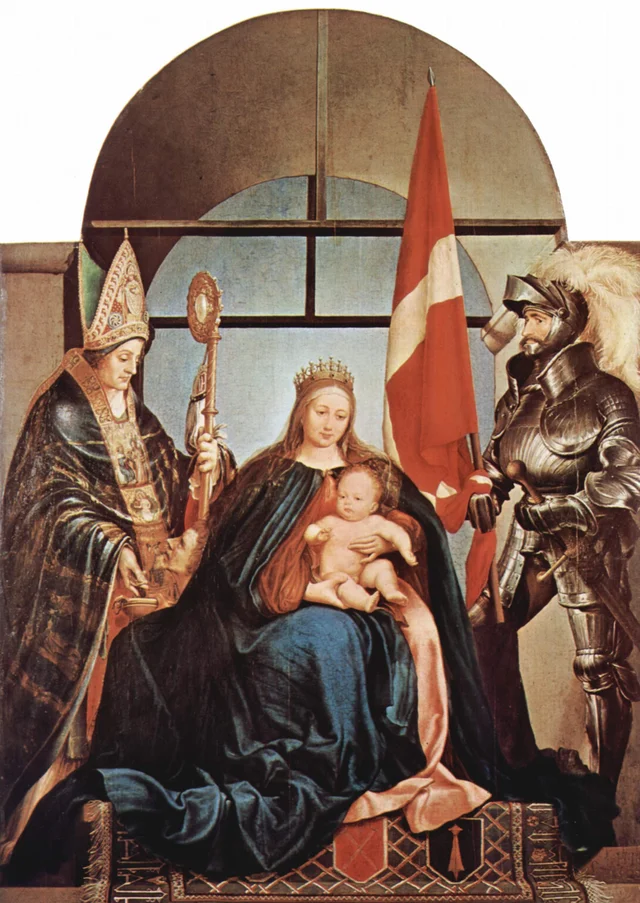 Virgen entronizada con el Niño y dos figurasHans Holbein el Joven, 1522
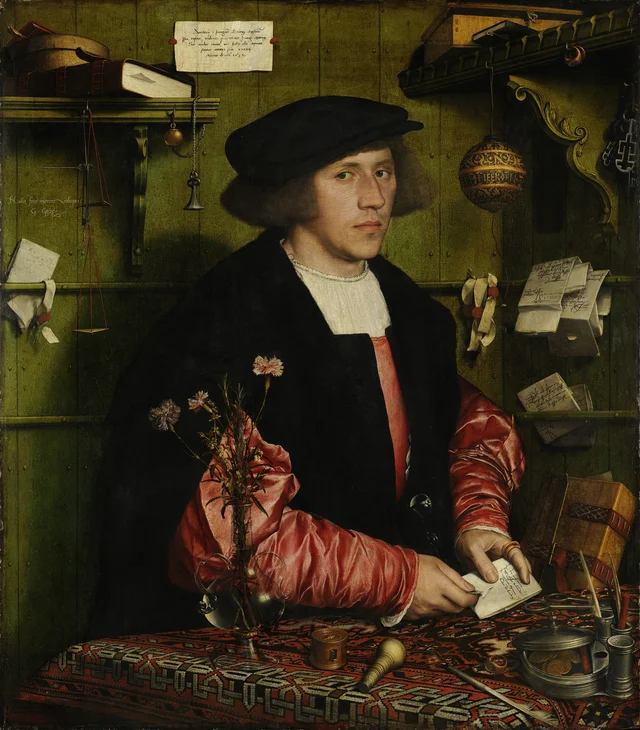 El comerciante Georg GiszeHans Holbein el Joven, 1532
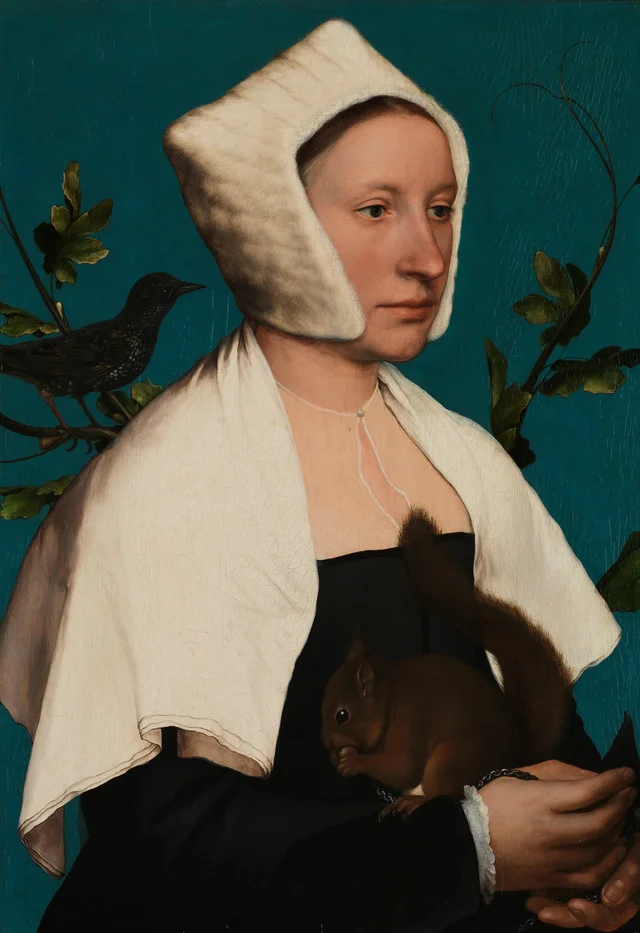 Dama con una ardilla y un estornino (¿Anne Lovell?)Hans Holbein el Joven, 1527
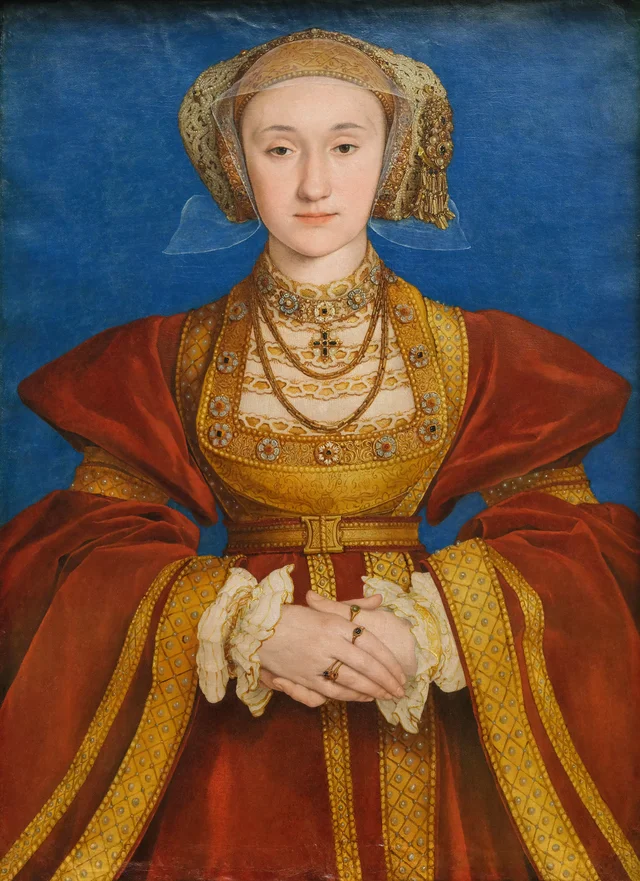 Retrato de esponsales de Ana de CléverisHans Holbein el Joven, 1539
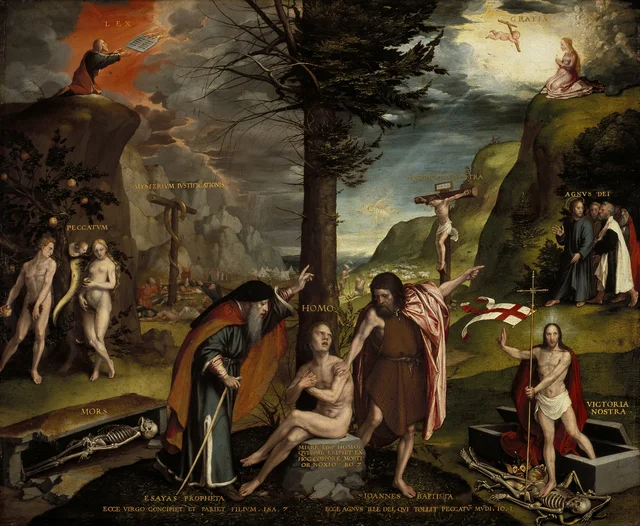 Alegoría del Antiguo y Nuevo TestamentoHans Holbein el Joven, 1530
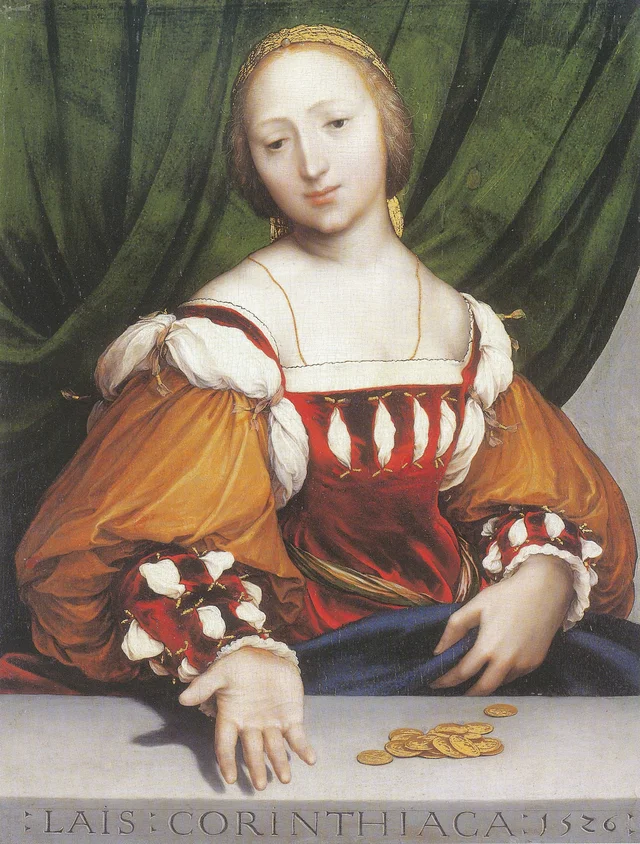 Lais de CorintoHans Holbein el Joven, 1526
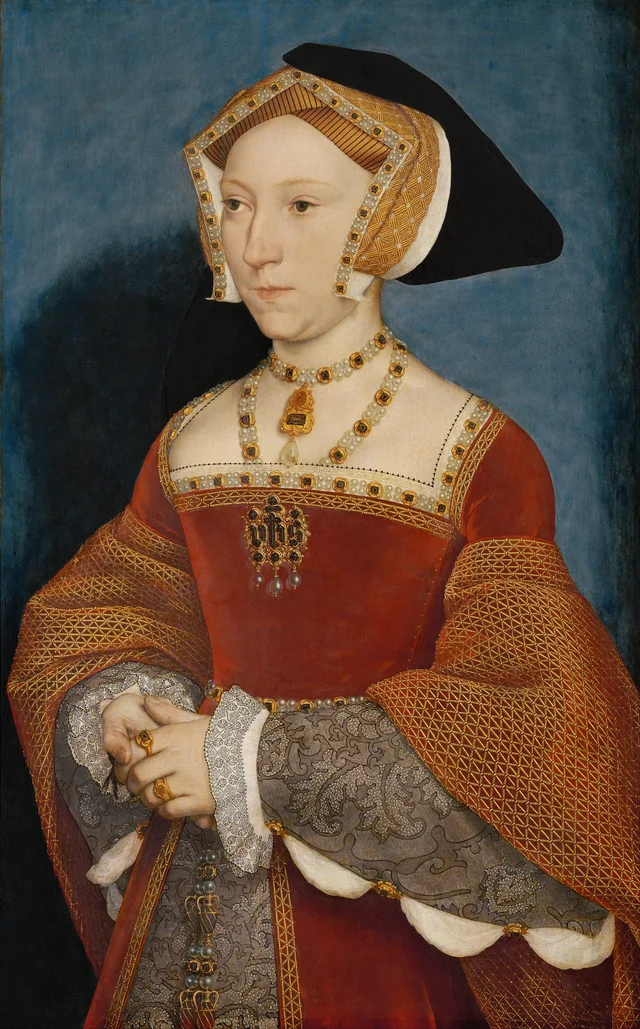 Juana SeymourHans Holbein el Joven, 1536
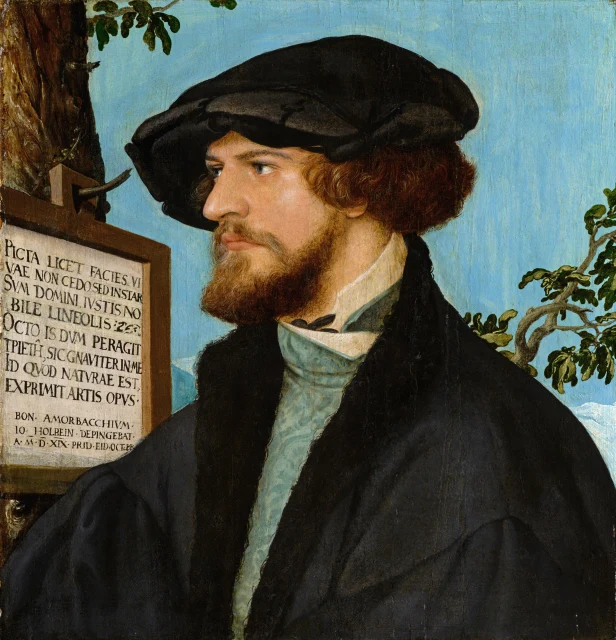 Retrato de Bonifacius AmerbachHans Holbein el Joven, 1519
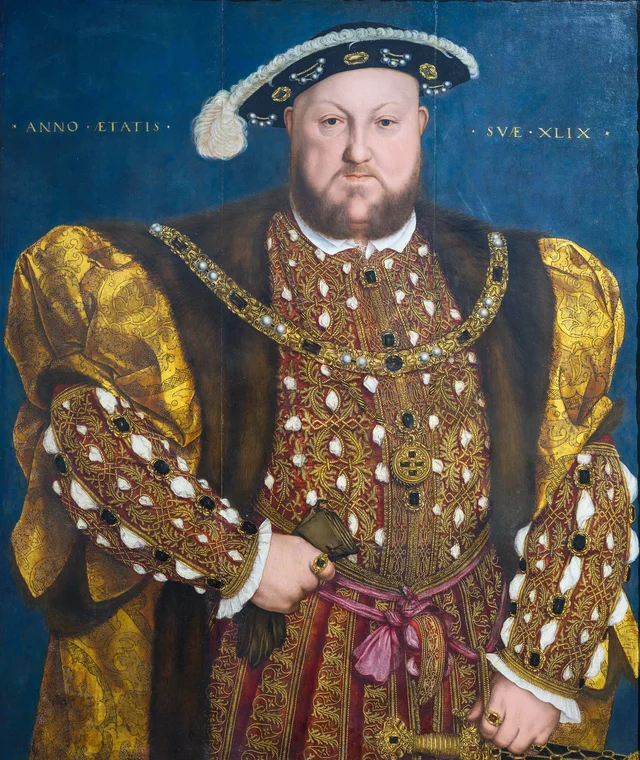 Retrato de Enrique VIII de InglaterraHans Holbein el Joven, 1540
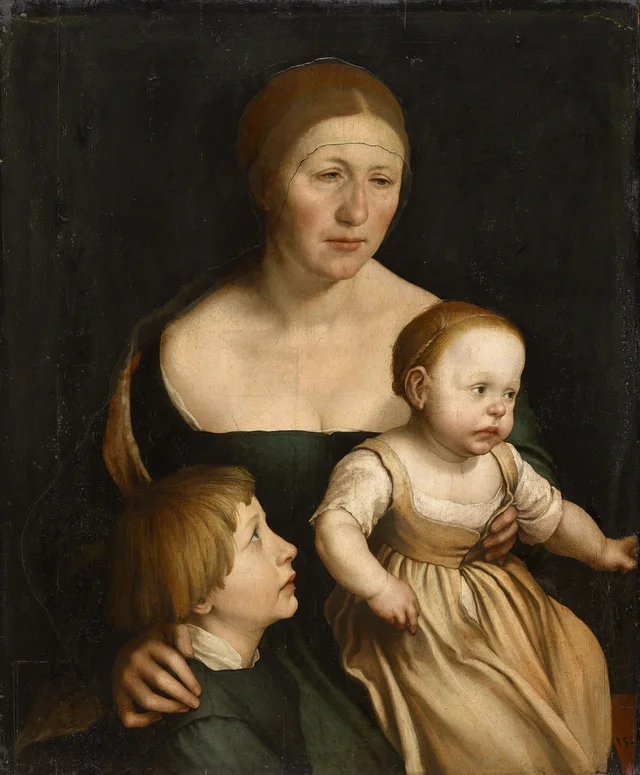 Retrato de la familia del artistaHans Holbein el Joven, 1528
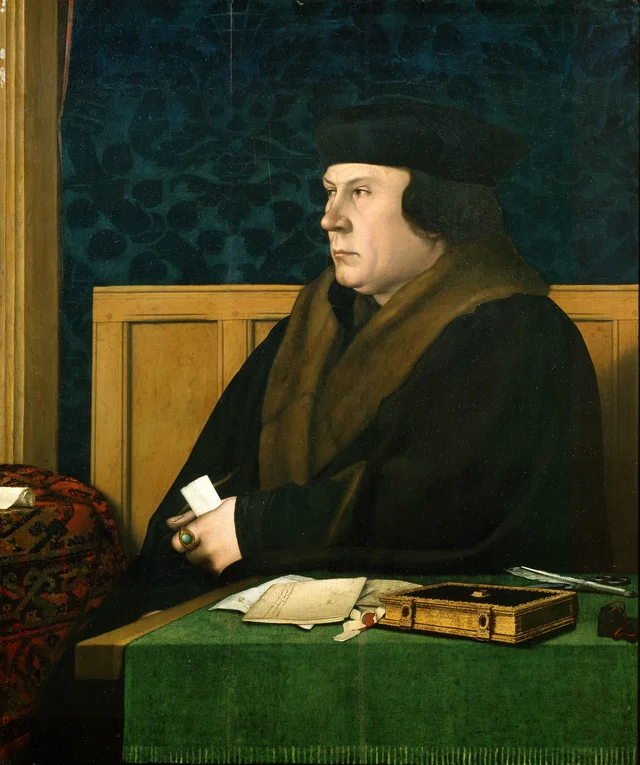 Thomas CromwellHans Holbein el Joven, 1532
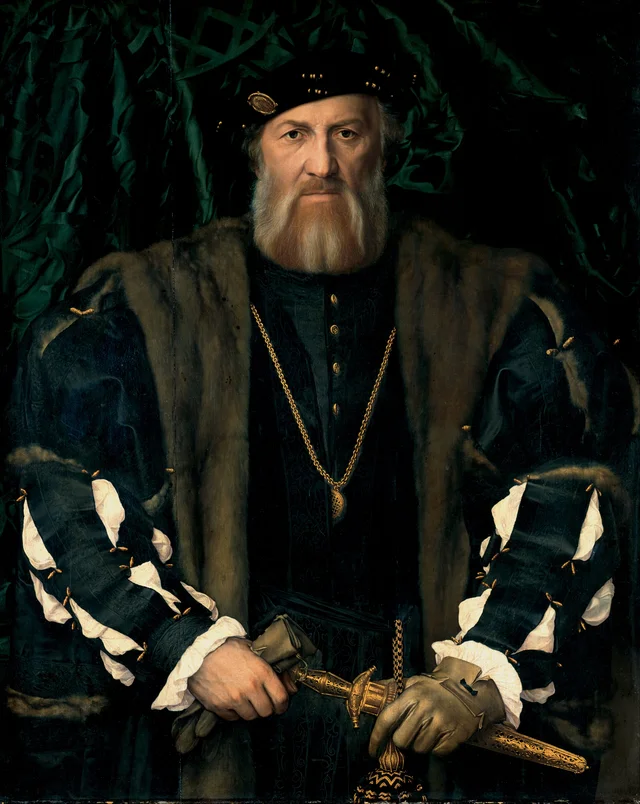 Charles de Solier, señor de MoretteHans Holbein el Joven, 1534
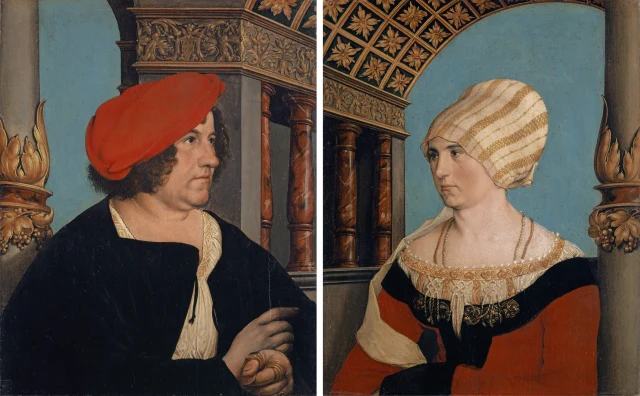 Doble retrato de Jakob Meyer zum Hasen y Dorothea KannengießerHans Holbein el Joven, 1516
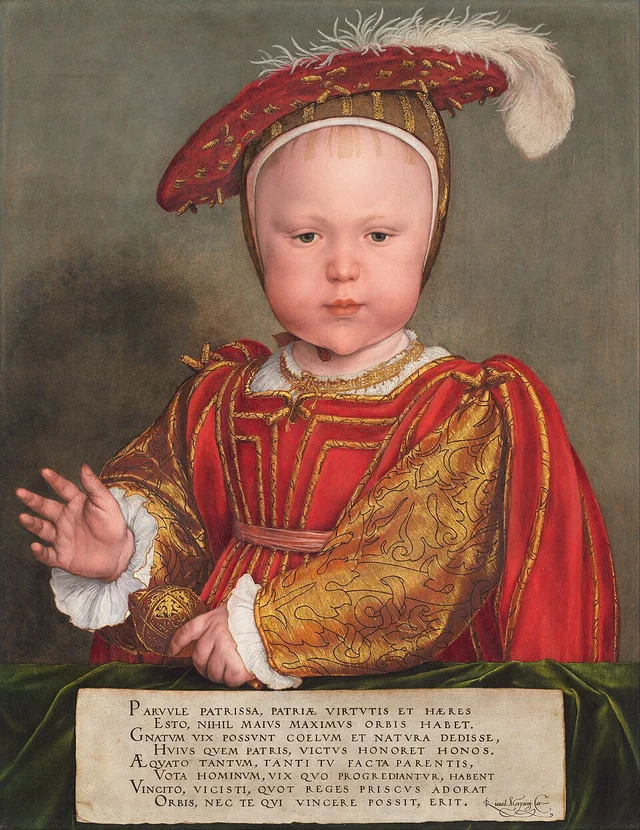 Eduardo VI de niñoHans Holbein el Joven, 1538
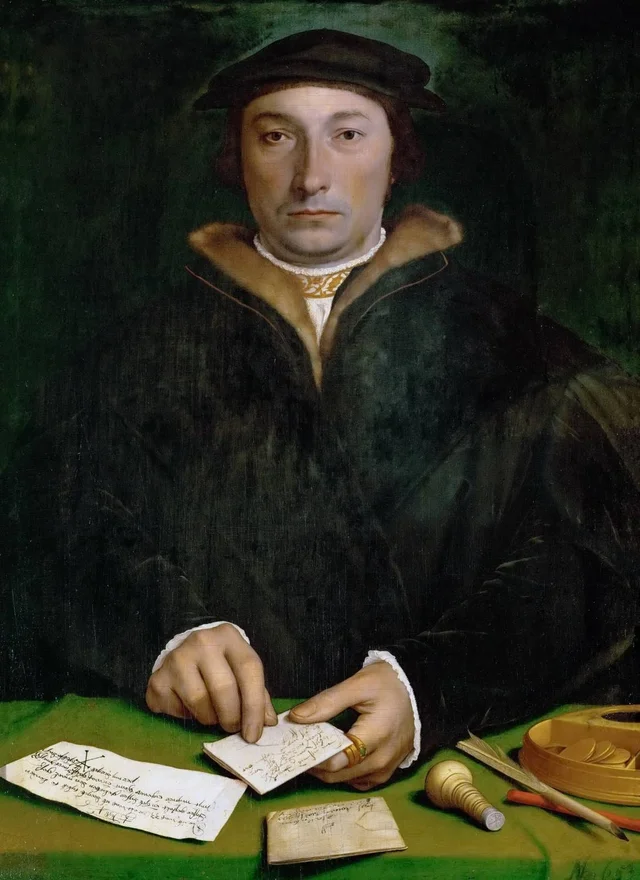 El mercader de Duisburgo Dirck TybisHans Holbein el Joven, 1533
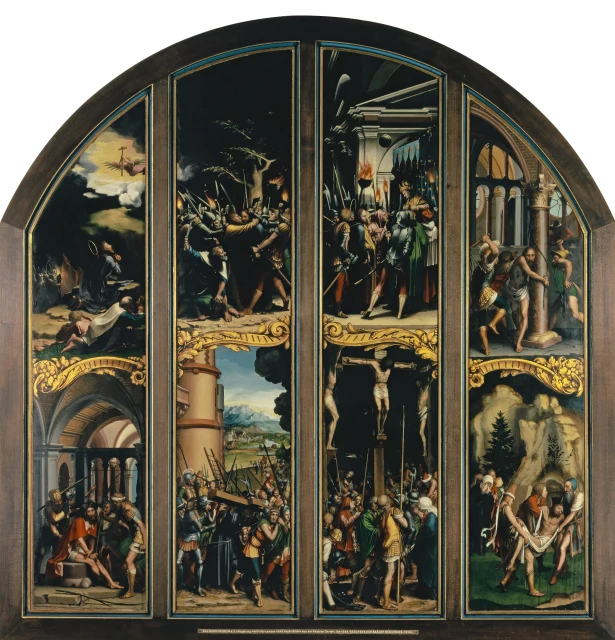 Altar de la PasiónHans Holbein el Joven, 1523