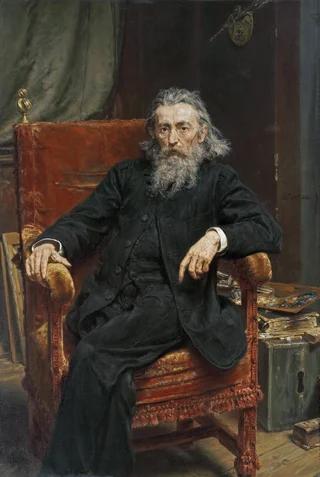
Jan Matejko
1838–1893 · Ciudad Libre de Cracovia · Pintura de historia, Romanticismo, Realismo del siglo XIX
La historia
Jan Matejko nació en 1838 en Cracovia, en una Polonia que no existía en el mapa. El país había sido repartido en tres por Rusia, Prusia y Austria seis décadas antes, y para cuando Matejko pintaba, la mayoría de sus compatriotas nunca había vivido bajo un gobierno polaco. Él respondió a ese borrado con el tamaño. Sus pinturas de la historia polaca alcanzan una escala enorme. La Batalla de Grunwald, de 1878, se extiende casi 10 metros de ancho, atestada de reyes, caballeros y estandartes nombrados de una victoria de 1410 sobre los Caballeros Teutónicos de la que los polacos aún podían enorgullecerse aun sin un Estado propio.
Matejko comprimió décadas en un solo lienzo, inventó encuentros que nunca tuvieron lugar y vistió a sus figuras para lograr un efecto dramático más que con un vestuario documentado, decisiones que historiadores posteriores han criticado. Aun así, las pinturas se reprodujeron sin cesar como estampas y postales, colgaron en hogares por todas las tierras polacas repartidas, e hicieron un trabajo que un museo nacional o un gobierno nacional no podían hacer en aquel momento.
Enseñó en la Escuela de Bellas Artes de Cracovia durante las dos últimas décadas de su vida, formando a la siguiente generación de pintores polacos, y murió en 1893, enterrado en la misma ciudad donde el enorme lienzo de Grunwald había atraído multitudes quince años antes.
Obras
56 obras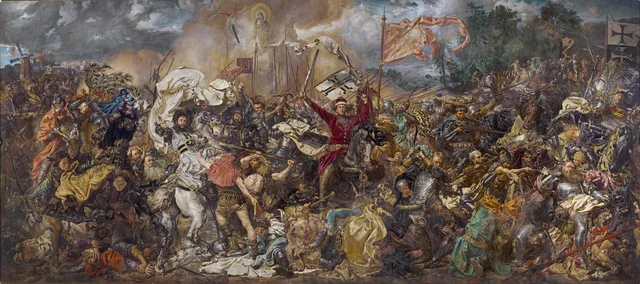 Batalla de GrunwaldJan Matejko, 1878
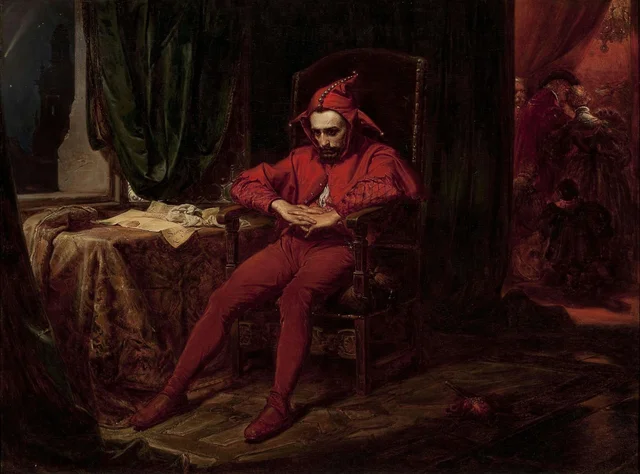 StańczykJan Matejko, 1862
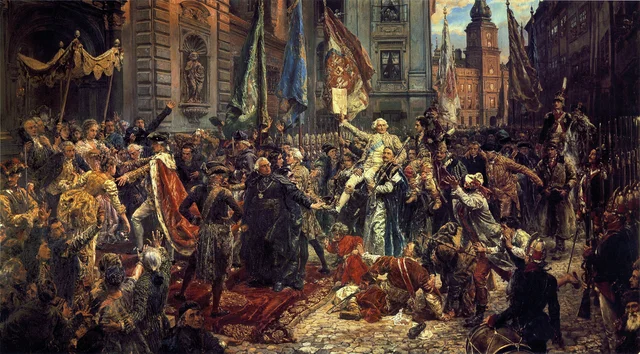 Constitución del 3 de Mayo de 1791Jan Matejko, 1891
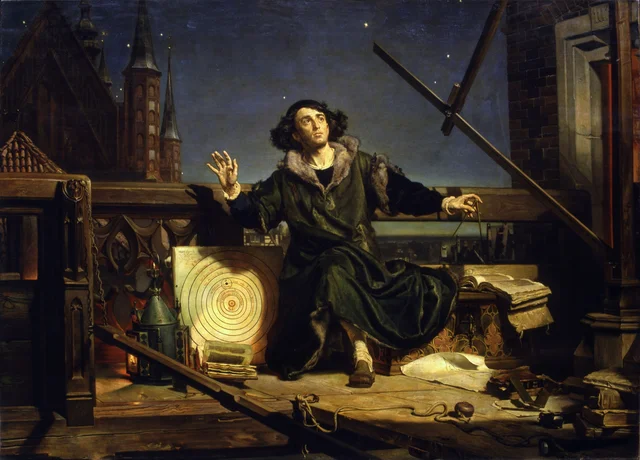 Astrónomo Copérnico, o Conversaciones con DiosJan Matejko, 1873
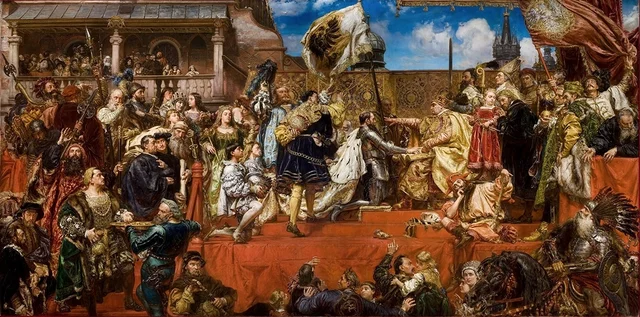 El homenaje prusianoJan Matejko, 1879
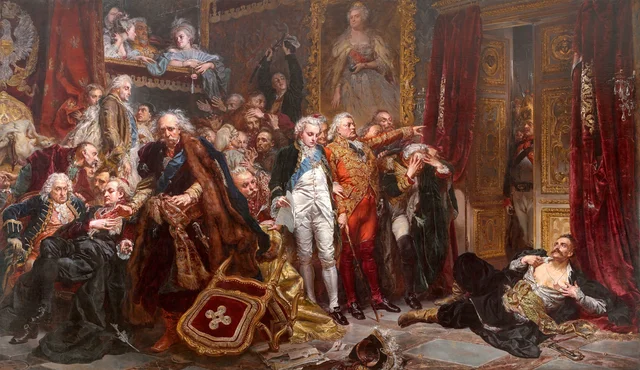 RejtanJan Matejko, 1866
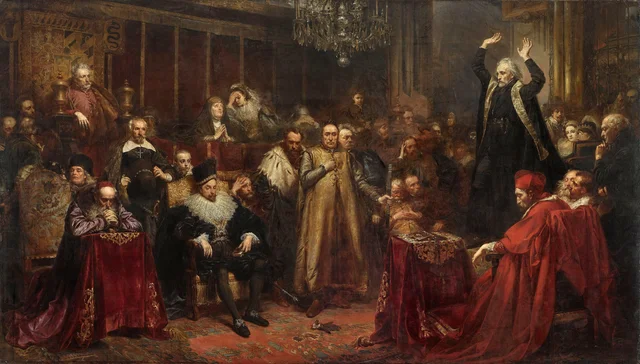 El sermón de SkargaJan Matejko, 1864
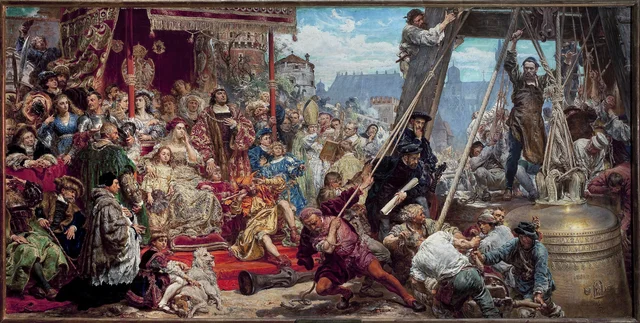 La colocación de la campana Segismundo en la torre de la catedral de Cracovia en 1521Jan Matejko, 1874
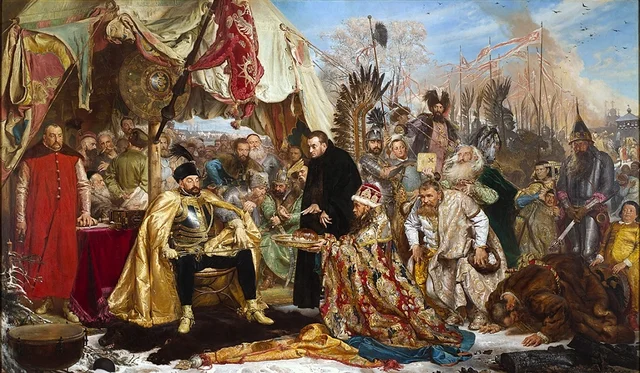 Esteban Báthory en PskovJan Matejko, 1872
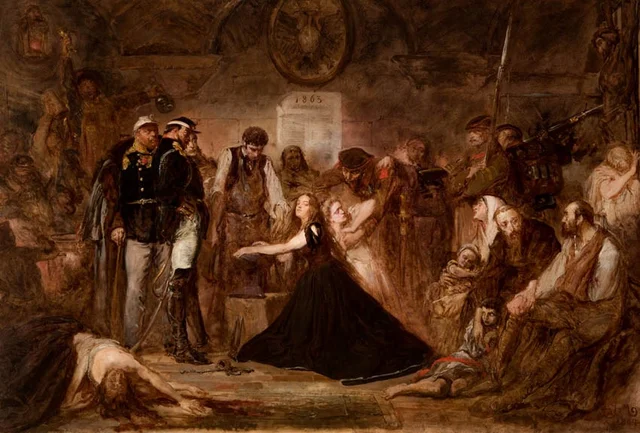 Polonia – El año 1863Jan Matejko, 1864
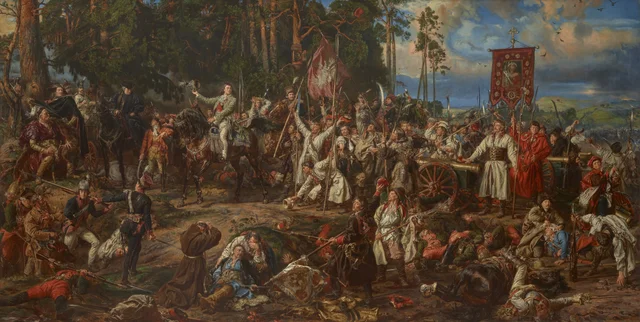 La batalla de RacławiceJan Matejko, 1888
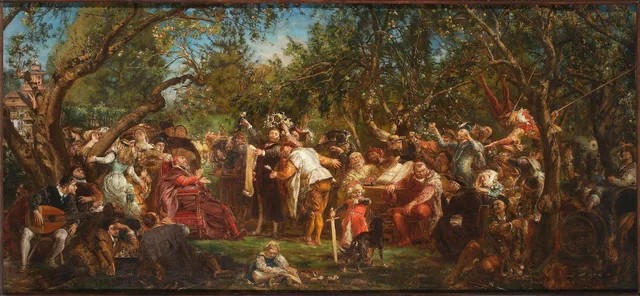 República de BabinJan Matejko, 1881
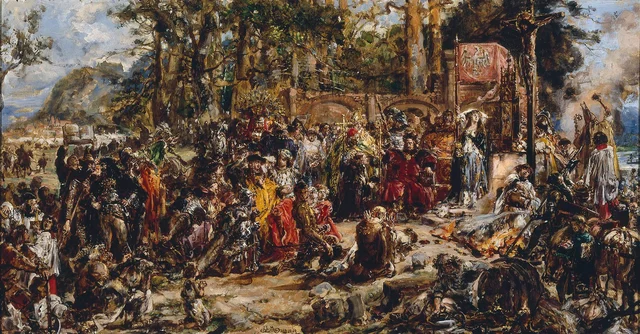 El bautismo de LituaniaJan Matejko, 1888
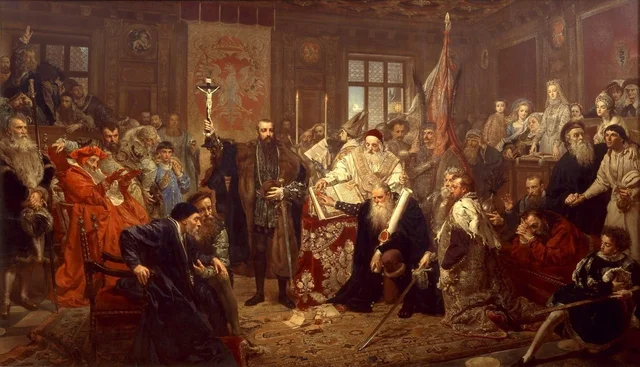 La Unión de LublinJan Matejko, 1869
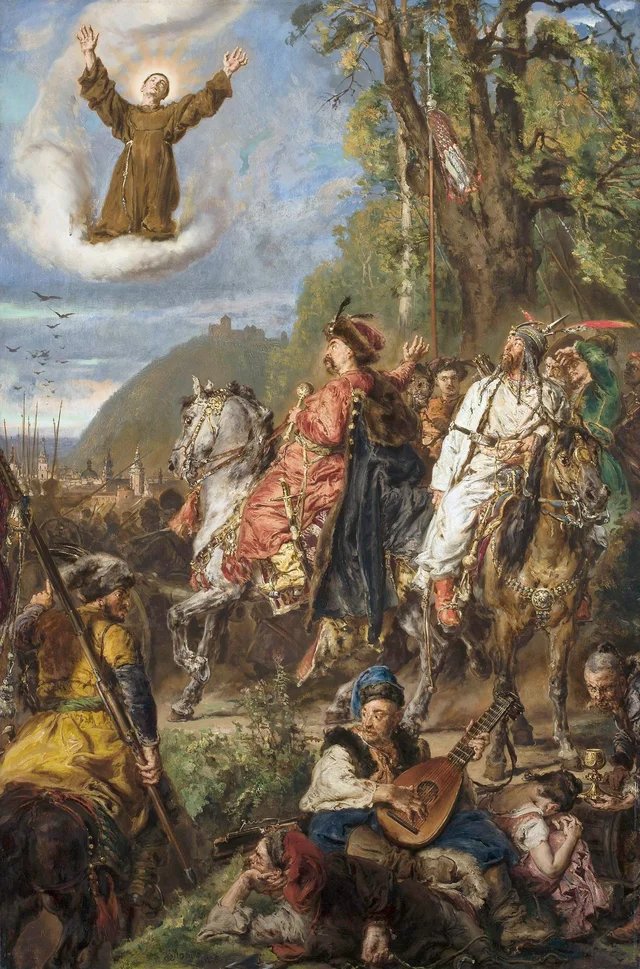 Bohdan Jmelnitski con Tugái Bey cerca de LeópolisJan Matejko, 1885
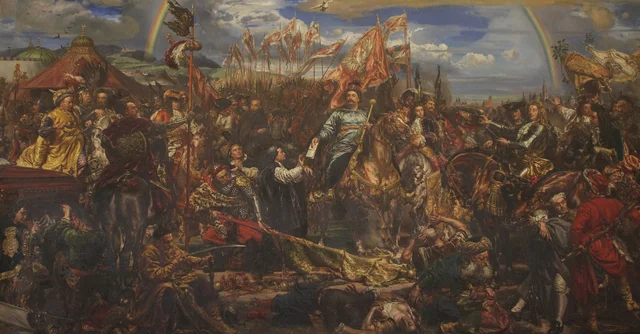 Juan Sobieski en VienaJan Matejko, 1883
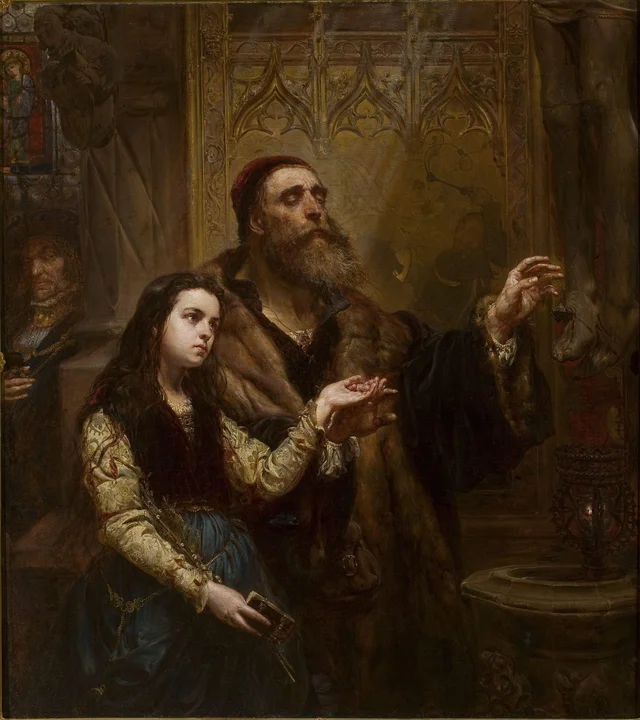 El ciego Veit Stoss con su nietaJan Matejko, 1865
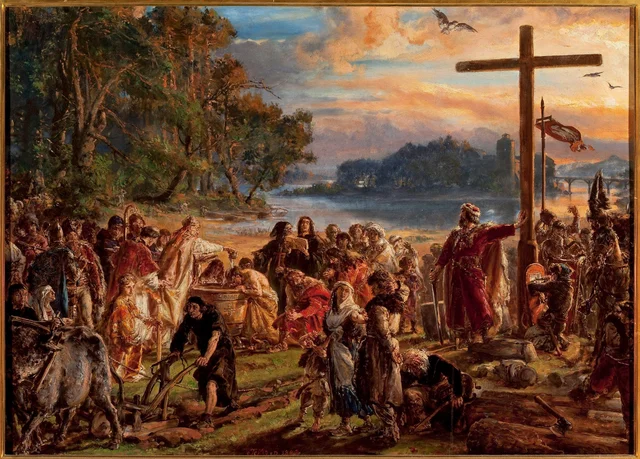 Introducción del cristianismo en PoloniaJan Matejko, 1889
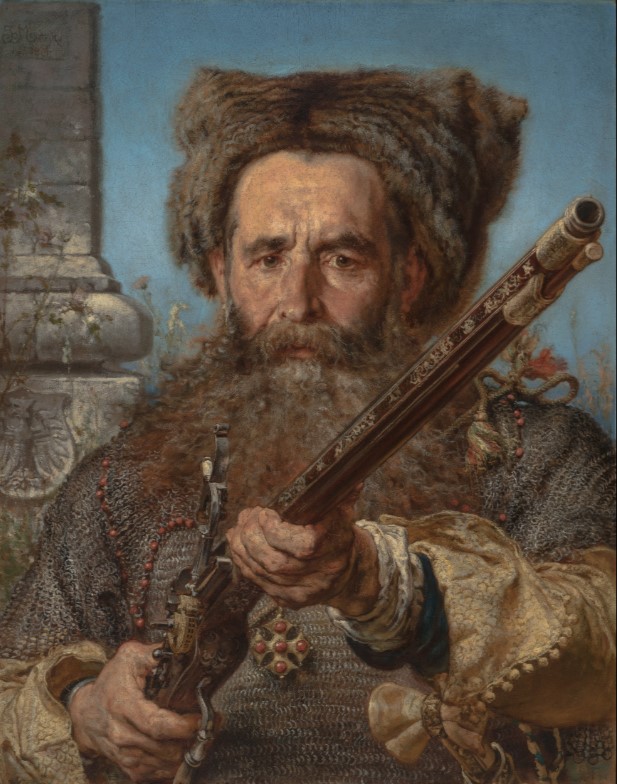 Ostafi Daszkiewicz.Jan Matejko, 1874
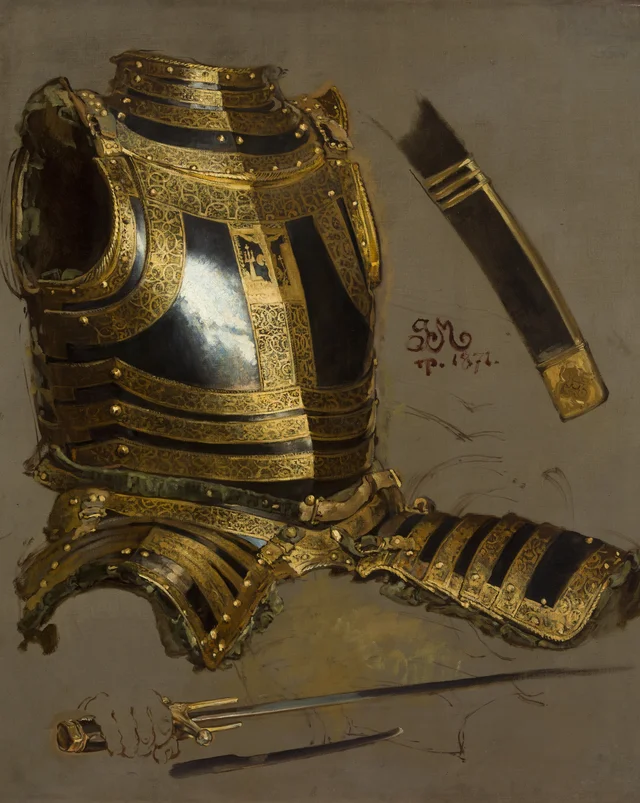 La armadura de Esteban BáthoryJan Matejko, 1871
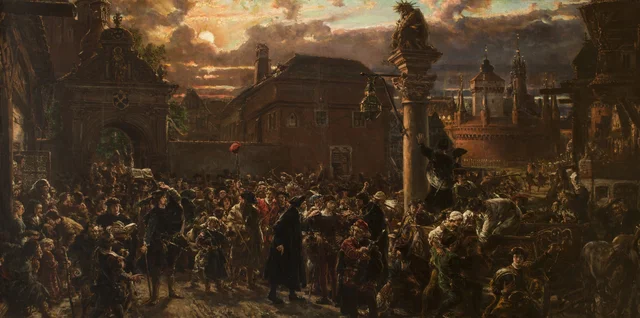 Estudiantes abandonando Cracovia en 1549Jan Matejko, 1892
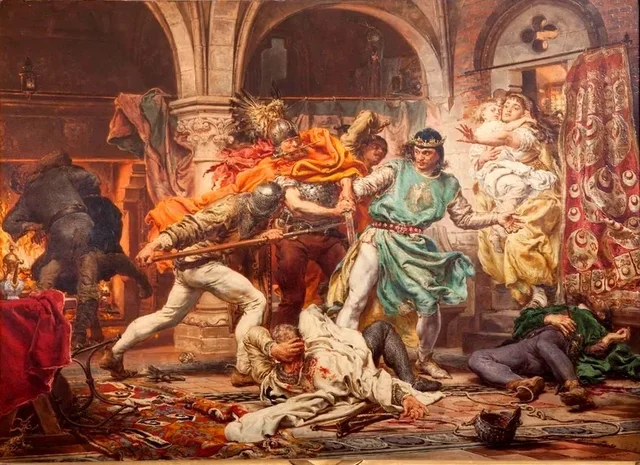 La muerte de Przemysł IIJan Matejko, 1875
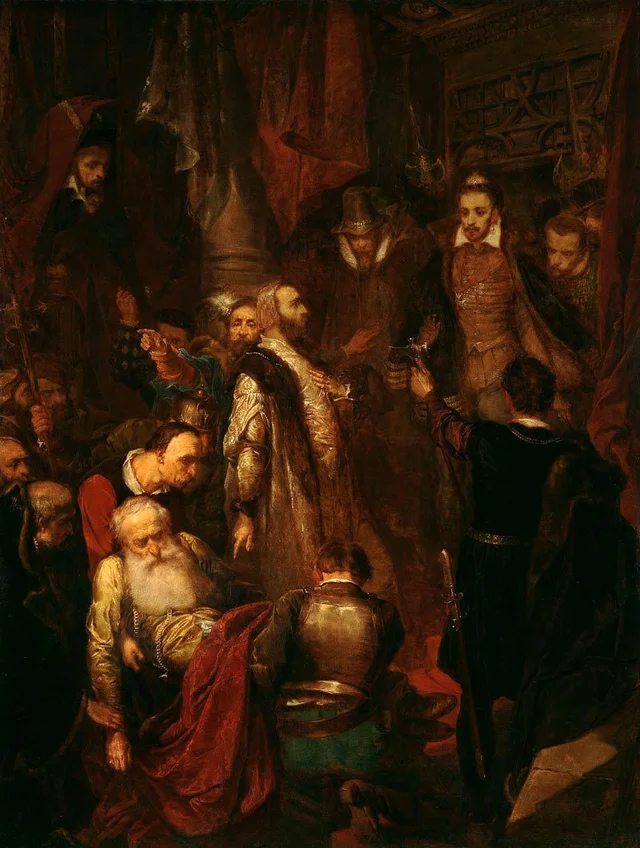 El asesinato de Wapowski durante la coronación de Enrique de ValoisJan Matejko, 1861
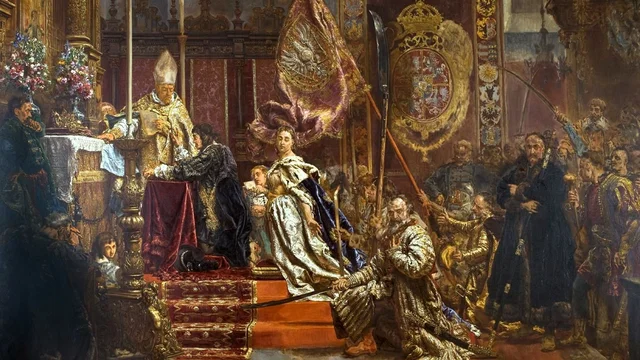 El Juramento de Lwów del rey Juan II CasimiroJan Matejko, 1893
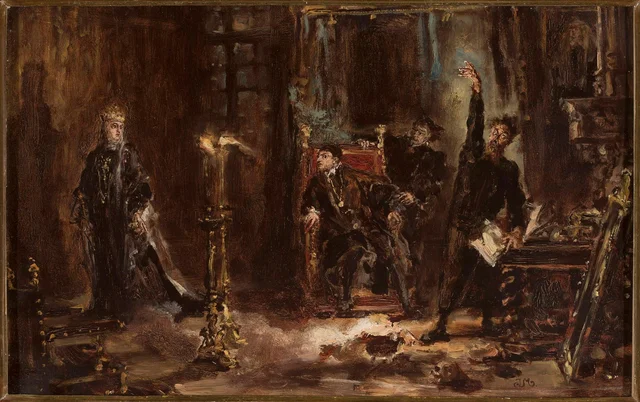 Twardowski invocando el espíritu de Bárbara para Segismundo Augusto, bocetoJan Matejko, 1884