La historia
El Louvre empezó siendo una fortaleza. Felipe II Augusto la levantó en la orilla derecha del Sena hacia 1190 para proteger el París medieval, y a lo largo de los siglos siguientes los reyes de Francia la reconstruyeron hasta convertirla en palacio real, hasta que Luis XIV trasladó su corte a Versalles en 1682 y dejó las salas a medio terminar a la colección real y a los artistas alojados dentro.
La Revolución lo transformó en museo público. El 10 de agosto de 1793 el Muséum central des arts abrió sus puertas, mostrando el arte confiscado a la corona y a la Iglesia a cualquier ciudadano que quisiera entrar. Napoleón lo llenó con el botín de sus campañas y por un tiempo lo rebautizó con su propio nombre. Mucho se devolvió tras Waterloo, pero la idea se mantuvo: una colección nacional dispuesta para el estudio y gratuita para el público.
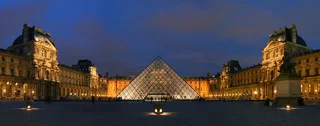
Hoy el Louvre guarda más de 35.000 obras, desde la Venus de Milo hasta La balsa de la Medusa de Géricault. La multitud, sin embargo, se agolpa ante un pequeño retrato. En agosto de 1911 desapareció. Vincenzo Peruggia, un operario italiano que había trabajado en el museo, descolgó La Gioconda de Leonardo y se la llevó bajo el abrigo. Durante dos años el marco colgó vacío mientras los visitantes acudían a contemplar el hueco, y el cuadro no regresó hasta 1913, después de que Peruggia intentara venderlo a un marchante en Florencia. La pirámide de cristal de I. M. Pei, colocada en el patio en 1989, marca ahora la entrada.
Más artículos
Colección
1174 obras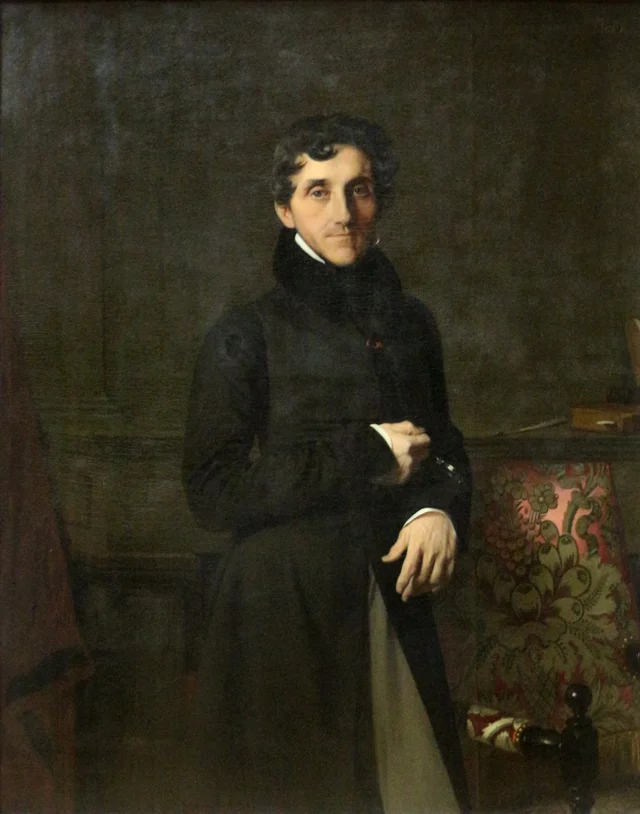 Retrato de Louis-Mathieu MoléJean-Auguste-Dominique Ingres, 1834
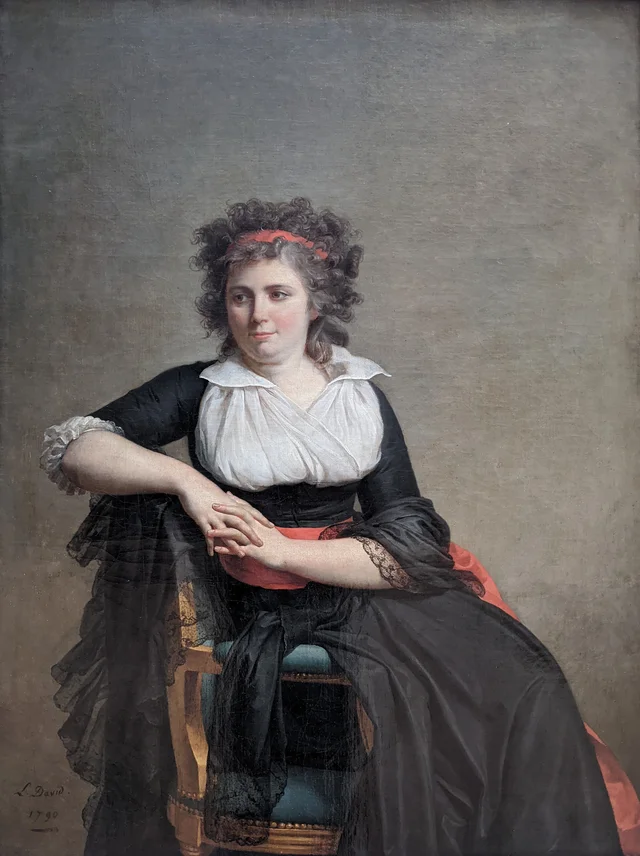 Retrato de la marquesa de OrvilliersJacques-Louis David, 1790
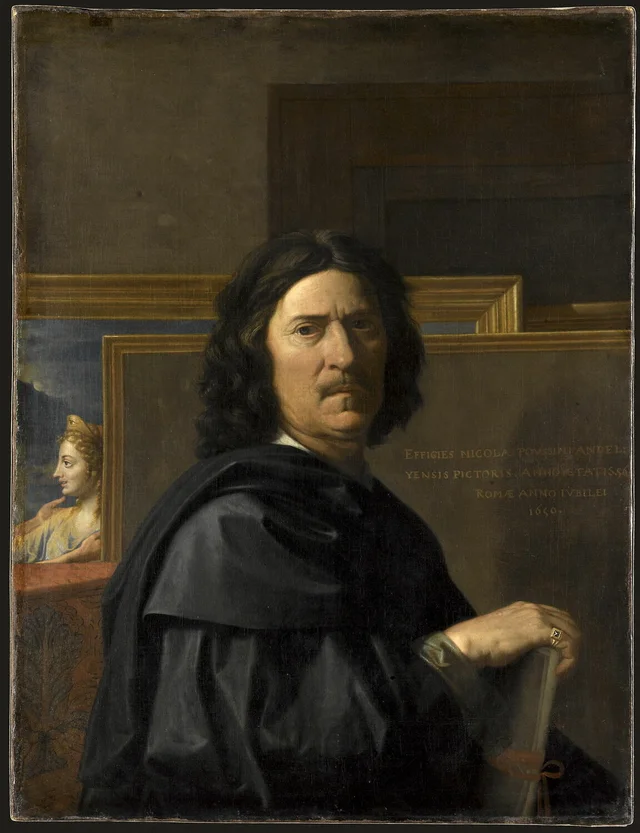 AutorretratoNicolas Poussin, 1650
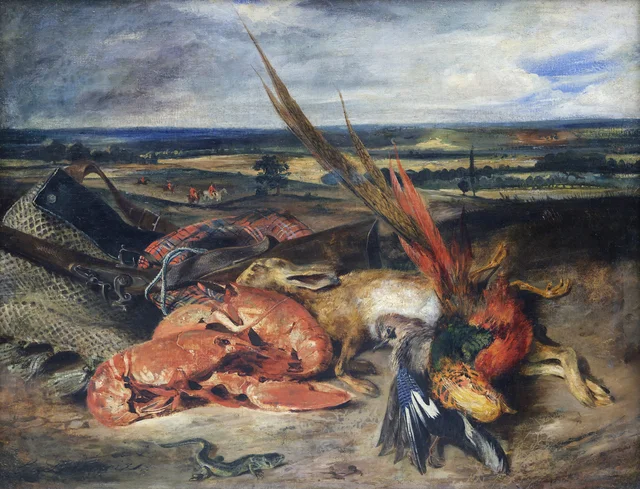 Naturaleza muerta con langosta y trofeos de caza y pescaEugène Delacroix, 1827
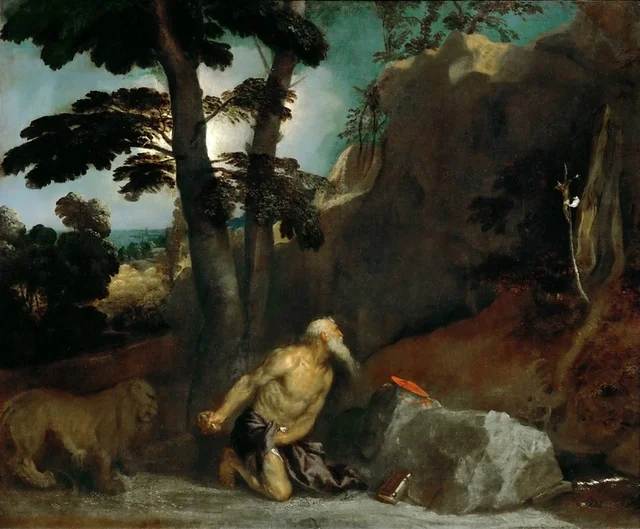 San Jerónimo penitenteTiziano, 1531
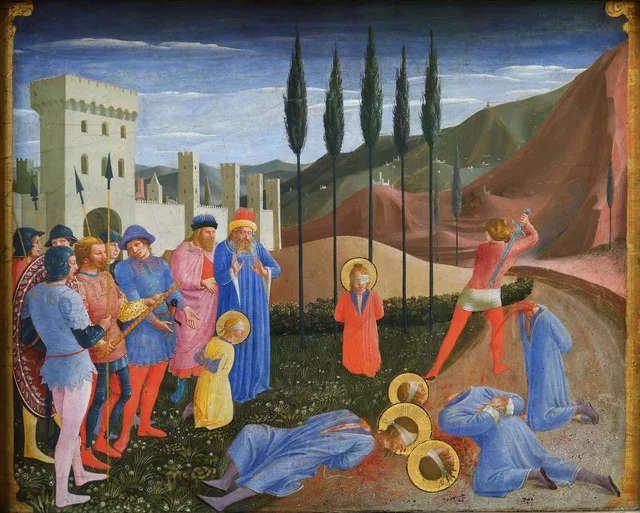 La decapitación de los santos Cosme y DamiánFra Angelico, 1443
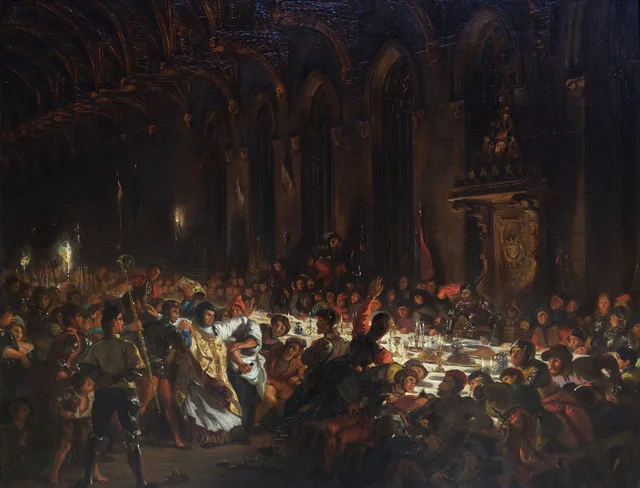 El asesinato del obispo de LiejaEugène Delacroix, 1828
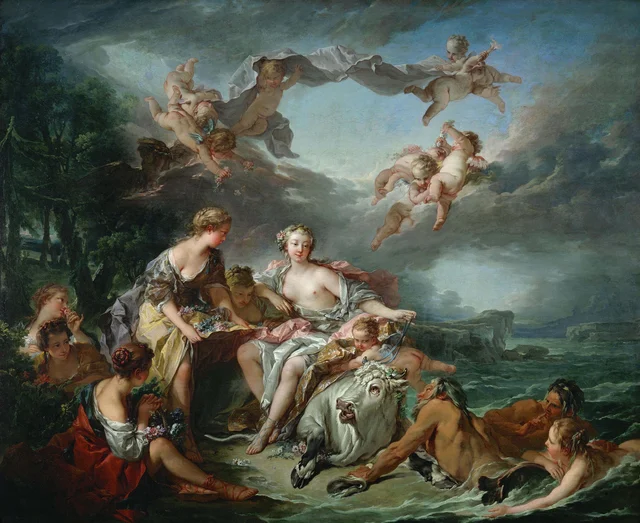 El rapto de EuropaFrançois Boucher, 1747
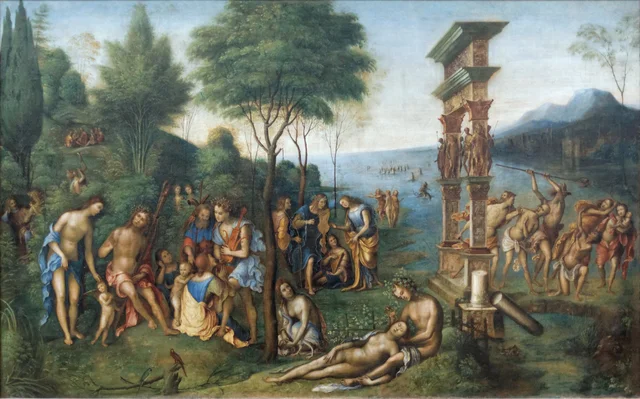 El reino de ComusLorenzo Costa, 1511
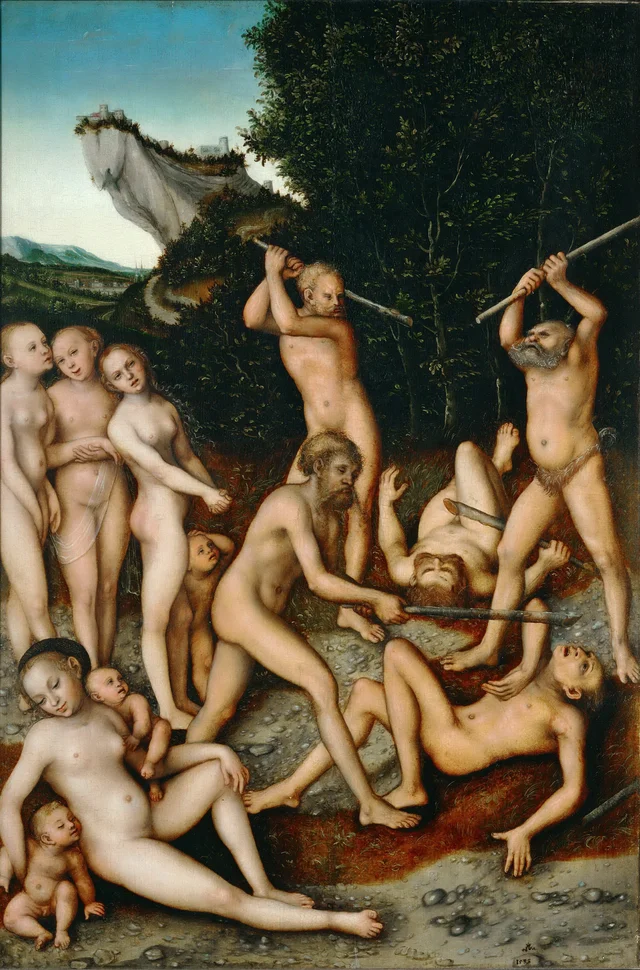 La Edad de PlataLucas Cranach el Viejo, 1535
 El triunfo de FloraNicolas Poussin, 1627
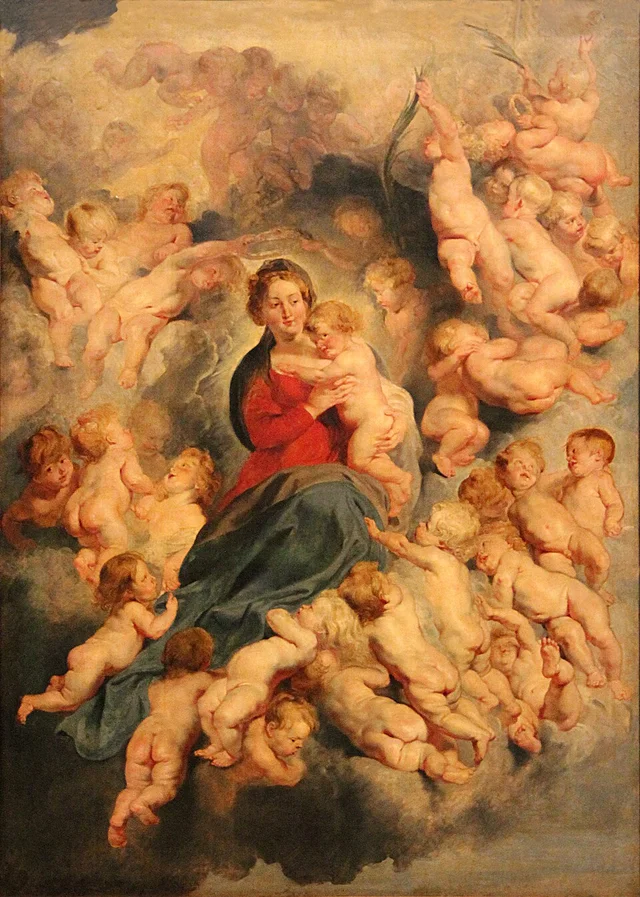 La Virgen y el Niño rodeados por los Santos InocentesPedro Pablo Rubens, 1618
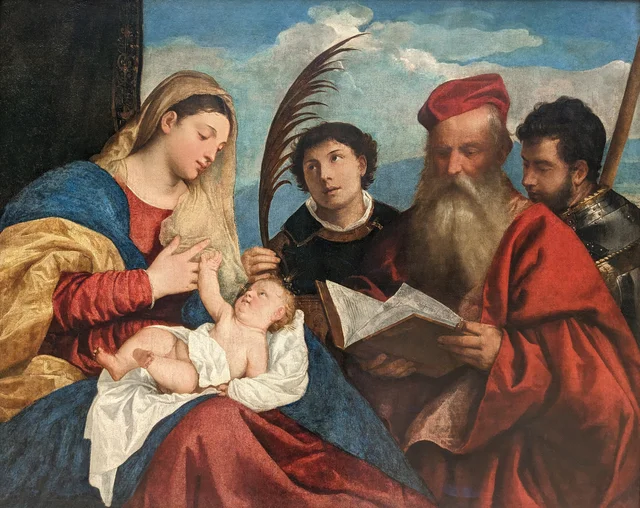 Virgen con el Niño y los santos Esteban, Jerónimo y MauricioTiziano, 1517
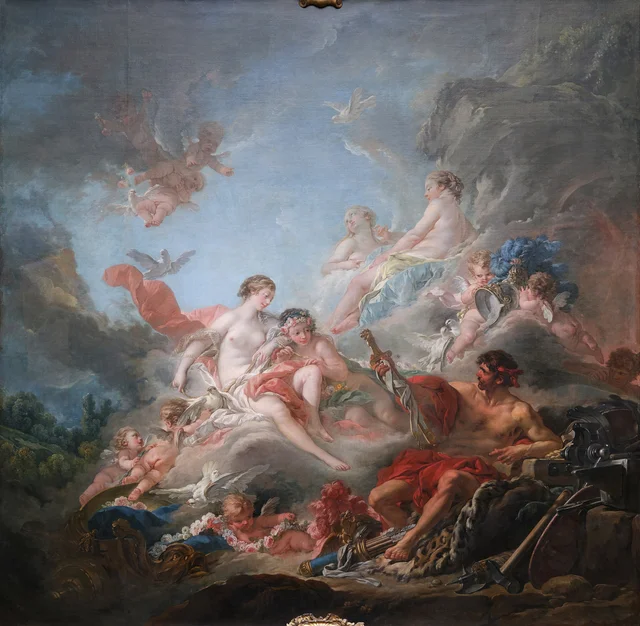 Vulcano entregando a Venus las armas para EneasFrançois Boucher, 1757
 El inviernoNicolas Poussin, 1662
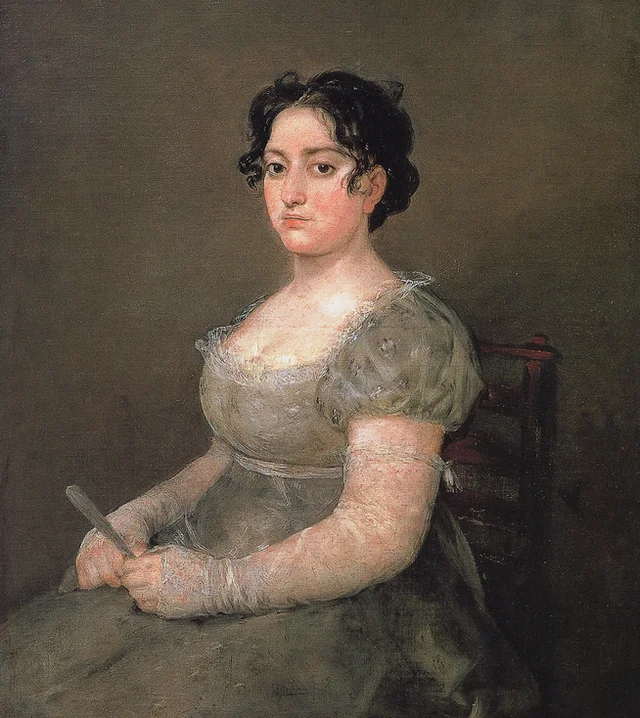 La dama del abanicoFrancisco Goya, 1805
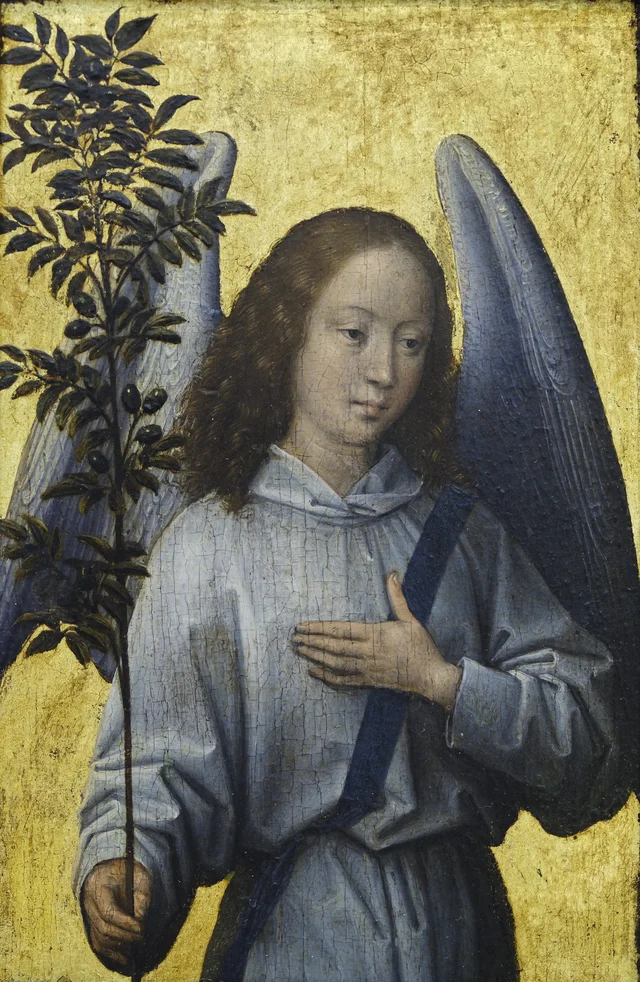 Ángel con una rama de olivoHans Memling, 1477
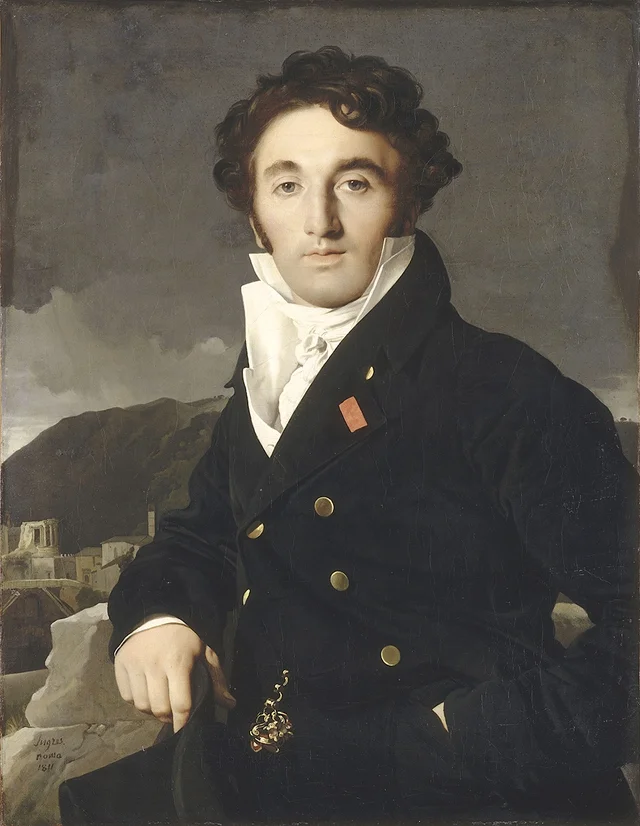 Charles CordierJean-Auguste-Dominique Ingres, 1811
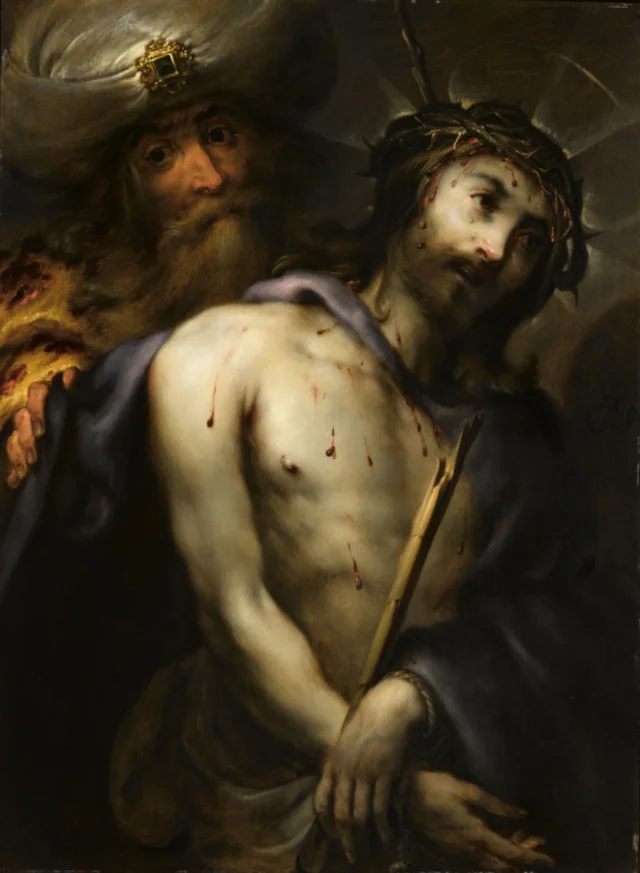 Ecce HomoJan Cossiers, 1620
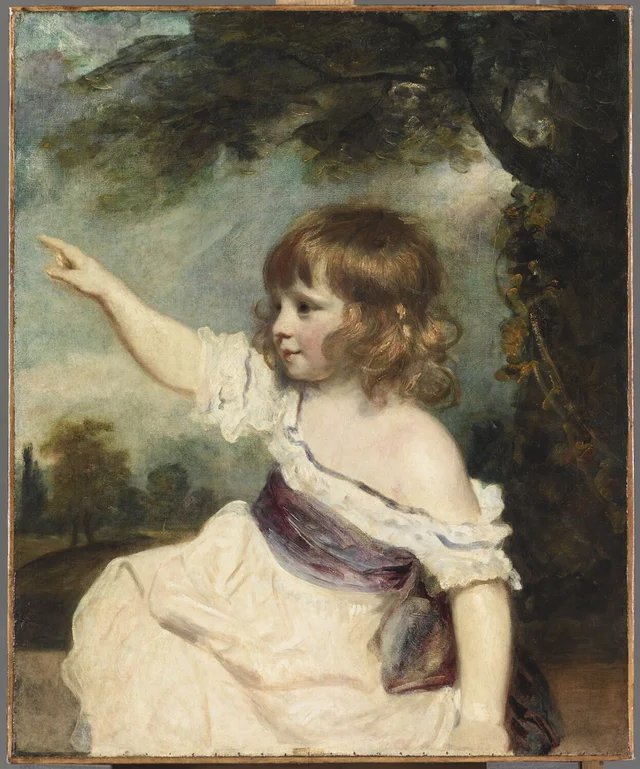 Francis George Hare, llamado Master Hare, de niñoJoshua Reynolds, 1788
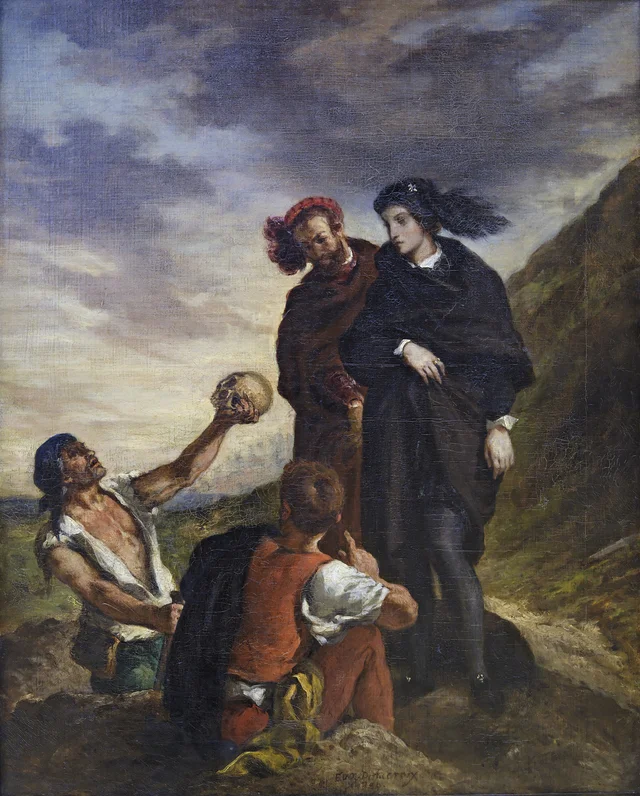 Hamlet y Horacio en el cementerioEugène Delacroix, 1839
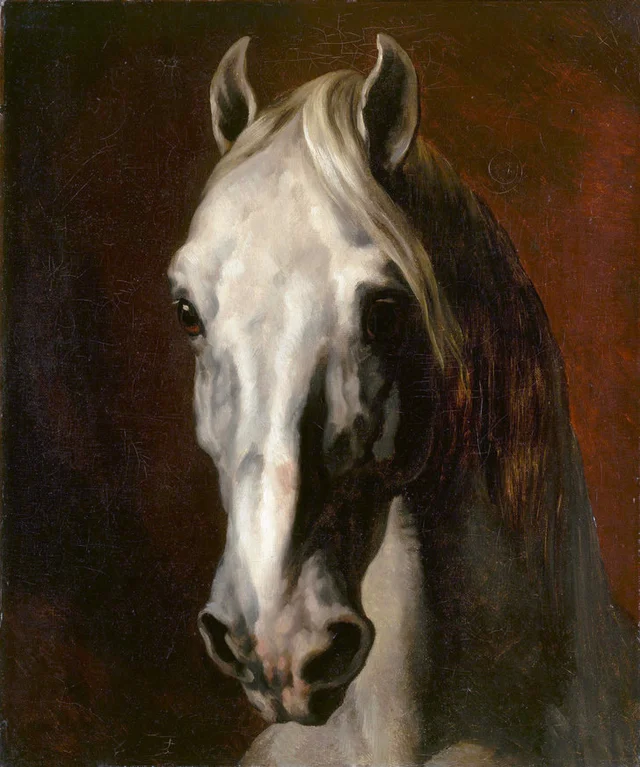 Cabeza de un caballo blancoThéodore Géricault, 1811
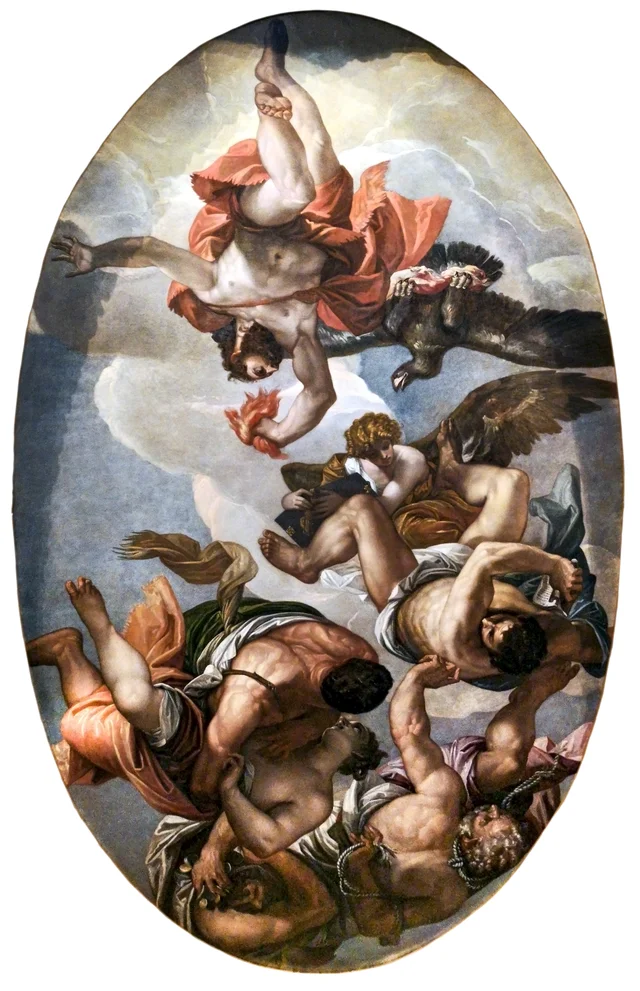 Júpiter lanzando rayos contra los viciosPaolo Veronese, 1553
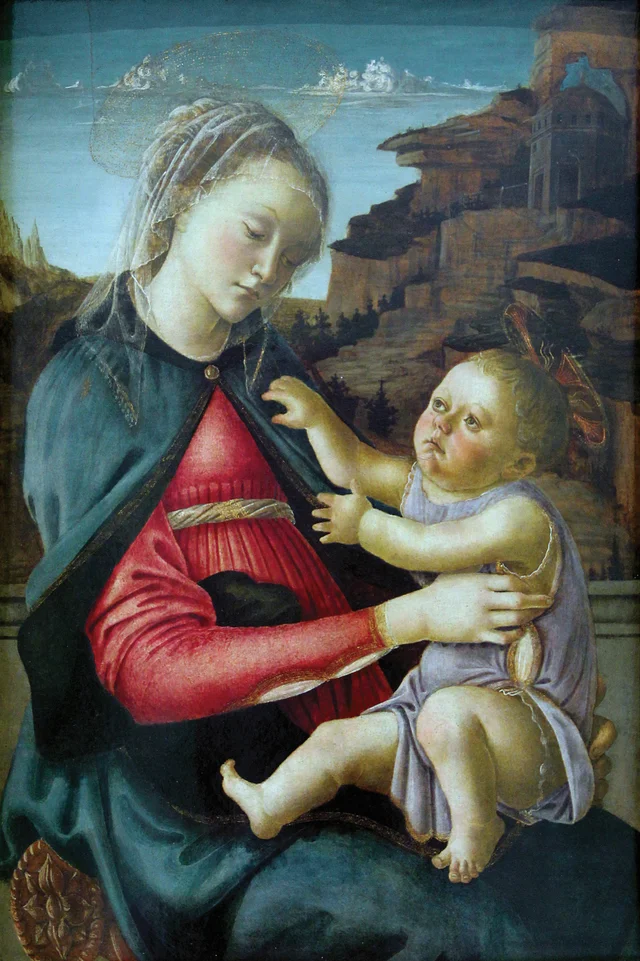 Virgen con el NiñoSandro Botticelli, 1465
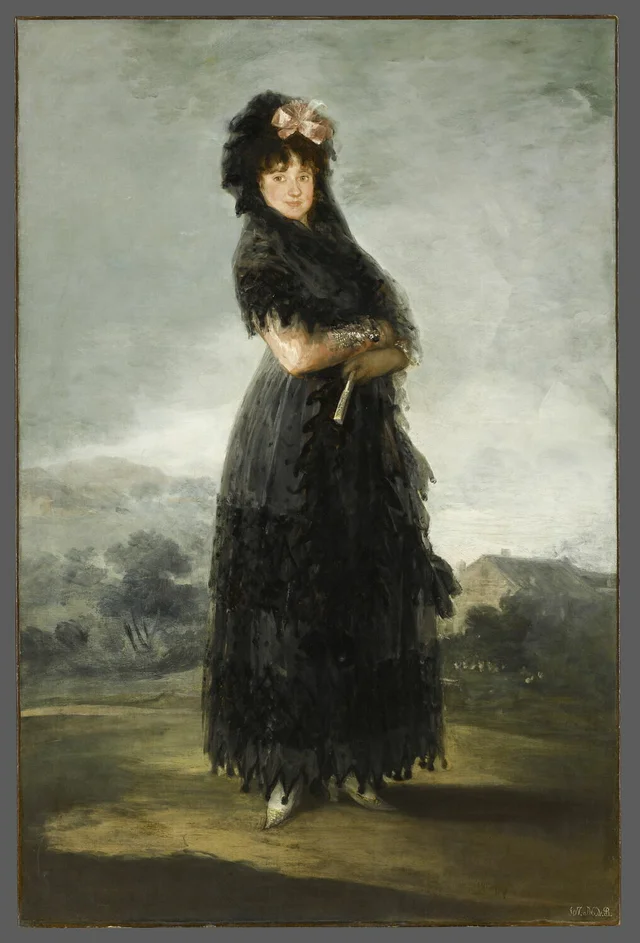 Mariana Waldstein, novena marquesa de Santa CruzFrancisco Goya, 1797