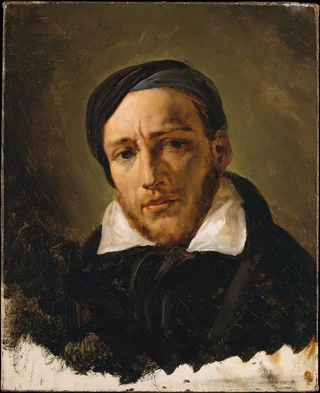
Théodore Géricault
1791–1824 · France · Romantisme
L'histoire
En juillet 1816, la frégate française La Méduse s'échoue au large de ce qui est aujourd'hui la Mauritanie. Son capitaine, une nomination royaliste sans guère d'expérience de la mer, avait obtenu ce poste par relations politiques plutôt que par compétence. Lorsque le navire se brisa, les officiers s'emparèrent des canots et abandonnèrent 147 passagers et membres d'équipage sur un radeau construit à la hâte, largué et laissé à la dérive. Treize jours plus tard, une quinzaine de personnes seulement étaient encore en vie, et le scandale, qui visait directement la monarchie française restaurée à l'origine de cette nomination, fit le tour de Paris.
Théodore Géricault, alors âgé de 27 ans, passa des mois à préparer une immense toile sur le sujet. Il interrogea deux des survivants, fit construire par un charpentier une maquette du radeau dans son atelier, et loua des pièces près d'un hôpital parisien afin de pouvoir croquer les teintes de peau de cadavres et de membres amputés pour les figures mourantes du premier plan. Le tableau achevé, large de plus de sept mètres, fut exposé au Salon de 1819 sous le titre délibérément neutre de Scène de naufrage, bien que tout Paris sût déjà exactement de quel naufrage il s'agissait.
Géricault n'eut guère le temps de jouir de la célébrité que ce tableau lui apporta. Cavalier passionné et imprudent, il ne se remit jamais tout à fait d'une série de chutes de cheval, et en 1824, l'année même où Constable remporta une médaille d'or à Paris en partie grâce aux propres éloges de Géricault à son égard, Géricault mourut d'un abcès infecté à la colonne vertébrale, à 32 ans.
Autres articles
Œuvres
45 œuvres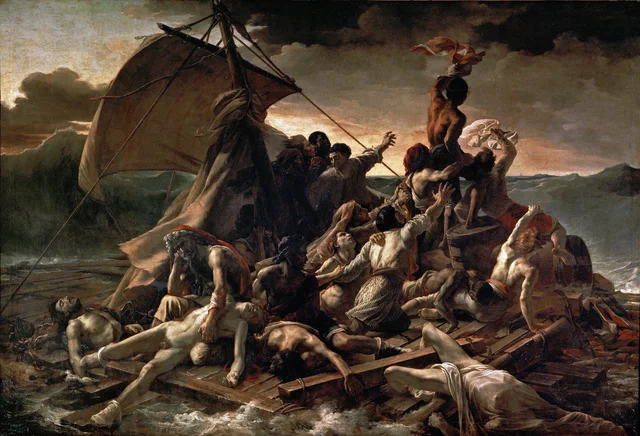 Le Radeau de la MéduseThéodore Géricault, 1819
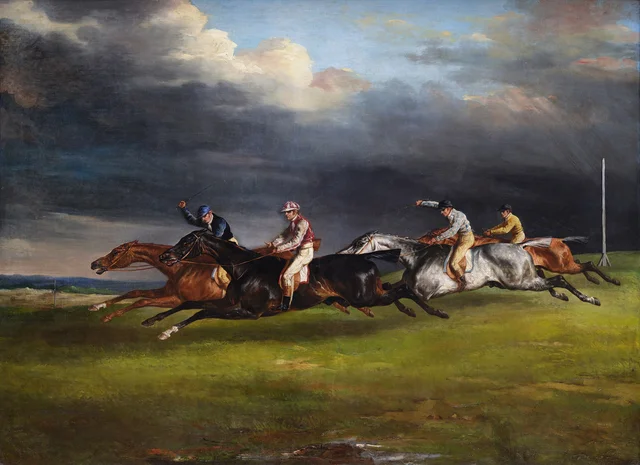 Le Derby d'Epsom de 1821Théodore Géricault, 1821
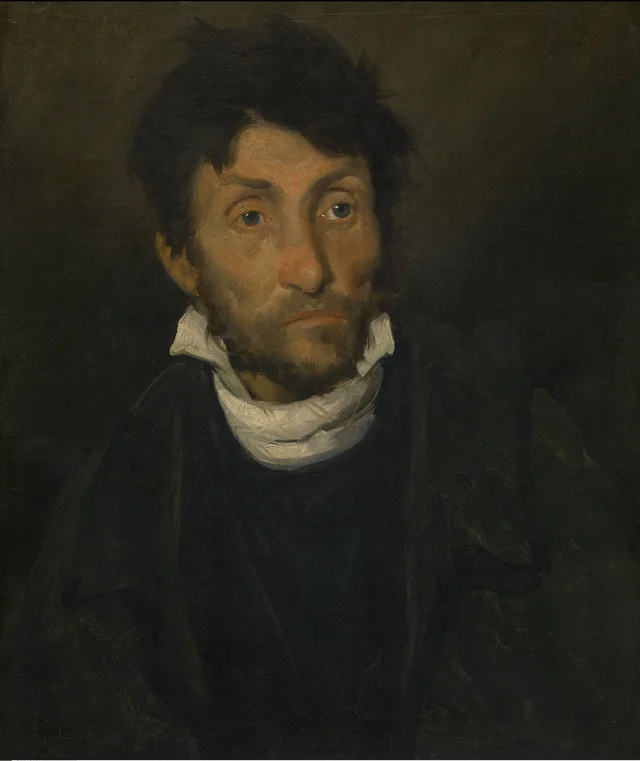 La Monomane du volThéodore Géricault, 1820
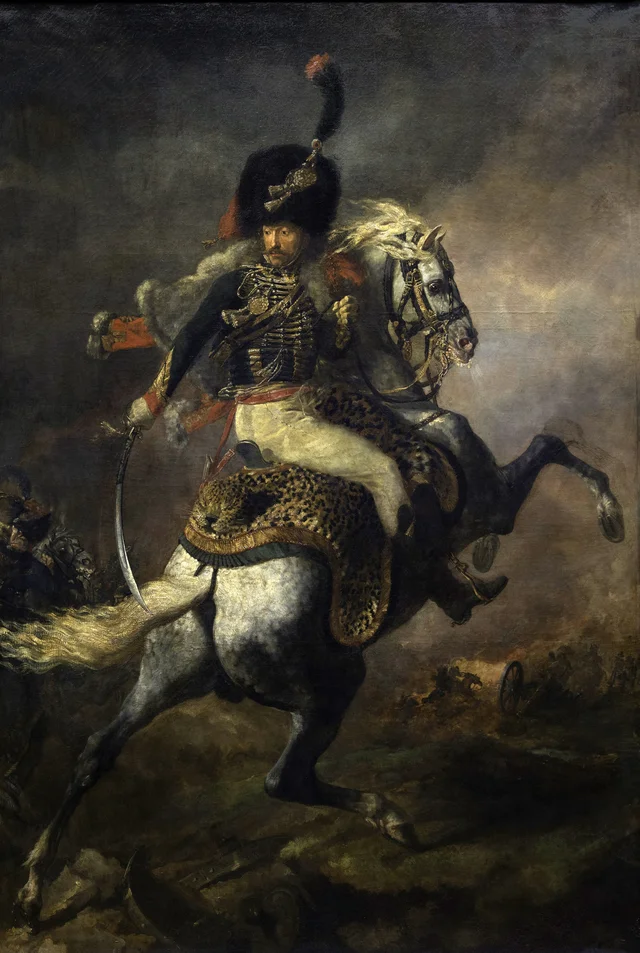 Officier de chasseurs à cheval de la garde impériale chargeantThéodore Géricault, 1812
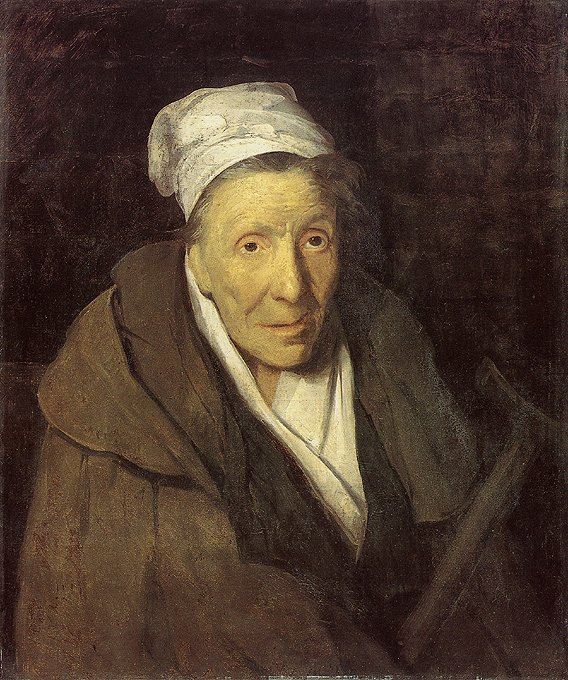 La Monomane du jeuThéodore Géricault, 1820
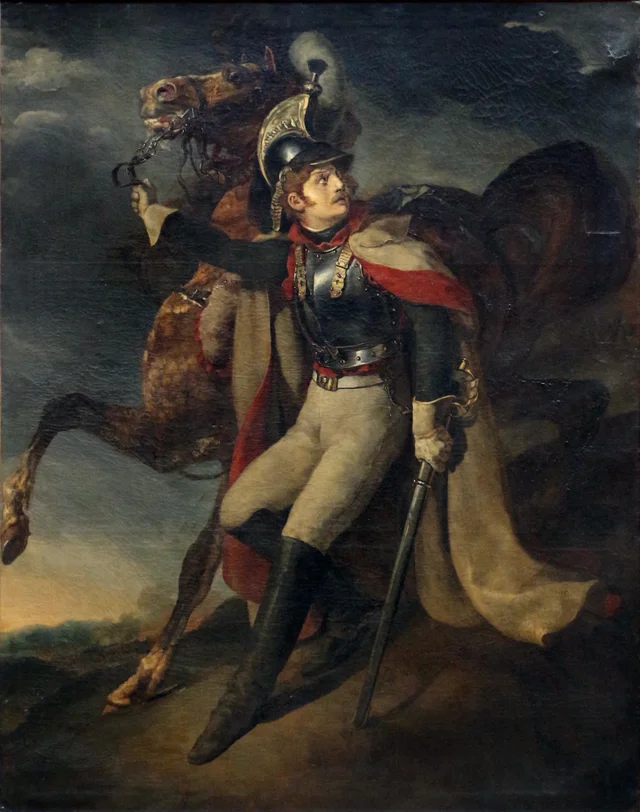 Le Cuirassier blesséThéodore Géricault, 1814
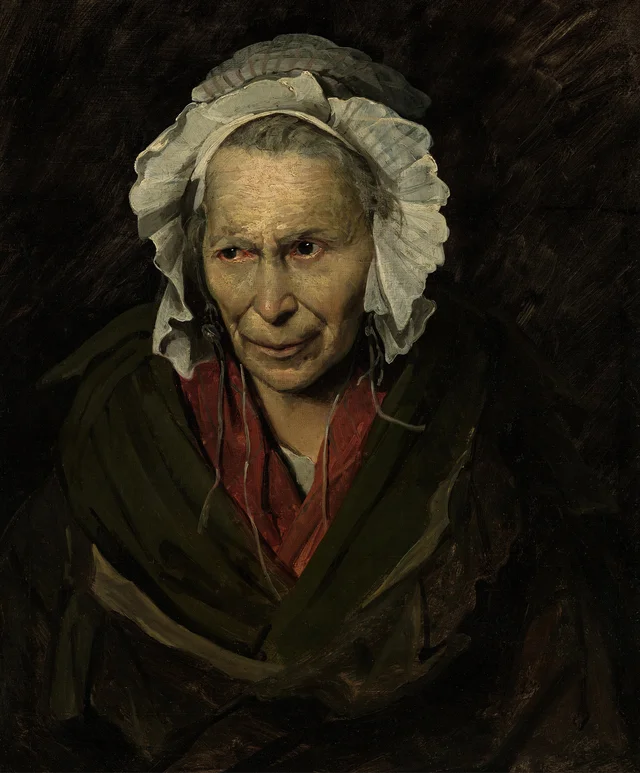 La Monomane de l’envieThéodore Géricault, 1819
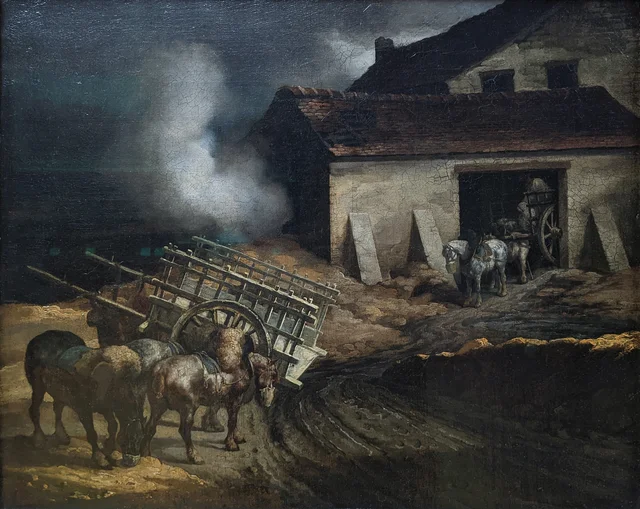 Un four à plâtreThéodore Géricault, 1821
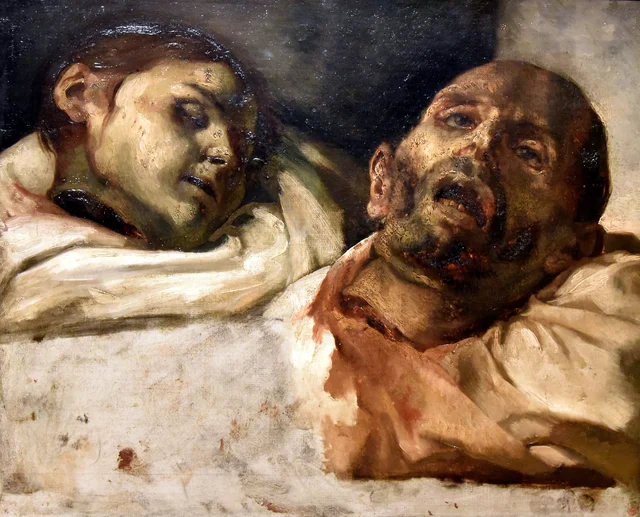 Têtes coupéesThéodore Géricault, 1818
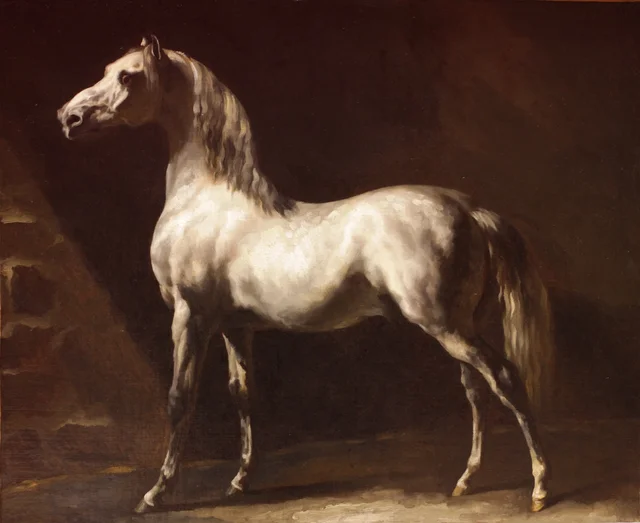 Cheval grisThéodore Géricault, 1812
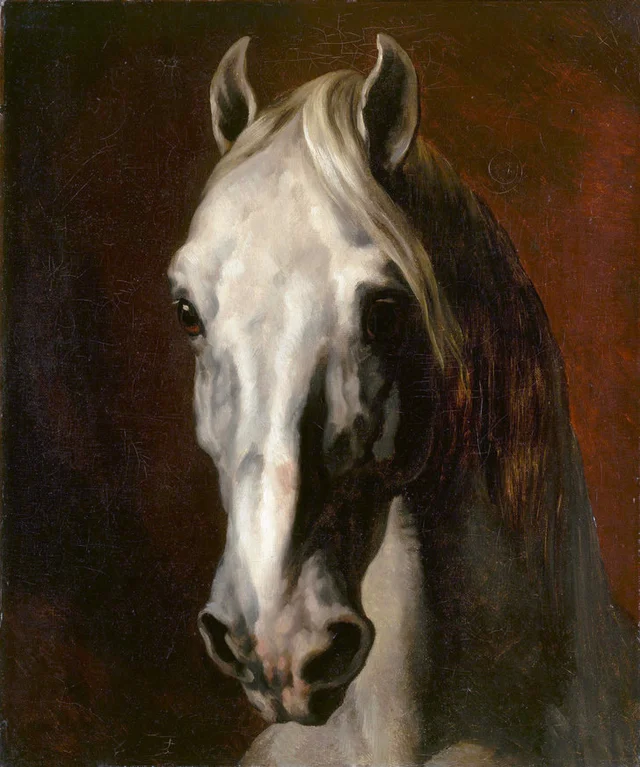 Tête d'un cheval blancThéodore Géricault, 1811
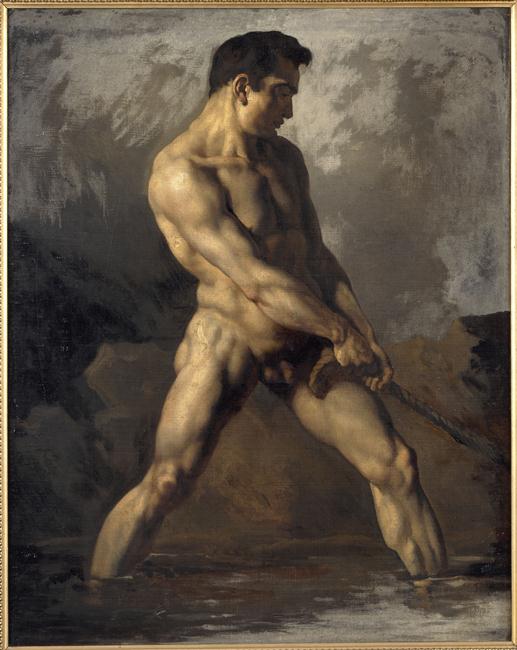 Académie d'homme tirant sur une cordeThéodore Géricault, 1812
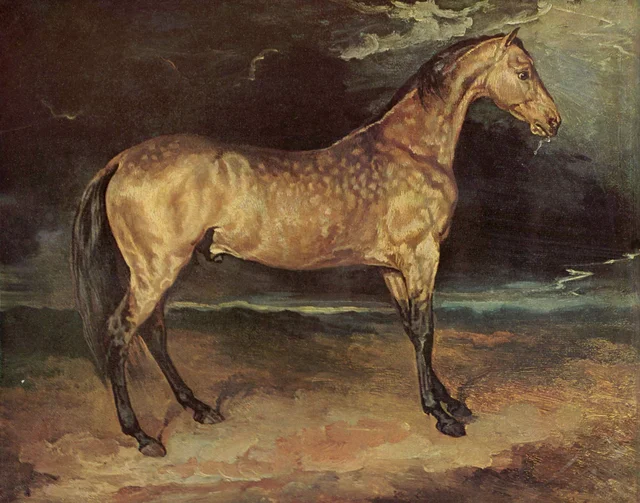 Un cheval effrayé par l'éclairThéodore Géricault, 1814
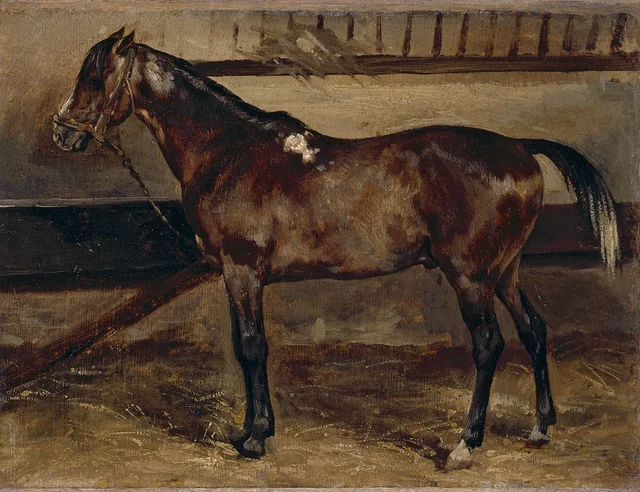 Cheval brun à l'écurieThéodore Géricault, 1818
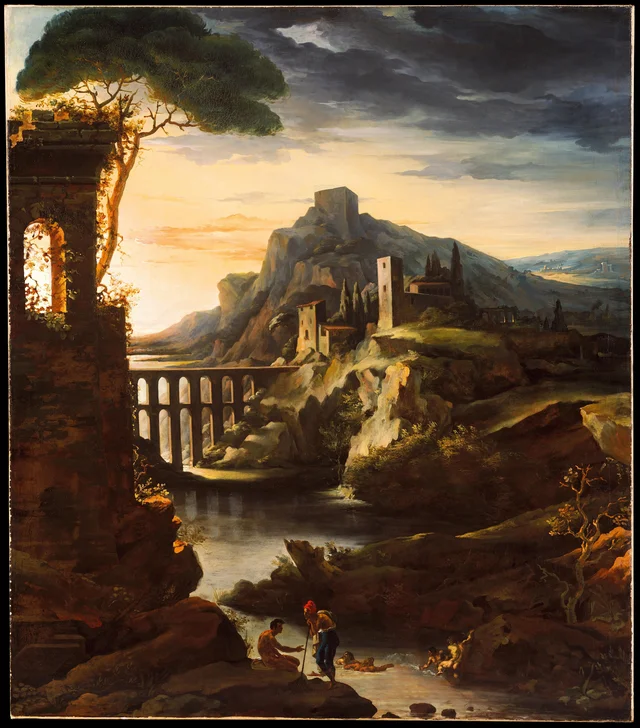 Soir : paysage avec aqueducThéodore Géricault, 1818
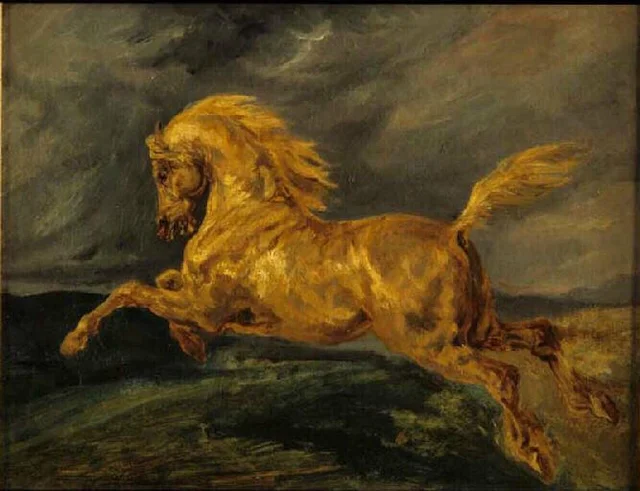 Cheval au galopThéodore Géricault, 1810
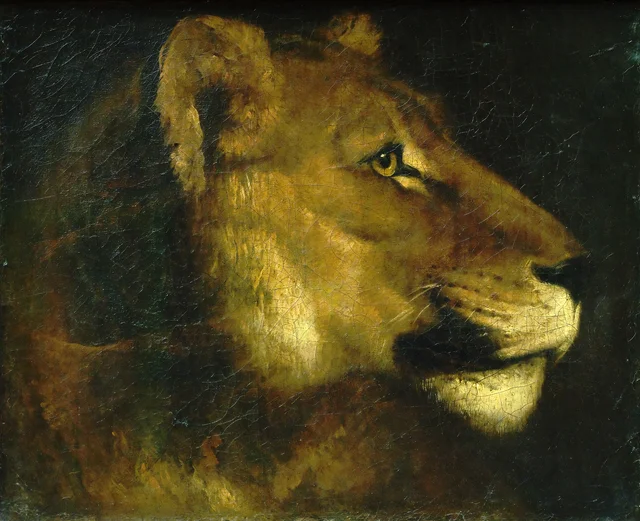 Tête de lionThéodore Géricault, 1819
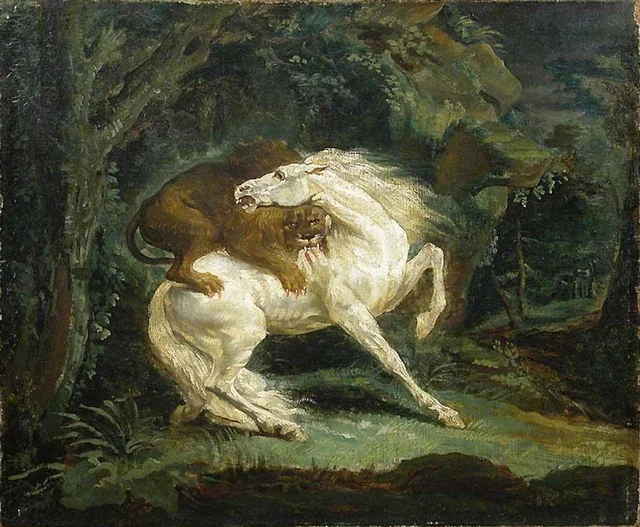 Cheval attaqué par un lionThéodore Géricault, 1820
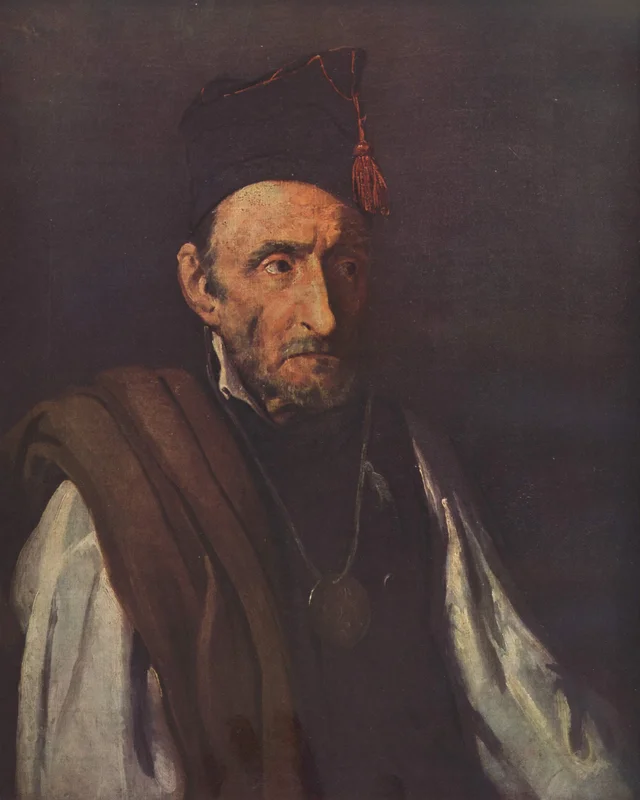 Homme atteint de monomanie du commandement militaireThéodore Géricault, 1822
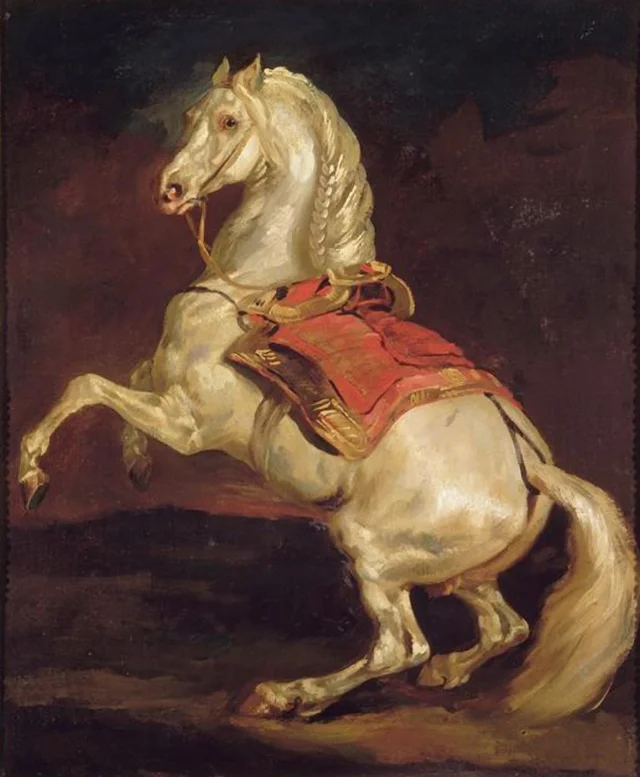 Cheval cabré au tapis de selle rougeThéodore Géricault, 1812
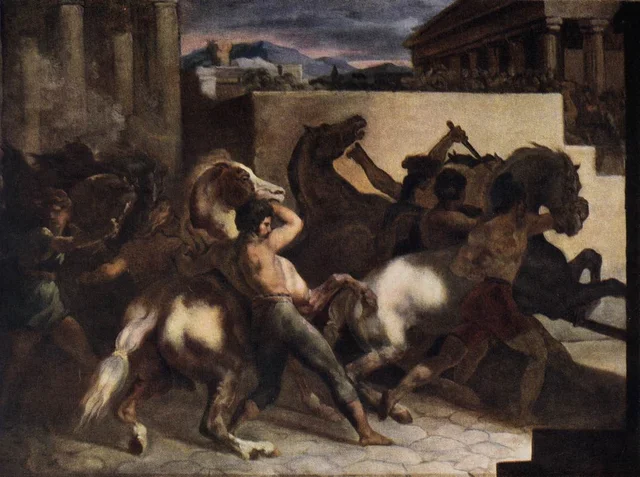 Course de chevaux libresThéodore Géricault, 1817
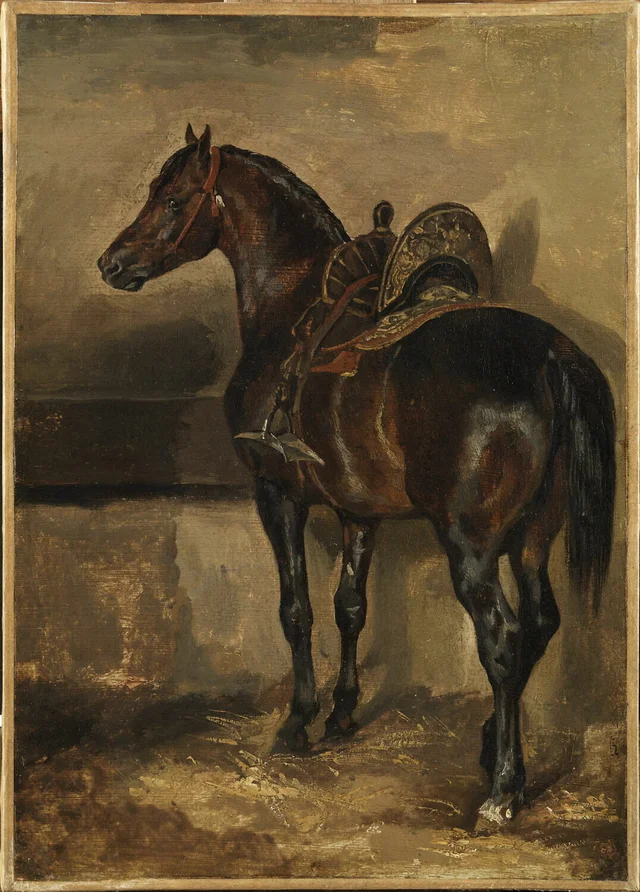 Cheval turc dans une écurieThéodore Géricault, 1811
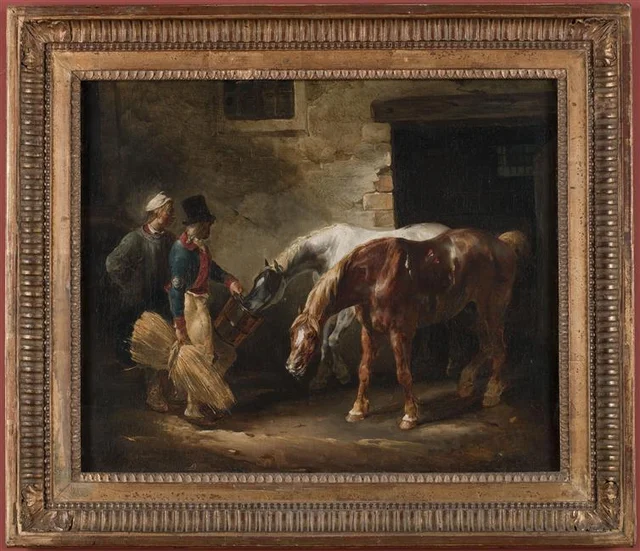 Deux chevaux de poste à la porte d'une écurieThéodore Géricault, 1821
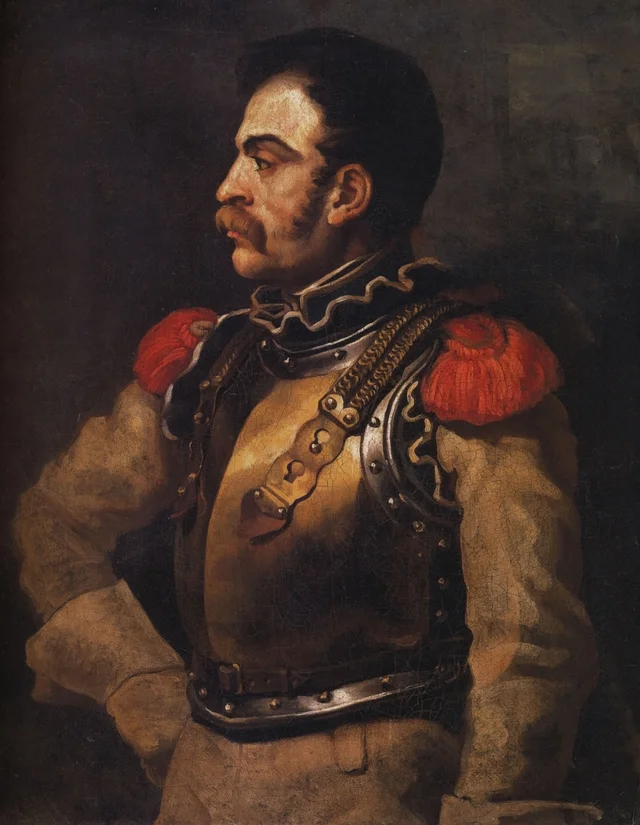 Un carabinier, vu à mi-corpsThéodore Géricault, 1814
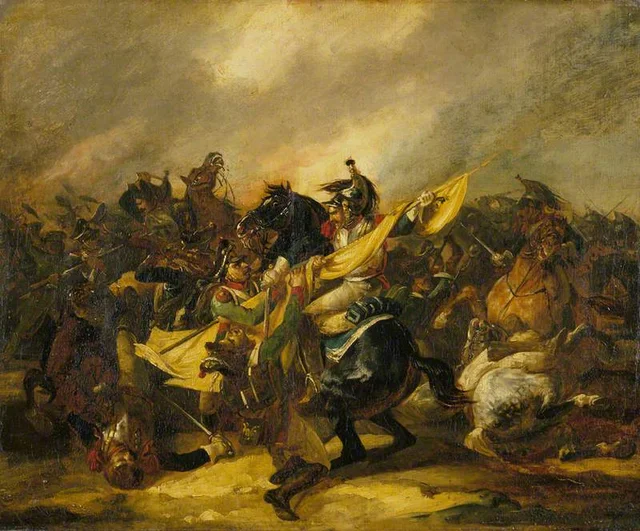 Une charge de cuirassiersThéodore Géricault, 1823