L'histoire
Le Louvre a commencé comme une forteresse. Philippe Auguste l'éleva sur la rive droite de la Seine vers 1190 pour garder le Paris médiéval, et au fil des siècles les rois de France le transformèrent en palais royal, jusqu'à ce que Louis XIV installe sa cour à Versailles en 1682 et laisse les salles inachevées à la collection royale et aux artistes logés à l'intérieur.
La Révolution en fit un musée public. Le 10 août 1793, le Muséum central des arts ouvrit ses portes, montrant l'art confisqué de la couronne et de l'Église à tout citoyen qui souhaitait entrer. Napoléon le remplit du butin de ses campagnes et le rebaptisa brièvement de son nom. Beaucoup fut rendu après Waterloo, mais l'idée demeura, une collection nationale ordonnée pour l'étude et gratuite pour le public.
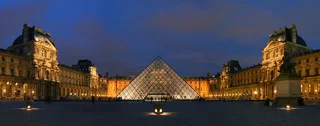
Aujourd'hui le Louvre conserve plus de 35 000 œuvres, de la Vénus de Milo au Radeau de la Méduse de Géricault. La foule, pourtant, se presse vers un petit portrait. En août 1911, il disparut : Vincenzo Peruggia, un homme à tout faire italien qui avait travaillé au musée, décrocha La Joconde de Léonard et la sortit sous son manteau. Pendant deux ans le cadre resta vide tandis que les visiteurs venaient contempler l'absence, et le tableau ne revint qu'en 1913, après que Peruggia eut tenté de le vendre à un marchand de Florence. La pyramide de verre de I. M. Pei, posée dans la cour en 1989, marque désormais l'entrée.
Autres articles
Collection
1 174 œuvres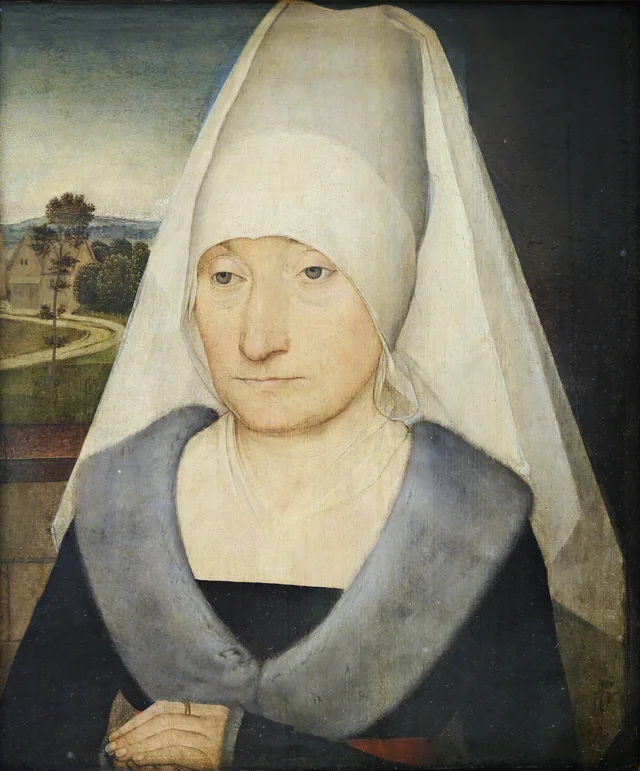 Portrait d'une vieille femmeHans Memling, 1470
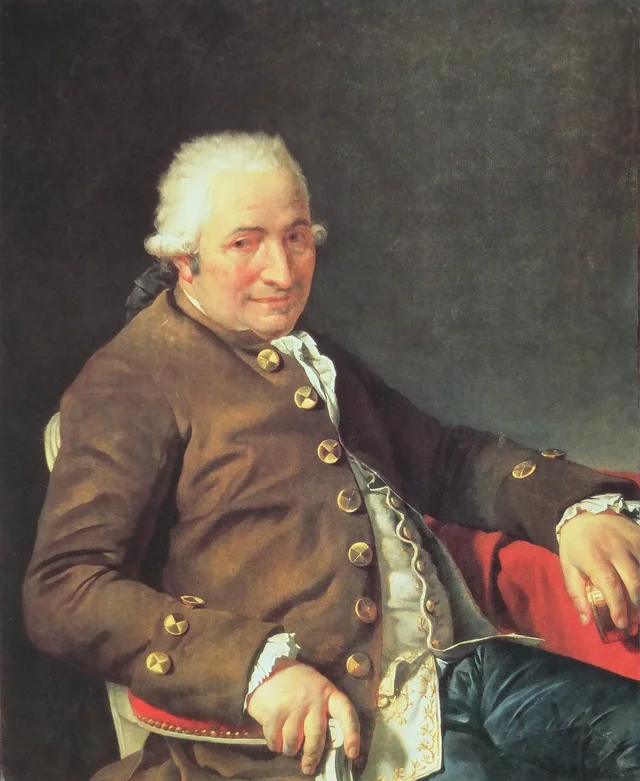 Portrait de Charles-Pierre PécoulJacques-Louis David, 1784
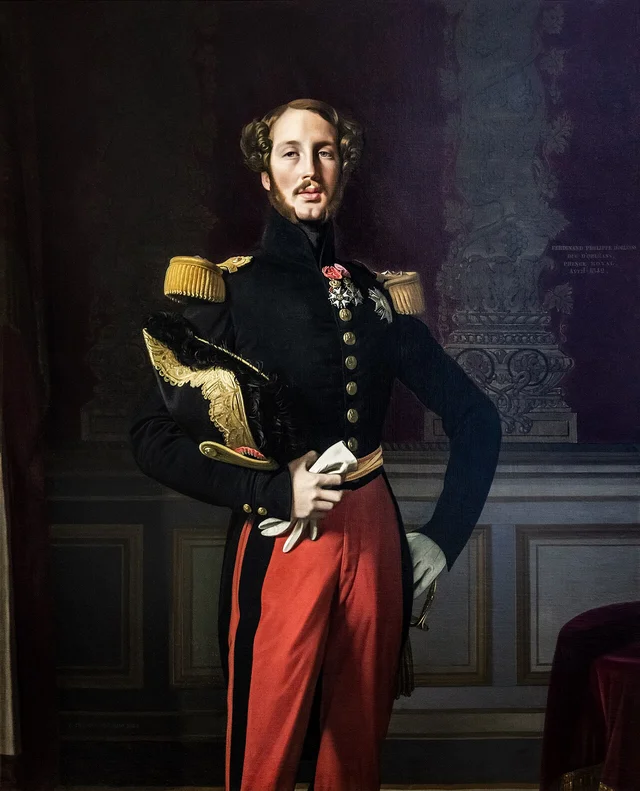 Portrait de Ferdinand-Philippe, duc d'OrléansJean-Auguste-Dominique Ingres, 1842
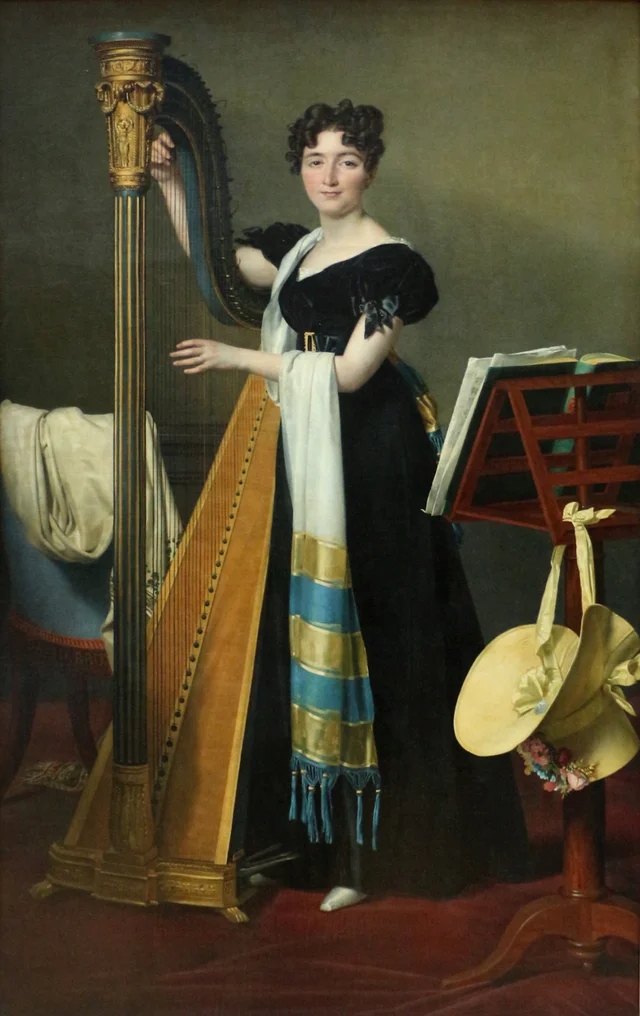 Portrait de Juliette de VilleneuveJacques-Louis David, 1824
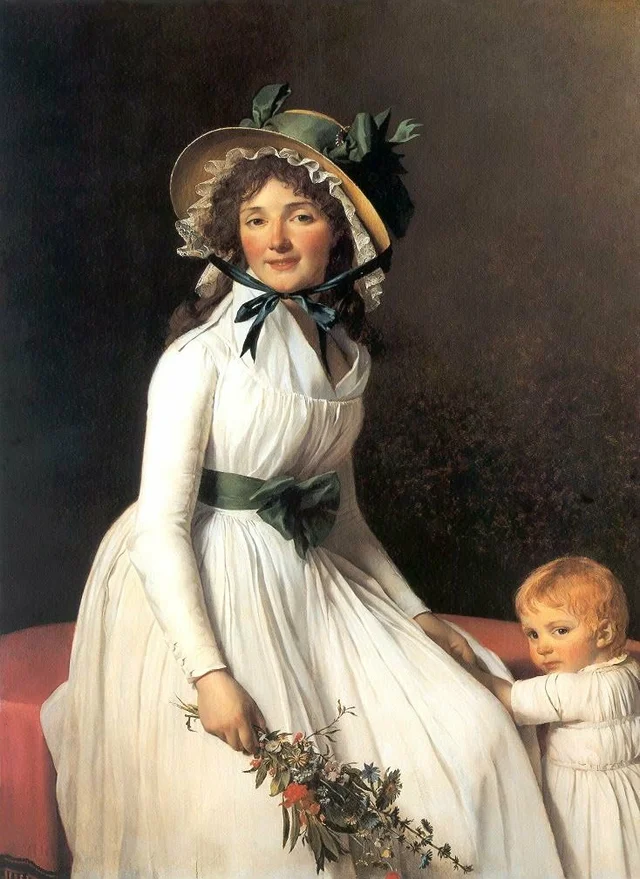 Portrait de Madame Émilie Sériziat et son filsJacques-Louis David, 1795
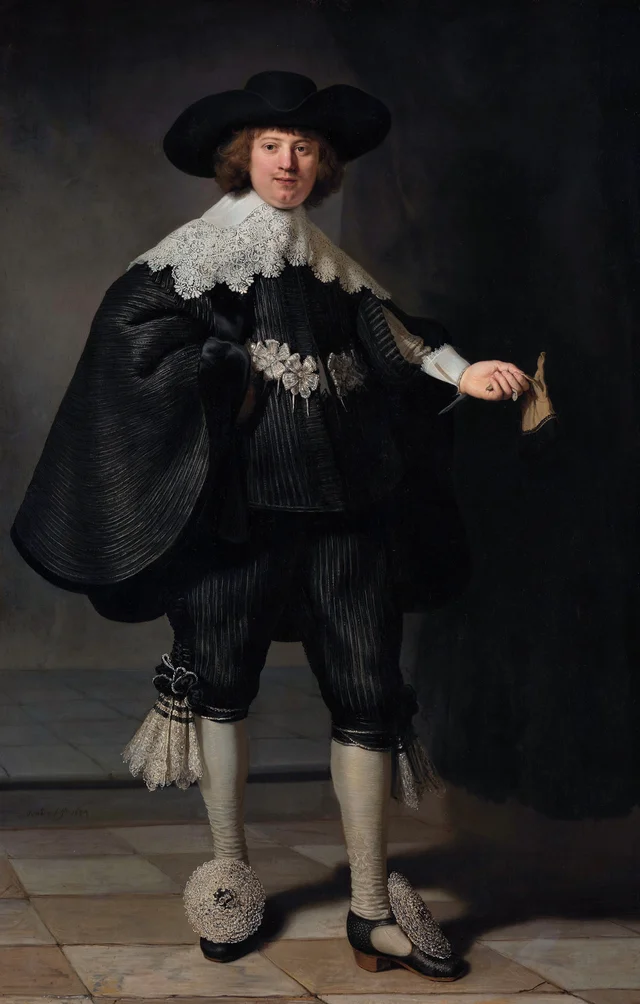 Portrait de Maerten SoolmansRembrandt, 1634
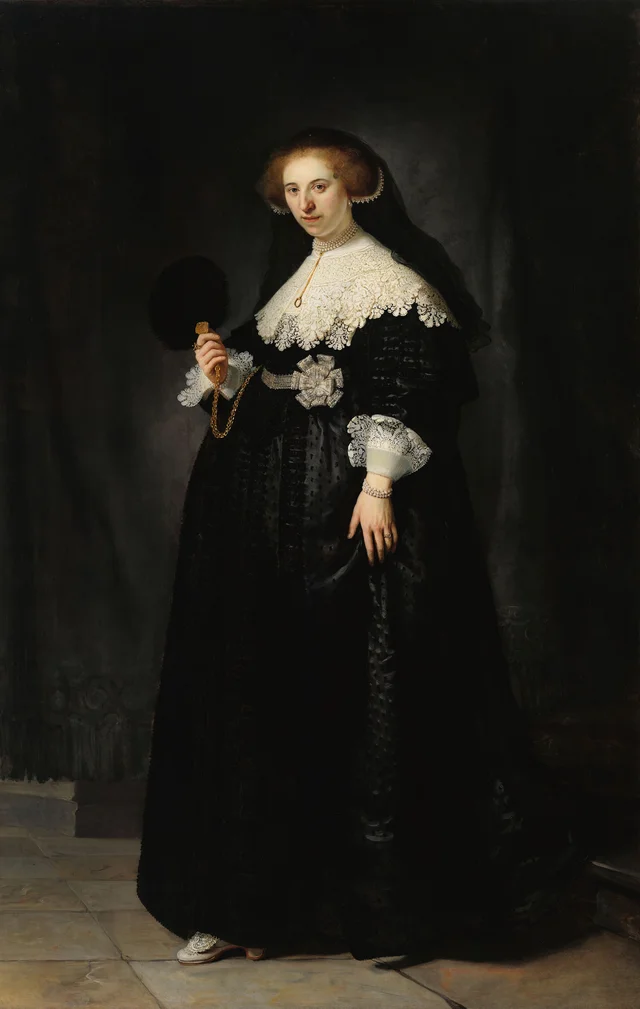 Portrait d'Oopjen CoppitRembrandt, 1634
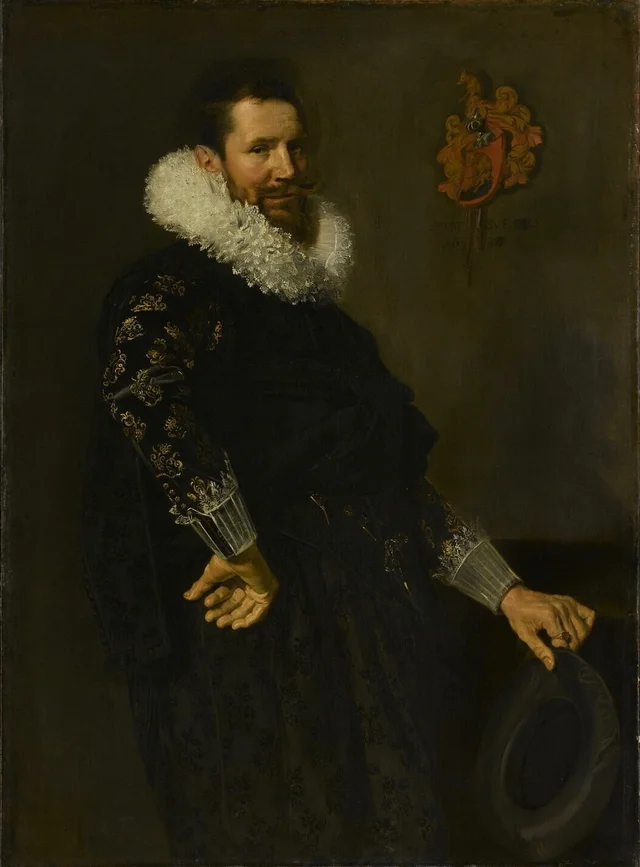 Portrait de Paulus van BeresteynFrans Hals, 1620
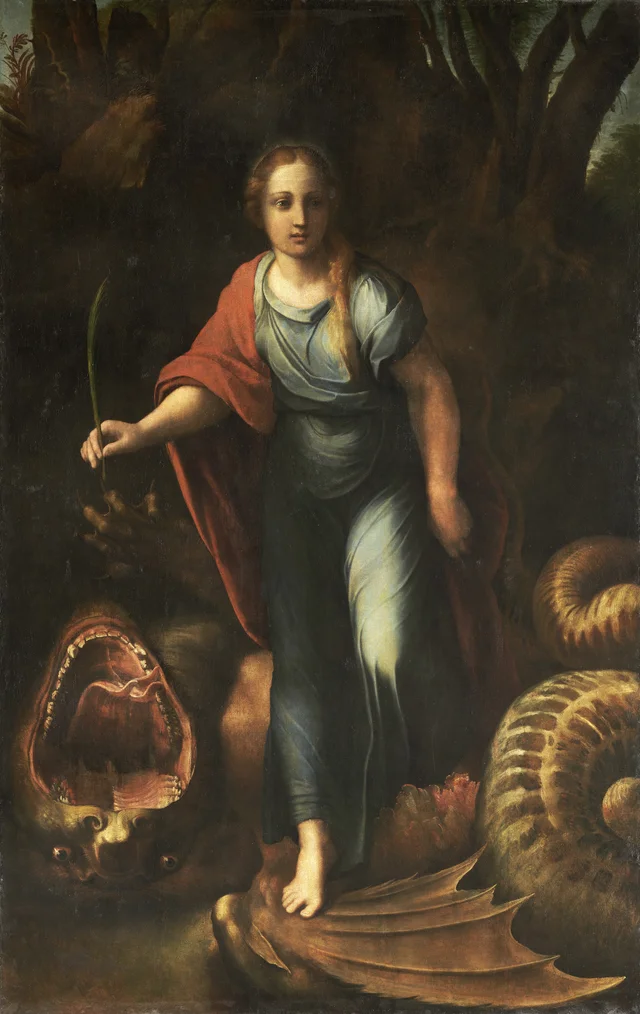 Sainte MargueriteRaphaël, 1518
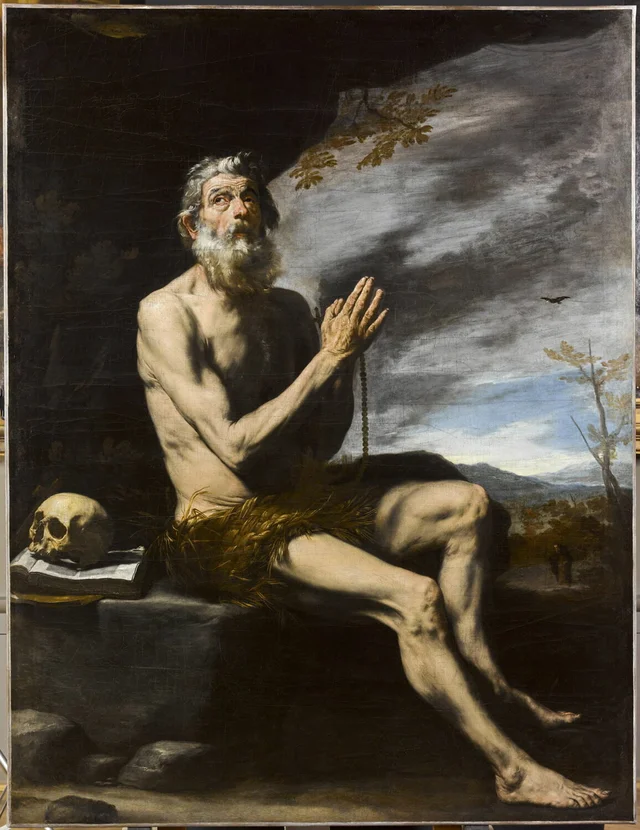 Saint Paul ermiteJusepe de Ribera, 1642
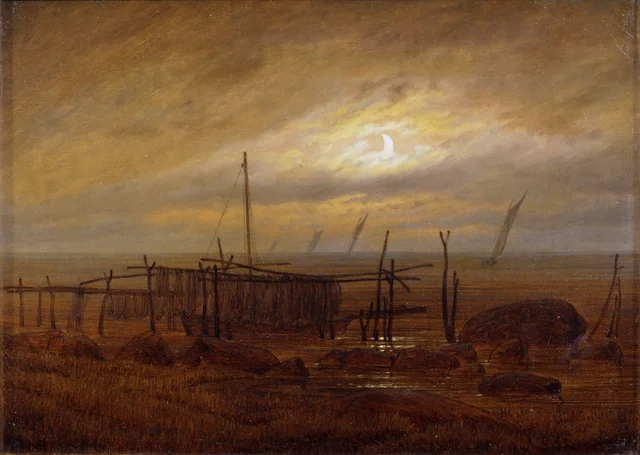 Lever de lune sur la merCaspar David Friedrich, 1818
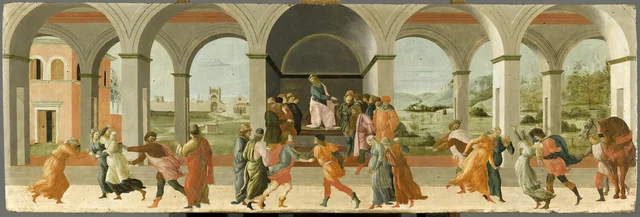 Histoire de VirginieFilippino Lippi, 1475
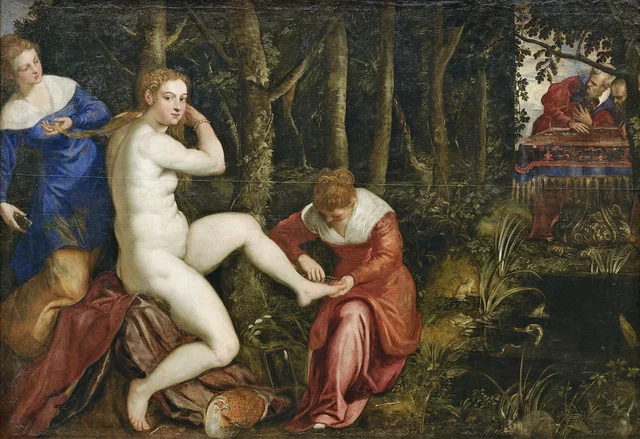 Suzanne au bainJacopo Tintoretto, 1550
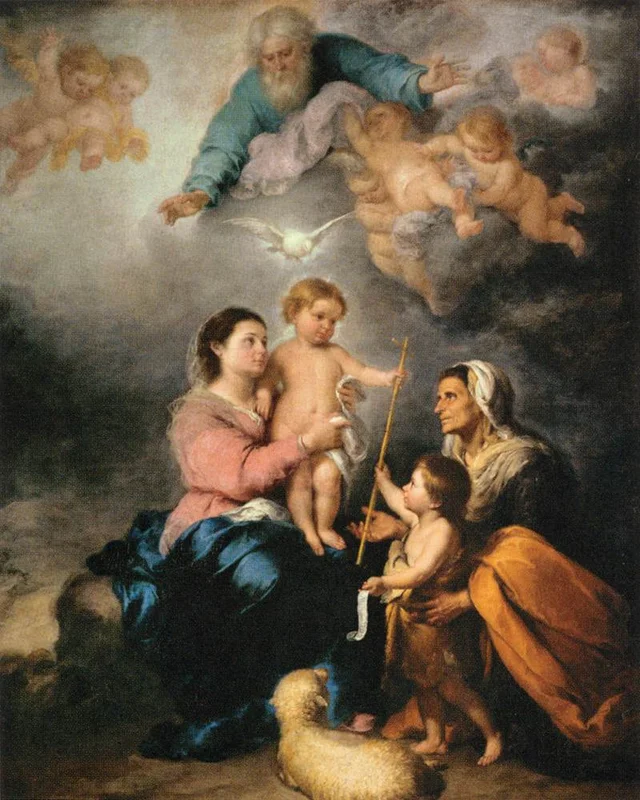 La Sainte FamilleBartolomé Esteban Murillo, 1667
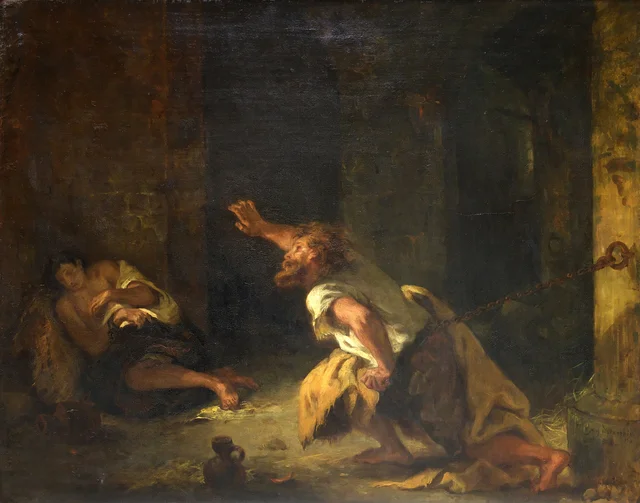 Le Prisonnier de ChillonEugène Delacroix, 1834
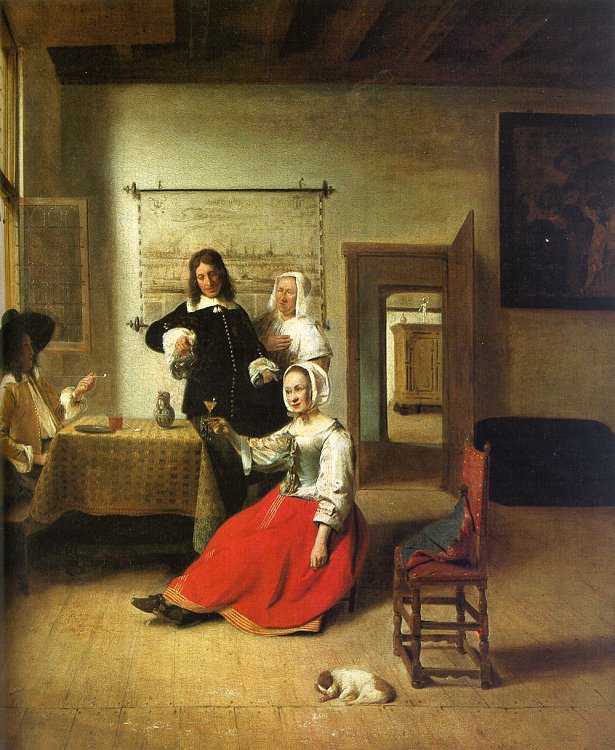 Femme buvant avec deux hommes et une servante dans un intérieurPieter de Hooch, 1658
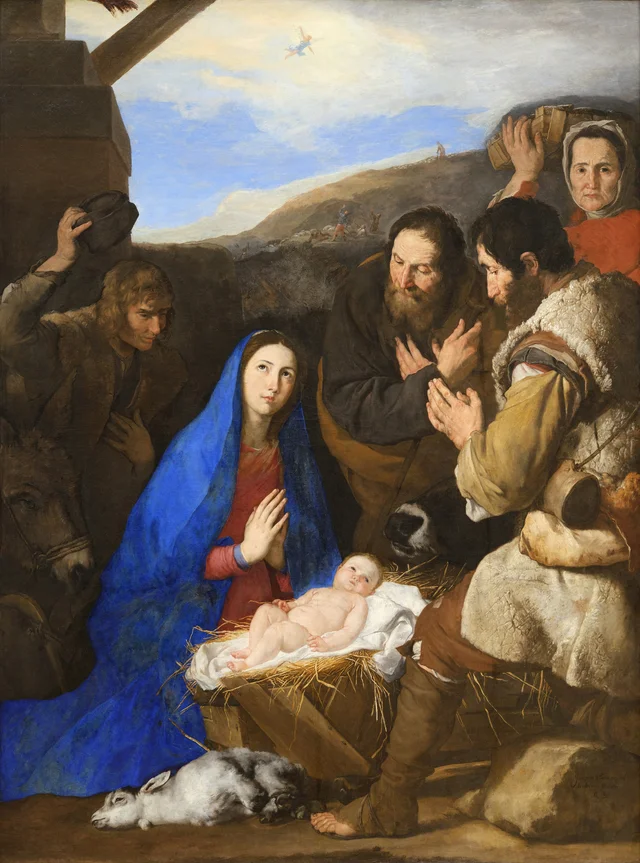 Adoration des bergersJusepe de Ribera, 1650
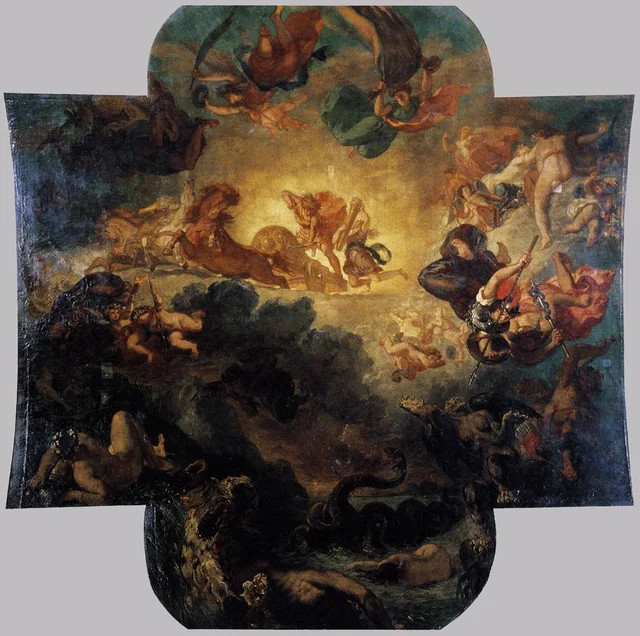 Apollon terrassant PythonEugène Delacroix, 1850
 Bacchanale au joueur de luthNicolas Poussin, 1627
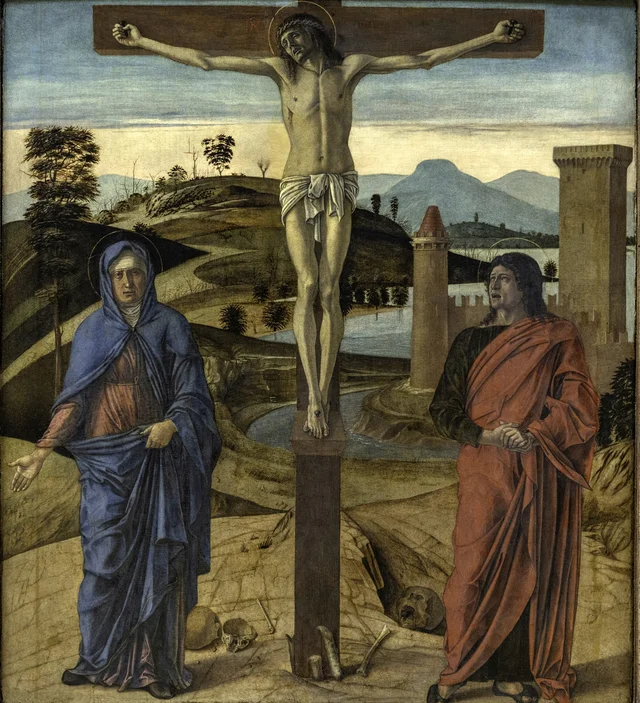 Le CalvaireGiovanni Bellini, 1467
 Le Christ et la femme adultèreNicolas Poussin, 1653
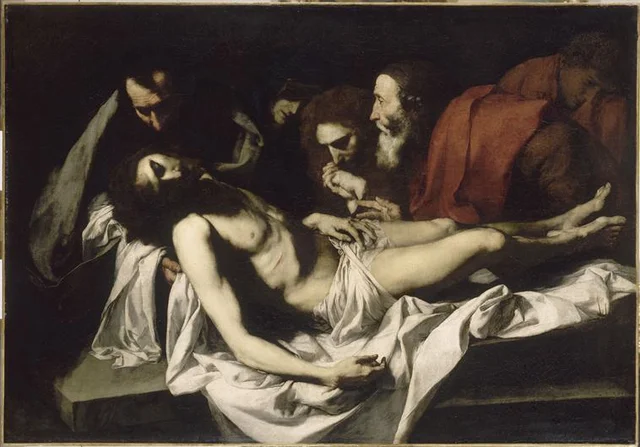 Déposition du ChristJusepe de Ribera, 1628
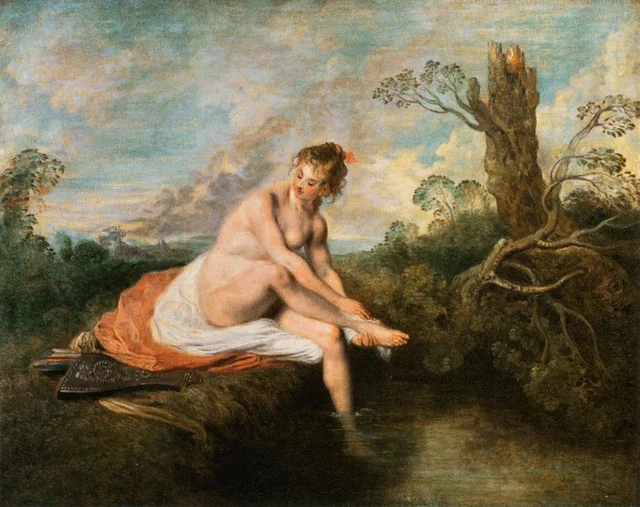 Diane au bainJean-Antoine Watteau, 1715
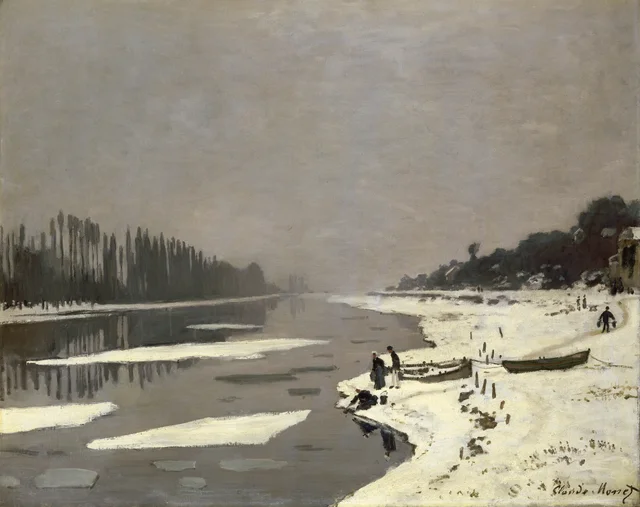 Glaçons à BougivalClaude Monet, 1867
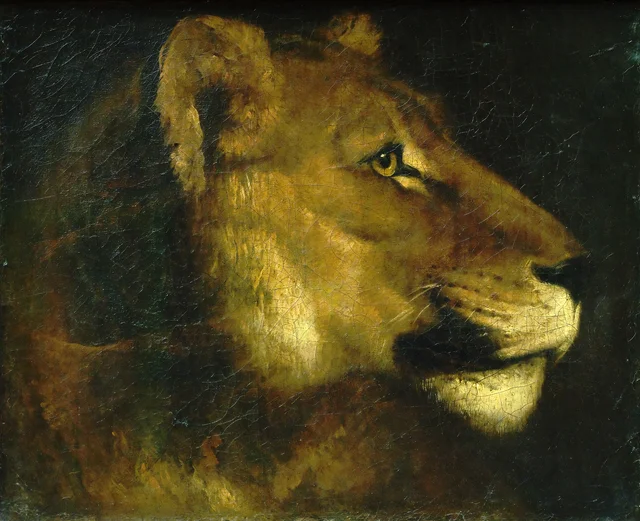 Tête de lionThéodore Géricault, 1819