L'histoire
Le Louvre a commencé comme une forteresse. Philippe Auguste l'éleva sur la rive droite de la Seine vers 1190 pour garder le Paris médiéval, et au fil des siècles les rois de France le transformèrent en palais royal, jusqu'à ce que Louis XIV installe sa cour à Versailles en 1682 et laisse les salles inachevées à la collection royale et aux artistes logés à l'intérieur.
La Révolution en fit un musée public. Le 10 août 1793, le Muséum central des arts ouvrit ses portes, montrant l'art confisqué de la couronne et de l'Église à tout citoyen qui souhaitait entrer. Napoléon le remplit du butin de ses campagnes et le rebaptisa brièvement de son nom. Beaucoup fut rendu après Waterloo, mais l'idée demeura, une collection nationale ordonnée pour l'étude et gratuite pour le public.
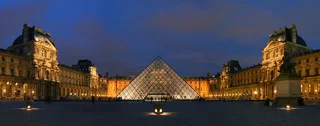
Aujourd'hui le Louvre conserve plus de 35 000 œuvres, de la Vénus de Milo au Radeau de la Méduse de Géricault. La foule, pourtant, se presse vers un petit portrait. En août 1911, il disparut : Vincenzo Peruggia, un homme à tout faire italien qui avait travaillé au musée, décrocha La Joconde de Léonard et la sortit sous son manteau. Pendant deux ans le cadre resta vide tandis que les visiteurs venaient contempler l'absence, et le tableau ne revint qu'en 1913, après que Peruggia eut tenté de le vendre à un marchand de Florence. La pyramide de verre de I. M. Pei, posée dans la cour en 1989, marque désormais l'entrée.
Autres articles
Collection
1 174 œuvres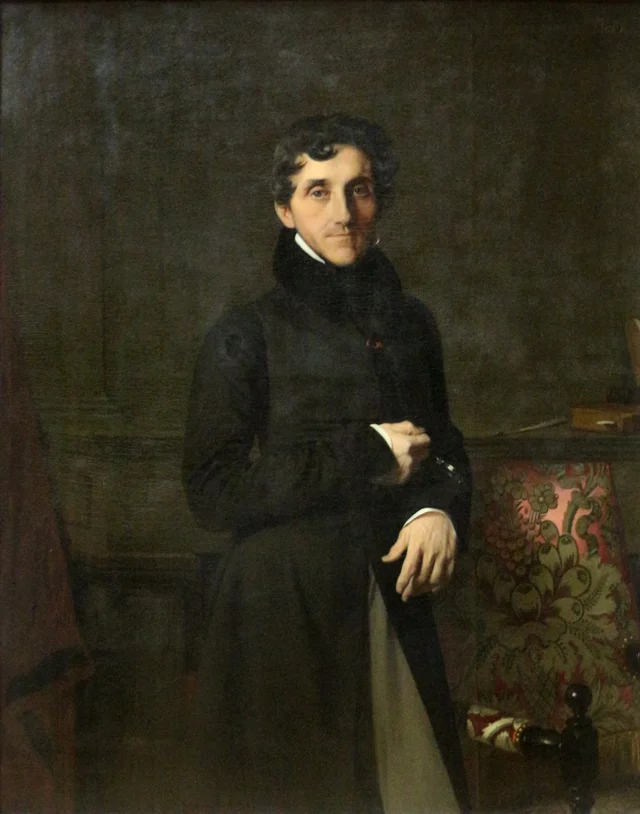 Portrait de Louis-Mathieu MoléJean-Auguste-Dominique Ingres, 1834
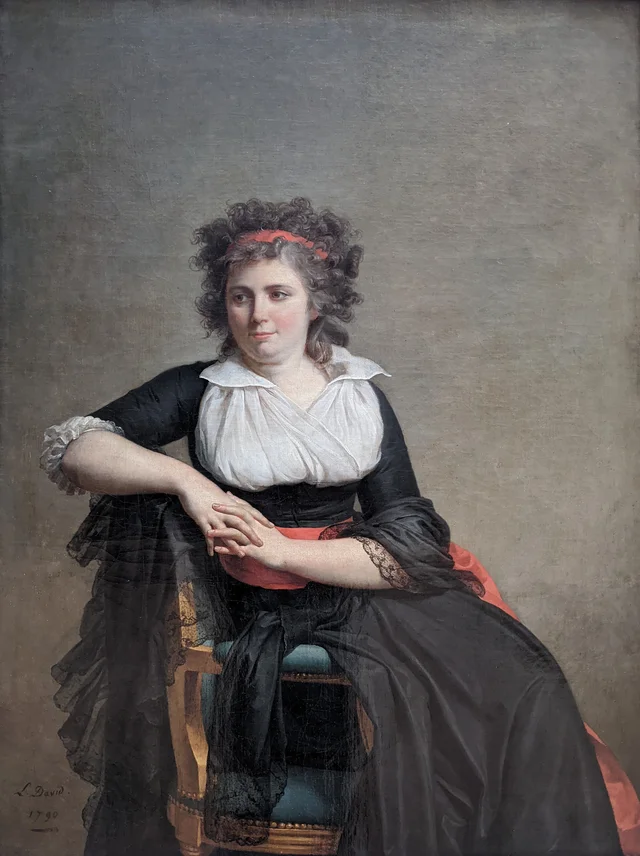 Portrait de la marquise d'OrvilliersJacques-Louis David, 1790
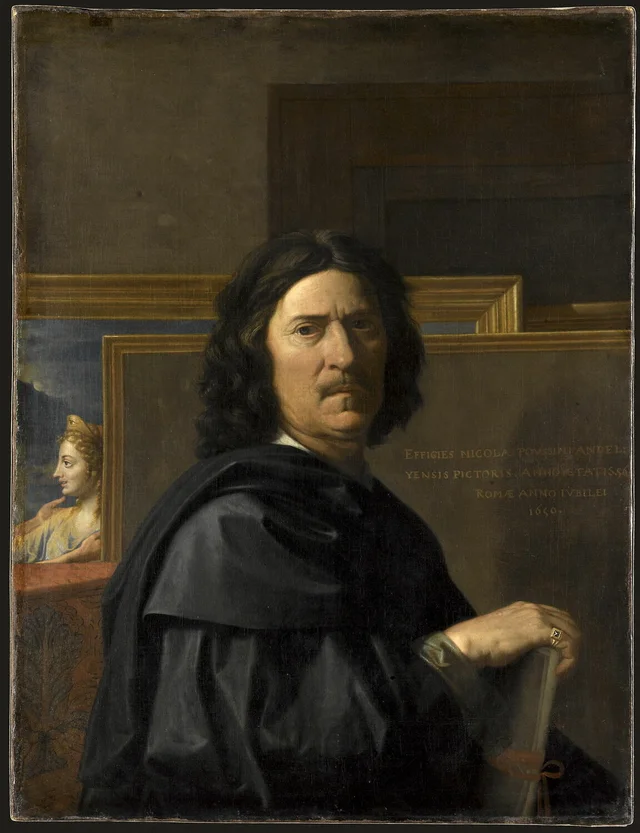 AutoportraitNicolas Poussin, 1650
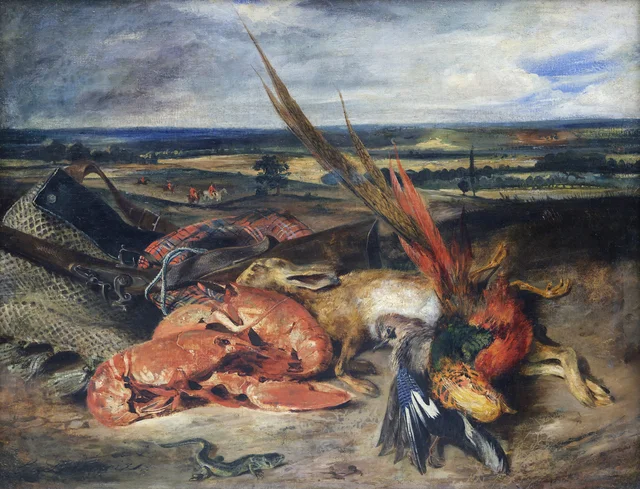 Nature morte au homard et trophées de chasse et de pêcheEugène Delacroix, 1827
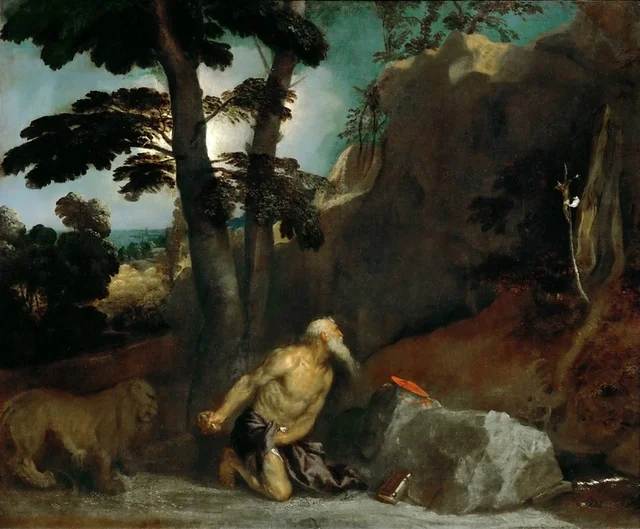 Saint Jérôme pénitentTitien, 1531
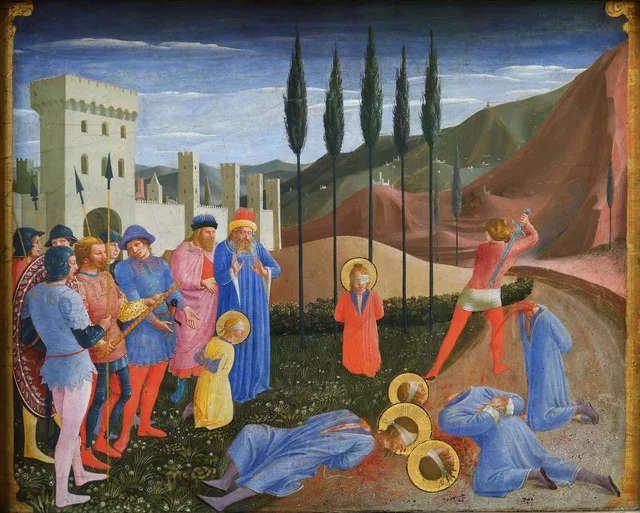 La Décapitation des saints Côme et DamienFra Angelico, 1443
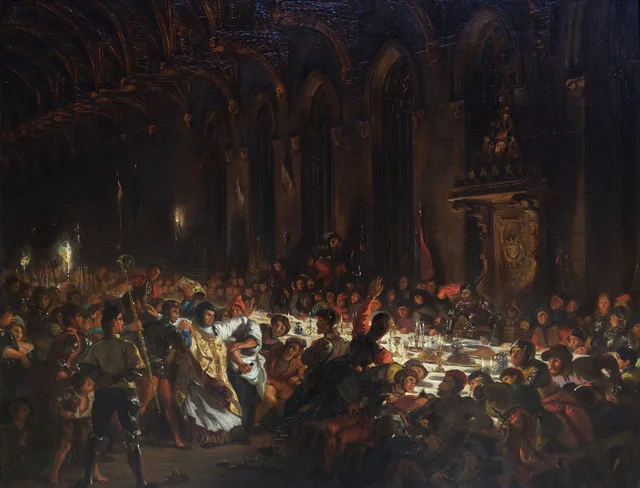 L'Assassinat de l'évêque de LiègeEugène Delacroix, 1828
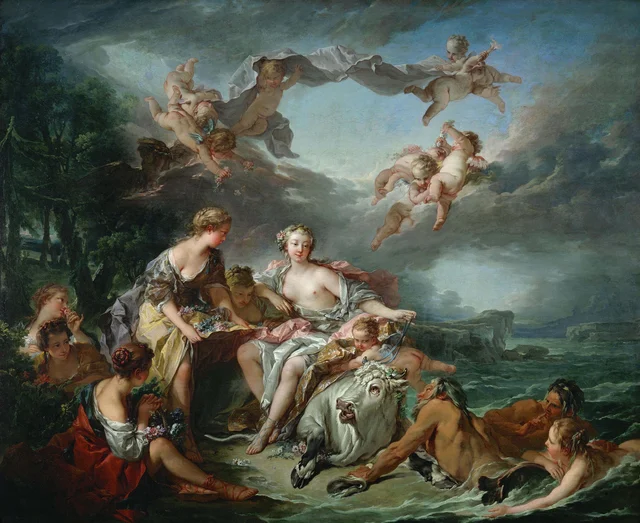 L'Enlèvement d'EuropeFrançois Boucher, 1747
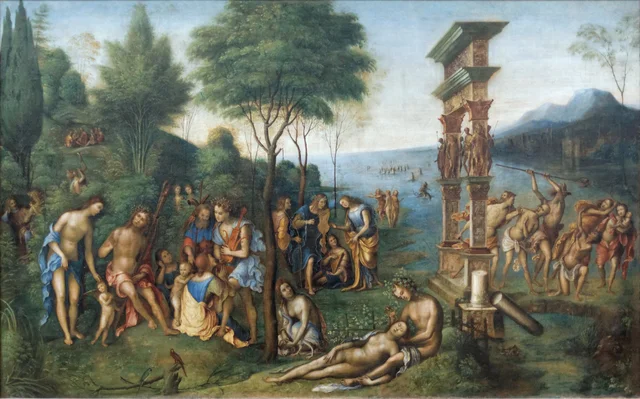 Le Règne de ComusLorenzo Costa, 1511
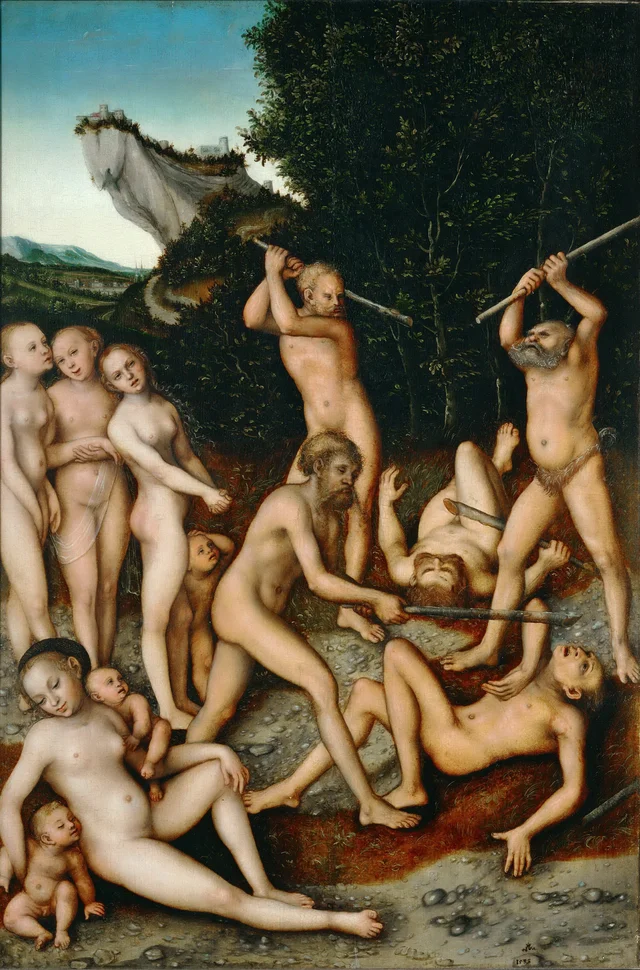 L'Âge d'argentLucas Cranach l'Ancien, 1535
 Le Triomphe de FloreNicolas Poussin, 1627
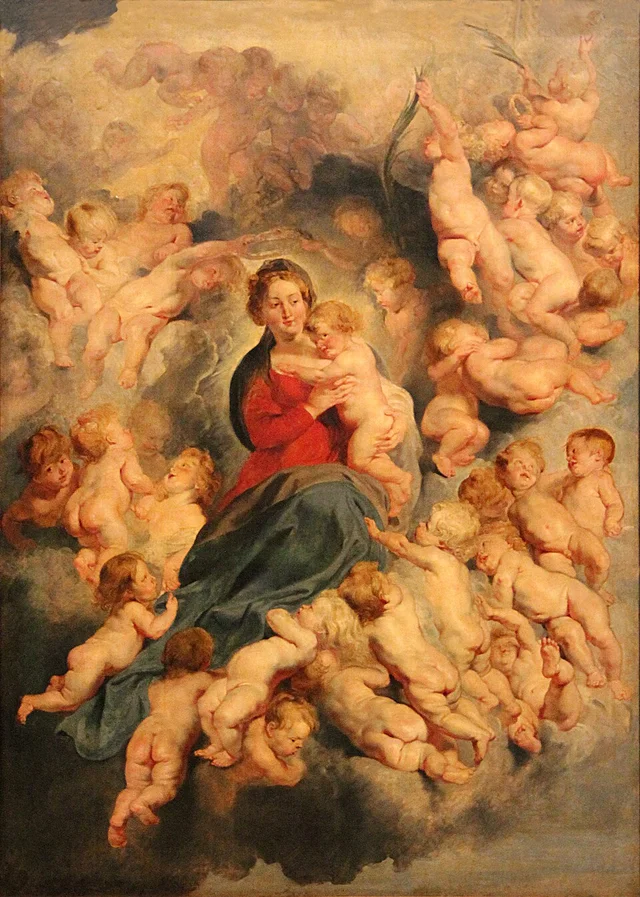 La Vierge et l'Enfant entourés des Saints InnocentsPierre Paul Rubens, 1618
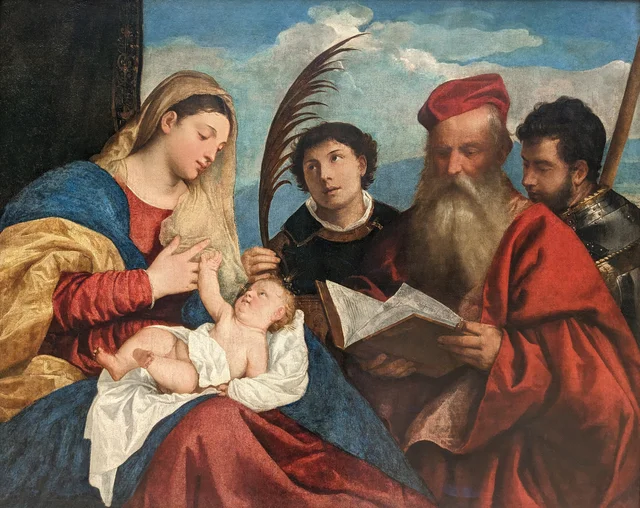 Vierge à l'Enfant avec saint Étienne, saint Jérôme et saint MauriceTitien, 1517
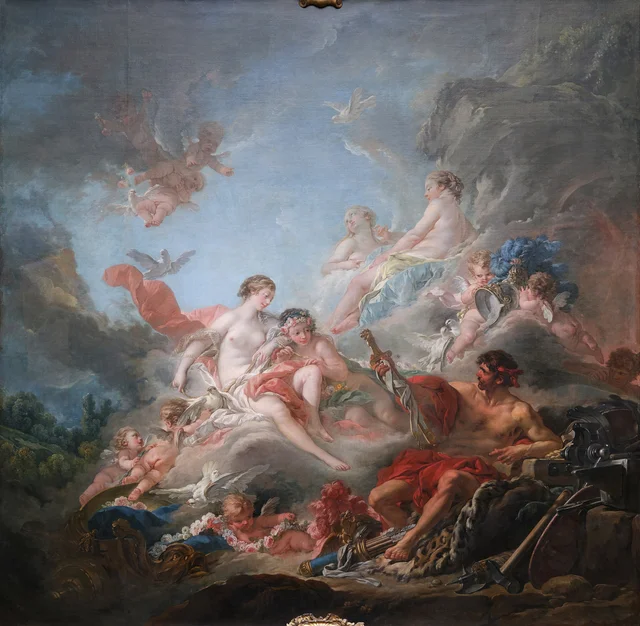 Vulcain présentant à Vénus les armes pour ÉnéeFrançois Boucher, 1757
 L'HiverNicolas Poussin, 1662
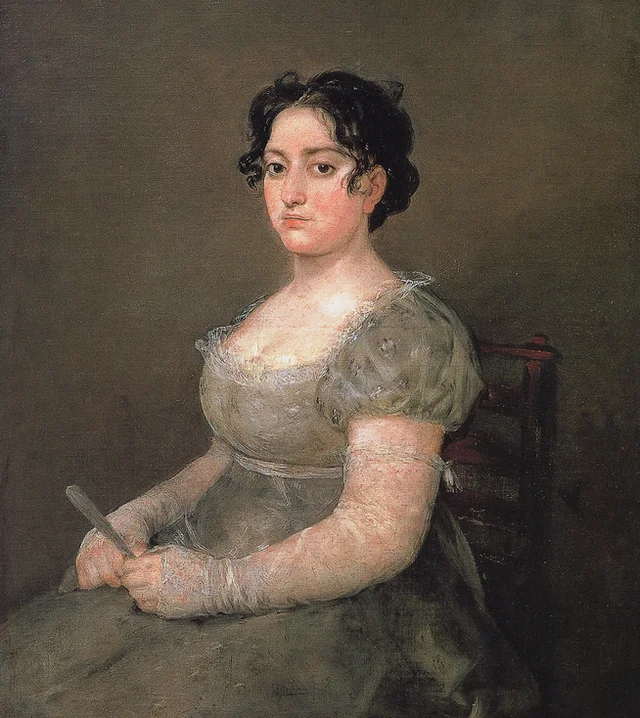 La Dame à l'éventailFrancisco Goya, 1805
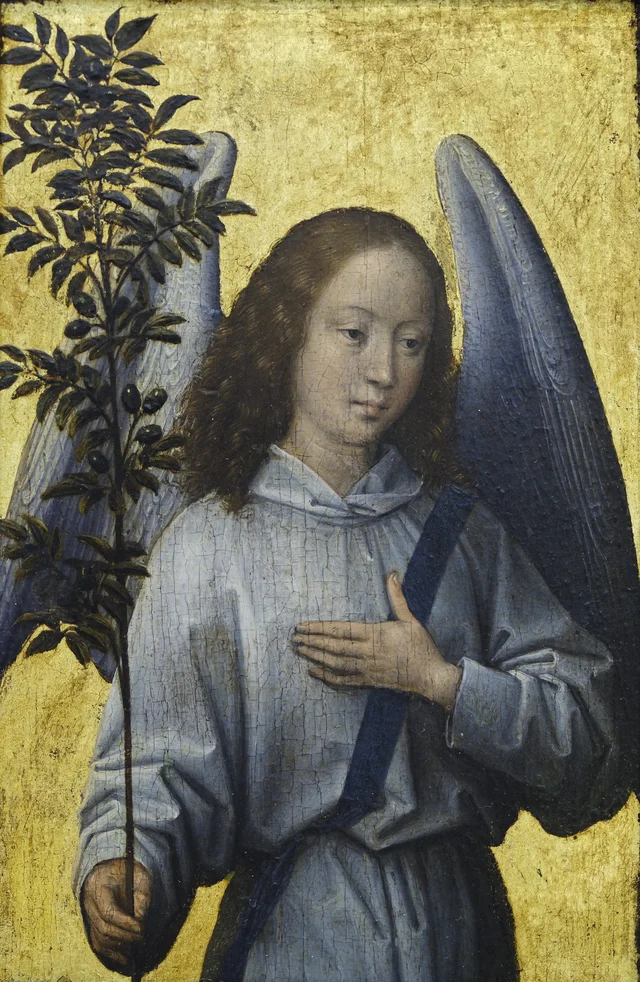 Ange à la branche d'olivierHans Memling, 1477
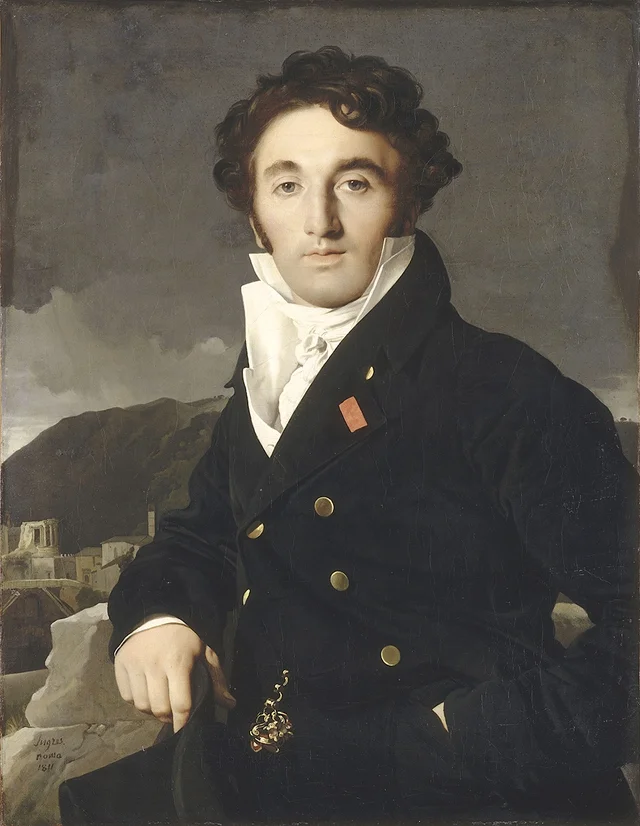 Charles CordierJean-Auguste-Dominique Ingres, 1811
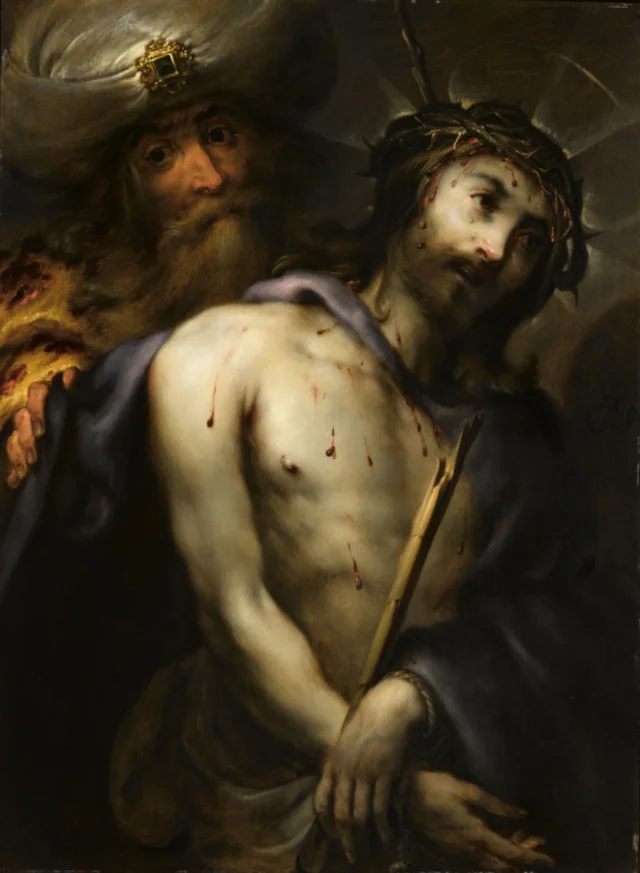 Ecce HomoJan Cossiers, 1620
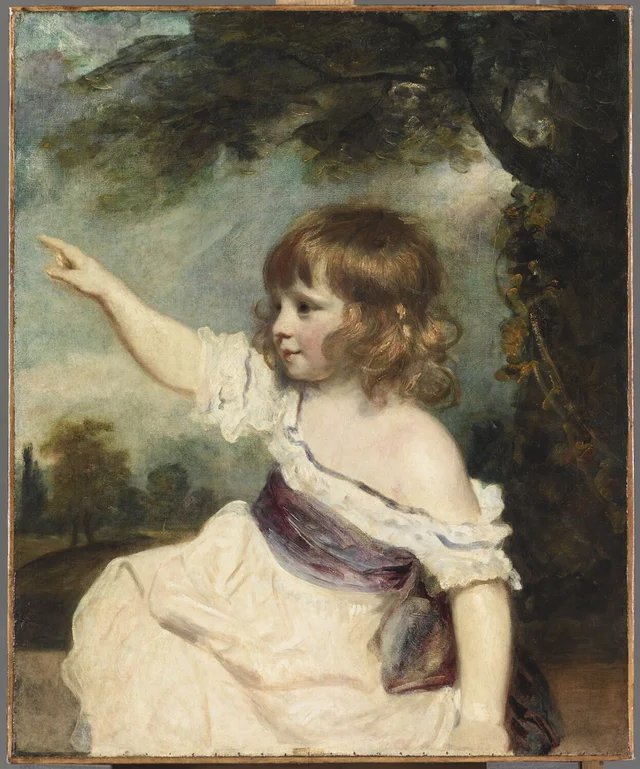 Francis George Hare, dit Master Hare, enfantJoshua Reynolds, 1788
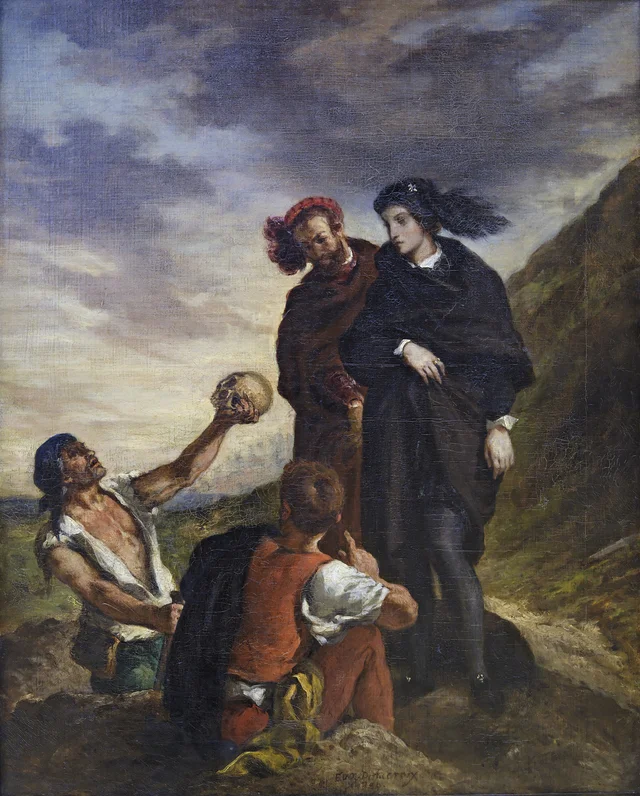 Hamlet et Horatio au cimetièreEugène Delacroix, 1839
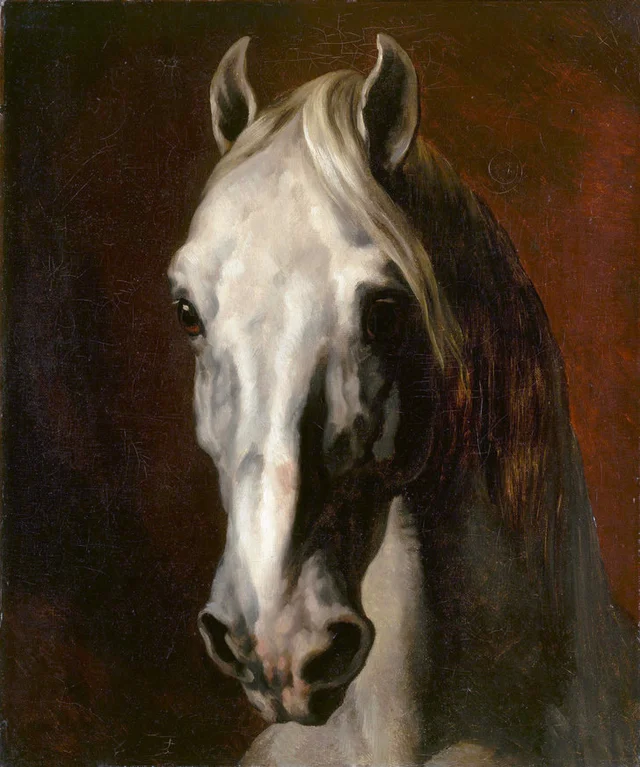 Tête d'un cheval blancThéodore Géricault, 1811
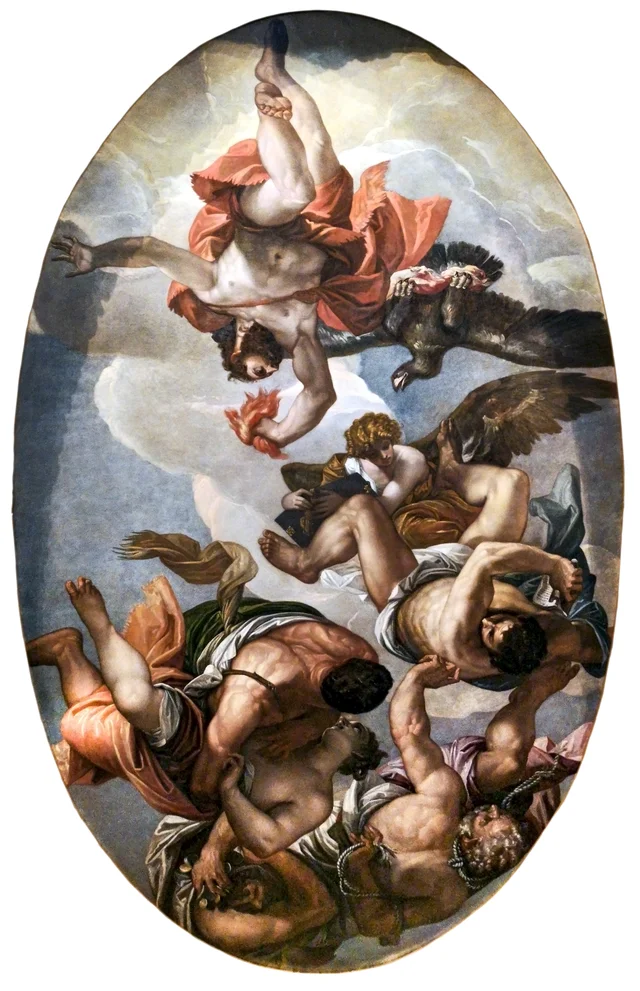 Jupiter foudroyant les VicesPaolo Véronèse, 1553
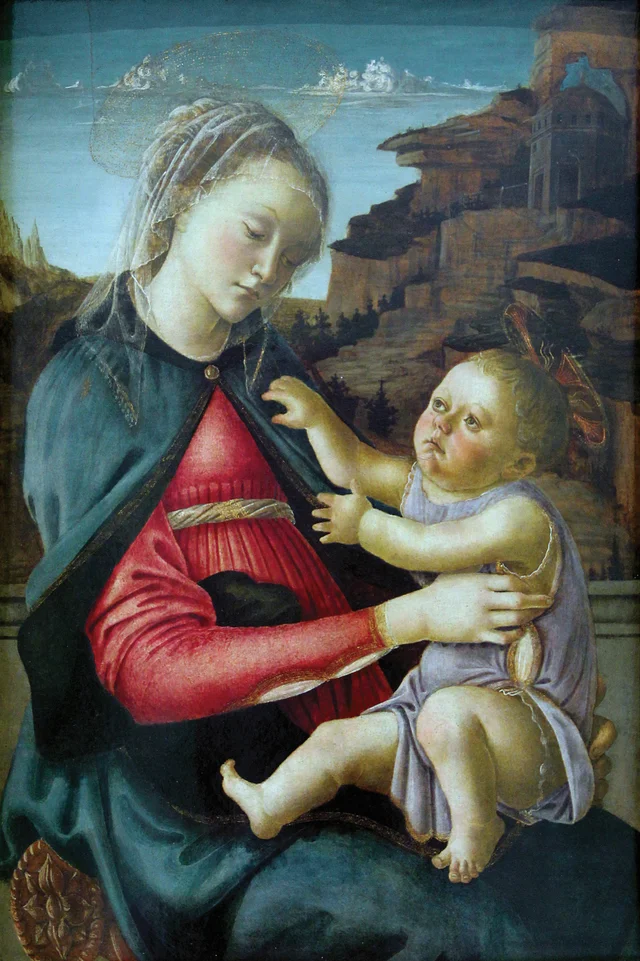 Vierge à l'EnfantSandro Botticelli, 1465
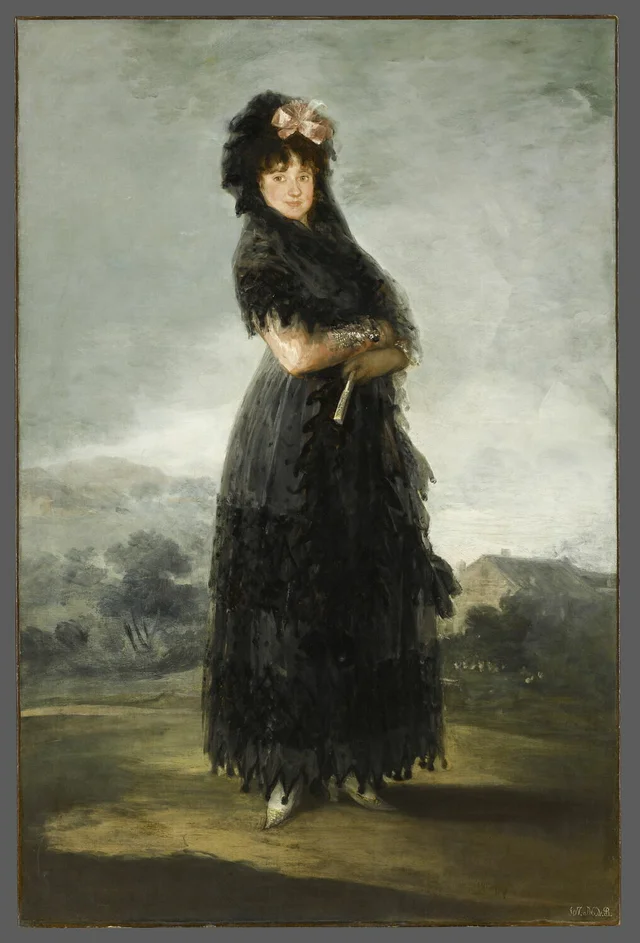 Mariana Waldstein, neuvième marquise de Santa CruzFrancisco Goya, 1797