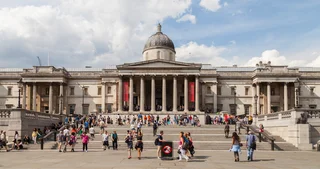
L'histoire
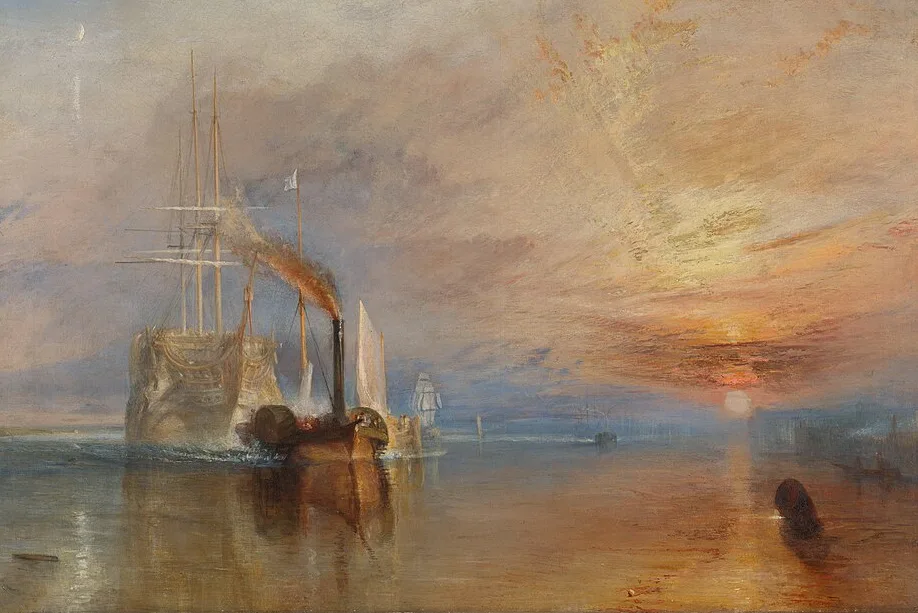
Après le déclenchement de la guerre, et l'invasion attendue en 1940, les tableaux de la National Gallery furent éloignés de Londres. À l'été 1941, ils étaient cachés dans une ardoisière des montagnes du nord du pays de Galles. Quelqu'un avait proposé de les envoyer au Canada, et Churchill répondit : cachez-les dans des grottes et des caves, mais pas un seul tableau ne quittera cette île. Au fond de la carrière de Manod, dans des chambres de brique bâties pour garder l'humidité et la température stables, Les Époux Arnolfini de van Eyck et Le Téméraire de Turner attendirent la fin du Blitz, tandis que la pianiste Myra Hess donnait des concerts de midi dans les galeries vidées, à Londres.
La galerie avait toujours appartenu au public plutôt qu'à un palais. Elle naquit en 1824, quand le Parlement acheta 38 tableaux au banquier John Julius Angerstein, et fut installée délibérément à Trafalgar Square, au centre de Londres, pour qu'un employé ou un charretier puisse l'atteindre aussi aisément qu'un lord. Sa collection permanente reste gratuite d'accès.
Pendant toute la guerre, le personnel continua de rapporter du pays de Galles un seul chef-d'œuvre à la fois, pour l'accrocher dans le bâtiment nu comme Tableau du mois, dans une ville sous les bombes. Les mêmes salles abritent aujourd'hui le Diptyque Wilton, Les Tournesols de Van Gogh et La Charrette de foin de Constable, ouvertes à quiconque monte les marches depuis la place.
Autres articles
Collection
648 œuvres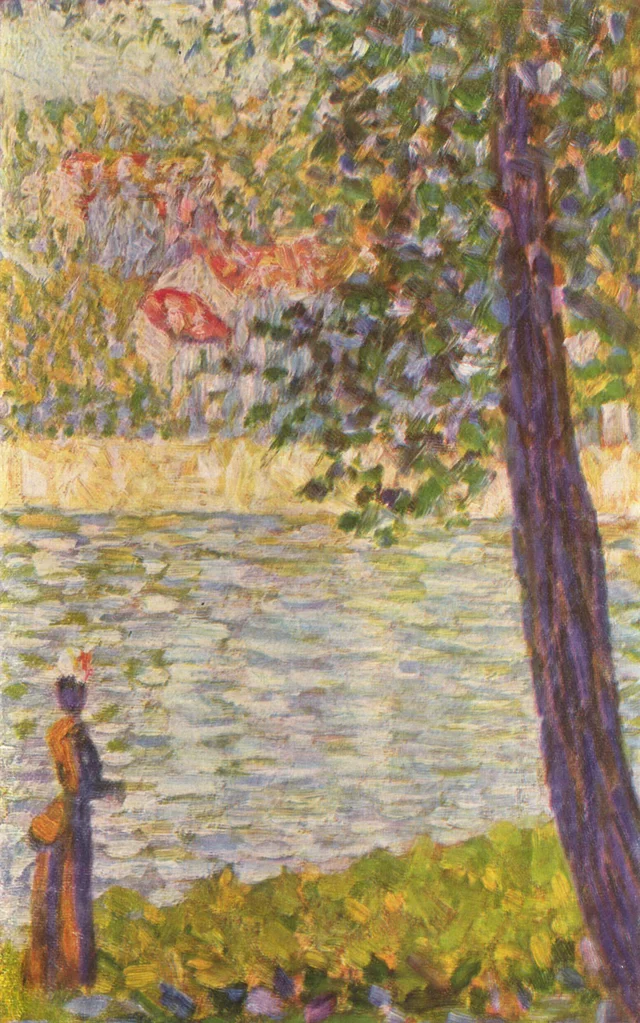 La Promenade du matinGeorges Seurat, 1884
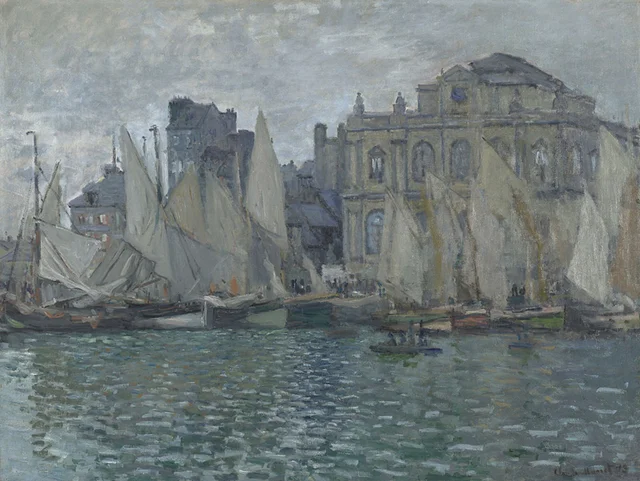 Le Musée du HavreClaude Monet, 1873
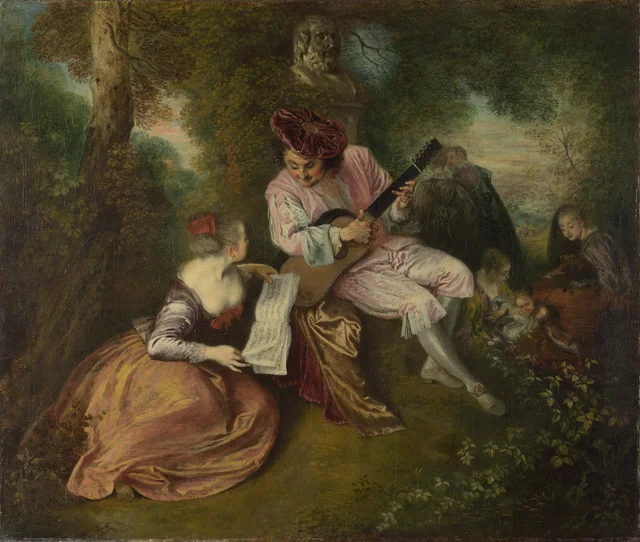 La Gamme d'amourJean-Antoine Watteau, 1717
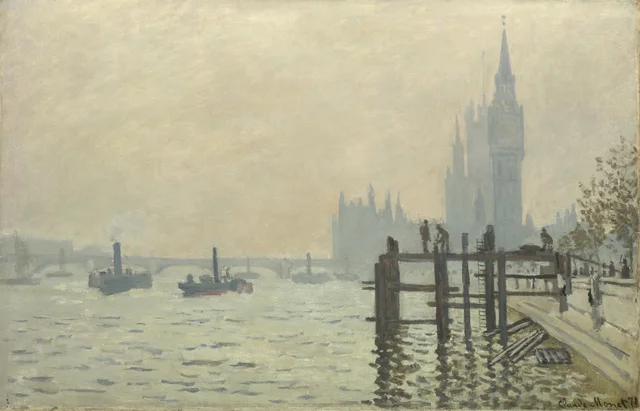 La Tamise en aval de WestminsterClaude Monet, 1871
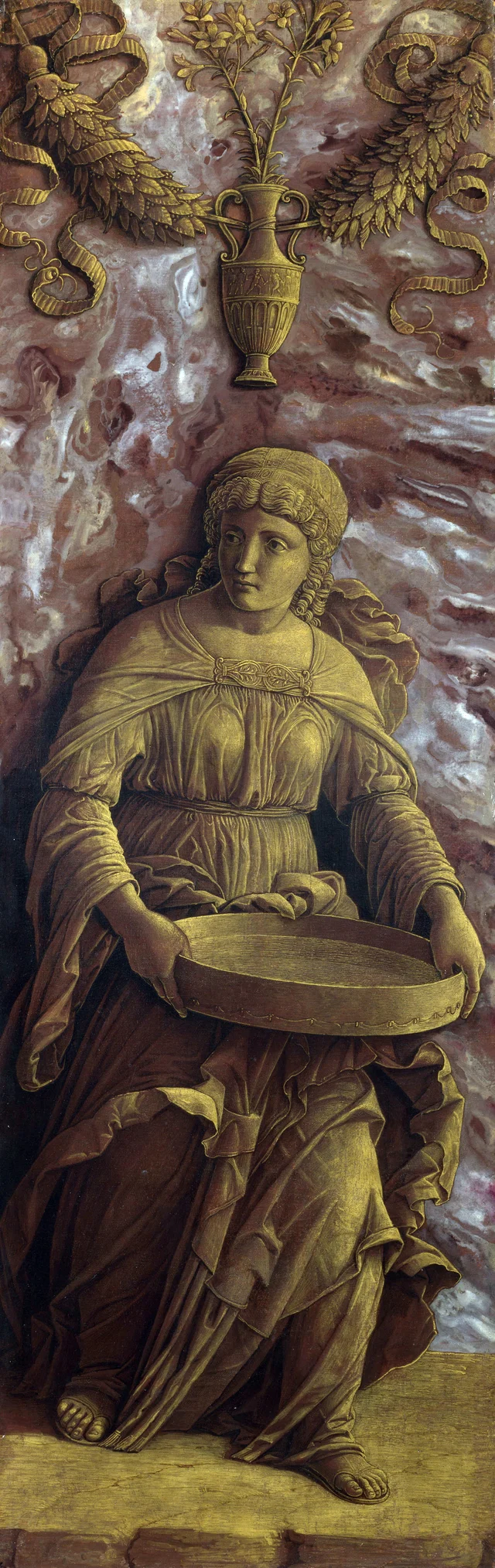 La Vestale Tuccia et le tamisAndrea Mantegna, 1495
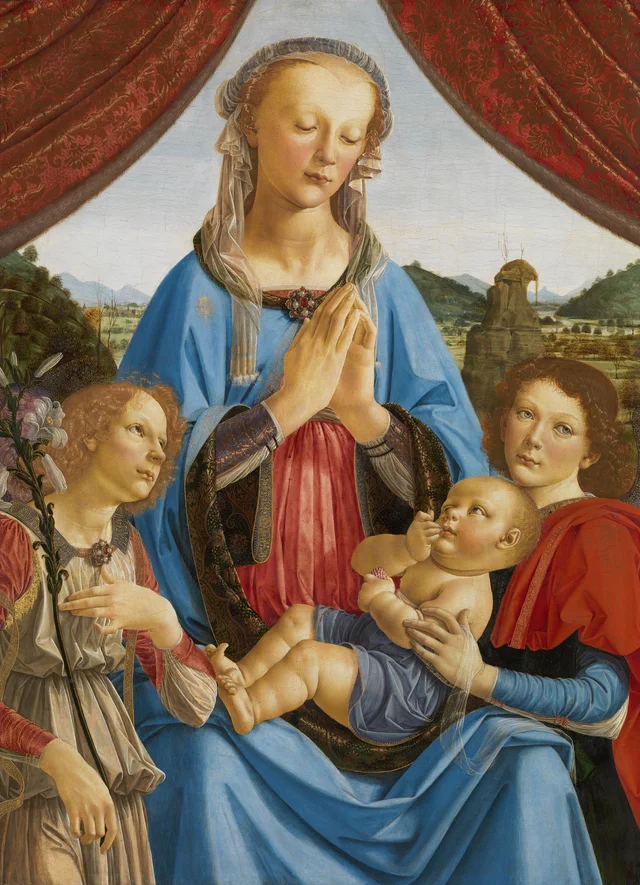 La Vierge et l'Enfant avec deux angesAndrea del Verrocchio, 1476
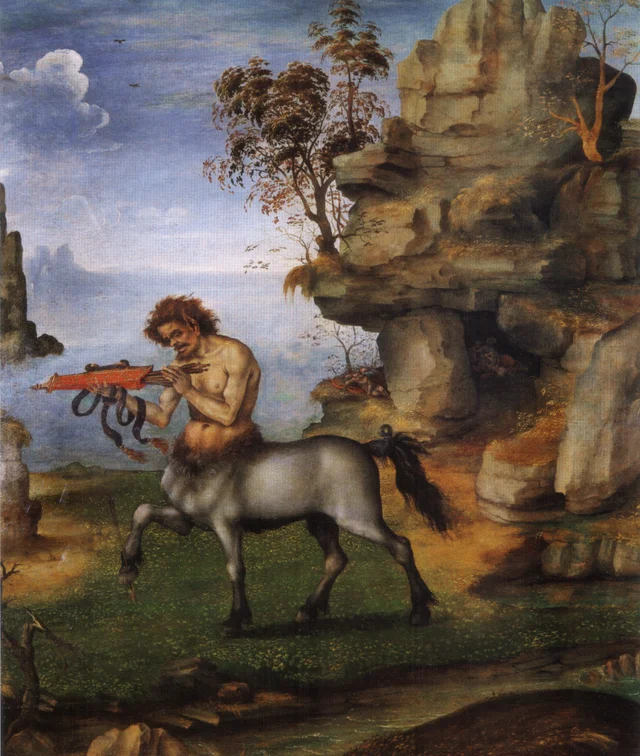 Le Centaure blessé (verso : la Naissance de Vénus ?)Filippino Lippi, 1495
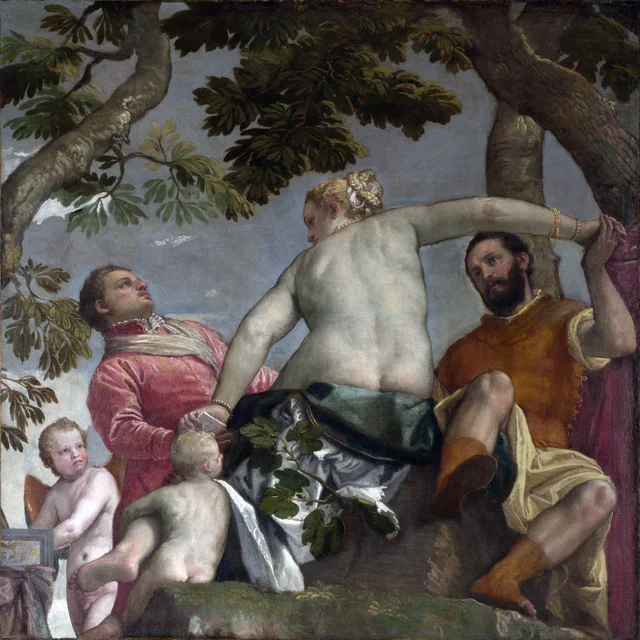 InfidélitéPaolo Véronèse, 1575
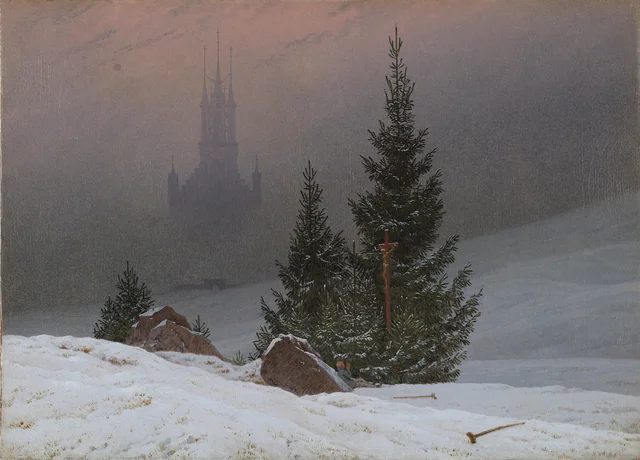 Paysage d'hiverCaspar David Friedrich, 1811
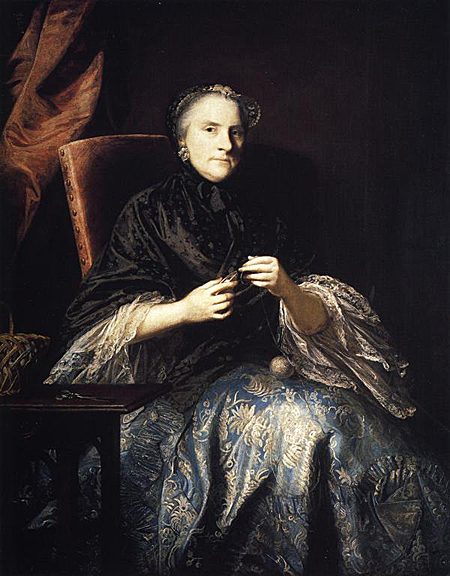 Anne, 2e comtesse d'AlbemarleJoshua Reynolds, 1760
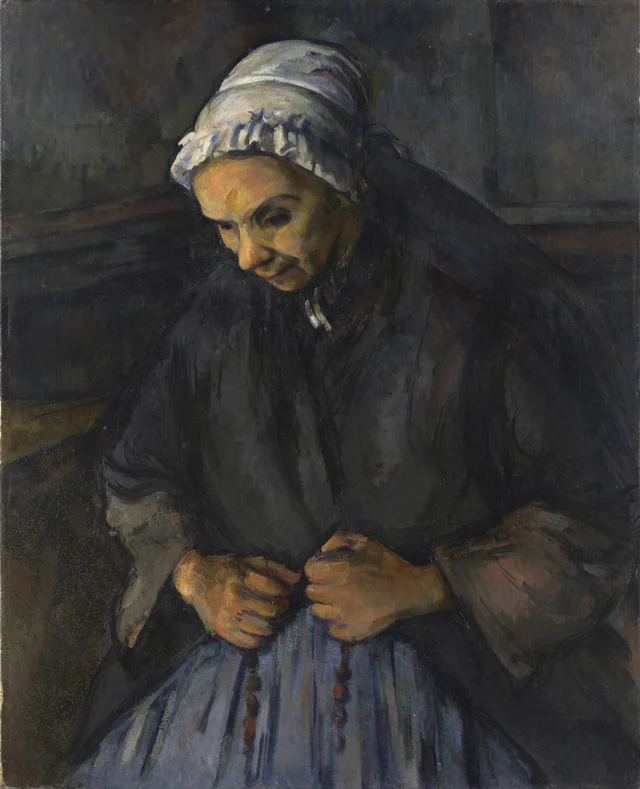 Vieille femme au chapeletPaul Cézanne, 1895
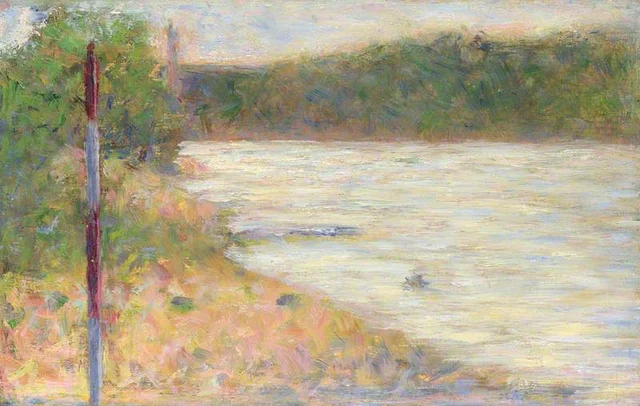 Une berge (la Seine à Asnières)Georges Seurat, 1883
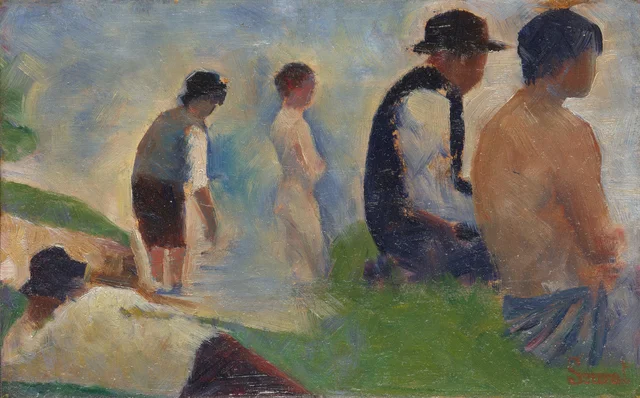 Une baignade à Asnières (étude II)Georges Seurat, 1883
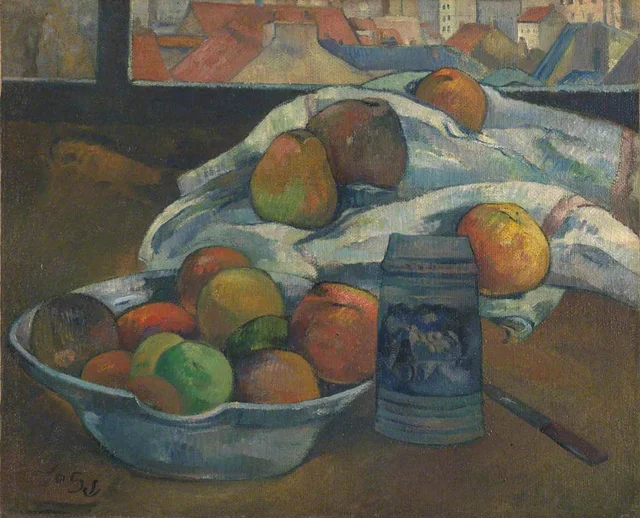 Coupe de fruits et broc devant une fenêtrePaul Gauguin, 1890
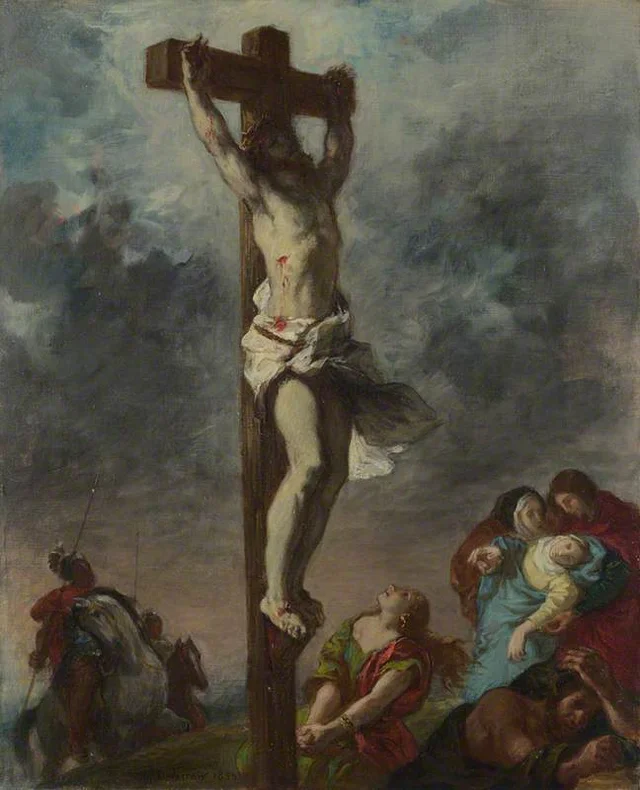 Le Christ en croixEugène Delacroix, 1853
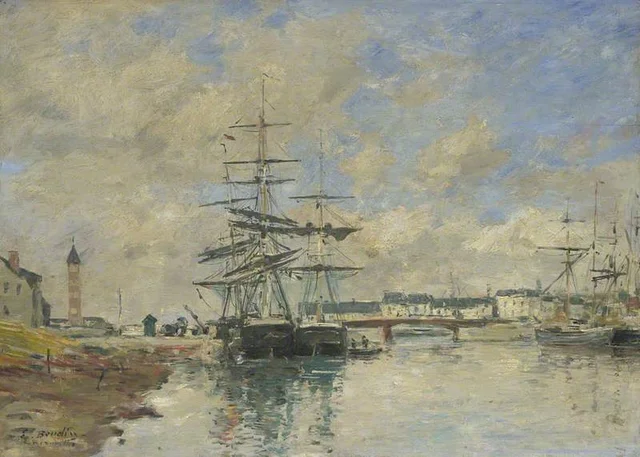 Le port de DeauvilleEugène Louis Boudin, 1889
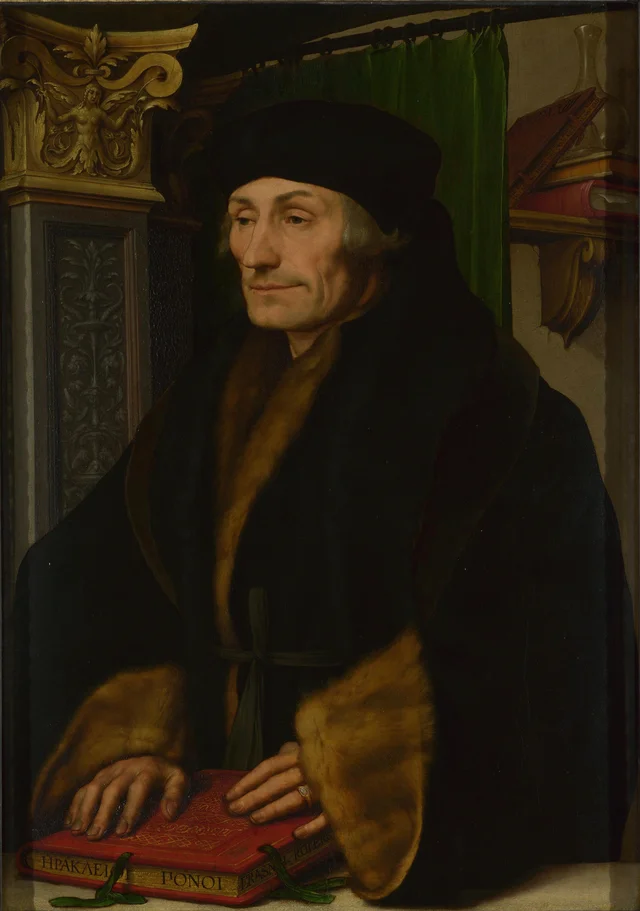 ÉrasmeHans Holbein le Jeune, 1523
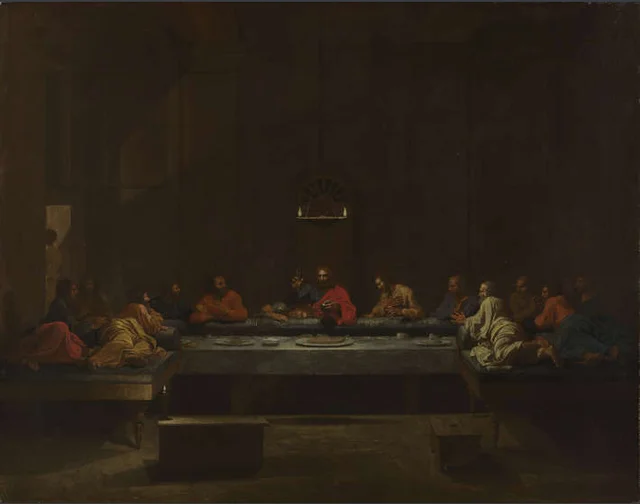 L'EucharistieNicolas Poussin, 1638
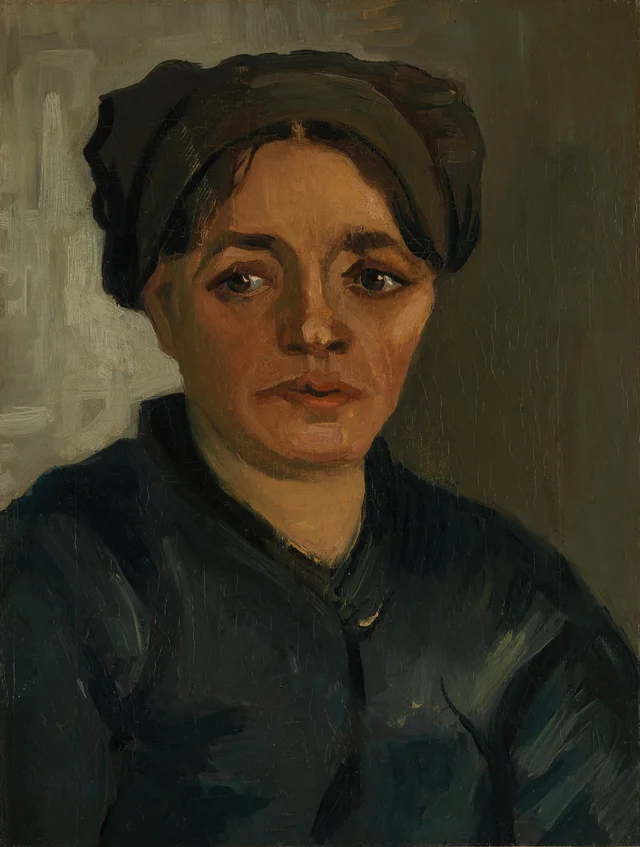 Tête de paysanneVincent van Gogh, 1885
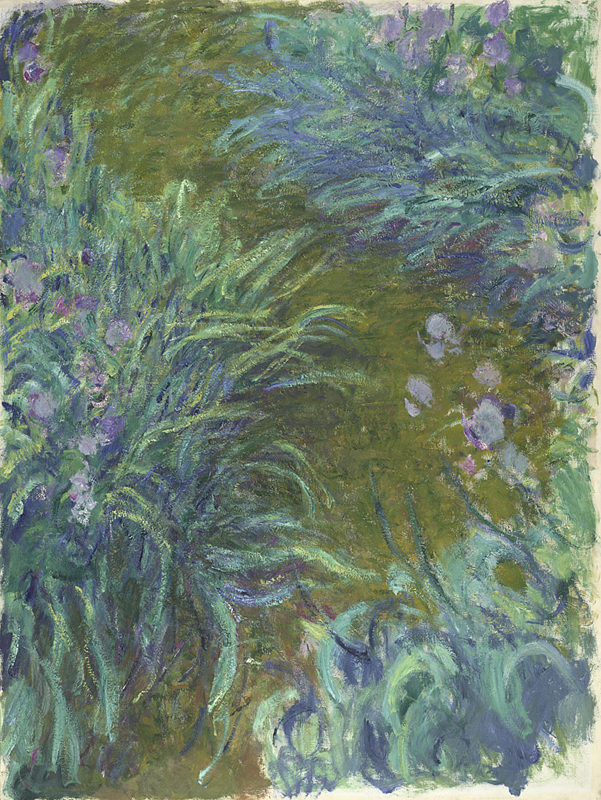 IrisClaude Monet, 1915
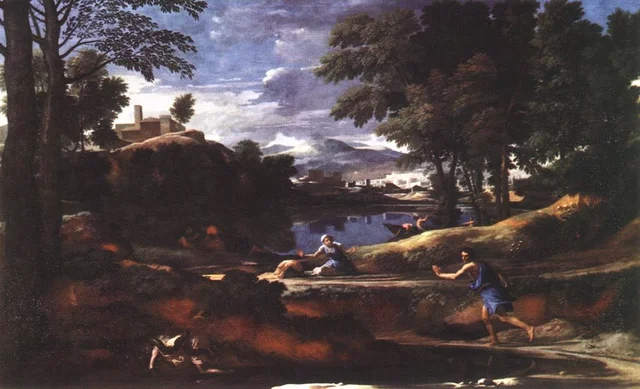 Paysage avec un homme tué par un serpentNicolas Poussin, 1648
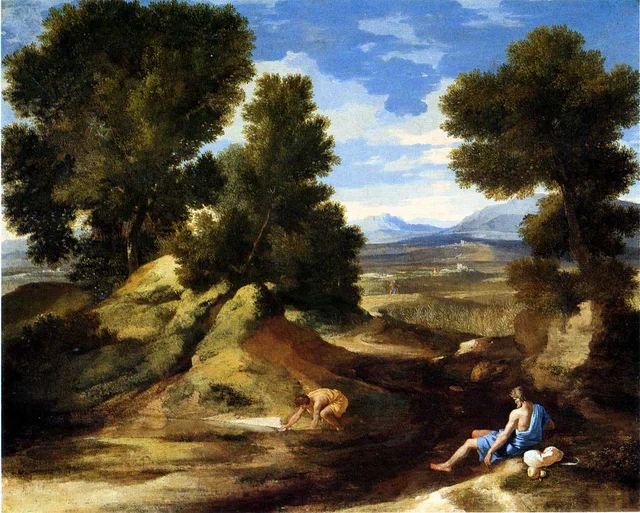 Paysage avec un homme puisant de l'eau dans un ruisseauNicolas Poussin, 1637
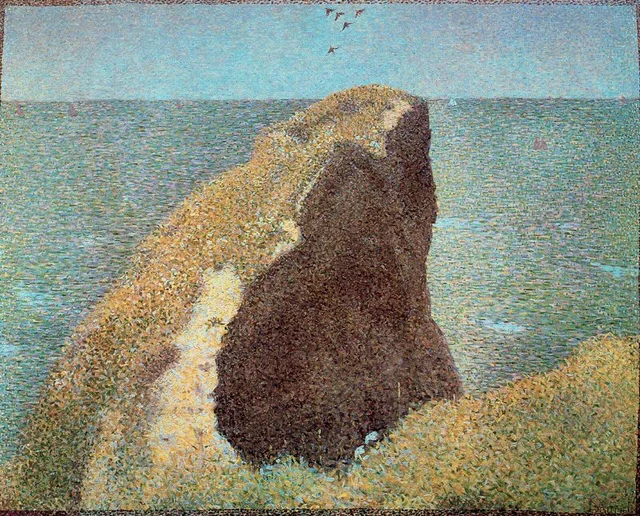 Le Bec du Hoc, GrandcampGeorges Seurat, 1885
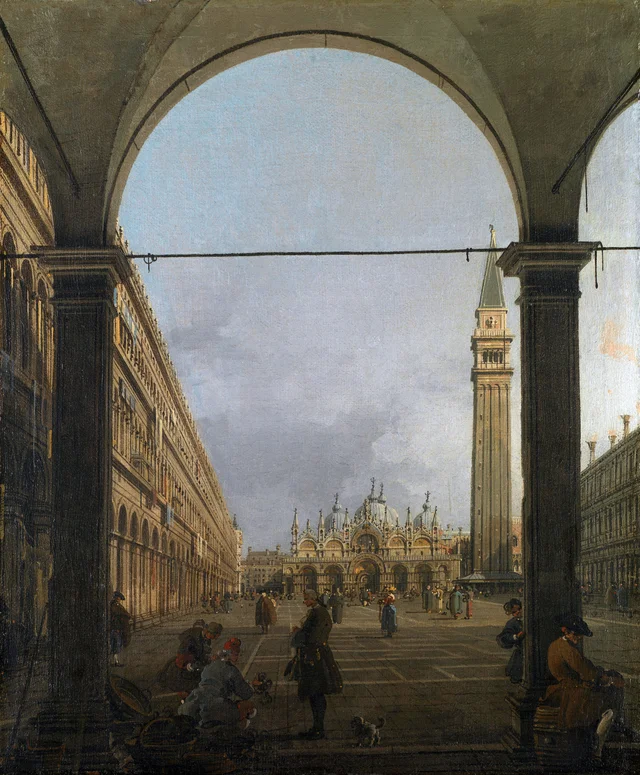 La Piazza San Marco vue vers l'est depuis l'angle nord-ouestCanaletto, 1758
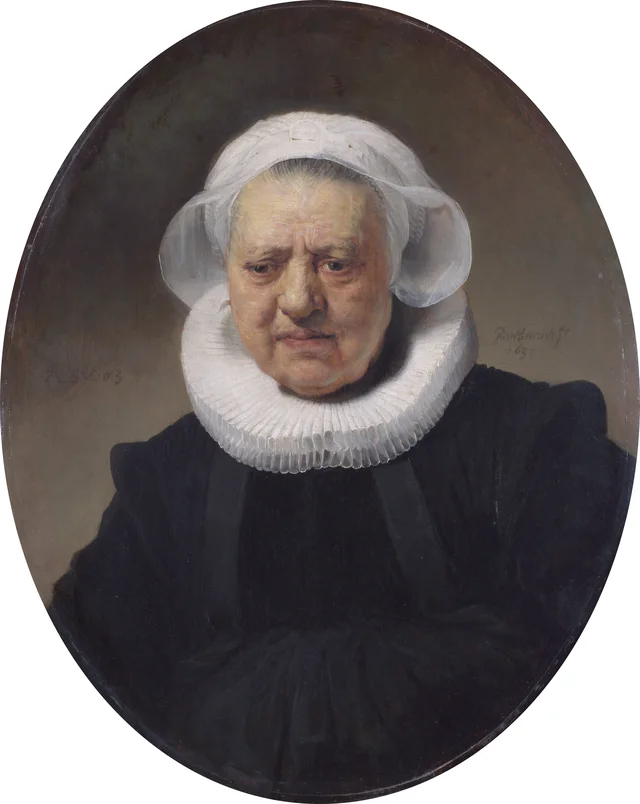 Portrait d'Aechje Claesdr.Rembrandt, 1634