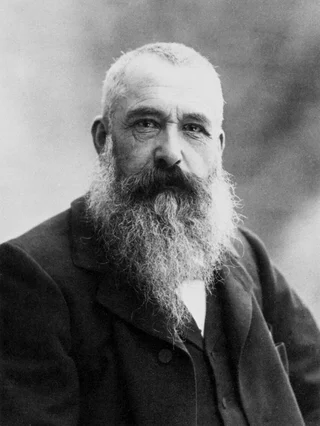
Claude Monet
1840–1926 · Francia · Impressionismo
La storia
Nell'aprile del 1874 un gruppo di pittori, stanchi di essere respinti dal Salon ufficiale, allestì una propria mostra nel vecchio studio di un fotografo sul Boulevard des Capucines a Parigi. Monet vi inviò una scena portuale sciolta della sua città natale, Le Havre, all'alba, intitolata Impression, soleil levant. Un critico si aggrappò a quella parola per deridere l'intera sala, e l'insulto rimase come etichetta: Impressionismo. Monet aveva 33 anni, e avrebbe trascorso i cinquant'anni successivi a trasformare quella battuta in una profezia.
Ciò che lo attirava era sempre la stessa cosa: la luce su una superficie mentre cambiava, minuto per minuto. Dipinse lo stesso covone, la stessa facciata di cattedrale, più e più volte, a ore diverse, inseguendo l'attimo prima che sfuggisse. Nel 1883 affittò una casa a Giverny, a nord-ovest di Parigi, e negli anni trasformò il suo terreno nel motivo che non avrebbe più lasciato: uno stagno alimentato da un ramo deviato di un fiume, un ponte giapponese, le ninfee. Dovette chiedere ai funzionari locali i diritti sull'acqua, e alcuni vicini temevano che quelle piante avrebbero avvelenato il ruscello. Negli ultimi vent'anni di vita quello stagno fu quasi il suo unico soggetto, e ne fece circa 250 dipinti.
Gli ultimi anni furono duri. La seconda moglie Alice morì nel 1911, il figlio maggiore Jean nel 1914, e i suoi occhi si annebbiavano per la cataratta, che trascinava i colori verso un rosso e un marrone fangosi. Continuò a dipingere le ninfee, le tele sempre più selvagge man mano che vedeva meno. Dopo un'operazione che gli restituì in parte la vista, guardò alcune opere fatte quasi cieco e le bruciò. I grandi pannelli delle ninfee donati allo Stato francese sono ancora oggi nelle due sale ovali dell'Orangerie a Parigi, bassi e curvi, così che chi guarda si trova dentro lo stagno che lui riusciva a malapena a vedere.
Altri articoli
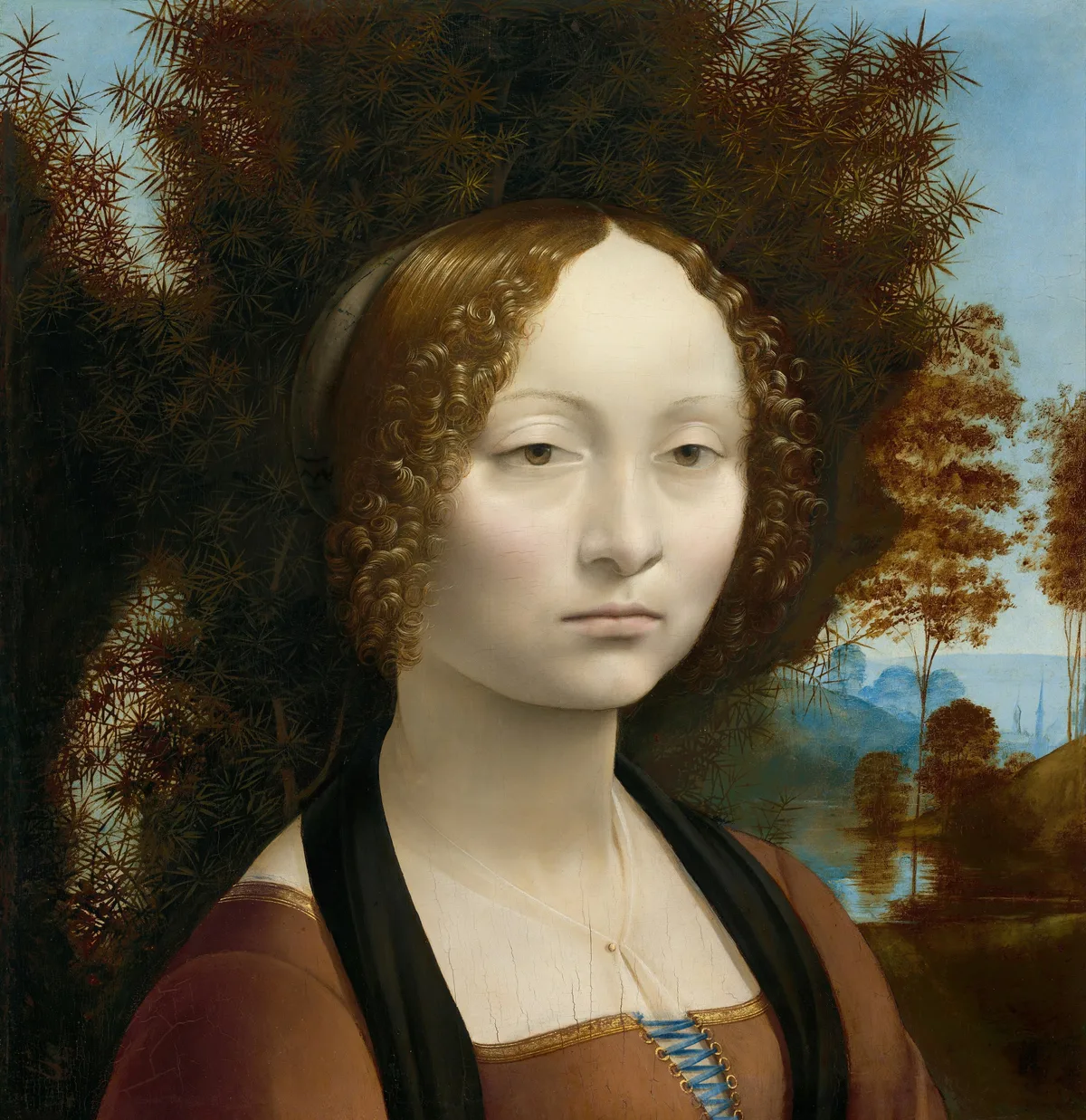 Articolo · 38 min di letturaNational Gallery of Art di Washington: venti quadri arrivati da mani private
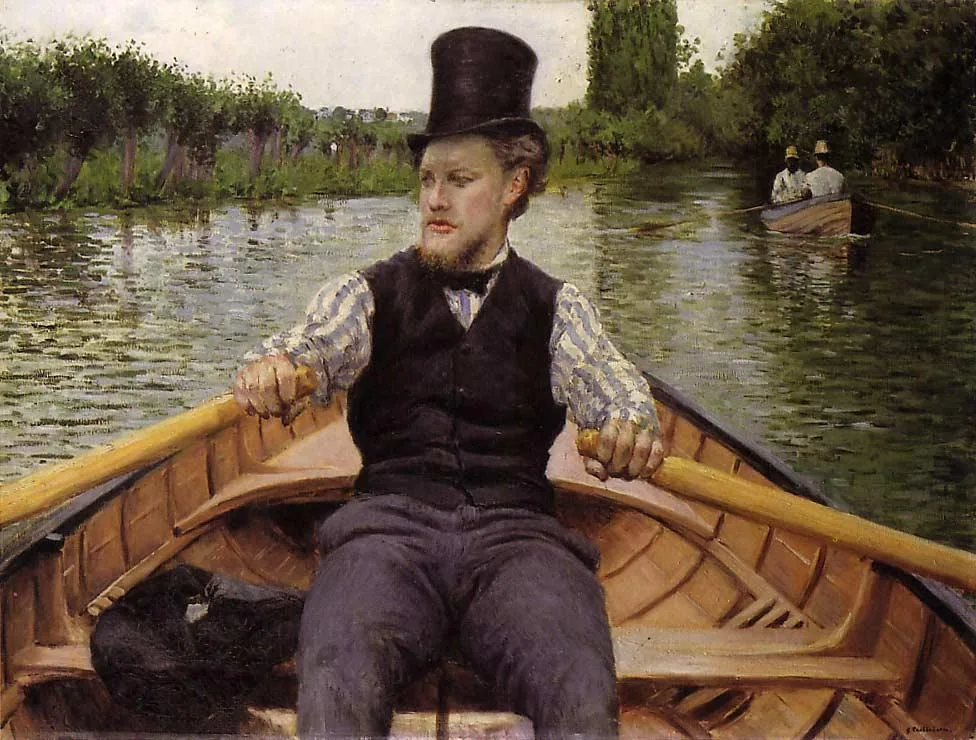 Articolo · 48 min di letturaMusée d'Orsay: dal Cabanel comprato da Napoleone III al Caillebotte da 43 milioni
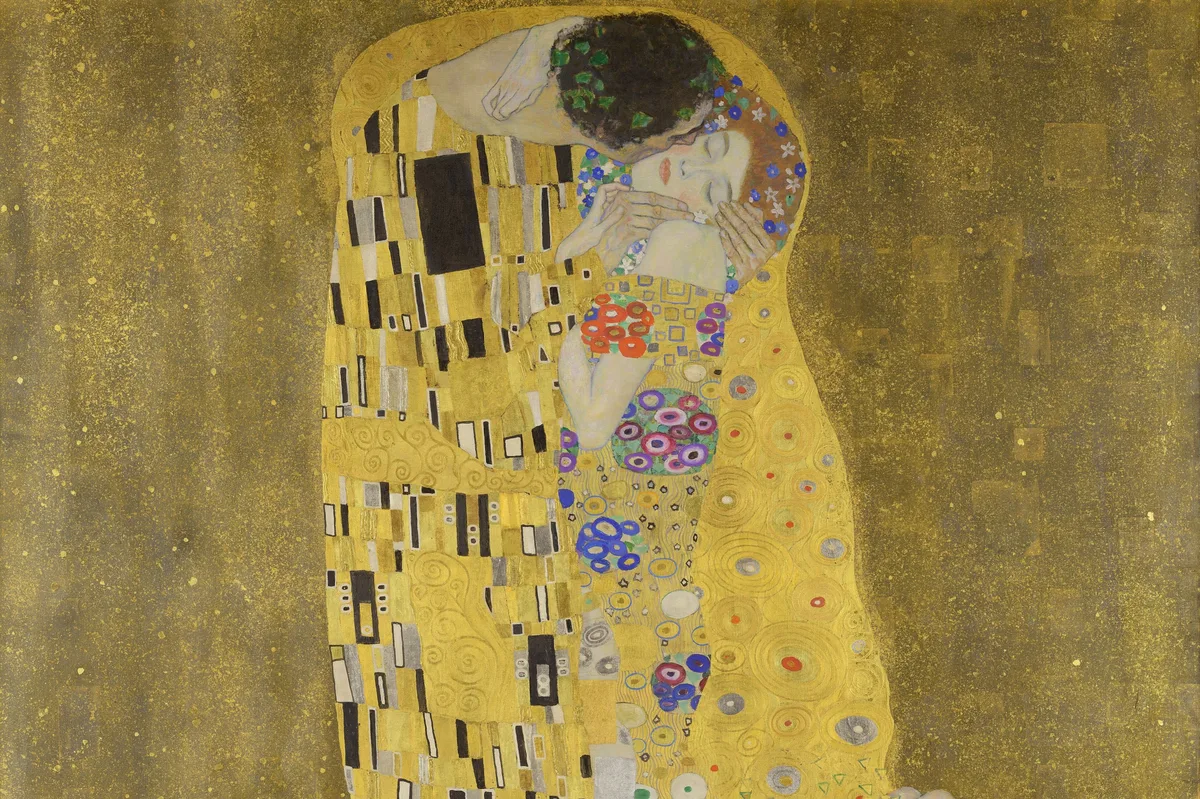 Articolo · 31 min di letturaBelvedere: dall'altare di Pacher al caso Amalie Zuckerkandl
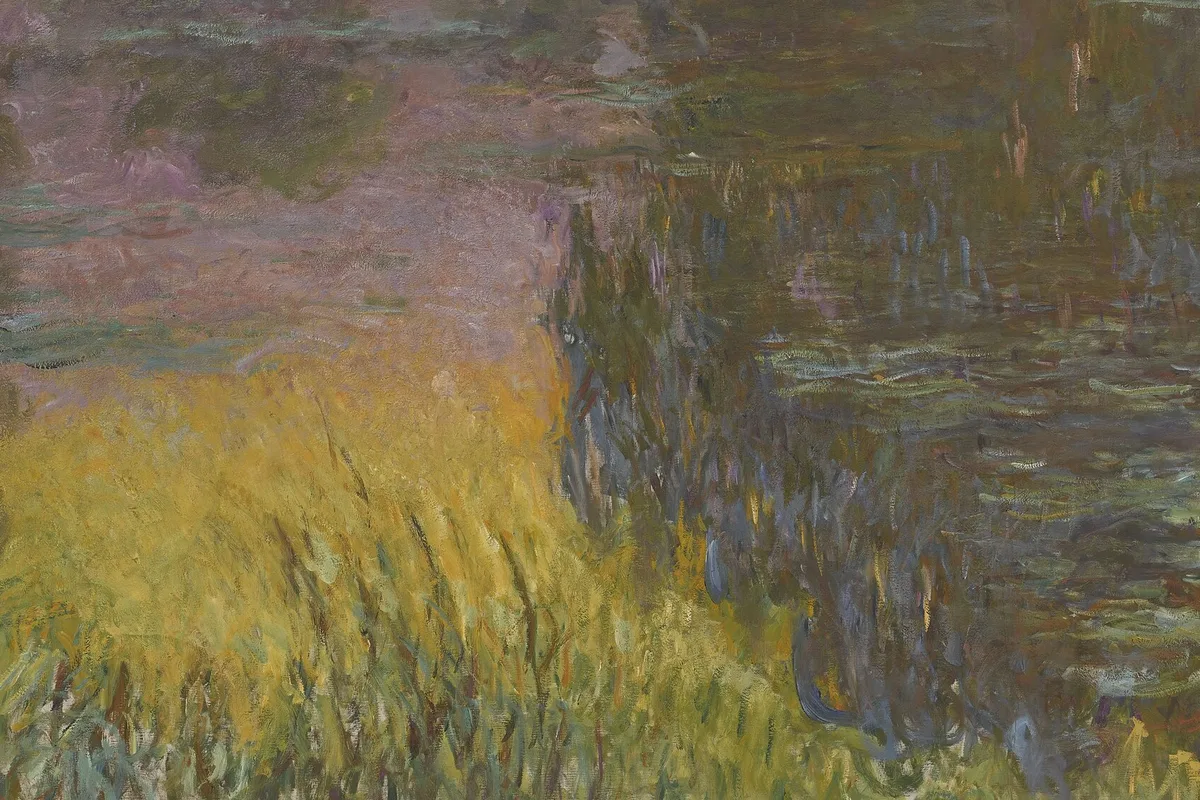 Articolo · 20 min di letturaMusée de l'Orangerie: Monet, Paul Guillaume e Domenica
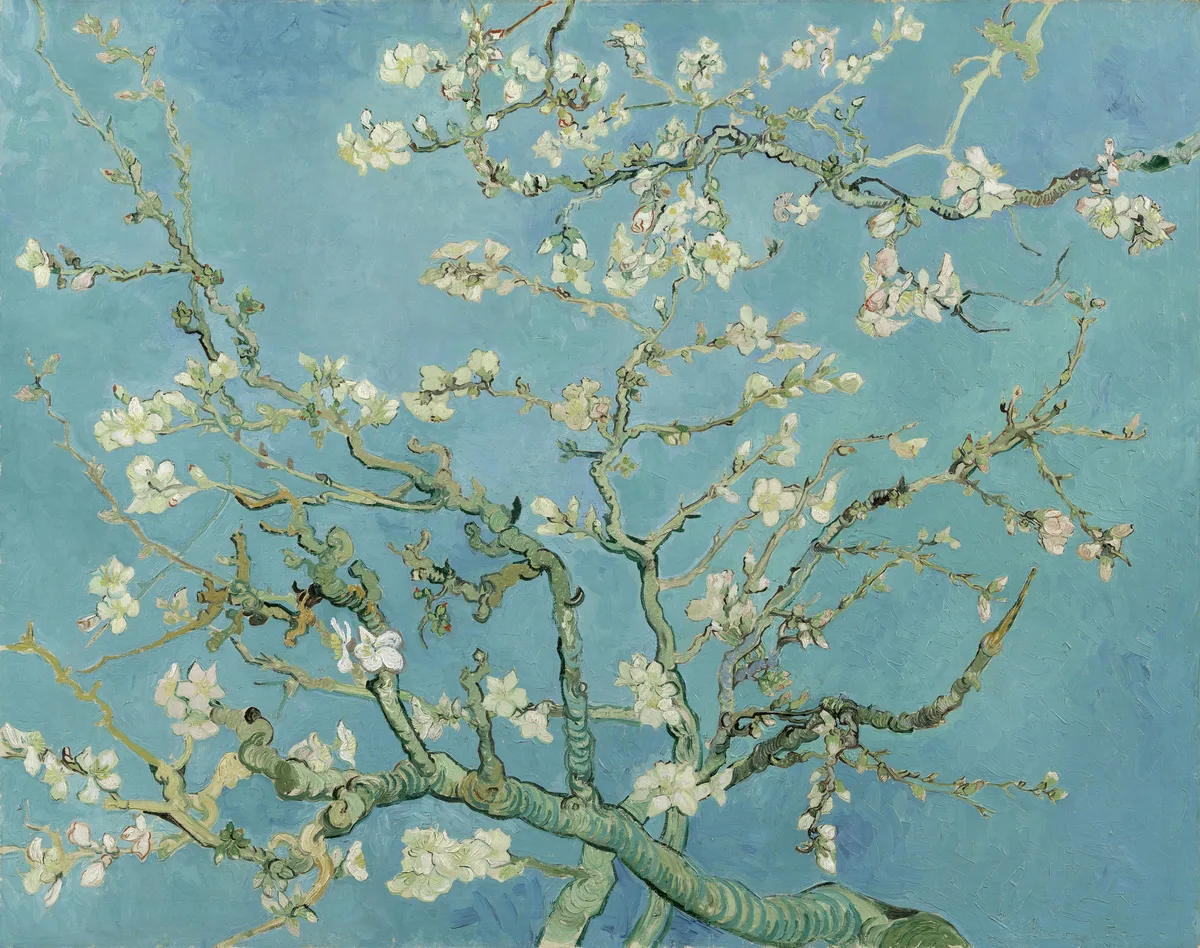 Articolo · 38 min di letturaIl Museo Van Gogh: la madre, Theo, Gauguin e le altre persone dei suoi quadri
Opere
377 opere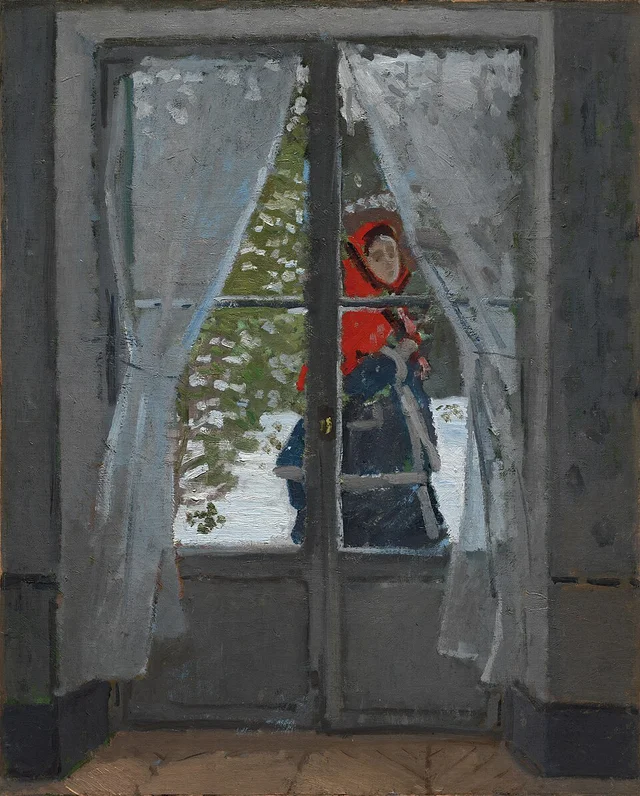 Il fazzoletto rossoClaude Monet, 1868
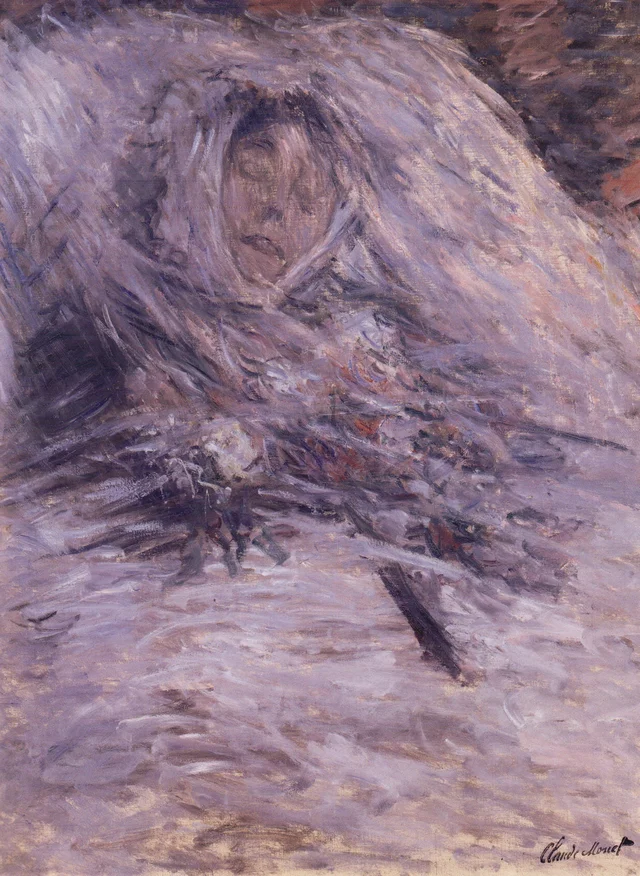 Camille Monet sul letto di morteClaude Monet, 1879
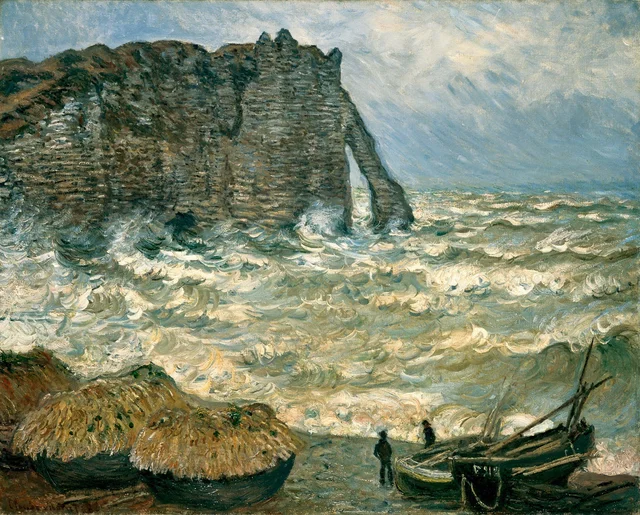 Étretat, mare agitatoClaude Monet, 1883
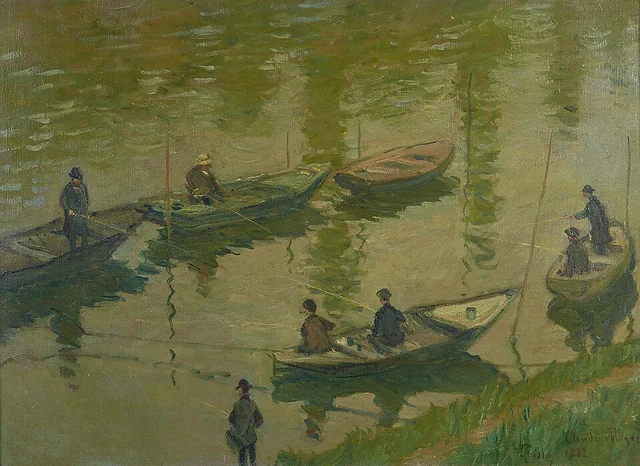 Pescatori a PoissyClaude Monet, 1882
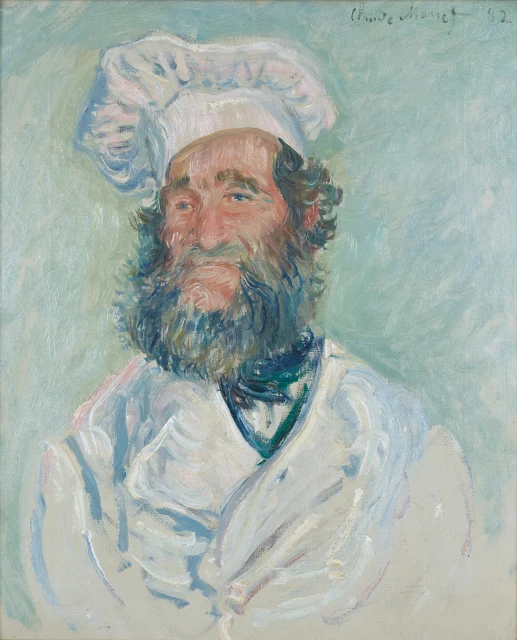 Ritratto di Père PaulClaude Monet, 1882
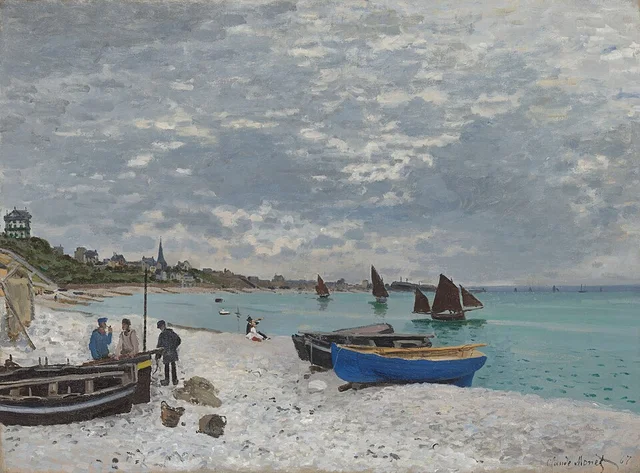 La spiaggia di Sainte-AdresseClaude Monet, 1867
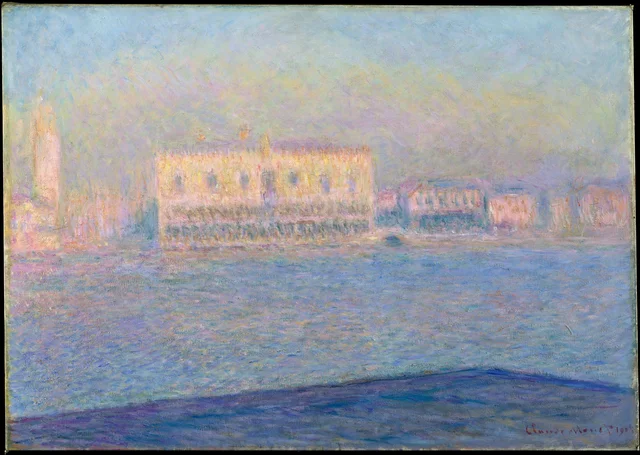 Palazzo Ducale visto da San Giorgio MaggioreClaude Monet, 1908
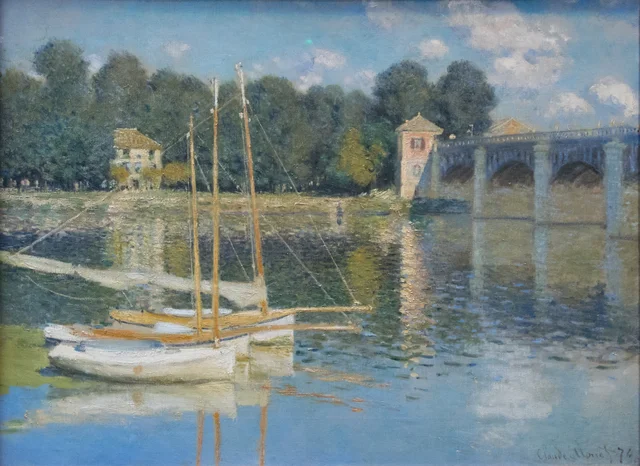 Il ponte ferroviario di ArgenteuilClaude Monet, 1874
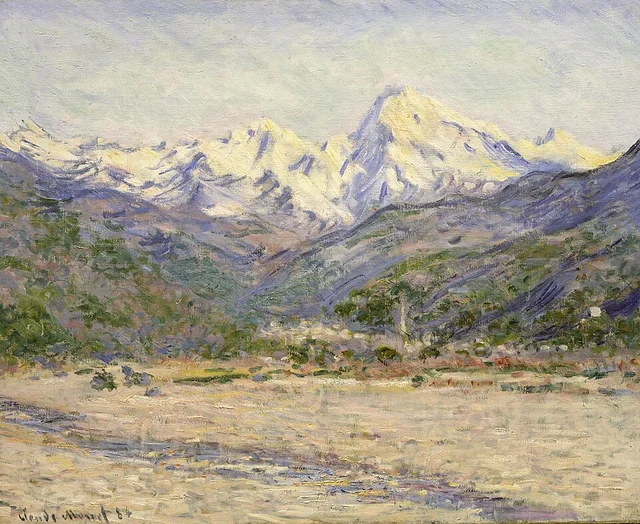 La valle della NerviaClaude Monet, 1884
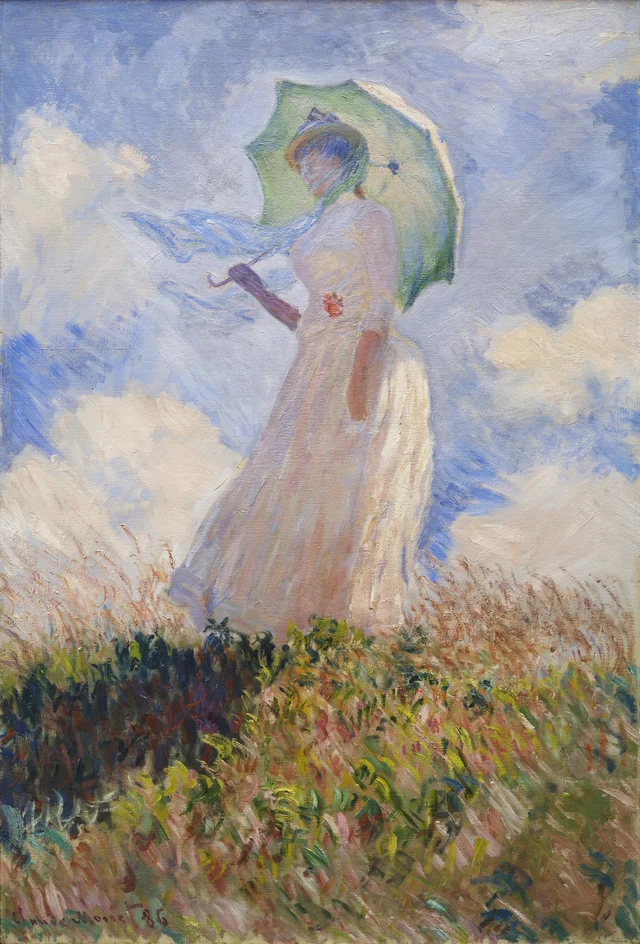 Donna con parasole, rivolta a sinistraClaude Monet, 1886
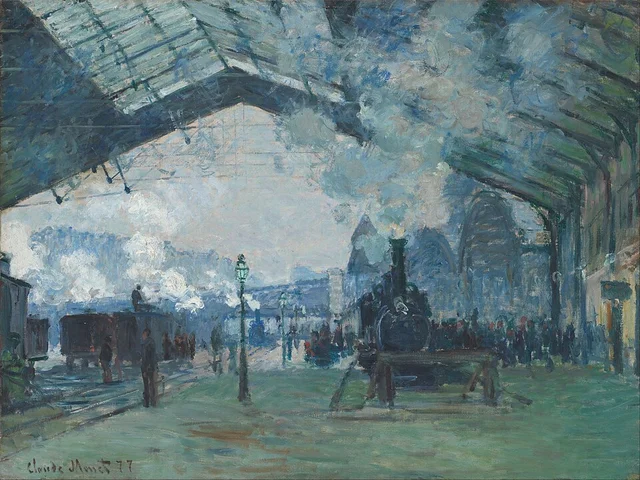 Arrivo del treno della Normandia, Gare Saint-LazareClaude Monet, 1877
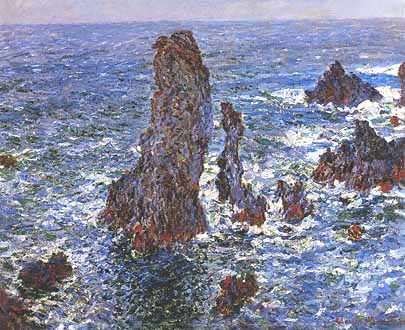 Rocce di Belle-ÎleClaude Monet, 1886
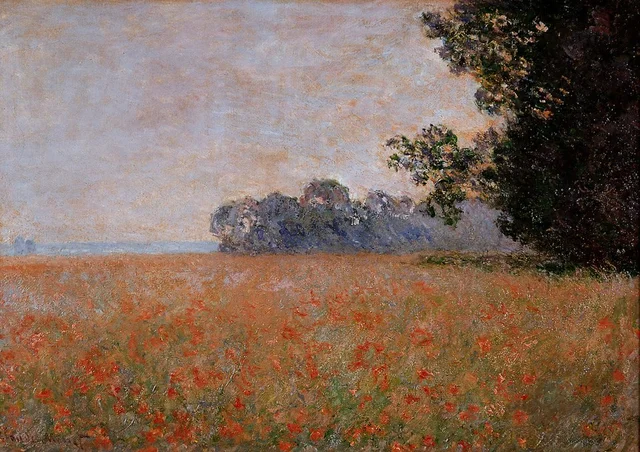 Campo di avena con papaveriClaude Monet, 1890
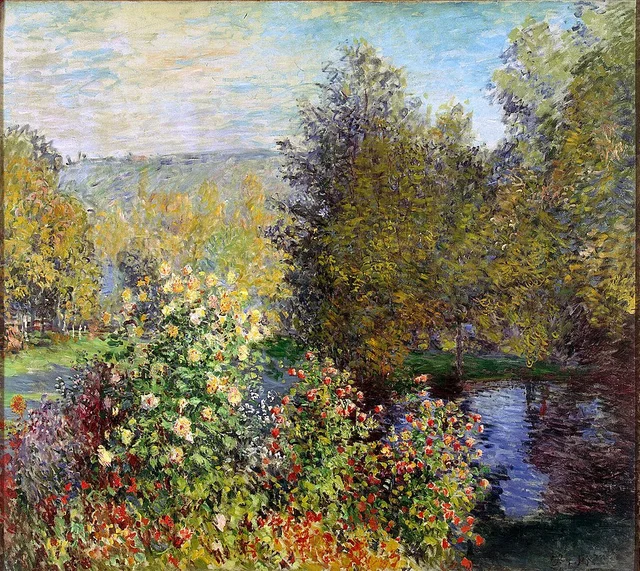 Angolo del giardino a MontgeronClaude Monet, 1877
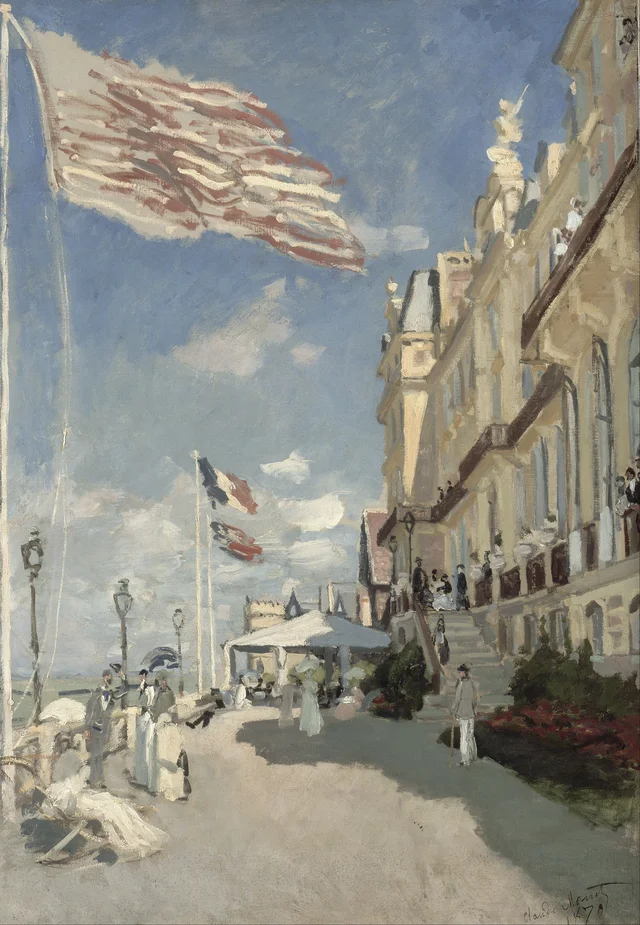 Hôtel des Roches NoiresClaude Monet, 1870
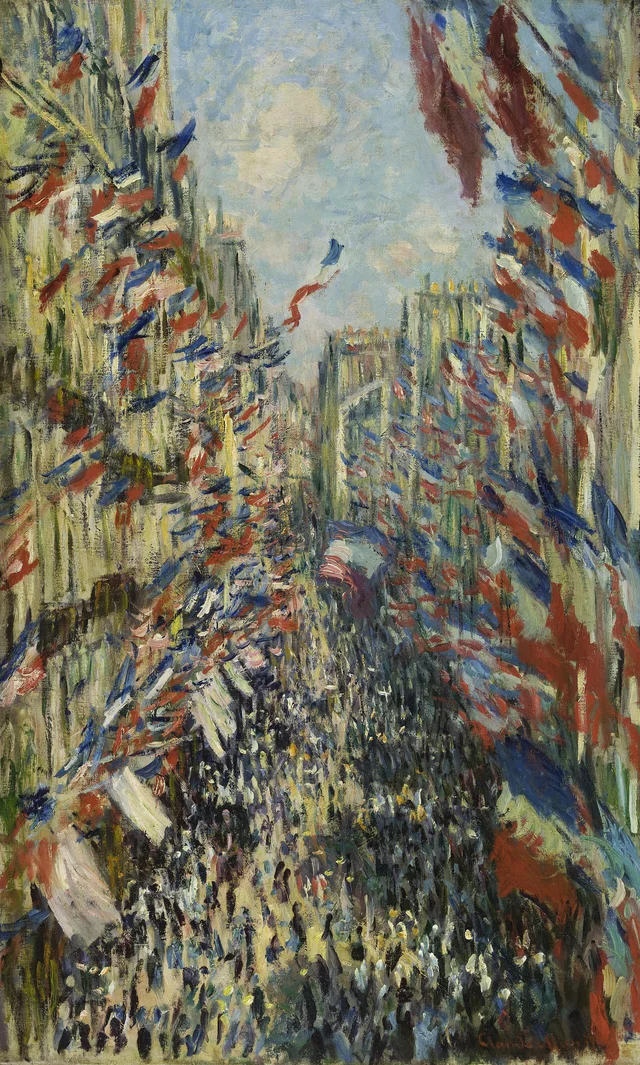 La rue MontorgueilClaude Monet, 1878
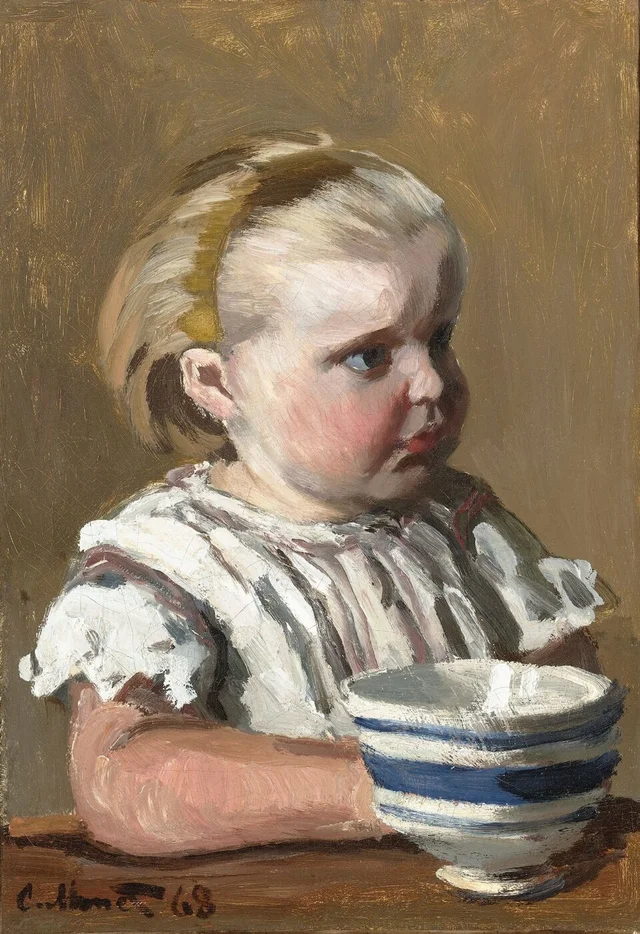 Il bambino con la tazzaClaude Monet, 1868
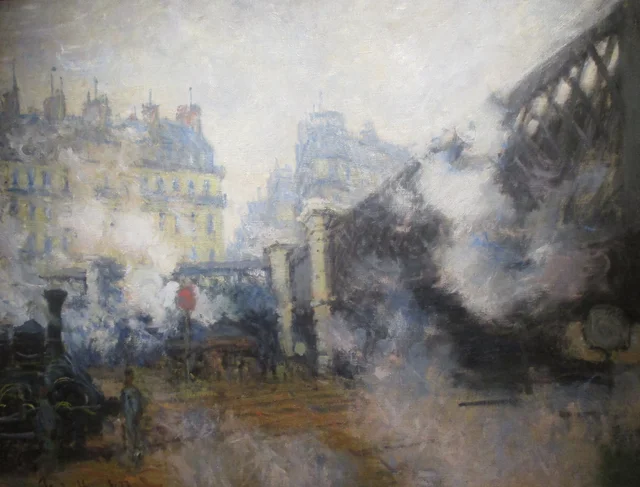 Il ponte dell'Europa, stazione Saint-LazareClaude Monet, 1877
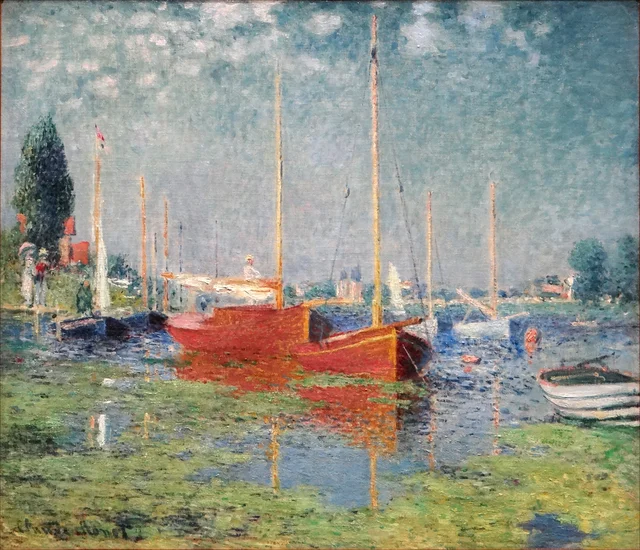 Barche rosse ad ArgenteuilClaude Monet, 1875
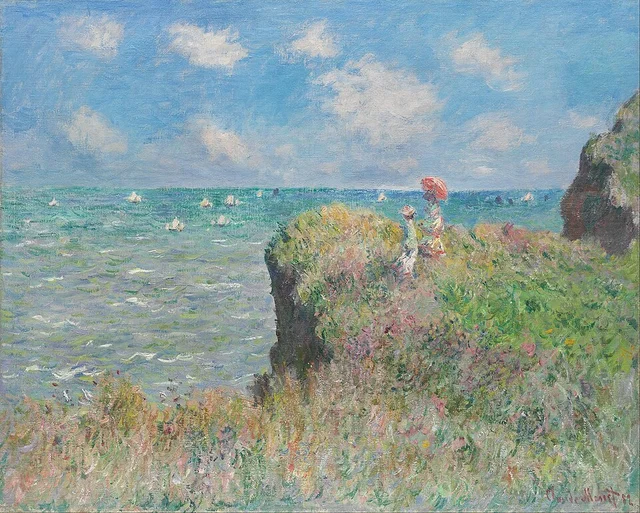 La passeggiata sulla scogliera a PourvilleClaude Monet, 1882
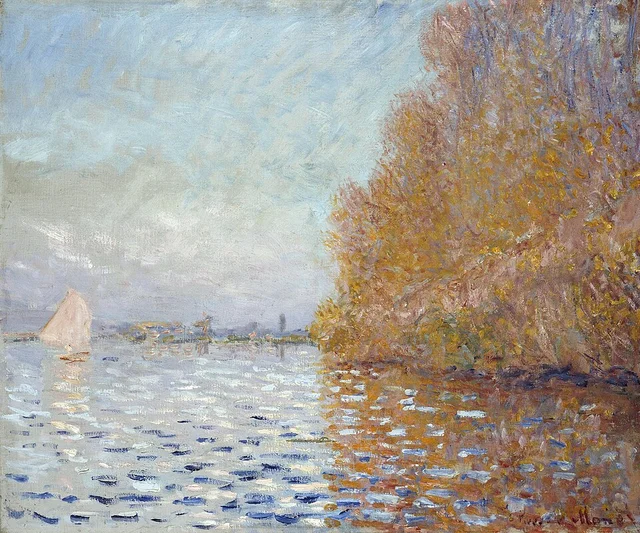 Il bacino di Argenteuil con una barca a velaClaude Monet, 1874
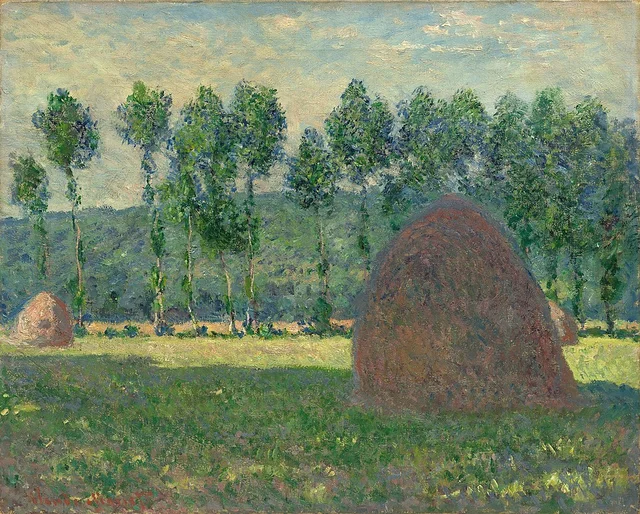 Pagliaio presso GivernyClaude Monet, 1884
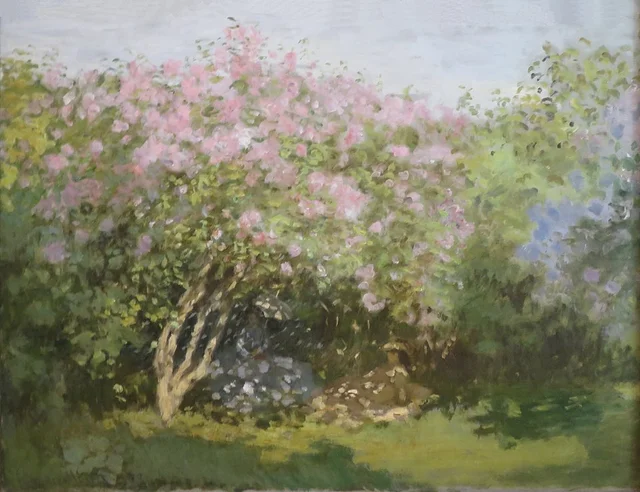 Lillà al soleClaude Monet, 1873
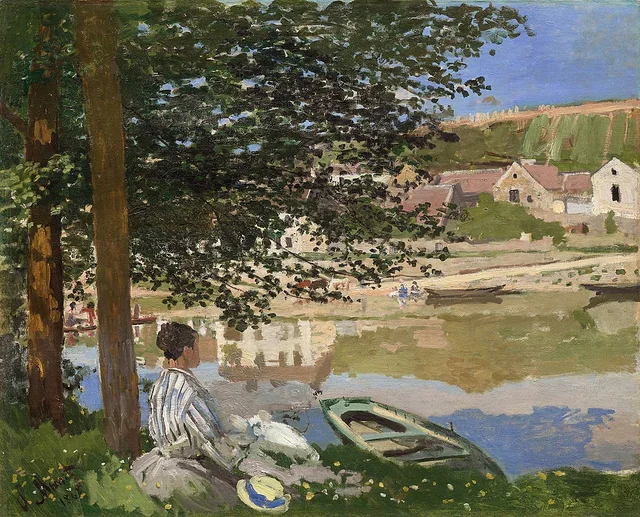 Sulle rive della Senna, BennecourtClaude Monet, 1868
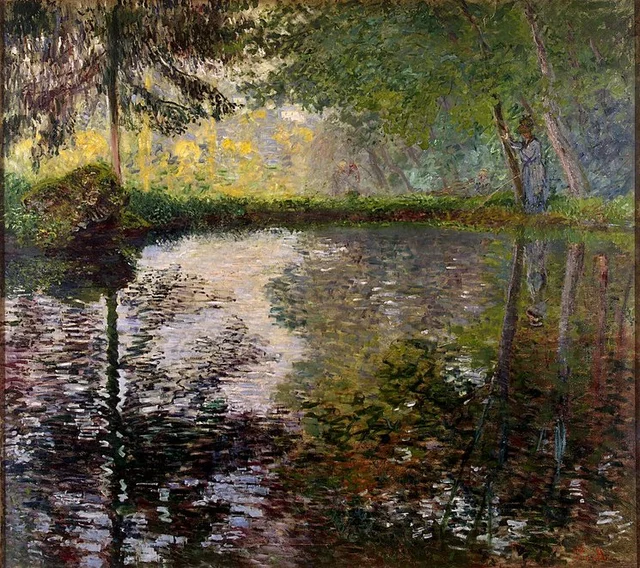 Lo stagno a MontgeronClaude Monet, 1877