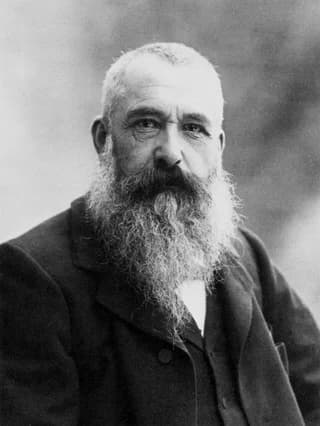
Claude Monet
1840–1926 · Francia · Impressionismo
La storia
Nell'aprile del 1874 un gruppo di pittori, stanchi di essere respinti dal Salon ufficiale, allestì una propria mostra nel vecchio studio di un fotografo sul Boulevard des Capucines a Parigi. Monet vi inviò una scena portuale sciolta della sua città natale, Le Havre, all'alba, intitolata Impression, soleil levant. Un critico si aggrappò a quella parola per deridere l'intera sala, e l'insulto rimase come etichetta: Impressionismo. Monet aveva 33 anni, e avrebbe trascorso i cinquant'anni successivi a trasformare quella battuta in una profezia.
Ciò che lo attirava era sempre la stessa cosa: la luce su una superficie mentre cambiava, minuto per minuto. Dipinse lo stesso covone, la stessa facciata di cattedrale, più e più volte, a ore diverse, inseguendo l'attimo prima che sfuggisse. Nel 1883 affittò una casa a Giverny, a nord-ovest di Parigi, e negli anni trasformò il suo terreno nel motivo che non avrebbe più lasciato: uno stagno alimentato da un ramo deviato di un fiume, un ponte giapponese, le ninfee. Dovette chiedere ai funzionari locali i diritti sull'acqua, e alcuni vicini temevano che quelle piante avrebbero avvelenato il ruscello. Negli ultimi vent'anni di vita quello stagno fu quasi il suo unico soggetto, e ne fece circa 250 dipinti.
Gli ultimi anni furono duri. La seconda moglie Alice morì nel 1911, il figlio maggiore Jean nel 1914, e i suoi occhi si annebbiavano per la cataratta, che trascinava i colori verso un rosso e un marrone fangosi. Continuò a dipingere le ninfee, le tele sempre più selvagge man mano che vedeva meno. Dopo un'operazione che gli restituì in parte la vista, guardò alcune opere fatte quasi cieco e le bruciò. I grandi pannelli delle ninfee donati allo Stato francese sono ancora oggi nelle due sale ovali dell'Orangerie a Parigi, bassi e curvi, così che chi guarda si trova dentro lo stagno che lui riusciva a malapena a vedere.
Opere
169 opere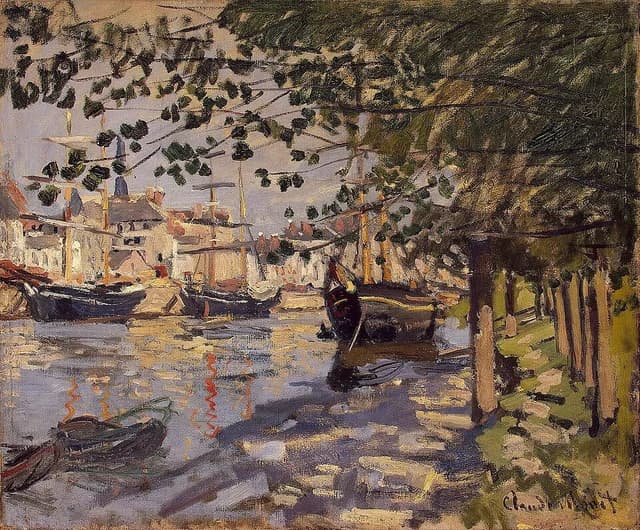 La Senna a RouenClaude Monet, 1872
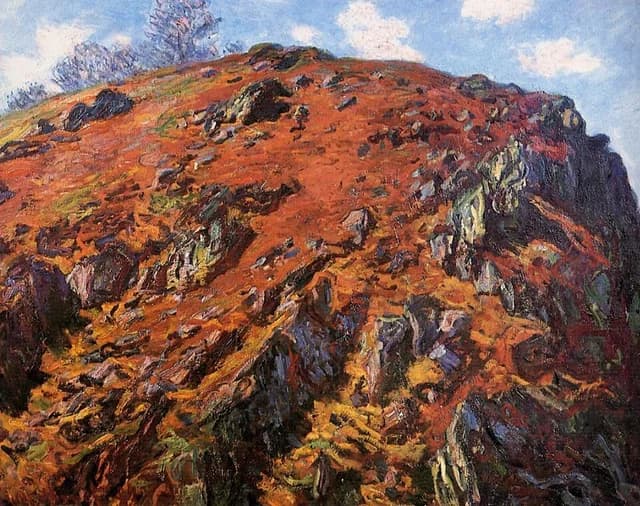 Studio di rocce, CreuseClaude Monet, 1889
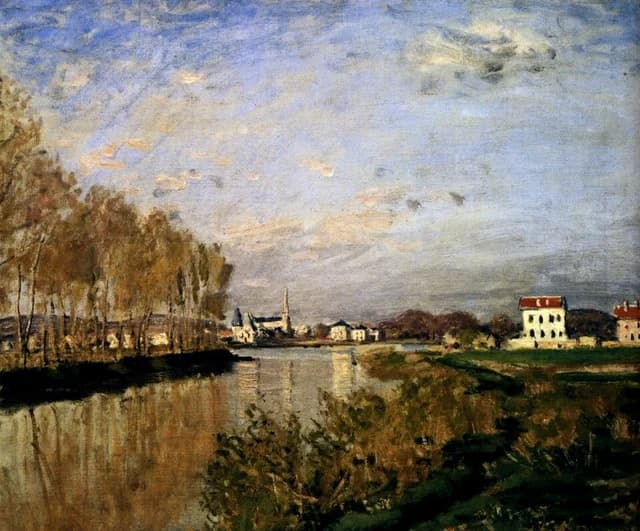 La Senna ad ArgenteuilClaude Monet, 1873
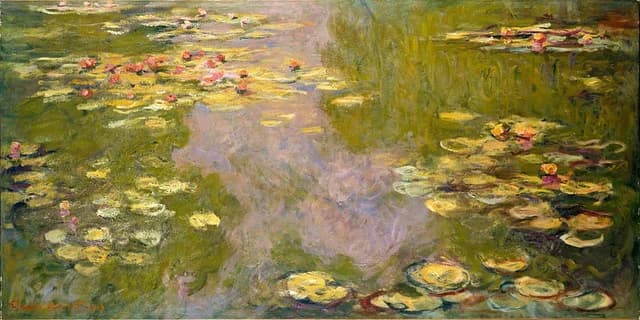 NinfeeClaude Monet, 1919
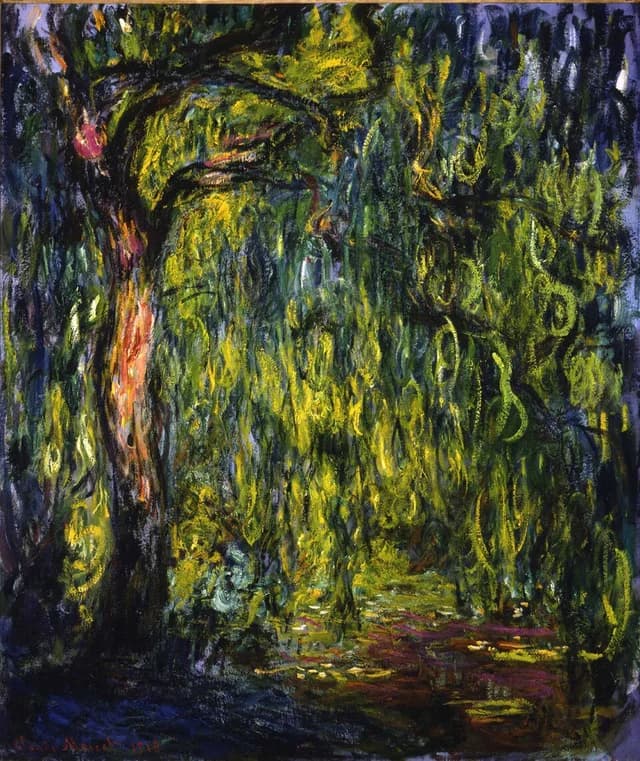 Salice piangenteClaude Monet, 1918
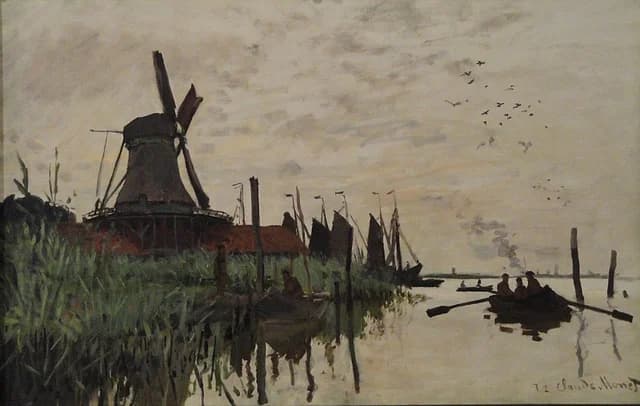 Mulino e barche presso ZaandamClaude Monet, 1871
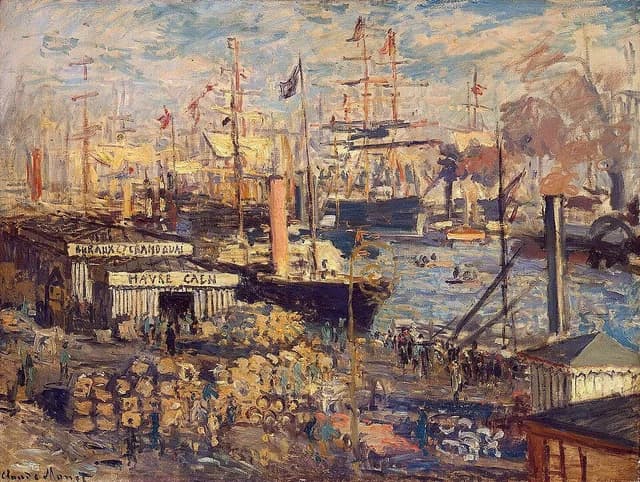 Il molo di Le HavreClaude Monet, 1874
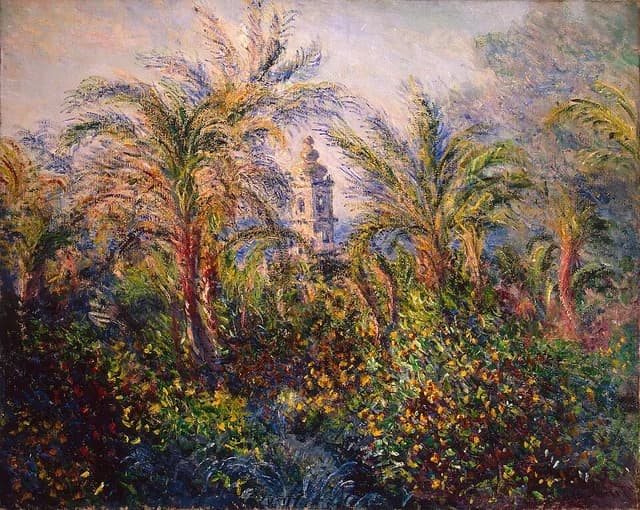 Giardino a Bordighera, impressione del mattinoClaude Monet, 1884
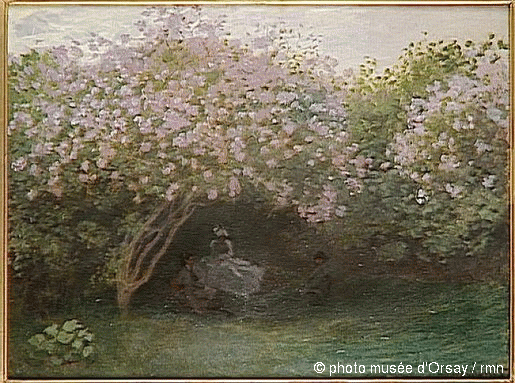 Lillà, tempo grigioClaude Monet, 1873
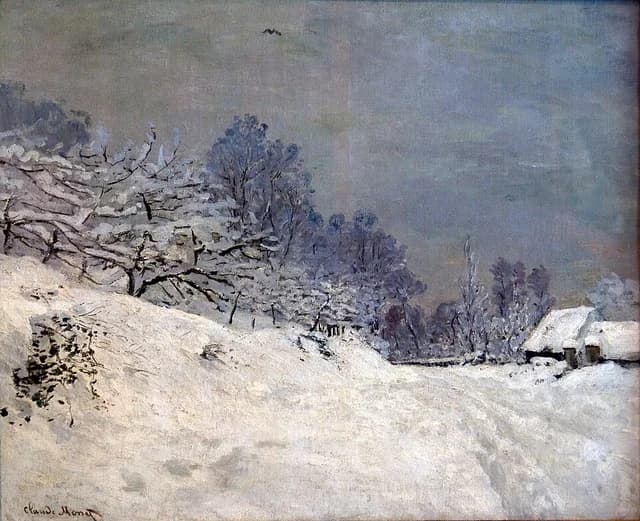 La strada davanti alla fattoria di Saint-Siméon in invernoClaude Monet, 1867
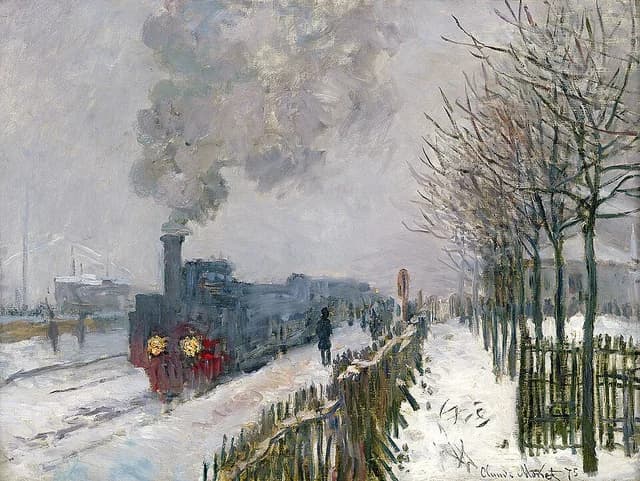 Il treno nella neveClaude Monet, 1875
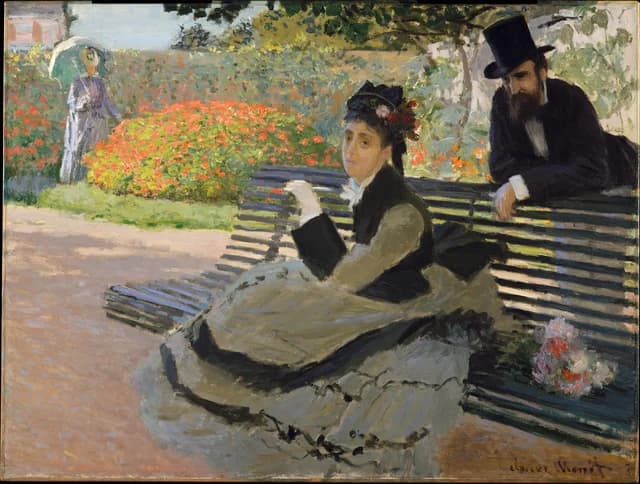 Camille Monet su una panchina del giardinoClaude Monet, 1873
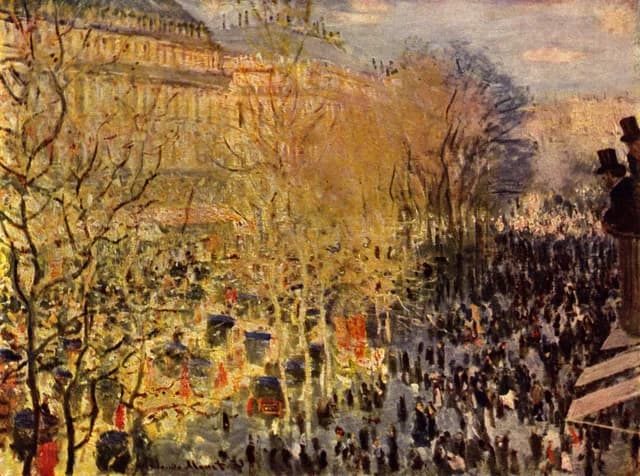 Il boulevard des Capucines in carnevaleClaude Monet, 1873
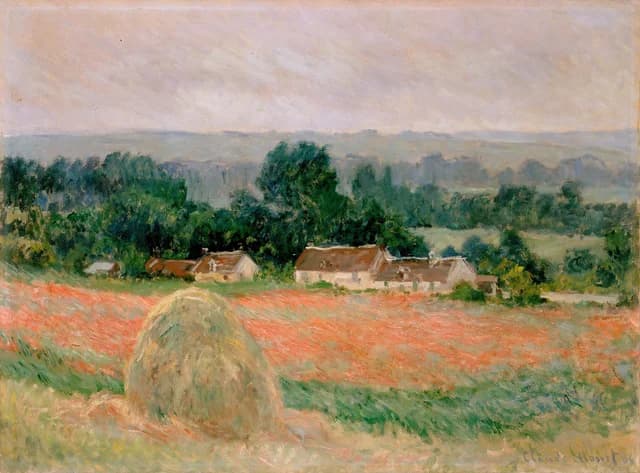 Covone a GivernyClaude Monet, 1886
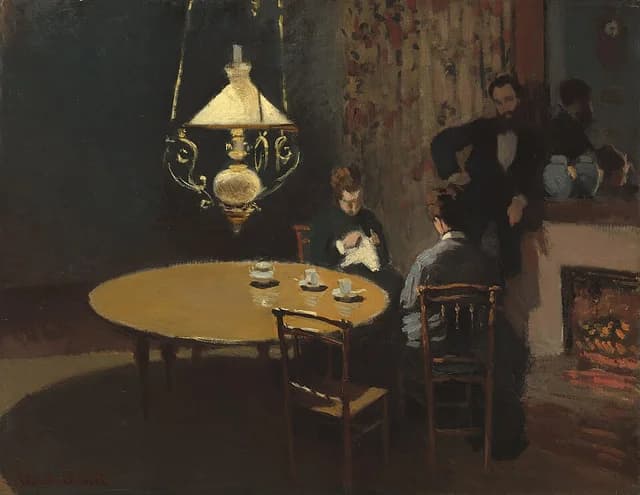 Interno, dopo cenaClaude Monet, 1868
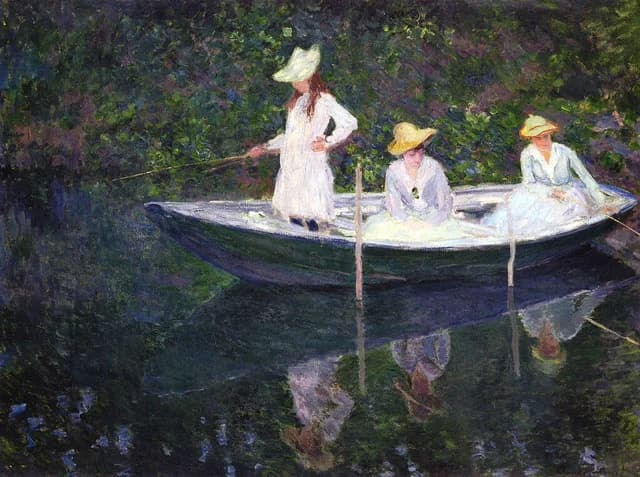 La barca a GivernyClaude Monet, 1887
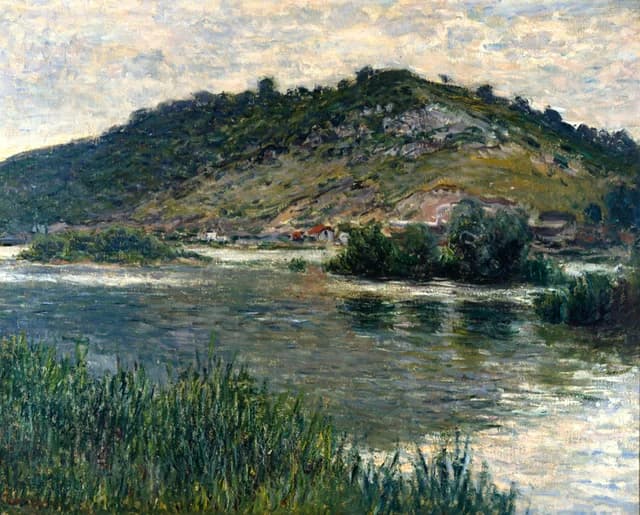 Paesaggio a Port-VillezClaude Monet, 1883
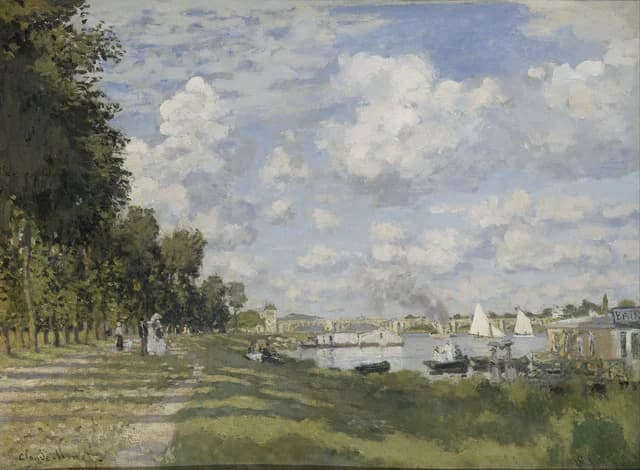 Il bacino di ArgenteuilClaude Monet, 1872
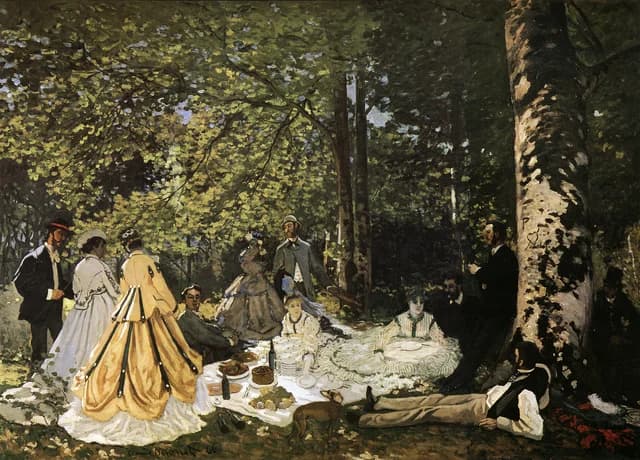 Colazione sull'erba (studio per il n. 63)Claude Monet, 1866
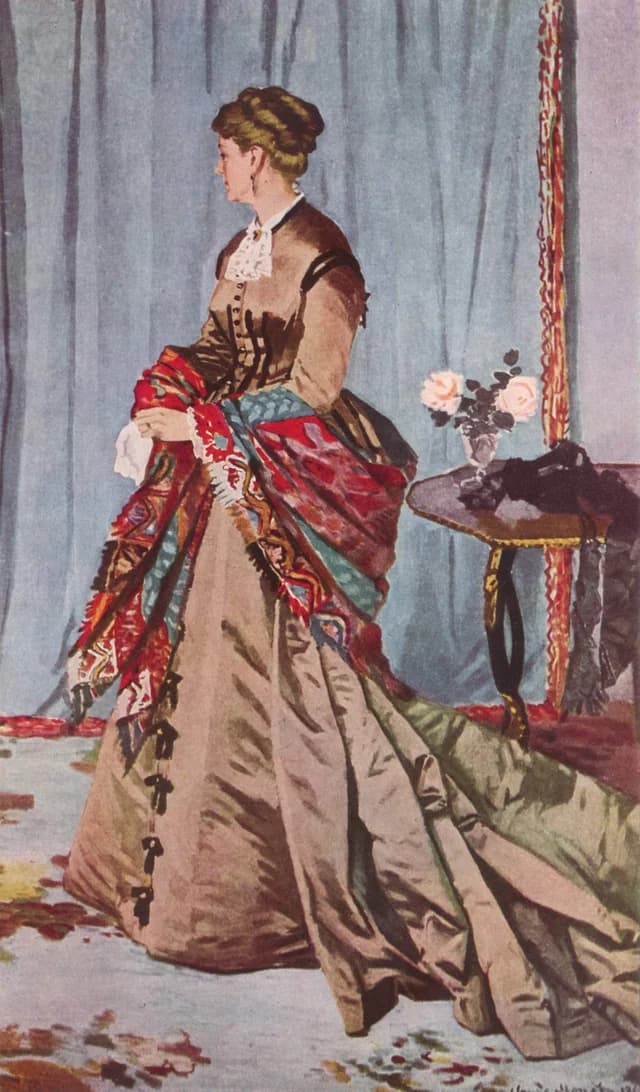 Madame Louis Joachim GaudibertClaude Monet, 1868
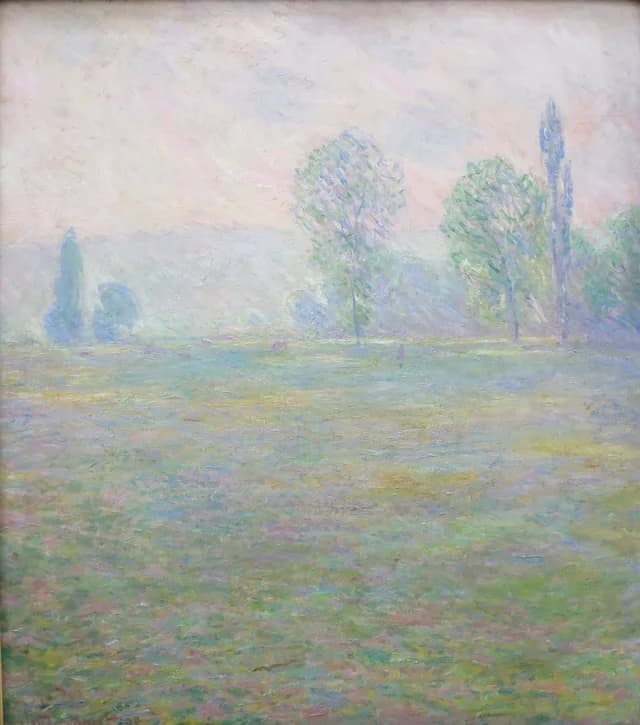 Prati a GivernyClaude Monet, 1888
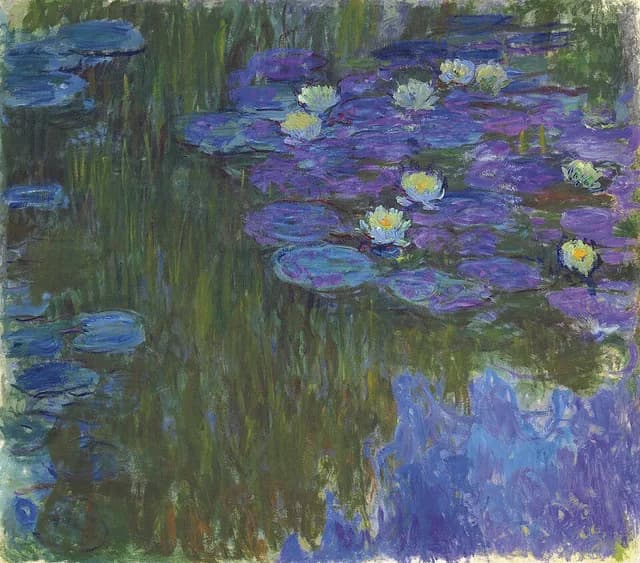 Ninfee in fioreClaude Monet, 1915
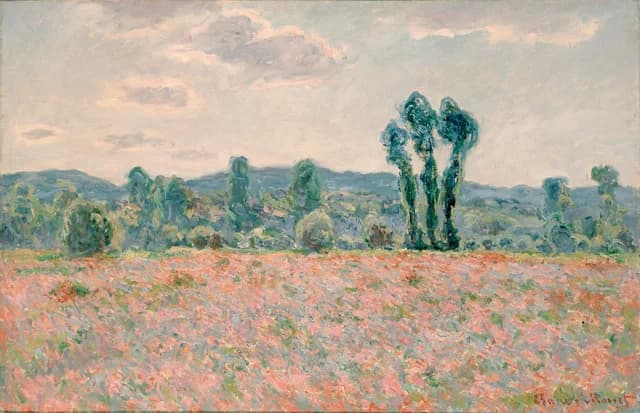 Campo di papaveriClaude Monet, 1890
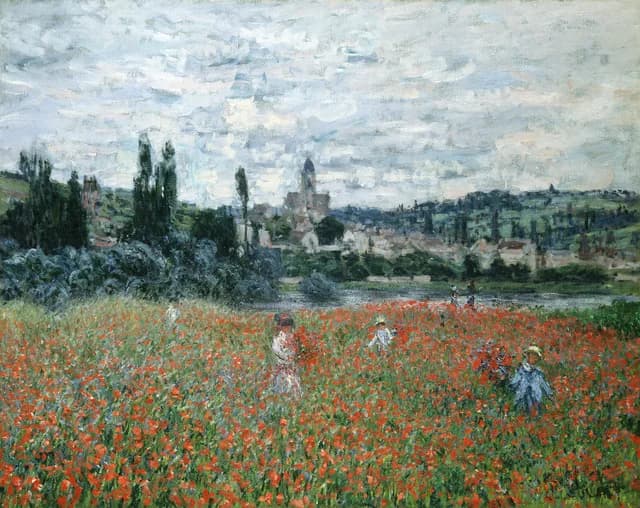 Campo di papaveri vicino a VétheuilClaude Monet, 1879
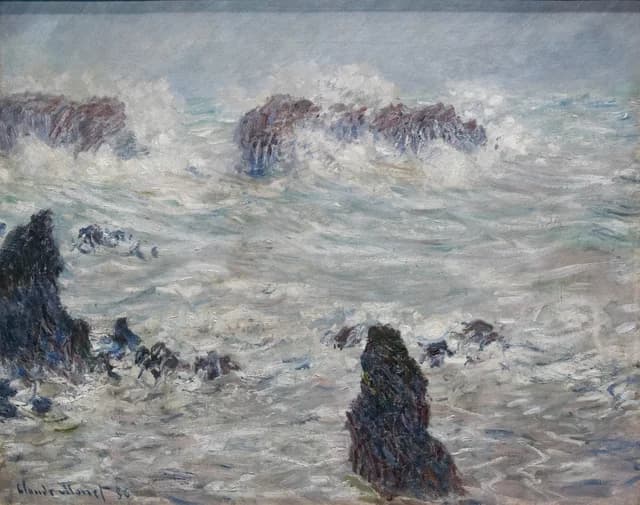 Tempesta, coste di Belle-ÎleClaude Monet, 1886