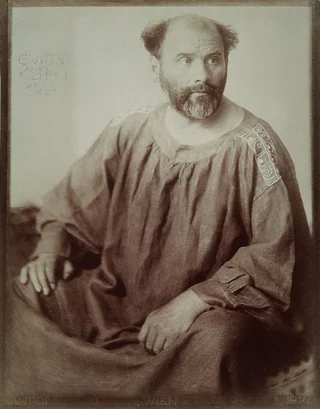
Gustav Klimt
1862–1918 · Impero austriaco · Simbolismo, Art nouveau
La storia
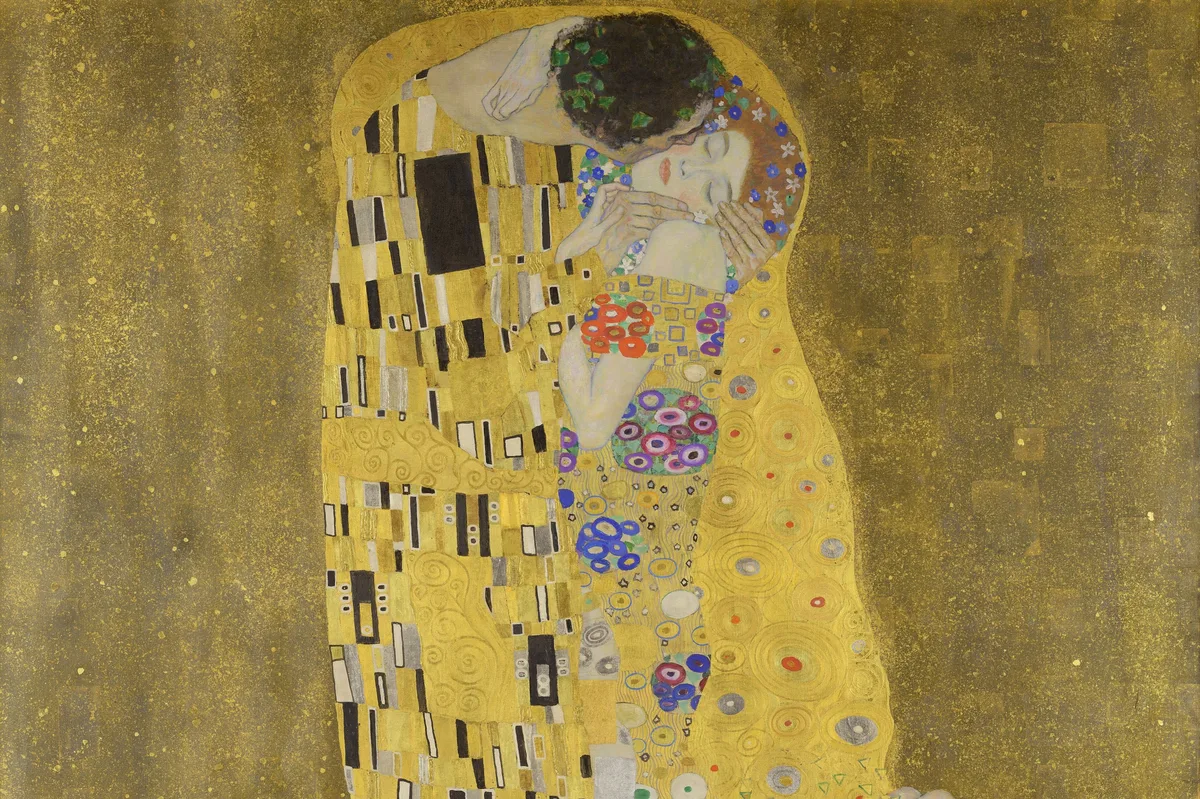
Il padre di Gustav Klimt era un incisore d'oro a Vienna, e quel mestiere non abbandonò mai il figlio. Negli anni intorno al 1908 Klimt attraversò quella che oggi si chiama la sua fase aurea, applicando sottili foglie d'oro vero sui dipinti come avrebbe fatto un iconografo medievale, così che una tela come Il bacio risplende quando la luce vi si muove sopra. Due amanti si inginocchiano avvolti in un unico mantello dorato, la veste dell'uomo decorata di rigidi rettangoli e quella della donna di cerchi morbidi, l'insieme in equilibrio sull'orlo di una scogliera fiorita.
A quel punto Klimt era l'artista più famoso e più discusso della città. Nel 1897 lui e un gruppo di artisti più giovani abbandonarono la conservatrice accademia d'arte viennese per fondare la Secessione, una società indipendente con una propria sede e un motto secondo cui a ogni epoca spetta la propria arte. Klimt ne fu il primo presidente. Quando gli fu commissionata la decorazione dei soffitti per l'Università di Vienna, i docenti rimasero così turbati dalle immagini crude, sessuali e pessimiste che consegnò, da rifiutarsi di esporle, e Klimt ricomprò le opere piuttosto che modificarle.
Era nato nel 1862, secondo di sette figli in una famiglia spesso a corto di denaro. Raramente spiegava i propri quadri, non concedeva quasi interviste, e lasciò dietro di sé una grande quantità di disegni erotici. Morì a Vienna all'inizio del 1918 dopo un ictus, lasciando diverse tele incompiute sul cavalletto.
Altri articoli
Opere
120 opere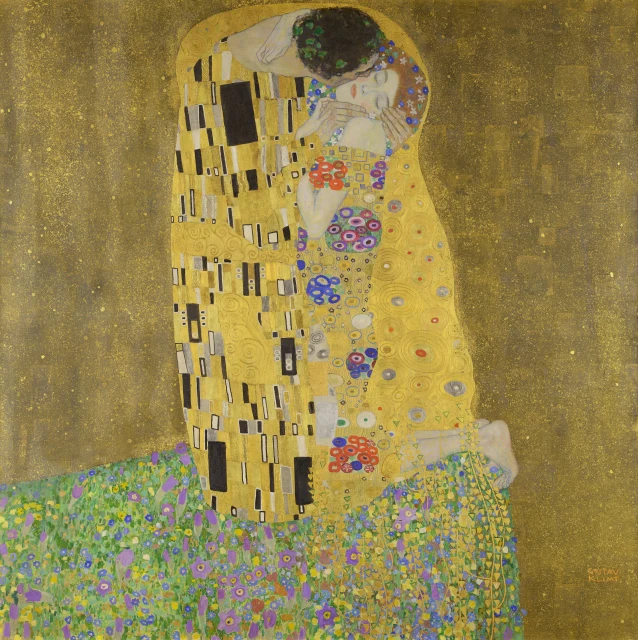 Il bacioGustav Klimt, 1907
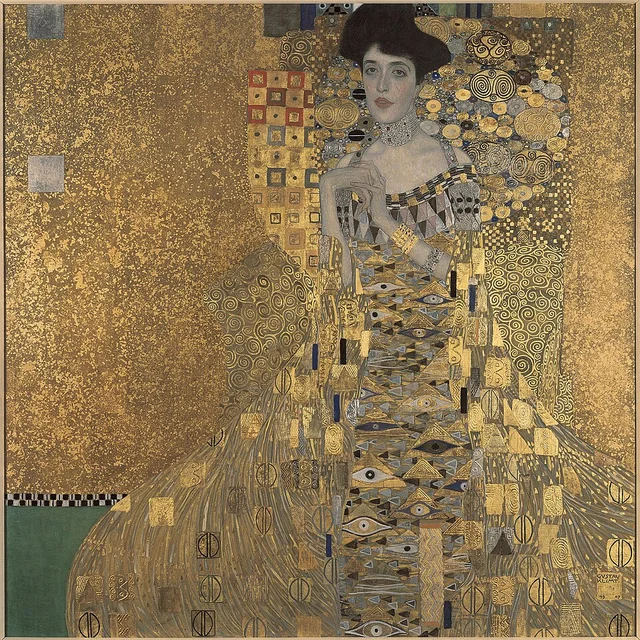 Ritratto di Adele Bloch-Bauer IGustav Klimt, 1907
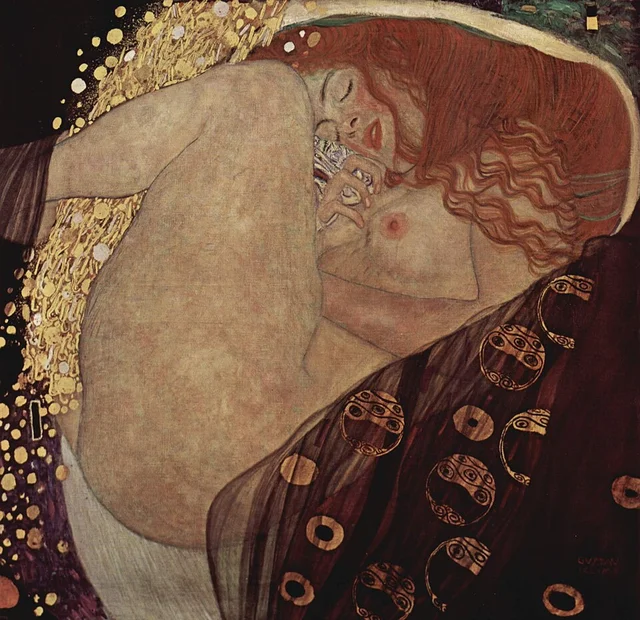 DanaeGustav Klimt, 1907
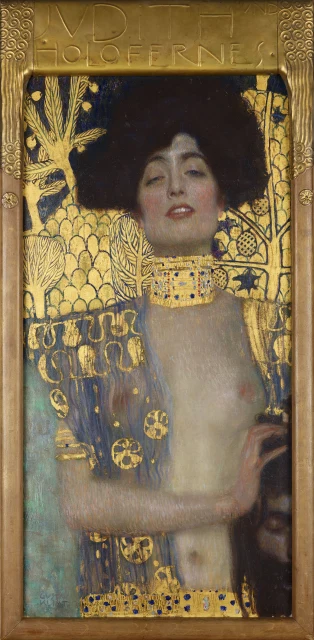 Giuditta con la testa di OloferneGustav Klimt, 1901
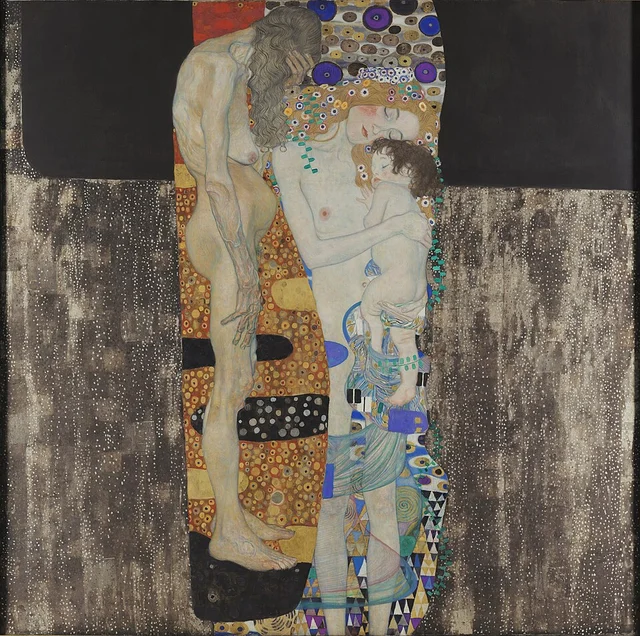 Le tre età della donnaGustav Klimt, 1905
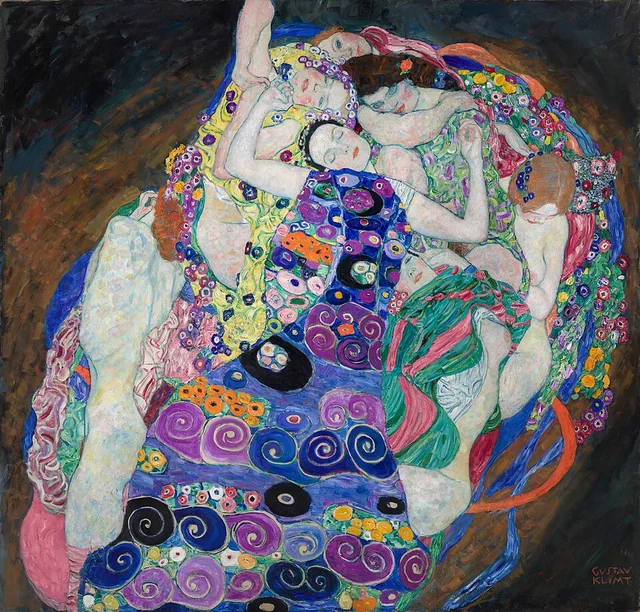 La VergineGustav Klimt, 1913
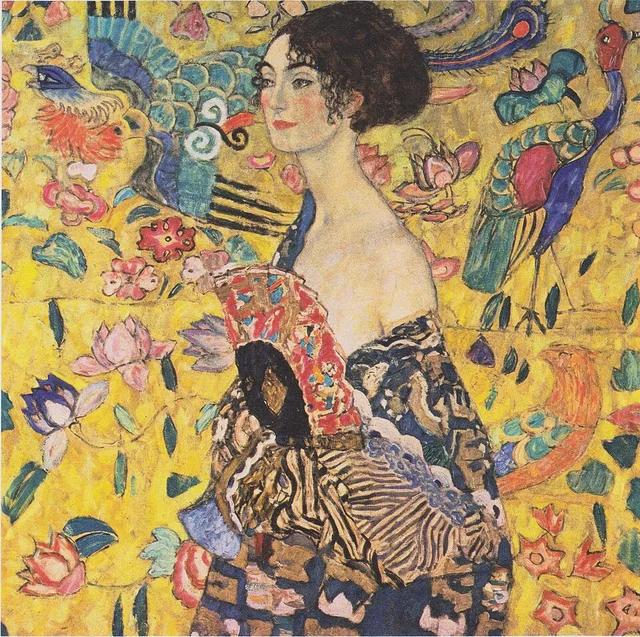 Donna con ventaglioGustav Klimt, 1917
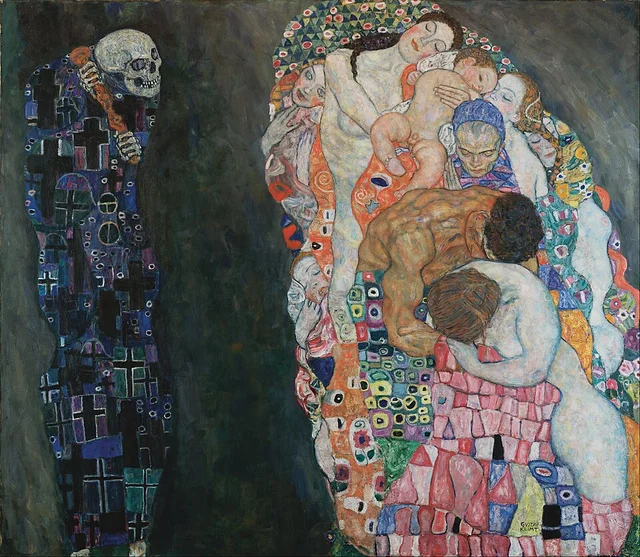 Morte e vitaGustav Klimt, 1910
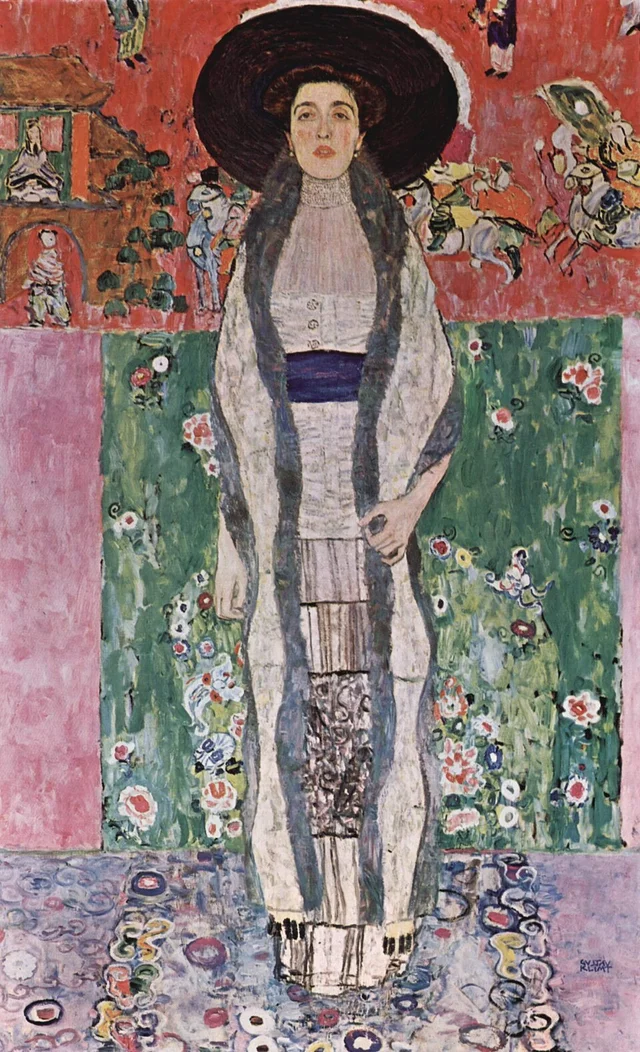 Adele Bloch-Bauer IIGustav Klimt, 1912
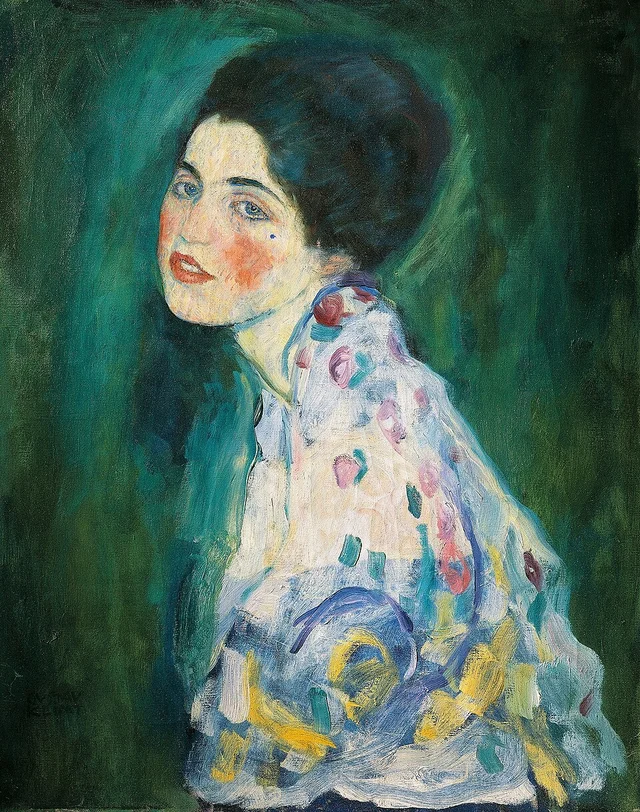 Ritratto di signoraGustav Klimt, 1916
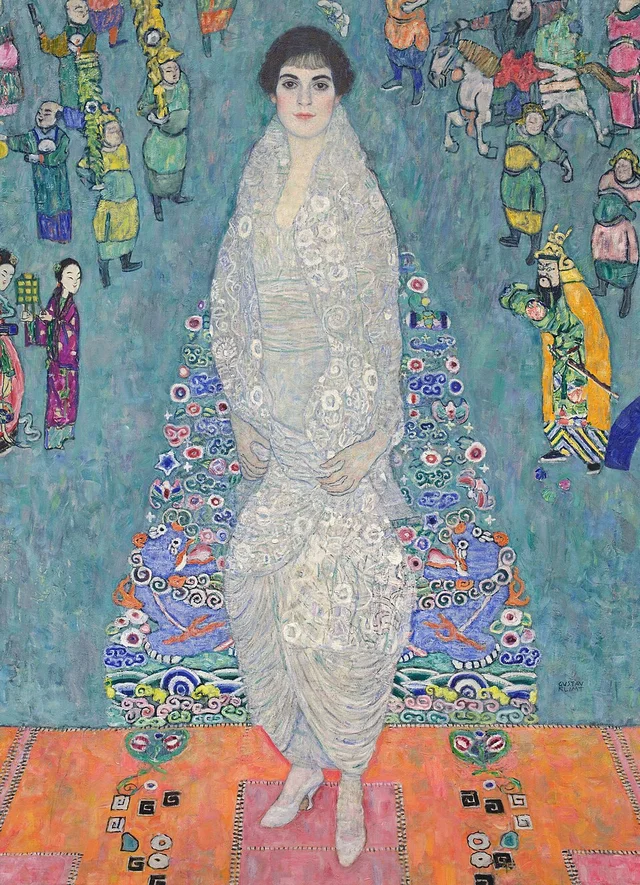 Ritratto di Elisabeth LedererGustav Klimt, 1914
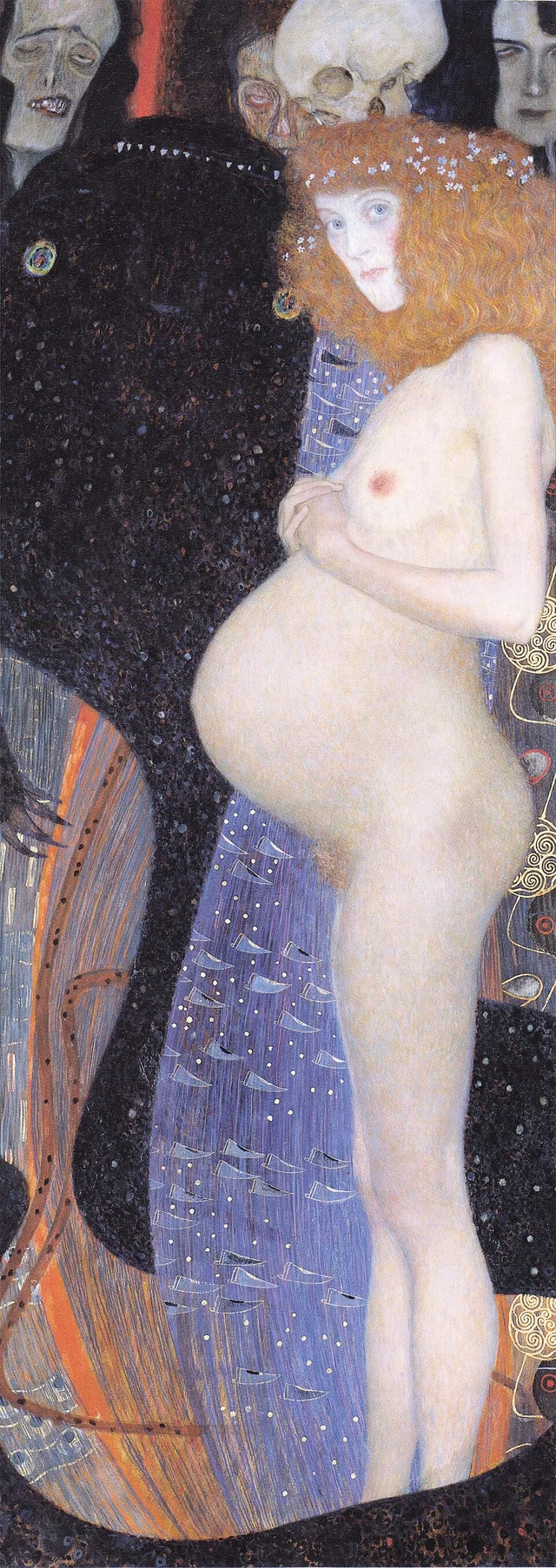 La speranza IGustav Klimt, 1903
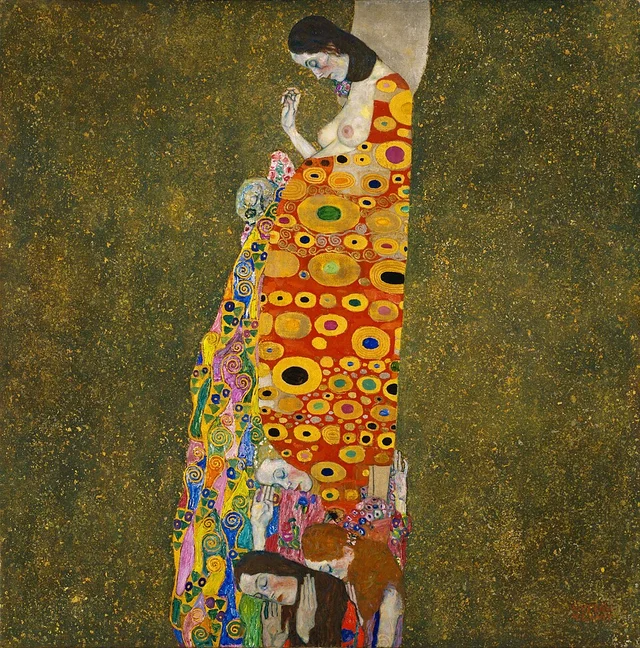 Speranza IIGustav Klimt, 1907
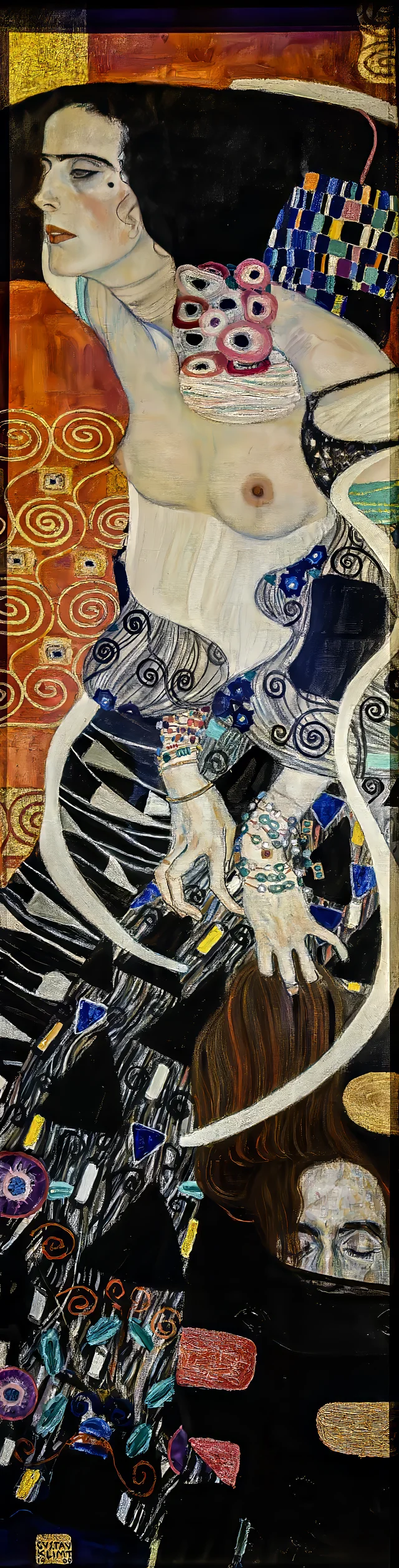 Giuditta IIGustav Klimt, 1909
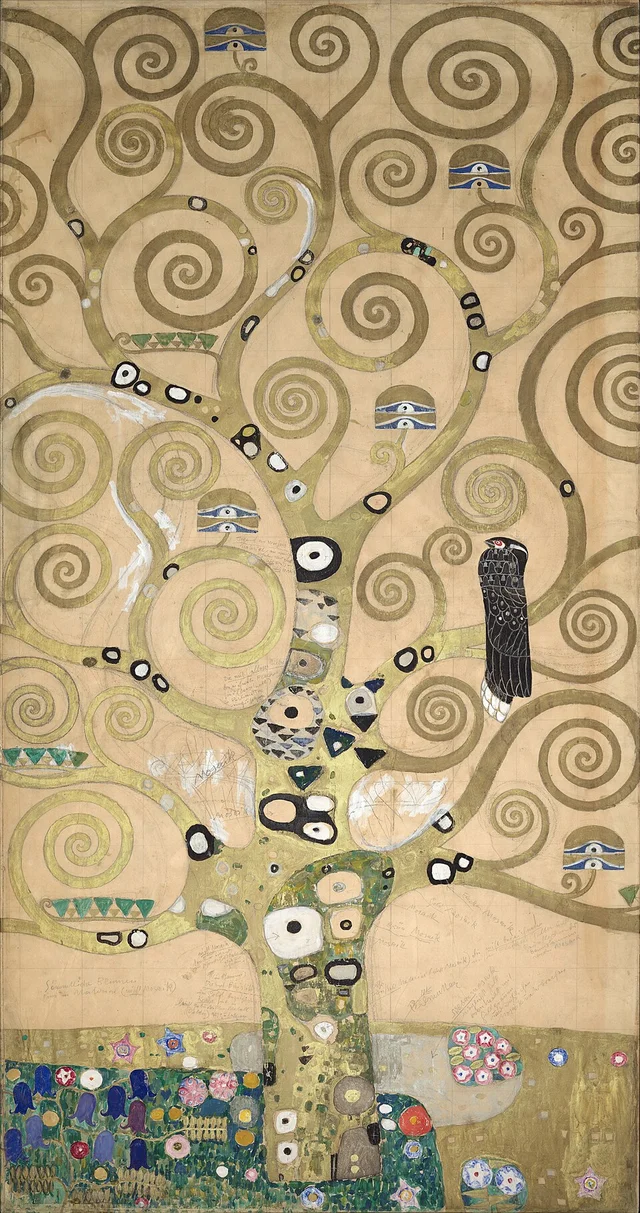 L’albero della vitaGustav Klimt, 1909
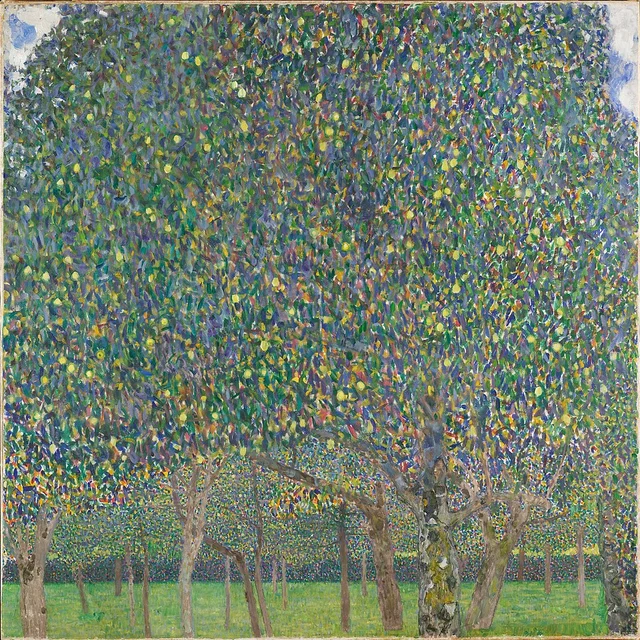 Il peroGustav Klimt, 1903
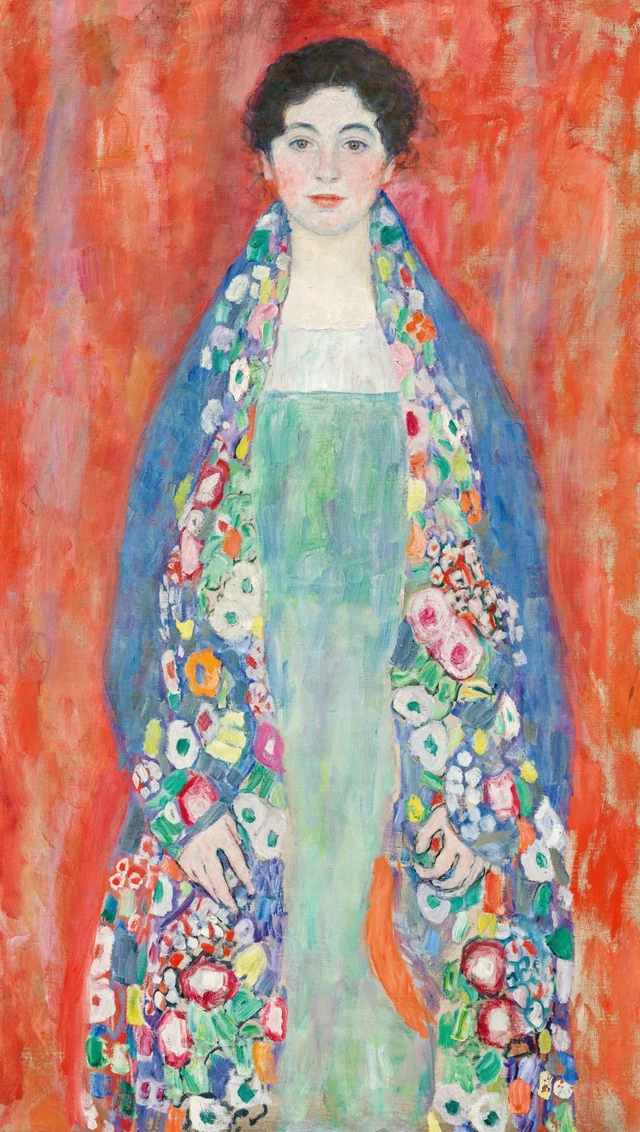 Ritratto della signorina LieserGustav Klimt, 1917
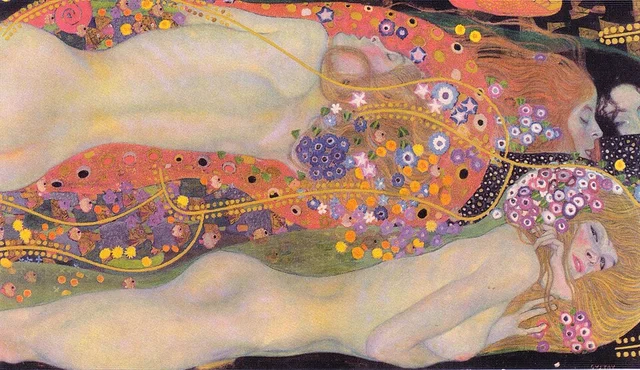 Serpi d'acqua IIGustav Klimt, 1904
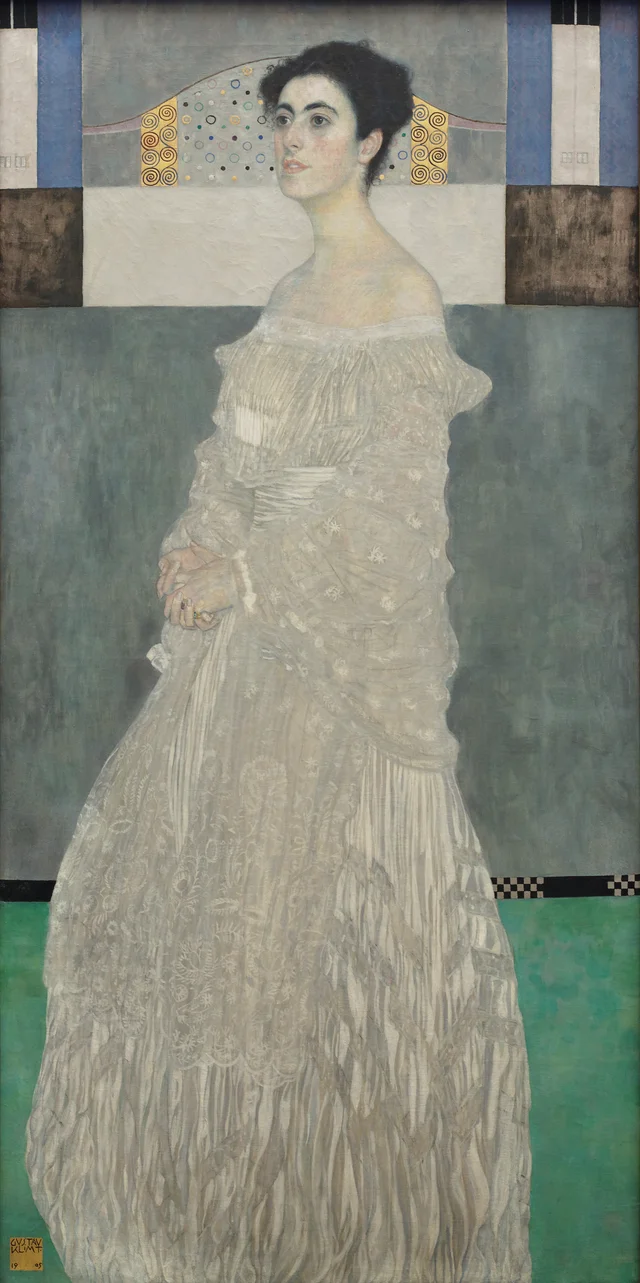 Ritratto di Margaret Stonborough-WittgensteinGustav Klimt, 1905
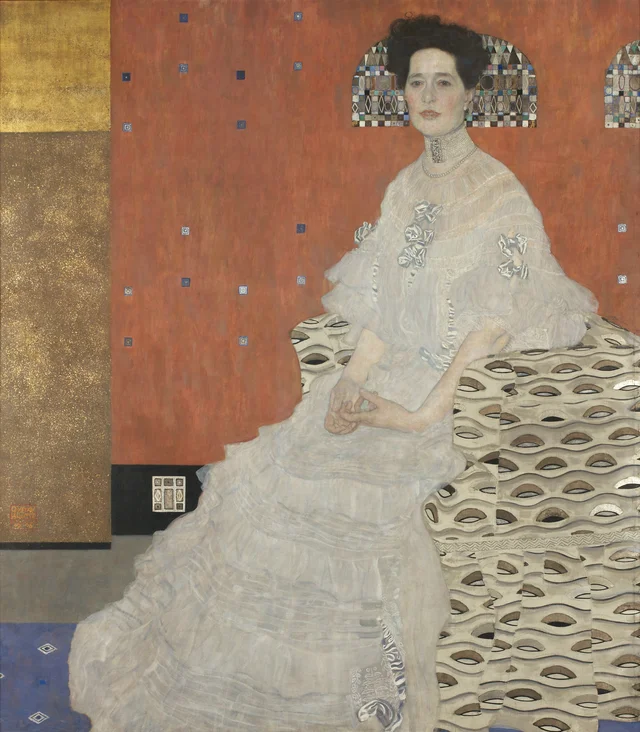 Fritza RiedlerGustav Klimt, 1906
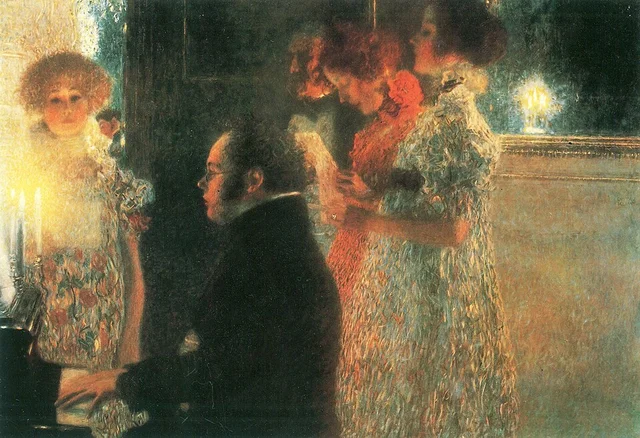 Schubert al pianoforte IIGustav Klimt, 1899
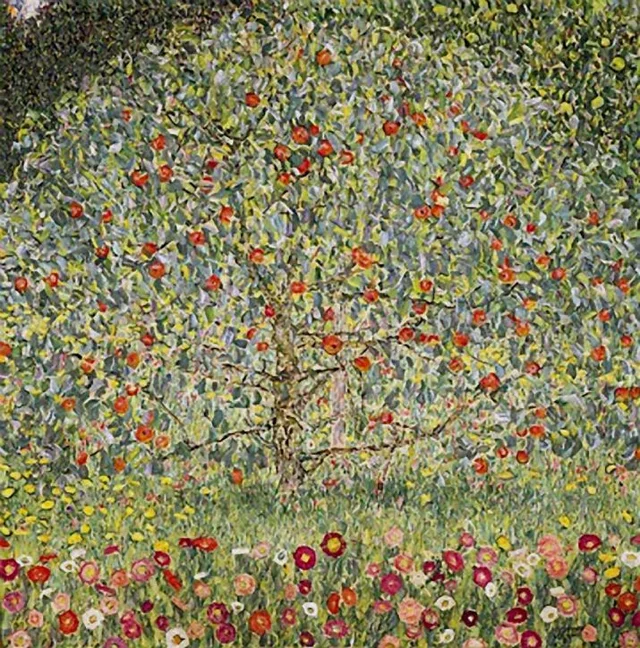 Melo IGustav Klimt, 1912
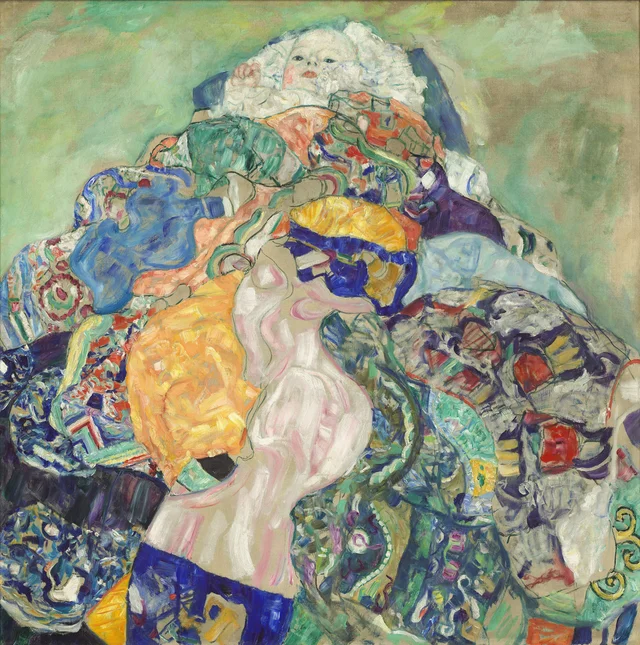 Neonato (Culla)Gustav Klimt, 1917
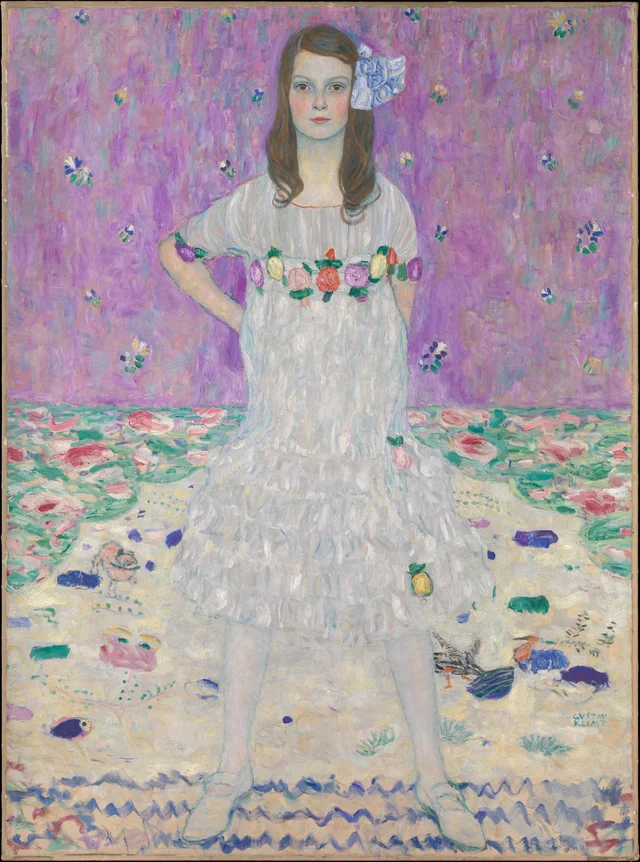 Mäda Primavesi (1903-2000)Gustav Klimt, 1912
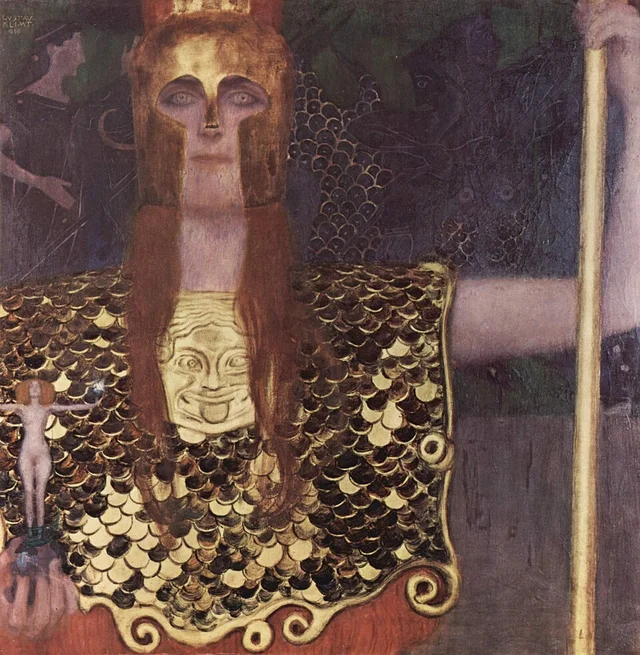 Pallade AtenaGustav Klimt, 1898