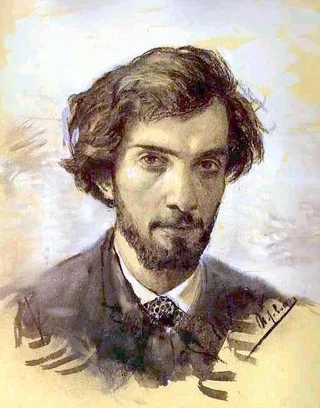
Isaak Levitan
1860–1900 · Impero russo · Realismo
La storia
Nel 1892 al pittore Isaak Levitan fu ordinato di lasciare Mosca. Era già famoso, le sue opere collezionate da Pavel Tret'jakov, il principale mecenate d'arte della città, ma era ebreo, e un decreto che espelleva gli ebrei da Mosca non faceva eccezione neppure per un artista celebre. Partì per la campagna e scrisse a un amico di sentirsi come l'Ebreo errante della vecchia leggenda.
Quell'amico era lo scrittore Anton Čechov, che lo conosceva dai tempi degli studi. Furono intimi per anni, finché Čechov non pubblicò un racconto, 'La cavalletta', sulla relazione di una donna con un pittore, e Levitan vi riconobbe la propria vita e ruppe i rapporti. Ci vollero tre anni perché si riconciliassero.
Levitan è il grande pittore del paesaggio russo di atmosfera, dove un'ansa di fiume deserta o un basso cielo grigio possono contenere un intero stato d'animo. Una delle sue tele più note mostra la Vladimirka, la larga strada sterrata lungo cui i condannati venivano fatti marciare verso est, in Siberia, dipinta come un semplice tracciato vuoto sotto un cielo pesante. Morì nel 1900, non ancora quarantenne, con decine di studi incompiuti ancora nel suo studio.
Opere
13 opere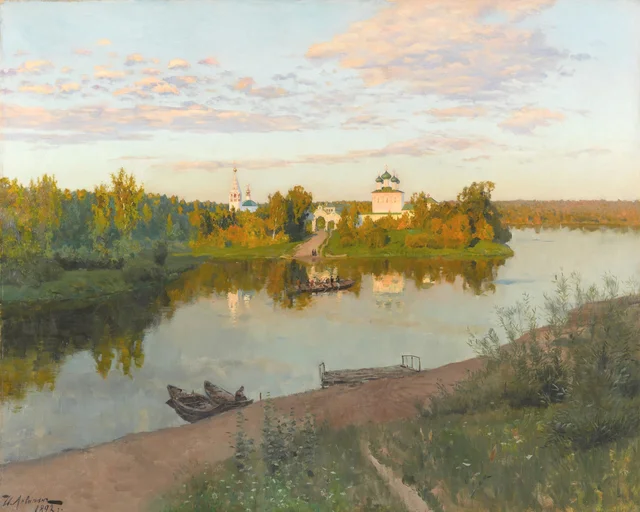 Campane della seraIsaak Levitan, 1892
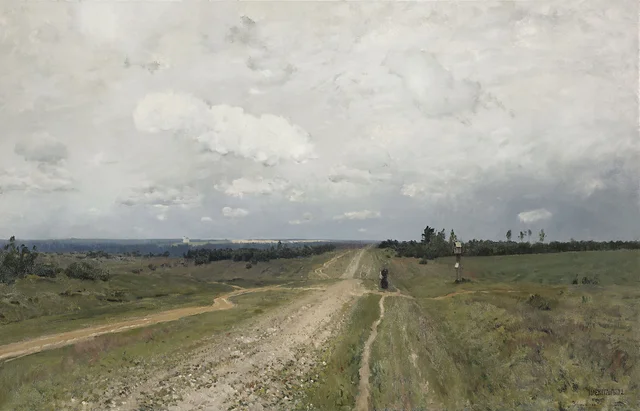 La strada di VladimirIsaak Levitan, 1892
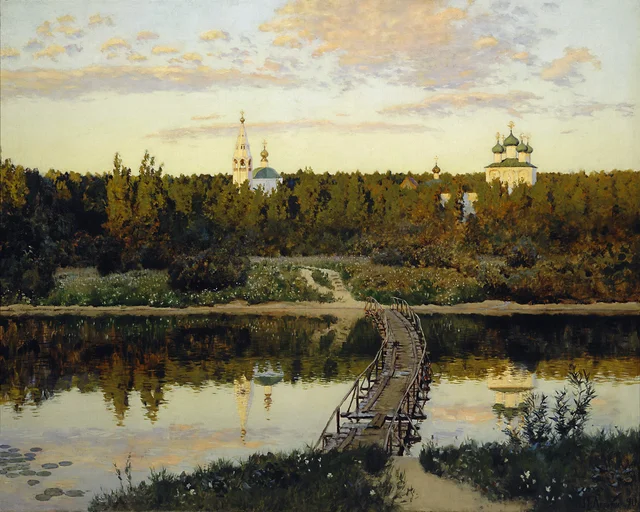 Un tranquillo monasteroIsaak Levitan, 1890
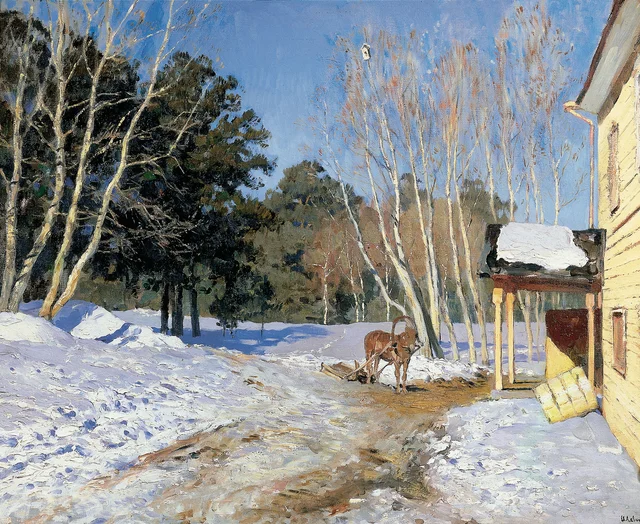 MarzoIsaak Levitan, 1895
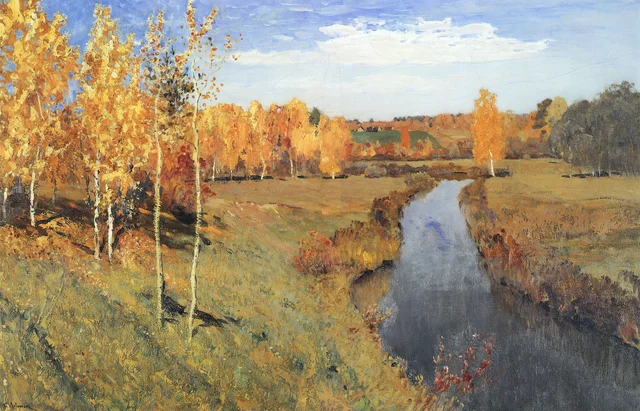 Autunno doratoIsaak Levitan, 1895
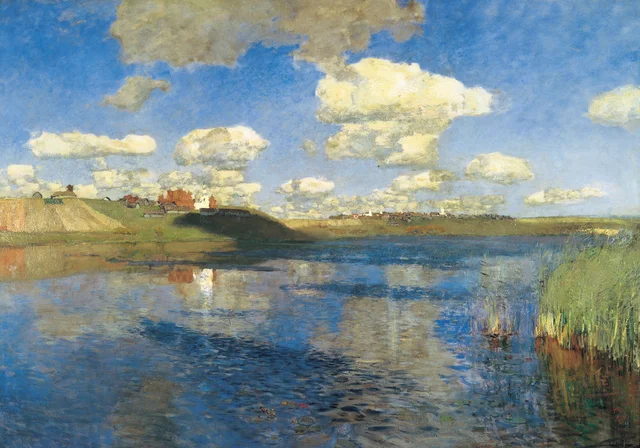 Lago. RussiaIsaak Levitan, 1899
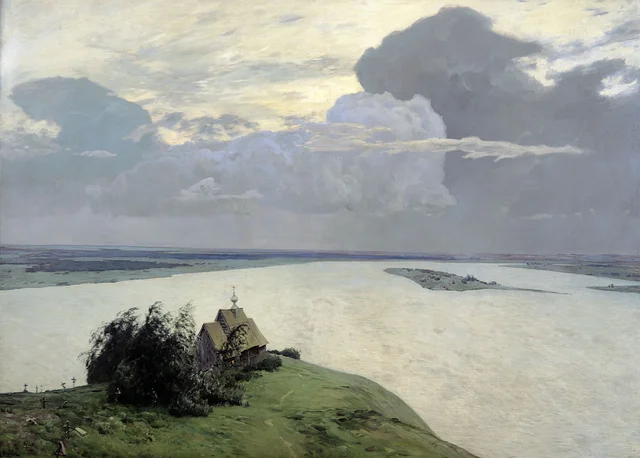 Sopra la quiete eternaIsaak Levitan, 1894
 Vento fresco. Il VolgaIsaak Levitan, 1895
 Sokol'niki. AutunnoIsaak Levitan, 1879
 Primavera. Grandi acqueIsaak Levitan, 1897
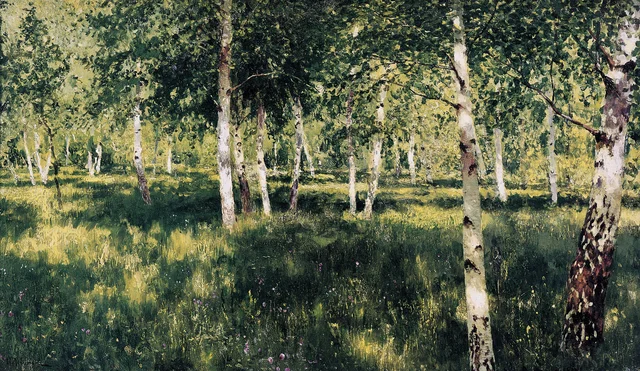 Boschetto di betulleIsaak Levitan, 1889
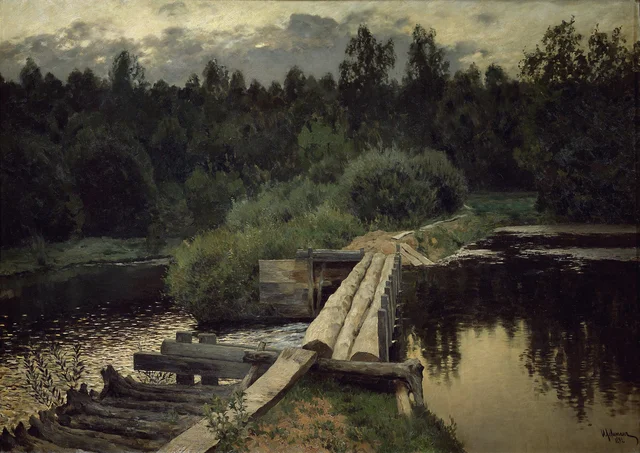 Presso il gorgoIsaak Levitan, 1892
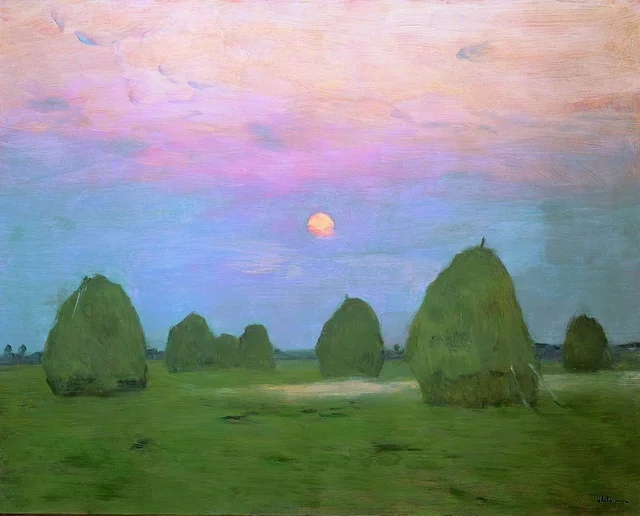 Crepuscolo. CovoniIsaak Levitan, 1899