La storia
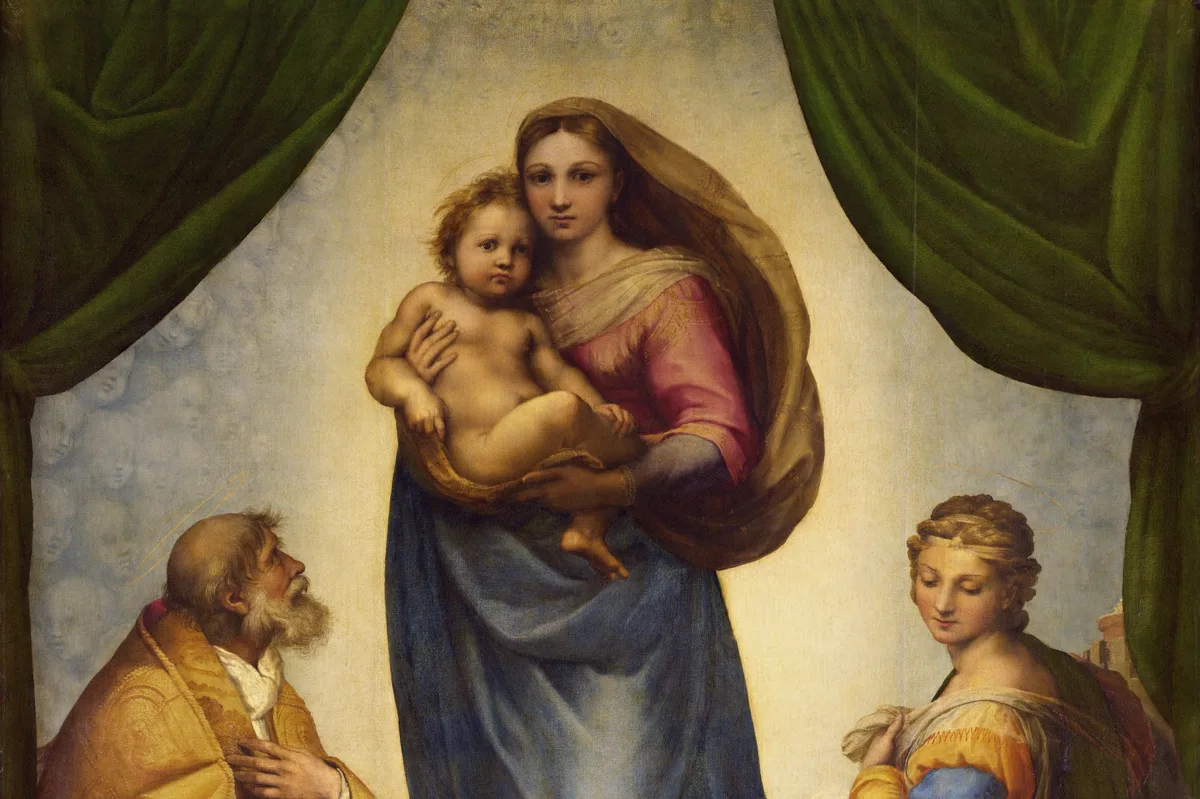
Da più di due secoli i visitatori vengono a Dresda in parte per un solo dipinto. La Madonna Sistina di Raffaello, comprata dall'elettore di Sassonia Augusto III nel 1754, mostra la Vergine che si fa avanti tra tende verdi scostate, e in basso due piccoli putti alati si appoggiano a una balaustra, il mento fra le mani, con aria annoiata. Quei due cherubini sono stati stampati su più tazze, cartoline e poster di quasi ogni altro dettaglio dell'arte, e la maggior parte delle persone li incontra senza sapere da dove vengano.
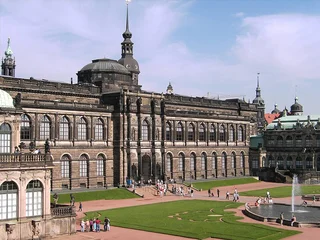
La galleria conserva la raccolta di dipinti che i sovrani sassoni formarono nel Seicento e nel Settecento, quando Dresda era una delle corti più ricche d'Europa. Riempie la Semper Gallery, l'ala neorinascimentale che l'architetto Gottfried Semper aggiunse allo Zwinger, il fastoso palazzo delle feste lungo il fiume. Accanto al Raffaello sono appese la Venere dormiente di Giorgione, opere di Correggio e Tiziano, e un ricco nucleo di pittura olandese.
Un piccolo Vermeer qui è cambiato a memoria d'uomo. La sua Fanciulla che legge una lettera a una finestra aperta ebbe per generazioni una parete nuda alle spalle, finché i restauratori scoprirono che una grande figura di Cupido era stata coperta di pittura dopo la morte di Vermeer. Rimossero la ridipintura successiva, e dal 2021 il dio dell'amore appare rivelato sopra la sua spalla. L'intera collezione passò attraverso una sparizione più dura, nascosta durante la Seconda guerra mondiale, poi portata in Unione Sovietica e restituita a Dresda nel 1955.
Altri articoli
Collezione
75 opere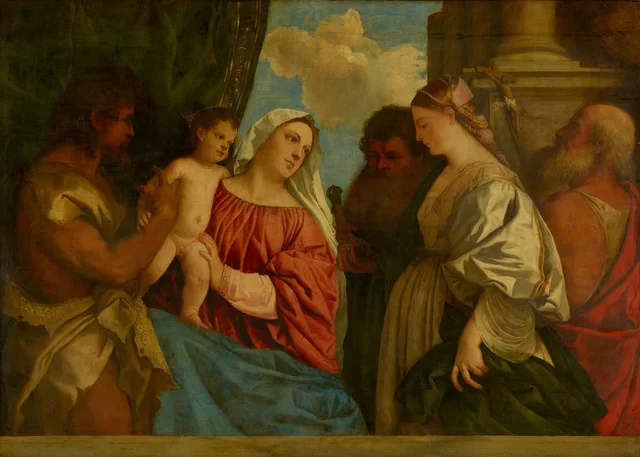 Madonna col Bambino e quattro santiTiziano, 1518
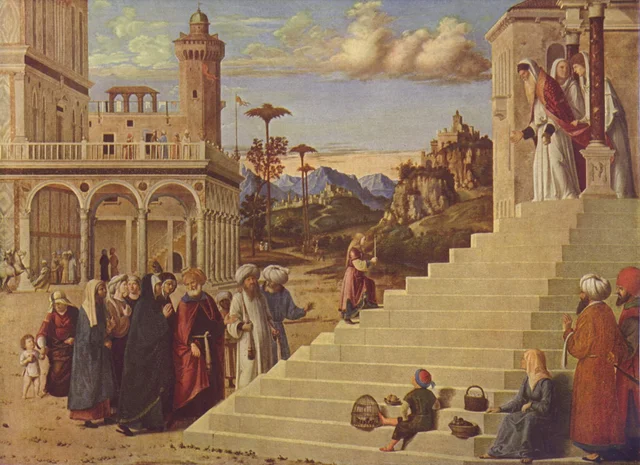 Presentazione di Maria al TempioGiovanni Battista Cima da Conegliano, 1496
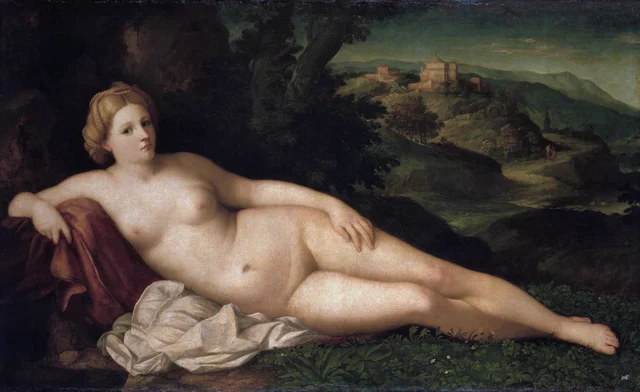 Venere che riposaPalma il Vecchio, 1518
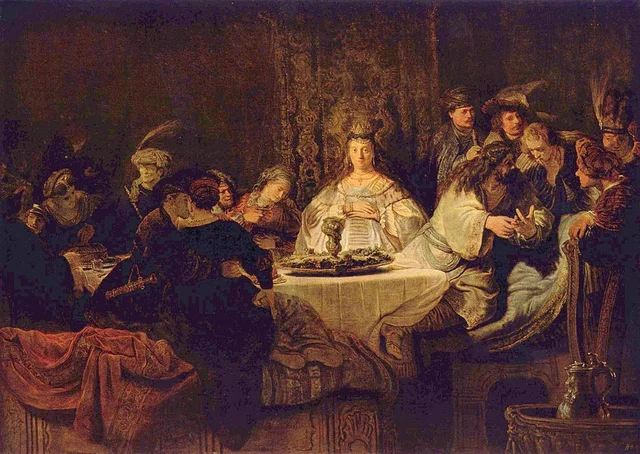 Le nozze di SansoneRembrandt, 1638
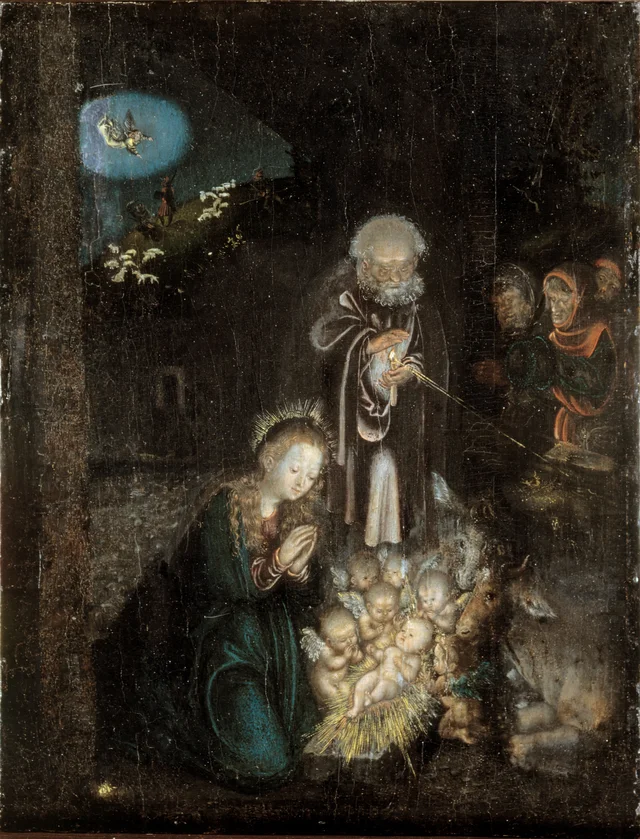 NativitàLucas Cranach il Vecchio, 1510
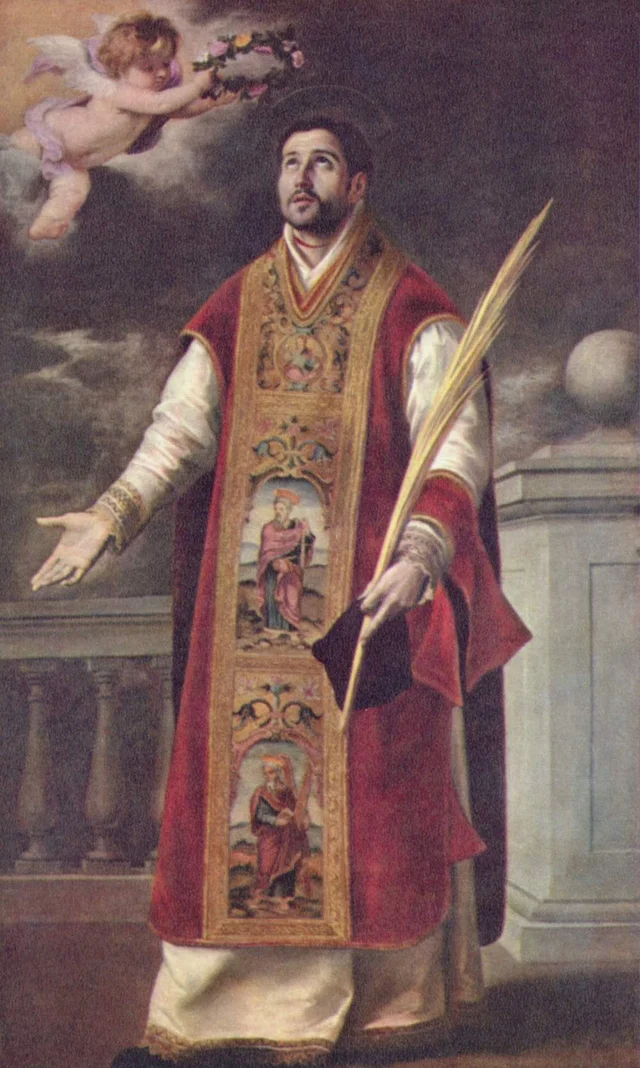 San RodrigoBartolomé Esteban Murillo, 1646
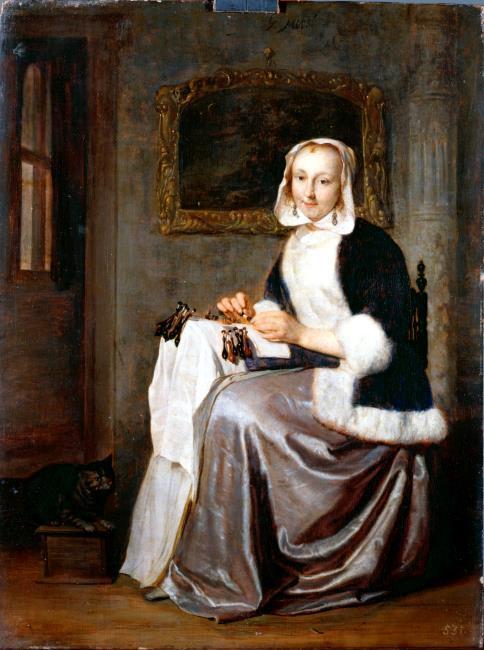 La merlettaiaGabriel Metsu, 1663
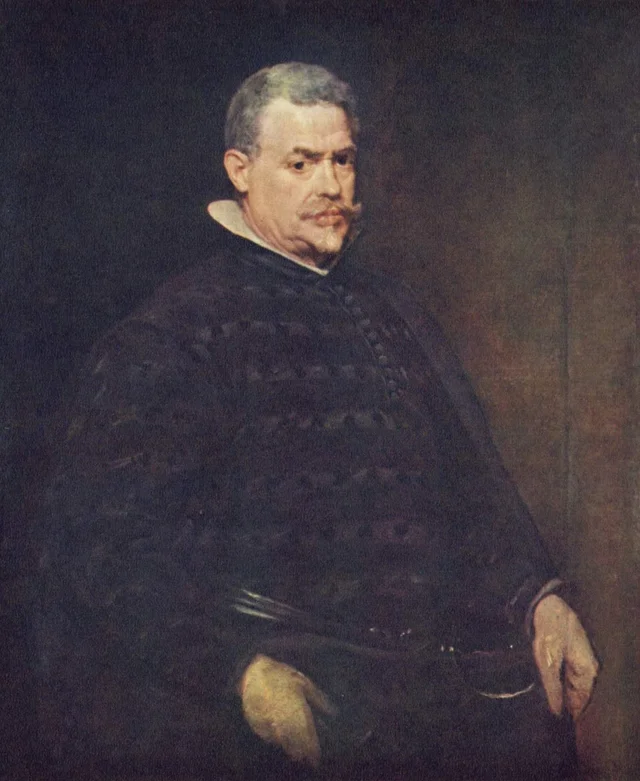 Don Juan MateosDiego Velázquez, 1634
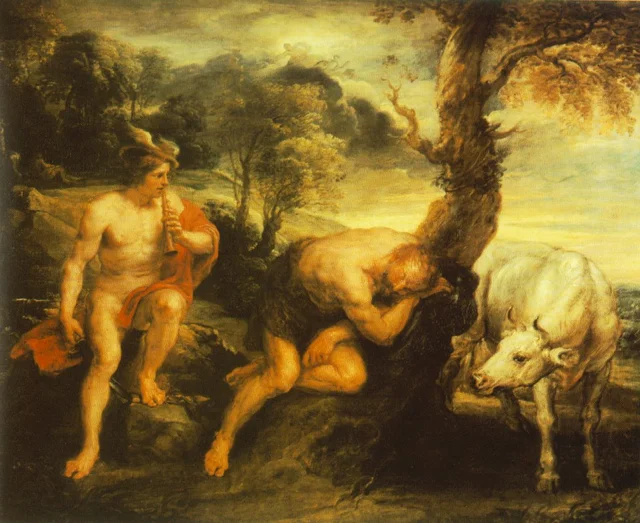 Mercurio e ArgoPieter Paul Rubens, 1635
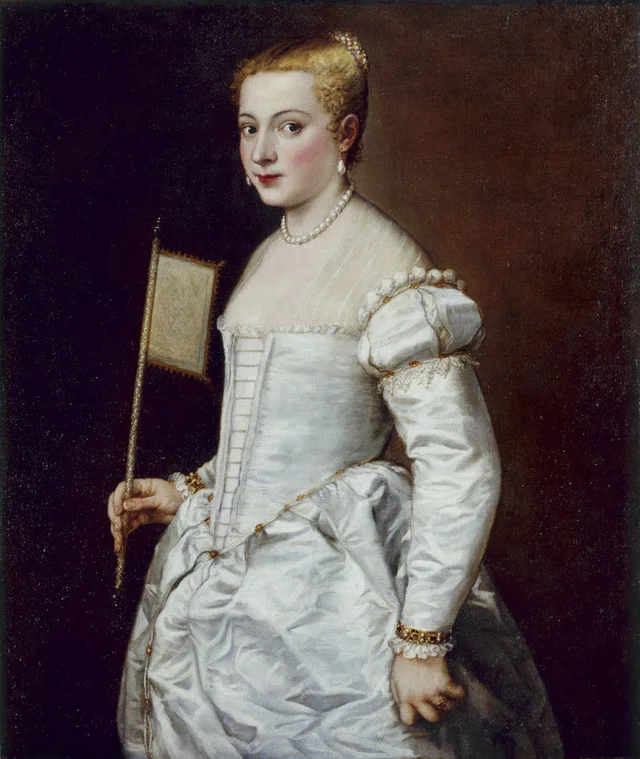 Ritratto di dama in biancoTiziano, 1561
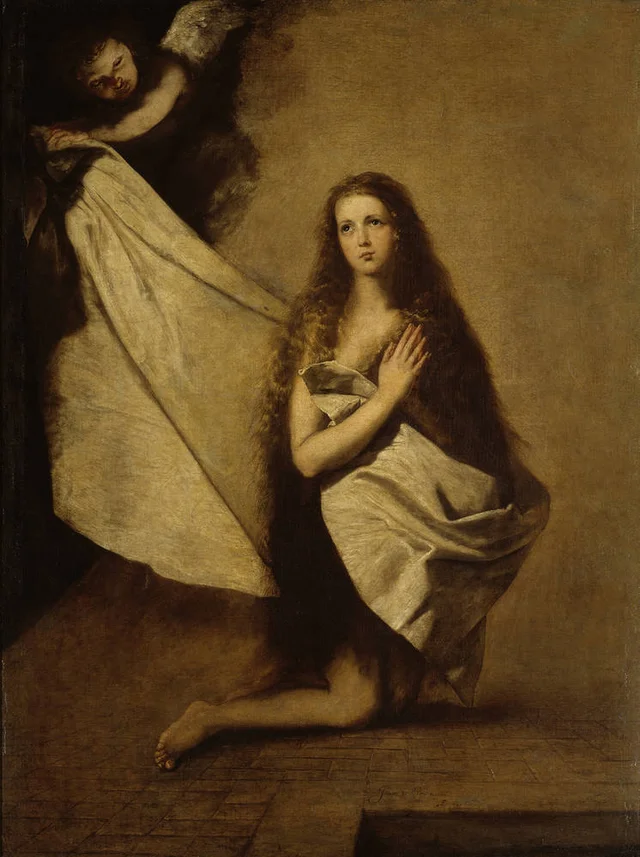 Sant'AgneseJusepe de Ribera, 1640
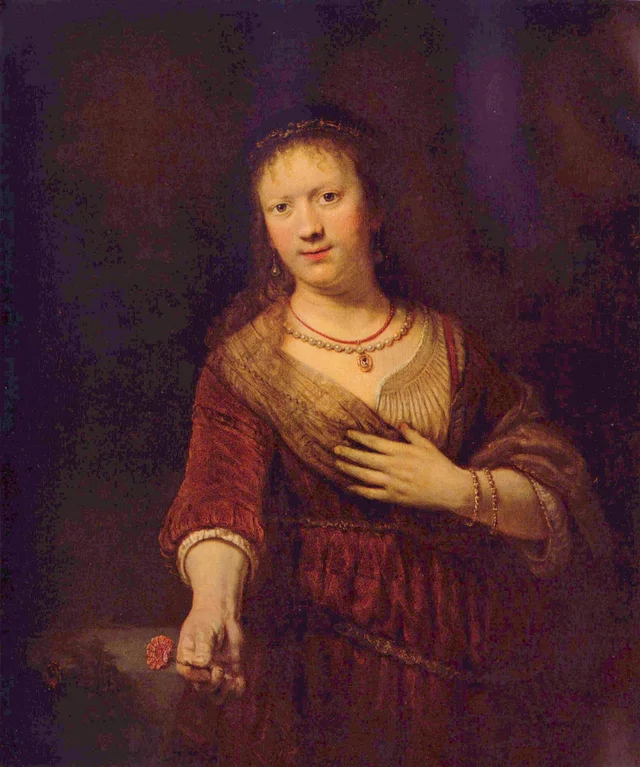 Saskia come FloraRembrandt, 1641
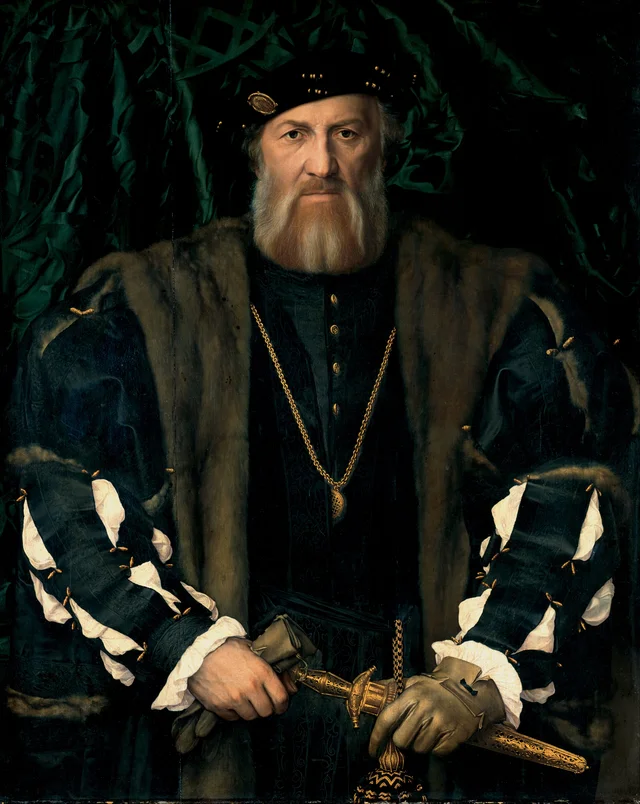 Charles de Solier, signore di MoretteHans Holbein il Giovane, 1534
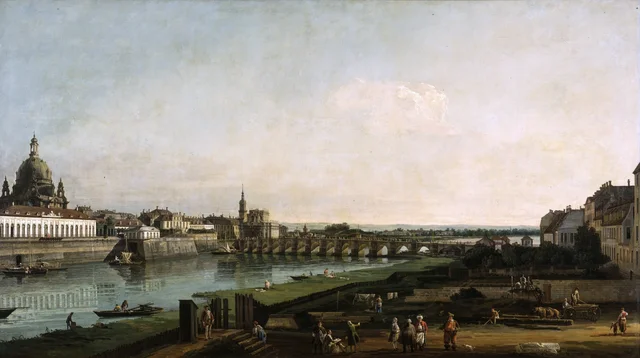 Dresda dalla riva destra dell'Elba a monte del ponte di AugustoBernardo Bellotto, 1747
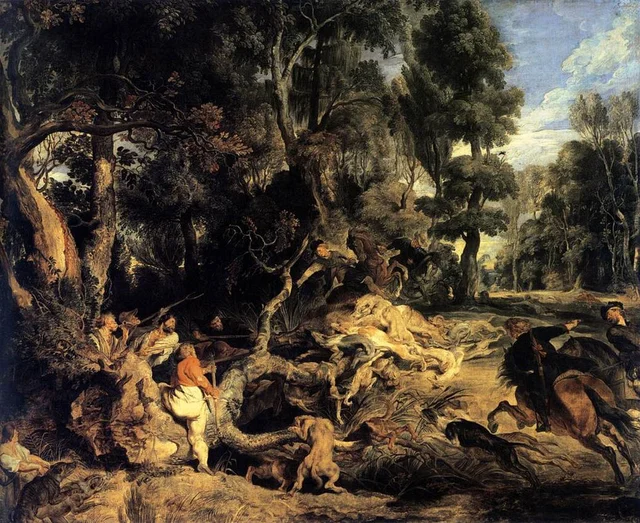 Paesaggio con caccia al cinghialePieter Paul Rubens, 1616
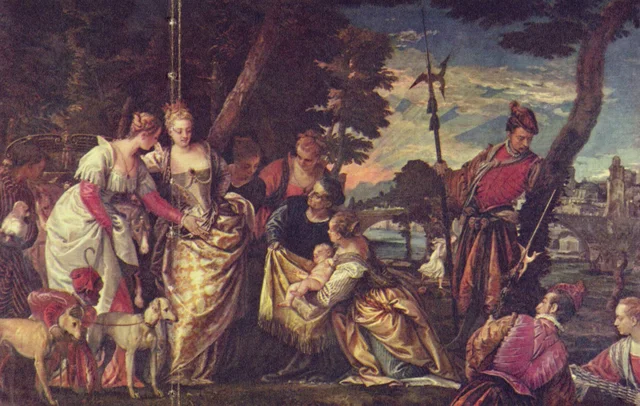 Il ritrovamento di MosèPaolo Veronese, 1581
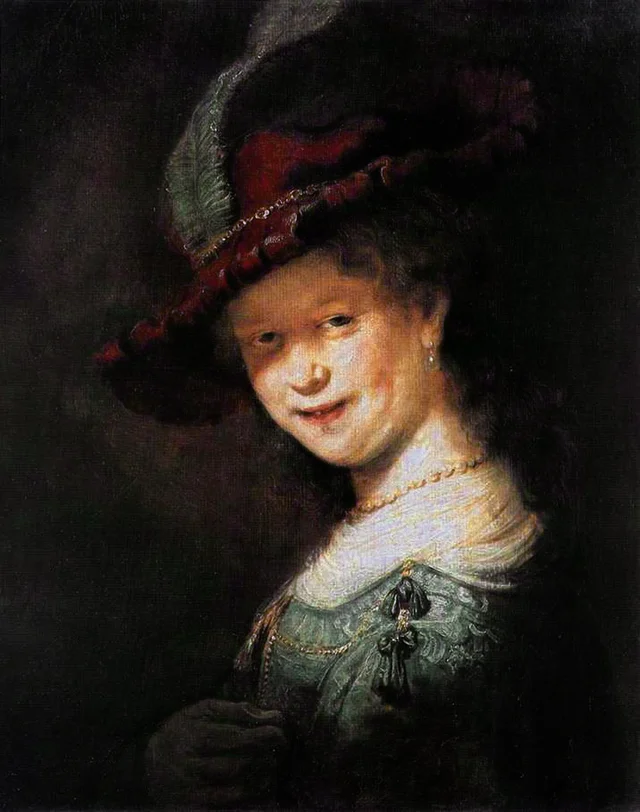 Busto di giovane donna sorridente, forse Saskia van UylenburghRembrandt, 1633
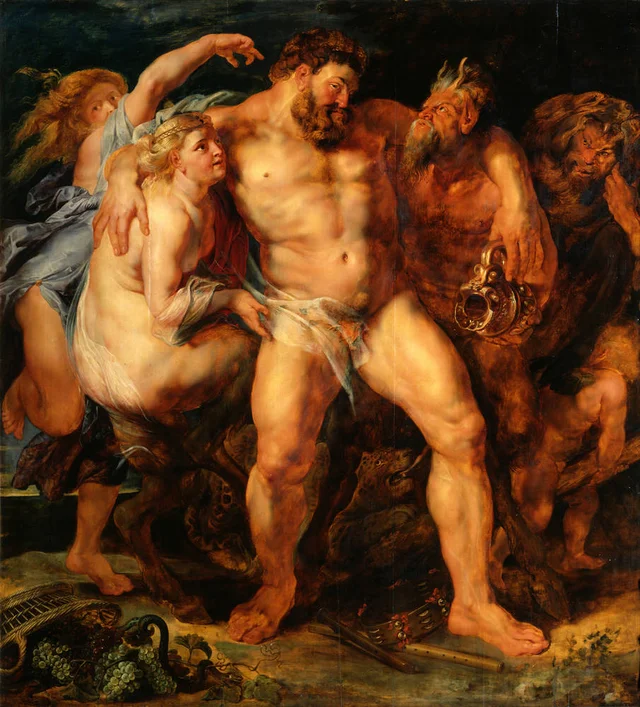 Ercole ubriacoPieter Paul Rubens, 1613
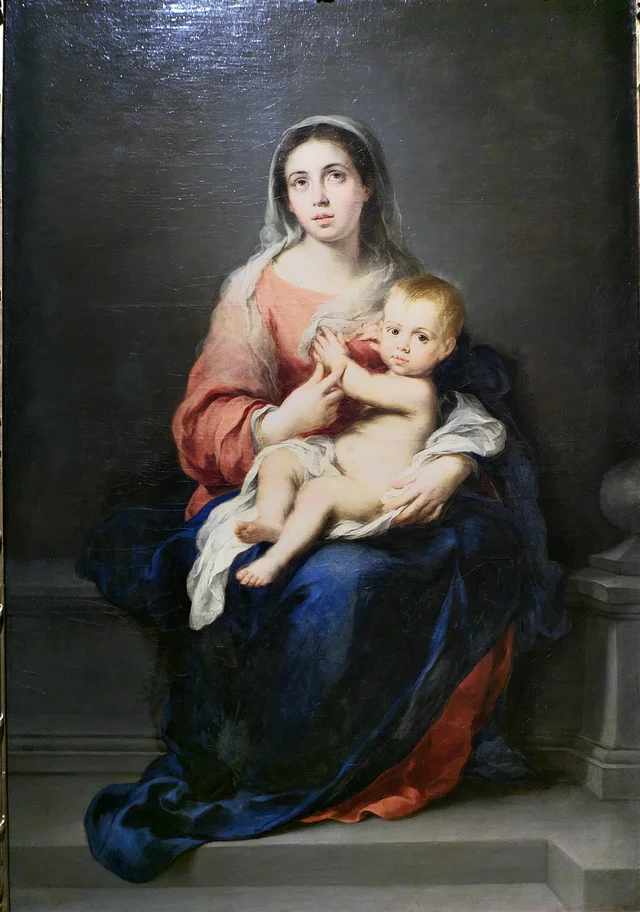 Madonna col BambinoBartolomé Esteban Murillo, 1675
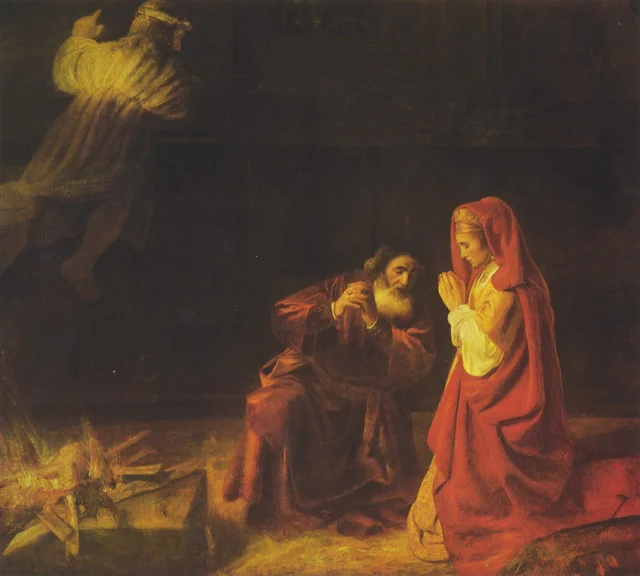 Il sacrificio di ManoachRembrandt, 1641
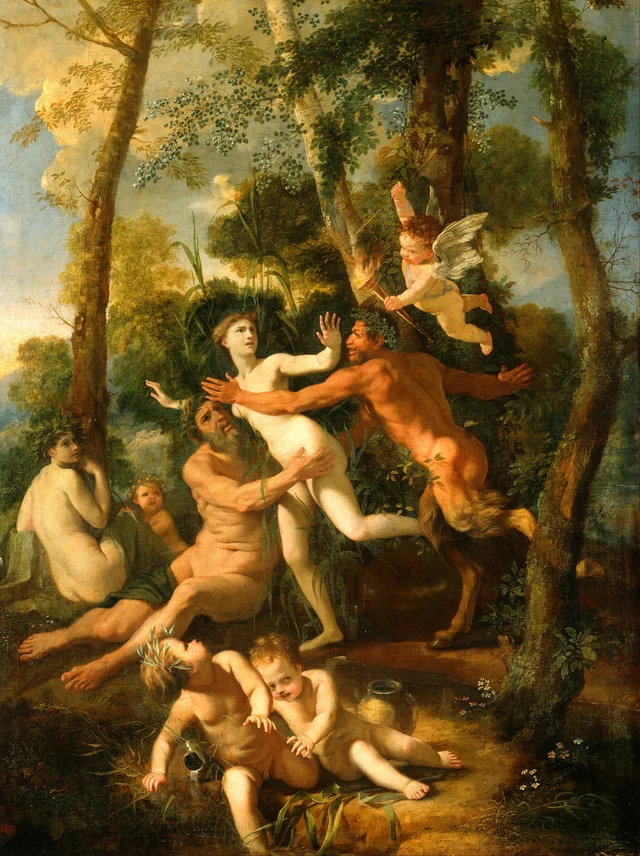 Pan e SiringaNicolas Poussin, 1637
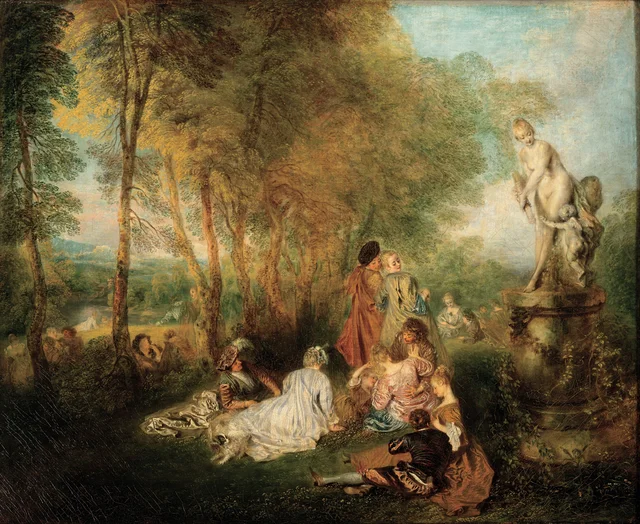 La Festa d'amoreJean-Antoine Watteau, 1718
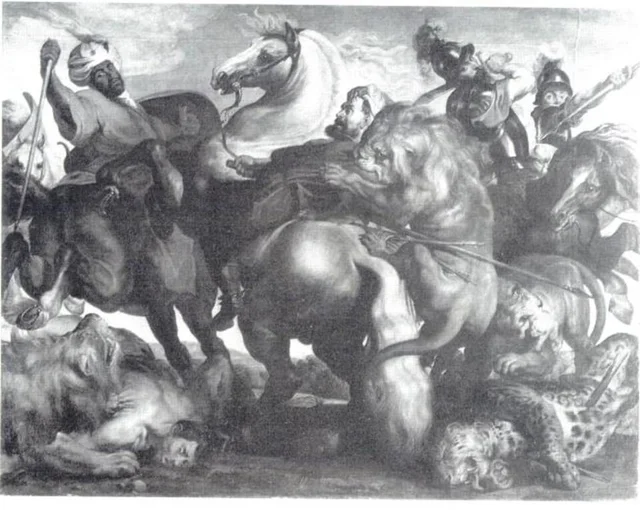 La caccia al leone e al leopardoAnonimo, 1617
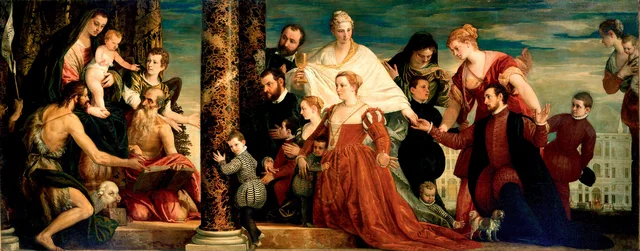 Madonna della famiglia CuccinaPaolo Veronese, 1571
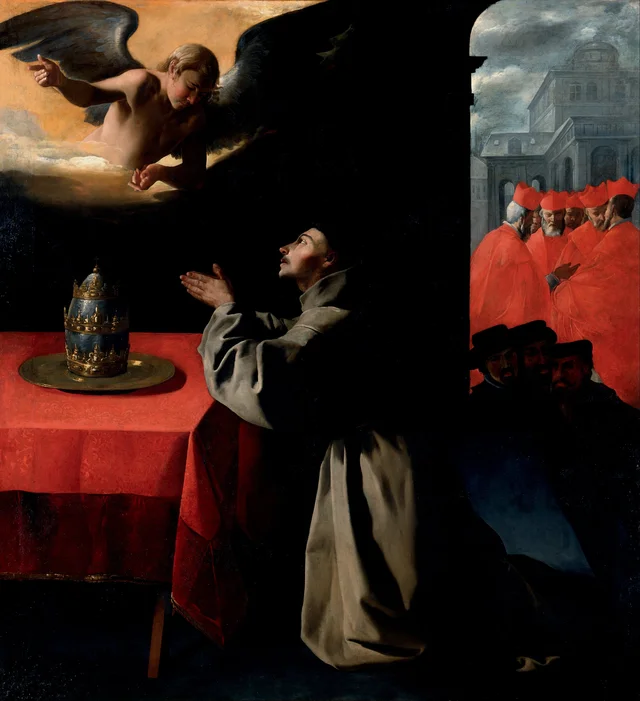 La preghiera di san Bonaventura per l'elezione del nuovo papaFrancisco de Zurbarán, 1628